What It Really Means When Grasshoppers Take Over Your Texas Yard This August
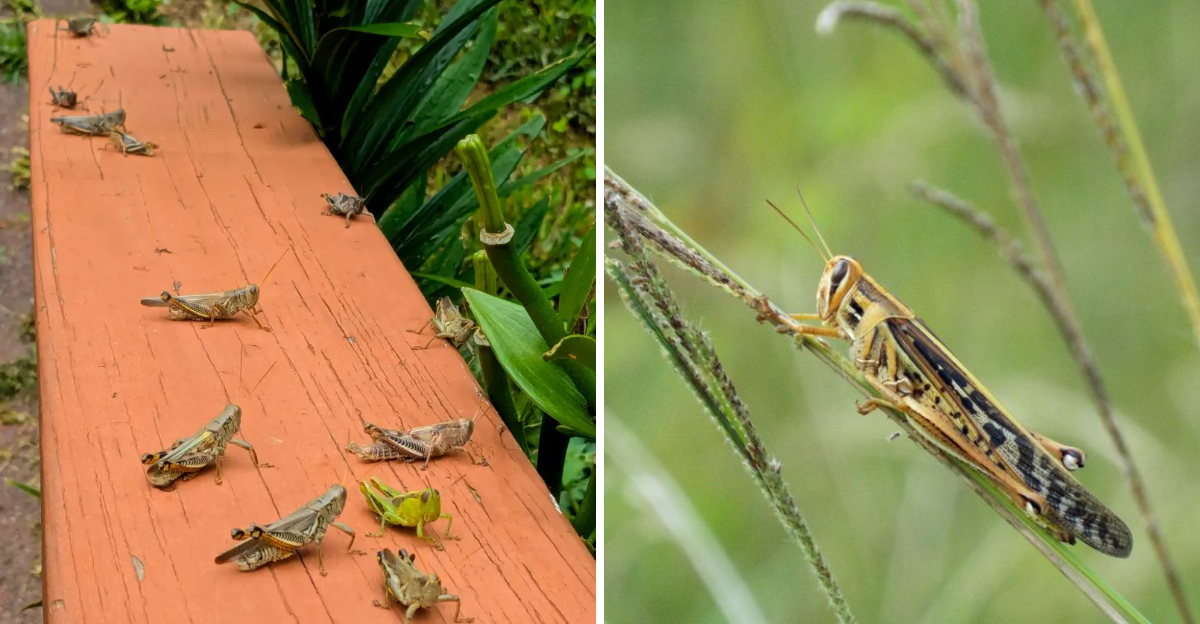
A few grasshoppers in a Texas yard in August is completely normal. A lot of grasshoppers, the kind where they’re jumping ahead of every footstep and landing on every plant surface in sight, is something else entirely.
If your yard feels genuinely overrun with them right now, that experience is telling you something specific about the conditions in and around your property this summer. Grasshopper populations in Texas don’t spike randomly.
August outbreaks almost always trace back to a combination of weather conditions, landscape factors, and timing that creates the perfect environment for populations to grow well beyond normal levels.
And once a grasshopper outbreak gets going, the damage to garden plants, lawn grass, and ornamental shrubs can accumulate quickly before most homeowners figure out how to respond effectively.
Understanding what’s actually driving the outbreak in your yard is the most useful first step toward managing it, because the right response depends on what’s really going on rather than just what’s visible on the surface.
Here’s what a grasshopper takeover of your Texas yard in August is really telling you.
1. A Large Population Developed Nearby
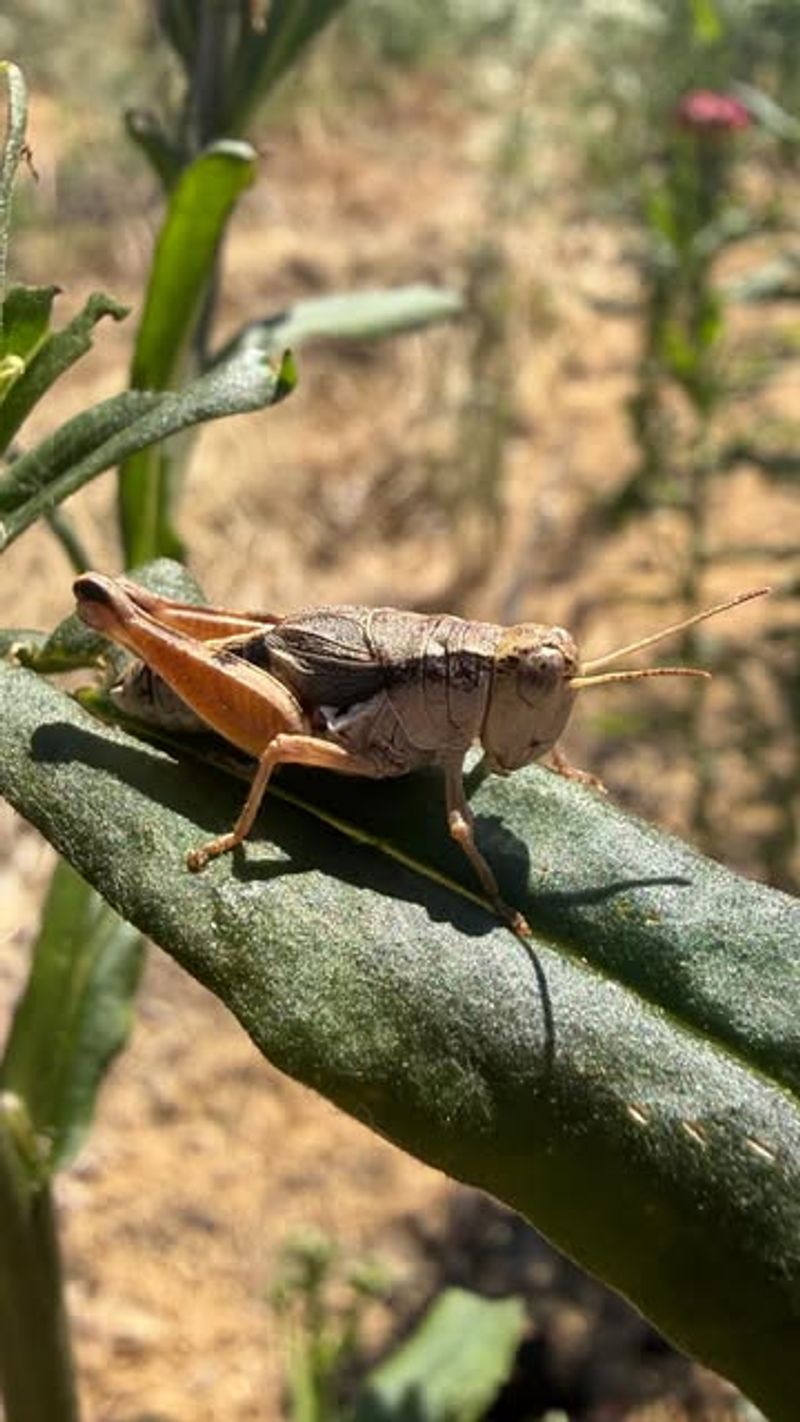
Walk along any Texas roadside in late spring, and you might not notice a thing. But underneath those tall weeds and overgrown grasses, grasshopper eggs are quietly hatching by the thousands.
By August, those tiny nymphs have grown into full-sized adults, and your yard is suddenly ground zero for what feels like an invasion.
Grasshoppers prefer to lay their eggs in undisturbed soil along field edges, roadsides, pastures, and overgrown lots. These spots rarely get mowed or sprayed, which makes them perfect nurseries.
Once the eggs hatch and the young grasshoppers start feeding and growing, the surrounding area can support a massive population without anyone noticing.
If your home sits near farmland, a vacant lot, a highway shoulder, or an unmaintained property, you are at higher risk. The grasshoppers do not need to travel far to find your yard.
They simply spread outward from where they hatched, munching on everything in their path as they go.
Texas is especially prone to large grasshopper populations because of its warm climate, dry summers, and vast stretches of open land. Species like the differential grasshopper and the red-legged grasshopper are among the most common culprits.
Both species can build up in huge numbers when conditions are just right. The takeaway here is simple. Your yard may be perfectly maintained, yet still attract grasshoppers because of what is happening just outside your fence line.
Knowing that a nearby population is the likely source helps explain why the problem can appear so suddenly and feel so overwhelming during August.
2. Winged Adults Have Begun Moving Into Gardens
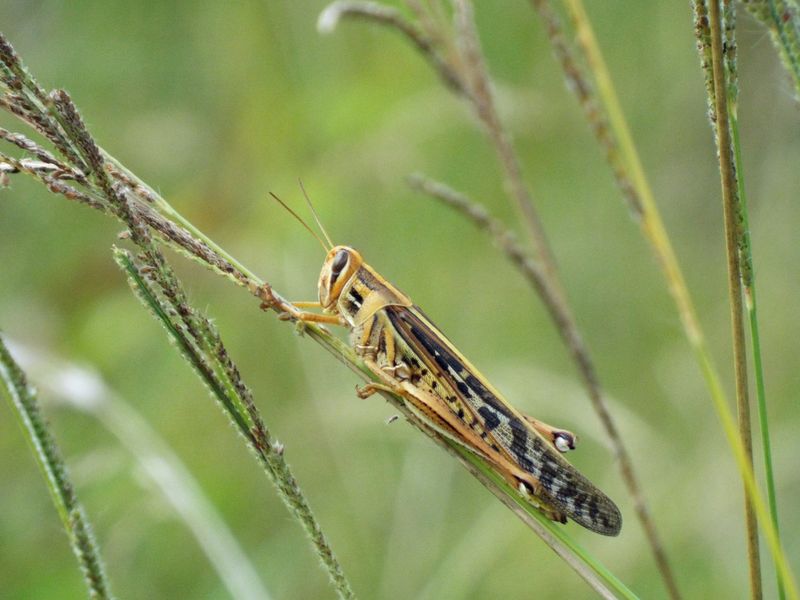
Young grasshoppers, called nymphs, are actually pretty slow. They crawl around and hop short distances, staying close to where they hatched.
But once they reach adulthood and grow wings, everything changes. Suddenly, they can cover serious ground, and your garden becomes a very easy target.
Your Texas Garden Changes Every Week. Your Plan Should Too.
Gardening in Texas changes quickly throughout the season. Every Friday you’ll receive a simple weekly plan showing exactly what to plant, prune, fertilize, harvest, and protect so you never miss the right timing.
Adult grasshoppers can fly hundreds of feet in a single trip. When the vegetation around their hatching sites gets chewed down, dried out, or simply too crowded, the adults take off in search of greener options.
Your irrigated flower beds, vegetable garden, and shrubs look like an all-you-can-eat buffet compared to the dry fields nearby.
This is exactly why August feels so intense. Most grasshoppers in Texas complete their development and reach adulthood by midsummer.
By the time August rolls around, you are dealing with fully winged, highly mobile insects that are capable of flying into your yard from neighboring properties, fields, or roadsides with very little effort.
Gardeners often notice the shift quickly. One week the yard looks fine, and the next week leaves are riddled with ragged holes and plants look stripped.
That sudden change usually signals that winged adults have moved in, not just a few stragglers but potentially large numbers arriving all at once.
Spotting the adults is fairly easy. They are larger than nymphs, and you can often see their wings folded flat against their bodies.
If you notice grasshoppers flying up when you walk through the yard, that is a clear sign the adults have arrived and set up shop in your garden space.
3. Drying Vegetation Is Making Irrigated Plants More Attractive
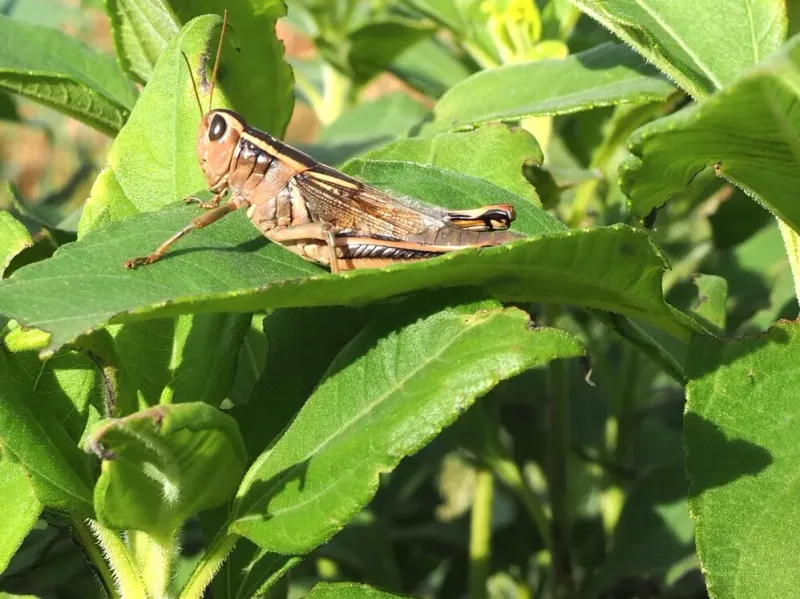
Picture a buffet table where most of the food has gone stale and dry, but one section is still fresh and green. That is exactly what your watered yard looks like to a hungry grasshopper in August.
As the Texas summer heat bakes surrounding fields and roadsides into crispy brown mats, your irrigated plants stand out like a neon sign.
Grasshoppers are not picky eaters, but they do prefer fresh, moist, green vegetation when they can get it. During drought conditions or extended heat waves, the natural plant material outside your yard loses most of its moisture and nutritional value.
Grasshoppers respond by moving toward whatever is still green and actively growing. Regular watering of your lawn, garden beds, and ornamental plants creates a concentrated feeding site. Vegetables like tomatoes, peppers, beans, and squash are especially attractive.
Flowering plants and shrubs with soft, leafy growth also draw heavy feeding pressure when the surrounding landscape is dry and beaten down by the sun.
One practical response is to reduce unnecessary watering in areas of your yard where you are not growing food or valued plants. Letting a portion of your lawn go slightly dry can make it less appealing.
Focus your irrigation on the plants that matter most and consider using row covers or barriers to protect your most vulnerable crops.
Understanding this dynamic helps you see that the grasshoppers are not targeting your yard randomly. They are following a very logical survival instinct, chasing moisture and nutrition wherever they can find it.
Your well-watered yard, during a dry Texas August, is simply the most attractive option available to them in the neighborhood.
4. Drought-Stressed Plants Can Suffer More Serious Damage
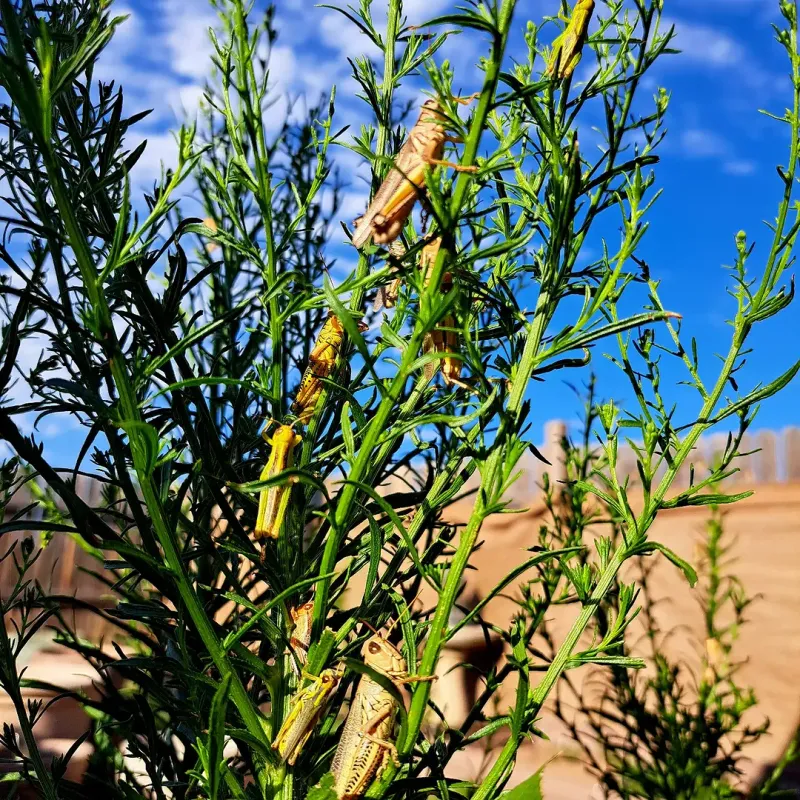
Here is a fact that might surprise you. Two grasshoppers feeding on a healthy, well-watered plant and two grasshoppers feeding on a drought-stressed plant can cause very different levels of harm.
The stressed plant almost always comes out worse, even if the amount of chewing is exactly the same.
Plants that are already struggling from heat and limited water have fewer resources to bounce back from damage. A healthy plant can lose a portion of its leaves and still push out new growth within days.
A stressed plant may not have enough energy or moisture stored to recover at the same pace, leaving it vulnerable to further setbacks.
Grasshoppers chew leaves, stems, flowers, and sometimes even fruit. When a plant is already thin on foliage because of heat stress, losing even a small number of leaves can reduce its ability to make food through photosynthesis.
Less photosynthesis means less energy, which makes recovery slower and harder. The best defense here is to keep your most valuable plants as healthy as possible during August. Water deeply and consistently rather than giving shallow, frequent drinks.
Mulching around the base of plants helps hold soil moisture and keeps roots cooler during the hottest parts of the day.
Fertilizing stressed plants during a grasshopper invasion is generally not a great idea. Fresh, lush growth can actually attract more feeding.
Instead, focus on steady, moderate watering and removing any heavily damaged plant material to reduce stress. A plant that stays stable has a much better chance of surviving the summer pressure and bouncing back once cooler weather arrives.
5. August Grasshoppers Are Harder To Control Than Spring Nymphs
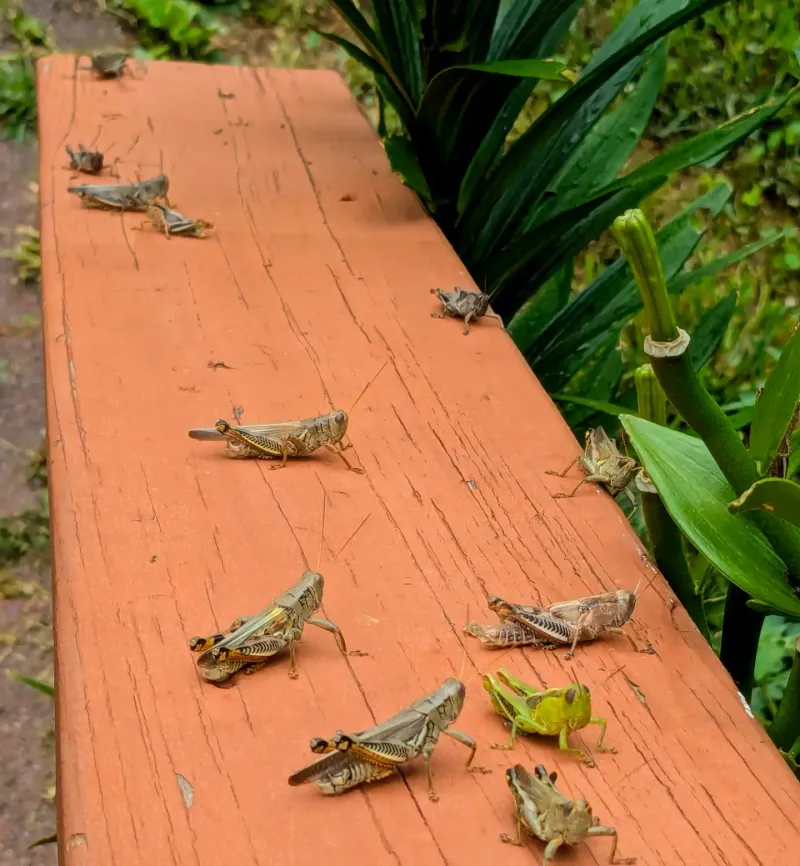
Timing really does matter when it comes to grasshoppers. In spring, when the nymphs first hatch, they are small, wingless, and clustered tightly near their hatching sites.
That makes them much easier to manage with targeted treatments. By August, the window for easy control has already closed.
Adult grasshoppers are a tougher challenge for several reasons. First, they are larger and more physically resilient than nymphs.
Second, and more importantly, they can fly. If you treat your yard with a pesticide, adults can simply leave the treated area, spend time in a neighboring field, and fly right back once conditions seem safe again.
That cycle can make control efforts feel frustrating and endless. Products containing ingredients like carbaryl or pyrethrin are commonly used for grasshopper control, but even these work better on young nymphs than on large adults.
Always read the pesticide label fully before applying anything, and follow all directions carefully. The label is the law, and using a product incorrectly can harm beneficial insects, pets, and people.
Biological controls, like Nosema locustae, a naturally occurring pathogen that affects grasshoppers, can be applied as a bait. However, results are slow and work best as a preventive measure rather than a quick fix.
Applying it during early summer when nymphs are still young gives it the best chance of working.
The honest reality is that by August, full elimination is rarely realistic. The smarter goal is to reduce feeding pressure on your most valued plants and protect what matters most.
Focusing your energy on targeted protection rather than total yard-wide treatment will save you time, money, and frustration during the peak of the season.
6. Your Yard May Not Be The Source Of The Infestation
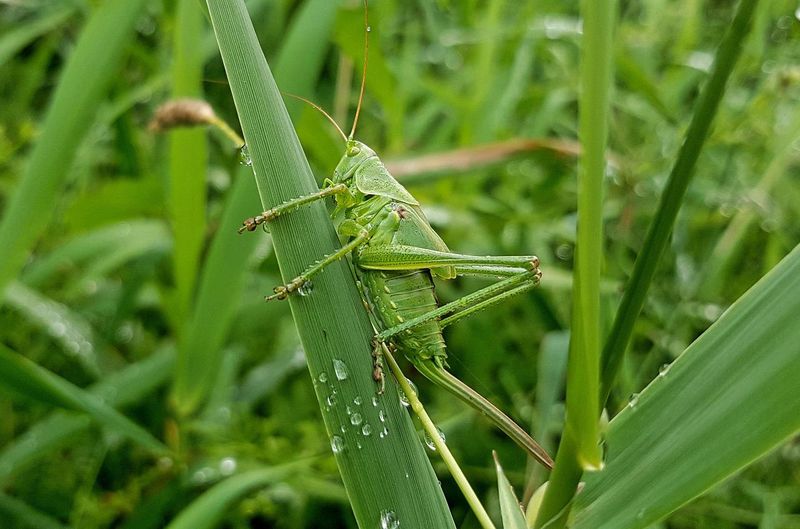
It can feel discouraging to look at your neat, well-kept yard and still find it crawling with grasshoppers. But here is the thing, a tidy property does not make you immune.
When large numbers of adults are flying in from surrounding fields and roadsides, your yard becomes a destination regardless of how well you maintain it. Grasshoppers do not respect property lines. They follow food, moisture, and instinct.
Even if you have no weeds, no overgrown corners, and no standing water, a neighbor’s vacant lot or a nearby field can produce thousands of adults that find their way into your space during August. The source of the infestation is often completely outside your control.
That said, there are practical steps worth taking. Removing tall weeds near your garden beds reduces the amount of cover grasshoppers can use when they first arrive.
Keeping grass mowed short near your vegetable garden limits resting spots and makes the area slightly less inviting.
Row covers made of lightweight fabric can be a real lifesaver for vegetable gardens. When anchored securely at the edges, they physically block grasshoppers from reaching your plants.
They let light and water through while keeping chewing insects out. For small garden beds, this is one of the most reliable protective tools available.
If you choose to use a pesticide, apply it only according to the label instructions and focus on the areas closest to your valued plants. Treating the entire yard when adults are flying in from outside will provide limited relief.
Targeted, smart protection is far more effective than trying to treat every inch of ground when the real source of the problem lies beyond your fence.