What It Really Means When Monarch Butterflies Keep Passing Through Your North Carolina Yard

A single monarch passing through is a welcome sight. Monarchs returning to the same yard repeatedly over several days or weeks is something more specific than good fortune.
North Carolina sits along one of the most significant monarch migration corridors in the eastern United States, and yards that attract repeated monarch visits are offering something that the migration route genuinely needs.
The plants present, the water sources available, and the overall structure of the yard all factor into whether monarchs treat a property as a reliable stopover or pass over it entirely.
Understanding what keeps drawing them back reveals something genuinely interesting about how a yard functions within the larger landscape monarchs are navigating through this region every season.
1. Your Yard May Be On A Monarch Travel Route
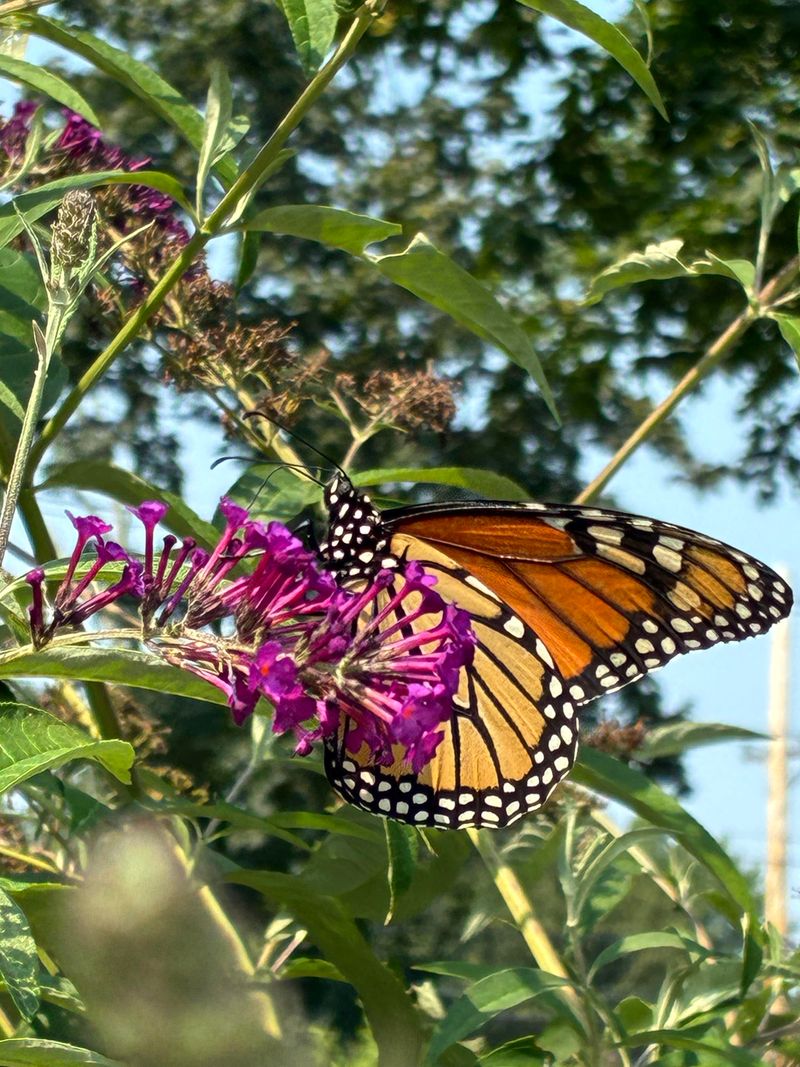
Picture your backyard as a rest stop on one of nature’s most incredible road trips.
Monarch butterflies travel hundreds of miles through North Carolina each fall, moving from their summer grounds in the northern United States toward their overwintering sites in Mexico.
That journey takes real energy, and your yard could be sitting right along one of their favorite paths. North Carolina is a key corridor for monarchs heading south.
The state’s geography, with its mix of open meadows, forest edges, and coastal plains, creates natural travel lanes that monarchs follow season after season.
Yards tucked near these routes often see more butterfly traffic than homeowners expect. If monarchs keep passing through, there is a good chance your property lines up with a well-used travel corridor.
That is not a coincidence. Butterflies tend to follow familiar landmarks like tree lines, ridges, and open sunny spaces. Your garden may already fit that profile without you doing anything extra.
Adding nectar-rich flowers makes your yard even more attractive as a genuine fueling station along a remarkable natural highway that stretches thousands of miles.
2. They Are Looking For Nectar To Keep Moving
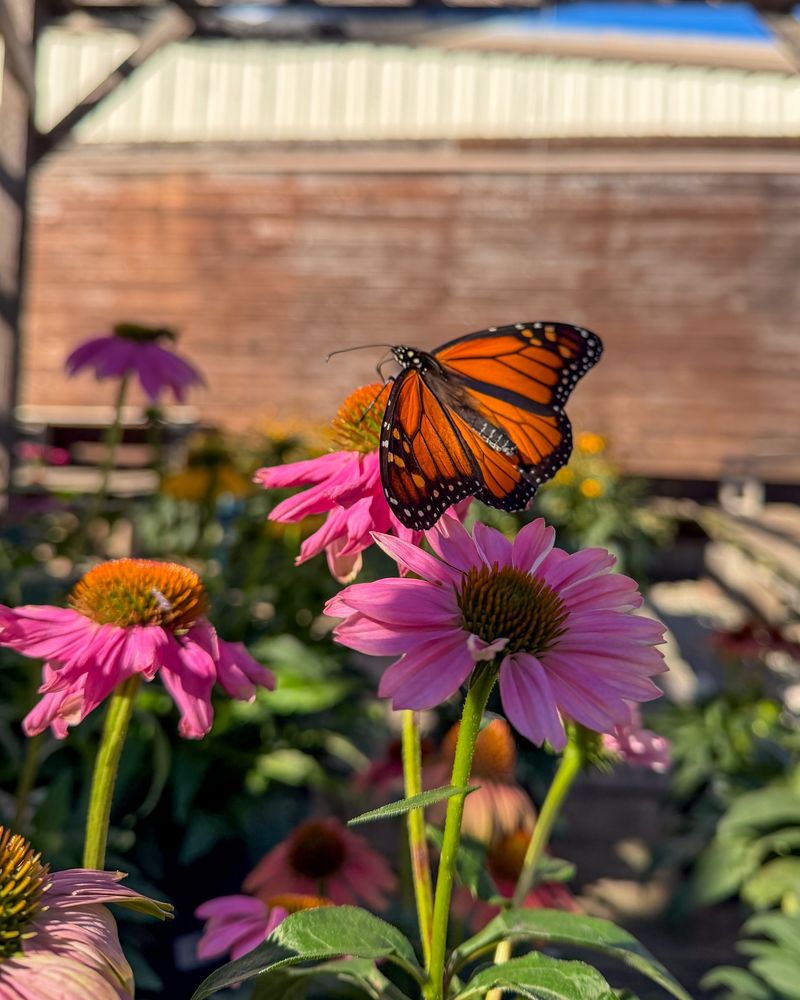
Monarchs are not stopping by your yard just to admire the scenery. Adult butterflies need nectar, and they need a lot of it.
Nectar is their fuel, and without steady sources along the way, a traveling monarch simply cannot keep up the pace of a multi-week journey covering hundreds of miles.
During warm fall days in North Carolina, monarchs search actively for flowers that offer high sugar content.
Blooms like ironweed, goldenrod, asters, and zinnias are especially popular because they produce generous amounts of nectar right when monarchs need it most.
A yard full of these kinds of flowers becomes an irresistible pit stop for butterflies moving through the region. Timing matters too.
Monarchs typically pass through North Carolina from late August through October, with peak movement often happening in September and early October.
Planting flowers that bloom during that window gives your yard the best shot at attracting and actually supporting these travelers.
Even a modest patch of late-season blooms can make a real difference, because every nectar stop adds up across the long journey south.
Your flowers are not just pretty. They are part of something much bigger.
Your North Carolina Garden Changes Every Week. Your Plan Should Too.
Gardening in North Carolina changes quickly throughout the season. Every Friday you’ll receive a simple weekly plan showing exactly what to plant, prune, fertilize, harvest, and protect so you never miss the right timing.
3. Milkweed Makes The Yard More Than A Stopover
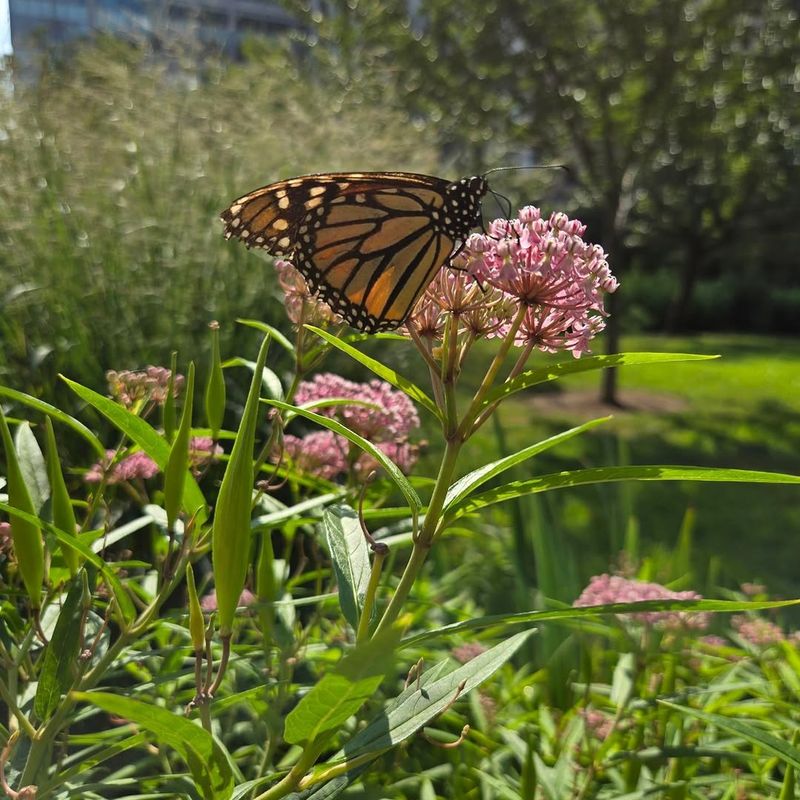
Nectar flowers bring monarchs in for a quick visit, but milkweed is what takes a yard from a simple rest stop to a genuine nursery.
Monarch caterpillars can only eat milkweed. That is not a preference. It is a biological requirement, and without it, monarch reproduction simply cannot happen in your garden.
When a monarch lands on your milkweed and lingers, there is a good chance she is a female checking the plant before laying eggs. Female monarchs are selective.
They inspect leaves carefully before depositing tiny eggs on the underside, where hatching caterpillars will immediately have food waiting for them.
Spotting that behavior in your yard means you are supporting a full life cycle, not just a passing visit.
Having milkweed alongside nectar flowers creates a layered kind of support that really matters for the monarch population.
Nectar plants feed the adults. Milkweed feeds the next generation. Together, they transform your yard into something far more meaningful than a brief fueling stop.
Even a few milkweed plants tucked among your flower beds can contribute in a meaningful way, especially during the summer breeding season before the fall movement through North Carolina begins.
4. Native Milkweed Is The Better Choice
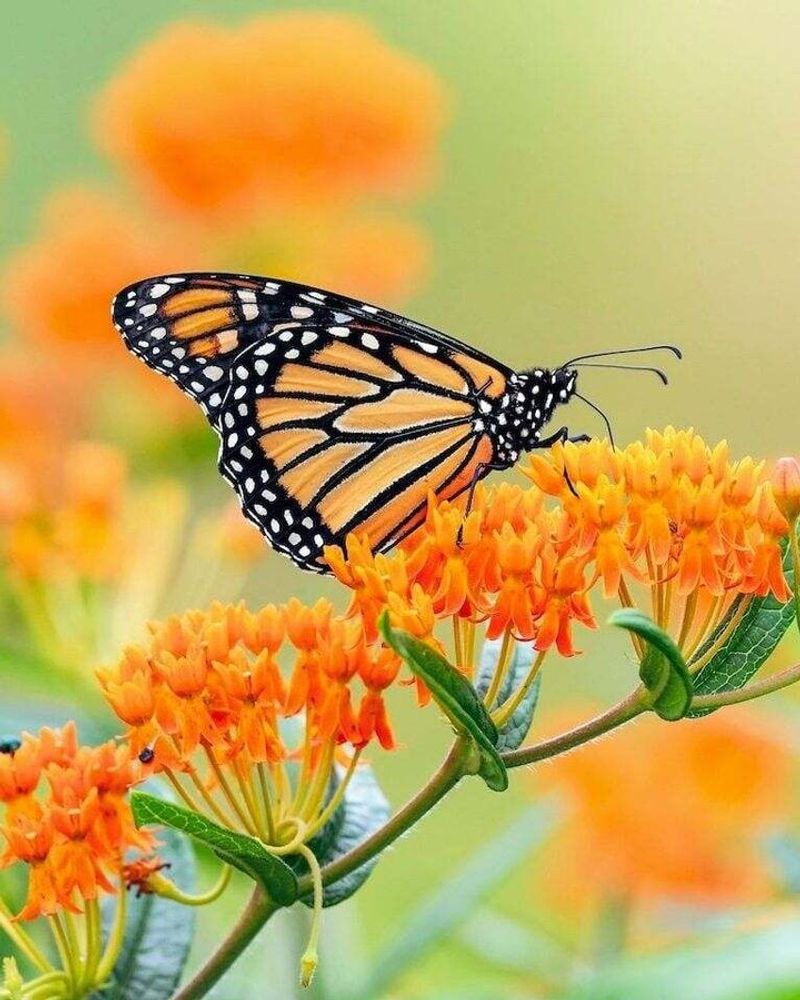
Not all milkweed is created equal, especially when it comes to supporting monarchs in North Carolina.
Native milkweed species are naturally adapted to local soils, rainfall patterns, and seasonal cycles, which makes them far more reliable and beneficial than non-native alternatives you might find at a big box garden center.
Three native options stand out for North Carolina gardens. Butterfly Weed, known botanically as Asclepias tuberosa, thrives in dry, well-drained soils and produces cheerful orange blooms that butterflies love.
Common Milkweed, Asclepias syriaca, does well in average soils and spreads over time to form useful patches.
Swamp Milkweed, Asclepias incarnata, is an excellent pick for wetter spots near drainage areas, rain gardens, or low-lying beds where other milkweeds might struggle.
Choosing the right species for your specific conditions is the real key. A milkweed planted in the wrong spot will underperform or fade out quickly.
Match the plant to your soil type, sun exposure, and moisture level and you will end up with a healthy, established patch that returns year after year.
Native milkweed also goes dormant in winter, which is actually a natural and healthy signal for monarchs rather than a problem. Healthy native plants are always worth the extra thought upfront.
5. Tropical Milkweed Can Create The Wrong Signal
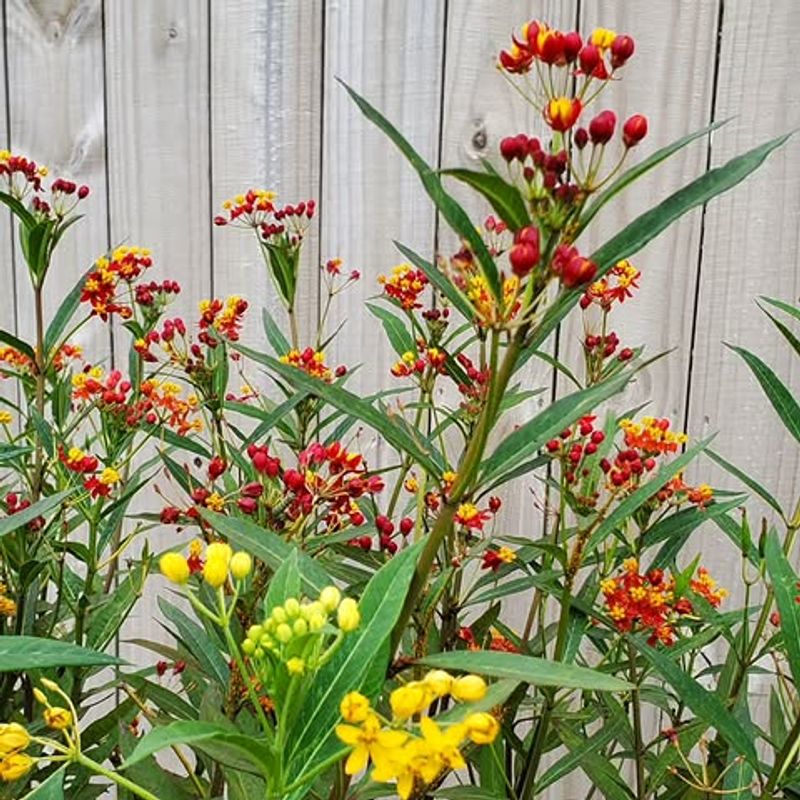
Tropical Milkweed, sold widely under the name Asclepias curassavica, is easy to find and fast to grow, which makes it tempting for gardeners who want quick results. The bright red and yellow blooms are undeniably eye-catching.
But in North Carolina, this plant comes with some real concerns that are worth understanding before you fill your beds with it.
NC State University Extension notes that Tropical Milkweed does not follow the same seasonal pattern as native milkweed.
It can stay green and blooming well past the time monarchs should be moving south, which may cause some butterflies to linger in an area longer than is good for them.
Monarchs are wired to respond to environmental cues, and a plant that keeps blooming out of season can disrupt those natural signals in ways that are not helpful for the population as a whole.
There is also a concern about a parasite called Ophryocystis elektroscirrha, commonly called OE, which can accumulate on plants that do not go dormant seasonally.
Native milkweeds wither in winter, naturally reducing that buildup. Tropical Milkweed, especially in milder parts of North Carolina, may not wilt at all.
Sticking with native milkweed species is the safer, smarter approach for gardeners who genuinely want to help monarchs thrive long-term.
6. Passing Monarchs Can Reveal An August Bloom Gap
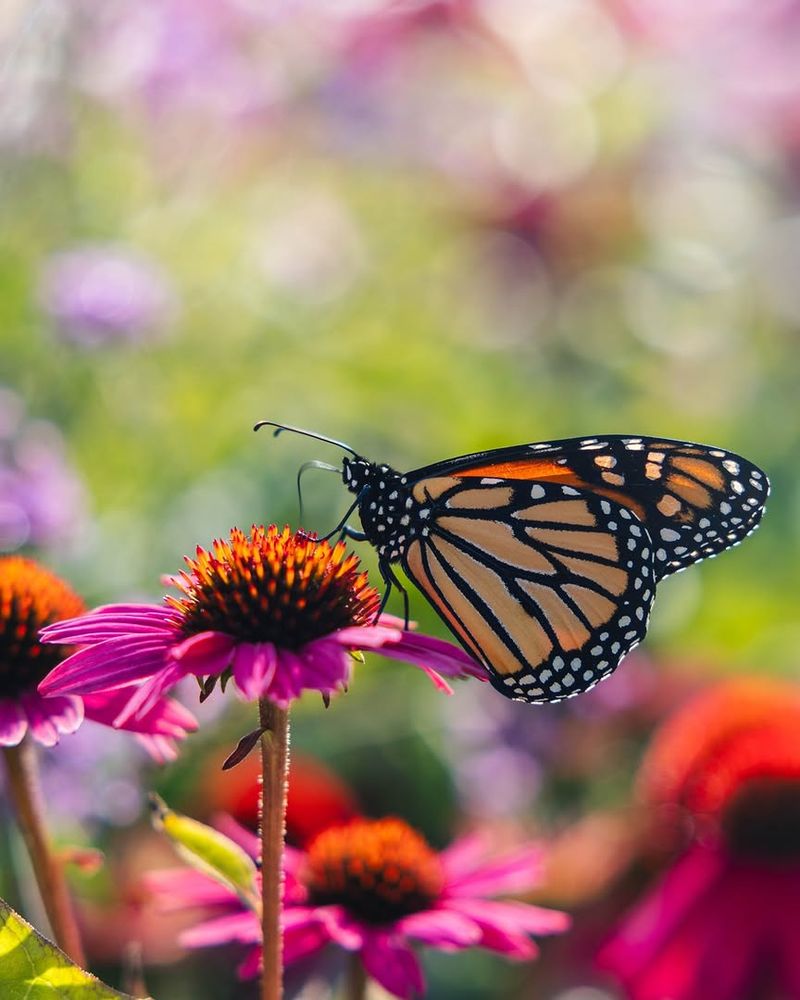
Here is something worth paying attention to. If monarchs keep flying through your yard without pausing, your garden might be sending them a message without you realizing it.
A butterfly that does not stop is often a butterfly that cannot find what it needs. That kind of pass-through behavior is actually useful feedback about your garden’s late-season flower coverage.
Late summer and fall are the most critical times for monarch nectar in North Carolina. Many gardens peak in spring and early summer, then go quiet just when monarchs need support the most.
Filling that August through October window with the right plants makes a huge difference. Goldenrod is one of the most valuable options, producing massive amounts of nectar and blooming reliably in late summer.
Purple asters are another powerhouse, along with ironweed, Joe Pye Weed, mountain mint, and coneflowers.
Zinnias are a great annual option for gardeners who want flexibility, since they bloom heavily through fall and are easy to grow from seed.
Mixing a few of these into your existing beds can shift your yard from a place monarchs pass over to one they actively seek out.
Think of it like stocking a convenience store with the right items right before a long road trip. Butterflies will notice, and they will stop.
7. A Less Sprayed Yard Is More Useful
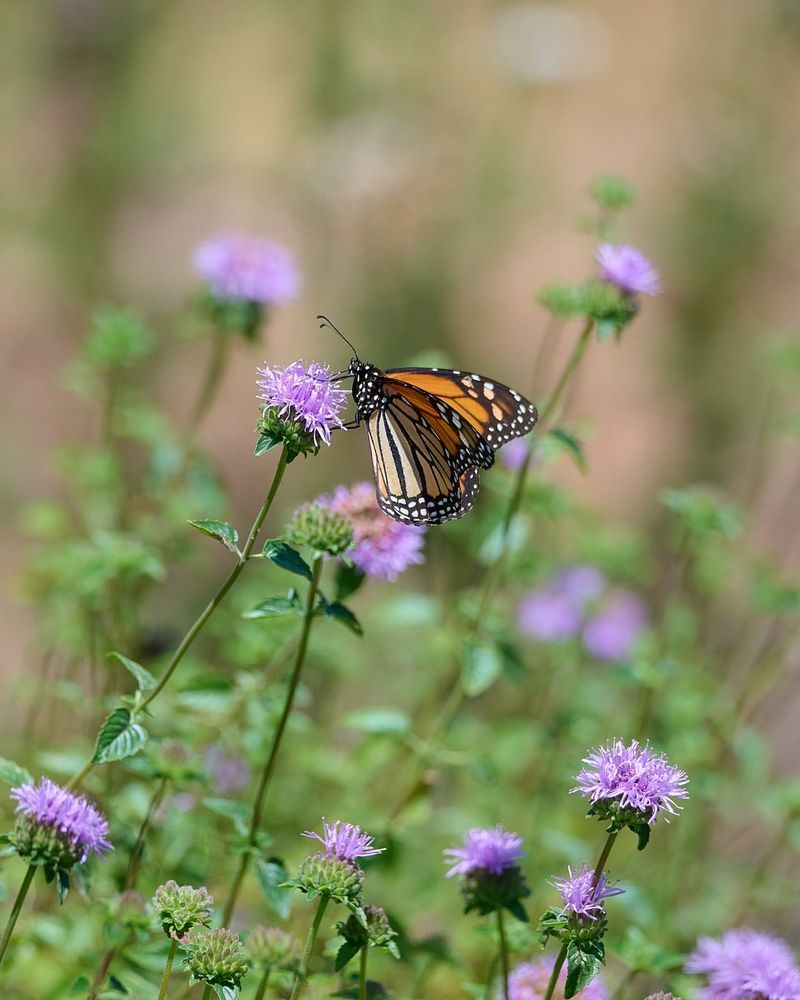
One of the most impactful things you can do for monarchs is also one of the simplest. Spray less. Broad-spectrum insect sprays do not distinguish between pests and pollinators.
When you apply them across flower beds, you risk affecting the very butterflies and bees you are trying to attract.
For a monarch-friendly yard, that trade-off is not worth it. The better approach starts with identification. Before reaching for any spray, take a close look at what is actually causing the problem.
Many insects that look concerning are either harmless or even beneficial.
True pests can often be managed with targeted, low-impact methods like hand-picking, insecticidal soap applied carefully, or simply tolerating minor leaf damage that does not threaten the plant’s overall health.
Monarchs and other pollinators use the same flower beds, so protecting those spaces from unnecessary chemical exposure benefits the whole community of helpful insects visiting your garden.
If you do need to treat a specific pest, apply products in the evening when pollinators are less active, and avoid spraying open flowers whenever possible.
A yard managed with care and intention is far more useful to passing monarchs than a perfectly manicured space that has been broadly treated.
Pollinators reward patience and thoughtfulness in ways that make the whole garden feel more alive.
8. Shelter And Sun Both Matter
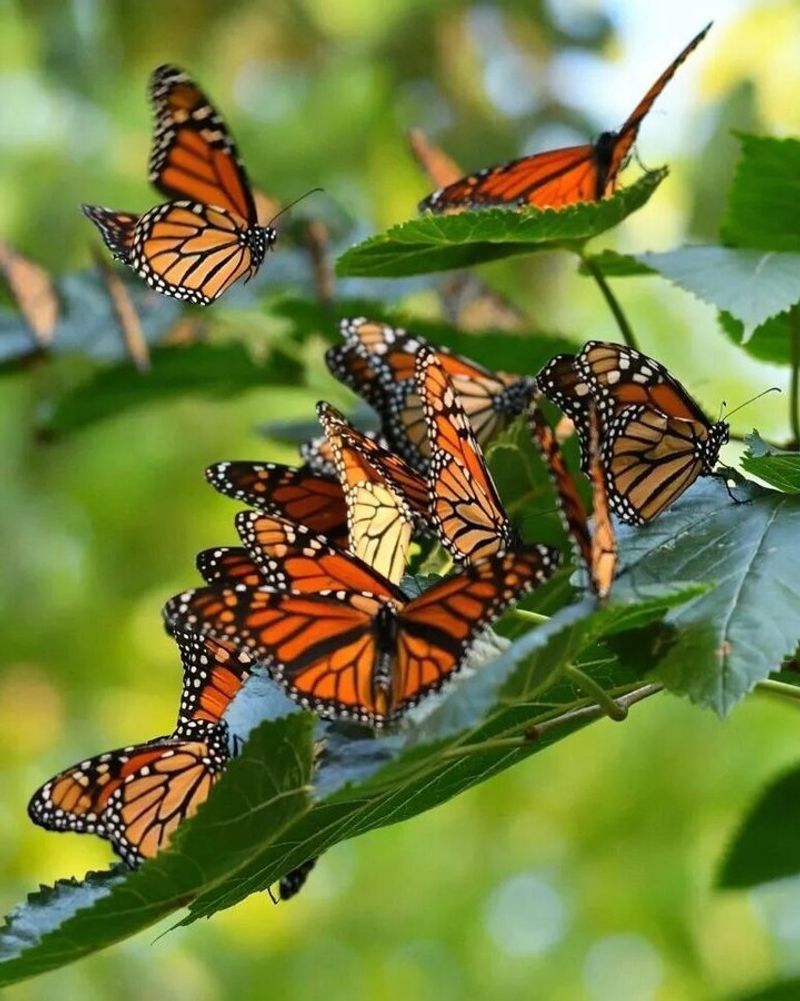
Flowers get most of the attention in pollinator gardens, but monarchs need more than just a good meal.
Sun and shelter work together to make a yard genuinely comfortable for butterflies that are in the middle of a long journey.
Getting both elements right can turn your garden into a place monarchs return to rather than just pass through once.
Sun is non-negotiable for monarchs. These butterflies are solar-powered in a very real sense. They need warmth to fly, and cool cloudy days slow them down significantly.
Open, sunny flower beds positioned away from heavy shade give monarchs the warm conditions they prefer for feeding and resting.
South-facing garden areas tend to stay warmer longer into the fall, which is a bonus during the peak of the movement season. Shelter matters just as much on stormy or windy days.
Tall ornamental grasses, dense shrubs, or even a fence line can give butterflies a place to tuck in and wait out rough weather.
Monarchs are surprisingly resourceful about finding protected spots, but a yard that offers obvious options makes that easier.
Layering your planting design with open sunny spaces for nectar and protected edges for resting creates a well-rounded habitat that supports monarchs through all kinds of weather that North Carolina can throw their way.
9. Seeing Monarchs Does Not Always Mean They Will Stay
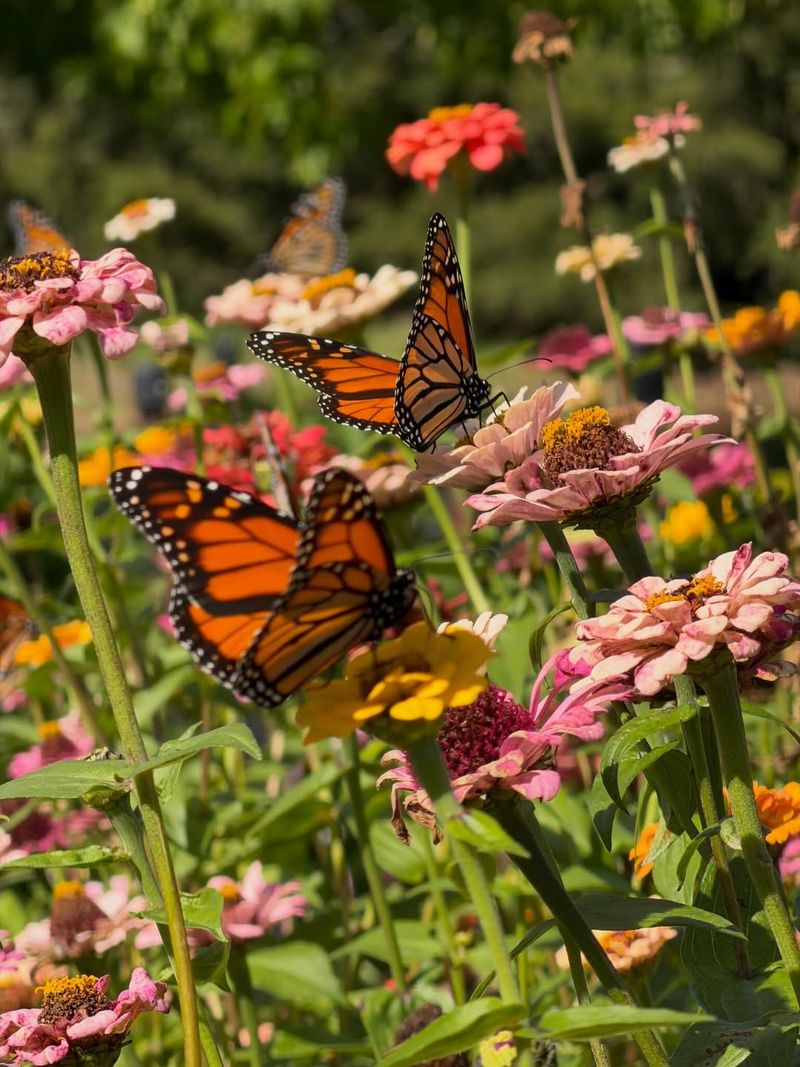
Sometimes a monarch lands for thirty seconds and then lifts off again. That can feel disappointing after all the work you have put into your garden. But a brief visit is not a sign that your yard failed.
Short stops are completely normal behavior for monarchs on the move, and even a quick pause can matter more than it looks.
Monarchs are constantly making decisions during their journey south. They assess each stop based on nectar quality, sun exposure, wind, and safety.
A butterfly that visits your yard for just a few minutes may have gotten exactly what it needed before moving on.
The fact that it stopped at all means your garden registered as worth checking out, which is genuinely meaningful.
Think about how the monarch journey works across a landscape. No single yard carries the whole load.
Instead, hundreds of gardens and natural areas spread across miles work together like a network of fueling stations.
Your milkweed patch and your fall flowers are one node in that larger system. Even brief nectar stops add energy to a butterfly that still has hundreds of miles ahead.
And if you have milkweed growing, you may be supporting eggs or caterpillars you have not even spotted yet. Every contribution counts, no matter how small it seems from your back porch.