What It Really Means When Snakes Are More Active in Your Florida Yard After Rain
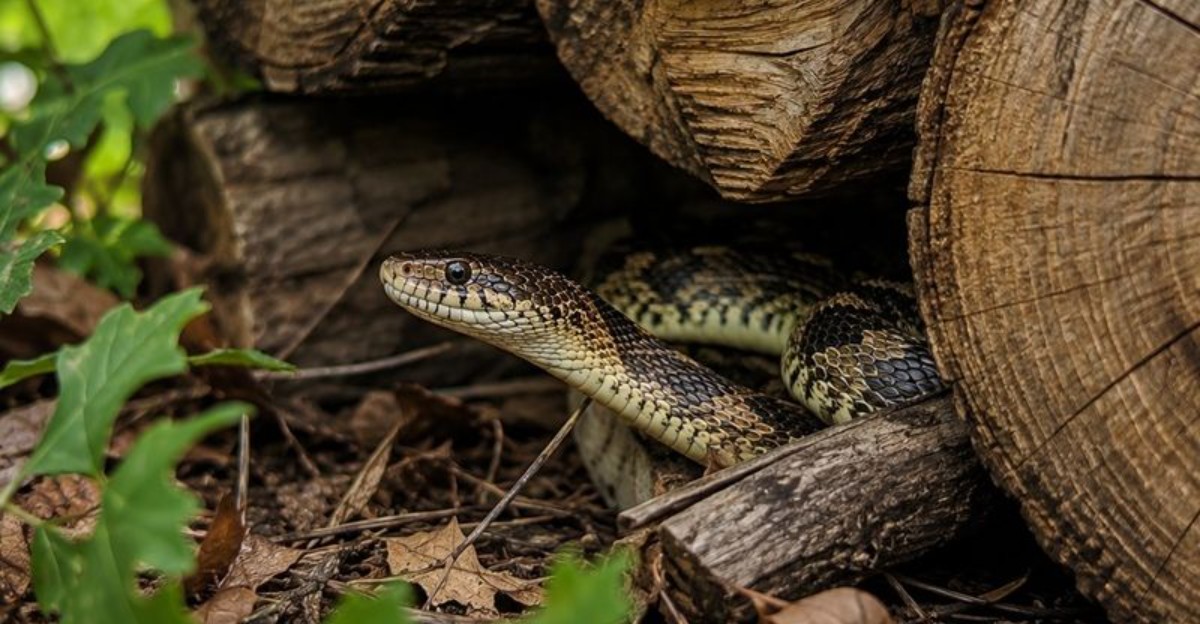
A single summer thunderstorm can dump several inches of water on a Florida yard in under an hour. Underground, that water floods the burrows, root tunnels, and soil cracks where many shy creatures spend their days.
I used to think the critters I spotted on my wet patio had come from somewhere far away. Personally, I now believe most of them were living a few feet from my tomato beds the whole time.
They were just very good at staying out of sight.
You might have noticed the same pattern near your garden shed or along a damp fence line. It can feel a little unsettling when the rain stops and something long and scaly glides across the lawn.
What is really going on beneath those soggy flower beds? The answer is calmer, smarter, and far more interesting than most rumors suggest.
1. Those Snakes Crossing Your Wet Lawn Were Probably Already Living There
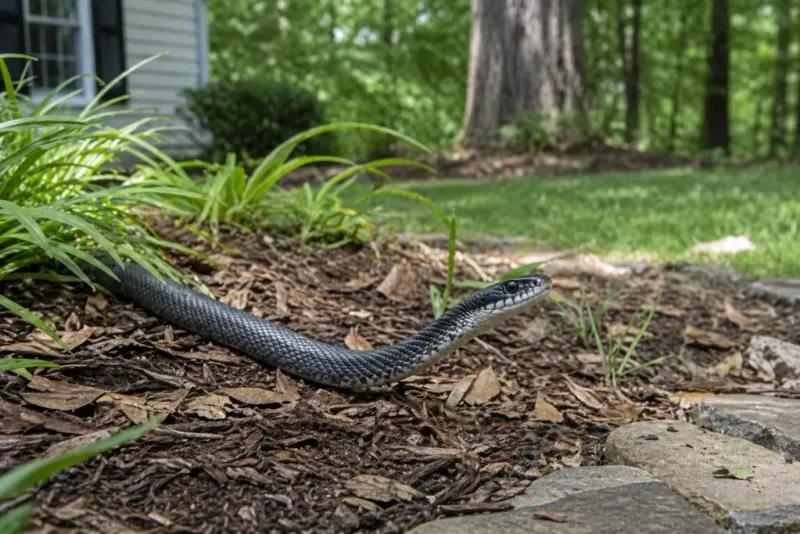
Most snakes in your yard after a storm are not new arrivals. They are longtime residents that suddenly lost their hiding spots.
Rain simply pushes them into the open where you can see them.
Wildlife experts at the University of Florida point out that snakes are common in suburban yards across the state. Many live quietly under shrubs, mulch, rock borders, and leaf piles for months without anyone noticing.
A heavy downpour changes that quiet routine in minutes.
When the ground fills with water, a snake has a simple choice. It can stay in a soggy hole, or it can move somewhere higher and drier.
Moving makes it visible, and visibility makes it feel like there are suddenly more snakes around.
I find this oddly comforting. It means a burst of sightings usually reflects better exposure, not a sudden snake population boom.
Your yard likely has the same number of reptiles it had last week.
Keep this in mind the next time a storm clears. Seeing a snake is not a sign your property is overrun.
It is more like catching a neighbor stepping outside to check the weather, just like you.
2. Flooded Burrows Send Snakes Searching for Higher Ground
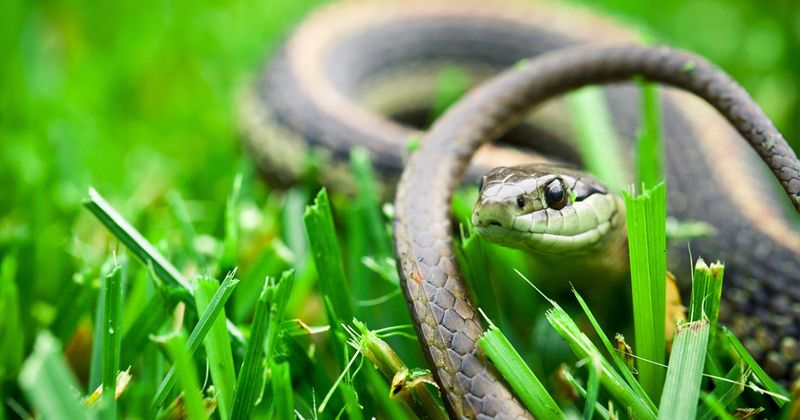
Water is the biggest reason behind those post-storm sightings. Florida soils, especially in low and flat areas, can flood fast during summer rains.
Burrows made by gophers, armadillos, and rodents often fill first.
Snakes rely on those burrows for shelter, so a flooded tunnel becomes a problem quickly. They need air and a safe place to rest.
Your raised patio, garage edge, or porch step may look like the best option around.
Wildlife trappers in Florida have reported big jumps in calls during very wet stretches. In some reports, call volume tripled during heavy rain as snakes turned up near homes and businesses.
That spike tracks closely with flooding, not with snakes becoming more aggressive.
You can spot the pattern yourself. Low corners of the yard drain slowly, while higher spots near foundations stay dry.
Snakes tend to gather where the dry ground meets cover, like a shrub line or stack of pots.
After a big storm, walk your property slowly and watch where you step. Check dry, sheltered areas such as door mats, AC pads, and garden tool corners before reaching in.
A flashlight helps a lot in the evening when visibility is low.
3. Frogs and Toads Come Out After Rain, and Snakes Follow the Buffet
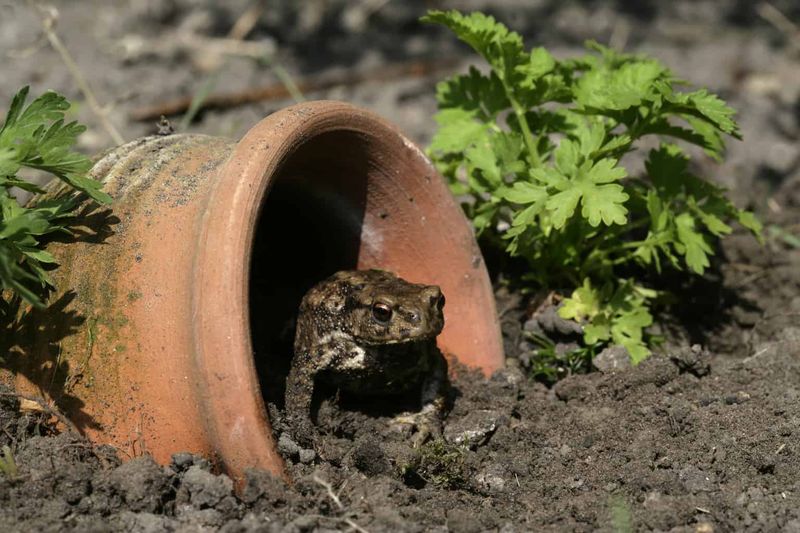
Listen closely after a summer shower. That loud chorus of frogs is basically a dinner bell for many snakes.
Rain brings out frogs, toads, worms, and insects in huge numbers.
Plenty of Florida snakes eat exactly these animals. Garter snakes, ribbon snakes, and southern black racers happily chase frogs and toads.
Water snakes hunt along ditches and pond edges where amphibians gather to breed.
Rodents also move around more after storms, especially when their own nests get wet. Rat snakes and corn snakes take advantage of that extra movement.
A busy, rain-soaked yard can offer a snake more food in one night than it finds in a dry week.
I love watching the garden come alive after rain, but I also remind myself who else is enjoying it. Where food goes, snakes tend to follow.
That chain of events is a normal part of a healthy backyard.
You can reduce the attraction a bit. Empty saucers under pots, fix leaky spigots, and avoid leaving pet food outdoors.
Fewer frogs and rodents near the house usually means fewer hungry snakes poking around your back door.
4. Warm Humid Air After a Storm Suits a Snake Just Fine
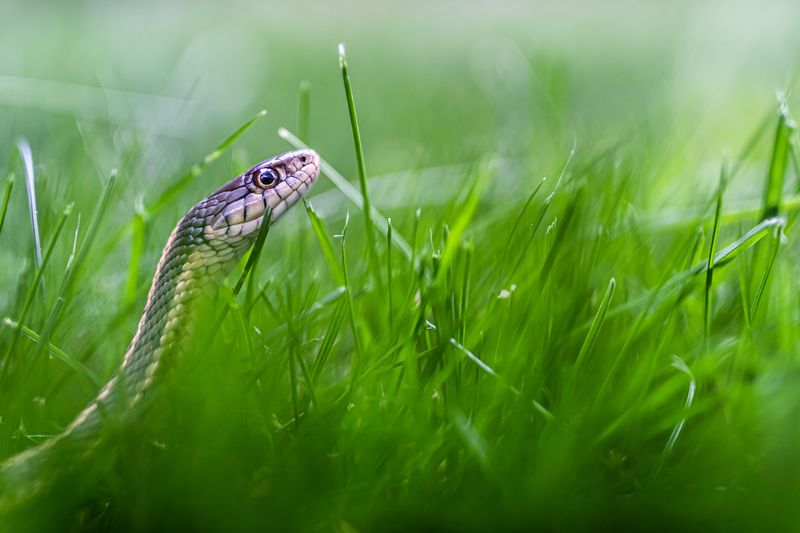
Snakes cannot make their own body heat. Scientists call them ectotherms, meaning the outside temperature controls how active they can be.
Weather matters to them far more than it does to us.
Florida summers can get too hot for snakes in the middle of the day. Scorching pavement and sunbaked soil push many species into hiding.
A passing storm cools those surfaces and leaves the air warm, damp, and comfortable.
That sweet spot after rain is perfect for moving and hunting. Some snakes that would wait for nightfall may wander out in the late afternoon instead.
You might see them on paths, driveways, or garden edges that were too hot an hour earlier.
Moisture also helps with shedding. A snake needs some humidity to slip out of its old skin cleanly.
Finding a fresh shed skin near your hedges after a wet week is a pretty common Florida experience.
Fun fact: a snake’s eyes turn cloudy blue just before shedding, and many snakes hide during this time because they see poorly. Spotting a shed skin simply means a snake grew a little and moved on.
5. Most of the Snakes in Your Garden Beds Are Harmless Helpers
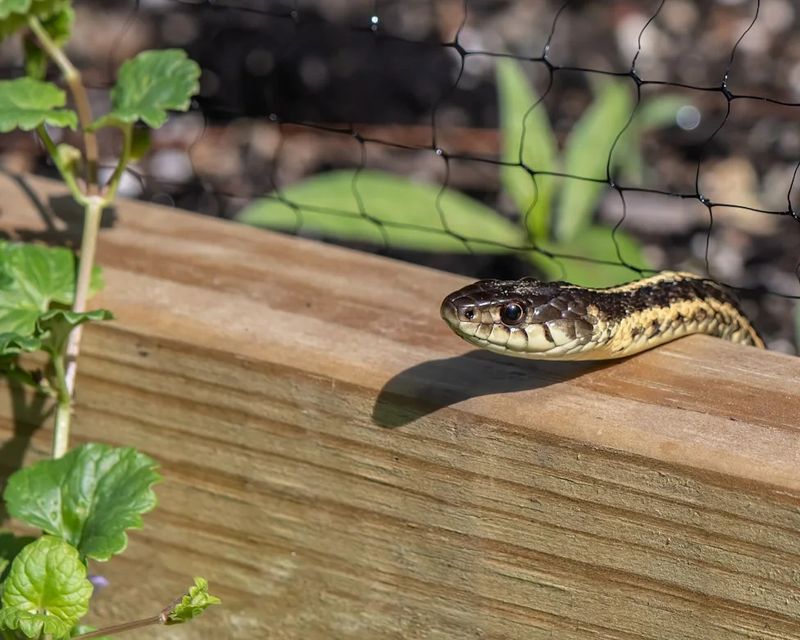
Florida has more than 40 native snake species, and only six are venomous. That surprises a lot of gardeners.
The snake by your hibiscus is far more likely to be helpful than harmful.
Common harmless visitors include southern black racers, rat snakes, corn snakes, garter snakes, ringneck snakes, and brown snakes. Racers are fast, sleek, and nervous, so they usually zoom away when you approach.
Rat snakes are excellent climbers and often show up near sheds or trees.
These reptiles do real work in your yard. They eat rodents, slugs, roaches, and other pests that bother plants and homes.
Tiny brown snakes even munch on slugs, which makes them a quiet friend to any vegetable grower.
Many gardeners reach for a shovel out of panic. I think that is a shame, because a harmless snake is often doing your pest control for free.
Native snakes are also protected from needless harm under Florida wildlife rules in many cases.
Learn a few common species from the Florida Museum or UF/IFAS websites. A little knowledge turns fear into curiosity, and that makes gardening after storms a lot more relaxing.
6. Cottonmouths, Rattlesnakes, and Coral Snakes Deserve Extra Respect
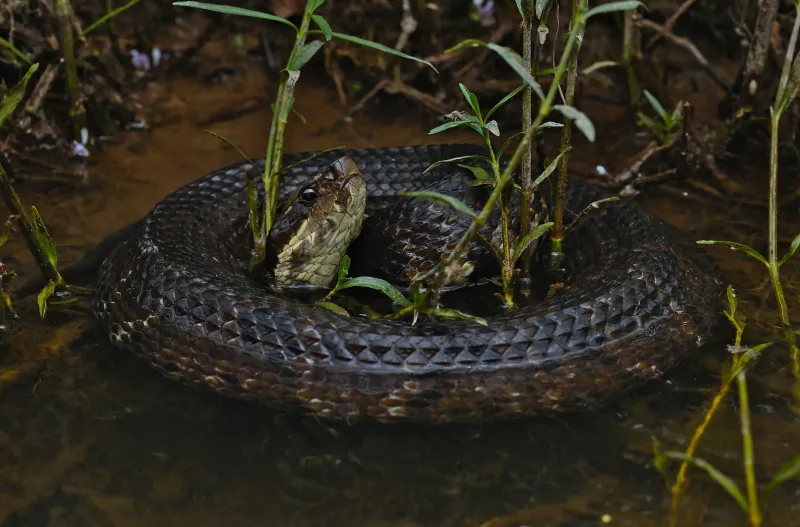
A few venomous species do live in our yards, and rain can bring them closer to people. Cottonmouths, eastern diamondback rattlesnakes, pygmy rattlesnakes, and eastern coral snakes are the ones most residents meet.
Timber rattlesnakes and copperheads live only in parts of north Florida.
Cottonmouths favor wet places like ditches, ponds, and retention areas, so flooding can push them into yards nearby. Pygmy rattlesnakes are small and well camouflaged in leaf litter.
Coral snakes are shy and often hide under mulch or debris.
Identification can be tricky, even for experienced gardeners. Color patterns vary, and harmless water snakes often get mistaken for cottonmouths.
The safest rule is to treat any snake you cannot identify as potentially venomous.
Give it at least several feet of space, which is more than enough room for most snakes. Snakes generally bite when cornered, stepped on, or handled.
Simply backing away prevents most problems.
Wear closed shoes and gloves when clearing storm debris. Use a rake or stick to move boards and branches instead of your hands.
These small habits matter most during the wet season.
7. Spotting a Snake on the Patio Calls for a Calm Step Back
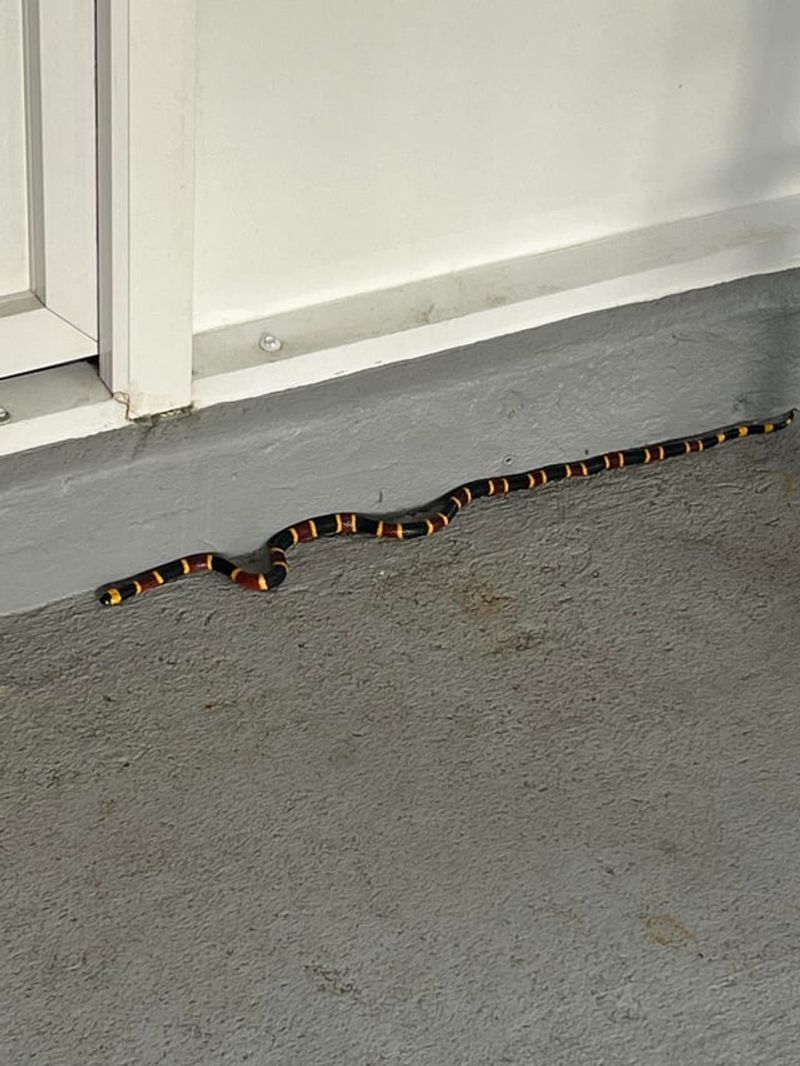
Stay calm and slow down. That is the best first move when you find a snake near your house.
Quick movements startle snakes, while stillness and distance keep everyone safe.
Do not try to handle, trap, or strike the snake. Many bites happen when people try to remove a snake themselves.
Keep children and pets indoors until the animal leaves on its own, which often happens within minutes.
Snap a photo from a safe distance if you want to identify it later. If a snake gets inside your home or garage, close interior doors and call a licensed wildlife trapper.
The Florida Fish and Wildlife Conservation Commission keeps a list of nuisance wildlife trappers by county.
If someone is bitten, call 911 right away and get to a hospital. Keep the person still and calm, remove rings or tight clothing near the bite, and note the time.
Skip ice, tourniquets, and cutting the wound, since those old tricks cause more harm.
Save the Florida Poison Information Center number, 1-800-222-1222, in your phone. Having it ready before storm season gives you real peace of mind.
8. A Tidy Yard With Fewer Woodpiles Gives Snakes Less Reason to Stay
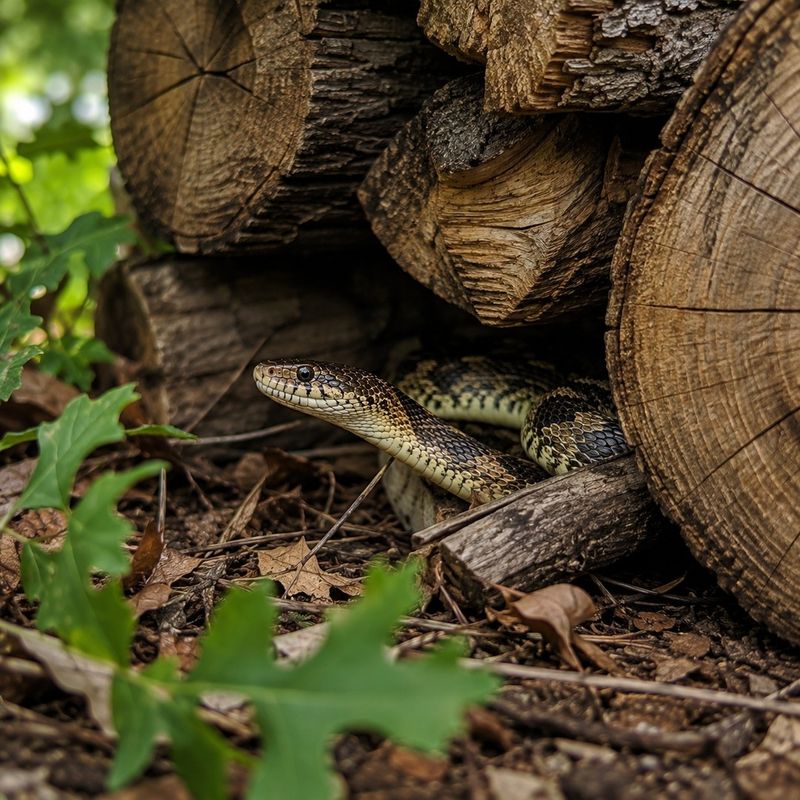
My favorite snake strategy is simple: make your yard less cozy for them. Snakes look for cover, food, and shelter.
Take away those three things near your house, and most snakes move along.
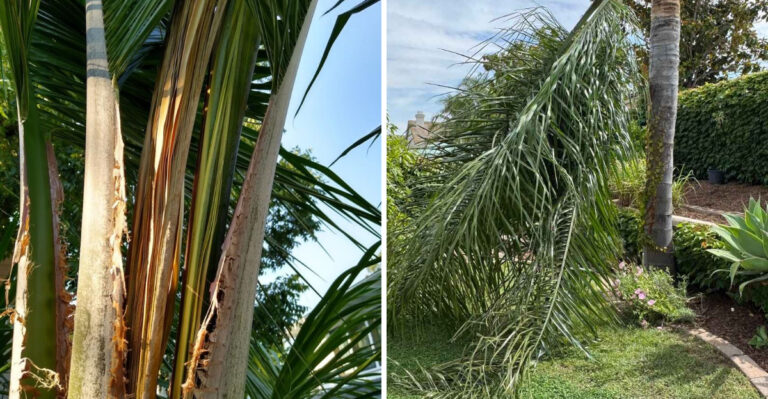
Start with clutter. Woodpiles, fallen palm fronds, leaf heaps, and stacked pots create perfect hideouts.
Store firewood off the ground and away from walls, and clear storm debris soon after rain stops.
Keep grass mowed and shrubs trimmed back from your foundation. Snakes feel exposed in short, open areas and prefer dense growth.
Thick ground covers right next to doors are worth thinning out.
Seal gaps under sheds, AC pads, steps, and garage doors. Even small openings can invite a curious snake during a flood.
Good drainage helps too, since fewer puddles means fewer frogs.
Skip mothballs and most store-bought snake repellents. UF/IFAS experts note there is little evidence they work, and mothballs are not labeled for snakes.
Habitat changes do the job far better.
The big takeaway? A rainy-day snake is usually a neighbor seeking dry ground or dinner.
With a little cleanup and respect, you and your scaly helpers can share the garden peacefully.