What It Really Means When Texas Spiny Lizards Take Over Your Yard This Summer
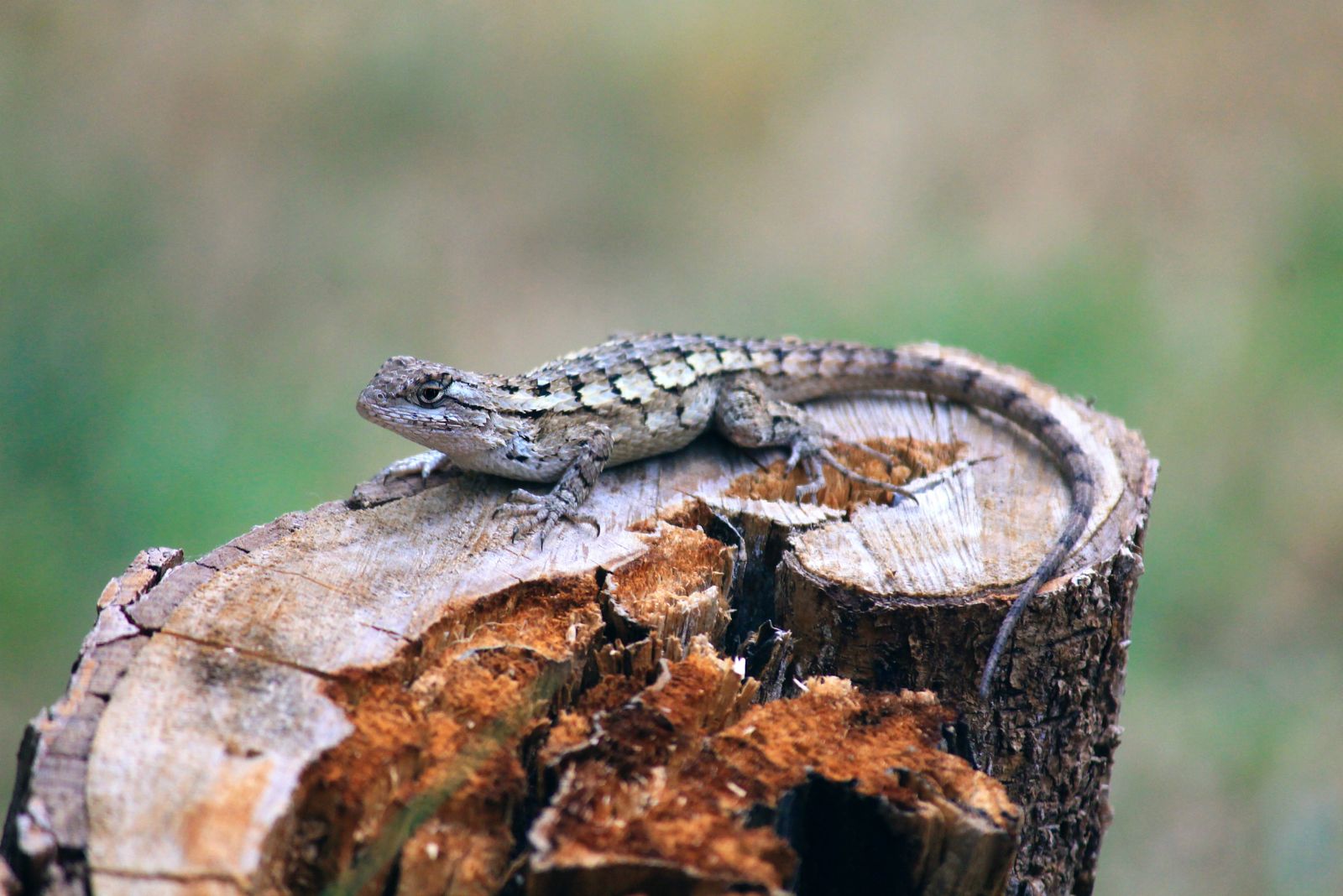
If your Texas yard has become home to what feels like an unusually large number of spiny lizards this summer, you’ve probably noticed. They’re hard to miss.
Perched on fence posts, clinging to brick walls, doing rapid fire push ups on the patio in a display of pure lizard confidence. When they show up in numbers, the question most homeowners eventually ask is the same.
What exactly is going on out there? Texas spiny lizards don’t accumulate in a yard without reason.
These are territorial, opportunistic reptiles that respond to very specific conditions in your outdoor environment, and when their numbers climb, it’s almost always because something in your yard is actively supporting a larger population than usual.
What that means for your garden, your pest situation, and your local ecosystem is actually more interesting and more useful to know than most people would expect from a lizard.
1. Your Yard Has Plenty Of Insects
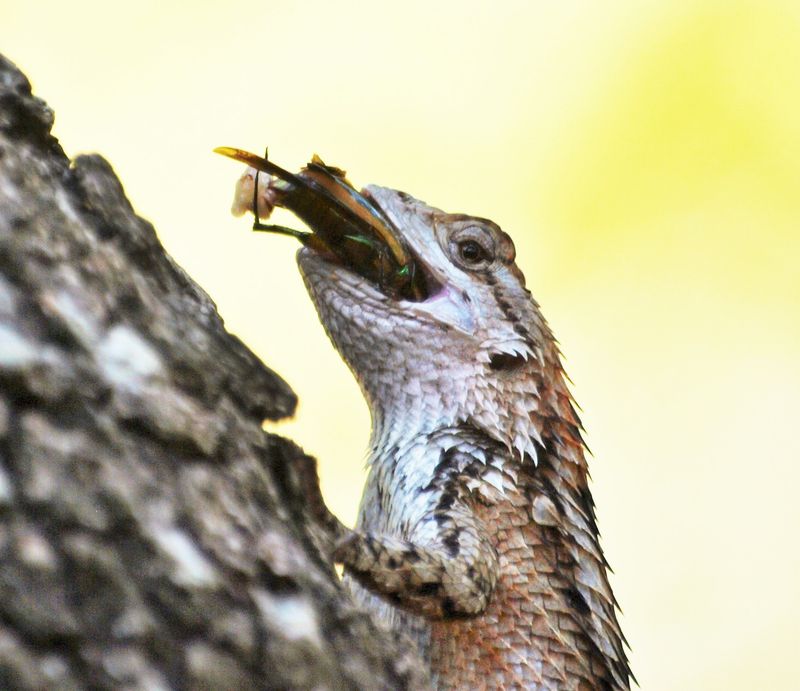
Picture a lizard freezing perfectly still on a fence post, eyes locked on a beetle crawling through the grass below. That split-second patience is exactly what Texas spiny lizards are built for.
When you keep spotting them in your yard, one of the biggest reasons is simple: your yard is full of food.
Texas spiny lizards are active hunters. They eat ants, beetles, grasshoppers, crickets, spiders, and many other small insects.
A yard buzzing with insect life is basically a buffet for these reptiles. The more insects available, the more lizards you are likely to see patrolling your property.
Many homeowners spend a lot of money on pest control without realizing they already have natural help. Texas spiny lizards work hard every single day eating the very insects that damage plants and annoy people.
They are especially helpful in gardens where pest insects can cause real problems for flowers and vegetables.
If your yard has mulched beds, leaf piles, or grassy patches, these spots attract insects. Insects attract lizards.
It becomes a natural cycle that benefits your whole yard. You do not need to do anything special to encourage it.
Having a high insect population is not a bad thing. Many beneficial insects also live in yards, and a healthy mix of prey keeps lizards well-fed and active.
Seeing a lizard hunting in your garden is a sign that your yard is alive and working the way nature intended. That is something worth celebrating, not worrying about.
2. You Have Good Basking Spots
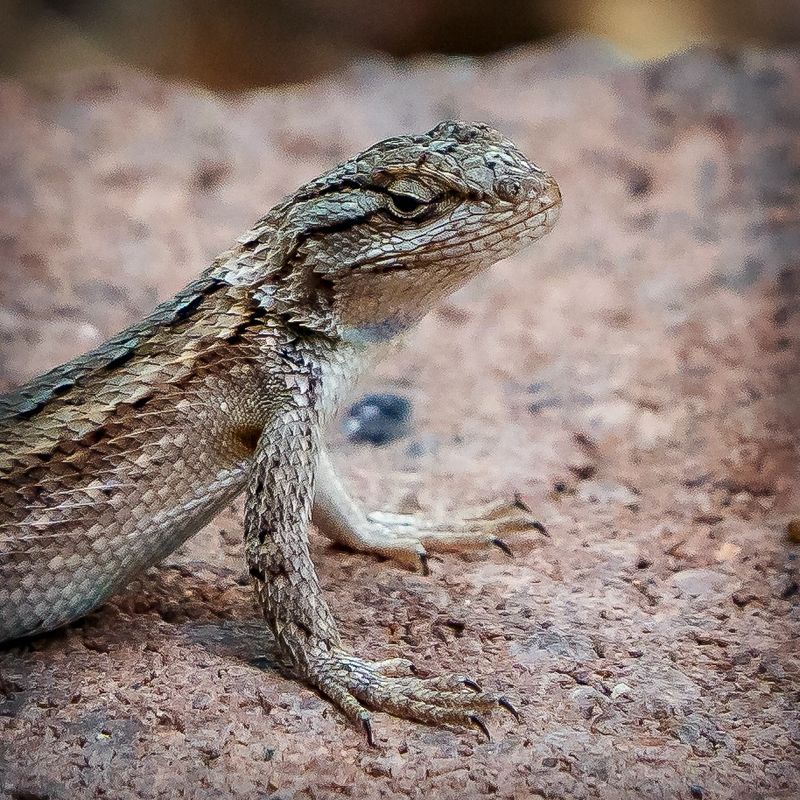
Warm surfaces are basically luxury hotels for Texas spiny lizards. If your yard is full of fences, tree trunks, stone walls, brick siding, or sunny rock borders, you have created the perfect hangout.
Lizards are cold-blooded, which means they rely on outside heat sources to warm up their bodies and stay active.
Every morning, Texas spiny lizards begin their day by finding a good basking spot. Warming up helps them move faster, hunt more effectively, and digest their food properly.
A yard with plenty of warm, sun-soaked surfaces gives them exactly what they need to thrive through the long Texas summer.
Your Texas Garden Changes Every Week. Your Plan Should Too.
Gardening in Texas changes quickly throughout the season. Every Friday you’ll receive a simple weekly plan showing exactly what to plant, prune, fertilize, harvest, and protect so you never miss the right timing.
Brick walls and stone edging hold heat especially well. Even after the sun moves, these surfaces stay warm for hours.
That is why you might see lizards pressed flat against a wall or fence in the late afternoon, soaking up every last bit of stored warmth before evening cools things down.
Sunny patios and driveways are also popular basking spots. If you have noticed lizards sitting still on concrete or pavement in the morning, they are not being lazy.
They are fueling up for a full day of activity. Once warmed, they become incredibly fast and hard to catch.
You can actually make your yard even more lizard-friendly by leaving natural rock borders or rough wood surfaces in sunny spots. You do not have to build anything special.
Just letting existing structures stay in place gives lizards the warm real estate they are searching for during summer. A warm yard is a happy yard for these sun-loving reptiles.
3. Your Landscape Offers Quick Hiding Places
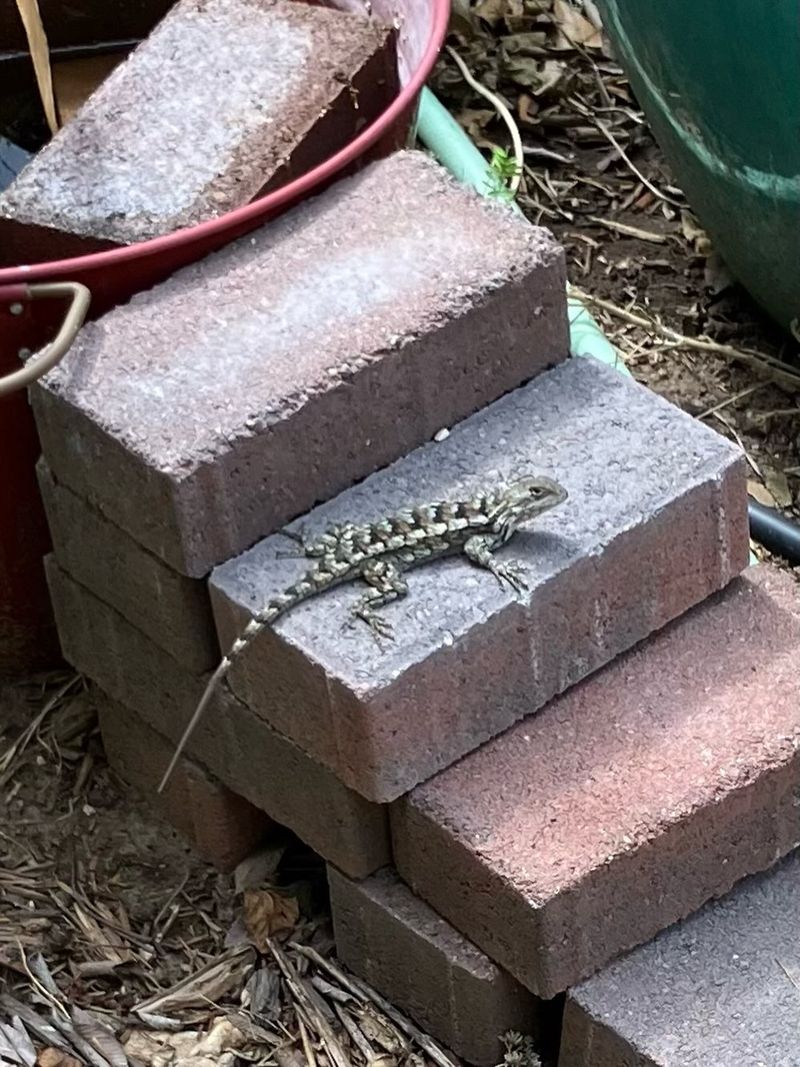
Speed is a Texas spiny lizard’s best defense, but even the fastest lizard needs somewhere to hide. When these reptiles pick a yard to hang around, cover is just as important as food and warmth.
If your landscape gives them quick escape routes, they are far more likely to stick around all summer long.
Shrubs, brush piles, tree roots, wood stacks, and leaf litter are all prime hiding spots. Gaps in fences, loose stone edging, and dense groundcover also work perfectly.
The moment a lizard senses danger, it sprints toward the nearest cover and disappears in seconds. That behavior is instinct, and it keeps them safe from birds, snakes, and neighborhood cats.
A yard that has been over-cleared or heavily manicured can actually push lizards away. When there is nowhere to hide, lizards do not feel safe enough to stay.
Keeping some natural messiness in corners of your yard, like a small brush pile or an unraked leaf corner, can make a real difference for local wildlife.
Tree roots that lift slightly above the soil create perfect tiny shelters. Even a gap under a garden border stone can serve as a retreat.
Lizards are surprisingly small when pressed flat, and they can squeeze into spaces that look far too narrow from the outside.
Offering good cover alongside food and warmth creates a complete habitat. When all three needs are met, lizards do not just visit occasionally.
They establish home ranges and stay close throughout the season. Your landscape is essentially offering them everything on their checklist, and they are smart enough to recognize a good deal when they find one.
4. Your Yard May Have A Healthier Food Web
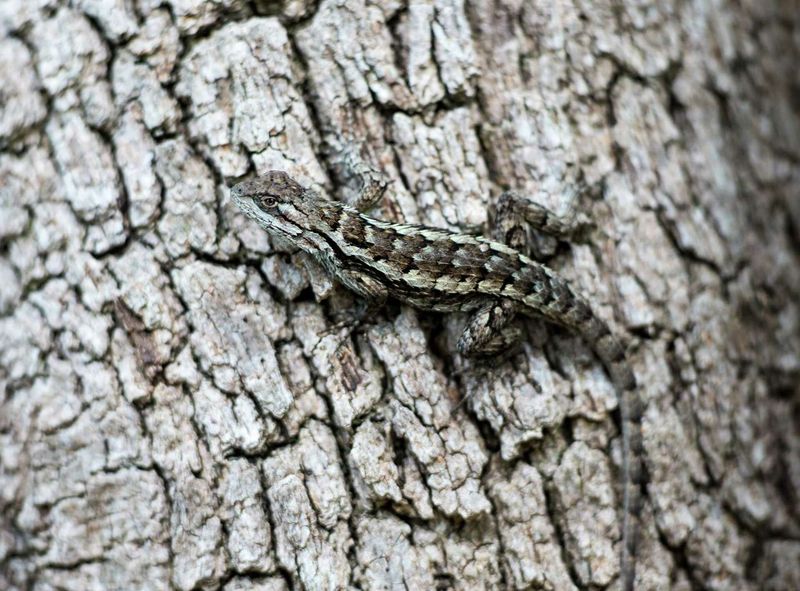
Here is something that might surprise you: a yard full of lizards is often a yard full of life. Seeing Texas spiny lizards regularly can be a quiet signal that your outdoor space supports a richer, more balanced food web than the average heavily sprayed suburban lawn.
A healthy food web means plants are growing, insects are thriving, and small wildlife has enough food and shelter to survive. Lizards sit right in the middle of that web.
They eat insects and are eaten by larger animals like hawks and snakes. When lizards are present, it usually means the layers below them are also healthy and active.
Yards that are sprayed heavily with pesticides often wipe out the insect populations that lizards depend on. Without insects, lizards move on.
So if lizards are choosing your yard, it may mean your space has avoided some of the chemical treatments that strip natural ecosystems of their balance.
Gardeners who use fewer chemicals often notice more natural pest control happening on its own. Lizards eat aphid-hunting beetles, grasshoppers that chew leaves, and ants that invade garden beds.
Their presence reduces the need for sprays in the first place, creating a helpful loop that benefits both plants and people.
Even a small shift toward a more natural yard can start attracting more wildlife over time. Planting native plants, reducing pesticide use, and leaving a few natural areas untouched can build a food web that runs itself.
Texas spiny lizards are one of the clearest signs that your yard is moving in that direction, and that is genuinely good news for everyone sharing the space.
5. They May Be Breeding Nearby
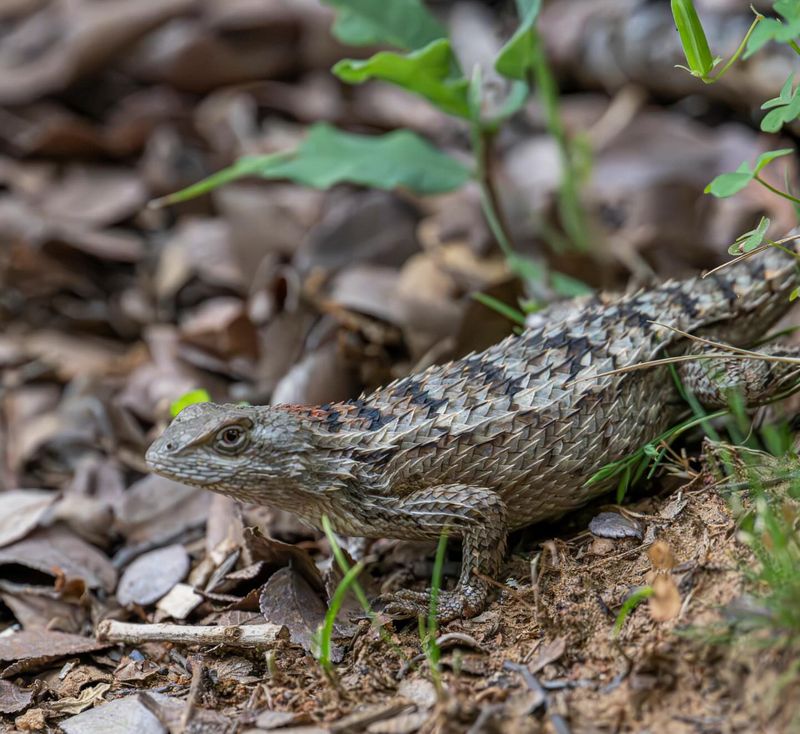
Summer is prime time for Texas spiny lizard activity, and part of that has to do with breeding season.
If you are suddenly seeing more lizards than usual, including smaller, younger-looking ones darting through the grass, there is a good chance adults have been breeding nearby and juveniles are now exploring your yard.
Female Texas spiny lizards lay eggs in loose soil or sandy ground during late spring and early summer. They look for quiet, undisturbed areas to deposit their eggs.
Mulch edges, protected garden corners, and areas near tree roots are popular nesting spots. Once the eggs hatch, young lizards emerge and immediately begin looking for food and shelter.
Juvenile lizards are noticeably smaller than adults but carry the same spiny, rough-scaled look. They tend to be quicker and more skittish because they are still learning their environment.
Seeing them pop up around your yard in midsummer is a strong sign that reproduction is happening close by, possibly right in your own garden beds.
Loose soil near fence lines or garden edges is especially attractive for nesting. If you have areas of soft, undisturbed ground, try not to disturb them unnecessarily during summer.
You may unknowingly be protecting a nest that will produce a new generation of helpful insect hunters.
Having a self-sustaining lizard population in your yard is actually a long-term benefit. Once lizards establish a breeding presence, they tend to return year after year.
Each new generation learns the layout of your yard and begins controlling insects from a very young age. That kind of consistent, natural pest management is something most gardeners would be glad to have working quietly in the background.
6. They Are Helping More Than Hurting
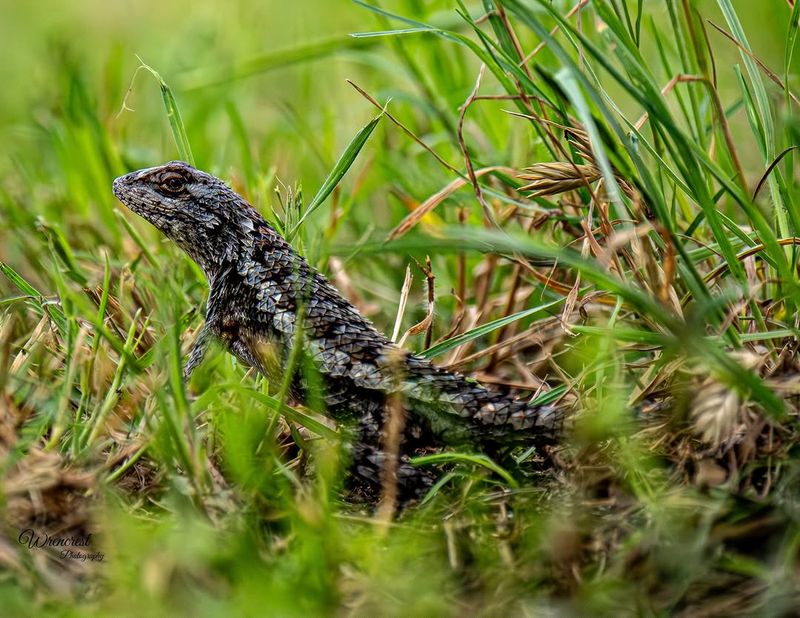
Let’s be honest: when something with spines starts showing up all over your yard, the first instinct might be to worry. But Texas spiny lizards are genuinely harmless to people, pets, and plants.
They do not chew on garden beds, they do not damage structures, and they have zero interest in interacting with humans unless cornered.
What they do instead is work. Every day, these lizards patrol fences, trees, and garden beds eating the insects that cause real problems.
Grasshoppers that chew through vegetable leaves, beetles that bore into wood, and ants that raid plant roots are all on the menu. A few lizards working your yard can make a noticeable difference in pest pressure over a full summer season.
One of the best things you can do is simply let them do their job. Avoid using broad pesticide sprays that wipe out the insects they depend on.
Keeping outdoor cats inside when possible also helps, since cats are one of the biggest threats to small lizards in suburban yards. Simple steps like these make a big difference for local lizard populations.
Texas spiny lizards also add something that is hard to put a price on: wildlife interest. Watching a lizard sprint across a fence or puff up to show off its colors is genuinely entertaining.
Kids especially love spotting them and learning about how they behave in the wild. Rather than seeing a yard full of lizards as a problem to solve, try seeing it as a sign of success. Your outdoor space is healthy enough to support real wildlife.
Texas spiny lizards are free pest patrol, built-in entertainment, and a signal that your yard is doing something right this summer.