What It Really Means When Toads Stop Showing Up In Your North Carolina Garden Beds This Summer
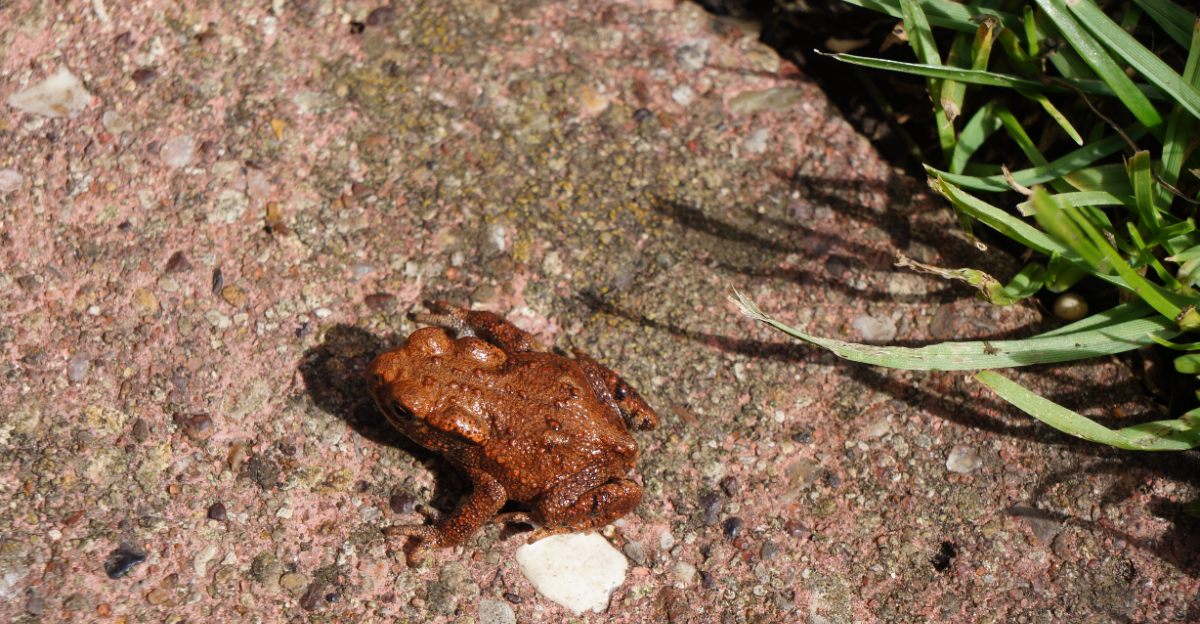
Toads are quiet, undemanding garden residents that most North Carolina gardeners appreciate without fully understanding how much work they are doing.
A toad that spent last summer reliably present in the same bed and has not appeared this season is not simply elsewhere.
Its absence points to a specific shift in the garden environment that made the space less viable as toad habitat.
Moisture levels, chemical applications, ground cover changes, and the availability of the insects toads depend on for food all influence whether a garden remains hospitable from one season to the next.
What the absence of toads is actually signaling about current garden conditions is information worth taking seriously before other, less visible indicators of the same problem begin to surface.
1. The Beds May Be Too Dry
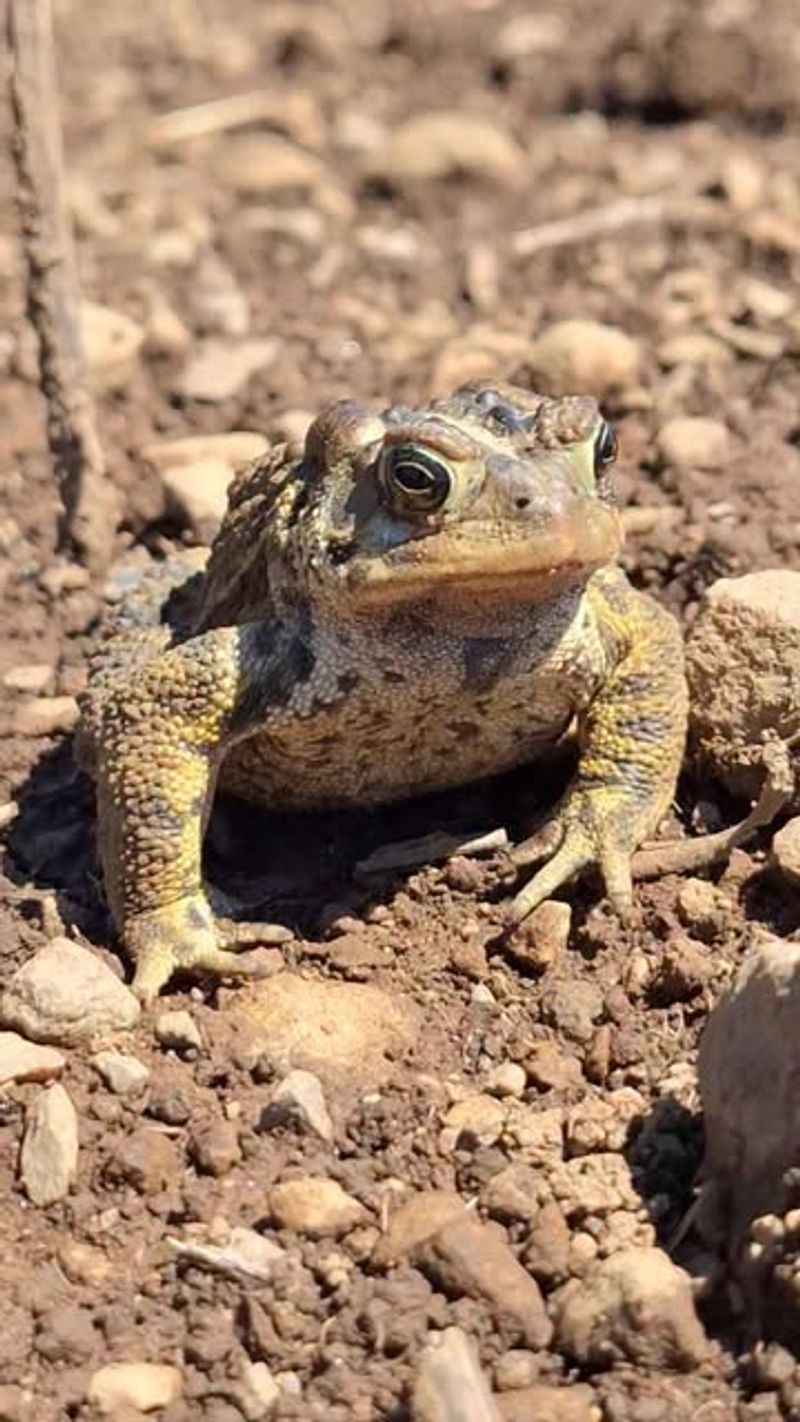
Toads are surprisingly picky about moisture. Unlike many backyard visitors, they rely on damp conditions to keep their skin comfortable and their bodies cool, especially during the blazing North Carolina summers that can push temperatures well above 90 degrees.
When garden beds dry out completely, toads simply move on to find somewhere better.
Think about what happens to mulch during a long dry spell. It goes from soft and damp to crumbly and hot, basically turning into a little oven right at ground level.
Soil bakes hard and loses the cool, loose texture that toads love to burrow into for daytime rest. There is no shade, no moisture, and no reason for a toad to stick around.
Exposed beds without much plant canopy make things even worse. Without leaf cover overhead, the sun hits the soil directly and dries it out faster.
Toads need those shaded, slightly damp pockets between plants where they can tuck in and rest comfortably during the heat of the day.
The fix is pretty straightforward. Deep watering a few times a week helps soil retain moisture longer than shallow daily watering.
Adding a thick layer of organic mulch, around three inches or so, traps moisture and keeps the ground noticeably cooler.
Planting low-growing ground cover or letting some leafy plants spread a little also helps create the kind of shaded, moist microclimate that toads absolutely prefer.
Give them the right conditions and they will find their way back to your garden beds on their own schedule.
2. They May Be Hiding During The Heat
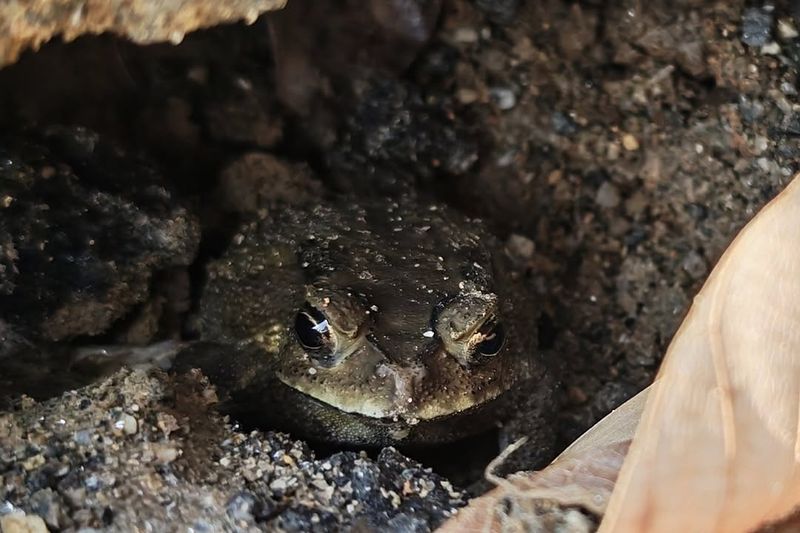
Here is something most gardeners do not realize: just because you cannot see a toad does not mean it has gone anywhere.
Toads are masters of hiding in plain sight, and their earthy brown and green coloring blends so perfectly with garden debris that you could walk right past a dozen of them without noticing a single one.
During summer in North Carolina, toads become very strategic about when they move around. The heat of midday sends them straight into hiding.
They tuck themselves under logs, flat rocks, dense leaf piles, the edges of raised beds, or even just loose soil that offers a little shade.
Checking your garden at noon is like looking for stars in the afternoon, they are there, but the conditions just are not right for spotting them.
Your North Carolina Garden Changes Every Week. Your Plan Should Too.
Gardening in North Carolina changes quickly throughout the season. Every Friday you’ll receive a simple weekly plan showing exactly what to plant, prune, fertilize, harvest, and protect so you never miss the right timing.
The best time to look for toads is right at dusk or shortly after a summer rain. That is when the temperature drops a little, the ground feels damp, and toads feel safe enough to come out and hunt for food.
A slow walk through the garden with a flashlight after dark can reveal all kinds of activity you had no idea was happening right under your nose.
Patience matters more than most gardeners expect. Before assuming the worst about your garden, try switching your observation time to early evening or post-rain moments.
You might be genuinely surprised to find that your toad population is alive, active, and well-fed, just operating on a schedule that does not match a typical midday garden visit.
3. The Garden May Have Lost Its Cover
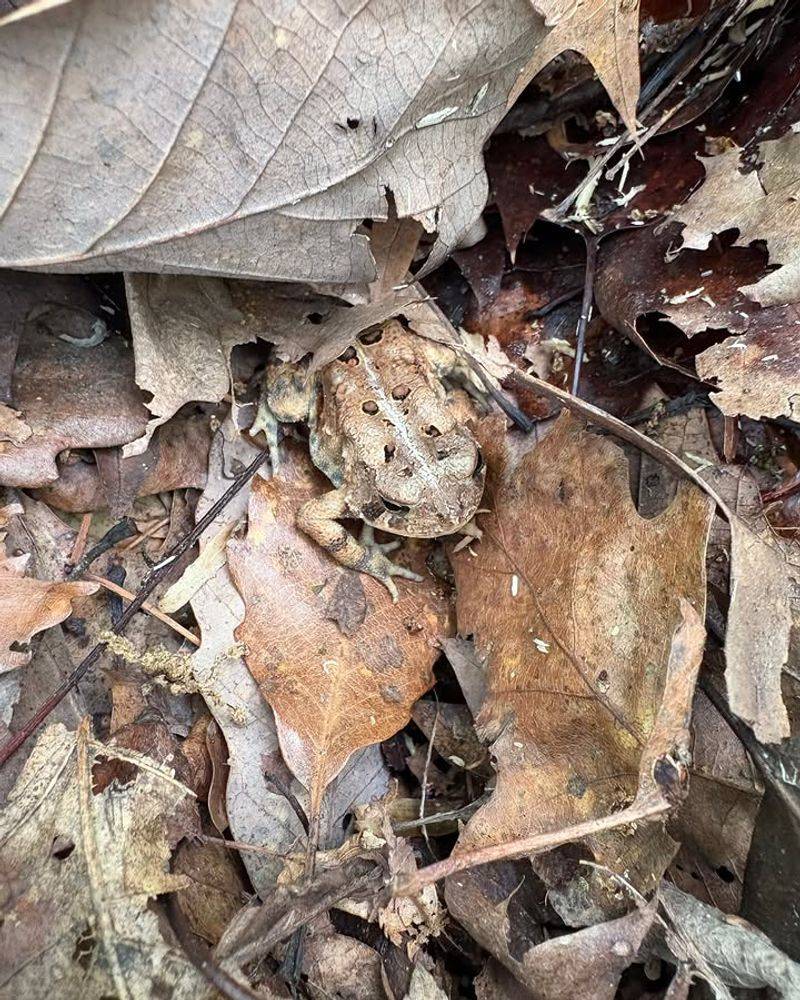
A perfectly clean garden might look great in a photo, but for a toad, it can feel like a wide-open parking lot with nowhere to hide. Toads need clutter, at least a little of it.
Leaf litter, small stones, low-growing plants, and bits of woody debris all create the kind of sheltered microhabitats where toads rest safely between their nightly feeding sessions.
Many gardeners in North Carolina spend the summer tidying up aggressively, raking out every fallen leaf, pulling every low-growing weed, and clearing away anything that looks messy.
It is completely understandable because a clean garden feels like a productive one. But from a toad’s point of view, all that tidying removes the very things that make a garden worth visiting.
Toads do not need a wild, overgrown yard to feel at home. A few well-placed habitat pockets make a real difference without making the whole garden look unkempt.
Try leaving a small pile of leaves tucked into a back corner, keeping a flat stone or two in a shaded spot, or letting a patch of low ground cover grow along a fence line. These small gestures give toads exactly what they are looking for.
Think of it as designing with toads in mind, even just a little. A garden that balances neatness with a few natural hiding spots becomes genuinely more functional.
Toads return the favor by patrolling for slugs, beetles, and other pests all night long, doing pest control work that no spray or trap can fully replace. A little intentional messiness pays off in a big way.
4. Pesticides May Have Changed The Food Supply
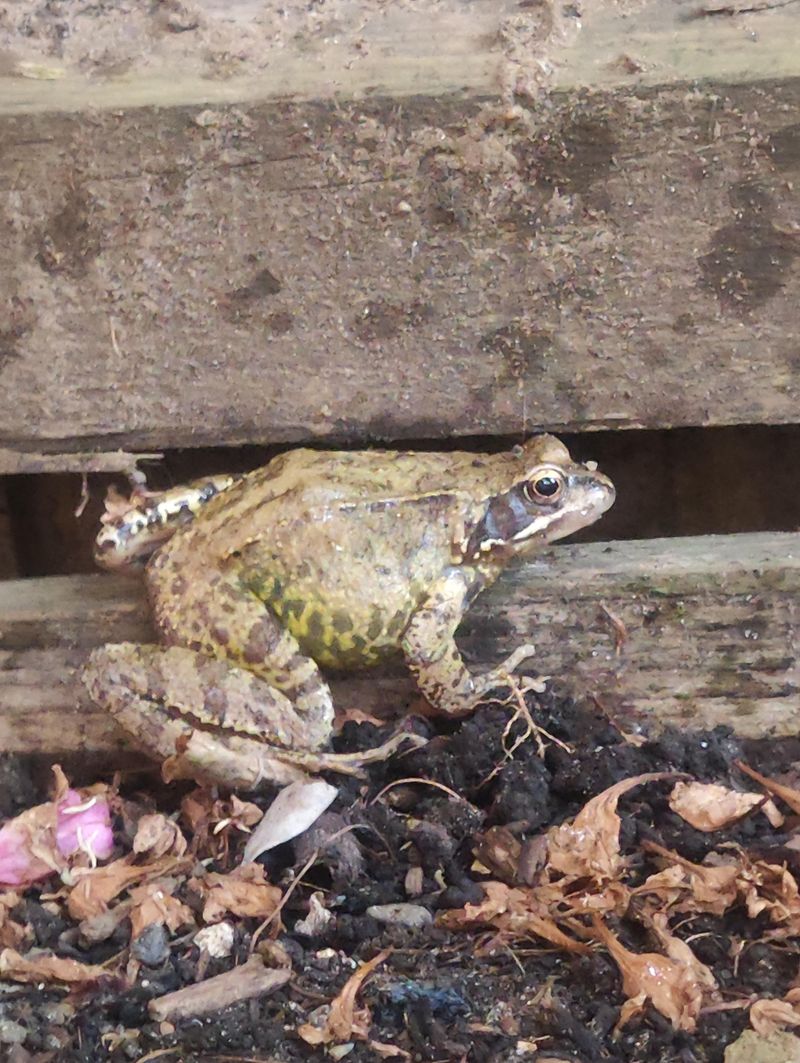
Toads eat a lot. A single adult toad can consume thousands of insects over the course of a summer, working through beetles, slugs, larvae, worms, earwigs, and all kinds of small soil creatures that gardeners would rather not have around.
That appetite is exactly what makes them so valuable in a garden bed. But when insect populations drop sharply, toads have fewer reasons to visit.
Heavy use of pesticides and broad-spectrum insecticides can dramatically reduce the number of insects in and around garden beds.
Even products marketed as safe or organic can have a noticeable impact on local insect populations when applied frequently or in large amounts.
Fewer insects means less food, and toads are smart enough to go looking somewhere more rewarding.
There is another layer to this issue that many gardeners overlook. Toads absorb substances through their skin because it is thin, moist, and highly permeable.
Chemicals that sit on soil or plant surfaces can be picked up just from a toad walking across treated ground. This makes amphibians like toads particularly sensitive to chemical applications, even ones that are not directly aimed at them.
Reducing pesticide use in beds where you want toads to visit is one of the most effective steps you can take. Spot-treating specific problem areas rather than spraying entire beds helps preserve the insect populations that toads depend on.
Encouraging natural predators and using physical barriers like row covers for common pests can also reduce the need for chemicals overall. Keeping the food chain intact is the most reliable way to keep toads coming back consistently.
5. Summer Breeding Activity May Be Over
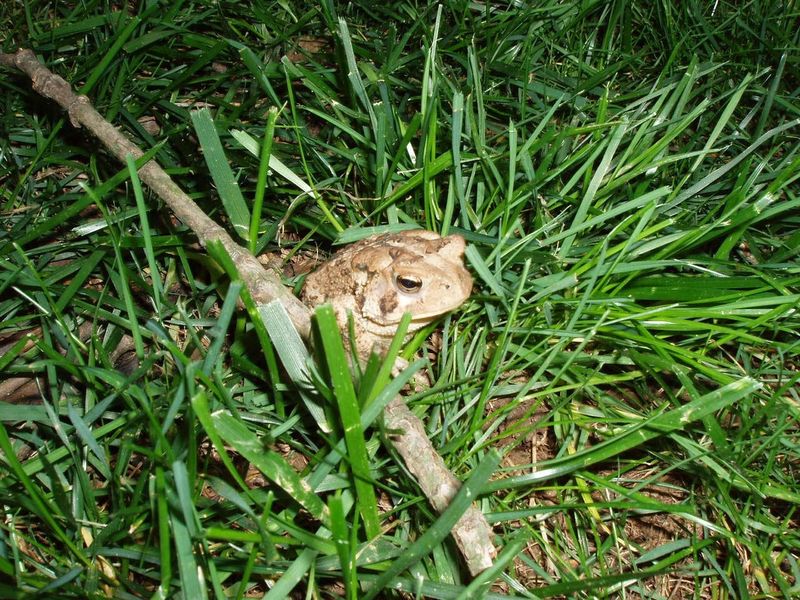
Spring and early summer in North Carolina are peak toad season. Warm nights, fresh rain, and full ponds and ditches bring toads out in big numbers.
You might hear their loud, trilling calls from across the yard, and spot them moving through garden beds with a lot of energy and purpose. That level of activity is tied directly to breeding season, and it does not last all summer.
Once breeding wraps up, usually by midsummer depending on the species and local rainfall, adult toads shift into a quieter routine.
They are still around, still feeding, still doing their thing in the garden, but they are not moving around as boldly or showing up as predictably.
The dramatic sightings of spring give way to more occasional, low-key appearances that are easy to miss.
Fewer sightings after breeding season absolutely does not mean your yard has become a bad habitat. It simply means toad behavior has shifted with the season.
Eastern American toads and Fowler’s toads, two of the most common species in North Carolina, both follow this kind of seasonal rhythm. Understanding that rhythm helps you interpret what you are seeing more accurately.
Keeping a casual log of toad sightings through the season is actually a fun and useful habit. Note the time of day, weather conditions, and where in the yard you spotted them.
Over time, patterns emerge that help you understand your specific yard’s toad population much better. You might discover that your toads are still very much present, just quieter and more selective about when they come out to say hello.
6. Nearby Water Or Shade May Be Pulling Them Away
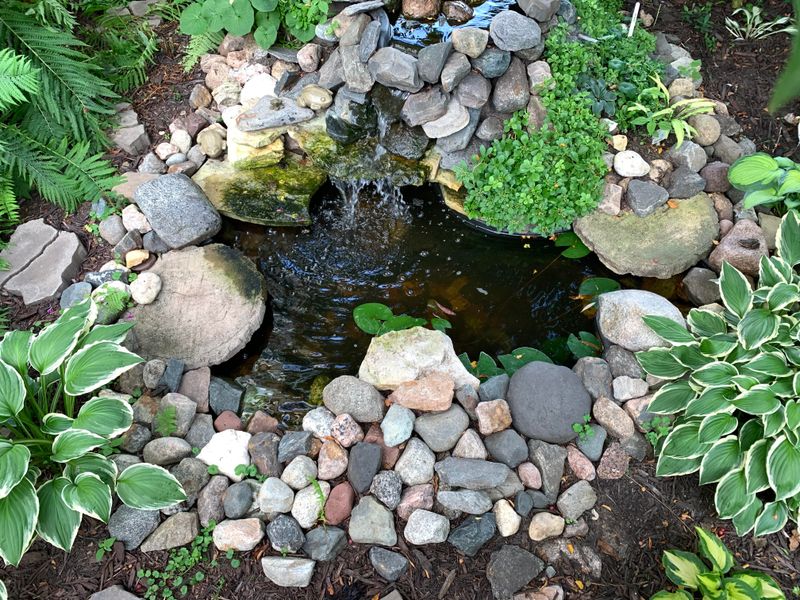
Your garden bed might be perfectly fine, but something else in the yard might just be better. Toads are always on the move, at least a little, and they make surprisingly smart decisions about where to spend their time.
A damp ditch along the property line, a shaded woodland edge, a low spot that stays moist after rain, or a mulched shrub border with dense cover can all pull toads away from a sunny vegetable or flower bed without warning.
North Carolina yards often have a surprising amount of variety packed into a small space.
A rain garden tucked in a corner, a row of mature shrubs along a fence, or even a neighbor’s pond just over the property line can all become preferred toad hangouts during hot summer months.
The toad is not leaving your garden because anything is wrong, it is just following better conditions wherever they happen to be.
This is why thinking about the whole yard rather than just one specific bed makes such a difference. If you are not seeing toads in your vegetable garden but you notice them near the downspout area or under the deck, that tells you something useful.
The yard is still supporting toads, just not in the spot you were hoping for.
Improving the specific bed you want toads to visit is more effective than worrying about where they went.
Adding shade plants, keeping the soil a little more consistently moist, and creating a small shelter spot can make that bed competitive with the dampest corner of the yard.
Toads will spread across a yard when multiple spots offer what they need, so improving one area raises the whole yard’s appeal.
7. The Best Fix Is Better Toad Habitat
Bringing toads back to your garden beds does not require a big renovation or a lot of money. Small, thoughtful changes to how your yard is set up can make a noticeable difference in how often toads show up and how long they stick around.
The key is giving them what they actually need rather than what looks nice from the sidewalk.
Start with water. A shallow dish or tray filled with clean water and placed at ground level gives toads a place to soak and rehydrate without needing to find a pond or ditch.
Change the water every couple of days to keep it fresh and avoid mosquito breeding. This one addition alone can make a garden bed significantly more attractive to toads during dry summer stretches.
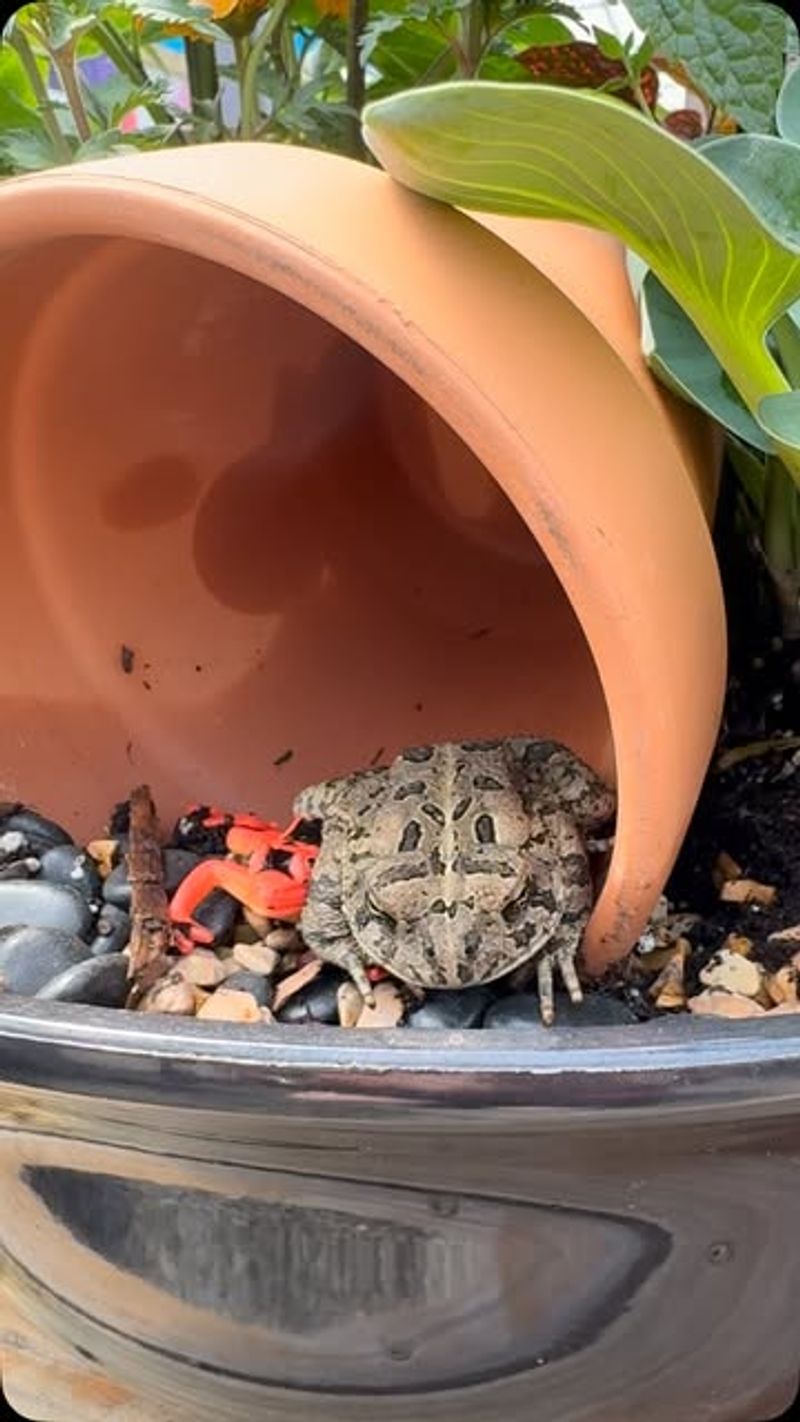
Shade and shelter are equally important. An overturned clay pot with a small notch chipped out of the rim makes a classic toad house that actually works.
Tuck it into a shaded corner with some loose mulch nearby and you have created a ready-made retreat. Leaving a small pile of fallen leaves in a quiet spot or keeping a flat stone in the shade adds more options without making the garden look messy.
Native plants are a smart long-term investment. They attract the insects and other small creatures that toads eat, and they provide natural ground cover that keeps soil cooler and more moist.
Avoiding unnecessary pesticide applications keeps the food supply steady and the environment safe for amphibians with sensitive skin.
With a little patience and these simple adjustments, toads will find your garden beds on their own and settle right back in where they belong.