The Worst Time Of Day To Water Your Michigan Lawn If You Want To Avoid Fungus
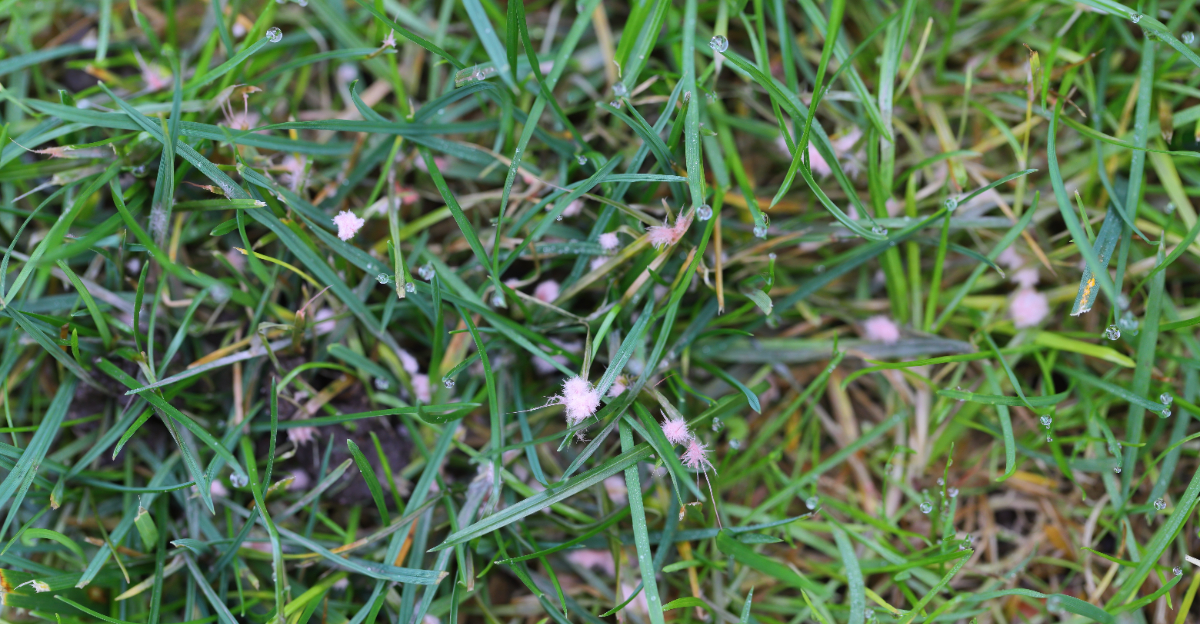
Lawn fungus in Michigan has a timing problem, and most homeowners are unknowingly solving it in the wrong direction.
The hour water gets applied to a lawn determines how long moisture sits on grass blades and in the thatch layer overnight, and that duration is the single most controllable factor in whether fungal diseases find the conditions they need to establish and spread.
Michigan’s humid July nights already create favorable conditions for fungal development without any additional help.
Watering at the wrong time of day extends that moisture window by hours, turning a manageable humidity level into the kind of prolonged surface wetness that lawn fungus thrives in. One scheduling change eliminates that contribution entirely.
1. Evening Is The Worst Time To Water
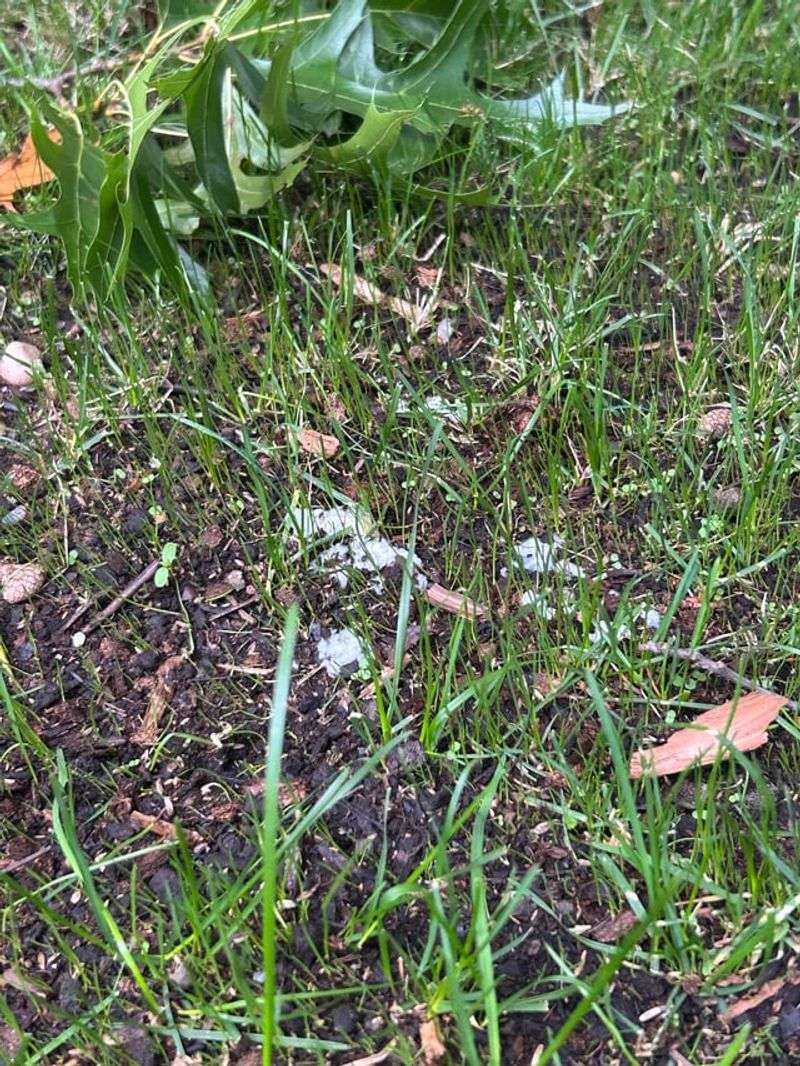
Pulling out the garden hose after dinner might feel like a smart way to end the day, but your lawn is not going to thank you for it. Evening watering is widely considered the worst routine time to irrigate a Michigan lawn, and the reason is straightforward.
Once the sun goes down, evaporation slows to almost nothing, which means moisture has nowhere to go.
Grass blades that get wet in the evening can stay that way for eight to twelve hours or more. That long stretch of dampness is exactly what fungal spores need to settle in and start spreading.
Common Michigan lawn fungi like brown patch and dollar spot thrive when grass stays wet overnight, and evening watering basically rolls out the welcome mat for them.
Michigan summers can already be humid, which makes the problem even more noticeable. On a warm July night, the air holds moisture, wind slows down, and dew starts forming on top of the water you already added.
Your lawn ends up wetter than you planned, and it stays that way much longer than expected.
Switching your watering schedule away from evening hours is one of the easiest and most effective changes a homeowner can make for lawn health. You do not need fancy equipment or expensive treatments.
Simply moving your irrigation window to a different time of day can dramatically lower the risk of fungal problems taking hold in your yard.
2. Late Night Watering Can Keep Grass Wet Too Long
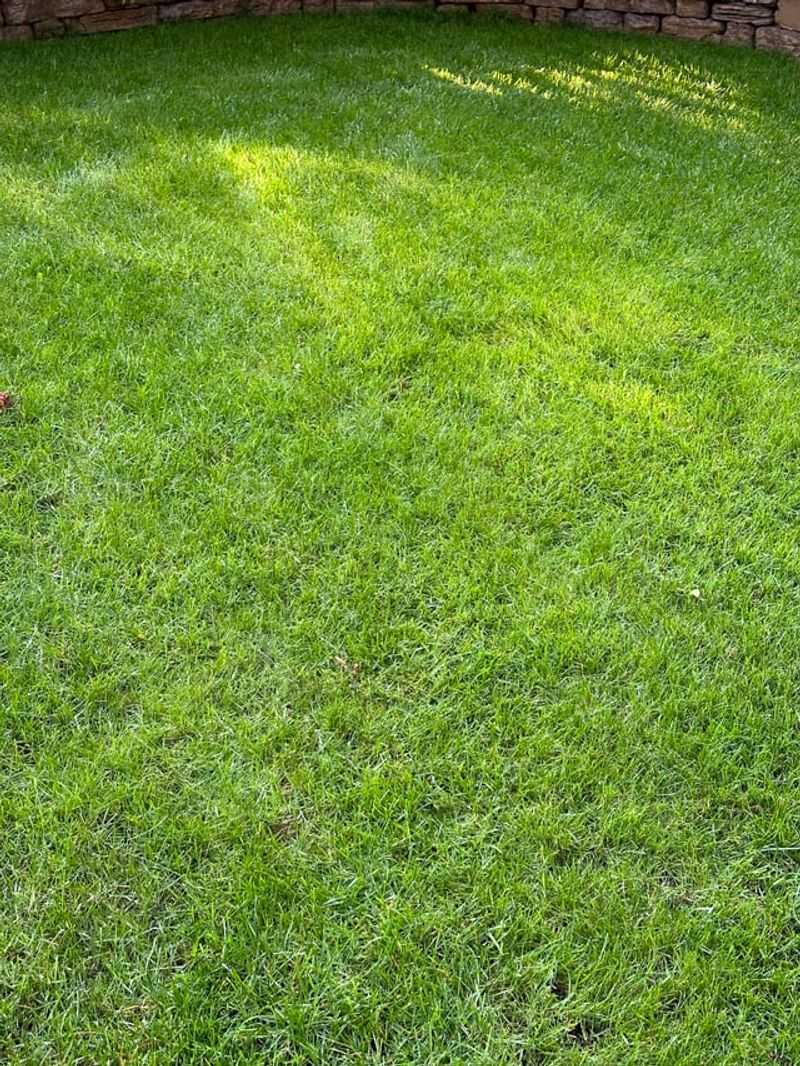
Some homeowners figure that watering in the middle of the night avoids the heat and saves water. There is some truth to that logic, but late night irrigation carries its own set of risks that are worth understanding before you set that timer.
Michigan nights, particularly in summer, tend to be humid and calm, two conditions that slow down how quickly water evaporates from grass blades.
When you water at midnight or later, the moisture you apply combines with natural overnight dew. The result is grass that can stay soaking wet from your watering session all the way through until mid-morning the next day.
That is a long window of wetness, and fungal spores are very opportunistic. They need moisture and warmth, and summer nights provide both in abundance.
Your Michigan Garden Changes Every Week. Your Plan Should Too.
Gardening in Michigan changes quickly throughout the season. Every Friday you’ll receive a simple weekly plan showing exactly what to plant, prune, fertilize, harvest, and protect so you never miss the right timing.
Airflow also plays a role here. During the day, even a gentle breeze helps dry out grass blades fairly quickly.
But at night, wind typically drops off, which means there is nothing moving the moisture away from the surface of your lawn. The grass just sits there, damp and still, for hours on end.
Michigan State University extension resources note that if watering restrictions force you to irrigate outside of morning hours, applying water between midnight and daybreak is still a better backup than watering in the early evening.
But the key point remains: keeping the lawn wet for the shortest time possible should always be the guiding goal for any gardener who wants to avoid fungal headaches.
3. Early Morning Is Usually The Better Choice
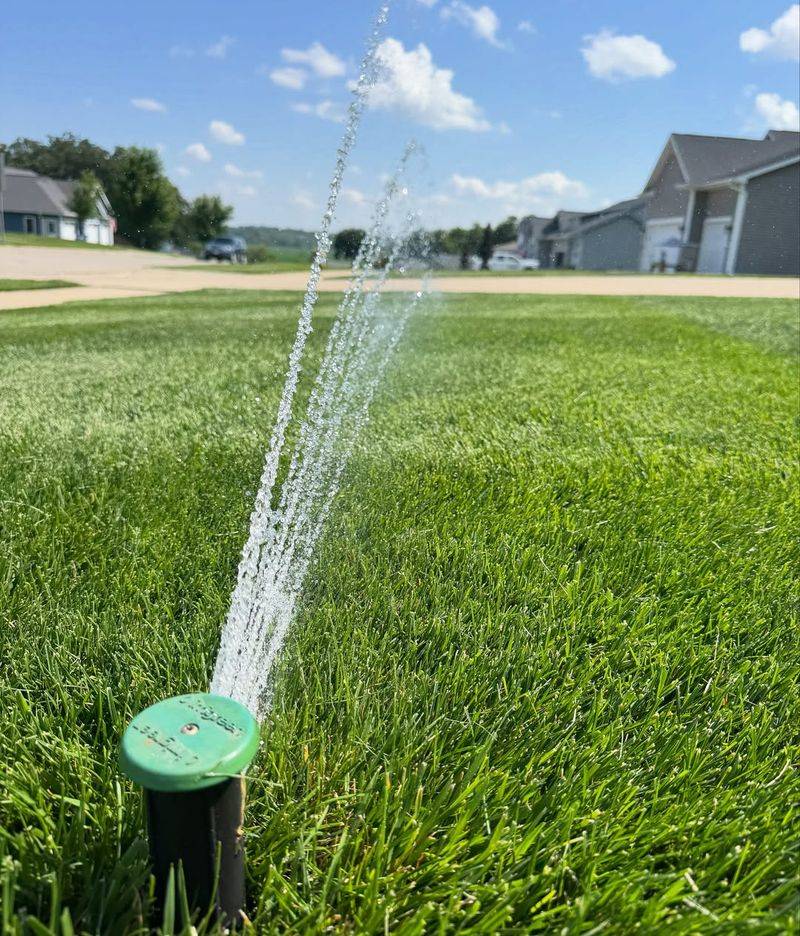
There is a reason lawn care professionals consistently recommend early morning as the best watering window, and it has everything to do with how the day naturally unfolds.
Watering between 6 a.m. and 10 a.m. gives the grass exactly what it needs without setting up the conditions that invite fungal problems.
The soil absorbs the moisture, the roots get hydrated, and then something important happens as the sun rises higher.
Daylight and warming temperatures start pulling that surface moisture upward. Grass blades that were wet from your irrigation session begin drying out within a couple of hours.
By mid-morning, most of the moisture has either soaked into the soil or evaporated off the surface, which is exactly where you want things to stand. Fungal spores have a much harder time getting established when the surface dries out quickly.
Morning watering also tends to be more efficient. Temperatures are cooler, so less water is lost to evaporation before it even hits the ground.
Wind is usually calm, which means sprinklers distribute water more evenly across the lawn. You end up using less water while actually getting better coverage, which is a win for both your lawn and your water bill.
For Michigan homeowners dealing with warm, humid summers, this timing advantage is especially valuable.
Giving your lawn a solid morning drink and then letting the day do the drying work for you is a simple strategy that pays off with healthier, greener grass and far fewer fungal flare-ups throughout the growing season.
4. Wet Grass Blades Are The Main Problem
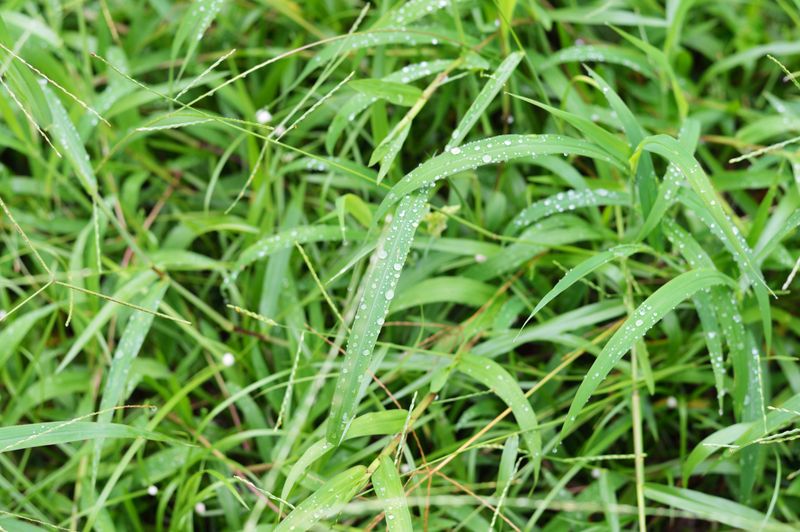
Most people think about lawn watering in terms of how much water they are putting down. Gallons per week, inches of moisture, soil saturation levels.
These things do matter, but there is another factor that has a more direct connection to fungal problems, and that is how long the grass blades themselves stay wet. The surface of the grass is where fungal issues begin, not deep in the soil.
Fungal spores are present in almost every lawn. They float through the air, settle into the grass, and wait.
What they are waiting for is moisture and time. When grass blades stay wet for extended periods, those spores have everything they need to germinate and spread.
A lawn that dries out quickly after watering gives spores very little opportunity to do any damage.
Watering in the evening means the grass surface stays wet from the time you water until the sun comes up and temperatures rise enough to start the drying process.
Depending on the night, that can easily be ten hours or more of continuous moisture on the blade surface.
For comparison, morning watering often leaves grass blades dry within two to three hours as the sun climbs and temperatures increase.
Thinking about watering timing in terms of blade wetness rather than just soil moisture is a helpful mental shift. Your goal should be to get water to the roots efficiently while keeping the time that water sits on the grass surface as short as possible.
That single change in perspective can protect your Michigan lawn from a lot of unnecessary fungal trouble.
5. Humid Nights Make Evening Watering Worse
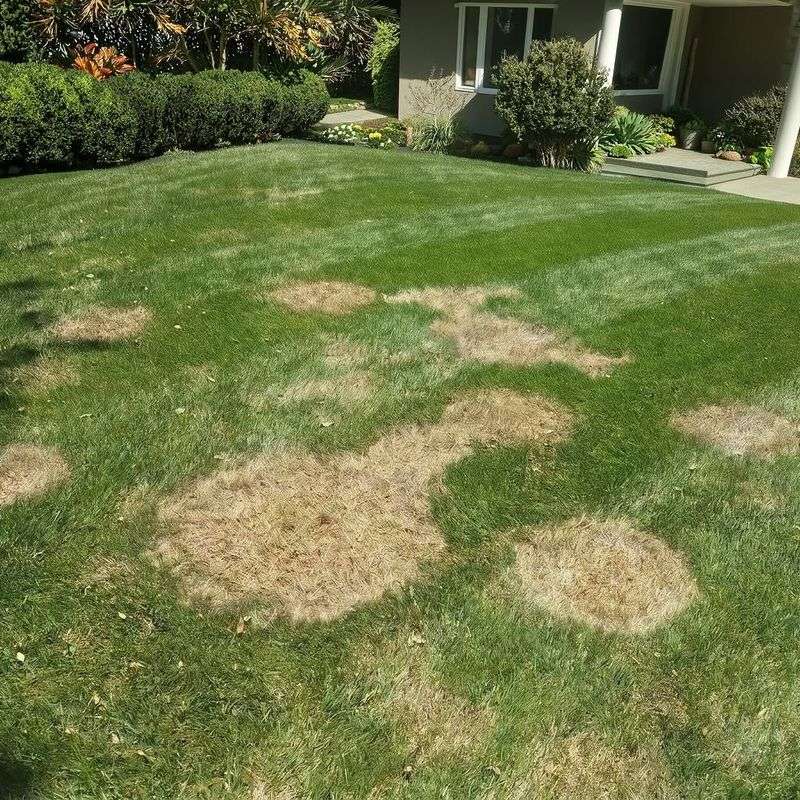
Michigan summers have a personality of their own. Anyone who has spent a July evening in Grand Rapids or Lansing knows that the heat does not always leave when the sun goes down.
Warm, sticky nights are a regular part of the season, and they create conditions that make evening lawn watering particularly risky for anyone trying to avoid fungal growth.
When nighttime temperatures stay warm and humidity climbs, the air simply cannot absorb moisture as efficiently. Water that lands on grass blades has nowhere to go because the surrounding air is already heavy with moisture.
Add in the dew that naturally forms on lawns overnight, and you end up with a lawn that is significantly wetter in the morning than it was when you watered the evening before.
Low airflow makes this even more challenging. Summer nights in Michigan often bring calm conditions with very little breeze moving through neighborhoods.
Without that air movement, there is nothing to assist the drying process. The moisture just sits on the grass surface, hour after hour, while fungal spores take full advantage of the situation.
Gardeners sometimes underestimate how much natural dew adds to overnight lawn wetness. On a humid night, dew alone can deposit a noticeable amount of moisture onto your grass.
When you add evening irrigation on top of that, the grass ends up far wetter than necessary.
Recognizing how Michigan’s summer climate amplifies the risks of evening watering is a key step toward making smarter choices for your yard all season long.
6. Watering Restrictions Can Change The Best Backup Window
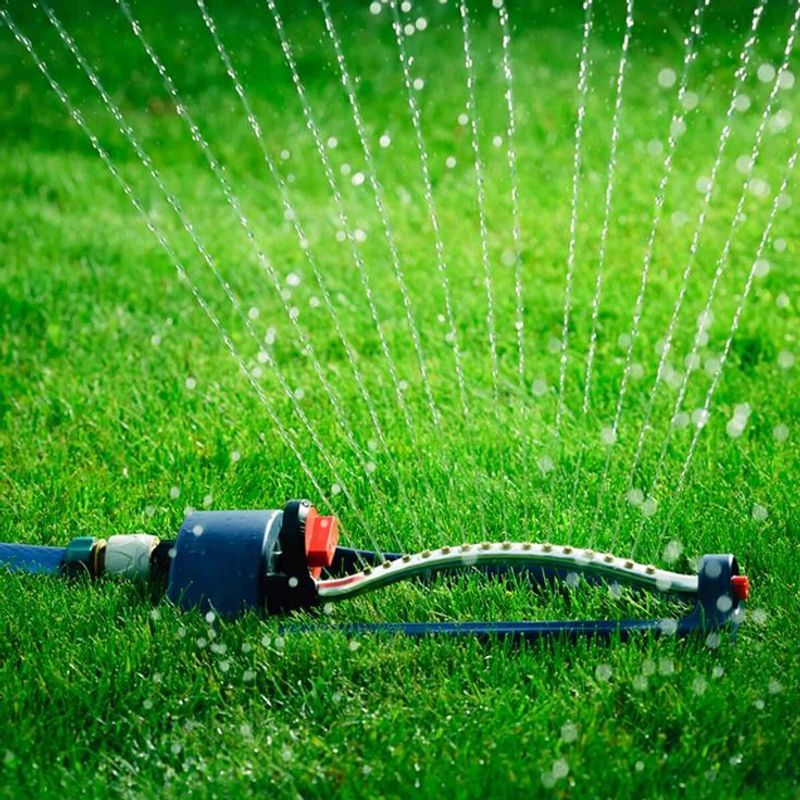
Not every Michigan homeowner gets to choose their ideal watering window freely. Many municipalities across the state have seasonal watering restrictions in place, particularly during dry summer stretches when water demand is high.
These rules often limit or ban daytime irrigation, which can leave homeowners wondering what the safest alternative actually is. Michigan State University extension guidance offers a practical answer for this situation.
When daytime watering is not an option due to local restrictions, applying water between midnight and daybreak is generally a better backup than watering in the early evening.
The reasoning connects directly to drying time. Water applied just before dawn gives the lawn a shorter overnight wet period before the sun rises and starts the drying process.
Early evening watering, by contrast, sets the lawn up for the longest possible wet stretch. The grass gets wet right as temperatures drop, evaporation slows, and nighttime humidity settles in.
That combination extends the moisture window dramatically compared to pre-dawn watering, which at least has sunrise working in its favor within a few hours.
Even when working within watering restrictions, the goal should always be to minimize how long grass blades stay wet. Running your irrigation system for shorter, more targeted sessions rather than long soaking runs can help.
Checking local utility websites or contacting your municipality for the specific allowed windows in your area is always a good starting point.
Working within the rules while still protecting your lawn from fungal risk is very doable with a little planning and the right timing strategy.
7. Soil Moisture Matters More Than A Fixed Schedule
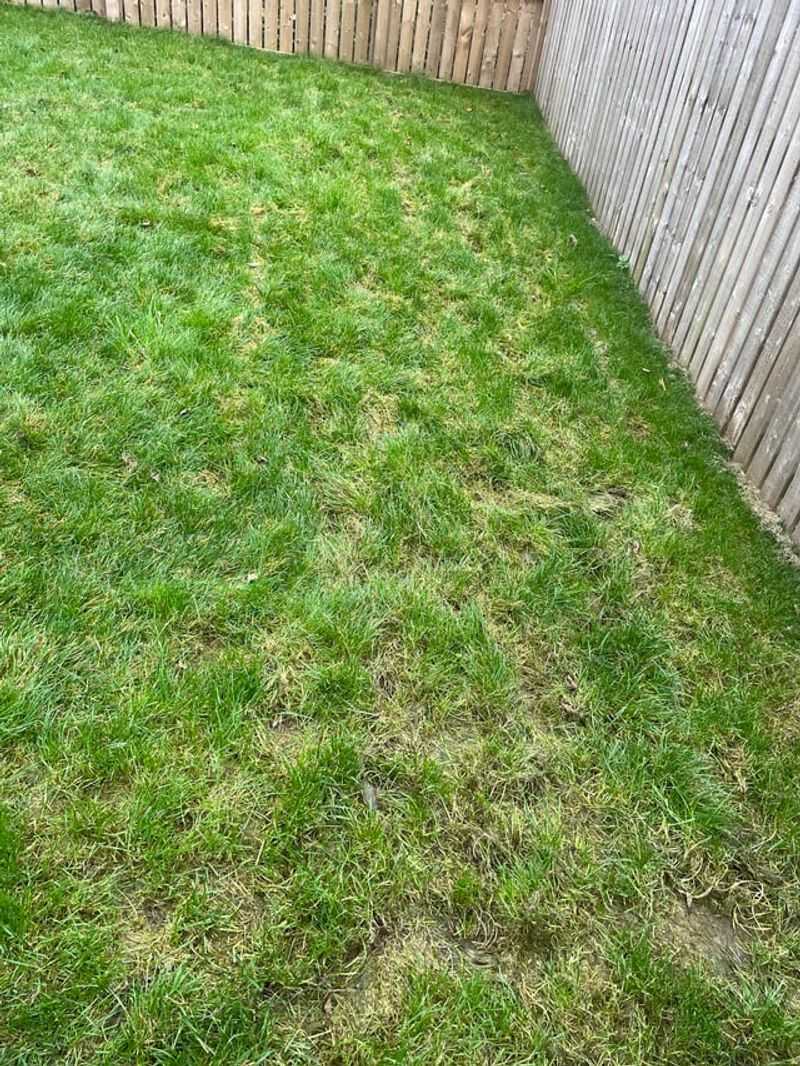
Setting your sprinkler timer to run every evening at the same time might feel like a reliable routine, but it can actually work against your lawn in ways you might not expect. Lawns do not need water on a fixed schedule.
They need water when they actually need it, and that timing varies based on rainfall, temperature, soil type, and grass variety. Watering by the clock rather than by actual need is one of the most common mistakes Michigan homeowners make.
After a solid rain, your lawn may not need supplemental irrigation for several days. Running your evening sprinklers anyway adds unnecessary moisture to a lawn that is already well hydrated.
That extra water sits on the grass surface overnight, increasing fungal risk without providing any real benefit to the roots or the overall health of the turf.
A simple way to check soil moisture is to push a screwdriver or your finger a few inches into the ground. If the soil feels moist and cool, your lawn does not need water yet.
If it feels dry and the grass shows signs of stress like a slight bluish tint or footprints that stay visible rather than bouncing back, it is time to water. This approach takes the guesswork out of irrigation.
Watering only when your lawn genuinely needs it also saves water, reduces your utility costs, and keeps the lawn surface drier on average throughout the season.
Fewer unnecessary wet periods means fewer opportunities for fungal spores to take hold. Smart, need-based watering is one of the most powerful tools in any Michigan gardener’s toolkit.
8. The Takeaway For Avoiding Fungus Problems
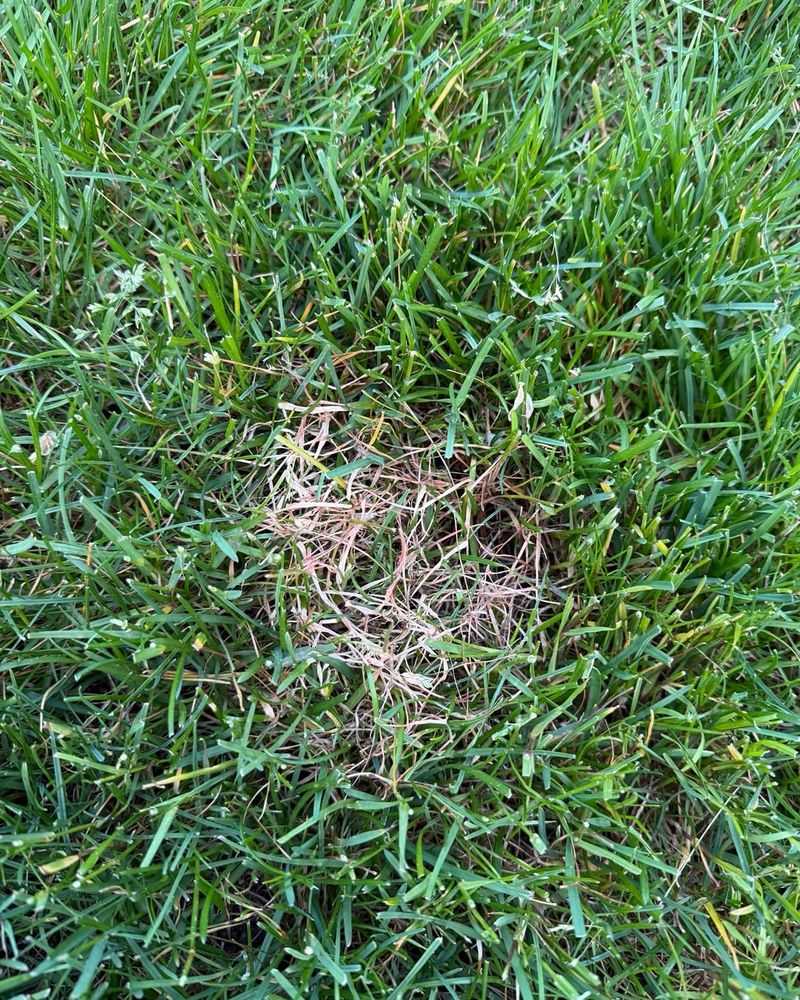
Pulling all of this together, the picture becomes pretty clear. Evening is the single worst routine time to water a Michigan lawn if fungal problems are something you want to avoid.
The combination of dropping temperatures, rising humidity, low evaporation, and natural overnight dew creates conditions that keep grass wet for far too long. Fungal spores love exactly that kind of environment.
Early morning watering, ideally between 6 a.m. and 10 a.m., gives your lawn the best chance at staying healthy. The roots get the moisture they need, and the rising sun takes care of drying the grass surface within a couple of hours.
That short wet window is not nearly enough time for most fungal issues to gain a foothold. It is a simple shift with a noticeable payoff.
When local watering restrictions push you out of the morning window, pre-dawn irrigation between midnight and daybreak is a smarter backup than early evening.
And regardless of when you water, always let actual soil moisture guide your schedule rather than sticking to a fixed timer routine. Your lawn will tell you what it needs if you pay attention to the signs.
Michigan lawns face real challenges from warm, humid summers, and fungal problems are a genuine concern for many homeowners across the state. But avoiding those problems does not require expensive products or complicated treatments.
Good timing, smart observation, and a willingness to adjust your habits are all it takes to keep your grass looking its best from spring green-up all the way through the final days of the growing season.