What Nevada Residents Should Do If A Neighbor Ignores Water Restrictions
If you’ve noticed a neighbor’s sprinkler running for an extended period, Nevada water regulators do enforce these rules, so it’s worth understanding your options.
Repeated violations can lead to consequences ranging from fines to, in serious cases, service restrictions. Desert communities depend on quite strict enforcement as supply margins shrink every summer.
Filing a report early can make the process easier to resolve. Reporting it correctly protects your rights and your neighbor’s future compliance.
Not knowing the process can lead to inaction, which may cause friction between neighbors. Clarity changes everything once you understand which agency handles what.
Residents like you often assume rules stay vague, but they don’t. Authorities track usage patterns closely, and violations rarely go unnoticed for long. Consequences can increase if the issue isn’t addressed early.
Timing matters more than you think when filing complaints. Documentation matters even more, especially photos, timestamps, and witness accounts. You’re closer than you think to ending this conflict.
1. Document The Date And Time Observed
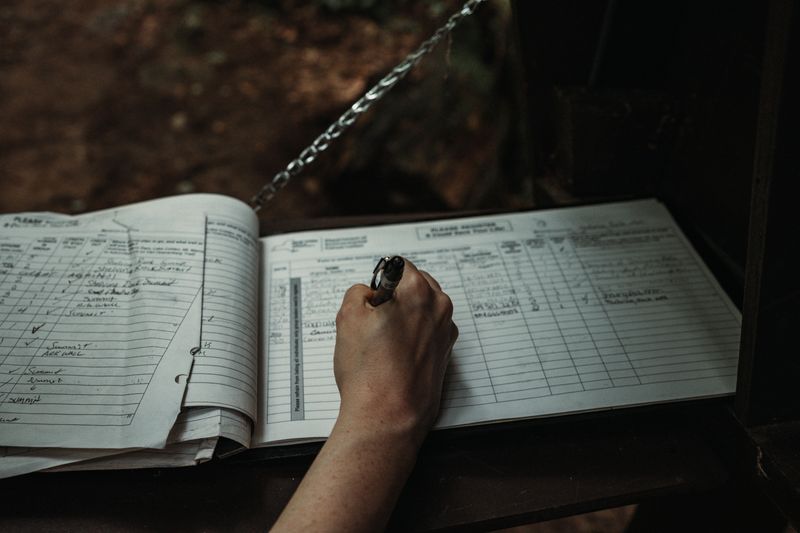
When you notice a possible violation, writing down the exact date and time of a water restriction violation is your first and most powerful move. Keep track of what you observe like a simple log.
Note the day of the week too, since many districts restrict watering to certain days. A Tuesday violation means something very different from a Saturday one.
Time of day matters just as much as the calendar date. In the Las Vegas Valley (SNWA service area), outdoor watering is banned between 11 a.m. and 7 p.m. during summer months. Rules vary in other Nevada districts.
Keep a small notebook near your window or use the notes app on your phone. Logging each incident as it happens creates a clear, reliable timeline.
If the behavior repeats, you will have a pattern to show authorities. One logged event is helpful, but five logged events over two weeks is compelling.
Consistency in your records signals that this is not a one-time mistake. Authorities take repeated violations far more seriously than isolated incidents.
Your documentation does not need to be fancy or formal. Simple, factual, and dated entries are exactly what water enforcement officers look for.
Keeping records also helps you stay calm and objective. When you focus on facts instead of frustration, the process goes much more smoothly for everyone involved.
2. Note Specific Details Of The Violation
Details are the backbone of any solid report. Knowing what to write down turns a casual observation into useful evidence that water officials can actually act on.
Start with the address of the property in question. If you are unsure of the exact number, jot down the cross streets or describe the house clearly.
Next, describe what you saw happening. Was a sprinkler system running during restricted hours? Was a hose left unattended and flooding the sidewalk?
Note the type of water use you observed. Lawn irrigation, car washing, and pool filling each fall under different rules in most Nevada water districts.
Your Nevada Garden Changes Every Week. Your Plan Should Too.
Gardening in Nevada changes quickly throughout the season. Every Friday you’ll receive a simple weekly plan showing exactly what to plant, prune, fertilize, harvest, and protect so you never miss the right timing.
Pay attention to how long the activity lasted. A sprinkler running for five minutes is different from one running for two hours straight.
Observe whether water was pooling, running into the street, or going down a storm drain. Runoff is often a separate violation on top of the timing issue.
If the same behavior happens again, note whether anything changed. Did they switch to a different time? Did they add more sprinkler heads?
These small observations paint a clearer picture for water enforcement staff. The more specific your notes, the faster and more effectively officials can respond.
Specific details also protect you from any pushback. If your neighbor disputes the report, your thorough notes speak louder than any argument.
Good documentation is not about getting someone in trouble. It is about making sure shared water resources are protected for the whole community.
3. Photograph Evidence If Safely Possible
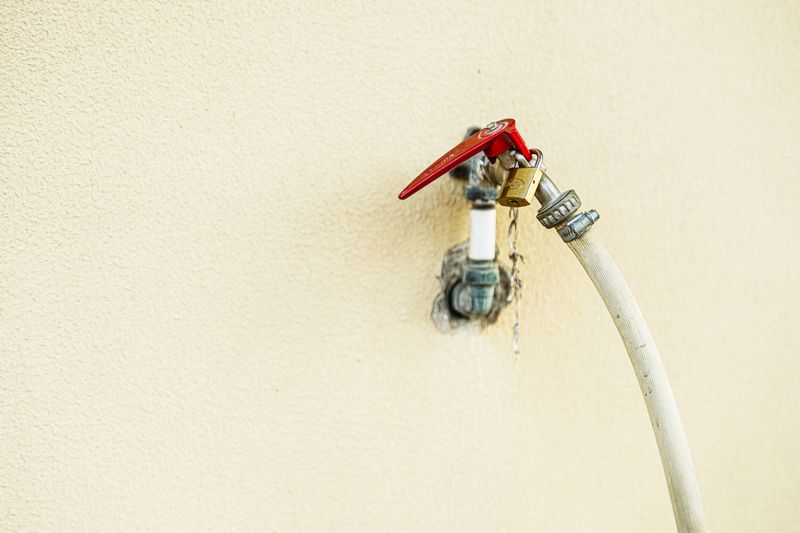
A photo is worth a thousand complaint forms. Visual proof of a water restriction violation can speed up the entire reporting process significantly.
Before you start snapping pictures, make sure you stay on public property. Standing on a sidewalk or in a public right-of-way is perfectly fine and legally safe.
Never trespass onto your neighbor’s property to get a better shot. A photo taken from public property is more reliable than one that could raise legal or ethical concerns.
Use your smartphone’s timestamp feature so every image is automatically dated and timed. Most phones embed this data directly into the photo file itself.
Capture the sprinkler or hose in action, not just the wet pavement afterward. Active water use is much more persuasive than a damp lawn photo taken an hour later.
Include a landmark in the frame if you can. A house number, street sign, or distinctive tree helps confirm the location without any guesswork.
Take multiple shots from different angles. One photo might be blurry or poorly lit, but having three or four gives you backup options.
Store your photos in a dedicated folder on your phone or cloud account. Label the folder with the date and address so you can find everything quickly later.
If the violation happens at night, use your phone’s night mode or a well-lit angle near a streetlight. Dark, unrecognizable images are harder for officials to use.
Photographs combined with written notes create a strong, credible report that water authorities in Nevada will take seriously right away.
4. Check Your Local Water District’s Rules
Not every water rule is the same across Nevada. Before you report anything, take a few minutes to confirm what the actual restrictions are in your specific area.
Nevada has multiple water authorities, including the Southern Nevada Water Authority and various municipal utilities. Each one sets its own schedule and restrictions based on local conditions.
Look up your district’s current watering schedule on their official website. Most sites list allowed watering days, times, and prohibited activities clearly on the homepage.
Some rules vary by season. Summer restrictions are often stricter than winter ones, so check what applies during the month you are reporting.
Pay attention to landscape type too. Turf grass, drip irrigation, and hand watering sometimes fall under different guidelines within the same district.
If you are unsure whether what you saw was actually a violation, call your water district’s customer service line. Staff members can clarify the rules in plain language.
Knowing the exact rule that was broken makes your report much stronger. You can reference the specific regulation number or policy name when you call or submit online.
It also keeps you from accidentally reporting something that is actually allowed. Some districts permit early morning watering on specific days, and that can look suspicious if you do not know the schedule.
Being informed puts you in a position of confidence and credibility. Water officials respond better to callers who clearly understand the rules they are citing.
5. Contact Your Water Utility’s Reporting Line
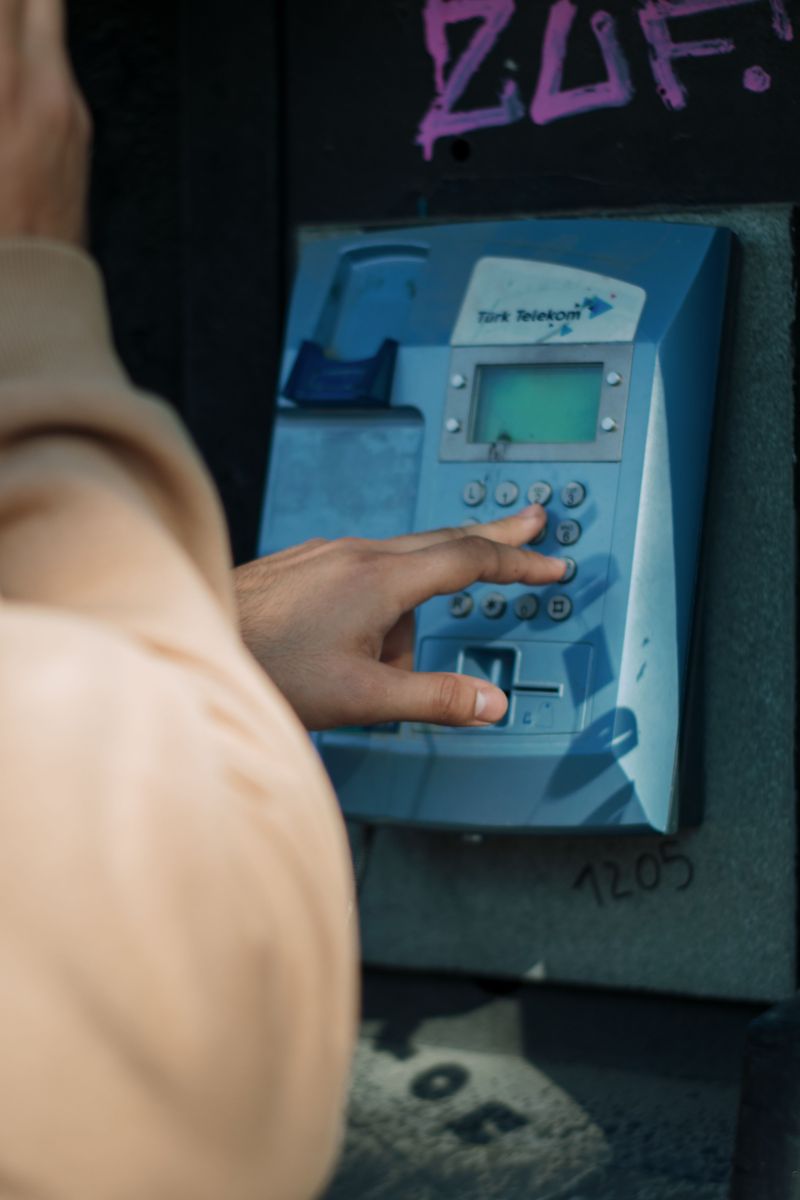
Picking up the phone is where your documentation finally goes to work. Most Nevada water utilities have a dedicated line specifically for reporting suspected violations.
Search your water bill or the utility’s website for the conservation or violation reporting number. Some districts also offer an online form if calling is not convenient for you.
When you call, stay calm and stick to the facts you documented. Mention the address, the date and time, what you observed, and how long it lasted.
Avoid emotional language or assumptions about your neighbor’s intentions. Saying “they have been wasting water for weeks” lands differently than “I observed sprinklers running at 2 p.m. on three separate Thursdays.”
Ask the representative what happens next after you file the report. Understanding the process helps you set realistic expectations about how quickly action will follow.
Some utilities send a courtesy notice to the property owner first. Others dispatch a field inspector to check the property within a set number of days.
Write down the name of the person you spoke with and the date of your call. Also note any case number or reference number they give you.
If the utility has an online portal, submit your report there for a built-in paper trail. Digital submissions often include automatic confirmation emails for your records.
Your call genuinely matters to water conservation efforts across Nevada. Utility staff rely on community members to flag issues that inspectors cannot catch on their own.
6. Report Anonymously If That Option Exists
Worried about neighborhood tension? Anonymous reporting is a completely legitimate and widely available option in many Nevada water districts.
Check your water utility’s website or call their main line to ask whether anonymous reports are accepted. Many utilities have online forms that do not require your name or contact details at all.
Anonymous reporting removes the fear of awkward run-ins at the mailbox. You can do the right thing for your community without putting your name on anything.
Keep in mind that anonymous reports may be handled slightly differently. Some utilities prioritize reports with contact information because they can follow up for more details if needed.
To make your anonymous report as effective as possible, include every specific detail you documented. The more complete your submission, the less investigators need to follow up with you.
Include photos if the online form allows attachments. A strong anonymous report with visual evidence is often just as actionable as a named one.
Some utilities offer their own apps for documenting and submitting water-waste reports. LVVWD, for example, has a dedicated app residents can use to photograph, document, and report suspected water waste, in addition to standard online forms.
If you live in a small neighborhood, even anonymous reports can feel risky. In that case, focus on submitting details that could apply to any observer, not just someone next door.
Anonymous or not, your report contributes to protecting a shared resource that every Nevada resident depends on. That is worth a few minutes of your time no matter what.
7. Avoid Confronting The Neighbor Directly
It is tempting to walk over and say something, especially when you have watched the sprinklers run for the third time this week. Resist that urge as much as possible.
Direct confrontation rarely goes the way you hope. What starts as a calm conversation can quickly turn into a heated argument that damages your relationship for years.
Your neighbor may not even know they are breaking a rule. Some people install irrigation systems and never update the timer when restrictions change seasonally.
Even if they do know, confronting them puts you in an uncomfortable position. Now you are the neighbor who reported them, and that can breed lasting resentment.
Let the water utility handle the educational and enforcement side of things. That is literally what they are trained and paid to do in situations like this one.
If you feel you absolutely must say something, keep it light and neighborly. A quick mention that the rules changed recently is very different from an accusation of intentional waste.
Never approach a neighbor who has shown signs of being aggressive or unreasonable in the past. Your safety always comes before any water conservation concern.
Focus on the system, not the person. Reporting through official channels keeps emotions out of it and puts the responsibility where it belongs.
Letting professionals handle the situation protects your peace of mind and your relationship with the neighborhood. Sometimes the best action is a quiet one taken behind the scenes.
8. Follow Up To Confirm Action Was Taken
Submitting a report is not the finish line. Following up is what separates a forgotten complaint from one that actually leads to change in your neighborhood.
Wait a reasonable amount of time before checking in. Response times vary by utility, but most aim to follow up within a couple of weeks, depending on their workload.
Call the utility using the reference number from your original report. Giving them that number immediately connects the agent to your specific case without any confusion.
Ask whether an inspector visited the property and what the outcome was. Some districts can share general findings without violating the property owner’s privacy rights.
If no action has been taken, politely ask why and what the next steps are. Sometimes reports get delayed due to staffing or high complaint volumes during summer months.
Resubmit your documentation if the representative says the case needs more evidence. Adding new photos or additional logged dates can push a stalled case forward.
If the utility seems unresponsive, consider escalating the issue. Contact your city council member or county commissioner to flag the pattern of non-enforcement in your area.
For water-rights disputes beyond watering-schedule violations, you can also contact the Nevada Division of Water Resources. Most day-to-day enforcement, though, stays with your local utility.
Staying engaged with the process shows water officials that the community is paying attention. Nevada residents who follow up consistently help build a culture of real water restriction accountability.