What North Carolina Gardeners Do Differently To Get Crape Myrtles That Bloom Hard Into October
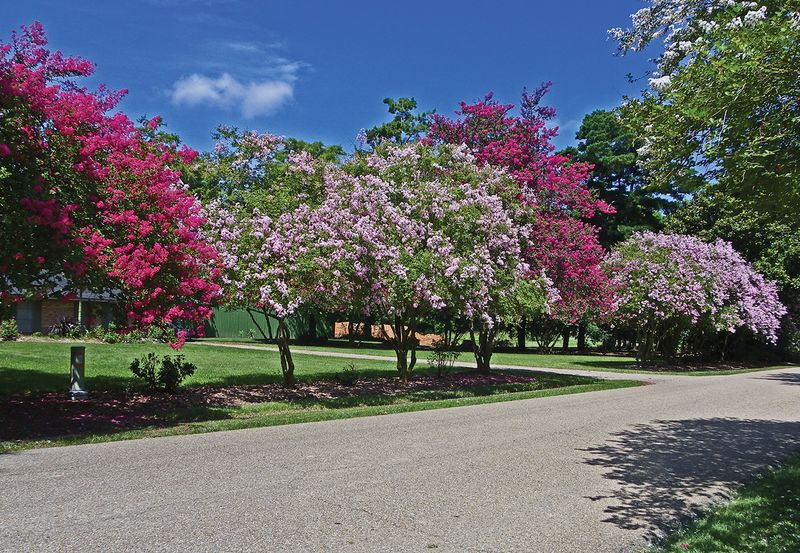
Walk through almost any North Carolina neighborhood in late July and crape myrtles (Lagerstroemia indica and hybrids) are impossible to miss, every yard has at least one going full tilt. But come September, most of those trees have gone quiet while a few are still throwing color like it is peak summer. The difference usually comes down to a handful of practical choices made months earlier, not a secret trick. Get the cultivar right, give the tree full sun, ease its drought stress, and prune with a reason instead of a reflex, and a late-season display becomes genuinely possible.
The Cultivar Sets the Ceiling
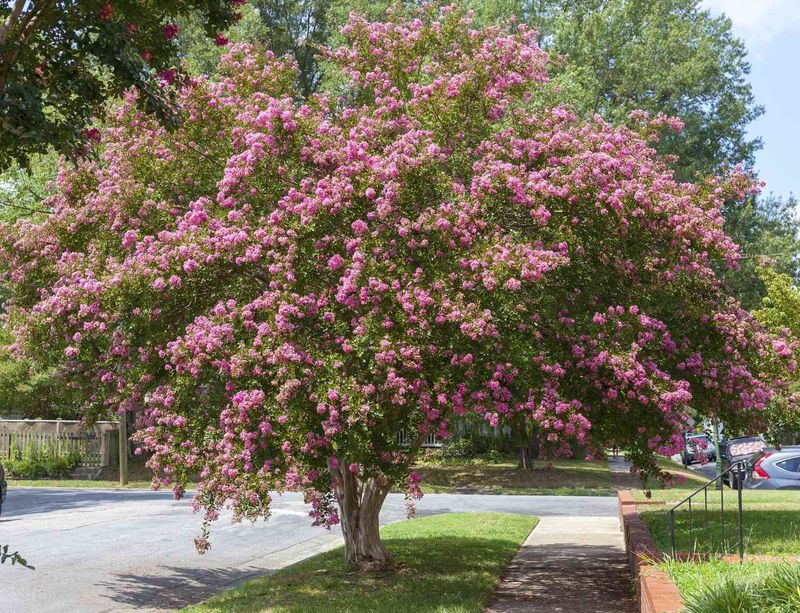
Every crape myrtle on your street looks roughly the same from a car window, but the genetics underneath those bark-peeling trunks are telling very different stories. Some cultivars wrap up their show by early August. Others are bred or selected to keep cycling through new flower clusters well into September, and occasionally into early October under favorable conditions. That difference is baked into the plant before it ever goes in the ground.
The U.S. National Arboretum has documented several selections worth knowing by name. National Arboretum cultivar records list ‘Acoma’ with recurrent bloom from late June through September, ‘Yuma’ with a mass display from late July to late September, and ‘Apalachee’ with prolific recurrent bloom from July into September. Those windows genuinely improve the odds of color when your neighbors’ trees have gone to seed.
What those records do not promise is a full canopy of flowers through all of October across every corner of North Carolina. A tree in the Sandhills with sandy, fast-draining soil and long hot summers will behave differently than the same cultivar planted in a mountain yard at 2,500 feet. Scattered late flowers are a realistic goal. A heavy first-flush-level canopy in October is a favorable possibility, not a predictable outcome.
Before you change anything else about your care routine, try to identify what you are actually growing. NC State Extension’s Plant Toolbox lists crape myrtle for all three broad North Carolina regions and can help you confirm whether your tree is a naturally short-season type or one with genuine late-summer staying power. If the cultivar tops out in August, no amount of deadheading or fertilizer is going to push it into October.
Full Sun Keeps Flowers Coming
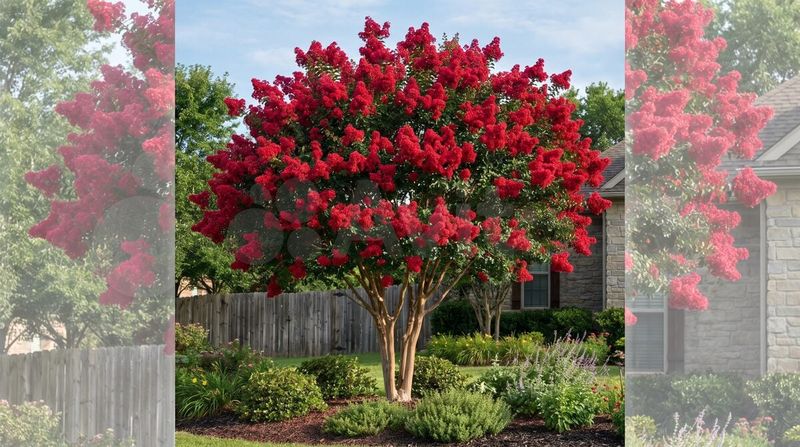
Shade is a quiet thief. A crape myrtle planted too close to a mature oak or tucked beside the north wall of a house may look healthy enough in spring, but by August it is running on fumes, producing weak growth and fewer flower clusters than a tree in an open spot ten feet away.
NC State Extension is clear that crape myrtles need approximately 6 or more hours of direct sunlight daily to perform well. Below that threshold, flowering drops off noticeably. Shade also creates the humid, low-airflow conditions that favor powdery mildew and the sticky black sooty mold that follows pest pressure, both of which drain the tree’s energy further.
Your North Carolina Garden Changes Every Week. Your Plan Should Too.
Gardening in North Carolina changes quickly throughout the season. Every Friday you’ll receive a simple weekly plan showing exactly what to plant, prune, fertilize, harvest, and protect so you never miss the right timing.
Here is where it gets tricky for many Piedmont and Coastal Plain yards. The large hardwoods that provide welcome afternoon shade in July are also expanding their canopy every year. A crape myrtle that had full sun five years ago may now be getting only 4 hours. Walk your yard around 10 a.m. and again at 2 p.m. on a clear day and actually watch where the shadows fall.
Big trees also compete for soil moisture, drawing water away from the crape myrtle’s root zone during the same dry stretches that stress flowering. University of Maryland Extension guidance on crape myrtle problems confirms that poor light is one of the most common reasons a tree underperforms, and it is often misread as a pruning or fertilizer failure. If the site is genuinely shady, moving the tree or choosing a different location for a replacement is a more honest fix than any care adjustment.
Relieve Dry-Season Stress
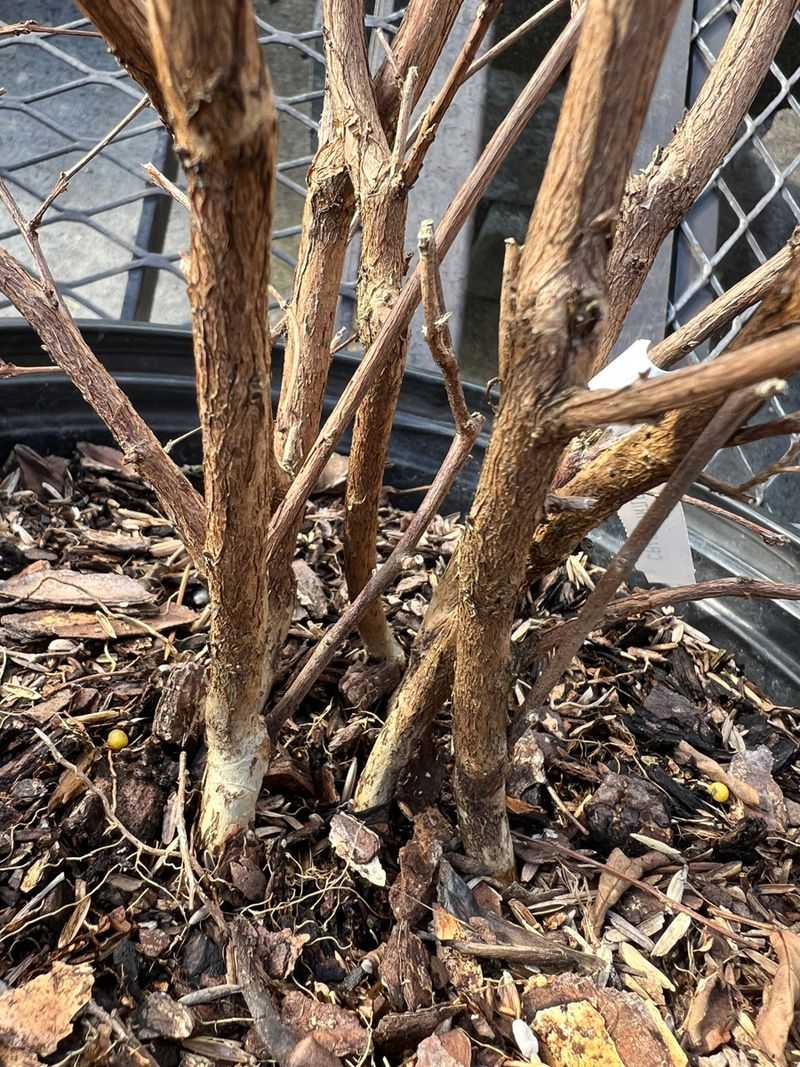
North Carolina summers run hot and humid, but that humidity does not always mean the soil stays moist. Afternoon thunderstorms can drop half an inch of rain and evaporate off the surface before it reaches roots, especially in the sandy soils of the Coastal Plain or the compacted red clay common across the Piedmont. A crape myrtle pushing out new flower clusters in August is doing real physiological work, and dry soil slows that work down.
UGA Cooperative Extension’s crape myrtle culture guide recommends watering newly planted trees thoroughly at planting and roughly once a week without rainfall for the first two months. Established trees handle drought better, but they still flower more reliably when prolonged dry spells are interrupted with a deep watering directed at the root zone rather than a quick sprinkle across the surface.
Avoid treating any of that as a fixed weekly calendar for a mature tree. Soil texture, recent rainfall, heat index, tree age, and competition from nearby plants all change what the tree actually needs on a given week. A 10-year-old crape myrtle in well-drained Sandhills soil after two rainless weeks needs different attention than the same cultivar in Piedmont clay that stayed wet from a recent tropical system.
A 2- to 3-inch layer of mulch spread out to the drip line, kept a few inches away from the trunk, genuinely helps hold moisture between rain events and moderates soil temperature during the hottest stretches.
NC State Extension’s lawn and garden guidance identifies crape myrtle as a low-water-use plant once established, while still recommending practices that reduce runoff and unnecessary irrigation. The goal is consistency during flowering, not saturation.Prune Lightly Before Spring Growth

The phrase “crape murder” has been floating around Southern gardening conversations for years, and for good reason. Drive through almost any neighborhood between Raleigh and Wilmington in February and you will see crape myrtles cut back to blunt, knobby stubs that look more like fence posts than trees. The people doing it often believe harder pruning means more flowers. The plant disagrees.
NC State Extension’s Woody Ornamentals handbook recommends pruning summer- and fall-flowering woody plants, including crape myrtle, before new growth begins in spring. That timing makes sense because crape myrtles flower on the current season’s new growth. A light structural cut in late winter or very early spring gives the tree a clean start without removing the energy reserves it needs to push vigorous new shoots.
The purpose-driven framework is straightforward: remove dead or clearly damaged wood, cut out branches that cross and rub against each other, pull root suckers at ground level, and eliminate any poorly placed growth that crowds the canopy. If you want a clean multi-trunk tree form, lower limbs can be removed gradually over several seasons, typically starting at about one-third of the way up the plant. NC State’s general pruning guidance supports this measured approach for most woody ornamentals.
UGA Extension’s plain-language pruning advice explains what topping actually produces: weak, fast-growing water sprouts that bend under the weight of their own flower clusters after rain, excessive suckering at the base, a knobby unnatural form, and potentially fewer total flower clusters across the whole canopy even if individual clusters appear larger. A healthy, well-shaped crape myrtle may need almost no pruning beyond the occasional dead branch. UGA’s crape myrtle culture guide puts it plainly: the tree does not need to be topped to flower, and doing it annually creates problems that compound over time.
Deadhead Only When the Cultivar Can Respond
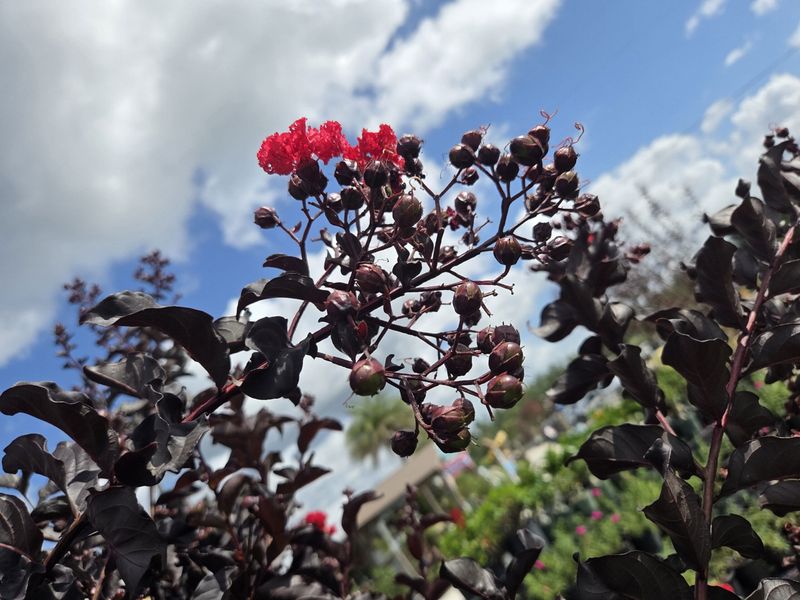
Spent flower clusters left on a crape myrtle will eventually form small round seedheads that hang on through winter and drop away as spring growth begins. Some extension specialists consider them an attractive feature on their own. Removing them is optional, not mandatory, and the decision matters most for gardeners hoping to coax a second flush before the season cools.
UGA Extension’s crape myrtle culture guide explains that removing spent clusters after an early-blooming cultivar finishes its first display can stimulate new growth and a second round of flowers in late summer. The key word is early-blooming. A cultivar that opens its first flowers in late May or June has enough growing season ahead of it to produce another flush if conditions cooperate.
A cultivar that does not begin flowering until after mid-July is a different situation entirely. Lincoln County UGA Extension’s crape myrtle overview specifically flags this: late-starting cultivars may not have enough warm weeks left before cooler fall temperatures arrive to mount a meaningful second bloom. Deadheading one of those trees in September and expecting October flowers is optimistic at best.
Follow the plant’s actual calendar rather than a fixed date on the wall. When the first flush finishes, clip the spent clusters back to the nearest set of leaves or a side branch. Do not cut back into older, thicker wood chasing fresh growth in late fall. UGA’s pruning guidance warns that early-fall cutting can push tender new growth that has no time to harden before a cold snap, which is a real risk in the North Carolina mountains and even in the Piedmont when an early frost arrives ahead of schedule.
Let the seedheads stay if the season has run its course, they are genuinely ornamental through December.
Skip the Last-Minute Fertilizer Fix
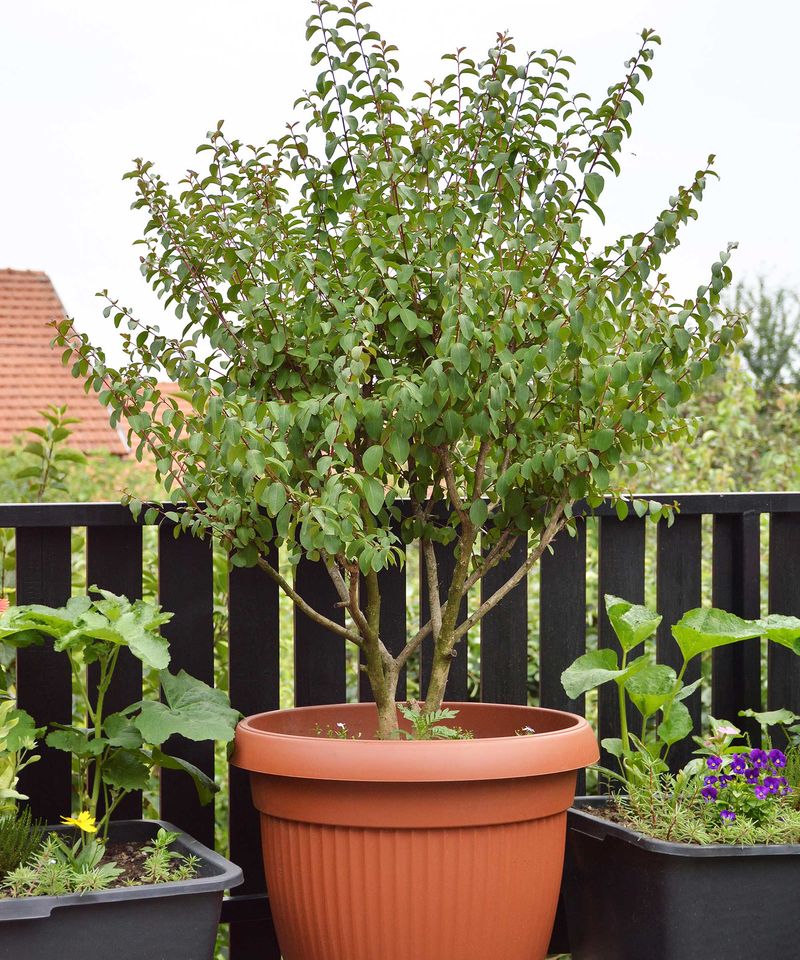
After a crape myrtle’s first big bloom fades in August, the temptation to reach for a bag of fertilizer is understandable. The tree looks a little tired, the flowers are gone, and a quick fix feels logical. Most of the time, adding fertilizer at that point makes things worse, not better.
Excess nitrogen is the specific problem. It pushes the tree into producing soft, leafy growth instead of the new flowering shoots you actually want.
NC State Extension’s soil testing guide recommends testing garden beds and woody plant areas before applying anything, noting that routine tests do not reliably measure nitrogen because soil nitrogen levels shift constantly. Without a test, you are guessing at what the tree actually needs.NC State’s guide to fertilizing trees and shrubs makes clear that fertilizer applications should be based on soil test results, plant size, product analysis, and site conditions, not a universal rate applied to every tree every year. A crape myrtle growing in moderately fertile Piedmont soil with adequate organic matter may need nothing at all. One in the nutrient-poor sandy soils of the Coastal Plain might genuinely benefit from a modest, targeted application in early spring before growth begins.
Mulch earns its keep as a moisture-conservation and soil-health tool, not a flowering shortcut. NC State Extension’s lawn and gardening guidance supports mulching as a way to reduce runoff and protect soil, and the EPA’s nutrient pollution guidance at EPA nutrient pollution resources discourages fertilizer applications before heavy rain or near waterways. Apply what the soil test says is needed, at the labeled rate, and stop there.
Diagnose the Whole Plant
Weak flowering rarely has a single cause, and blaming a missed deadheading window is usually the wrong diagnosis. Before changing your care routine, take 10 minutes and actually look at the tree from the ground up.
Poor flowering can come from inadequate sun, drought stress, compacted or waterlogged soil, heavy-handed pruning that removed this season’s flowering wood, or a nutritional imbalance pushing leafy growth. University of Maryland Extension’s crape myrtle problem guide walks through the most common culprits and helps separate environmental causes from pest and disease pressure.
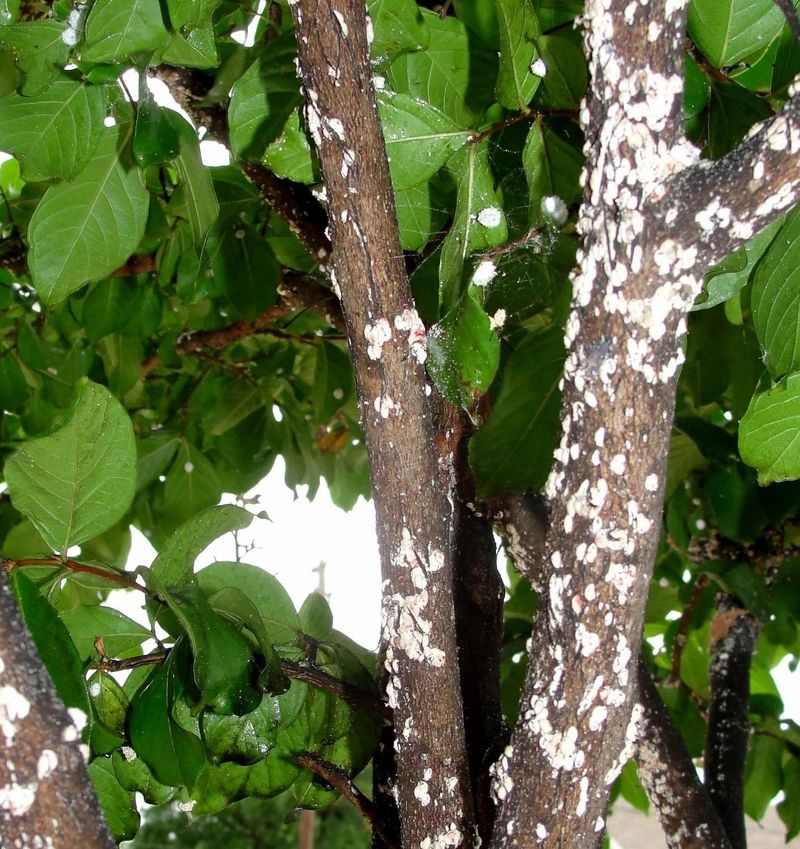
Crape myrtle bark scale is a genuine North Carolina concern and one that is spreading. NC State Extension’s bark scale publication describes the pest clearly: look for white or gray waxy deposits on the bark, cottony egg masses in branch crevices, and sticky honeydew dripping onto surfaces below the tree. That honeydew feeds the black sooty mold that can coat bark and foliage, blocking light and stressing the tree enough to reduce both new growth and flowering.
NC State’s homeowner guide to bark scale management and the NC State crape myrtle pest management calendar outline timing and treatment options. Keep treatment advice grounded: accurate identification comes first, then label-directed action using the correct product at the correct time. Never spray during windy conditions, near water, or while the tree is actively blooming and attracting pollinators. The EPA’s guidance on reading pesticide labels is worth a look before opening any container.
Tall trees with heavy infestations may need professional treatment rather than a homeowner spray from the ground.
Treat October Flowers as a Bonus
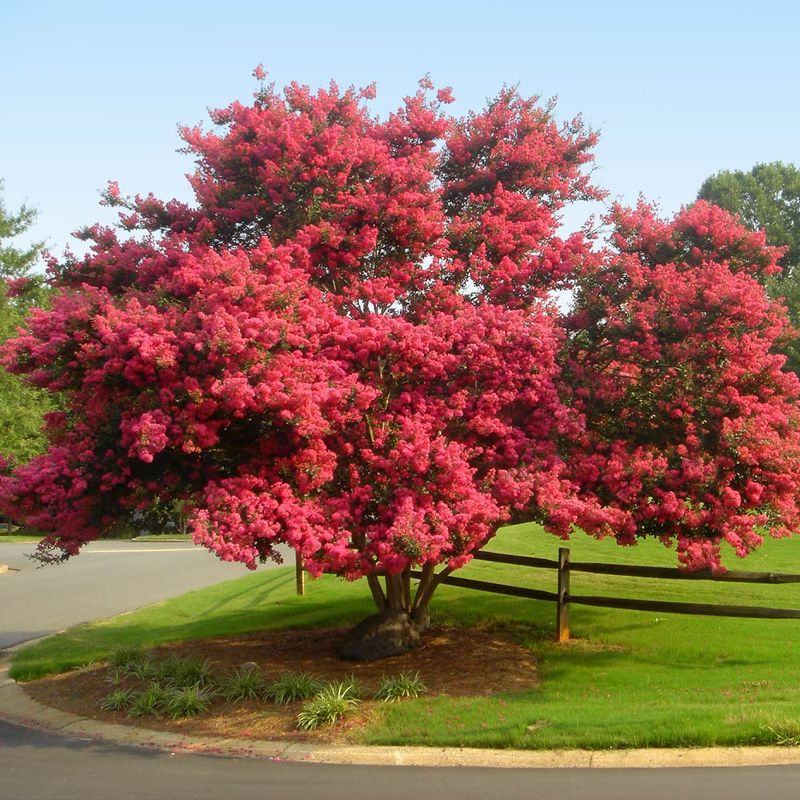
North Carolina covers a lot of ground, literally. A crape myrtle growing at 3,000 feet in the Blue Ridge is already feeling nights that drop into the 40s by late September, while the same cultivar on the Outer Banks coast may still be pushing new growth in October with barely a cool evening in sight. One tree’s October flowers cannot become a statewide schedule.
Clemson Extension’s crape myrtle factsheet and NC State’s Plant Toolbox entry for Lagerstroemia both describe the plant’s flowering window as summer into early autumn, with cultivar-specific timing controlling how far into fall that window actually extends. A few scattered clusters in late September or early October is a realistic result for a well-sited, well-cared-for tree. A dense canopy of flowers matching the July flush is a different expectation, and most trees will not meet it.
The practical sequence that gives you the best shot is not complicated. Choose a cultivar documented for long or recurrent bloom, plant it where it gets at least 6 hours of direct sun, water during extended dry spells in the flowering season, prune lightly before spring growth with a clear purpose in mind, and deadhead after the first flush only if that flush arrived early enough to leave time for a response. Address shade, drought, pest pressure, and soil issues before assuming a care change will solve a bloom problem.
UGA Extension’s crape myrtle culture guide frames the goal well: a healthy, well-sited tree expressing its natural bloom period fully is the actual target. October color is a welcome surprise when it shows up, not a promise the tree ever made.