The One Thing Oregon Coneflowers Need Before Summer Ends
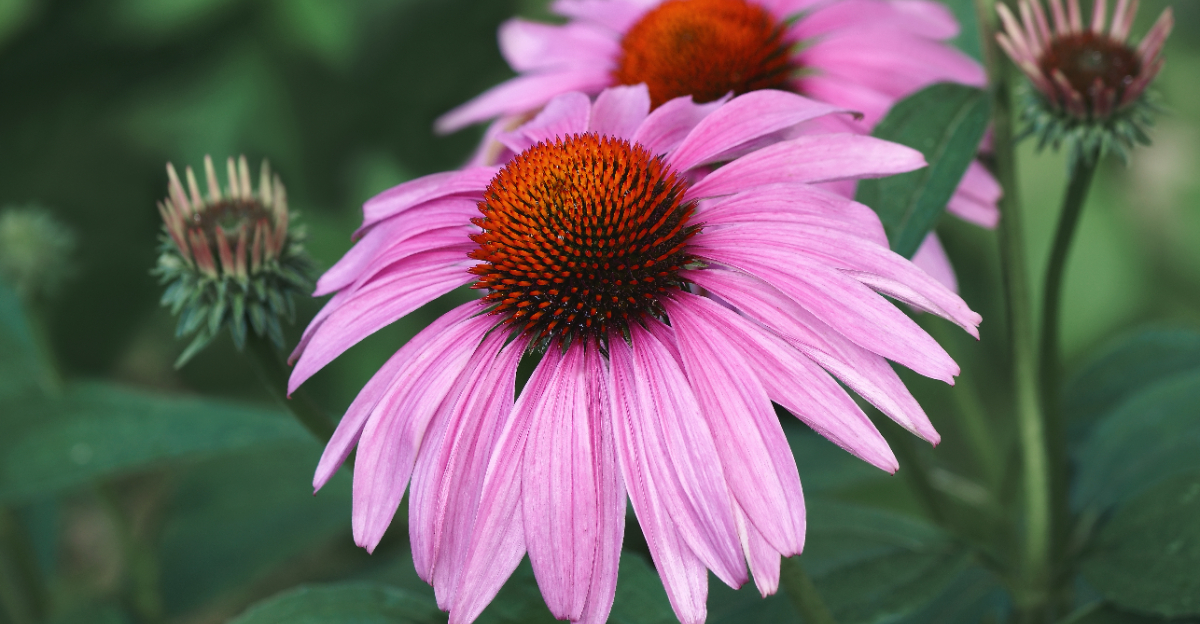
Coneflowers can still look cheerful in late summer even as their season begins to shift.
By August, fresh blooms may be sharing space with fading flower heads, tired stems, and signs that the plant is preparing for fall.
This is the point when one small bit of attention can make a noticeable difference in how the plant finishes the season and returns next year.
The timing matters because waiting too long can mean missing the best window altogether.
At the same time, doing too much can interfere with the natural cycle that makes coneflowers such dependable perennials. The good news is that the task is simple and does not require a major garden overhaul.
If your coneflowers have been blooming for weeks, now is the moment to give them a closer look before summer officially winds down.
1. Snipping Spent Blooms Before They Slow Things Down
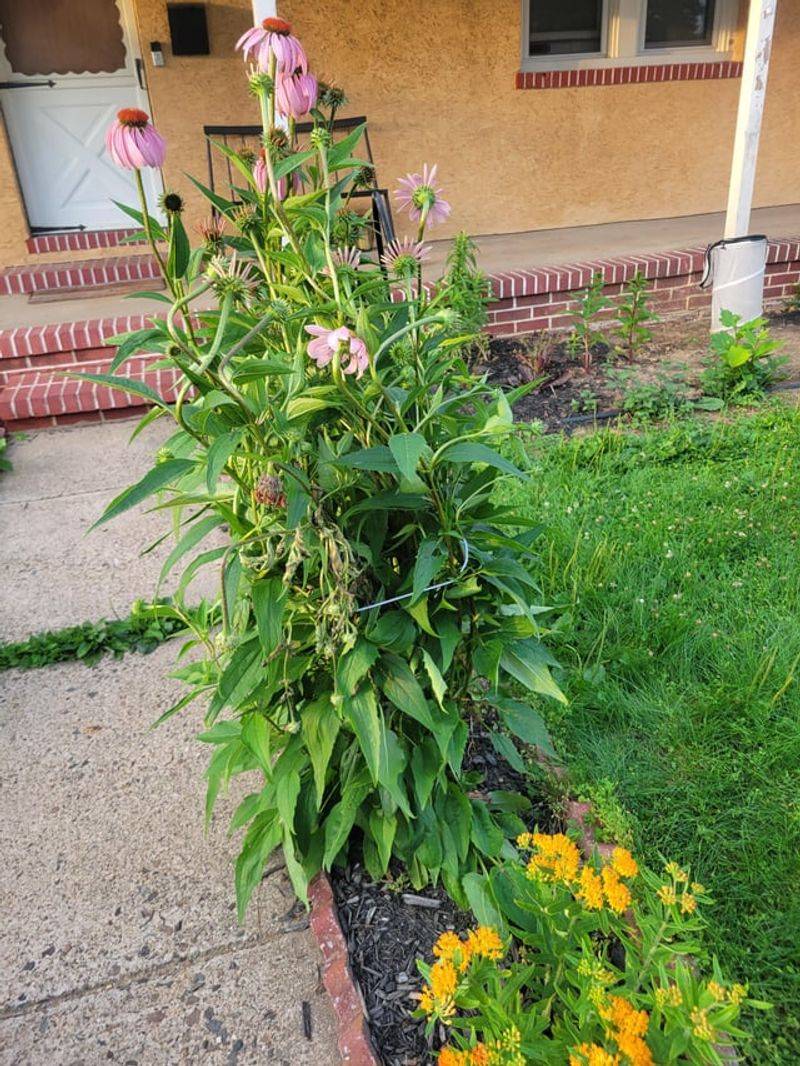
Most Oregon gardeners are surprised to learn just how much a single faded bloom can slow a plant down. When a flower starts to droop and lose its petals, the plant shifts its energy toward making seeds instead of making new flowers.
That shift can quietly cut your bloom season short before you even notice.
Snipping spent blooms early sends a clear message to the plant: keep growing, keep blooming.
It is one of the simplest ways to get more color out of your garden without spending extra money. All you need is a clean, sharp pair of scissors or pruning shears.
Cut the faded flower stem down to just above the nearest set of healthy leaves. Try to make clean cuts rather than tearing the stem.
A clean cut heals faster and lowers the chance of disease getting into the plant.
Check your coneflowers every few days during peak summer. Blooms can fade quickly in warm weather, so staying on top of it really pays off.
Even spending five minutes in the garden a couple of times a week can keep your plants looking full and fresh.
Starting this habit early in the season makes the whole process easier. By the time late summer arrives, you will already know exactly what to look for and where to cut.
Your plants will reward that attention with weeks of extra blooms.
2. Cutting Back Faded Flowers To Wake Up New Buds
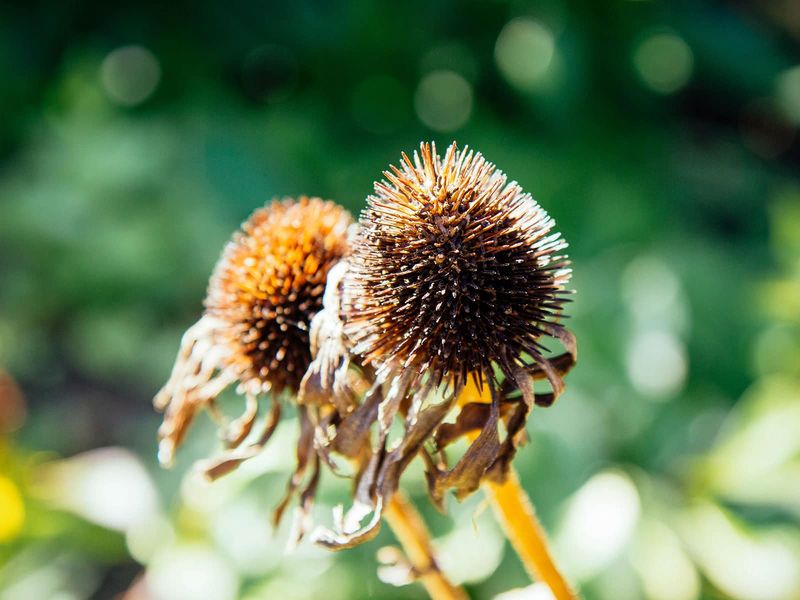
There is something almost magical about cutting a faded flower and watching new buds appear in its place within days.
Coneflowers have a strong natural drive to reproduce, and when you remove old flowers, they respond by pushing out fresh growth.
That response is what makes deadheading such a powerful tool for any gardener.
New buds often form along the sides of the main stem, just below where you made your cut. These side buds are sometimes called lateral buds, and they can produce a whole second wave of blooms.
That second wave can keep your garden colorful well into late summer and even early fall. The key is cutting at the right spot. Always cut just above a leaf node or a visible side bud.
Your Oregon Garden Changes Every Week. Your Plan Should Too.
Gardening in Oregon changes quickly throughout the season. Every Friday you’ll receive a simple weekly plan showing exactly what to plant, prune, fertilize, harvest, and protect so you never miss the right timing.
Cutting too far down the stem can remove healthy growth that the plant needs to push out new flowers.
Use sharp, clean tools every time you deadhead. Dull blades can crush the stem instead of cutting it cleanly.
Crushed stems are slower to heal and more likely to attract pests or develop fungal problems in humid summer weather.
Wipe your blades with rubbing alcohol between plants if you notice any signs of disease. Keeping tools clean is a small step that protects your whole garden.
A few seconds of extra care goes a long way when the goal is more blooms before summer ends.
3. Leaving Healthy Leaves To Keep Feeding The Plant
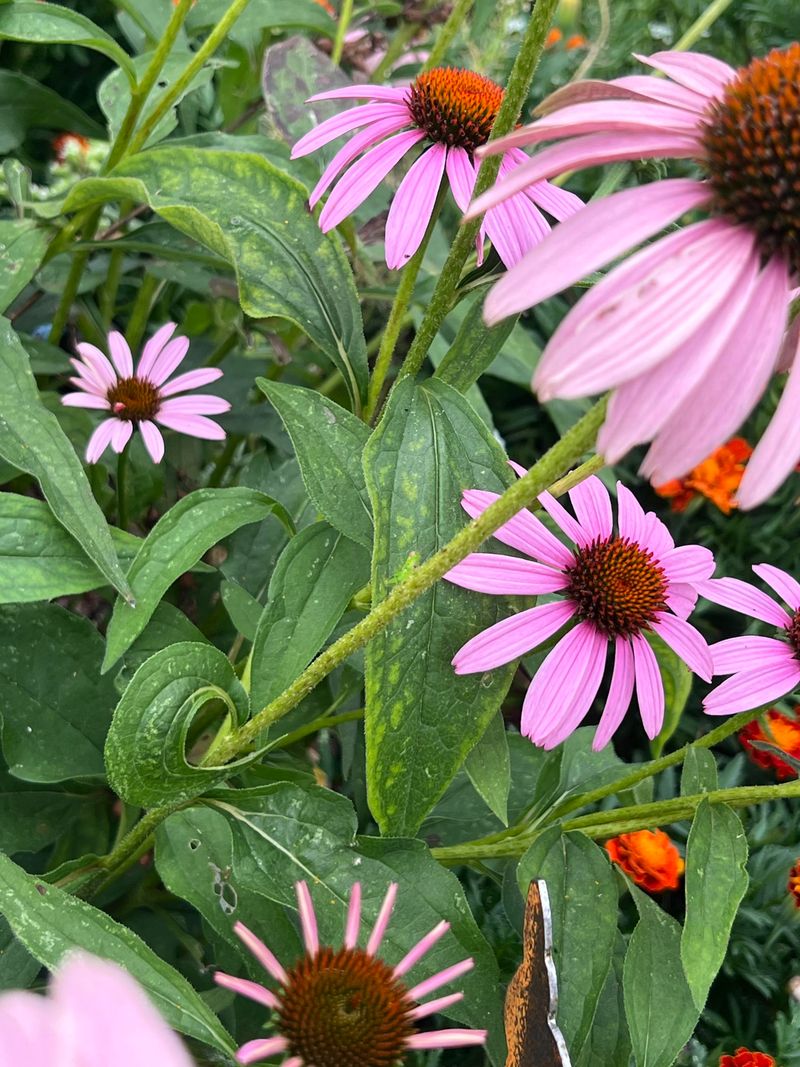
Not everything on a coneflower needs to come off when you deadhead. The leaves are doing very important work for the plant, and removing too many of them can actually cause more harm than good.
Healthy green leaves are the plant’s food factory, turning sunlight into the energy needed to fuel new growth and new blooms.
When you deadhead, focus only on the spent flower heads and the stems directly attached to them. Leave as much healthy foliage as possible.
The more leaves the plant keeps, the more energy it can store for producing the next round of flowers.
Look for leaves that are deep green, firm, and free from spots or holes. Those are the ones doing the most work.
Leaves that look yellow, spotted, or mushy can be removed since they are not contributing much and may actually be spreading disease.
Some gardeners accidentally over-prune by removing too much foliage along with the spent blooms. It is easy to get carried away, especially when the plant looks a little messy.
But restraint here is really important for keeping the plant healthy and productive through the rest of summer.
Think of the leaves as the plant’s solar panels. The more you leave in place, the more power the plant has to keep going.
Protecting healthy foliage while removing only what is spent gives coneflowers exactly what they need to finish the season strong.
4. Skipping The Hard Chop While Summer Is Still Here
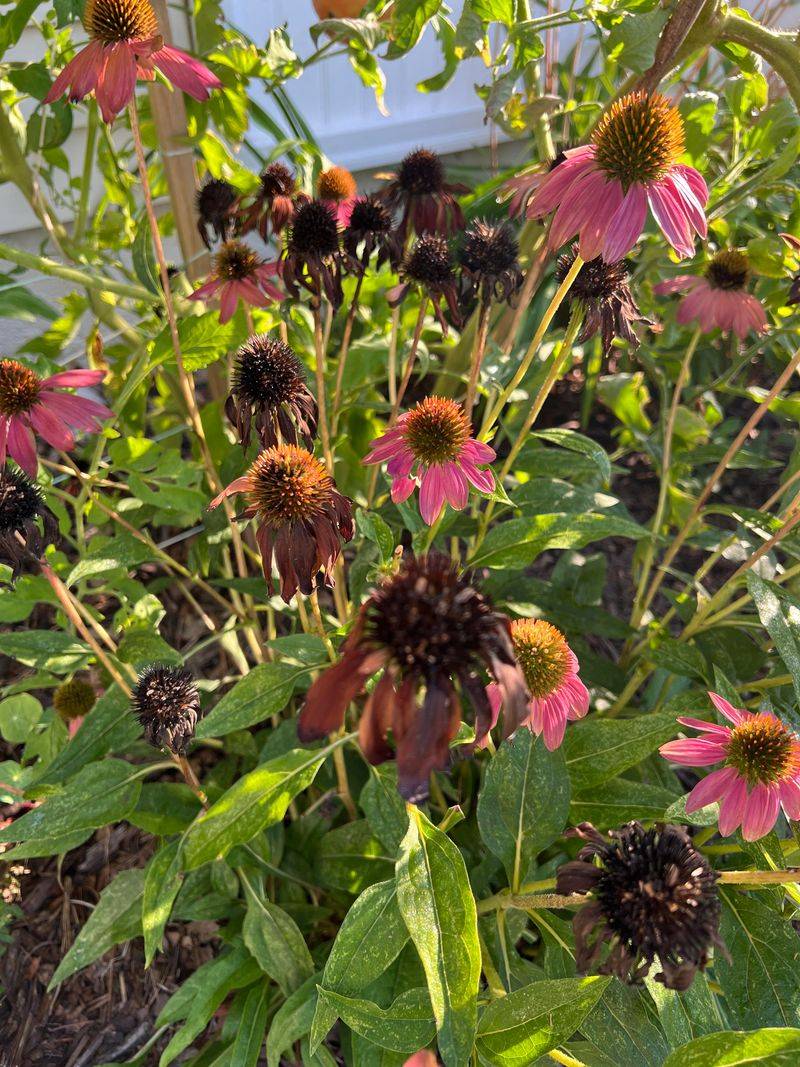
A hard chop means cutting a plant back severely, often removing most of its stems and leaves in one go.
For coneflowers, this type of aggressive pruning is best saved for late fall after the growing season is completely done.
Doing it while summer is still here can seriously set the plant back.
When you cut a coneflower down hard in mid or late summer, you remove the very stems that are still capable of producing new buds. The plant then has to use a lot of energy just to recover, and that energy could have gone toward making more flowers instead.
A light touch is always better during the active growing season. Stick to removing only the faded blooms and their stems.
Leave the rest of the plant intact so it can keep working at full strength through the warmest weeks of the year.
Hard chopping during Oregon summer can also stress the root system. Roots respond to what happens above ground.
When a lot of top growth disappears suddenly, roots can go into a kind of survival mode that slows blooming even further.
Saving the hard chop for fall cleanup makes much more sense for the plant’s natural rhythm. By then, the blooming season is over and the plant is already preparing for dormancy.
Timing your pruning to match the plant’s natural cycle keeps everything in balance and sets up a healthier start for the following spring.
5. Deadheading Before Seeds Steal More Energy
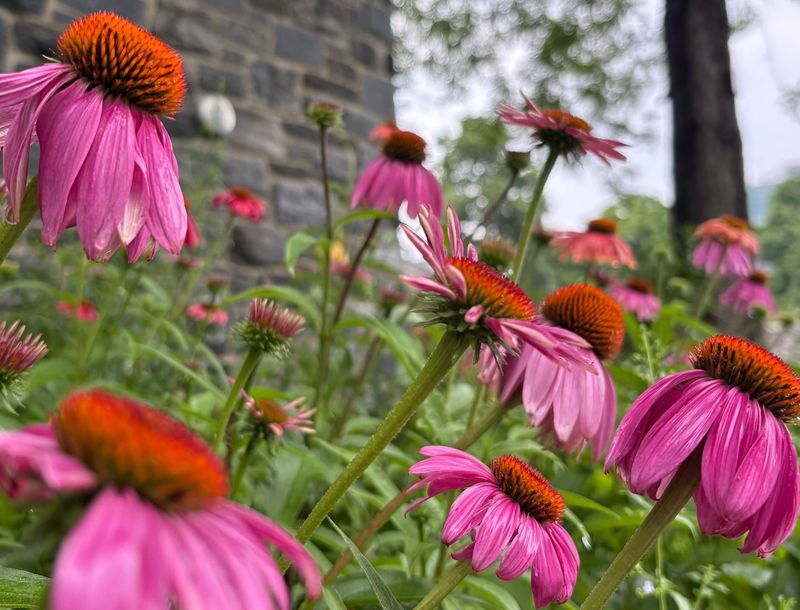
Seeds are incredible things, but making them costs a plant a lot of energy. Once a coneflower decides to put its resources into seed production, it pulls that energy away from blooming.
The result is fewer flowers and a shorter overall bloom season than you would otherwise get.
Deadheading before seeds fully form is one of the most effective ways to redirect that energy back into flowering. The earlier you catch a fading bloom, the easier it is for the plant to shift gears.
Waiting until the seed head is fully developed makes it harder for the plant to respond quickly.
You can tell a bloom is ready to deadhead when the petals start to droop or fall and the center cone begins to look dry and spiky. That is the point where seed development is kicking into gear.
Catching it at this stage gives you the best chance of triggering a new round of buds.
In Oregon, where summers can be warm and dry, seed heads can form faster than expected. Checking your plants every couple of days keeps you ahead of the process.
A quick walk through the garden in the morning is all it takes.
Removing seed heads before they mature also helps prevent coneflowers from self-seeding too aggressively.
While volunteer plants can be a nice bonus, having too many seedlings pop up can crowd the garden and create more work down the road.
6. Keeping A Few Seed Heads For The Birds
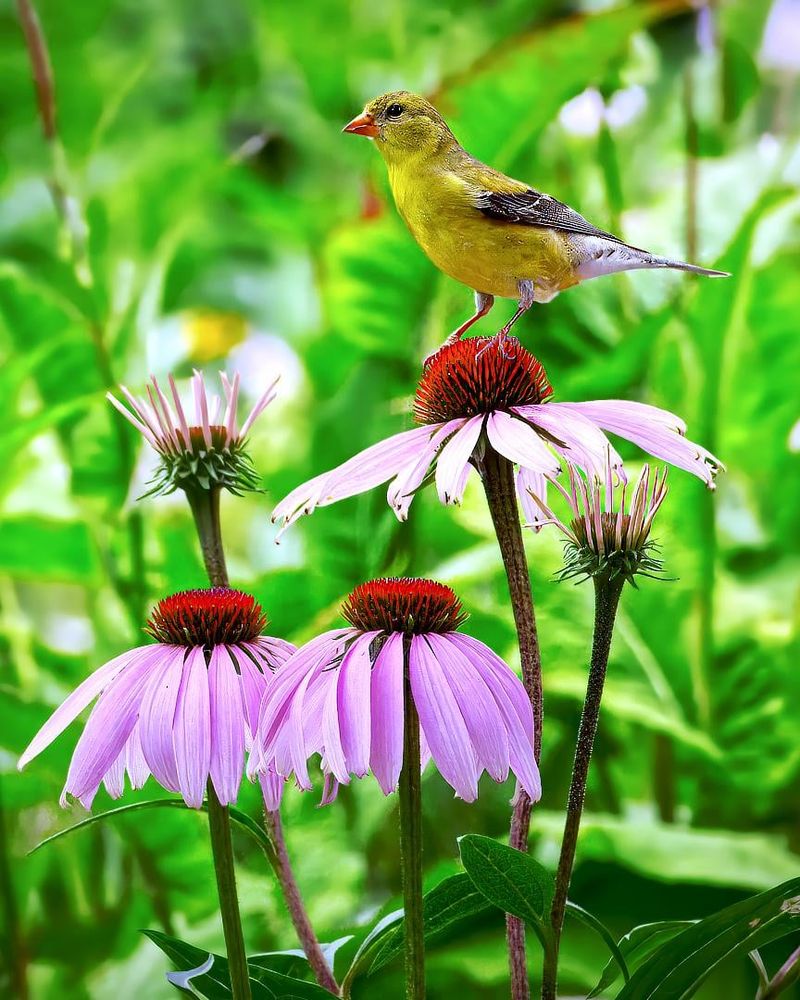
Here is a fun reason to hold back on deadheading every single bloom: birds absolutely love coneflower seeds.
Goldfinches especially are known to land right on the spiky seed heads and pick out seeds one by one.
Watching that happen in your own garden is a genuinely delightful experience.
Leaving a handful of seed heads on the plant serves double duty. It feeds local wildlife and adds some interesting texture to the garden as summer transitions into fall.
The dried cone shapes look beautiful against late-season foliage and even look striking in winter when everything else has withered back.
The trick is balance. Deadhead most of the spent blooms to keep the plant producing new flowers, but let a few seed heads mature toward the end of summer.
Choosing which ones to leave and which to remove gives you control over both the bloom season and the wildlife value of your garden.
Native pollinators also benefit from seed heads left in place. Some bee species use the hollow stems and dried plant material for nesting.
Supporting those insects through the end of summer helps the whole local ecosystem stay healthy and active.
Coneflowers are one of the best plants you can grow if you want to attract wildlife. They are native across North America and have been feeding birds and pollinators for thousands of years.
Keeping a few seed heads is a small act that connects your garden to something much bigger than itself.
7. Trimming Just Above Fresh Side Growth
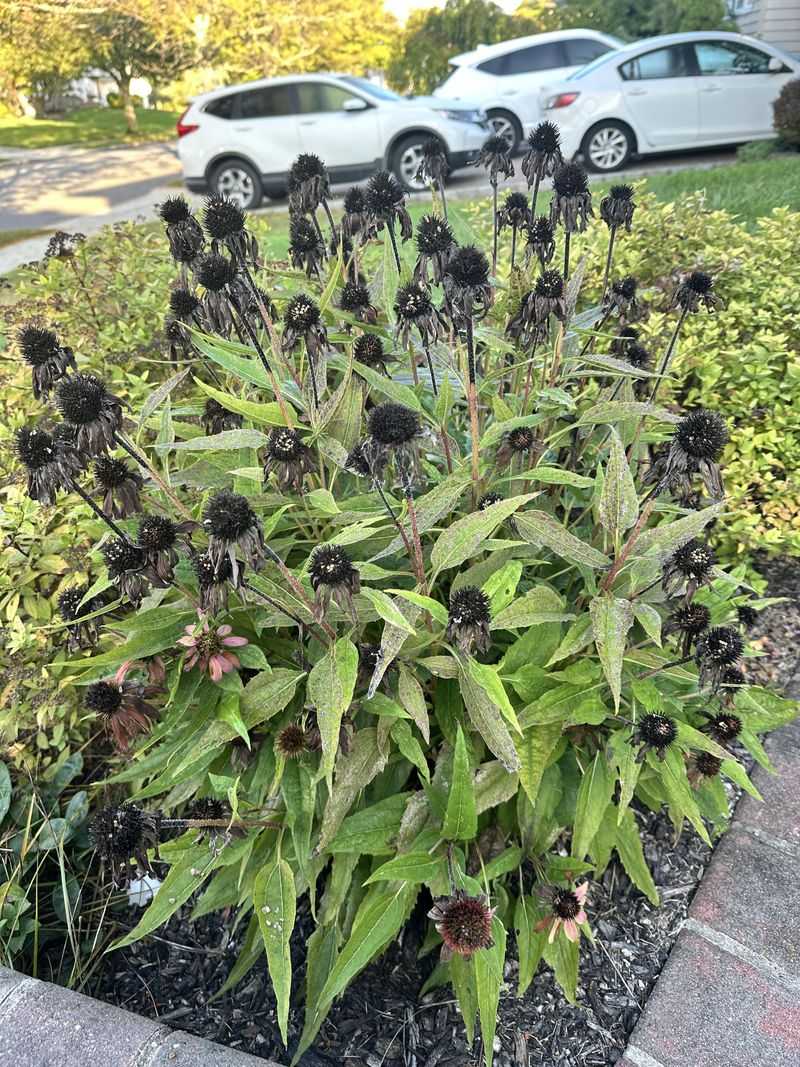
Knowing exactly where to make your cut is one of the most useful skills in deadheading. Trimming just above a fresh side shoot or leaf node is the best way to encourage new growth without damaging the plant.
That small detail makes a big difference in how quickly new buds appear.
Side shoots are the little green stems that grow off the main stem, often pointing outward at an angle.
When you cut just above one of these, you are basically telling the plant to send its energy in that direction.
The side shoot then has a chance to grow longer and eventually produce its own flower bud.
Look carefully before you cut. Sometimes side shoots are small and easy to miss, especially on a bushy plant with a lot of stems.
Take a moment to trace each faded bloom down its stem until you spot a side shoot or a leaf node below it.
Cutting too far below a side shoot removes healthy stem material the plant could use. Cutting too far above it leaves a stub that can dry out and become a point of entry for pests.
The sweet spot is right at the base of the side shoot, leaving just a tiny bit of stem above it.
With a little practice, this technique becomes second nature. Most gardeners find that after a few sessions of deadheading, they can work through a whole bed of coneflowers quickly and confidently.
The results show up fast, often within a week or two.
8. Giving Plants A Deep Drink After Deadheading
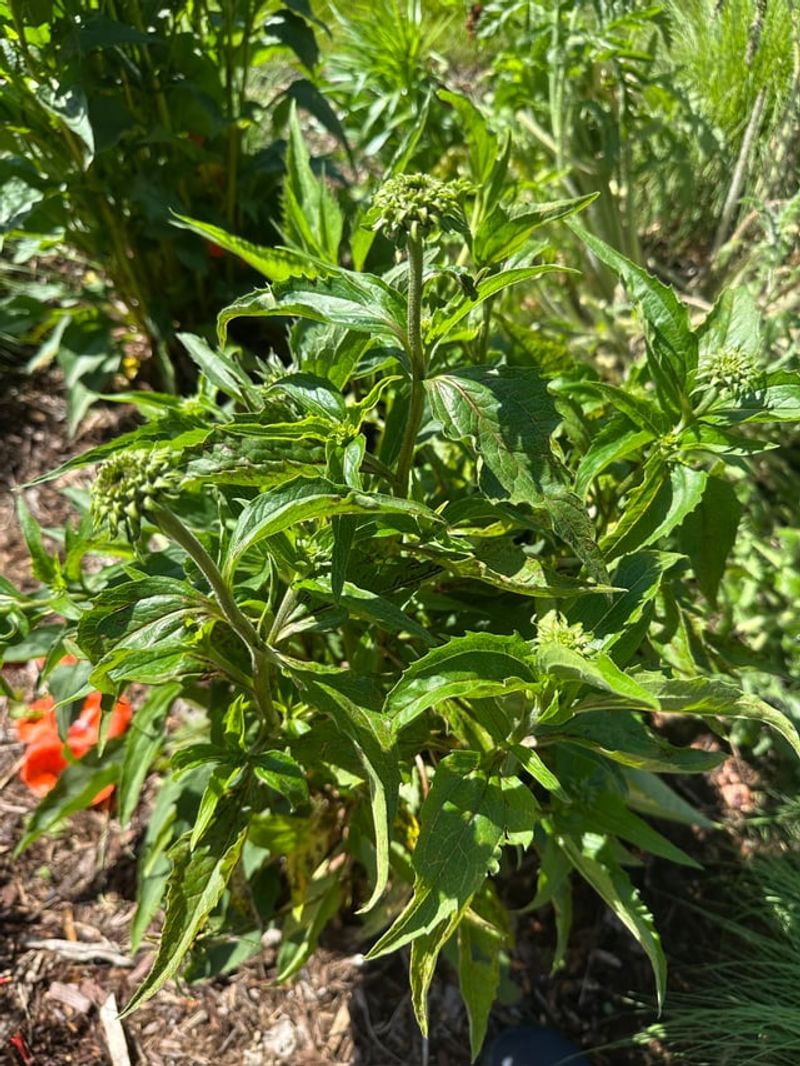
After a round of cutting blooms, your coneflowers have been through a bit of a workout. Trimming stimulates new growth, and new growth needs water to get started.
Giving plants a deep drink right after deadheading is one of the best follow-up steps you can take to support that fresh growth.
Deep watering means letting water soak down into the soil rather than just wetting the surface.
Shallow watering encourages roots to stay near the top of the soil, which makes plants more vulnerable during hot, dry stretches.
Deep watering pushes moisture down to where roots can really take advantage of it.
A slow, steady stream of water at the base of the plant for several minutes does the job well. Avoid spraying water directly onto the leaves and flowers if possible.
Wet foliage can encourage fungal problems, especially in humid late-summer conditions.
In parts of the Pacific Northwest, including areas of Oregon, summer can bring long dry spells with little rain. Coneflowers are drought-tolerant once established, but they still benefit from regular watering during active growing periods.
Right after deadheading is one of the most productive times to water.
Pair deep watering with a light layer of mulch around the base of the plant. Mulch helps the soil hold onto moisture longer between waterings.
Together, deadheading and deep watering give your coneflowers the best possible chance of blooming beautifully right up until the end of summer.