The Pennsylvania Vegetables To Direct Sow In August For A Heavy Fall Harvest
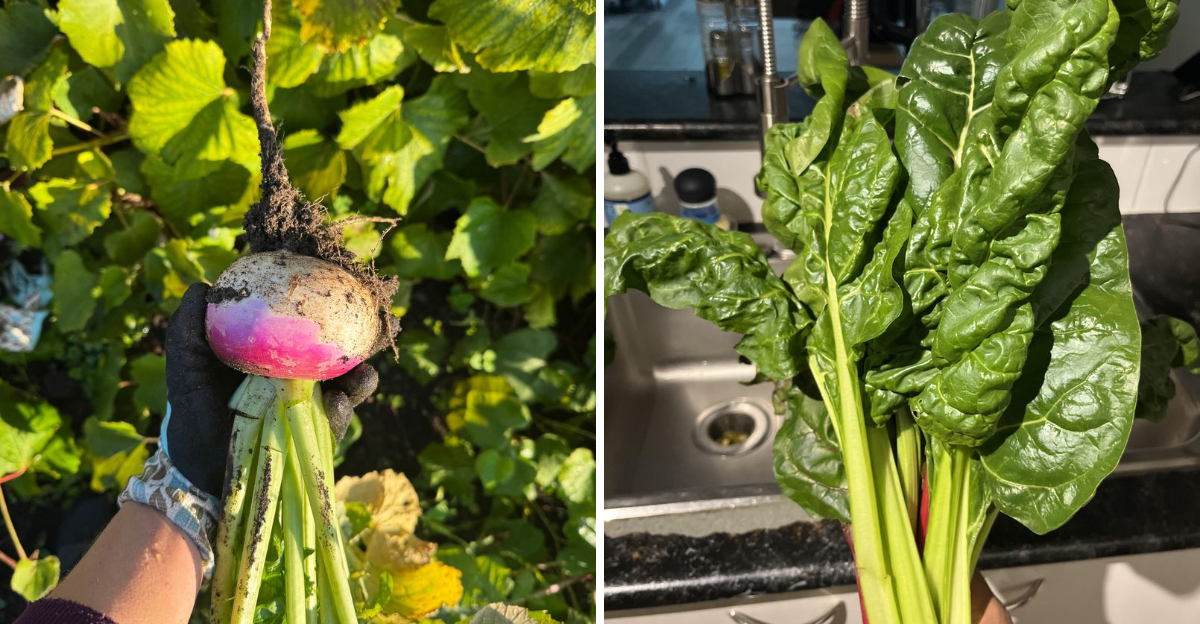
That empty patch in your Pennsylvania garden may look like the season already used it up.
Garlic is gone. Spring peas packed it in weeks ago. The soil sits warm, loose, and strangely quiet while tomatoes and peppers steal all the attention elsewhere.
But August still has a trick left.
The calendar may be leaning toward fall, yet the ground is holding enough summer heat to get another round of seeds moving fast. Cooler nights are coming, and that shift can work in your favor instead of shutting the garden down.
So what belongs in the space now?
Some crops race from seed to harvest. Others take their time, then turn sweeter once chilly nights arrive. A few can keep producing long after the summer stars lose momentum.
The key is choosing vegetables that actually like the season you are heading into.
That bare bed is not finished. It is waiting for round two, and Pennsylvania gardeners still have time to make it count before autumn fully takes the wheel.
1. Sow Carrots For Sweet Fall Roots
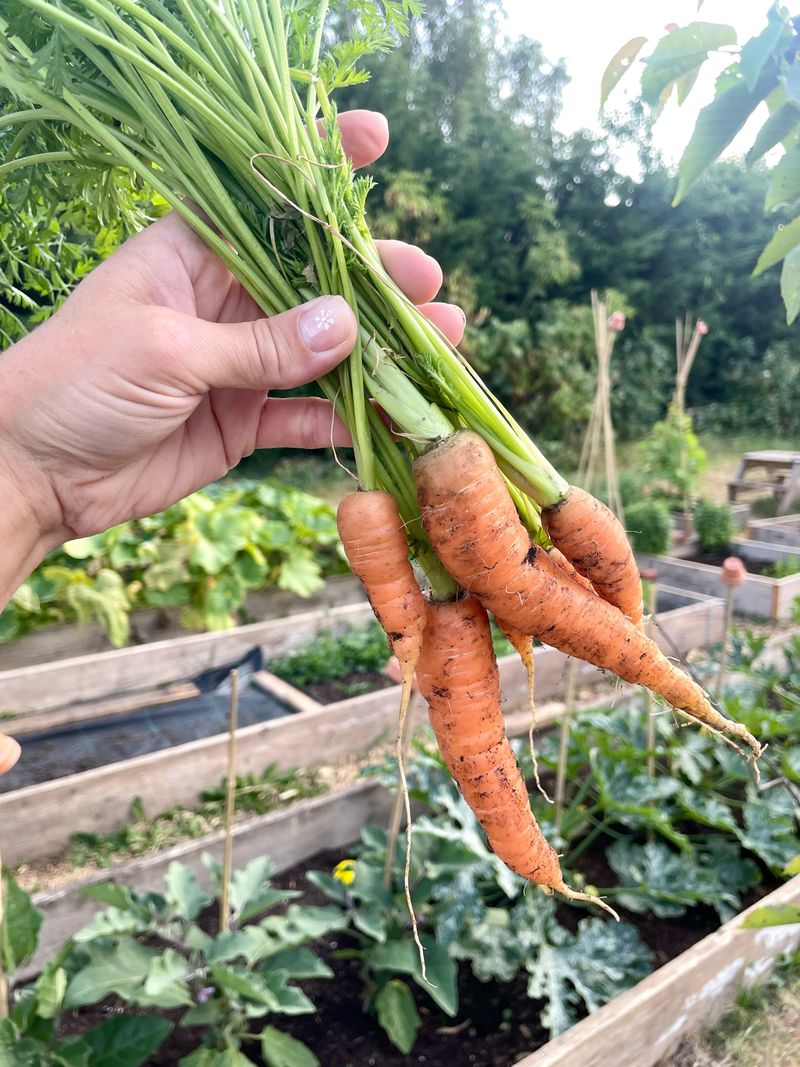
Carrots can turn an empty August row into one of fall’s sweetest surprises.
Warm Pennsylvania soil often helps the seed get moving faster than it would during a chilly spring sowing. Late July through mid-August can still work for a fall crop, especially when you choose a variety that matures in roughly 70 to 80 days.
Start with the bed itself. Carrots appreciate loose soil without rocks or hard clods. Work the top six to eight inches so developing roots can grow downward instead of twisting around obstacles.
Sow seeds about a quarter inch deep and roughly an inch apart. Keep rows around twelve inches apart.
Then comes the fussy part. Carrot seed sits close to the surface, and August sun can dry that zone quickly. Water lightly and consistently until seedlings appear.
A thin layer of straw or another light cover can help hold moisture, but remove or loosen it once sprouts push through.
Thin seedlings to about two or three inches apart after they reach a couple of inches tall. Crowding may give you plenty of tops and disappointing roots.
As fall temperatures cool, carrot flavor can become noticeably sweeter. That makes the extra August watering feel much more worthwhile.
You planted in summer heat, but the reward tastes like autumn did the seasoning for you.
2. Plant Beets While Soil Stays Warm
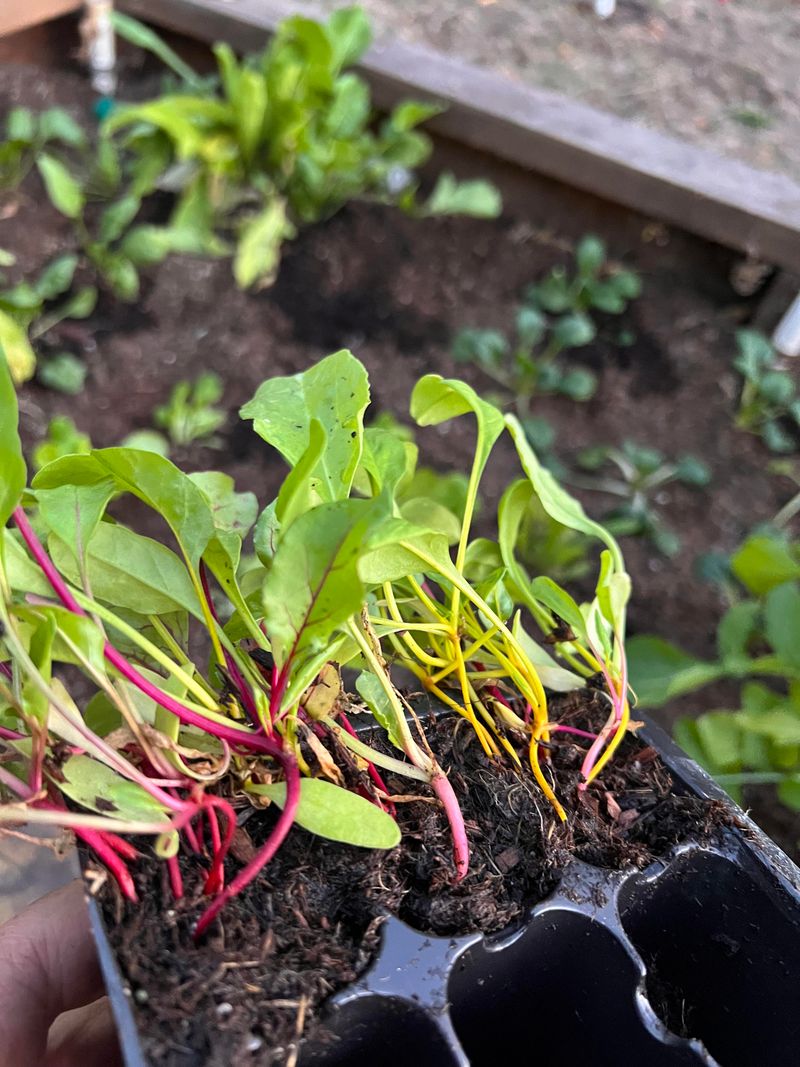
Beets are excellent at making an August bed feel productive again.
Warm soil helps them germinate quickly, and the crop can move from seed to harvest before or around the first light frosts in many parts of Pennsylvania. Most varieties need roughly 50 to 70 days, which gives an early August sowing a useful runway.
Plant the seed clusters about half an inch deep and around two inches apart. Keep rows about twelve inches apart.
Those funny little beet “seeds” can fool new gardeners. Each one is actually a cluster that may produce several seedlings, so thinning matters once growth gets underway.
Your Pennsylvania Garden Changes Every Week. Your Plan Should Too.
Gardening in Pennsylvania changes quickly throughout the season. Every Friday you’ll receive a simple weekly plan showing exactly what to plant, prune, fertilize, harvest, and protect so you never miss the right timing.
Keep the strongest plant every three to four inches. Do not mourn the extras. Young beet greens are edible and surprisingly good in salads or a quick sauté.
That means the bed starts paying you back before the roots are even ready.
Keep moisture steady while the plants size up. Long dry spells followed by heavy watering can contribute to cracked or rough roots, while consistent moisture supports better texture.
As cooler weather settles in, a light mulch can help protect roots that are still developing near the soil surface.
Pull beets once they reach the size you prefer rather than waiting for them to become enormous. Smaller roots usually stay more tender.
One August sowing gives you greens first and roots later. That is the kind of garden math worth repeating.
3. Get Radishes Moving For Quick Harvests
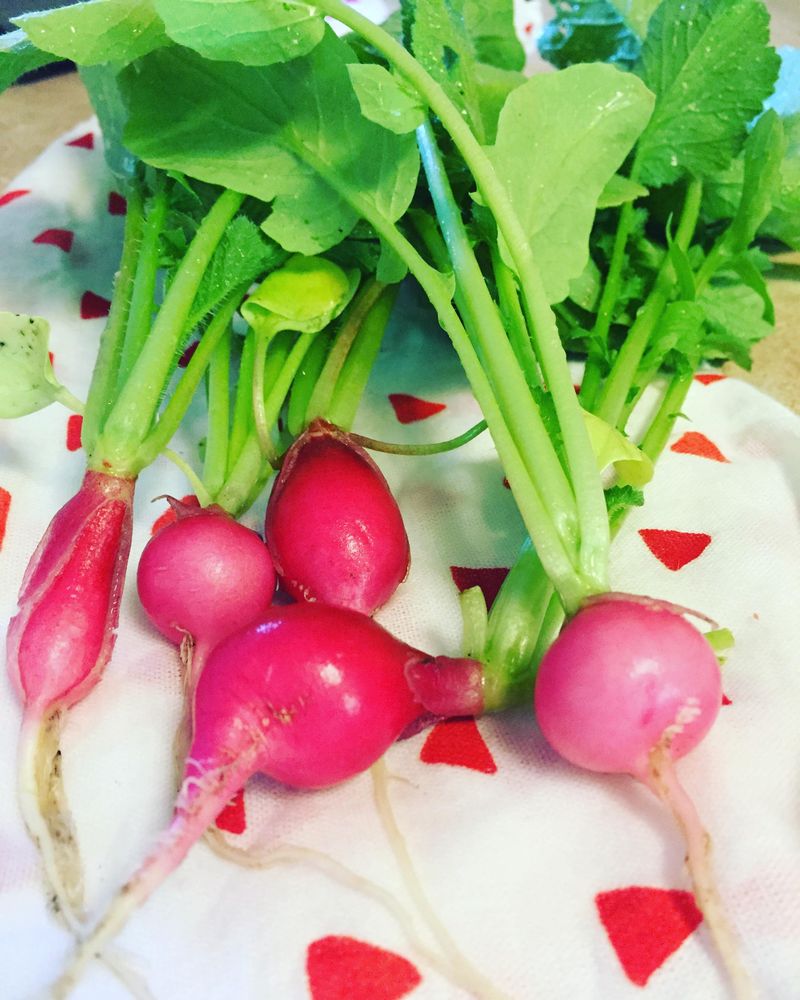
Radishes are for gardeners who want proof that August is not too late.
Some varieties can go from seed to harvest in about three to four weeks, which makes them one of the quickest ways to refill an empty Pennsylvania bed. Sow through late summer, and you can keep a steady stream of crisp roots coming into fall.
Plant seeds about half an inch deep and roughly an inch apart. Rows can sit around six inches apart.
Once seedlings emerge, thin them to about two inches. This tiny job matters. Crowded radishes often put energy into leaves while the roots stay small, misshapen, or disappointingly skinny.
Keep the soil evenly moist. Radishes react badly to dramatic swings between dry and soaked. Those changes can lead to cracking, pithy centers, or sharper flavor.
For a longer harvest, sow another short row every ten days or so. That spreads the crop out instead of giving you forty radishes on one Tuesday.
Fall weather often treats radishes kindly. Cooler air can slow growth just enough to improve texture and tame some of the heat in the flavor.
Harvest promptly once roots reach the expected size for the variety. Leaving them underground too long can turn crisp roots spongy.
Radishes do not ask for much patience, which is part of their charm.
Plant them now, and the first harvest may arrive before the rest of the garden realizes summer is winding down.
4. Sow Turnips For Cool Weather Roots
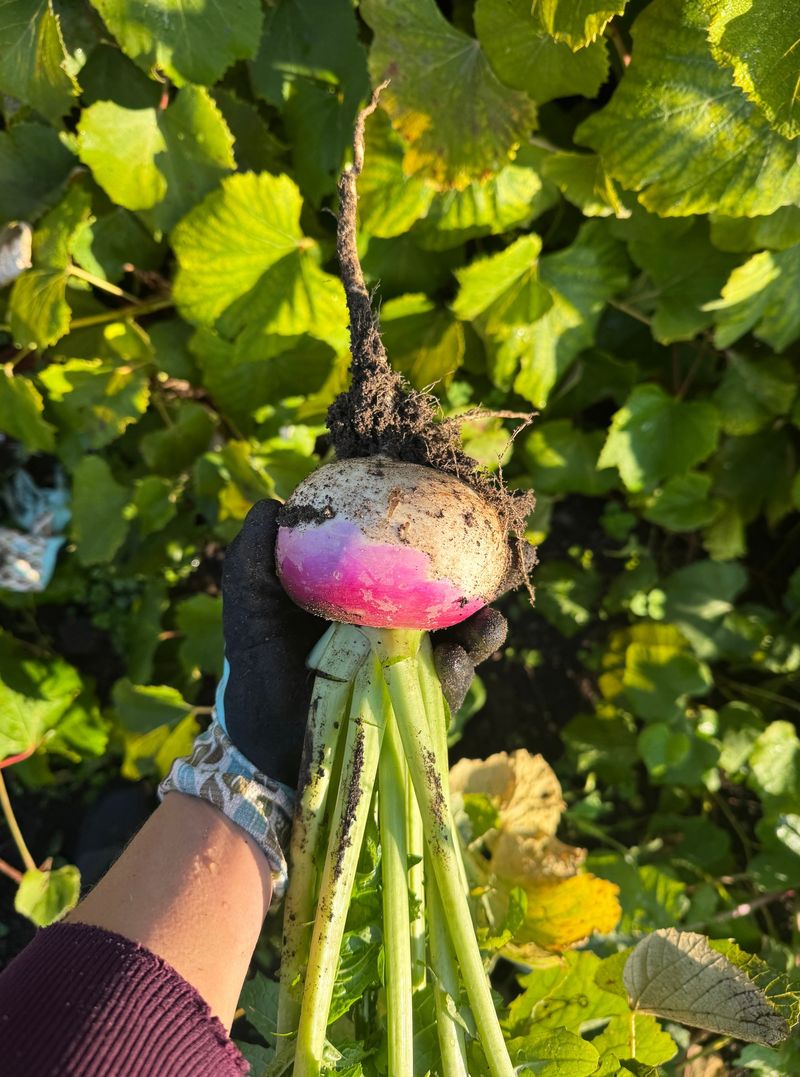
Turnips are one of the best August crops for gardeners who like a two-for-one deal.
The roots are useful, but the leafy tops are edible too. That means one row can start feeding you before anything below the soil reaches full size.
Late July through mid-August can work well for a Pennsylvania fall crop. Many turnip varieties mature in roughly 35 to 60 days, so they fit comfortably into a shrinking late-season calendar.
Direct sow seeds about a quarter inch deep in rows around twelve inches apart. The seeds are tiny, so resist the urge to pour half the packet into one furrow.
Thin seedlings to four to six inches once they reach a couple of inches tall. That gives roots room to round out instead of competing underground.
Loose soil helps here. Heavy or compacted ground can produce odd shapes, so work in compost before sowing when the bed feels dense.
Keep moisture fairly steady while plants grow. Then start taking a few outer leaves once the tops are large enough, leaving plenty behind to keep feeding the root.
Harvest roots around two to three inches across for a tender texture. Cooler weather and light frost can make the flavor sweeter.
Turnips may have an old-fashioned reputation, but they are not boring in the garden.
Greens above, roots below, and a fast turnaround make them very efficient tenants for an August bed.
5. Start Spinach For Cooler Days
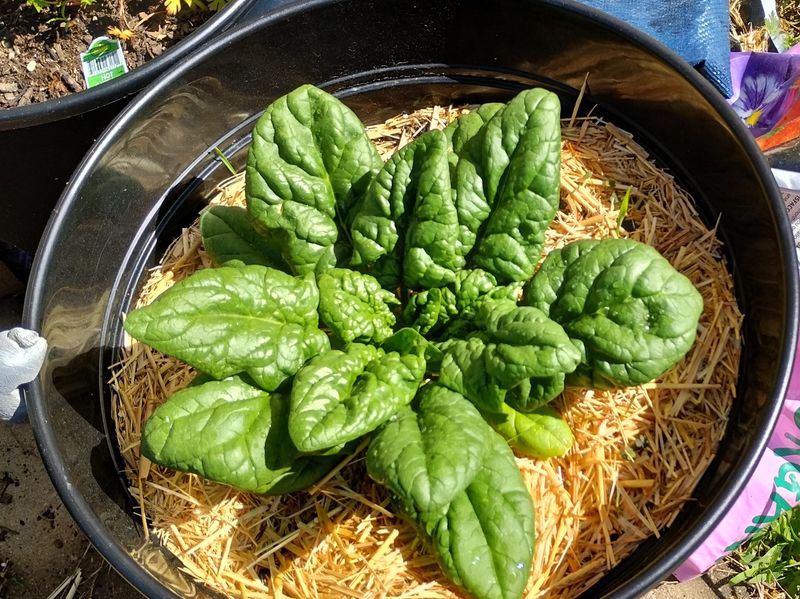
Spinach prefers to wait until August starts losing some of its swagger.
Early-month soil can still run too warm for reliable germination, especially during a hot Pennsylvania stretch. Late August into early September often gives spinach a more comfortable start and still leaves time for a useful fall harvest.
Check the forecast before sowing. A cooler run of days can be your opening.
Plant seeds about half an inch deep and roughly two inches apart in rows around twelve inches apart. Once seedlings establish, thin them to about four to six inches.
Moisture is the main job during germination. The top layer of soil dries quickly in late summer, so keep the seed row evenly damp. A light straw cover can help shade the surface and slow water loss.
Some gardeners chill seed in the refrigerator for several days before sowing during warm weather. The bigger goal is simple: give spinach seed a cooler, consistently moist start.
Once plants are up, the crop becomes much easier to please.
Spinach handles cool fall weather well and can shrug off light frost. Harvest outer leaves once plants reach a few inches tall, then leave the center growing point intact for more production.
In some southern Pennsylvania gardens, protected plants may even survive into winter and return early the following spring.
Spinach makes you wait for the right August moment.
Then it repays the patience with leaves that seem perfectly happy when everything else starts reaching for a sweater.
6. Plant Asian Greens For Fast Fall Leaves
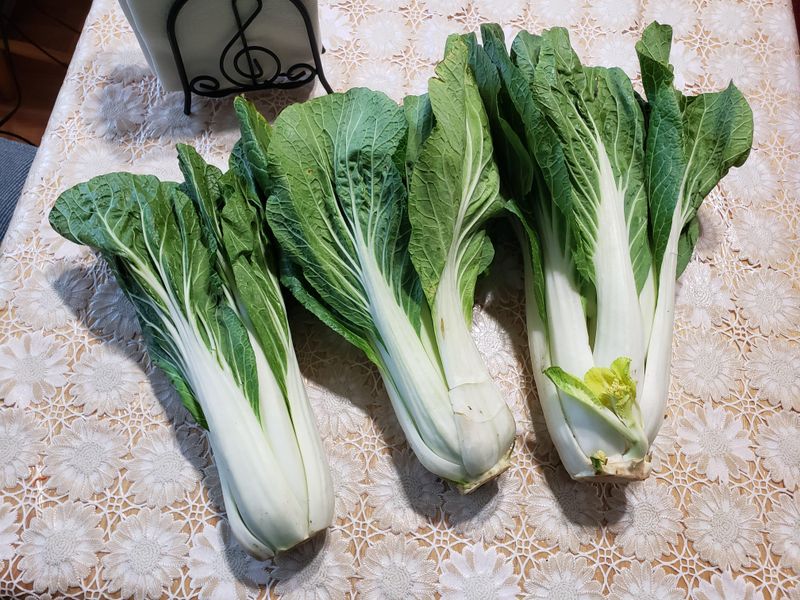
Asian greens can make an August planting look almost unfairly fast.
Bok choy, tatsoi, mizuna, and mustard greens all move quickly once conditions suit them. Many can reach useful harvest size in about 30 to 50 days, which fits neatly between late summer and Pennsylvania’s cooler fall weather.
Sow seed about a quarter inch deep. Row spacing depends on what you are growing and how you plan to harvest it.
Mizuna and mustard greens can grow fairly close when you want baby leaves. Full bok choy plants need more elbow room, so thin according to the variety and the seed packet.
The biggest late-summer annoyance may arrive before the harvest does.
Flea beetles can pepper young leaves with tiny holes almost as soon as seedlings emerge. Floating row cover placed over the bed right after sowing can help protect the crop without turning every leaf into a pesticide project.
Check plants regularly under the cover and keep the soil evenly moist while they establish.
Cooler autumn weather often improves the flavor of these greens. Leaves can taste sweeter and less sharp than they do during intense summer heat.
Harvest outer leaves for repeated picking or take the whole plant when it reaches the size you want.
This is a great crop for an awkward little gap between summer vegetables.
One week the bed looks empty. A few weeks later, it can look like the produce aisle moved into your backyard.
7. Sow Endive For Crisp Autumn Greens
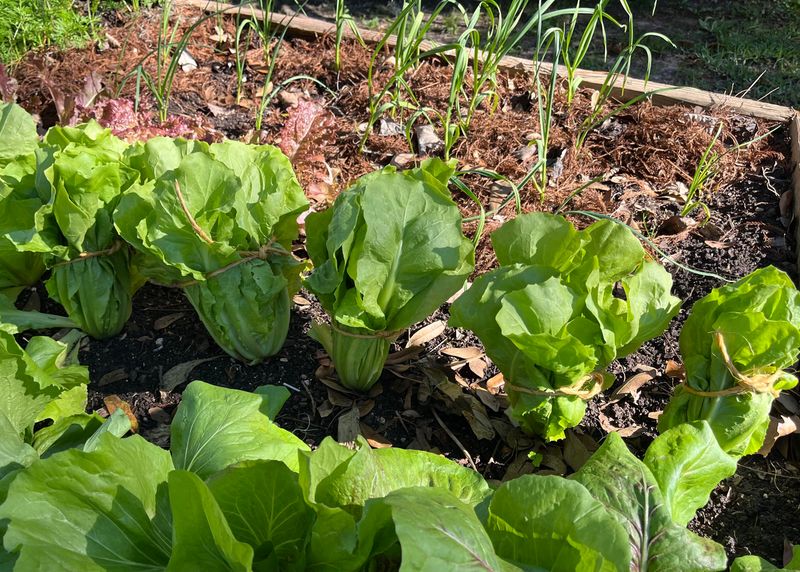
Endive is the August crop for gardeners who want something a little less predictable than another row of lettuce.
Its crisp leaves carry a pleasant bitterness that works beautifully with roasted vegetables, strong cheese, nuts, and warm dressings. Cooler fall weather can soften that sharp edge, which makes late-season growing especially rewarding.
For Pennsylvania, late July through mid-August gives slower-maturing endive enough time to build a full head before hard freezes become common.
Sow seeds about a quarter inch deep and start them around six inches apart. Keep rows roughly twelve to fifteen inches apart, then thin plants to eight to twelve inches once they settle in.
Do not crowd them. Good spacing improves airflow and gives the heads room to fill out.
Keep moisture steady without leaving the soil soggy. Fall rain can change watering needs quickly, so check the ground rather than following a rigid schedule.
Endive can take longer than radishes or Asian greens, with many varieties needing roughly 85 to 100 days. That makes early August timing more important.
For milder inner leaves, loosely gather the outer foliage over the center about two weeks before harvest. This shades the heart and reduces some bitterness.
The crop asks for a little patience, but the payoff feels distinctly autumnal.
By the time salads start sharing the table with roasted squash and soup, endive finally gets its moment.
8. Give Swiss Chard A Late Season Start
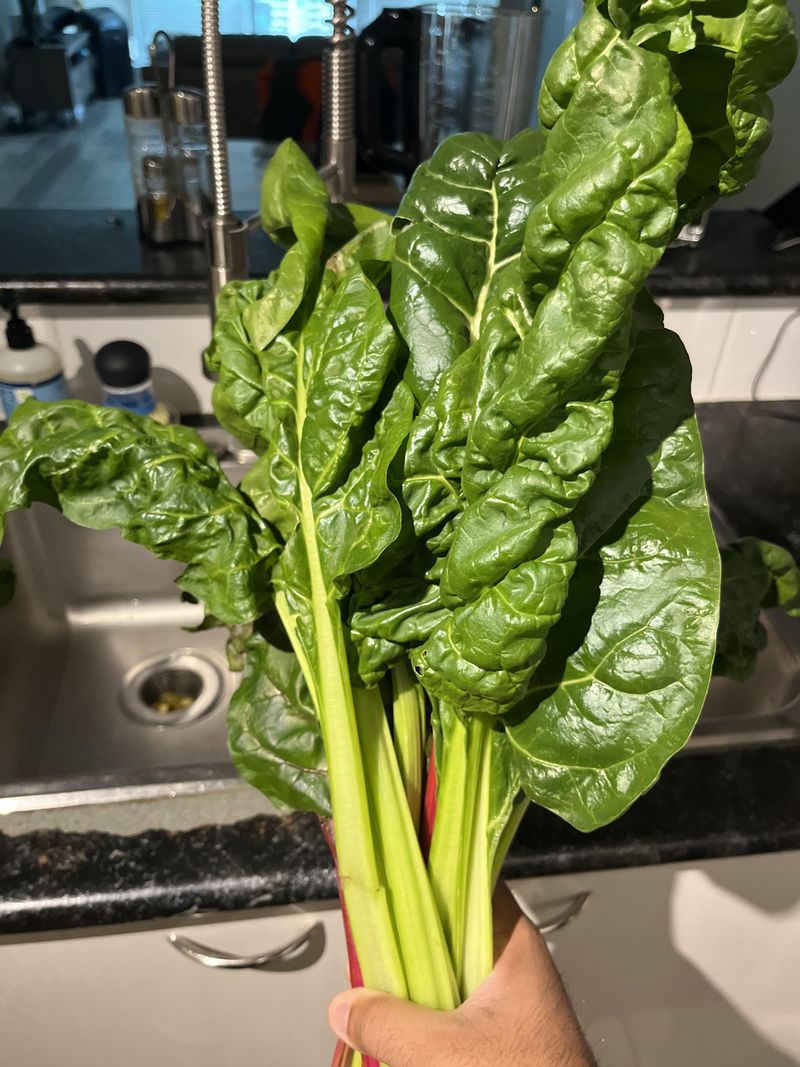
Swiss chard brings color to an August bed before the trees even think about changing theirs.
Red, yellow, orange, and white stems make the crop look ornamental, but those leaves are there to be harvested. Chard also handles cool weather better than many summer greens, which can keep the bed productive well into fall.
Direct sow seeds about half an inch deep in rows twelve to eighteen inches apart.
Like beet seed, each chard “seed” is actually a cluster that can produce more than one seedling. Thin the extras once plants reach a few inches tall, leaving roughly six to eight inches between strong seedlings.
Warm August soil can speed germination, but do not let the seed zone dry out. Keep moisture consistent until the young plants establish.
Once they reach about six inches tall, add a light layer of mulch around the bed. That helps hold soil moisture and moderates temperature as the season begins to turn.
Harvest outer leaves once they reach six to eight inches long. Leave the center intact so fresh leaves keep coming.
Light frost usually does not end the show immediately, and row cover can stretch the harvest farther in colder parts of Pennsylvania.
Chard earns its space by refusing to be a one-night performance.
You get color, repeated harvests, and a crop that keeps working after many summer vegetables have already clocked out.