The Warm-Wall Beetle Pattern Every Minnesota Homeowner Knows Well
Something is already moving toward your siding right now, and you may have no idea. Minnesota homeowners feel it before they ever see it, a faint buzzing warmth.
Warm afternoons trick these insects into believing summer still lingers. Cool mornings tell a different story, one your walls will soon know. Fields get cut, rivers turn crisp, and clusters start forming quietly near your windows.
Sunlight becomes their signal, drawing them onto bricks and screens by the droves. Porch lights become beacons nobody invited. Cracks become doorways they exploit without asking permission.
Attics become winter retreats they choose without your consent. Fall arrives fast across Minnesota, and these visitors move faster. Understanding their pattern changes how you prepare this season.
Ignoring it only guarantees surprises inside your walls later. Timing matters far more than you think right now. Once you see how they get in, you won’t want to stop reading.
Sun-Warmed Siding Turns Into A Landing Strip
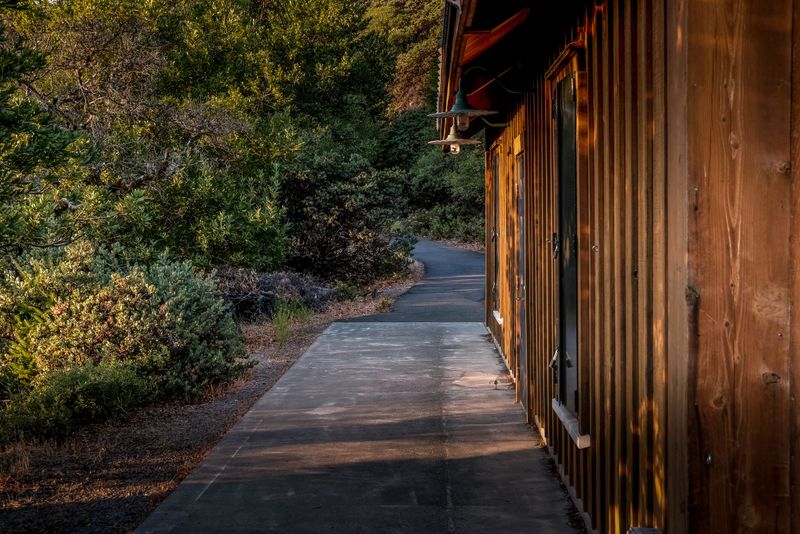
Sunlight bouncing off pale siding acts like a beacon in early fall, and large numbers of beetles gather in response. Minnesota homeowners tend to notice it first on the south and west walls, right around the second week of September.
The reason comes down to simple beetle logic. As nights cool into the 40s, these insects look for cliff-like surfaces that hold heat, and a two-story house looks a lot like a sunny bluff.
Light-colored homes near farm fields, woods, or river valleys usually see the biggest gatherings. Soybean harvest timing matters too, because once fields are cut, the beetles that fed there need somewhere new to settle.
Peak flight days share a pattern: a cool stretch followed by a mild, sunny afternoon with little wind. If you can predict that weather window, you can plan ahead.
Try closing windows and doors during those warm afternoons, even if the fresh air feels tempting. Keep screens latched, and check that patio door tracks close tight.
A quick walk around the outside of your home during a swarm afternoon can be surprisingly useful. Watch where beetles cluster and crawl, because those spots mark the openings you will want to handle before October arrives.
This yearly pattern wasn’t something anyone intentionally created. The species was brought to North America decades ago to help control aphids on crops, and it settled in far better than expected.
So the swarm is less an invasion and more a seasonal commute. Understanding the schedule makes the whole thing far easier to manage.
Telling Friend From Look-Alike On Your Windowsill

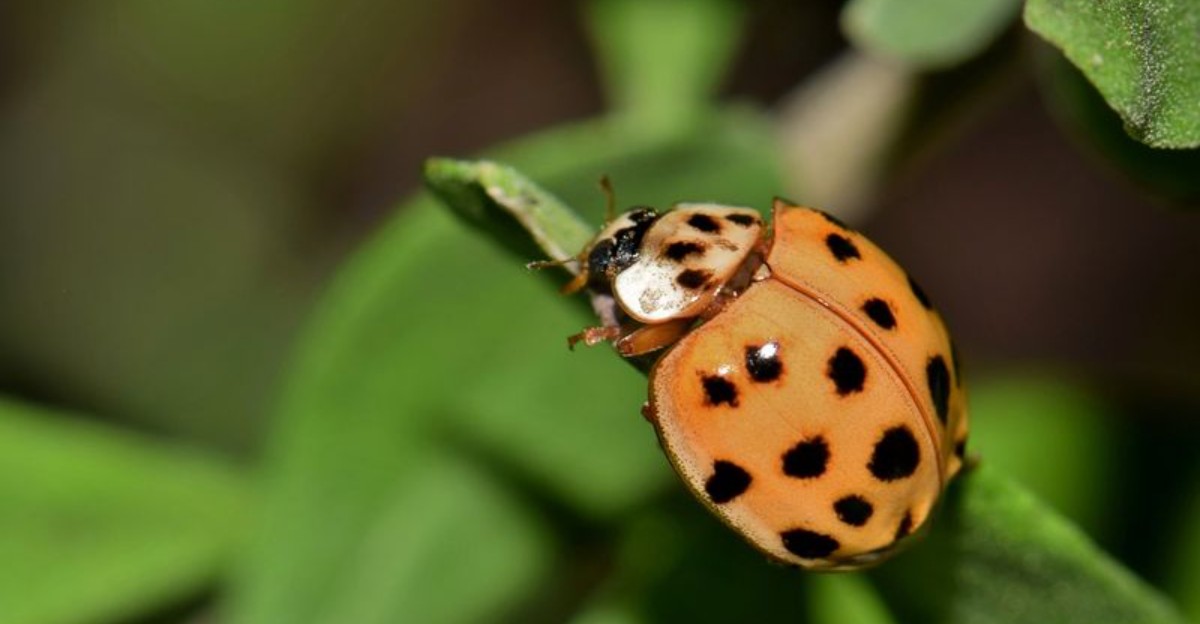
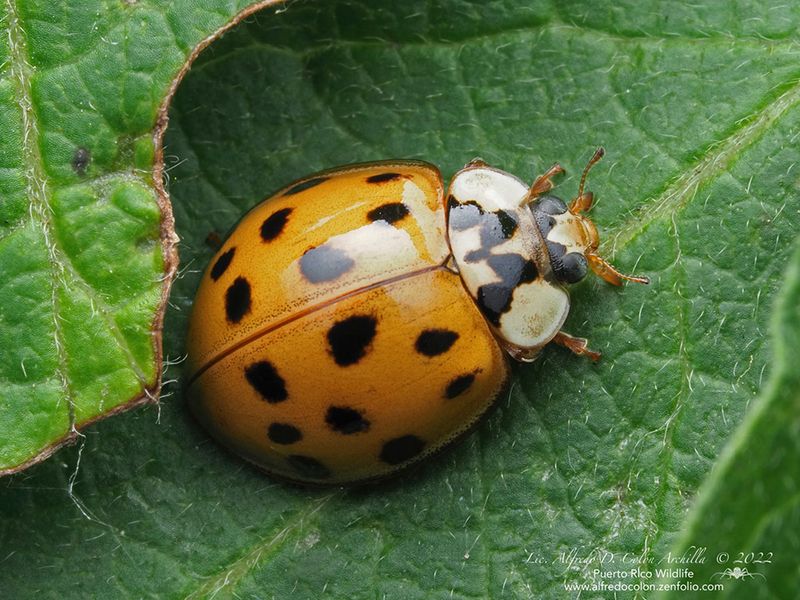
Look closely at the beetle on your windowsill and check right behind its head. A tiny white marking shaped like a letter M or W is the giveaway for the Asian lady beetle.
Native ladybugs stay a firm red with crisp black spots. The imported cousins range from pale straw to deep orange, with spot counts anywhere from none to nineteen.
Size gives another clue, since the Asian type runs slightly larger, around a quarter inch. Their shells also look glossier, almost like a drop of enamel paint.
Your Minnesota Garden Changes Every Week. Your Plan Should Too.
Gardening in Minnesota changes quickly throughout the season. Every Friday you’ll receive a simple weekly plan showing exactly what to plant, prune, fertilize, harvest, and protect so you never miss the right timing.
Behavior tells you plenty as well. Native species winter under leaf litter and bark, while the newcomers head straight for attics, wall voids, and window frames.
Why bother learning the difference? Native ladybugs are helpful garden allies you can simply escort back outside, and knowing which one you have prevents needless worry.
Grab a phone photo and zoom in if your eyes need help. The pronotum, that shield behind the head, holds the marking.
Kids often enjoy this identification game. Turning a nuisance into a five-minute science lesson makes the September invasion a bit more bearable.
Farmers and gardeners still appreciate the appetite these beetles bring. A single one can eat many aphids in a day, which can help keep soybean pests in check through summer.
Trouble starts when the weather flips and they want indoor lodging. Recognizing them now helps you decide whether to relocate a guest or seal a gap. Either way, a little knowledge saves a lot of guessing.
Gaps They Slip Through, And How To Close Them
Beetles do not chew their way in, which is honestly good news. They squeeze through openings you would walk past a hundred times.
A gap of one-sixteenth of an inch is wide enough. Think worn weatherstripping, cracked caulk, and the space where a cable line meets the wall.
Start your inspection at the roofline. Soffit and fascia joints, attic vents, and gable louvers rank among the busiest doorways on Minnesota houses.
Move down to windows next, checking the outside edges and any torn screen corners. Older double-hung windows in Twin Cities homes hide surprising gaps in their upper sashes.
Silicone or elastomeric caulk handles small cracks well and stays flexible through freeze cycles. For larger voids, copper mesh stuffed in first gives the caulk something to grip.
Screen your attic and soffit vents with fine insect screening rather than leaving them open. Airflow continues while the beetles get turned back.
Door sweeps deserve a look before the first frost. Slide a piece of paper under the door, and if it glides through freely, the sweep needs replacing.
One more overlooked spot: the gap around bathroom and dryer vents. A snug cover with a working flap handles both beetles and drafts.
Set aside a Saturday in early September for this work. Sealing now beats vacuuming later, and the same repairs can help lower your heating bill through a Minnesota winter.
Pest pros sometimes call this exclusion work, and it pays off for years. Each sealed crack shrinks next September’s crowd, and your future self will thank you.
That Musty Smell And The Yellow Stain Mystery

Squash one by accident and you will meet the beetle’s defense system. A yellow droplet with a musty, nutty odor seeps from its leg joints.
The fluid is called hemolymph, basically insect blood. Its bitter taste and smell warn birds to look elsewhere for lunch.
On light curtains, painted trim, and popcorn ceilings, that droplet leaves a stubborn yellow mark. Fabric takes the worst of it, so treat spots quickly.
Blot rather than rub, using cool water and a drop of dish soap. An enzyme laundry stain remover works well on drapes and slipcovers.
Painted surfaces respond to a soft cloth with mild soapy water. Skip harsh scrubbing on flat paint, which tends to burnish and shine where you rub.
A small number of people react to the smell with sneezing, itchy eyes, or hives. Anyone with allergies has good reason to reduce indoor numbers early.
There is one story that surprises folks: the beetles have been known to nibble on ripening grapes and raspberries. Winemakers watch for them because that odor can taint a whole batch.
Pet owners occasionally notice a dog pawing at its mouth after mouthing one. The bitter fluid tastes unpleasant, though a rinse and fresh water usually settle things.
Vacuumed beetles can also leave that scent inside the canister. Empty the bag or bin outdoors and the odor goes with it.
Handle them gently and the smell rarely becomes an issue. Scoop, do not squash, and your walls stay clean.
Why Vacuuming Works Better Than Spraying
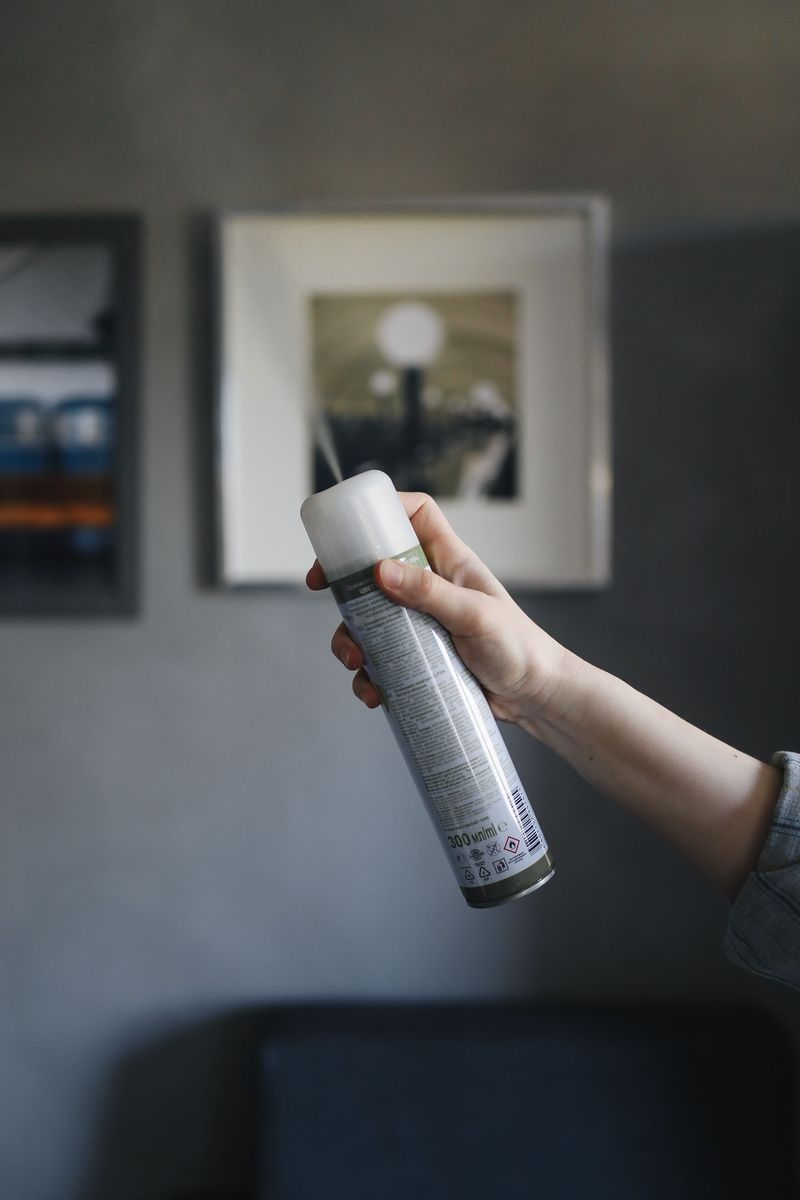
The tidiest tool for indoor cleanup sits in your closet already. A vacuum with a hose attachment beats aerosol sprays by a wide margin.
Here is the trick that keeps things odor-free: slip a knee-high nylon stocking into the wand before you start. Secure it with a rubber band, and the beetles collect inside the stocking rather than the machine.
When you finish, pinch the stocking closed and release the group far from the house. Shrubs, a wood pile, or a compost area work fine.
Skip the broom, since sweeping tends to press beetles against baseboards and smear that yellow fluid. Gentle suction avoids the mess.
Light traps offer a hands-off option for attics and basements. Blacklight units pull beetles into a collection chamber overnight and cost less than a service call.
Sticky cards tucked near window frames catch stragglers in bedrooms. Check them weekly and swap when they fill up.
Save indoor pesticide sprays for a last resort, because they leave residue and do little about the crowd inside wall voids. Outdoor perimeter treatments applied by a licensed applicator in early September do far more good.
One caution for bagless vacuums: empty the canister outside right away. Left indoors, the collected beetles can share their musty scent with your living room.
Repeat the vacuum routine on warm afternoons, when beetles wake up and wander toward windows. Twenty minutes of work handles the bulk of them.
A shop vac in the garage makes an ideal dedicated beetle machine. Keep it handy through October.
September Prep Checklist For Minnesota Homeowners

Mark your calendar around the first real cool snap, which typically lands sometime in mid to late September in Minnesota. That is your window for outdoor prevention.
Trim shrubs and vines away from siding so sun-warmed walls stay less inviting. Clearing leaves from gutters removes another cozy staging area.
Rake mulch back a few inches from the foundation and store firewood away from the house. Both steps reduce the number of insects loitering near your walls.
Replace bright white porch bulbs with warm-toned or yellow LEDs. Fewer flying insects gather, which lowers evening traffic at your doors.
Walk your attic with a flashlight and look along the rafters and window wells. Finding clusters now means you can vent, screen, and seal before cold weather locks them in.
Come spring, expect a second, smaller wave as the group heads back outdoors. Warm March days often bring them out of wall voids and onto sunny windows.
Keep a stocking-equipped vacuum, a caulk gun, and a roll of screen in one bucket. Grabbing the kit takes seconds when a warm afternoon stirs things up… and the effort pays off later.
Renters have options too, from asking a landlord to fix screens to taping over obvious gaps around window air conditioners. Small fixes count.
Neighbors compare notes about this season the way they compare snowfall totals. Sharing tips with the folks next door helps the whole block see fewer visitors. By late October, beetle activity decreases and the house feels normal again.