What St. Augustine Grass Needs In September After A Brutal Florida Summer
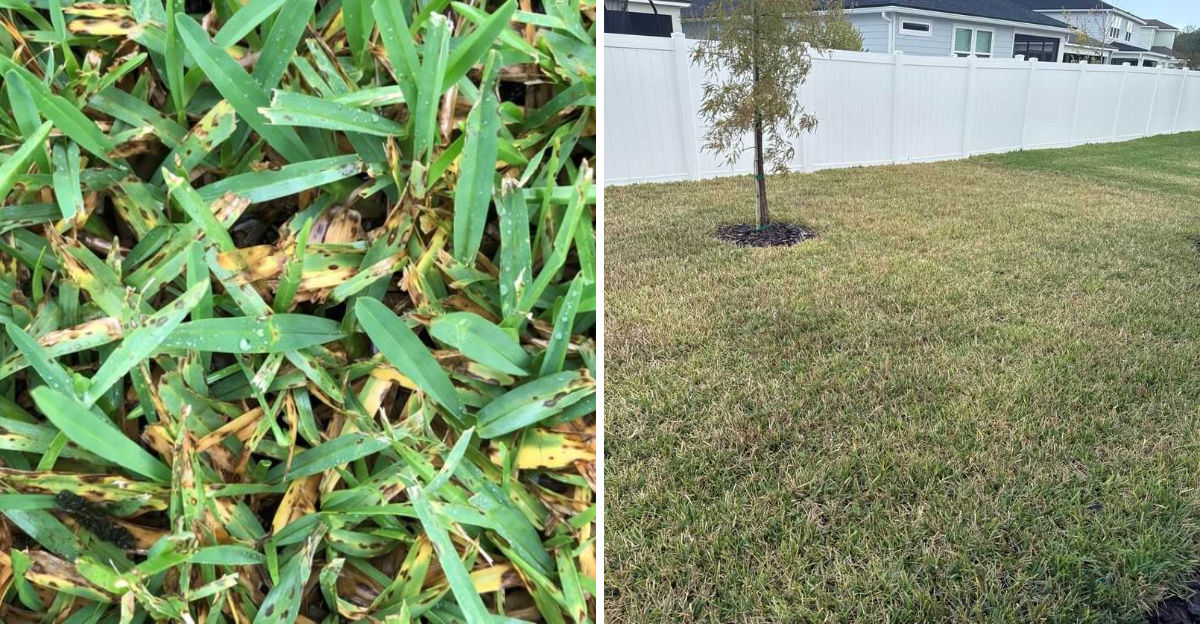
By September, your St. Augustine lawn may still look green from a distance, but summer often leaves a different story at ground level. Thin patches, pale blades, compacted soil, and weak spots can linger after months of heat, storms, foot traffic, and uneven moisture.
The grass has spent all summer under pressure, and this is the point when small problems can either recover or follow the lawn into fall. That makes September less about forcing fresh growth and more about reading what the turf is telling you.
Some areas may need help with moisture. Others may show signs of nutrient stress, pests, or soil trouble.
A quick blanket treatment can miss the real issue entirely. Your lawn has already handled Florida’s harshest stretch.
What matters now is giving it the right support before cooler weather slows its ability to bounce back.
1. Give The Mower Blade A Little More Height
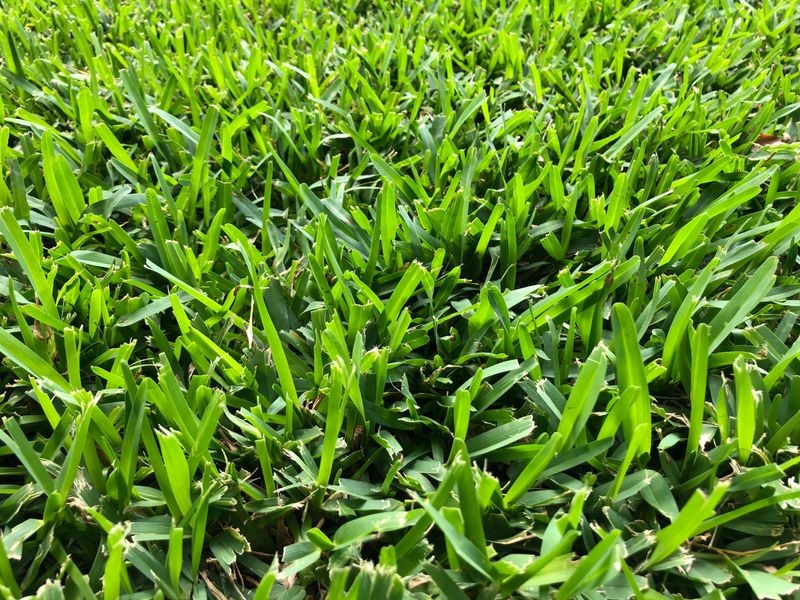
That last pass with the mower tells you a lot about how summer treated your lawn. After months of heat, drought, and heavy rain cycles, St. Augustinegrass can look ragged, and the temptation to cut it short and “start fresh” is real.
Resist it.
According to UF/IFAS Extension, standard St. Augustinegrass cultivars like Floratam perform best when maintained at a mowing height of 3.5 to 4 inches. Dwarf cultivars such as Seville and Captiva are generally maintained shorter, around 2.5 to 3 inches.
Cutting below those ranges on stressed turf can thin the canopy and make recovery slower.
The one-third rule matters here. Never remove more than one-third of the blade length in a single mowing.
Cutting too much at once removes leaf tissue the plant needs to bounce back.
Scalped turf has less leaf area to capture sunlight and produces food for roots more slowly. A lawn already stressed from summer heat cannot afford that setback heading into fall.
Raise the deck, make gradual adjustments if needed, and let the turf hold onto as much leaf area as possible while it recovers. Mowing at the right height is one of the simplest ways to support recovery without spending a dollar.
2. Fix Uneven Watering Before Adding More Water
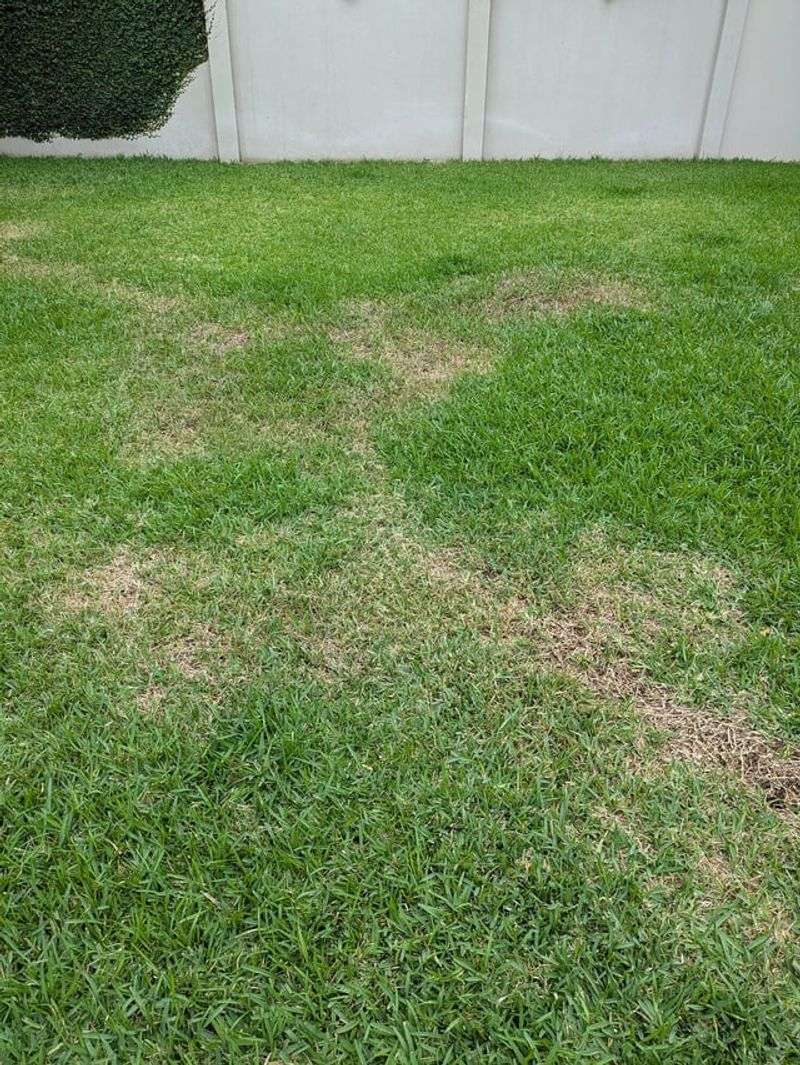
One dry corner does not mean the whole lawn is thirsty. Uneven sprinkler coverage can leave one zone parched while another sits in standing water.
September is a good time to fix those differences before fall sets in.
Walk each zone while it runs. Look for clogged heads, tilted heads, or heads that spray into pavement instead of turf.
Check for runoff on slopes or compacted areas where water beads off instead of soaking in. Soil moisture varies more than most homeowners expect across a single yard.
UF/IFAS guidance recommends watering based on turf need rather than a fixed daily schedule. Signs that St. Augustinegrass actually needs water include a blue-gray tint, leaf blades folding lengthwise, and footprints that stay visible in the turf.
Watering before those signs appear can keep the soil too wet and encourage shallow roots.
A tired-looking September lawn is not automatically a dry lawn. Overwatering and underwatering can produce similar symptoms, including thinning and discoloration.
Your Florida Garden Changes Every Week. Your Plan Should Too.
Gardening in Florida changes quickly throughout the season. Every Friday you’ll receive a simple weekly plan showing exactly what to plant, prune, fertilize, harvest, and protect so you never miss the right timing.
Check what the soil is actually doing before adjusting the timer. Fix coverage gaps, confirm heads are working properly, and then let turf condition guide watering frequency rather than habit or calendar.
Irrigation that responds to real need supports recovery far better than a set-it-and-forget-it approach.
3. Check Brown Patches For Chinch Bugs Before Blaming The Heat
Brown grass in September gets blamed on heat almost automatically. Sometimes that is fair.
But a pattern of yellowing that spreads outward from sunny or dry spots deserves a closer look before heat takes all the blame.
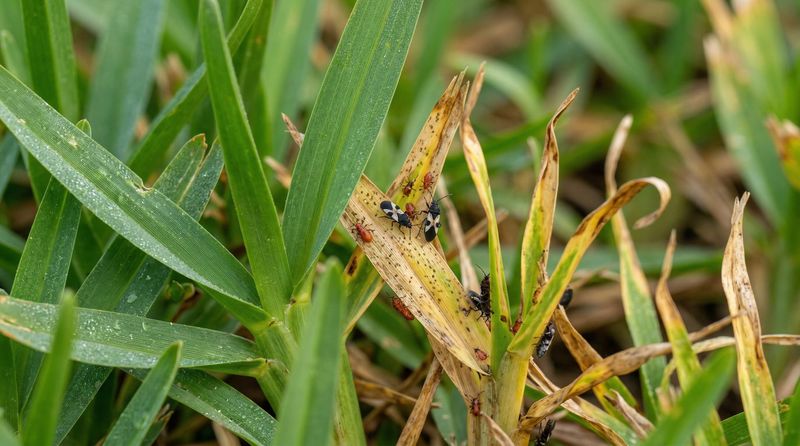
Southern chinch bugs are a documented pest of St. Augustinegrass across Florida. According to UF/IFAS, they tend to concentrate in hot, dry, sunny areas of the lawn.
Damage often appears as irregular yellow or brown patches that expand over time, sometimes near driveways, sidewalks, or other heat-absorbing surfaces.
Confirming their presence matters before taking any action. One method is to push an open-bottomed can a few inches into the soil at the edge of the damaged area.
Fill it with water and watch for small insects floating to the surface within a few minutes. Adults are about one-fifth of an inch long with black bodies and white wing patches.
Nymphs are smaller and may show orange or red coloring.
Brown turf alone does not confirm chinch bugs. Drought stress, disease, and other issues can produce similar patterns.
Inspect carefully before reaching for any product. A proper identification protects your lawn from unnecessary treatments and points you toward the actual problem.
Rushing past diagnosis is how homeowners spend money without fixing anything.
4. August Rain Can Leave Gray Leaf Spot Behind
Weeks of warm, wet weather do not just stress the grass. They set up conditions where fungal diseases can take hold, and gray leaf spot is one that frequently shows up after a heavy Florida rainy season.
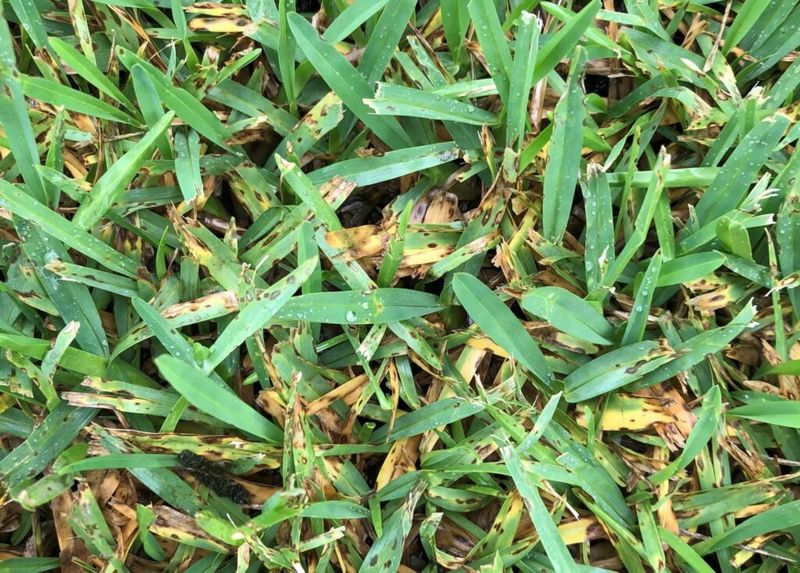
Gray leaf spot is caused by the fungus Pyricularia grisea and favors the warm, humid conditions that tend to peak through August in Florida. According to UF/IFAS EDIS, symptoms include small, oval or elongated lesions on leaf blades with tan or gray centers and dark brown or purple borders.
Heavily infected turf can thin noticeably as lesions multiply across blade surfaces.
By the time September arrives, some of that damage may still be visible even if active infection has slowed. High nitrogen levels can increase susceptibility by pushing tender, fast-growing tissue that the fungus moves through more easily.
Lawns that received heavy nitrogen applications during the rainy season may show more severe symptoms.
Not every brown or spotted blade points to gray leaf spot. Correct diagnosis requires examining the actual lesion pattern rather than just noting discoloration.
If gray leaf spot is confirmed or strongly suspected, UF/IFAS recommends consulting extension resources for current fungicide guidance. Adjusting nitrogen and irrigation practices is also part of managing conditions that favor the disease going forward.
5. September Is A Bad Time To Chase Dark Green Turf
A fertilizer bag can look very appealing when the lawn is faded and uneven after summer. The logic seems simple: green it up, thicken it out, move on.
But pushing nitrogen onto turf that is still recovering can create new problems instead of solving old ones.
Excess nitrogen in late summer or early fall encourages rapid, tender leaf growth. That new growth is more vulnerable to fungal diseases, including gray leaf spot and the large patch disease that tends to appear as temperatures drop.
Forcing a flush of growth at the wrong time can leave the turf in worse shape heading into winter.
Whether September fertilization makes sense depends on several factors. Region matters, because North, Central, and South Florida do not experience fall at the same pace.
Turf condition matters. Current growth rate matters.
Local fertilizer ordinances also matter. Some Florida counties and municipalities restrict nitrogen applications during certain months regardless of what a bag or general guide recommends.
Checking with UF/IFAS regional extension resources or your local county extension office before applying any fertilizer in September is a practical step. A lawn that looks tired after summer does not automatically need feeding.
Confirming the actual cause of that tired look comes before reaching for nitrogen. Recovery is the goal, not a fast color change.
6. Thin Areas Need A Cause Before They Need A Repair
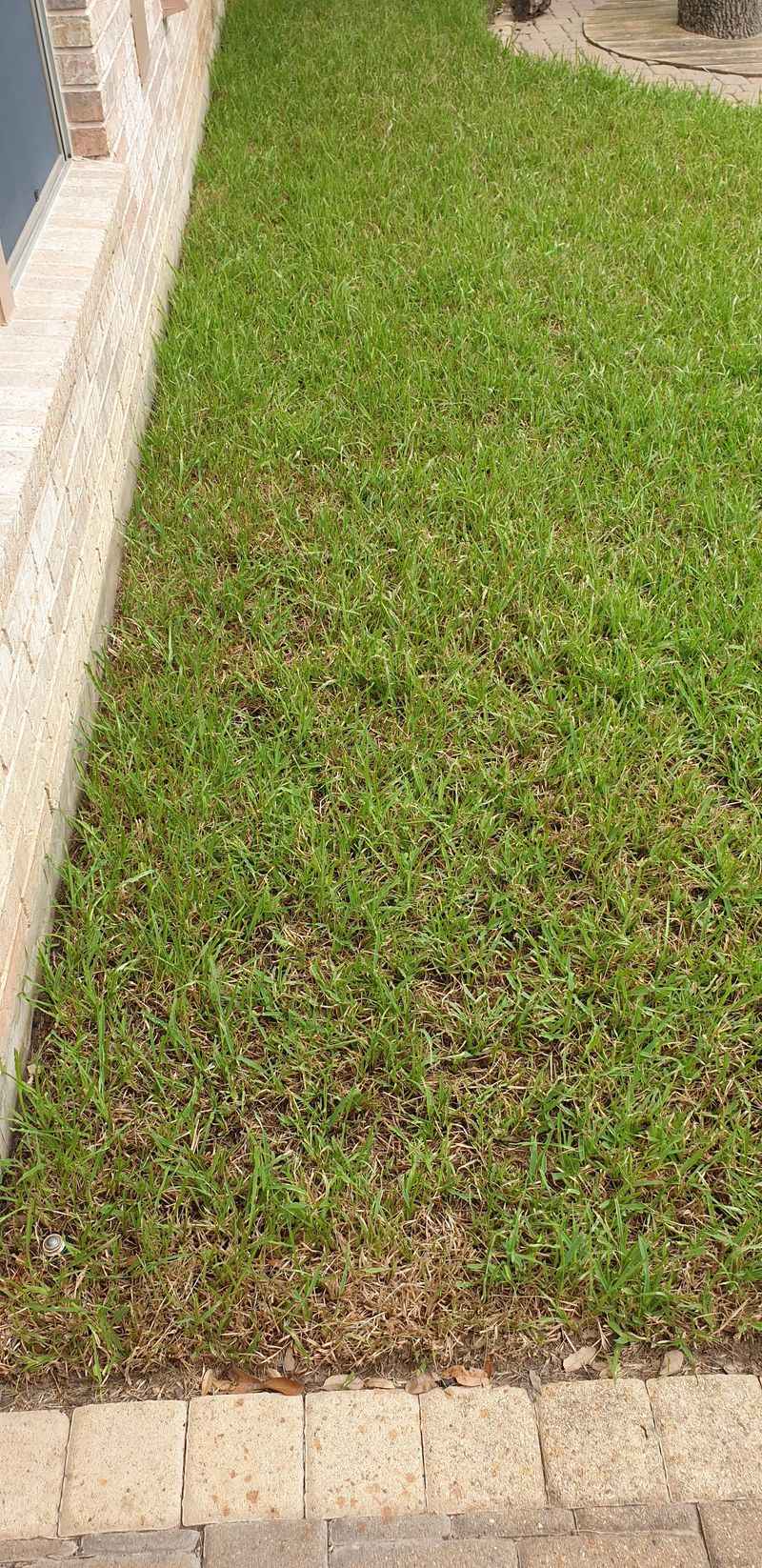
Sparse patches after summer are easy to spot and tempting to fix quickly. Grab some sod, fill the gaps, and move on.
But replacing turf without understanding why it thinned out almost guarantees the same result in the same spot.
Thinning in St. Augustinegrass can result from many different causes. v Each one requires a different response.
Shade is a factor that often goes underestimated. St. Augustinegrass tolerates partial shade better than many warm-season grasses, but deep or dense shade from maturing trees can thin a lawn gradually over time.
Adding sod to a heavily shaded area without addressing the light problem leads to repeated thinning.
Thin turf also creates an opening for weeds. Bare soil and weakened grass allow opportunistic weeds to establish, which adds another problem on top of the original one.
Diagnosing the cause first gives any repair a much better chance of lasting.
Walk the thin areas carefully. Look at the pattern, check the soil, consider recent weather, and think about what changed.
A correct diagnosis in September sets up any repair or recovery work to actually hold through the coming season.
7. Fall Disease Pressure Can Start As Nights Cool Down
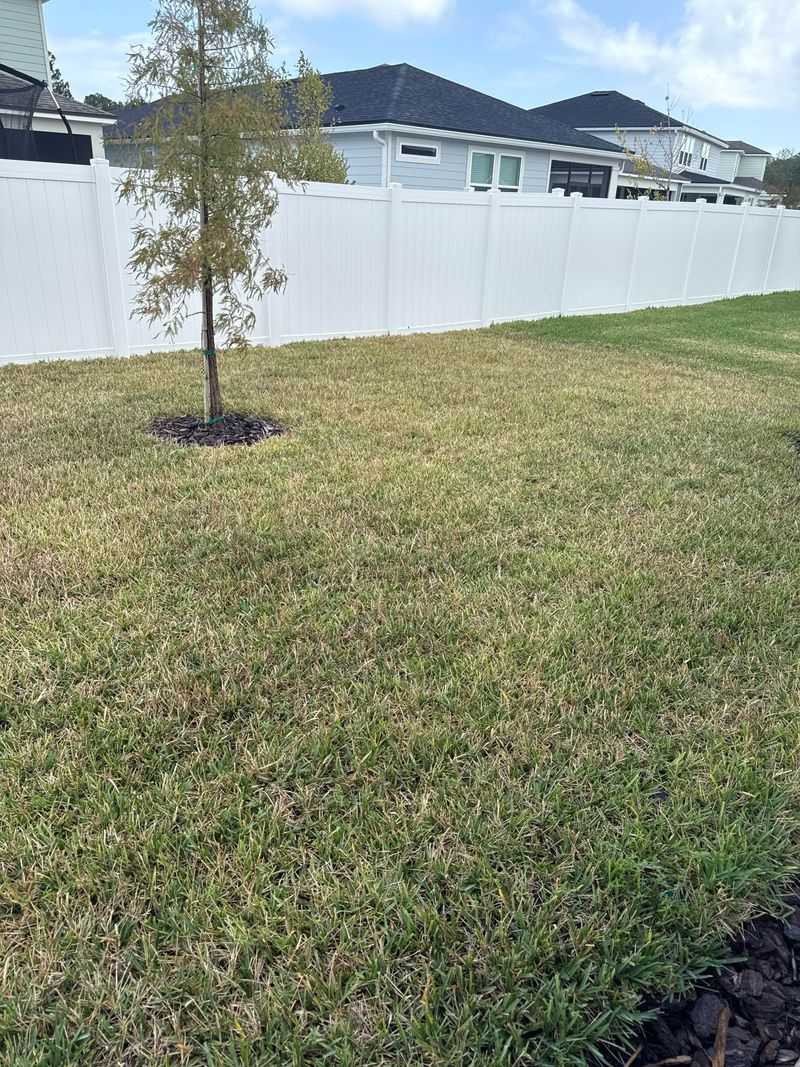
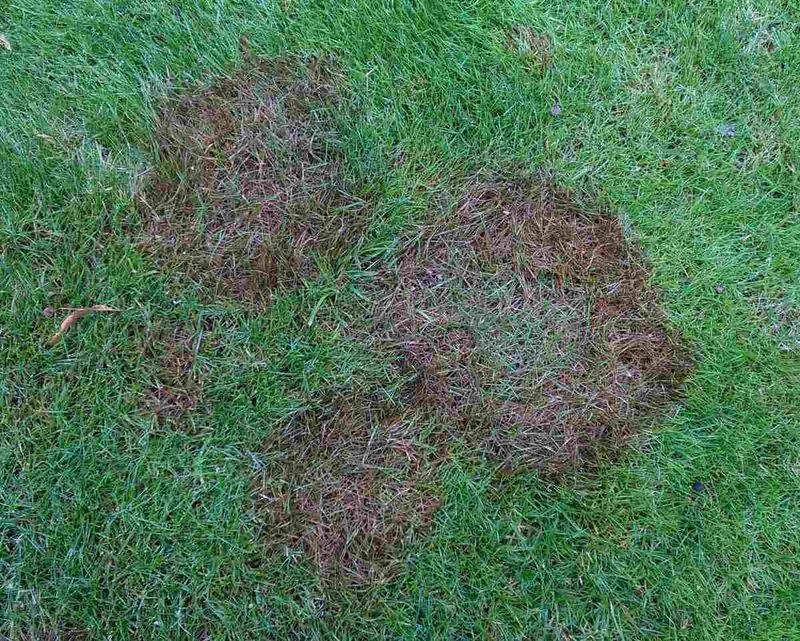
Cooling nights feel like a relief after a brutal summer, but that temperature shift also signals a change in disease risk. Large patch, caused by the fungus Rhizoctonia solani, tends to become a concern as soil temperatures drop and humidity remains high.
According to UF/IFAS, large patch typically becomes active in St. Augustinegrass when soil temperatures fall below about 70 degrees Fahrenheit. Symptoms include roughly circular patches of discolored or thinning turf that can expand over time.
The outer edge of an active patch may show an orange or yellow halo of affected grass.
Factors that increase large patch risk include excessive nitrogen, unnecessary irrigation, and poor drainage. A lawn that was overfed or overwatered through summer may carry higher risk as conditions shift toward fall.
Managing those inputs carefully in September reduces the conditions that favor disease activity.
Not every lawn needs a preventive fungicide application. UF/IFAS recommends confirming disease presence and consulting extension resources before applying any fungicide.
Blanket preventive treatments are not universally recommended and may not be necessary in all situations.
Recognizing the seasonal shift matters. Summer disease pressure from gray leaf spot gives way to fall conditions that favor large patch.
Understanding that difference helps homeowners watch for the right symptoms at the right time and respond accurately instead of guessing.
8. Let Your Region Decide The Last Fertilizer Window
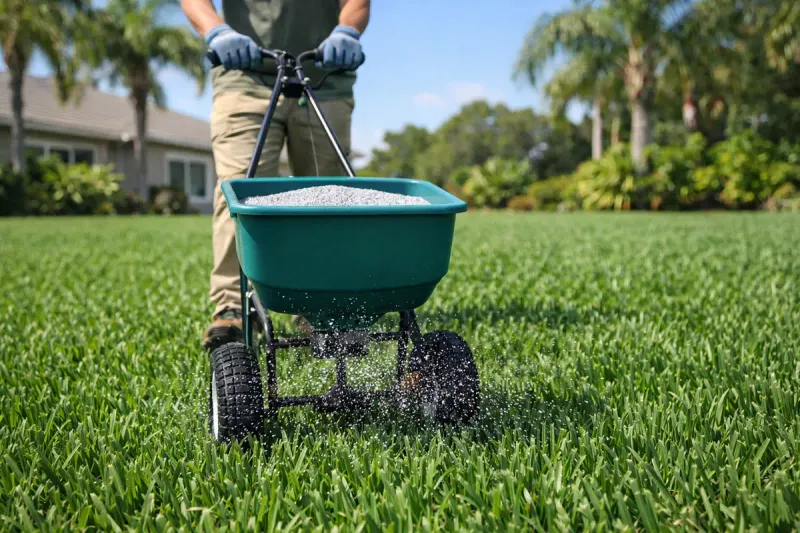
No single September date works for every St. Augustinegrass lawn across the state. Florida is longer than most people picture, and North, Central, and South Florida move into fall at very different speeds.
Fertilizer timing should follow that regional reality.
UF/IFAS regional guidance generally indicates that North Florida lawns reach their final fertilization window sooner than those in Central Florida. Applying nitrogen too close to the first expected cold event can leave tender growth vulnerable.
South Florida lawns typically have a longer active growing season and may support a later application window, though local rules still apply.
Local fertilizer ordinances can override general seasonal guidance. Many counties and municipalities in Florida restrict nitrogen applications during certain months or under certain conditions.
Checking with your local county extension office before making any fall fertilizer decision is the responsible step.
Not every lawn needs a final fall application. A lawn that received adequate summer nutrition and is recovering steadily may not need more nitrogen.
Reasonable color and density are also signs that additional September feeding may be unnecessary. Feeding should be based on actual turf condition and regional timing, not a routine or a bag recommendation.
September care should correct what summer exposed and prepare St. Augustinegrass for the next growing season. Recovery, not dramatic late-season growth, is the goal that carries the lawn forward in the best possible condition.