Why Love Bugs Swarm Florida Yards Every August (And Why They’re Actually Harmless)
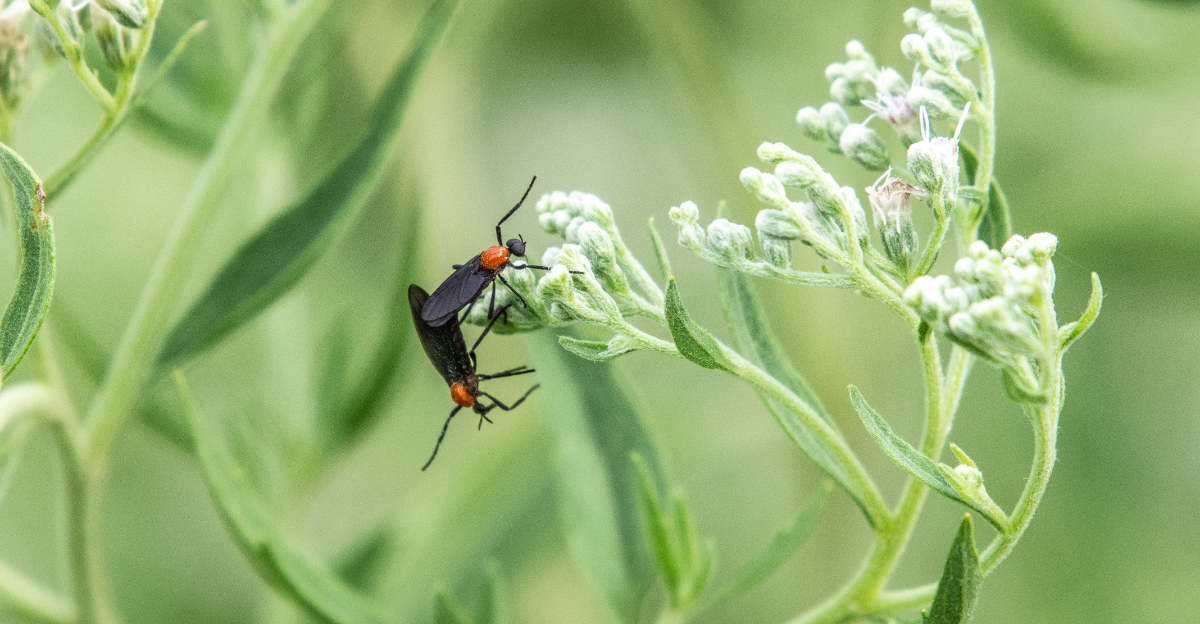
Every August, Florida loses its mind over love bugs. They coat the car, clog the screen door, and hover in paired clouds over every yard in the state.
Slow, unbothered, and somehow more infuriating than faster insects. The panic is completely wasted on them.
Love bugs are the most harmless insect Florida produces at scale. No sting.
No bite. No agenda beyond the one their name already describes.
The swarm that looks like a problem is not one. What they actually are, why August triggers them like clockwork, and what a yard full of them signals about the surrounding environment is a story Florida summers never bother to tell.
The love bug reputation is one of the great unfair verdicts in wildlife. This is the defense they never got to make.
1. August Starts The Second Lovebug Season
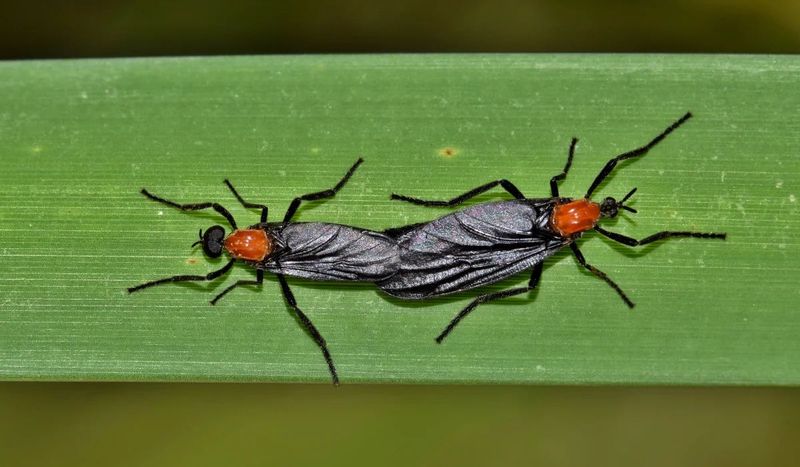
Most people only know about one lovebug season, but there are actually two main adult flight periods each year. In Florida, the first typically occurs in the spring, often around April and May.
The second, and usually more noticeable one, arrives in late summer, commonly starting around August and stretching into September.
According to UF/IFAS Extension, these two seasonal flights correspond with the emergence of adult lovebugs from their larval stage in the soil and ground cover.
The exact timing of the late-summer wave depends on local conditions, including temperature, rainfall, and regional habitat.
Not every yard across the state sees the same density of lovebugs every year.
Inland neighborhoods, roadside areas, and open grassy spaces tend to see heavier activity than heavily shaded or urban zones. The Panhandle, central regions, and parts of the southern areas can all experience flights at slightly different times.
Recognizing this second seasonal wave as a predictable, short-term event helps put the swarm in perspective. It is not a sign that something is wrong with your yard or your landscaping choices.
2. Warm Humid Weather Brings Adults Out
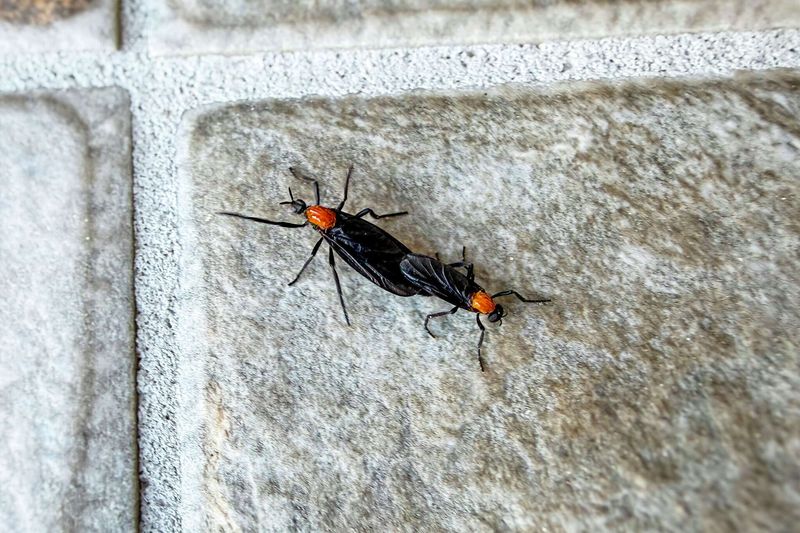
Sticky mornings, afternoon thunderstorms, and stretches of heavy humidity are classic signs that the rainy season is in full swing in Florida. That same warm, moist weather also sets the stage for adult lovebugs to emerge and take flight.
The combination of high temperatures and moisture-rich air appears to support the conditions that trigger adult activity.
Roadsides and open grassy areas tend to attract the heaviest concentrations. Lovebugs are drawn to nearby decomposing organic matter, where their larvae develop.
Car exhaust and certain plant emissions along roadsides may also attract adults, according to UF/IFAS research. This explains why drivers often notice swarms concentrated near highways and busy roads.
Back in the yard, open patios, sunny driveways, and lawn edges can all see noticeable lovebug traffic during a flight period. None of this means the homeowner did something to attract them.
Adult lovebugs are simply following weather cues and seeking mates in open, sunlit spaces. Keeping this in mind makes it easier to stay calm when the swarm rolls through the neighborhood on a humid August afternoon.
Your Florida Garden Changes Every Week. Your Plan Should Too.
Gardening in Florida changes quickly throughout the season. Every Friday you’ll receive a simple weekly plan showing exactly what to plant, prune, fertilize, harvest, and protect so you never miss the right timing.
3. Paired Bugs Are Mating Not Attacking
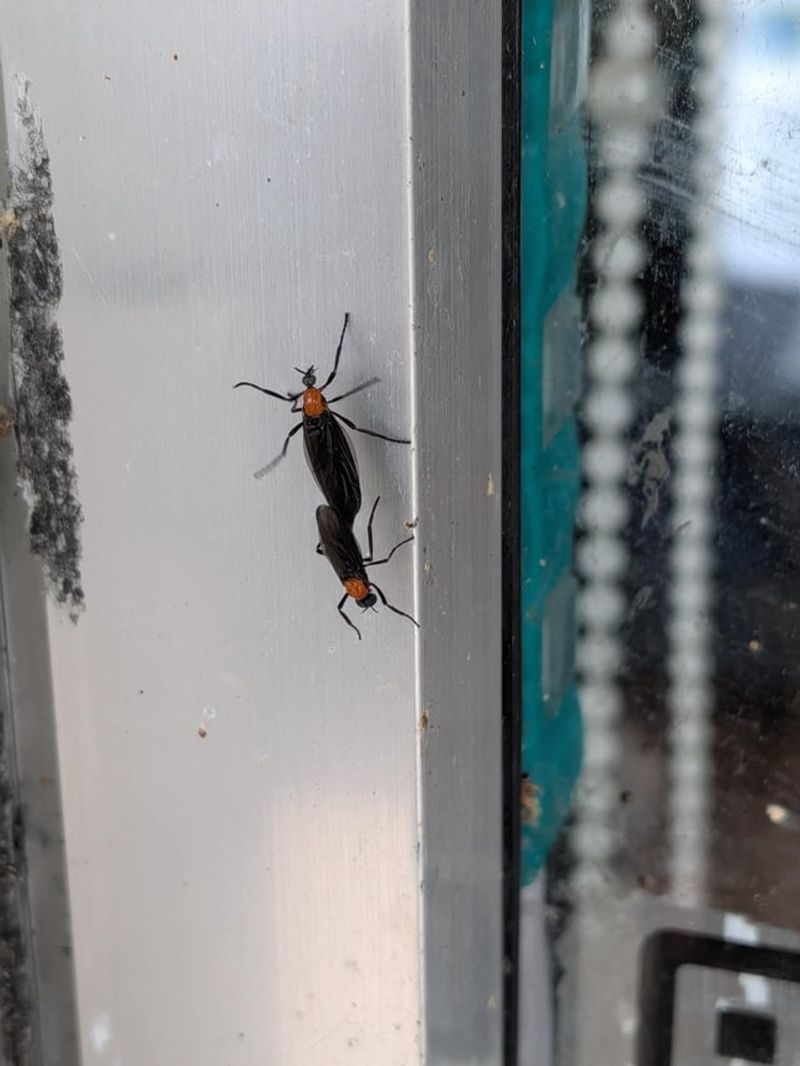
Seeing insects locked together and drifting across your Florida patio can feel alarming if you do not know what is happening. With lovebugs, that slow, paired flight is simply mating behavior.
A male and female join together and remain connected for an extended period, sometimes up to several days, while the female continues flying and eventually deposits eggs.
Their slow, drifting movement is what makes them feel so unavoidable. They are not aggressive, not chasing people, and not targeting pets or garden plants.
The pairing is purely reproductive, and the adults are focused entirely on completing their life cycle, not on anything happening in your yard.
Because they drift rather than dart, lovebugs tend to land on whatever surface is nearby, including arms, shirts, car hoods, and porch chairs. This contact can feel invasive, but it carries no risk.
Lovebugs do not have the anatomy to bite or sting. Brushing them off gently is all that is needed.
Children who see them for the first time are often more curious than scared. That changes once they learn lovebugs are living brief adult lives with no interest in people.
4. They Do Not Bite Sting Or Spread Disease
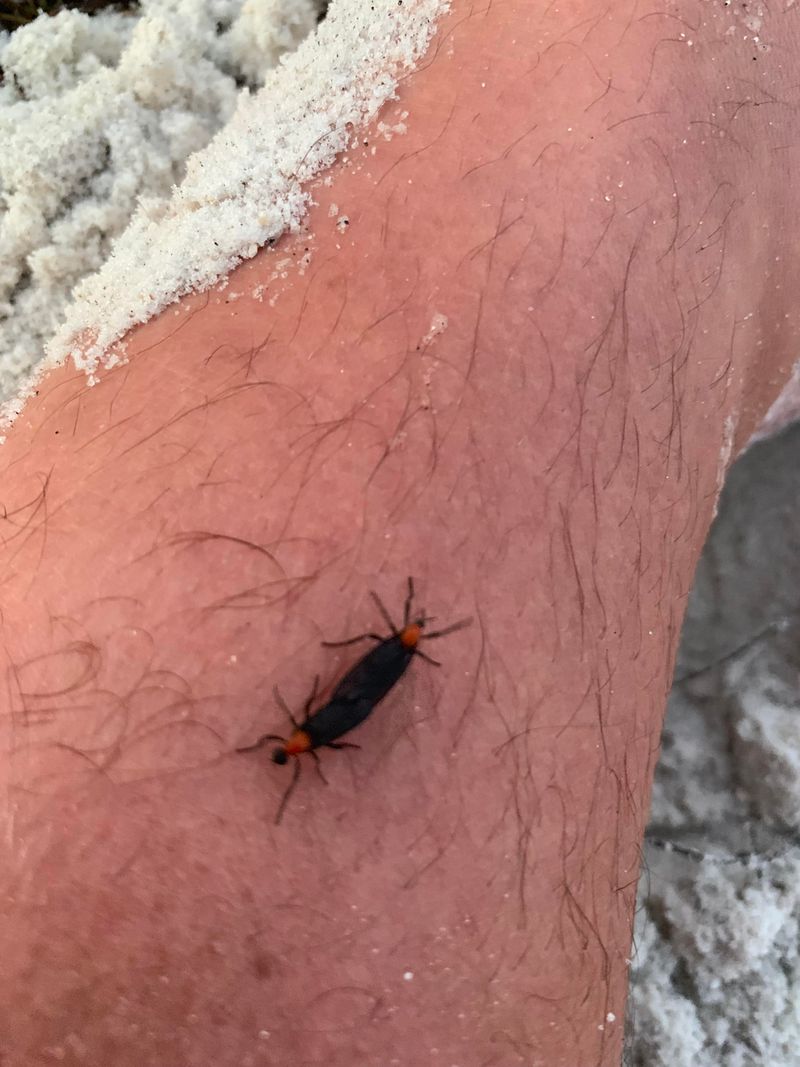
One of the most reassuring things about lovebugs is what they cannot do. They lack the mouthparts to bite and the anatomy to sting.
UF/IFAS Extension confirms that lovebugs pose no direct physical threat to people or pets. They do not transmit diseases, carry venom, or release toxins when touched.
That said, calling them completely problem-free would not be accurate. A swarm of slow-moving, sticky insects landing on your arms, face, and outdoor furniture is genuinely unpleasant.
Their acidic body chemistry can leave residue on painted surfaces and car finishes if left sitting for too long. So while they are not dangerous, they are certainly a nuisance worth managing.
People with sensitive skin or insect anxieties may still feel uncomfortable around heavy swarms. That reaction is completely understandable.
Wearing light-colored long sleeves during peak flight periods and staying indoors with screens closed can reduce contact significantly. Knowing that no bite or sting is coming does make it easier to move through the yard without panicking.
Lovebugs are one of those rare insects where the threat looks much bigger than it actually is.
5. Larvae Help Break Down Old Plant Matter
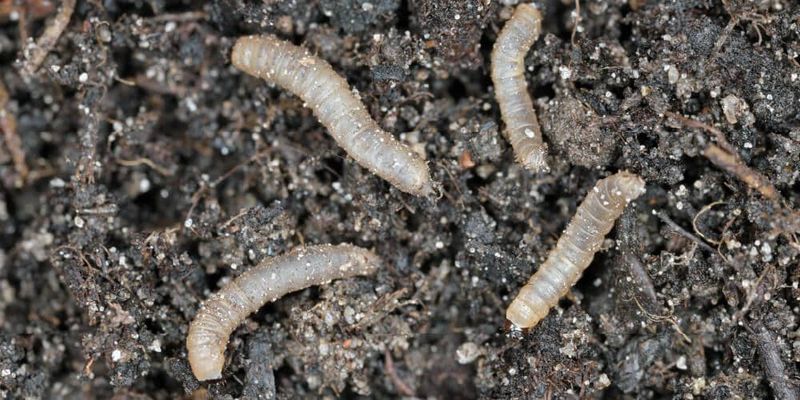
While the adult swarms get all the attention, the larval stage of the lovebug life cycle plays a quiet but useful role in the environment. After eggs are deposited in moist areas with decaying plant material, the larvae hatch and begin feeding on that organic matter.
This decomposition process helps break down deceased grass, fallen leaves, and other plant debris in the soil.
According to UF/IFAS, lovebug larvae are found in thatch layers, moist grassy areas, and edges of wooded zones where organic material accumulates. They are part of a broader community of decomposers that recycle nutrients back into the soil.
This is not a dramatic ecological service, but it is a real one that fits naturally into warm-weather landscapes.
Homeowners rarely see the larvae because they live in the soil and organic debris rather than on visible plant surfaces. The larval stage is also much longer than the brief adult flight period.
Understanding this part of the life cycle helps explain why lovebugs appear so reliably each season. Their larvae develop quietly through the year.
The adult swarms are simply the most visible part of a process that has been happening in this region for decades.
6. Cars And Patios Take The Biggest Mess
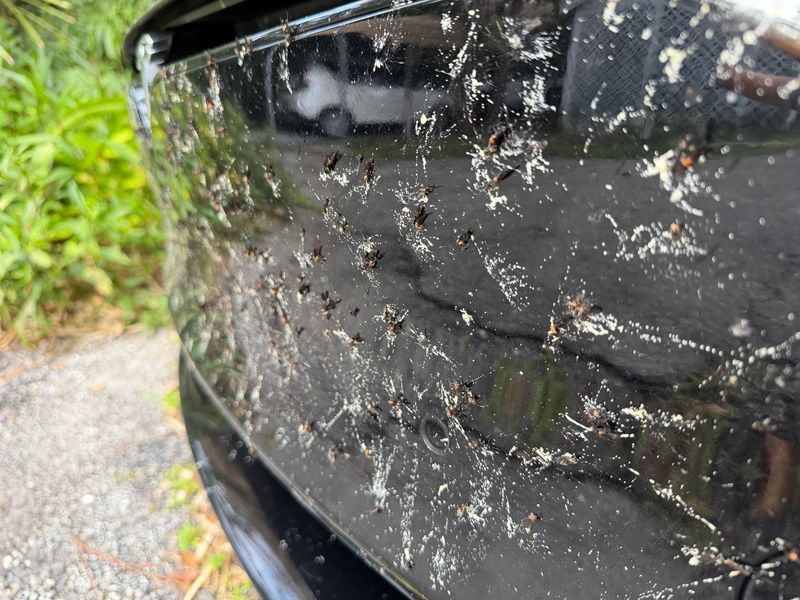
Ask any Florida driver what they dislike most about lovebug season, and the answer is almost always the same: the mess.
Adult lovebugs are attracted to warm, light-colored vehicles and tend to splatter across hoods, grills, bumpers, and windshields in large numbers.
The longer the residue sits, the harder it can become to remove.
The body fluids of lovebugs are slightly acidic, and if left on painted surfaces for extended periods, especially in summer heat, they can etch into the finish. Rinsing your car promptly with water and washing it with a vehicle-safe soap is the best approach.
Avoid abrasive scrubbing, which can scratch the paint while the bugs are still stuck.
Patios, porch screens, entryway lights, and outdoor furniture also collect lovebugs during heavy flight periods. Rinsing screens and hard surfaces with a garden hose is usually enough to clear the buildup.
Keeping outdoor lights off at night during peak swarm periods may help reduce how many gather near entryways, since some insects are drawn to artificial light.
A little extra cleanup for a few weeks each summer is the main cost of sharing space with lovebugs during their seasonal flight.
7. Sprays Do Little Against Passing Swarms
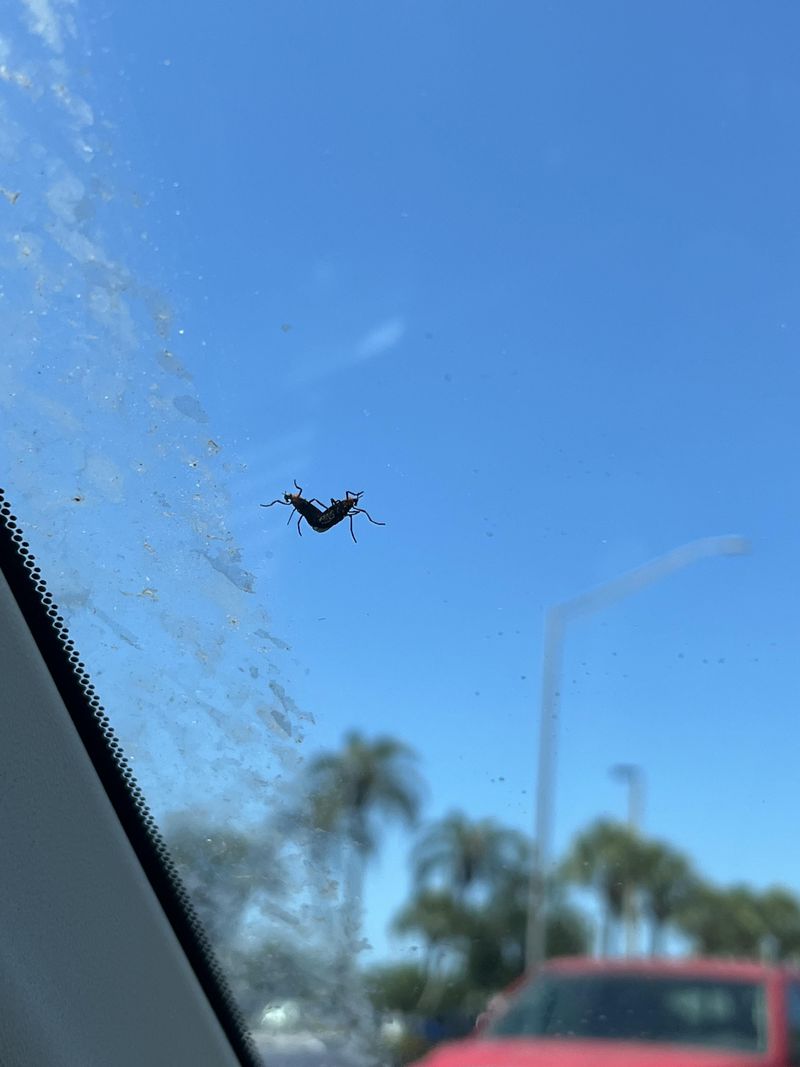
Reaching for a can of bug spray when a swarm rolls through feels like a natural response. Unfortunately, broadcast spraying your yard during an active lovebug flight offers very little practical benefit.
Adult lovebugs are moving through on a temporary basis, and most are not staying in one location long enough for a yard spray to make a meaningful difference.
Pesticides applied broadly during a flight period can harm beneficial insects. That includes pollinators like bees and butterflies that share the same outdoor spaces.
UF/IFAS and integrated pest management guidelines generally do not recommend routine insecticide applications for nuisance lovebug swarms. The risk to helpful insects outweighs the limited benefit of trying to reduce a passing adult population.
Better options include keeping windows and doors closed during peak activity and using fine-mesh screens on porches and patios. Rinse cars and outdoor surfaces regularly, then wait out the season.
If one area of the yard attracts unusual numbers, contact a local county extension office for guidance. That is smarter than spraying broadly on your own.
Patience and simple physical barriers go a lot further than chemical treatments when dealing with a short seasonal swarm.
8. The Swarm Fades As Quickly As It Arrives
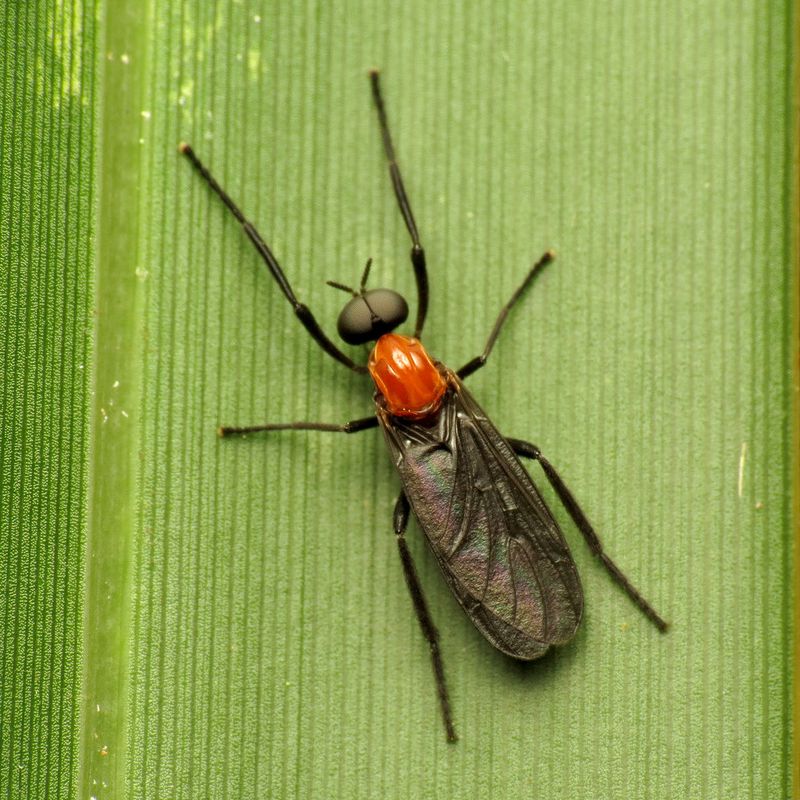
Heavy lovebug activity during the late-summer flight can feel relentless when you are in the middle of it. Swarms near the driveway, bugs drifting across the patio, and a car that needs rinsing every other day make the season feel longer than it is.
In reality, the adult flight period is short, typically lasting a few weeks before activity drops off noticeably.
Weather plays a big role in how long the swarm lasts and how intense it feels. Cooler temperatures, reduced humidity, or a shift in wind patterns can quiet things down faster.
Conversely, a stretch of warm, rainy days can extend the flight a bit longer into September. Local habitat and nearby green spaces also influence how many adults pass through a given yard.
The practical takeaway is simple: keep doors and windows closed during peak times and rinse the car after drives. Wipe down patio surfaces, skip broad sprays, and give it time.
The swarm that felt overwhelming on Monday often thins out considerably by the following week. Lovebugs are a predictable part of late-summer life in this state.
Treating them as a short seasonal inconvenience rather than a yard crisis makes the experience more manageable.