Why Oak Pruning Timing Matters In Texas Fall
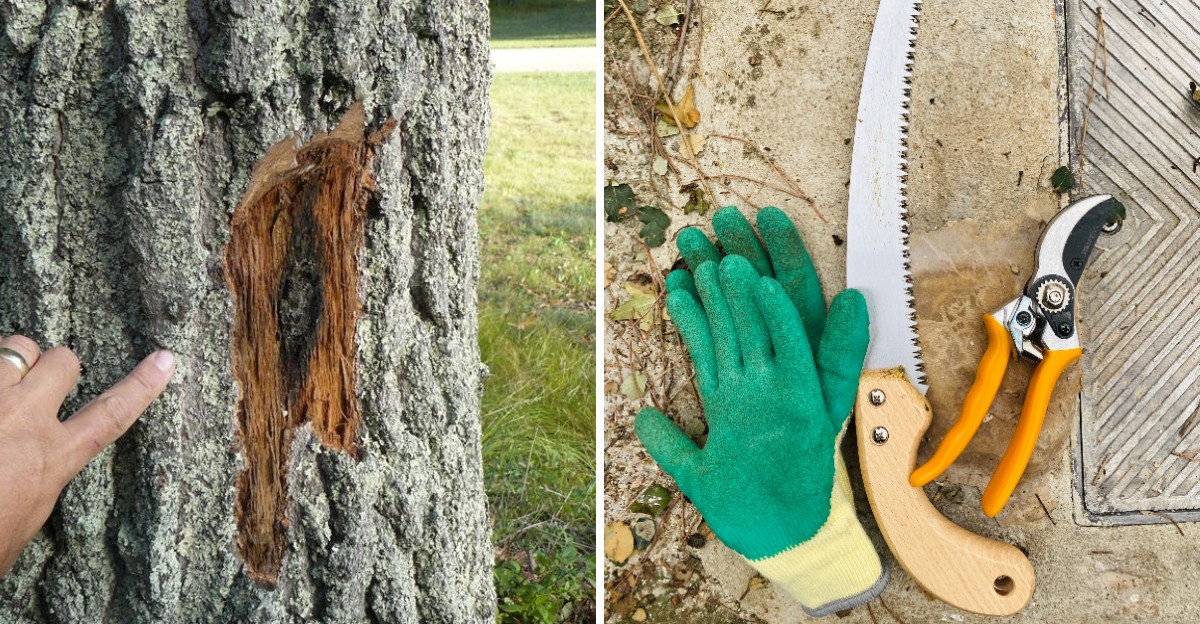
A saw in your hands can attract a tiny insect to your oak. Sap beetles are drawn to the scent of fresh cuts.
They carry oak wilt fungus on their bodies, and that fungus spreads through roots. Texas live oaks face peak risk when you trim February through June.
Beetles stay active from spring through early summer, so wait until fall. Fall lowers risk, and winter offers your safest window, when cold grounds insects.
Seal fresh cuts on oaks within minutes using pruning paint. Your timing decides whether the saw helps or hurts.
Healthy oaks shade your roof, cool your driveway, and raise property value. Decide before you cut, not after.
Mark your calendar for winter and call a certified arborist for large limbs. Park your ladder until the cold arrives. Patience pays across Texas, and your oak stays healthier.
Sap Beetles Lose Their Spark As Weather Cools
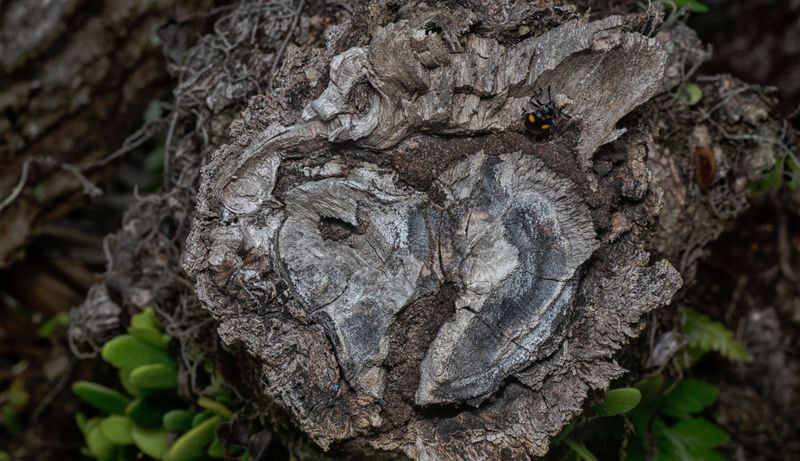
Picture a beetle smaller than a grain of rice, sniffing the air for sweet tree sap. That little bug is a primary carrier of oak wilt in Texas.
Scientists call them nitidulid beetles, but most folks just call them sap beetles. They carry tiny fungus spores on their bodies and land on fresh pruning wounds.
In spring, these beetles buzz around like excited kids at a snack table. Warm days and blooming plants keep them busy, hungry, and ready to travel between trees.
By October, cooler nights start to slow them down quite a bit. Fewer beetles flying around means fewer chances for spores to reach an open cut.
That does not mean fall is a free pass for careless trimming. Texas weather can swing warm in October, and beetles wake up fast on sunny afternoons.
Texas A&M Forest Service guidance names roughly February through June as the riskiest window. Fall sits outside that window, which lowers the risk, though winter remains the safest time.
Try watching the forecast before you schedule any cuts on your oaks. A string of chilly days is your best friend when planning yard work this month.
Think of it like sneaking cookies while the kitchen is empty. The fewer beetles awake, the safer your tree stays after a fresh trim this season.
Keep a simple notebook of the dates you prune each year. Over time, you will spot patterns that match your local weather and tree health.
Fungus Mats Form Mainly In Spring
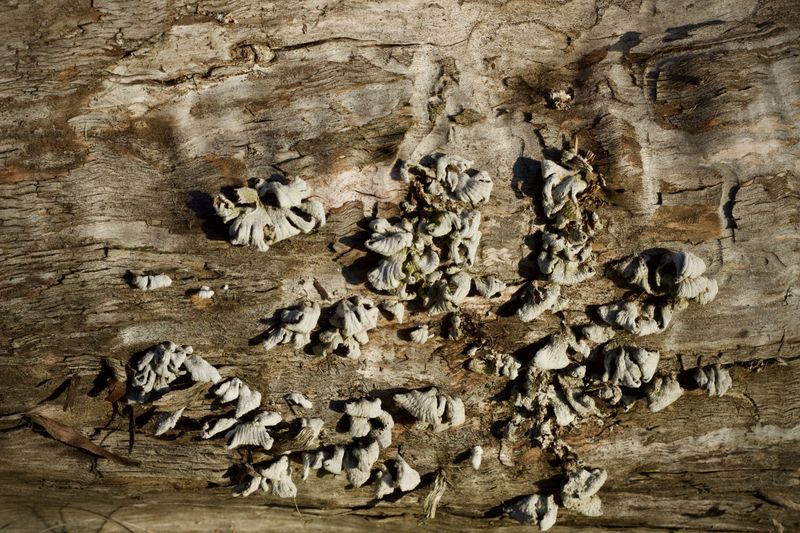
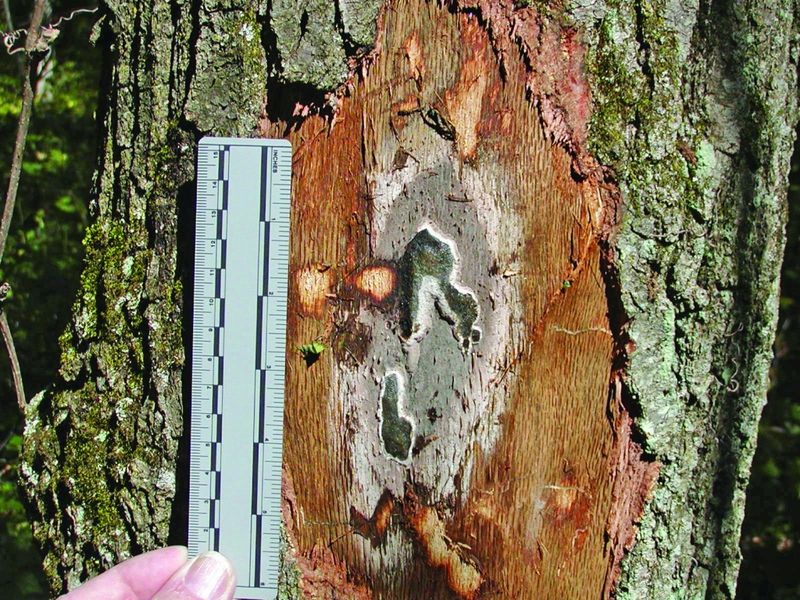
Red oaks in Texas that have died from oak wilt can grow fungal pads under their bark. These pads, called spore mats, smell fruity and sweet to beetles.
Spanish oaks, Texas red oaks, and blackjack oaks are the usual hosts. Live oaks do not usually form them, which surprises many homeowners who expect the opposite.
Mats mostly pop up in late winter and spring, when moisture and mild temperatures line up. They crack the bark open and release a scent that pulls in hungry insects.
During October, mats are uncommon, though they can occasionally appear. Mats are much less common by fall, which lowers the number of spore sources.
Your Texas Garden Changes Every Week. Your Plan Should Too.
Gardening in Texas changes quickly throughout the season. Every Friday you’ll receive a simple weekly plan showing exactly what to plant, prune, fertilize, harvest, and protect so you never miss the right timing.
Without fresh mats, beetles have fewer places to pick up spores in the first place. That lowers the chance of the chain starting in your neighborhood.
Think of it as a relay race with no baton to pass. The runners might show up, but nobody can carry the problem forward.
If you spot a red oak with cracked bark and a fruity smell, call an expert. That tree may need removal to protect healthy trees nearby.
Fall is a lower-risk season for this fungus. Get your trimming done now, while mats are uncommon.
Neighbors can help, too, by sharing what they see on their own red oaks. A quick chat over the fence could help protect nearby trees.
Fresh Cuts Still Need A Quick Coat Of Paint
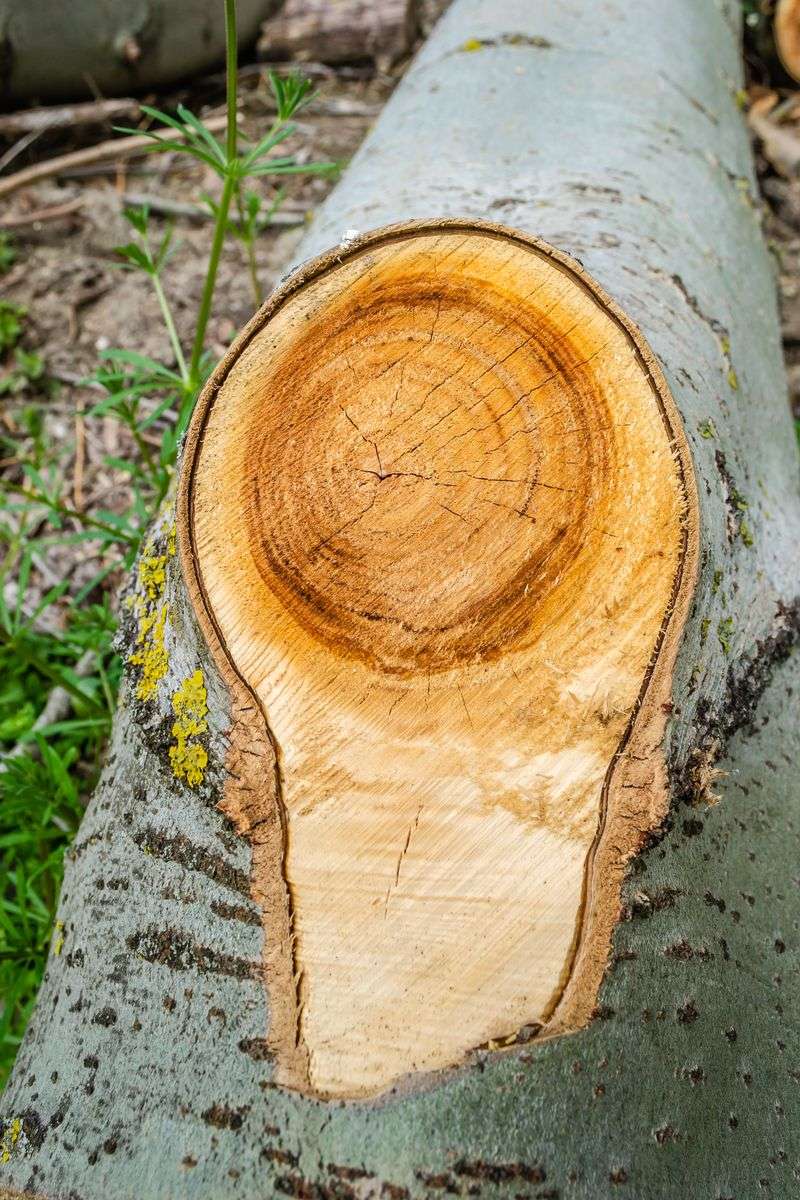
Most tree experts say you can skip wound paint on many trees, but Texas oaks are different. Treat each cut on an oak with a thin coat of sealer in any season.
Fall lowers the risk quite a bit, yet it does not remove it. A warm October afternoon can still bring out a few curious beetles.
The paint acts like a bandage that hides the sweet smell of fresh sap. Beetles cannot land on what they cannot find, so the wound stays safer.
You do not need anything fancy for this job at all. Regular latex paint or a spray can of pruning sealer works just fine.
Timing matters here, too, because the paint should go on within minutes of cutting. Keep the can right next to you instead of back in the garage.
A thin, even layer is plenty, so skip the thick globs. Cover the whole cut surface and any torn bark around the edges.
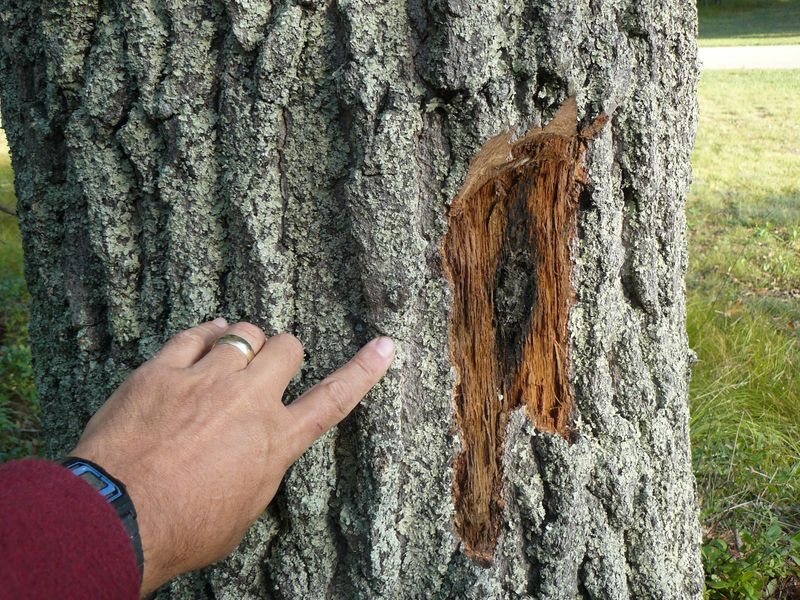
Storm damage counts as a wound, even if you did not make it. After a windy October front, check your oaks and paint any fresh breaks.
Rooftop squirrels and kids on swings can scrape bark, too. A quick dab of paint on those spots is cheap insurance for a valuable tree.
Some homeowners pick brown or green paint so the patches blend into the trunk. Color does not affect the tree, so pick whatever blends in best.
Keep it simple, keep it quick, and keep that brush handy. Your oaks stay healthier and keep providing shade for years.
Clean Tools Reduce Hidden Hitchhikers
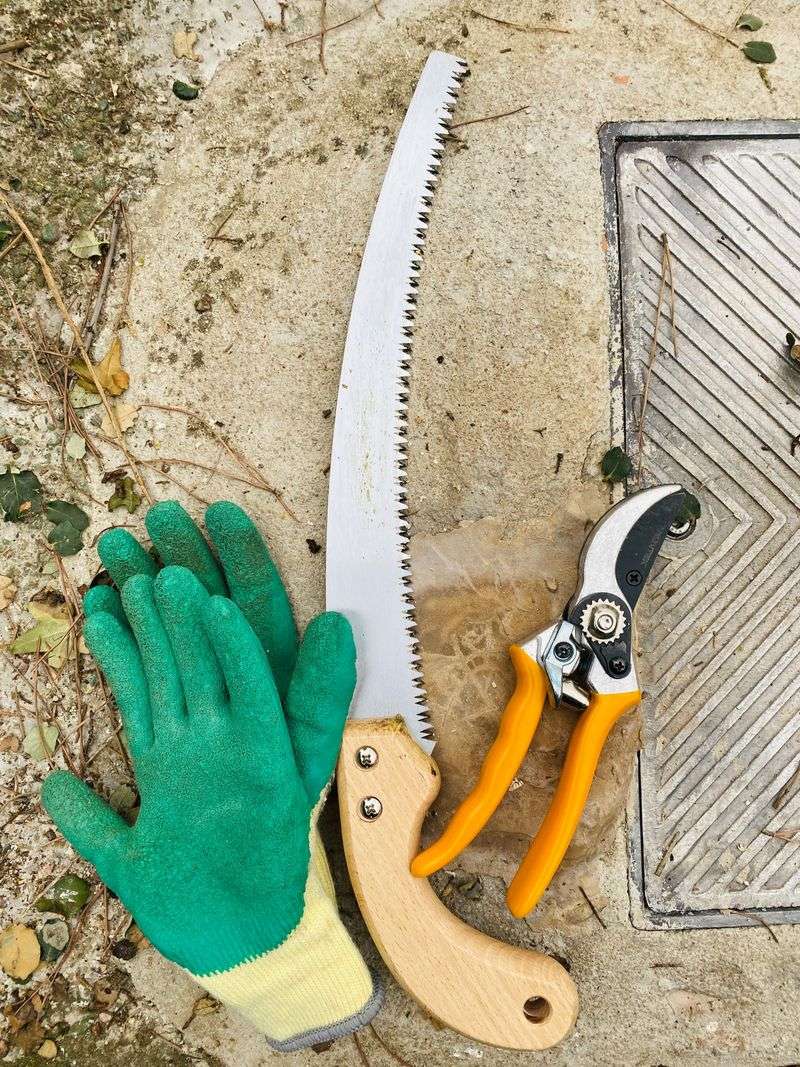
Wiping a saw blade with a rag after each job is an old habit worth keeping. That habit helps protect Texas trees.
Fungus spores and sap can cling to pruning saws, loppers, and chainsaws. Moving from an infected tree to a healthy one can carry fungus on dirty tools, though this is a minor route of spread.
Cleaning your tools is easy and inexpensive. A spray bottle of rubbing alcohol or a mild bleach mix does the trick.
Spray the blade between every tree, not just at the end of the day. Let it sit for a few seconds, then wipe it off with a clean cloth.
Bleach can rust metal over time, so rinse and oil your tools afterward. Alcohol is gentler and dries fast, which makes it a favorite with many arborists.
Fall is a great time to build this habit while the pressure is low. Practice now, and you will clean without thinking when spring rolls around.
Sharp tools matter as much as clean ones for your oaks. A dull blade crushes bark and leaves ragged wounds that heal slowly over time.
Hiring a crew this October is fine, but ask how they clean equipment between yards. A good team will answer quickly and might even show you their spray bottle.
Store your tools in a dry spot once the trimming is done. Next year’s trees will appreciate the fresh, clean start just as much as this year’s.
Live Oaks Share Roots And Problems
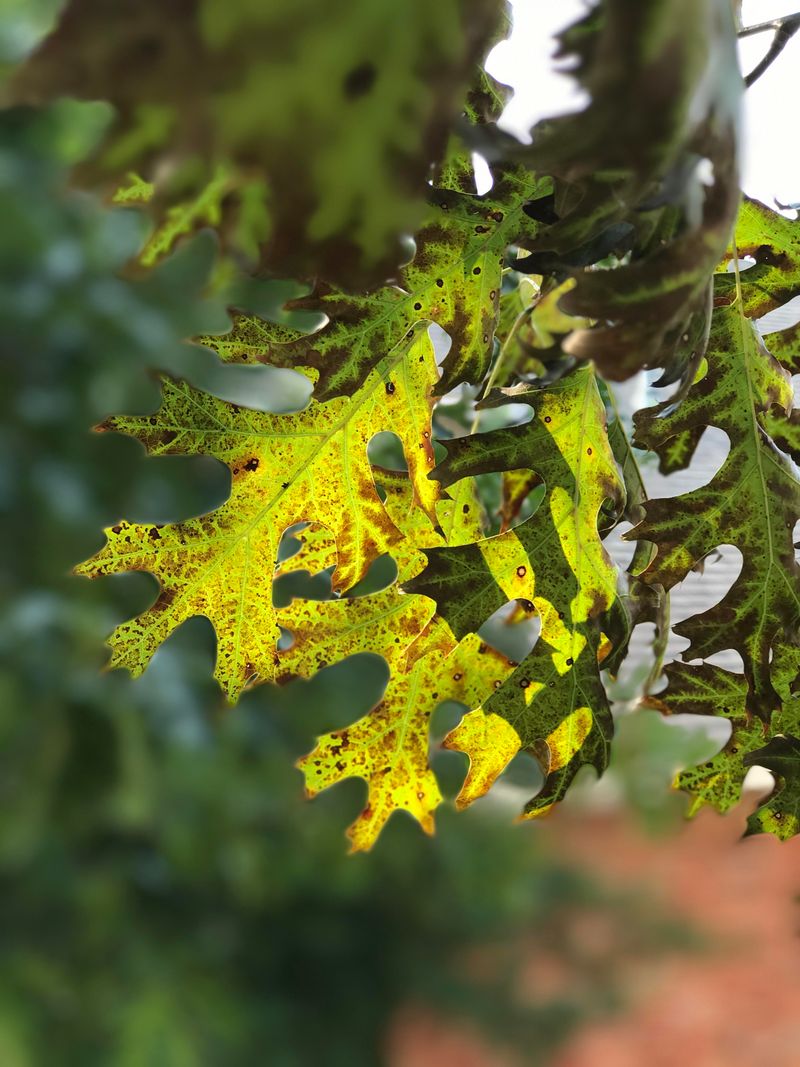
Underground, live oaks hold hands in a way most people do not realize. Their roots often graft together, creating a shared highway beneath the soil.
That teamwork is sweet until one tree gets sick. Oak wilt can travel through those connected roots and reach dozens of neighbors, one after another.
The Texas Hill Country knows this story well, with whole groves turning brown over a few years. Some infection centers spread outward up to about 75 feet each year.
So why does pruning timing matter if roots do most of the spreading? New infections often start at a fresh wound, and spring is a common time for that.
Pruning live oaks outside the spring risk window lowers the chance of that first infection. Once the fungus reaches one tree in a connected grove, stopping it gets expensive.
Experts sometimes dig deep trenches to cut the root links between trees. Those trenches can run four feet deep, and costs can reach thousands of dollars depending on the site.
Compared to that, picking the right month for trimming feels like a bargain. A little patience now can save your wallet and your shady backyard.
If your live oaks grow in a cluster, treat them like one big family. Protecting a single tree means protecting the whole group around it.
Watch for leaves with yellow or brown veins, which can signal trouble. Spotting it early gives you more options and a better chance at saving neighbors.
Live oaks are Texas icons for good reason, shading porches and parks for generations. Careful timing helps protect that legacy.
Slower Growth Gives Trees Time To Rest
Trees have seasons of hustle and seasons of rest, a lot like students during summer break. In October, Texas oaks begin shifting from busy growth mode into a calmer pace.
Spring is when they push out new leaves and burn stored energy fast. Cutting branches then is like taking someone’s lunch right before a big game.
Fall pruning lands at a much gentler moment for the tree. Leaves are still working, and the oak has stored up food from the long summer.
With less new growth to feed, the tree can focus energy on sealing wounds. Oaks do not heal like skin, but they build a protective wall around cuts.
Arborists call that process compartmentalization, which is a mouthful for any spelling bee. Basically, the tree walls off damage so it cannot spread deeper inside.
A rested, well-fed oak does that job much better than a stressed one. Summer drought can leave trees thirsty, so give them a deep drink before trimming.
Water slowly around the drip line a few days ahead of your cuts. Moist soil helps roots recover and keeps the whole tree in better shape.
Avoid feeding your oak heavy fertilizer right after pruning this time of year. A burst of tender new growth before winter can be damaged by an early freeze.
Let your tree coast into the cooler months with steady care and patience. A calm fall sets the stage for a strong, leafy comeback next spring.
Light Trims Beat Heavy Cuts Before Winter
Ever seen a tree that looks unevenly cut? That usually happens when someone gets too excited with the saw.
Fall is a good season for trimming oaks, but it is not a green light for drastic cuts. Removing too much canopy at once stresses a tree heading into winter.
Most arborists suggest removing no more than 25 percent of the leaves in one year. Less is often better, especially for older trees.
Focus on branches that are broken, crossing, or hanging low over roofs and driveways. Those are the cuts that make your yard safer without hurting the tree.
Topping, which means cutting the main limbs flat, is not recommended for oaks. It invites decay, weak sprouts, and plenty of open wounds for pests.
Clean cuts just outside the branch collar heal best. That collar is the slightly swollen ring where a branch meets the trunk.
For heavy limbs, use the three-cut method to keep bark from tearing. Make an undercut, then a top cut farther out, and finish near the collar.
Leaving stubs might seem harmless, yet they rot and attract trouble later. Flush cuts against the trunk are just as bad because they damage protective tissue.
Picture giving your oak a neat trim, not a heavy cut. Your tree keeps its graceful shape, and you keep bragging rights on the block.
Bigger jobs can wait for a cold stretch in January if needed. Small, thoughtful cuts this month keep things tidy until then.
Certified Arborists Know The Local Calendar
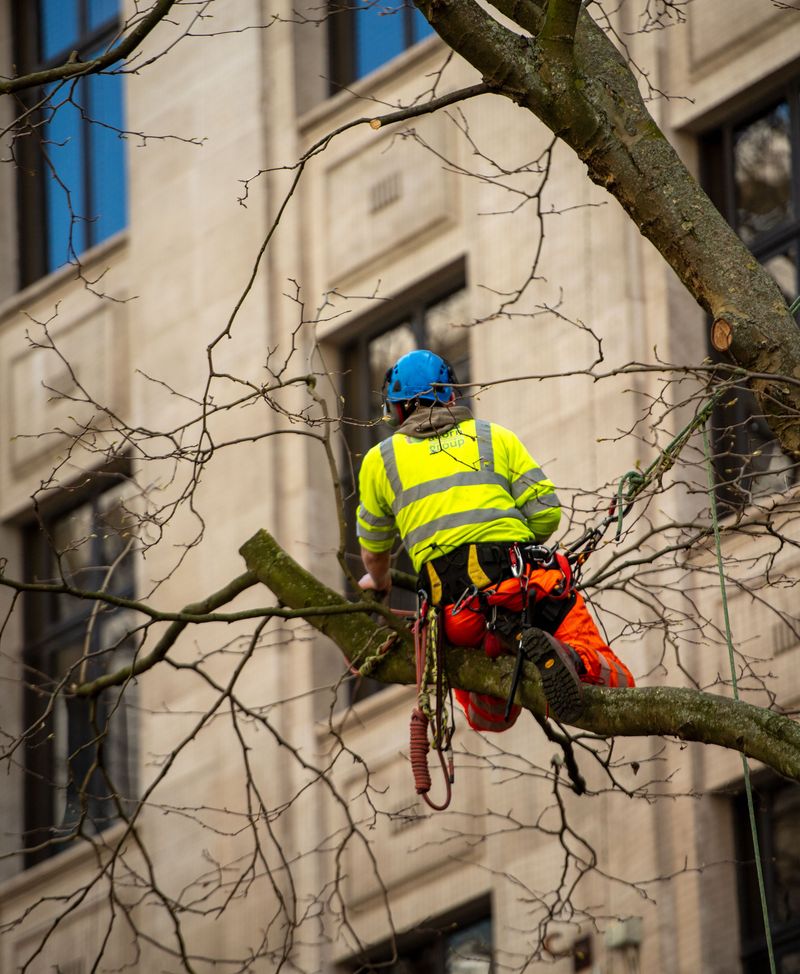
Picture a homeowner who hires a stranger with a truck and a chainsaw from a knock on the door. Poor pruning can leave an oak stressed and a homeowner with a large repair bill.
Door-to-door tree crews pop up after storms, and some skip key steps. A certified arborist knows Texas oak rules and typically follows them.
Look for credentials from the International Society of Arboriculture, often shortened to ISA. The Texas A&M Forest Service offers oak wilt guidance and resources for homeowners.
Good pros watch local weather, beetle activity, and disease reports for your county. They can tell you if October is safe or if a warm spell means waiting.
Ask questions before anyone climbs your tree with a saw. Find out when they plan to cut, how they clean tools, and whether they paint wounds.
Proof of insurance matters, too, since large limbs can fall on roofs and fences. A legit company will share that paperwork happily.
Fall is a busy season for tree companies across Texas, so book early. Many crews fill their calendars fast once the weather cools down.
Paying a bit more for skilled hands usually costs less than replacing a mature oak. Mature oaks can add real value to a property.
Think of an arborist as a family doctor for your yard. A good one spots small problems early and keeps your trees healthy for years.
Save their number on your phone once you find someone you trust. Your oaks deserve a pro who reads the calendar as carefully as the canopy.