What Texas Hostas Need In September Before They Disappear For Winter
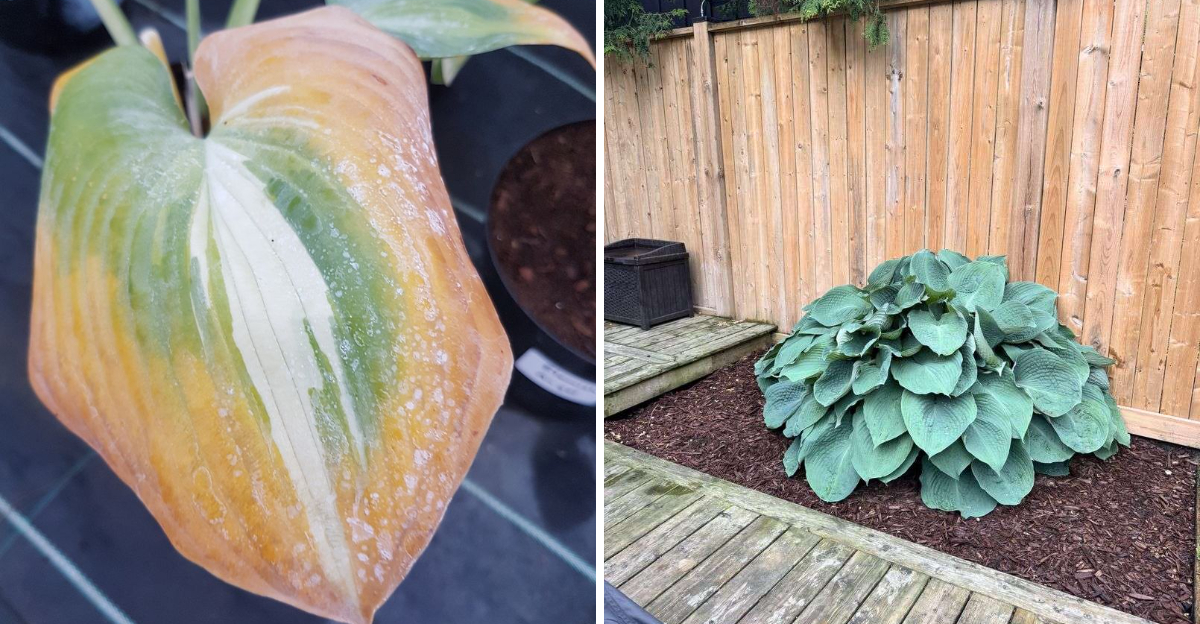
Your hostas are about to vanish, and that is supposed to happen.
Sometime in the coming weeks the leaves yellow, flop, and disappear entirely. Nothing above ground survives.
Underneath, something else is going on.
Right now the plant is making a decision about next spring. Energy gets moved and stored, or it does not, and September has a lot of say in the outcome.
Here’s what makes Texas different. Northern gardens get a gradual cooling that eases plants into rest. Texas gets 98 degrees on the fifteenth and a cold front on the twenty-second.
Warm nights complicate things further, since a plant that cannot recover overnight keeps losing ground.
So a few late season habits matter more here than they would in Ohio or Michigan. Some involve doing things. At least two involve deliberately not doing things that feel helpful.
Most gardeners get one of them backwards, and the mistake does not reveal itself until April.
Curious which September choices your spring display depends on?
1. Protect Hostas From Late Summer Heat Stress
September in Texas often behaves like August wearing a disguise.
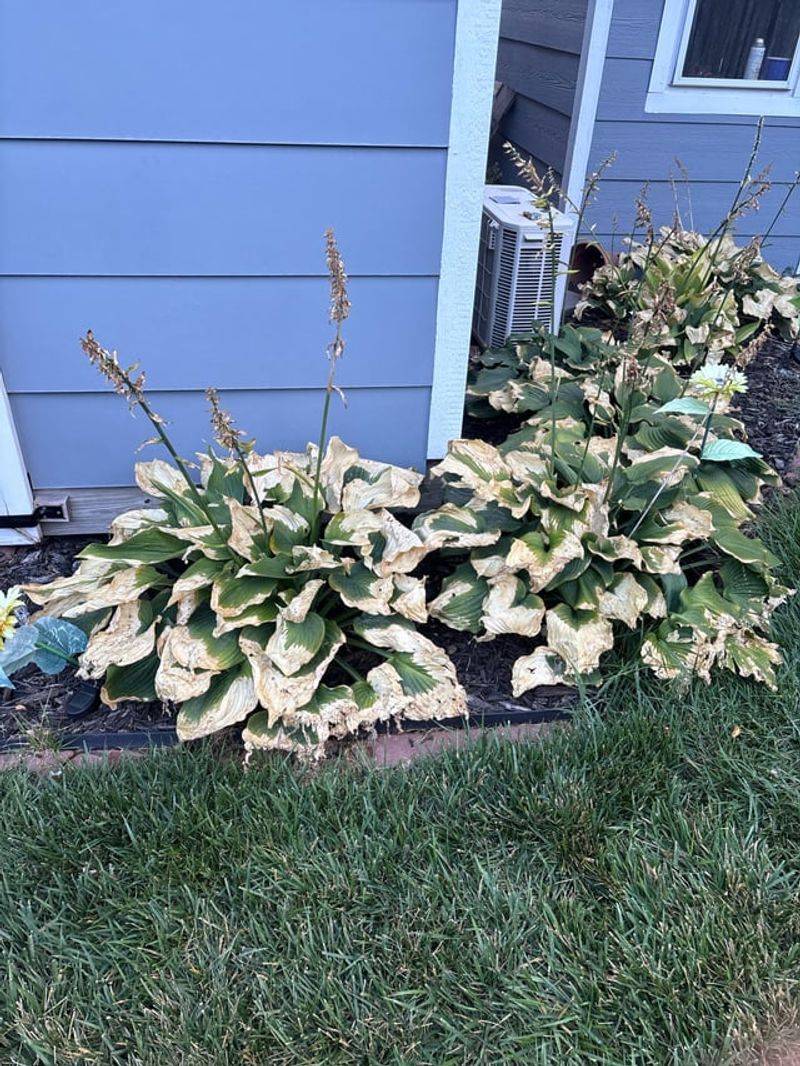
Hostas usually look tired by now, particularly after a summer of hot afternoon sun, reflected heat off walls, or dry wind pulling moisture from large leaves.
Morning light generally suits them fine. Strong afternoon sun tends to leave foliage faded, crisp at the margins, or limp by evening.
Placement solves more than any treatment. Under trees, on the east side of a house, or behind taller companions all provide relief.
Containers offer flexibility here. Move them into brighter shade before another heat stretch arrives.
In ground plants can get temporary shade cloth during extreme weeks. Easier than watching leaves surrender.
Symptoms are usually readable. Bleached patches, brown margins, and curling generally point to heat stress rather than disease.
Warm nights matter in a way that surprises northern transplants. Plants recover overnight in cool conditions, and Texas frequently does not provide that.
Repeated daily stress limits how much energy roots can store for dormancy and spring growth.
Worth a broader thought too. Hostas sit at the edge of their comfort zone across much of Texas, and the hotter southern regions may simply be beyond it.
Shade first, especially in Central, North, and East Texas, where September sunshine still acts like it holds the lease.
2. Adjust Watering Before Cooler Weather Arrives
Watering gets confusing in September because the calendar and the thermometer disagree.
Hostas still want steady moisture. Cooler mornings and shorter days mean they generally do not need the July routine.
Evenly moist soil is the target. Neither a swamp nor dust.
Deep watering encourages roots downward and keeps them stable. Shallow daily sprinkling tends to build weak surface roots while lower soil stays dry.
The finger test settles it. Push a couple of inches into the root zone, and dry soil means water slowly and thoroughly.
Containers need closer attention since pots heat and dry faster than beds. Check them separately rather than assuming they match the garden.
Your Texas Garden Changes Every Week. Your Plan Should Too.
Gardening in Texas changes quickly throughout the season. Every Friday you’ll receive a simple weekly plan showing exactly what to plant, prune, fertilize, harvest, and protect so you never miss the right timing.
Drainage matters after heavy rain. Soggy soil around resting roots invites rot.
Early morning works best. Splashed foliage dries, the plant gets moisture ahead of afternoon stress, and less evaporates.
As nights cool, stretch the intervals if soil stays damp longer. Frequency should follow conditions rather than habit.
Thoughtful watering carries hostas through the transition with roots hydrated rather than waterlogged. Same amount of care, applied on a slower schedule.
3. Refresh Mulch Around The Root Zone
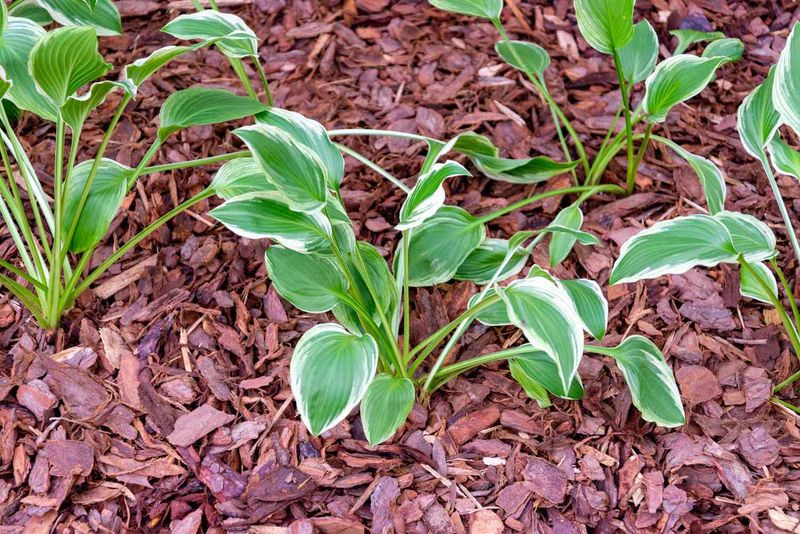
Mulch functions like a porch roof over the soil.
It shields roots from heat, slows moisture loss, and buffers the swings Texas weather delivers in September.
By early fall, older mulch is often thin, washed out, or compacted enough to shed water instead of admitting it.
A fresh layer of shredded bark, pine needles, or chopped leaves fixes that quickly.
Two to three inches over the root zone generally does the job. Enough to hold moisture and moderate temperature while air and water still move through.
Keep it several inches back from the crown. Material packed against the center traps moisture, encourages rot, and shelters pests.
Mulched hostas tend to recover better after hot spells since the ground underneath stays cooler longer.
Soil type changes the benefit. Sandy soils gain moisture retention, while heavier soils resist crusting from sun and hard rain.
Natural materials work better than alternatives here. Rock stores and radiates heat, which runs directly against what hostas want, and plastic sheeting blocks air exchange.
Pine needle acidity is worth mentioning since the myth persists. Needles change soil pH very little, so use them for texture rather than chemistry.
A mulch refresh takes twenty minutes and pays out for months. The watering can gets less overtime too.
4. Remove Damaged Leaves Without Overdoing Cleanup
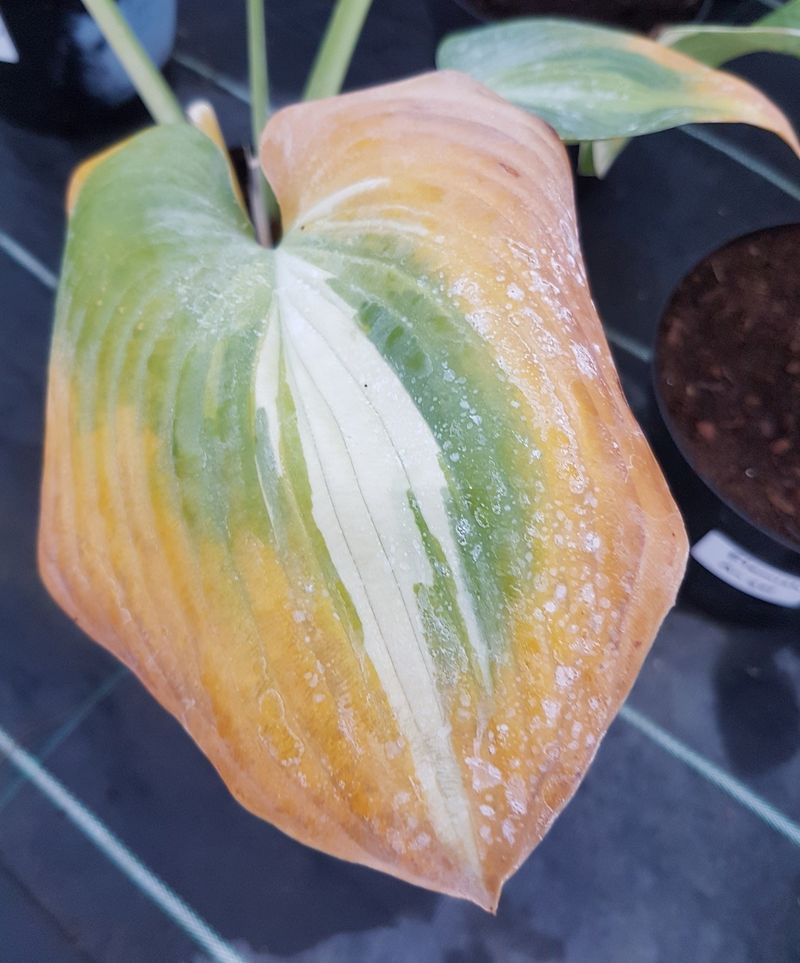
Not every ragged leaf needs immediate removal.
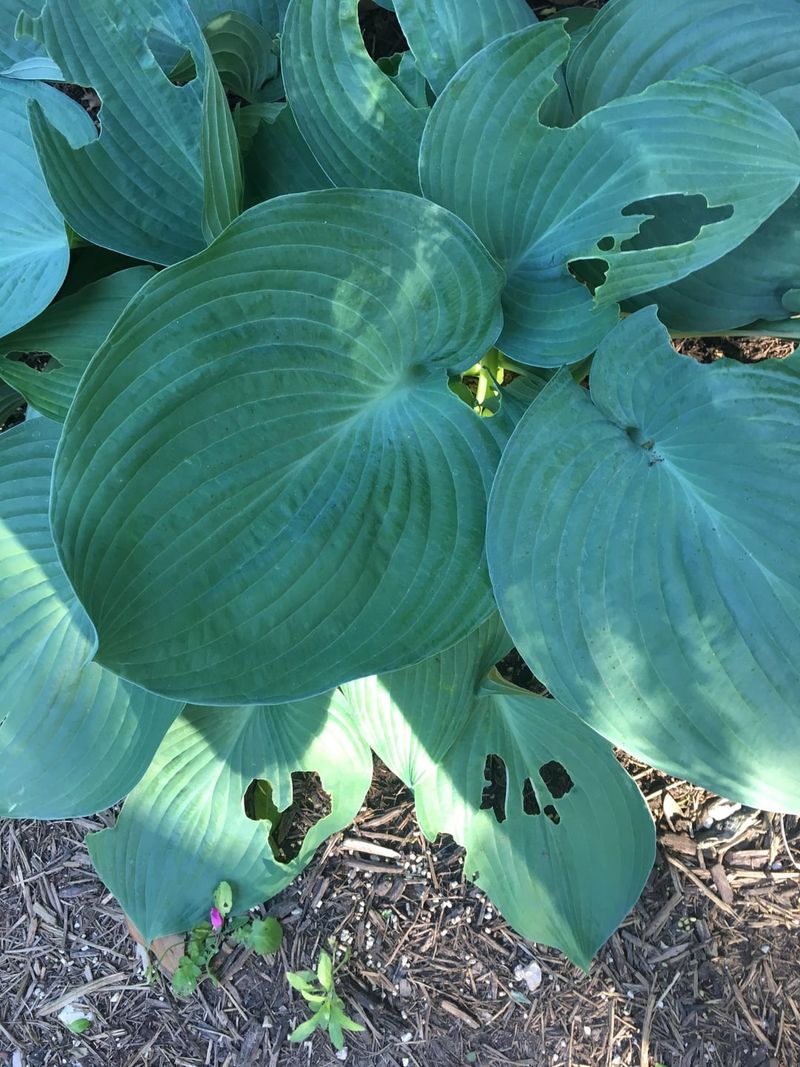
By September, many Texas hostas show torn edges, sun scorch, slug damage, or storm wear. Some cleanup helps without subjecting the plant to a full haircut.
Start with leaves that are badly browned, broken, or lying against wet soil. Clean pruners make neat cuts and reduce places where pests and leaf spot problems persist.
Healthy green foliage should stay. Those leaves keep photosynthesizing, which is how roots build reserves for dormancy and spring.
Aggressive early cleanup can backfire for exactly that reason. Removing functional leaves reduces the plant’s ability to store energy right when storage matters most.
Work slowly and avoid disturbing the crown or roots. Hostas need very little handling this time of year.
Partially damaged leaves are worth keeping. A half green leaf still contributes something, even if it looks unimpressive.
Once cool weather settles in, more cleanup becomes appropriate. Foliage collapses on its own and comes away easily.
Removing dead material at that point does help, since debris around the crown shelters slugs and can hold moisture against the plant through winter.
Light touch in September, thorough cleanup later. The plant finishes its season in peace, and you get an easier spring.
5. Skip Heavy Fertilizer As Growth Slows
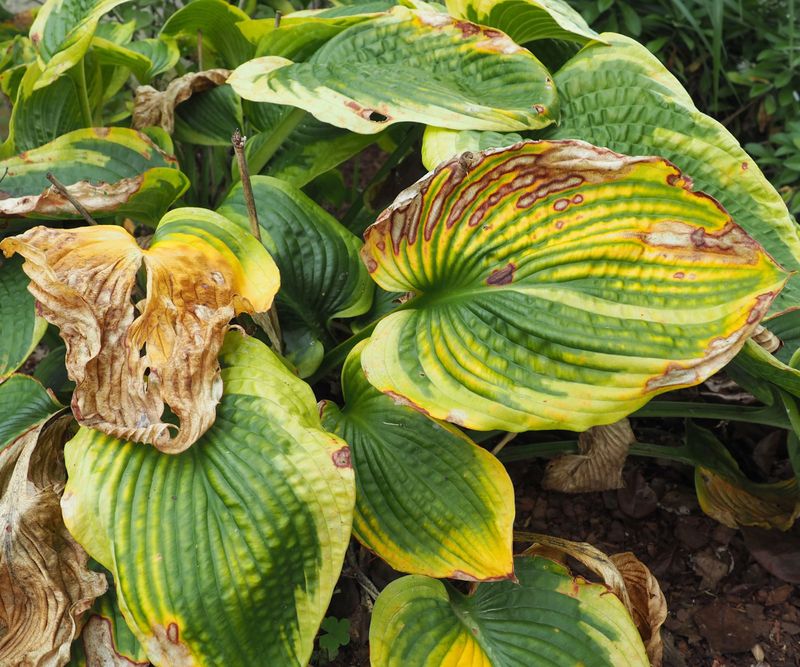
Fertilizer feels like a generous gesture. September is generally the wrong moment for it.
Hostas are winding down, and pushing fresh top growth late tends to produce soft leaves that handle changing conditions poorly.
Across much of Texas, these plants have already worked through months of heat and bright light. Stable moisture, decent shade, and room to settle serve them better than nutrients.
Heavy nitrogen is the specific thing to avoid. It encourages tender foliage when the plant should be moving energy into roots.
Weak plants in poor soil may benefit from a light compost topdressing. Compost improves structure and adds mild nutrition without triggering a growth spurt.
Timing carries the whole argument. Feeding during active spring growth supports leaves and roots, while late applications more often create problems.
Diagnosis matters before treatment. Burned margins, drooping, and pale color in September usually reflect sun exposure or watering rather than a nutrient shortage.
That distinction saves both money and plant health. Fertilizing a heat stressed hosta addresses nothing.
Root reserves are what next spring’s first flush of leaves comes from. Anything diverting energy away from storage costs you in April.
Restraint counts as a technique. Keep the bed comfortable and let the plant follow its own schedule, which it has been managing without supervision for a long time.
6. Check For Pests Before Winter Dormancy
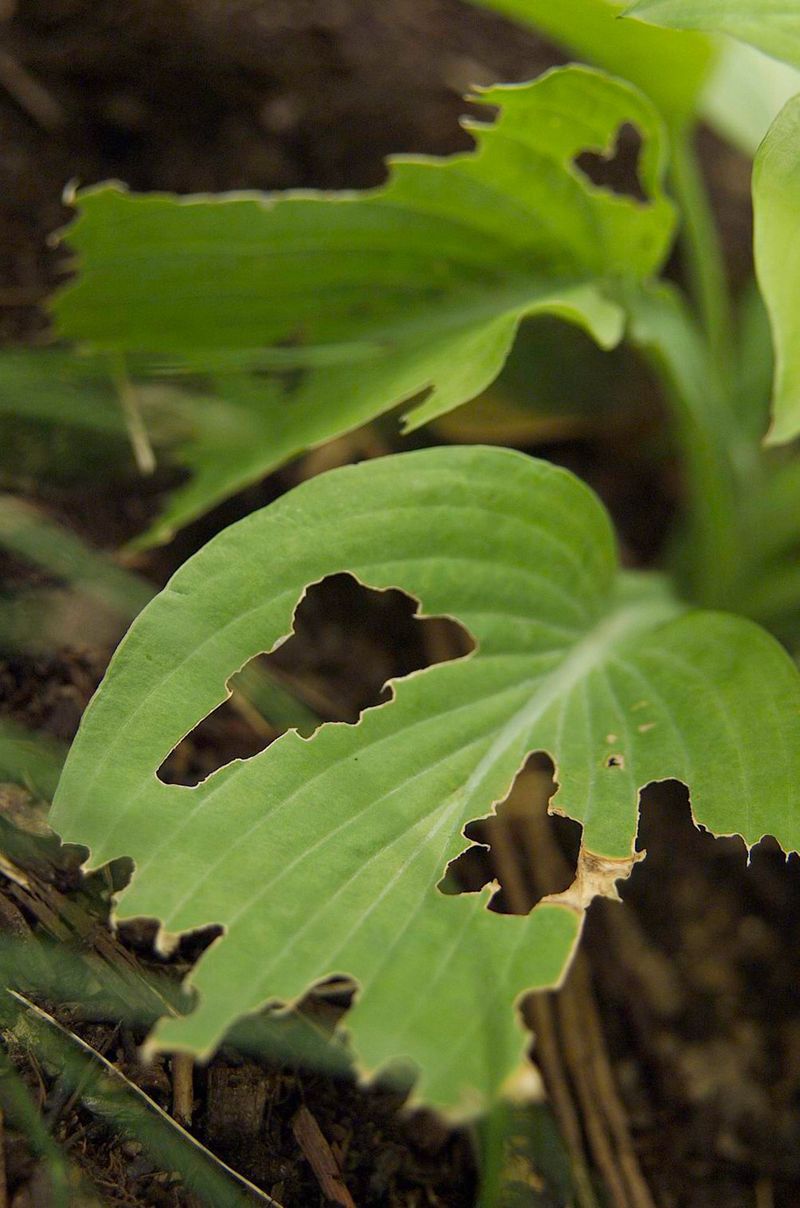
Pests take advantage of the moment gardeners get distracted by cooler mornings.
September suits a close inspection, since problems lingering near the crown carry into spring.
Check leaf undersides and the base of the plant first. Slugs, snails, earwigs, and pill bugs all shelter in damp mulch and shaded debris.
Look for ragged holes, slime trails, and soft spots near the crown. Heat stressed plants sometimes attract opportunistic pests working on weakened tissue.
Equipment stays simple. A flashlight, gloves, and five quiet minutes at dawn or dusk usually reveal plenty.
Removing hiding spots does most of the work. Clear soggy leaves pressed against the crown and any decaying material nearby.
Active pest problems respond to hand picking, simple traps, or iron phosphate baits. Those baits are generally considered safer around pets and wildlife than older metaldehyde products.
Not every damaged leaf indicates insects. Crown rot and fungal leaf spots produce their own signatures, and treatment differs completely.
Poor drainage drives most crown rot. Air flow, careful watering, and light cleanup prevent more than any product cures.
A final walkthrough before lights out is a reasonable way to think about it. Plants entering dormancy clean tend to wake up sturdier.
7. Divide Crowded Hostas At The Right Time
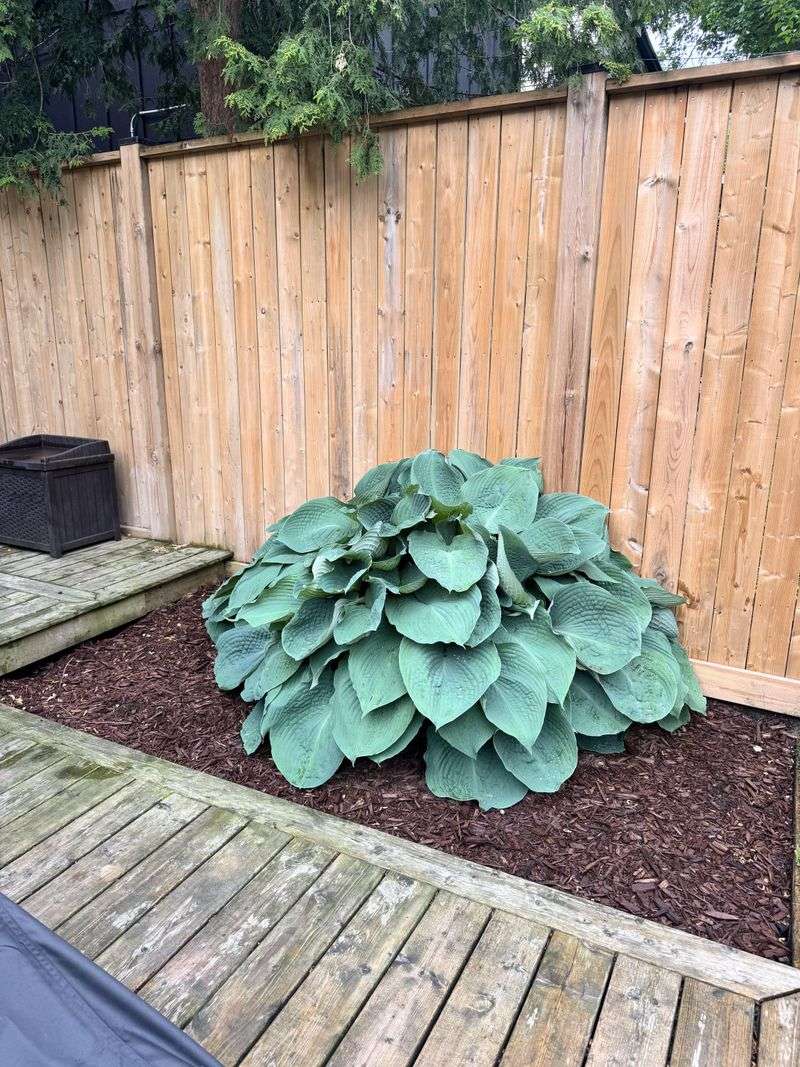
Some hostas eventually look like a large family sharing one small couch.
Sparse centers, shrinking leaves, or a clump outgrowing its space all suggest division. September can work in parts of Texas, particularly once serious heat begins easing.
Pick a mild stretch rather than a scorching week. Cooler mornings reduce stress, and moist soil makes lifting easier.
Water a day ahead if the ground is dry. Then dig wide, lift carefully, and split healthy sections with a sharp knife or spade.
Each division needs roots plus a few growing points. Fewer than that reduces the odds considerably.
Replant quickly at the original depth. Well drained soil, steady moisture, mulch, and afternoon shade all help them settle.
Restraint applies here too. Plants with adequate space, good leaf size, and full form are usually better left until spring.
Texas timing needs closer forecast attention than northern gardens require. Divisions need weeks to root before cold arrives, so very late splitting becomes a gamble.
Spring division is the more conservative choice, particularly in North Texas where cold can arrive early.
When timing cooperates, division rejuvenates the parent and produces plants for new beds or neighbors. Free plants remain one of gardening’s better arrangements.
8. Help Hostas Rest Before Their Winter Break
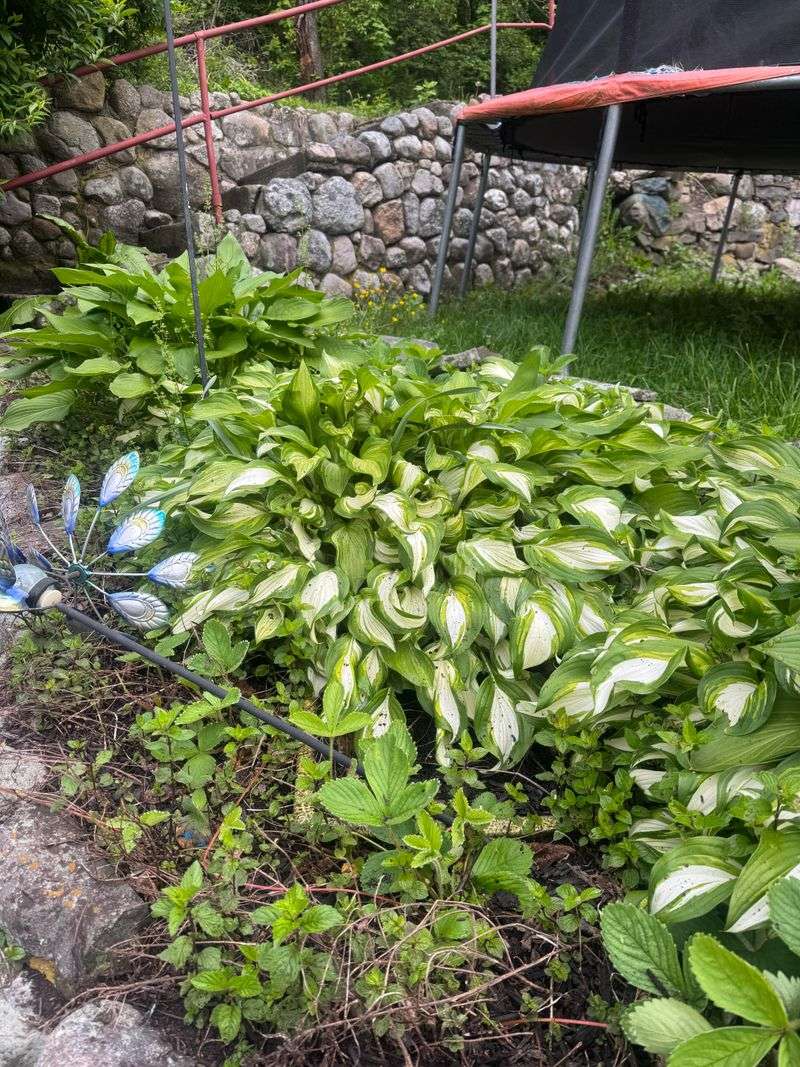
By late September, hostas are ready for a slower pace, which means shifting from active care to gentle support.
Water when the soil genuinely needs it, protect the bed from heat spikes, and leave functional green leaves in place.
Those final weeks of natural slowdown are when roots build the reserves that produce spring growth.
One last check around the crown covers weeds, pest shelter, and mulch piled too high. A clear planting area makes problems visible.
Avoid pushing new growth with fertilizer and avoid handling the plant much once fading begins. Calm transitions suit hostas better than attention.
Early cool snaps deserve no intervention. Yellowing and gradual collapse of older foliage is normal seasonal behavior.
Regional differences are substantial across the state. Warmer areas may keep leaves longer while cooler pockets start resting sooner.
Winter chill is worth understanding here. Hostas need a period of cold dormancy to perform well, and in the mildest parts of Texas they may decline over several years for that reason.
Container plants offer a workaround, since pots can move to a cooler spot for the winter.
The aim stays simple. Healthy roots, moderate moisture, light protection, minimal stress.
Do that much and spring has a fair chance of delivering the return you wanted, which is roughly all a gardener controls anyway.