The Missouri Woodpile Rules That Matter Most In September
There is a moment every September when Missouri air turns crisp at sunrise and sticky again by lunch. That swing is exactly when your firewood stack starts making decisions for you.
Most folks toss logs against the garage, brush off their hands, and forget the pile until the first frost. Meanwhile, tiny visitors are checking in, moisture is settling, and the stack is quietly changing character.
The strange part is that this one habit barely matters in June and hardly registers in February. September sits in the sweet spot, when timing, weather, and hungry critters all overlap.
Get the stack right this month and winter fires light easily, burn hot, and stay clean. Here are the eight rules that decide how it all plays out.
1. Keep The Stack Twenty Feet From The House
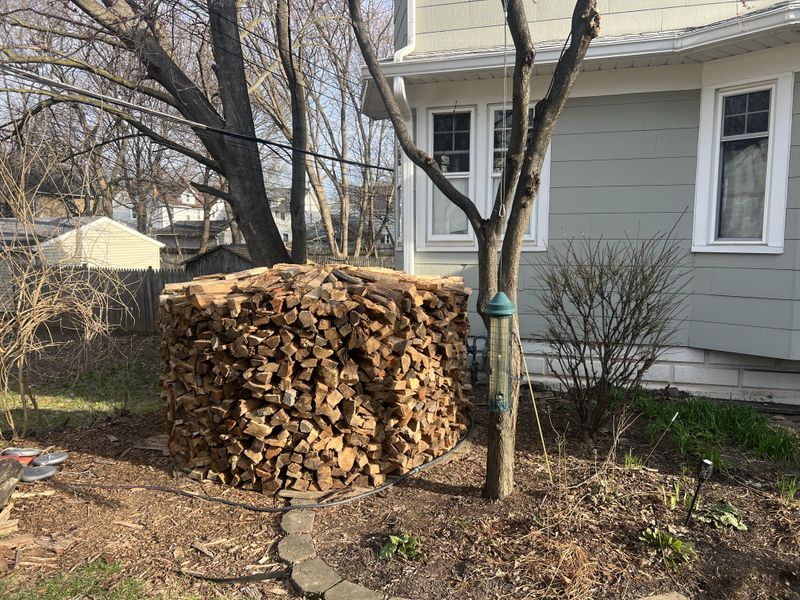
Ask any Missouri pest inspector what makes them wince, and firewood shoved against siding tops the list. Twenty feet of open ground between logs and walls is the heart of the whole rule.
September is when carpenter ants, spiders, and other pests start looking for tight, dry spots to spend the winter. A stack touching your foundation is basically a bridge with a welcome mat.
Missouri sits in a heavy termite belt, especially the eastern and central counties. Eastern subterranean termites travel underground and surface wherever wood meets soil. Once they find the woodpile, your rim joist is only a short trip away.
The twenty-foot gap does not stop insects from living in the wood, and few methods do. What it does is give them no easy path indoors. Bugs that colonize a distant stack tend to stay there.
Distance also helps with fire safety. Sparks from a burn barrel or a dry autumn grass fire have less chance of reaching your siding when the fuel supply sits well away.
If your yard is small, aim for as much space as you can manage and pick the side away from bedrooms and crawl space vents. A gravel or concrete pad underneath adds another layer of protection.
One more tip worth remembering: bring in only what you plan to burn within a day or two. Indoor firewood racks stacked for weeks warm up the hitchhikers inside and encourage them to wander your living room.
2. Split Everything Before The Cool Weather Settles In
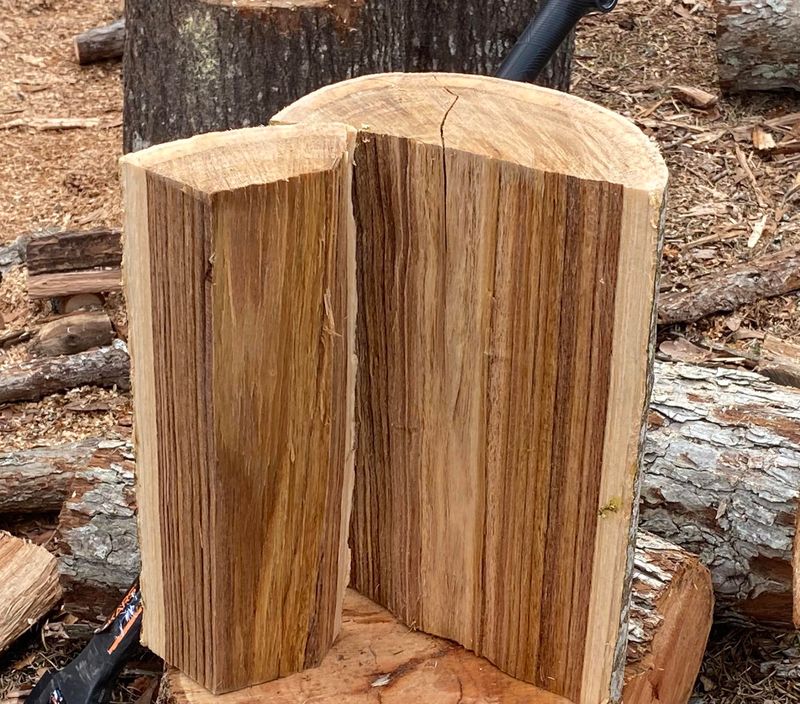
Round logs dry about as fast as a rock. Splitting exposes the inner wood, and that single act cuts drying time dramatically.
September in Missouri still brings warm afternoons and low humidity stretches, which is prime drying weather. Wood split now has a real shot at losing serious moisture before the cold arrives.
Freshly cut oak can sit above fifty percent moisture content. Burning it that wet wastes energy boiling water instead of heating your room, and it coats your chimney with sticky creosote.
Aim for pieces roughly four to six inches across on the wide face. Smaller splits dry faster and light easier, though a few chunky ones are handy for holding an overnight fire.
Your Missouri Garden Changes Every Week. Your Plan Should Too.
Gardening in Missouri changes quickly throughout the season. Every Friday you’ll receive a simple weekly plan showing exactly what to plant, prune, fertilize, harvest, and protect so you never miss the right timing.
Missouri oak and hickory are dense and slow to season, sometimes needing a full year or more. Ash, maple, and cherry move along quicker, so mixing species gives you options while the oak catches up.
Split on a solid block rather than the ground. Your back and your maul edge will both appreciate it, and the wood will not bounce sideways.
A hydraulic splitter earns its keep if you burn several cords a season. Rentals run cheap in September before the October rush hits the equipment yards.
Stack the fresh splits loosely at first so air moves between them. Tight, pretty stacks look great but trap humidity in the middle where it does the most harm.
3. Lift Logs Off The Bare Ground
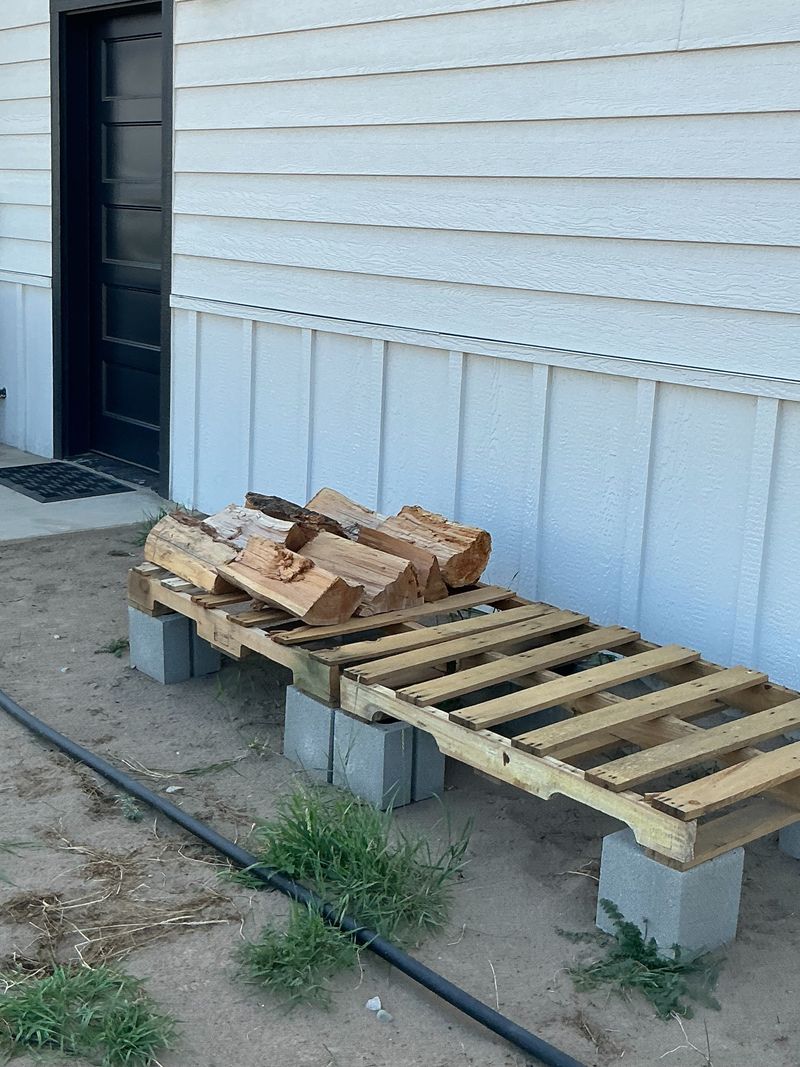
Soil is a sponge, and it will share every drop with the bottom row of your stack. Six inches of air underneath changes the whole equation.
Pallets are the classic fix and often free behind hardware stores or farm supply shops. Two-by-fours laid across concrete blocks work just as well.
Missouri clay soil holds water for days after a September thunderstorm rolls through. Logs resting on that clay wick moisture upward and start growing fungus along the bark.
Ground contact is also the trigger for subterranean termites. They need soil moisture to survive, so wood sitting directly on dirt is an open invitation.
Raising the pile creates airflow underneath, which pulls dampness away from the entire stack rather than just the top. Think of it as a chimney effect for your firewood.
Bottom rows that rot become useless fuel and a crumbly mess to clean up. Losing an entire row of good hickory to punk wood stings when you paid for it.
Skip the tarp on the ground. Plastic underneath traps condensation and makes things worse instead of better.
If you use a metal rack, check that the feet have not sunk into soft ground over the summer. A quick shove of gravel underneath restores the gap.
Do this once in September and the setup holds through the whole burning season without further fuss.
4. Cover The Top And Leave The Sides Wide Open
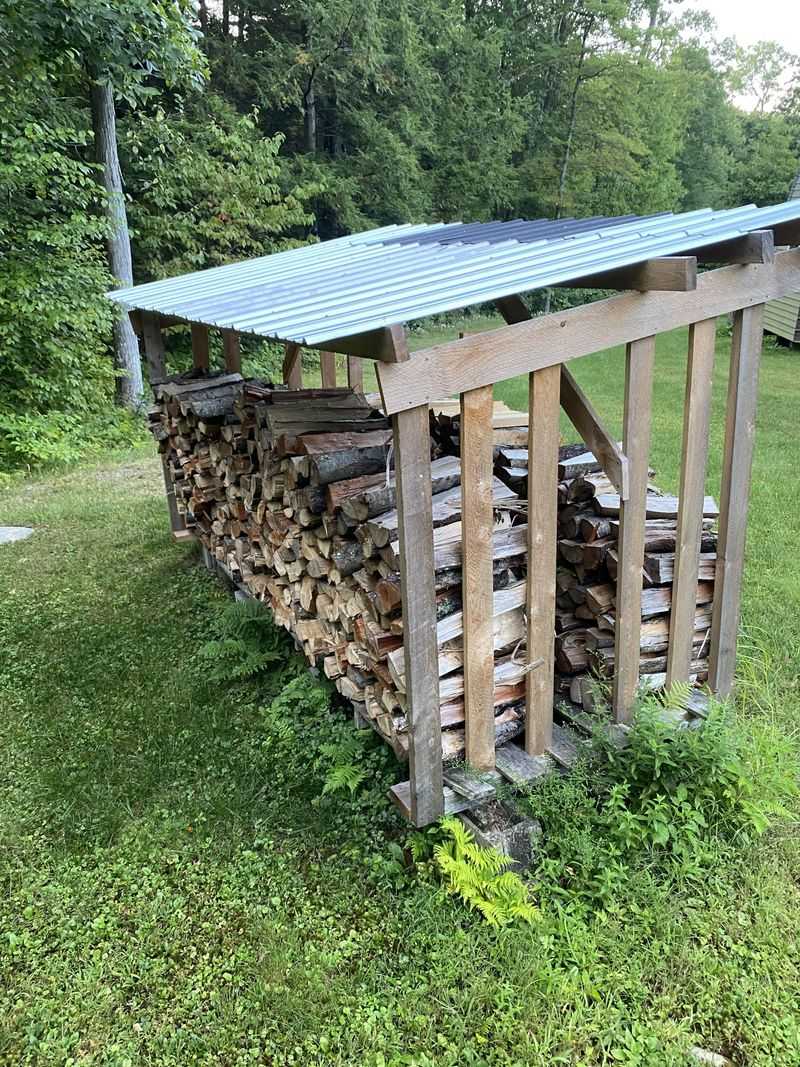
Wrapping a woodpile entirely in plastic is a common backyard mistake. Wood needs a hat, not a raincoat.
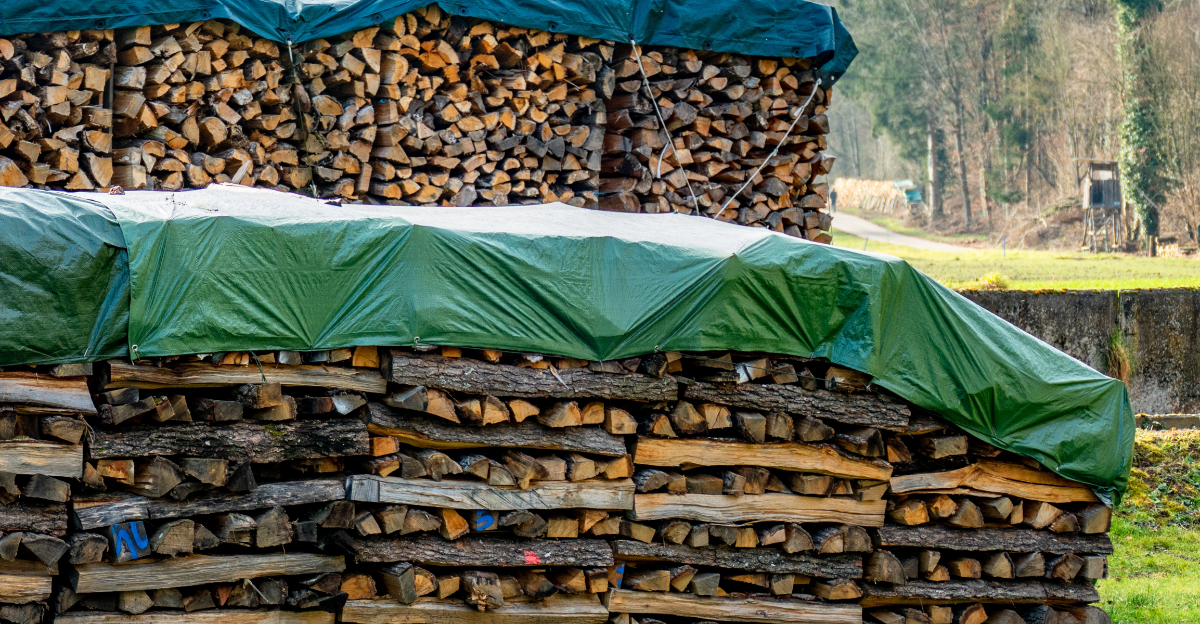
A tarp across the top sheds Missouri’s autumn rain, which can arrive in sudden buckets. Open sides let breezes carry moisture out of the stack.
Sealed tarps trap evaporating water against the logs. The pile sweats, mold blooms, and by December you are hauling in wood that hisses instead of crackles.
Extend the cover about a foot past the top row on each side. Weigh it down with scrap boards or bricks rather than bungee cords that pull the edges down.
Corrugated metal roofing panels make an even better cover than tarps. They last for years, do not flap in wind, and shed water cleanly.
Some folks build a simple slanted roof frame over the stack. It costs a weekend and a few boards but pays off every winter afterward.
Orient the long side of the pile toward whichever direction blocks storms in your yard, since prevailing wind shifts by season across the state.
Check the cover after big storms. A tarp that slid off during a September gust can undo weeks of good drying.
Uncover the pile on sunny, breezy days if you are around to put the tarp back. Direct sun speeds seasoning noticeably.
5. Check For Uninvited Guests Before You Carry Wood Inside
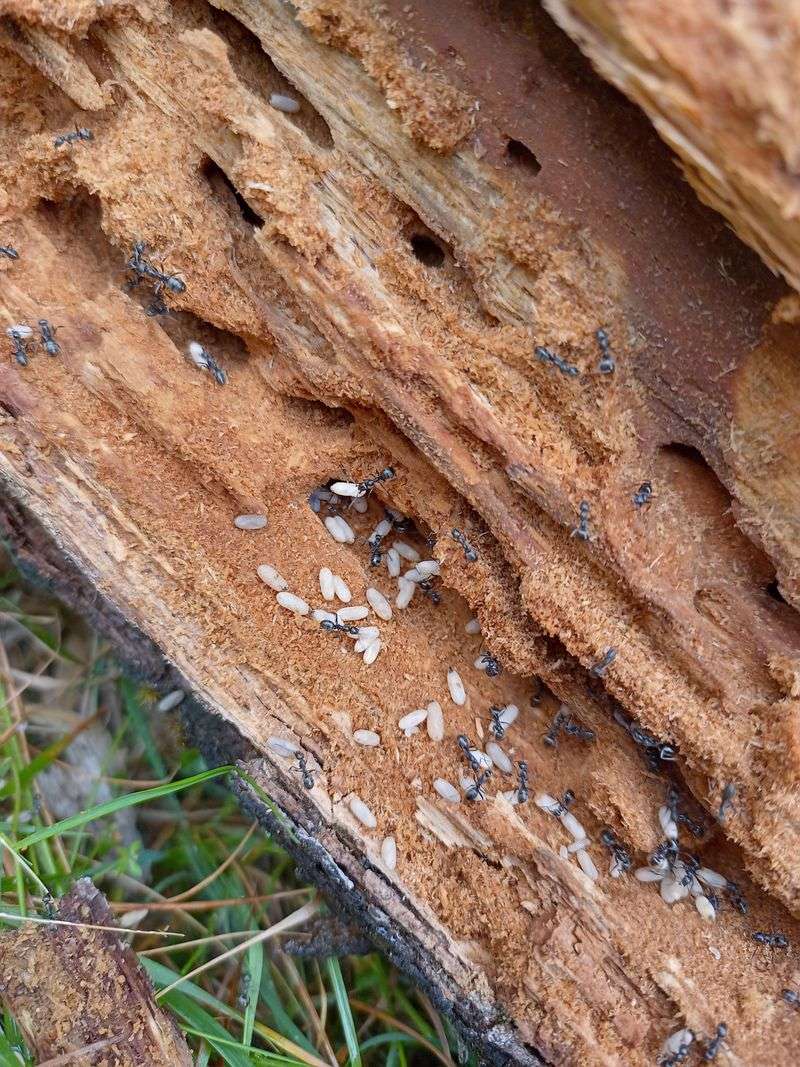
Turn over a log in September and you might meet a brown recluse, a wolf spider, or a colony of ants that has been settling in since August. Gloves make this step much safer.
Missouri woodpiles are famously popular with brown recluse spiders, which favor dark, undisturbed spaces exactly like the gaps between logs.
Give each piece a quick look and a firm knock before it comes indoors. Tapping two logs together shakes loose most crawlers.
Sawdust piles, small round holes, and spongy patches all signal boring insects at work. Those pieces belong in the burn stack, not the living room rack.
Snakes occasionally shelter in woodpiles too, especially in rural counties. Most Missouri species are harmless, but a slow approach beats a surprise every time.
Skip the insecticide spray on firewood. Treated wood releases nasty fumes when burned, and the chemicals rarely reach deep enough to matter.
Rotating your stack helps. Burning the oldest wood first means fewer logs sit long enough to become established housing.
Mice also love woodpiles once nights cool off. Keeping grass trimmed around the base removes the cover they need to feel safe.
A short inspection routine takes maybe thirty seconds per armload. That small habit keeps your house from becoming an accidental insect hotel come November.
Store indoor wood in a metal rack away from carpet and upholstery for extra peace of mind.
6. Test Moisture Instead Of Guessing
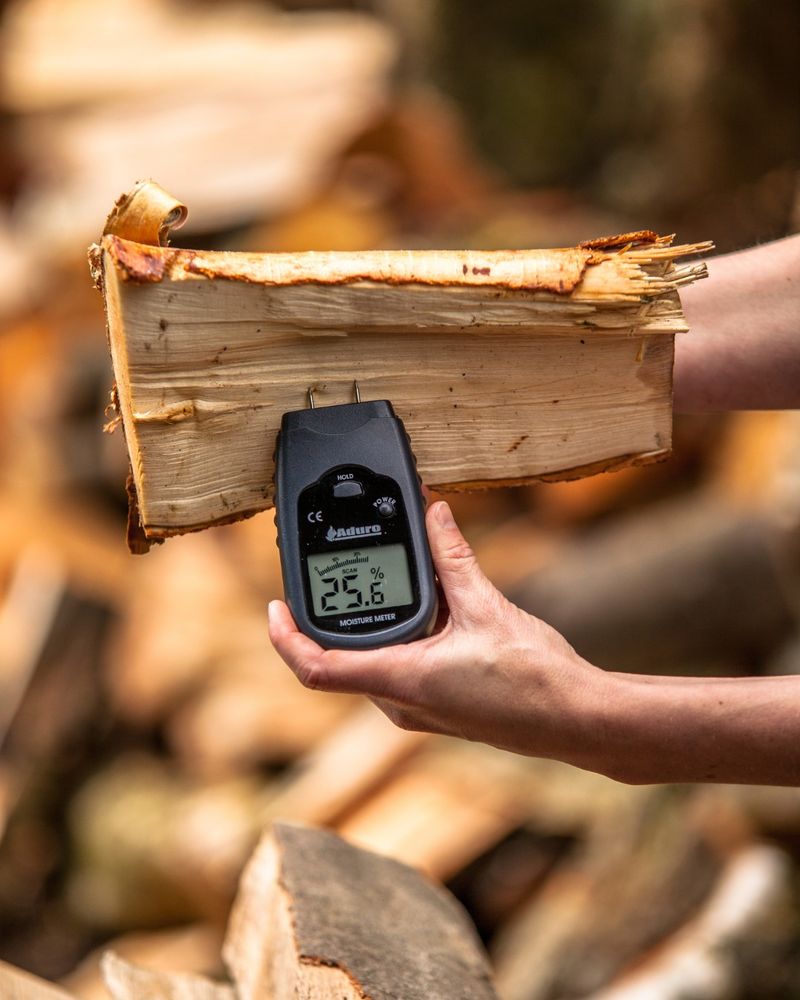
Twenty percent is the magic number, and a low-cost meter tells you the truth in three seconds. Guessing by weight and color fools even experienced burners.
September is the checkpoint month. Test now and you still have time to react before heating season begins in earnest.
Split a piece open and press the probes into the fresh inner face. Testing the outside gives a falsely dry reading because surfaces dry first.
Wood above twenty-five percent moisture produces weak heat, heavy smoke, and creosote buildup that raises chimney fire risk.
There are old-fashioned signs too. Seasoned wood has cracks radiating from the center, gray weathered ends, and a hollow clack when two pieces are knocked together.
Green wood feels heavy, sounds dull, and may hiss or bubble at the cut ends when it burns.
If your September test comes back high, restack in a sunnier and windier spot with wider gaps. You can still gain ground during warm October afternoons.
Buying wood advertised as seasoned? Meter it before you pay. Missouri sellers vary widely in what they mean by that word, and some cut it only weeks earlier.
Keep a small amount of truly dry kindling separate in a covered bin. Nothing rescues a stubborn fire faster than genuinely dry starter pieces.
Testing turns firewood from a hopeful guess into something you can count on.
7. Respect Missouri Rules About Moving Firewood
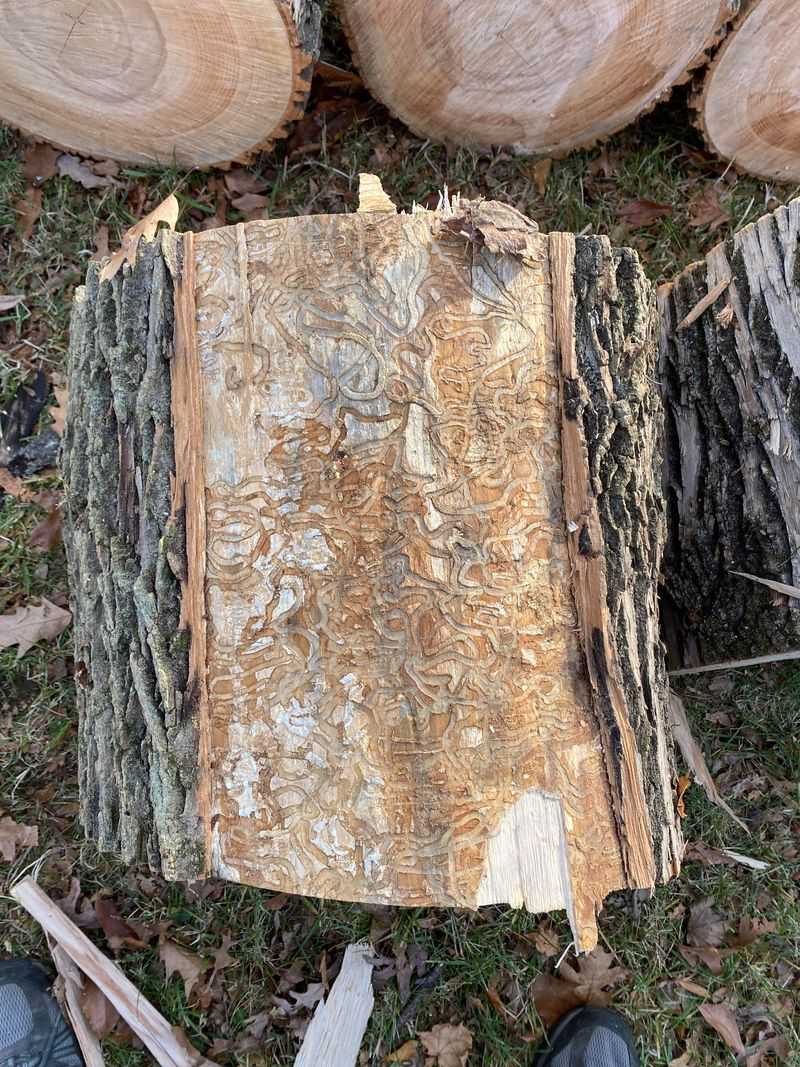
Here is the part that catches people off guard: hauling firewood across county lines can spread pests that harm entire forests.
Emerald ash borer has spread through much of Missouri, largely riding along in transported firewood. Larvae tucked under bark travel easily in a truck bed.
The general guidance is to buy or cut wood within ten miles of where you will burn it. Fifty miles is considered the outer limit.
Campers heading to Missouri state parks should buy bundles locally or on site. Many parks post signs about this for good reason.
Heat-treated bundles carry a certification stamp and are safe to transport. Those are the ones sold at gas stations and camp stores.
Beyond ash borer, walnut twig beetle and thousand cankers disease are also risks Missouri foresters are watching closely for black walnut trees. Both spread through moved wood.
If you already have wood from far away, burn it promptly rather than storing it for years. Long storage gives insects time to emerge and establish.
September matters here because it is when many people stock up for winter and when campground trips peak before cold weather.
Local sourcing usually saves money anyway. Missouri has plenty of oak, hickory, and ash available close to home in most regions.
Following this piece protects trees you may never see, which feels like a decent trade for a small change in shopping habits.
8. Keep A Short-Term Supply Separate From The Main Stack
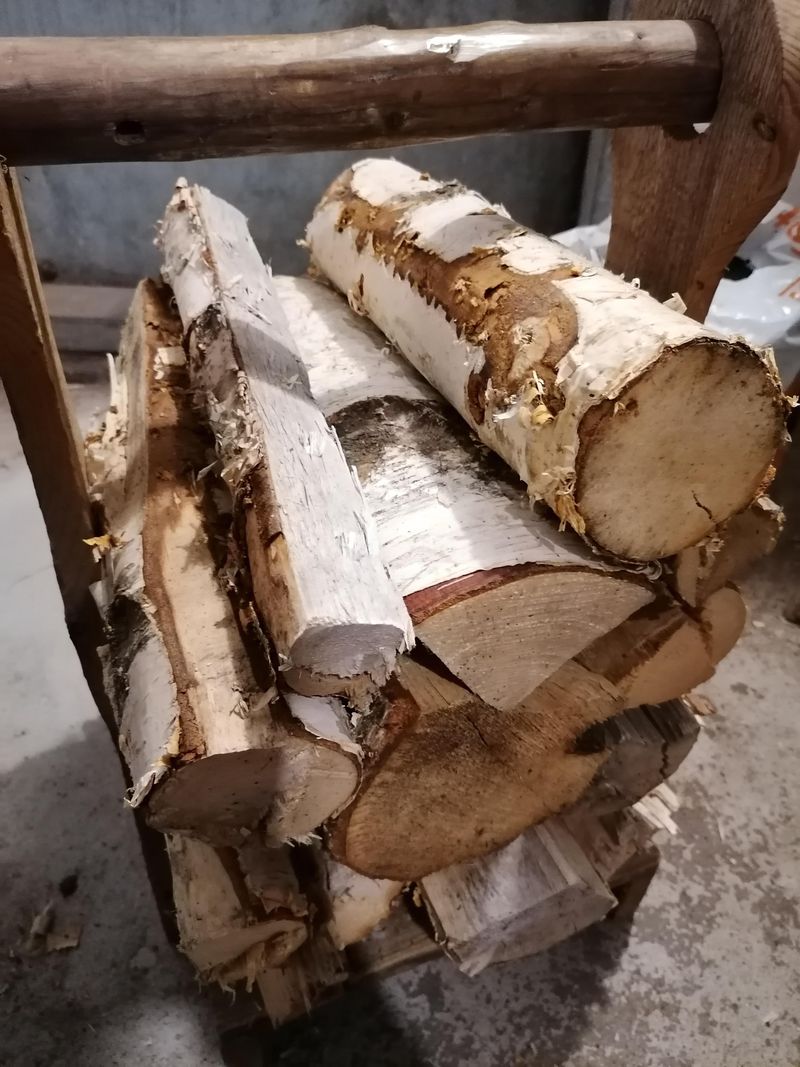
Not every armload needs to come from the far side of the yard. A small secondary stack near the back door, refreshed every few days, cuts down on trips.
Keep this short-term supply modest, enough for two or three nights of burning. Wood that lingers near the house for weeks defeats the point of the main pile’s distance.
Pick a spot on concrete or a covered porch rather than bare soil or mulch. A raised rack or metal bin keeps this smaller stash easy to check.
Restock in daylight so you can see what you are handling. Give each piece the same knock-and-look check used on the main pile.
A carport overhang works well here since this supply moves fast and needs less protection. Skip stacking it directly against siding, since the goal is convenience, not storage.
Early autumn humidity swings mean a forgotten porch stack can pick up moisture almost as fast as one left in the open. Treat it as a rotating few days of fuel, not a second woodshed.
Choose smaller splits for this stash than what goes in the main pile. Thinner pieces catch faster and make evening fires easier to start without extra kindling.
Swap this supply from the newest fully dry wood as the season moves along, rather than the first logs split back in September. A quick moisture check before restocking keeps damp pieces out of the mix.