What The End Of Georgia’s 11-Month Drought Means For Your Garden Now
After eleven long, brutal months, rain has finally returned to Georgia, and rivers are rising again. Gardeners across the state are stepping outside with cautious relief, wondering what comes next.
Soil doesn’t bounce back the moment the sky opens up. Roots stressed for months need a careful, specific kind of attention right now, not just water.
Georgia’s yards took a real beating during this historic dry spell. Vegetable patches, flower beds, mature trees, none of them recover the same way, and treating them all alike could undo any progress the rain just gave you.
Statewide Drought Conditions Have Officially Lifted
The rain finally came. After eleven months of cracked earth and wilting plants, Georgia’s drought emergency has officially ended across most of the state.
This is welcome news for anyone with a garden. Prolonged dry spells do not just stress plants temporarily; they reshape much of your yard’s ecosystem.
Soil structure changes. Beneficial microbes decline. Earthworm populations shrink dramatically during extended dryness.
Now that moisture is returning, that underground world is slowly waking back up. You might notice your lawn looking patchy or your shrubs still looking rough even after several good rains.
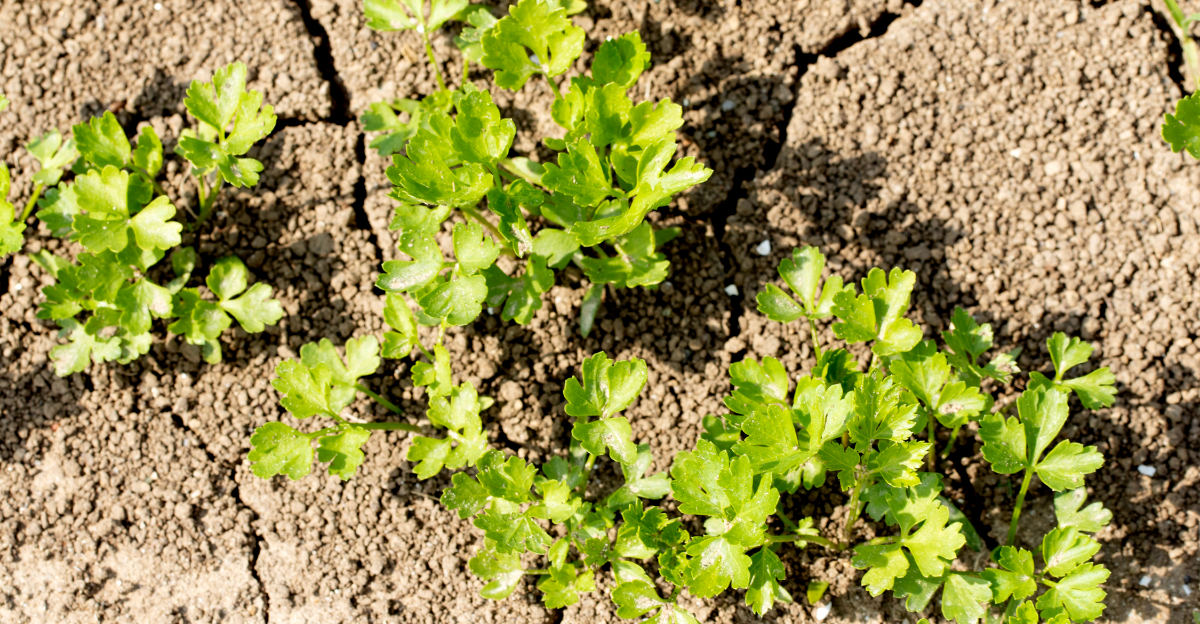
That is a normal part of the process. Recovery takes time, and the first rains after a drought often run off instead of soaking in, because the soil has become almost hydrophobic.
Think of dry soil like a dry sponge left on the counter for too long. Water beads right off at first before it finally absorbs.
The National Weather Service confirmed the drought designation lifted after sustained rainfall across multiple regions. Some areas saw a dramatic shift in rainfall totals compared to months of near-zero precipitation.
Your plants are ready to respond, but they need your help to do it right. Pay attention, stay engaged, and your garden will reward you.
Not Every County Is Fully In The Clear Yet
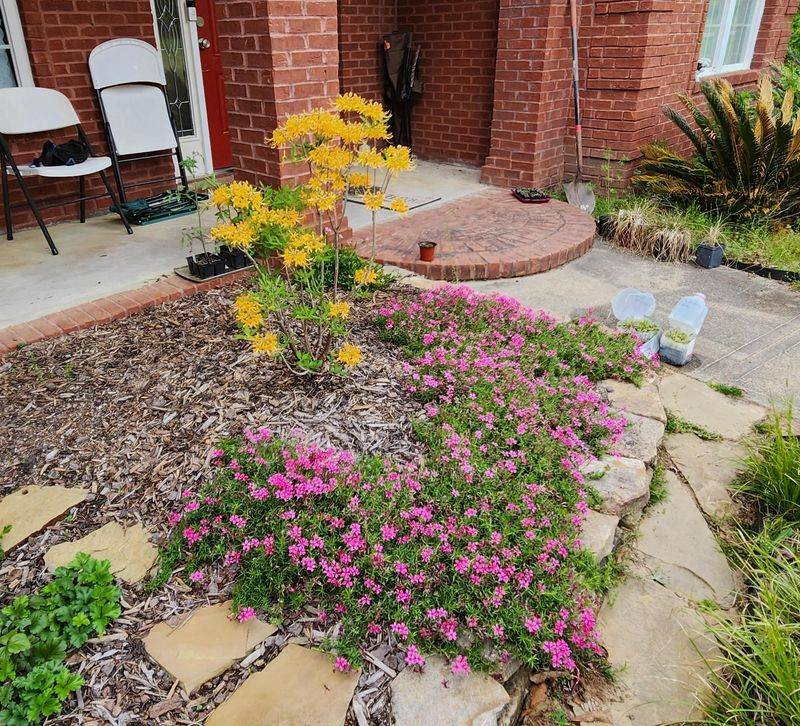
Not so fast. Just because the statewide drought declaration lifted does not mean every corner of the state got equal rainfall.
Georgia’s geography is famously varied. The northern mountains, the Piedmont plateau, and the coastal plains all receive moisture differently.
Some counties saw only partial improvement. Their soil moisture levels remain below normal, even after recent rains moved through.
If you live in one of those areas, your garden plan should still lean conservative. Do not assume you can stop supplemental watering entirely just yet.
Check the U.S. Drought Monitor website regularly. It updates every Thursday and shows county-by-county conditions using a color-coded map that is easy to read.
Your local county extension office is also a fantastic resource. They often send out soil moisture updates and gardening advisories specific to your area.
Plants in partially recovered zones will need more support than those in fully saturated regions. Think of it like recovering from an illness; some patients bounce back fast, others need extra time.
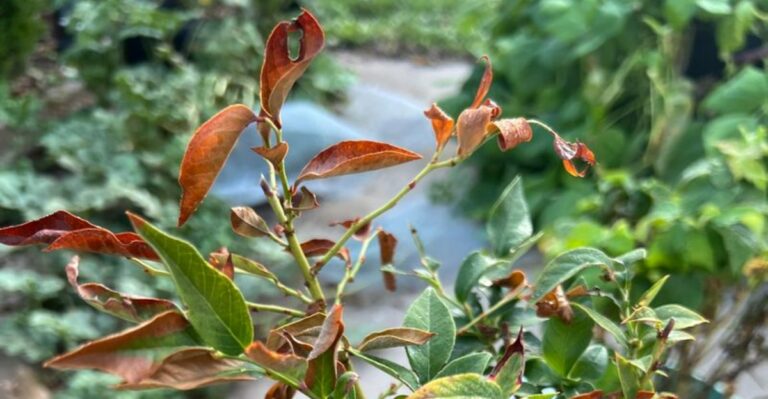
Fruit trees and perennials in drier counties may still show stress symptoms like leaf curl or premature drop. Those signs do not always mean the plant is beyond saving.
Your Georgia Garden Changes Every Week. Your Plan Should Too.
Gardening in Georgia changes quickly throughout the season. Every Friday you’ll receive a simple weekly plan showing exactly what to plant, prune, fertilize, harvest, and protect so you never miss the right timing.
Patience matters here just as much as rainfall does. Keep monitoring your specific county’s conditions before changing your watering habits. Recovery timelines will look very different depending on your exact location.
Months Of Dry Soil Took A Toll On Roots
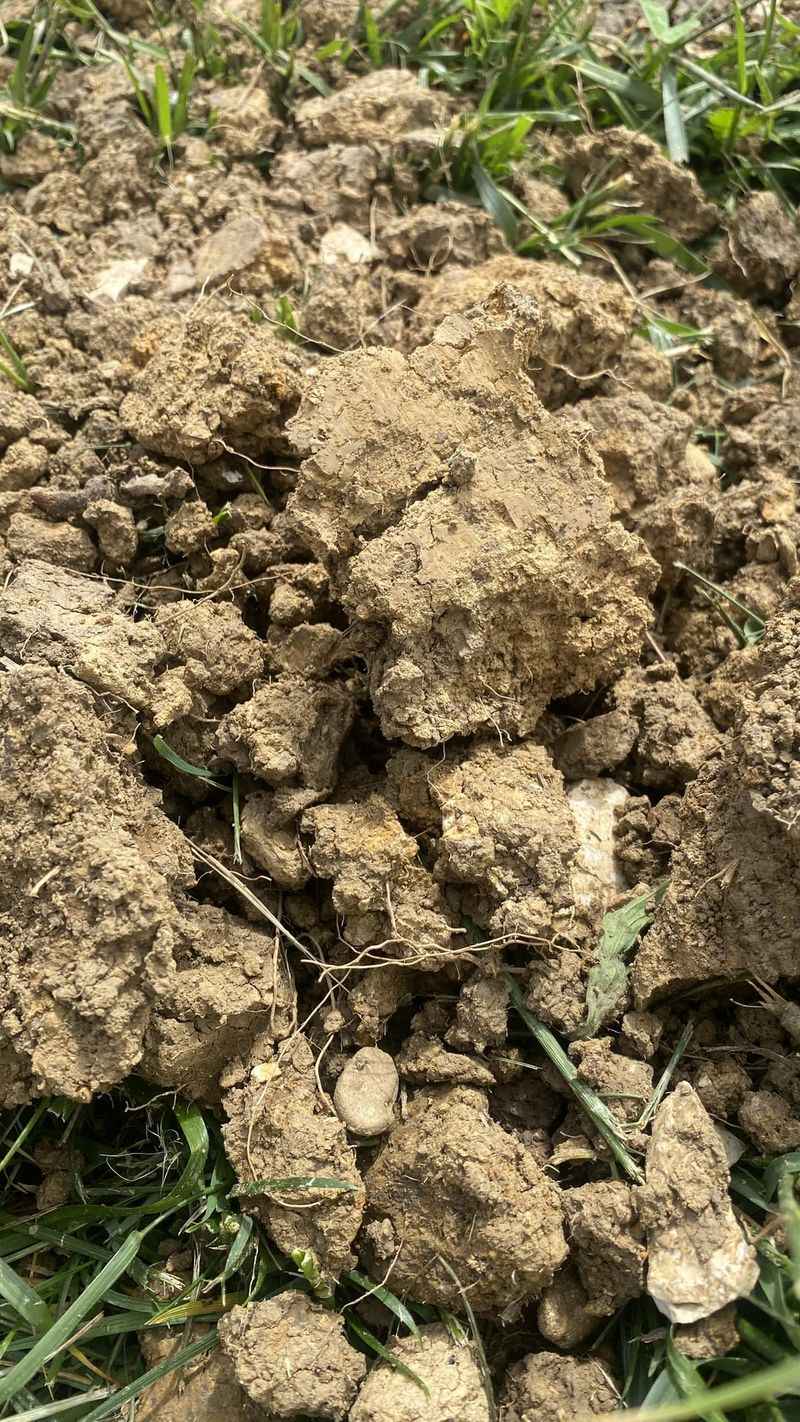
Roots suffered quietly while the rest of the garden looked rough on the surface. Underground, the story was even harder.
When soil dries out for months, roots stop growing outward. They contract, become brittle, and lose their ability to absorb nutrients efficiently.
Even plants that looked alive during the drought may have compromised root systems right now. A green plant above ground does not always mean a healthy plant below it.
Clay soils, which cover much of central Georgia, are especially brutal during dry spells. They crack deeply, sometimes severing fine feeder roots that plants depend on for water uptake.
Sandy soils in the southern part of the state drain fast, so those roots experienced extreme dryness even faster. Neither soil type gave roots an easy time this past year.
Now that moisture is returning, roots will begin to regenerate. You can help this process by adding a two-inch layer of compost around your plants.
Compost improves soil structure, feeds microbial life, and helps moisture penetrate more evenly. Do not pile it against the stem or trunk, though, because that traps moisture in the wrong place.
Avoid fertilizing heavily right now. Stressed roots cannot handle a sudden nutrient rush, and it can actually cause more harm than good.
Give the root zone time to stabilize before pushing growth. A gentle, slow-release fertilizer in four to six weeks is a smarter move than a quick fix today.
Easing Back Into A Normal Watering Routine
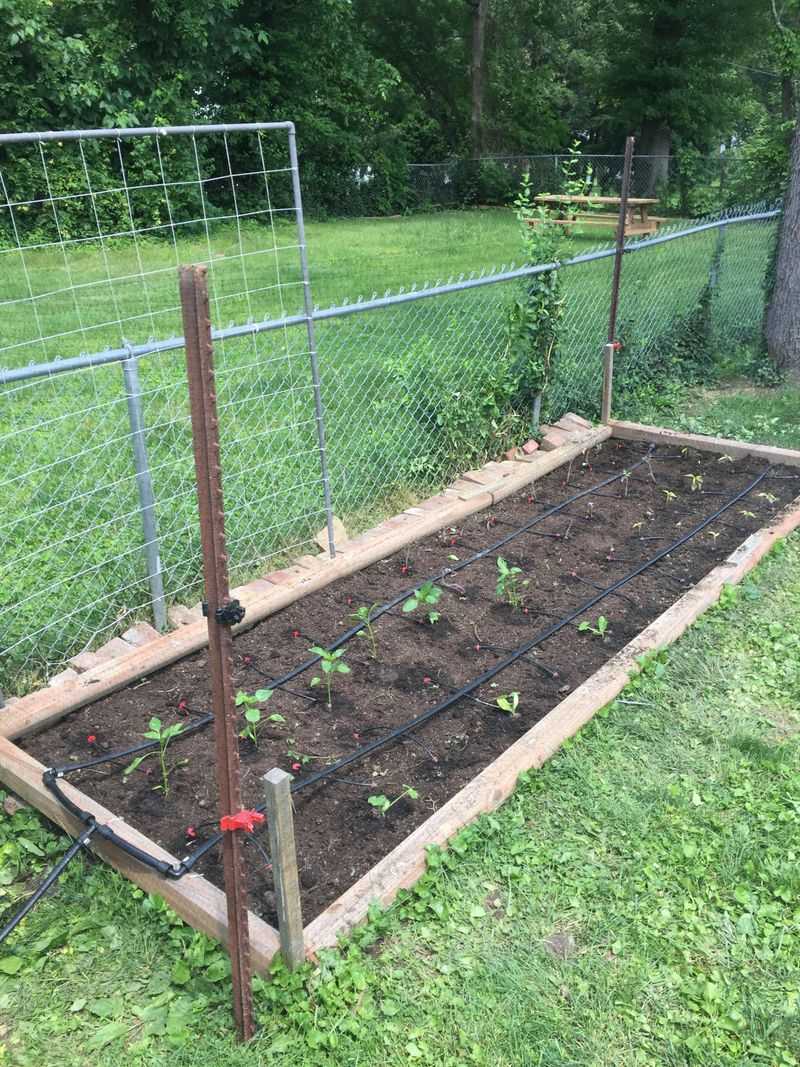
Put down the hose for just a second. After months of hand-watering stressed plants, it can feel strange to suddenly hold back.
But overwatering right after a drought breaks is one of the most common mistakes gardeners make. Roots that adapted to dry conditions can actually be harmed by sudden flooding.
Start by checking the soil before watering anything. Stick your finger two inches into the ground; if it feels moist, skip the watering session that day.
Rain-soaked soil needs time to drain before you add more. Soggy roots are just as stressed as dry ones, and root rot can set in surprisingly fast.
Gradually reduce your supplemental watering schedule over two to three weeks. Let the natural rainfall take over the heavy lifting while you step back and observe.
Drip irrigation or soaker hoses work especially well during this transition. They deliver water slowly at the root level, mimicking natural rain absorption much better than a sprinkler.
Early morning is still the best time to water if you need to supplement. Wet leaves overnight invite fungal problems, which are already more likely after a drought-to-wet transition.
Keep a simple watering journal for a few weeks. Jot down rainfall amounts, soil checks, and how your plants are responding so you can adjust your routine with confidence.
Your garden thrived before the drought, and it can thrive again. Consistent, mindful watering is the bridge that gets you there.
Signs Your Plants Are Recovering Versus Struggling
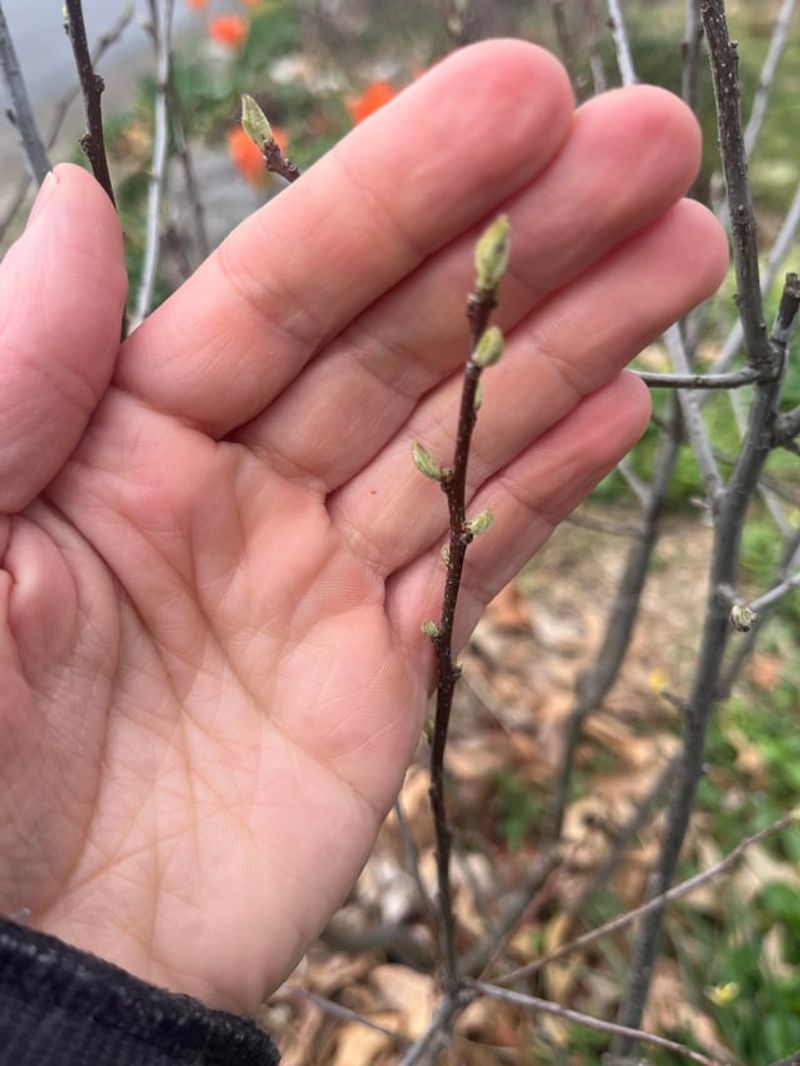
New leaves are a strong sign of progress right now. When a plant pushes out fresh growth after a drought, it is telling you it has enough energy to move forward.
Look for small, bright green buds at the branch tips. Those tiny signs of life mean the root system is functioning and pulling in water successfully again.
Recovering plants also tend to perk up noticeably after a good rain. Leaves that were drooping or curling will often regain their normal shape within a day or two.
Struggling plants send different signals. Yellowing leaves that drop off, stems that feel hollow or snap easily, and bark that looks shriveled are all warning signs worth paying attention to.
Scratch the bark on a woody plant lightly with your fingernail. If you see green underneath, the plant is likely alive and working to recover.
If you see brown or tan tissue with no moisture, that branch may be lost. Prune it back to where you find green, and let the plant redirect its energy.
Perennials are often more resilient than they appear. Many will look completely dry above ground but still have viable crowns just below the soil surface.
Give them a few more weeks before writing them off entirely. Patience here pays off more often than gardeners expect.
Reading your plants honestly, and responding to what they actually need, is where recovery really begins.
Long-Term Care After A Historic Dry Spell
One good rainy season will not undo eleven months of stress overnight. Long-term recovery requires a thoughtful, season-long approach to rebuilding your garden’s health.
Mulch is one of your most powerful tools right now. A three-inch layer of wood chips or shredded bark over your beds will hold moisture, regulate soil temperature, and slowly feed the soil as it breaks down.
Focus on rebuilding organic matter in your soil over the next several months. Compost, aged manure, and leaf mold all help restore the microbial activity that drought conditions destroy.
Consider installing a rain barrel or two before the next dry stretch arrives. Capturing roof runoff gives you a free, sustainable water source for future dry periods.
Re-evaluate which plants are in the right spot in your yard. A plant that barely survived this drought in full sun might thrive in a spot with afternoon shade instead.
Fall is actually the ideal time to replant or move struggling specimens in Georgia. Cooler temperatures and seasonal rains give roots time to establish before summer heat returns.
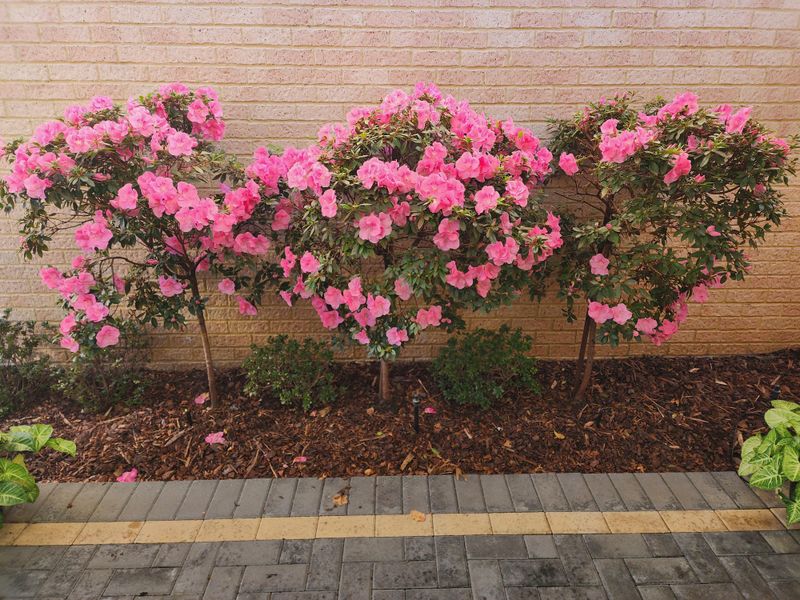
Add drought-tolerant native plants to your landscape gradually. Species like native azaleas, muhly grass, and inkberry holly are built for Georgia’s climate swings.
Schedule a soil test through your county extension office this season. Knowing your exact nutrient and pH levels helps you make smarter decisions going forward.
This moment is a genuine fresh start, and this time, you can build something even stronger.