What The Flood Watch Really Means For Your Florida Garden Beds This Week
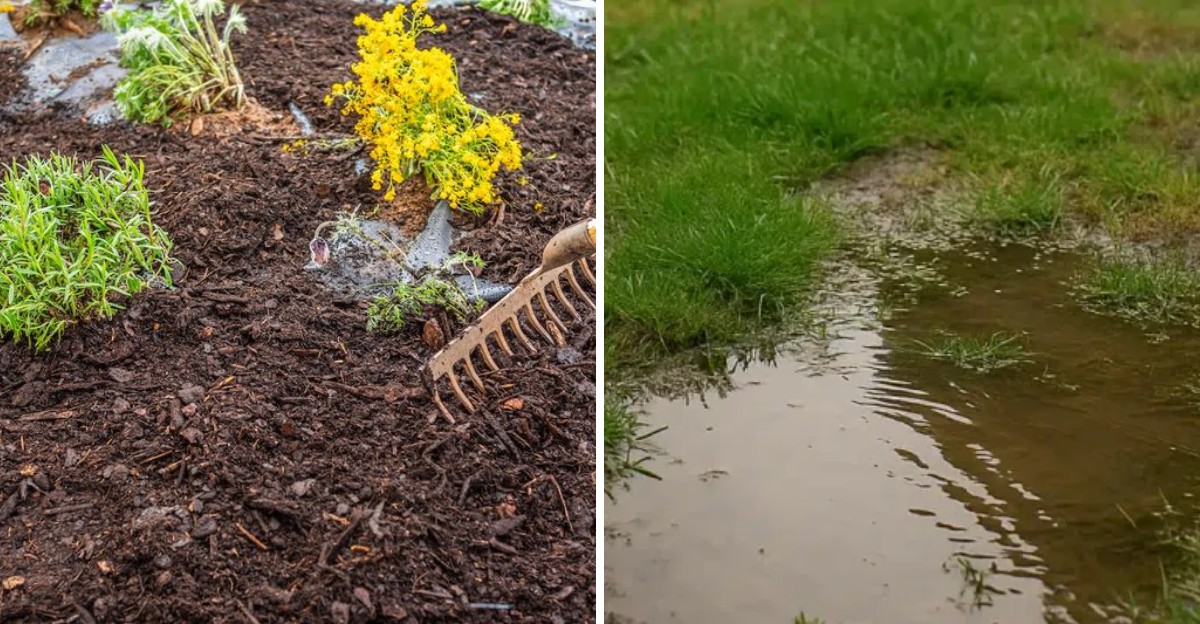
A flood watch does not mean a flood is coming. It means the ingredients for flooding are lining up, and forecasters want you paying attention before the water shows up.
I find that small difference fascinating. A warning means trouble is happening or about to happen.
A watch is more like the weather service tapping you on the shoulder and pointing at the sky.
Here in Florida, our sandy soil fools a lot of gardeners. It drinks fast, yet a high water table can fill it from below in a hurry.
Roots sitting in that soggy layer can start gasping for air within a day or two.
I’ll defend this to the end: twenty minutes of prep beats three weeks of nursing sulking plants back to health. You have a short window right now to make smart moves.
You’re going to love how few jobs actually matter before the clouds roll in.
Soggy Garden Soil Hides A Problem Under The Surface
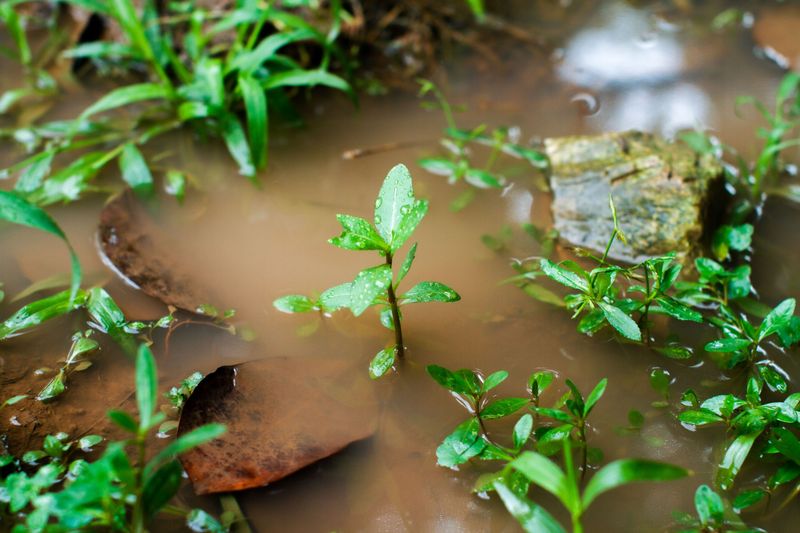
Roots breathe, and that surprises plenty of new gardeners. Tiny air pockets between soil grains hold the oxygen roots need to make energy and pull in water and nutrients.
When heavy rain fills every one of those pockets, the oxygen supply drops fast. UF/IFAS experts note that many plants start showing stress after just a day or two in saturated soil.
Some tender vegetables and herbs struggle even sooner.
The strange part is how the damage looks. Plants sitting in wet soil often wilt as if they are thirsty.
Damaged roots simply cannot move water up to the leaves, so the plant droops while standing in a puddle.
Other clues show up a bit later. Watch for yellowing lower leaves, stunted new growth, and a sour smell from the soil.
That odor often points to root rot getting started.
So the real meaning of a flood watch for your beds is not about plants floating away. It is about how long water sits around the roots.
Shorter soaking time means healthier plants, and nearly every tip in this guide comes back to that simple idea.
Keep that in mind as you prep, and you will know which chores deserve your attention first.
Switch Off The Sprinkler Timer Before The Rain Starts
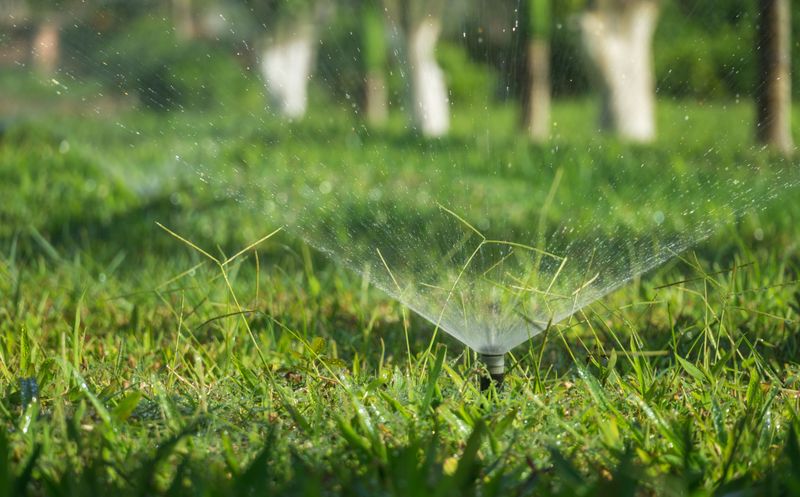
Easily the quickest win of the week takes about ten seconds. Head to your irrigation controller and turn it off or set it to rain mode.
I have watched sprinklers happily spray lawns during a downpour more times than I can count. Every extra gallon goes straight into soil that is already struggling to drain.
It also wastes water and money.
Many Florida counties already require rain sensors on automatic systems, and state law has required them on new systems for years. Sensors can fail, though, especially older ones clogged with debris.
Do not trust it blindly when a big rain is in the forecast.
After the storm passes, resist turning the system back on right away. Push a finger or a trowel a few inches into the soil.
If it still feels damp, wait a few more days.
Sandy beds may dry within a couple of days, while low spots and heavier soils can stay wet much longer. Check each zone separately rather than guessing.
Once things dry out, watering once or twice a week is often plenty during cooler months. Your plants will thank you for the patience, and your water bill will too.
Move Potted Plants Up And Out Of Low Spots
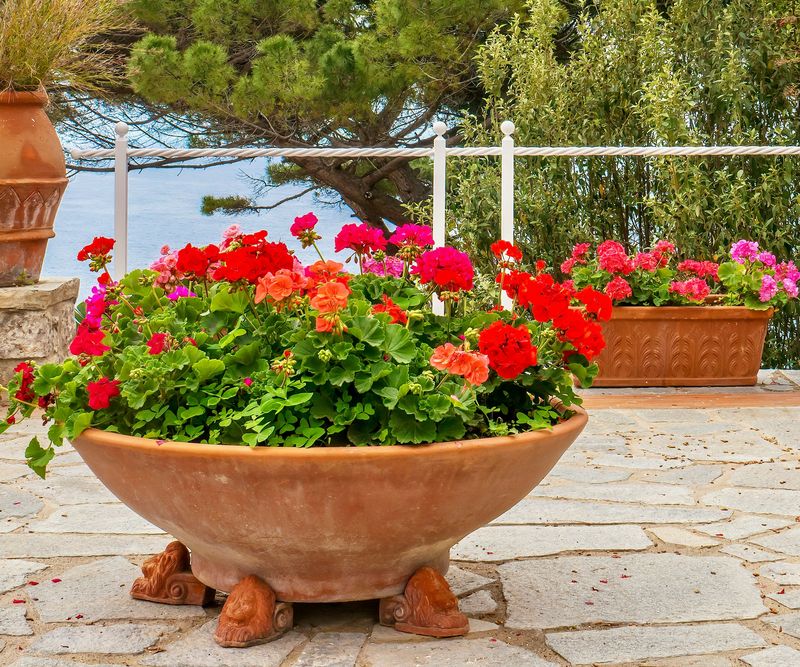
Containers are the easiest part of the garden to rescue, so give them attention early. A pot sitting in a puddle turns into a bathtub for roots.
Start with lightweight pots. Slide them under a porch roof, carport, or lanai where they still get some light but avoid the worst of the rain.
Seedlings and herbs especially appreciate the shelter.
Heavier pots need a different plan. Lift them onto pot feet, bricks, or overturned saucers so water can escape from the drainage holes.
Remove any saucers underneath, since those trap water and keep the soil soaked.
Wind often tags along with Florida rain. Grouping big containers together against a wall helps them brace each other and reduces tipping.
Tall plants can be laid on their sides if strong gusts are expected.
Check those drainage holes while you are at it. Roots, mulch, and old soil can clog them over time, and a quick poke with a stick clears things up.
One quick bonus tip stands out. Empty any containers holding standing water after the storm, because mosquitoes can breed in it within about a week.
Your evenings outside will be much more pleasant.
Redirect Those Roof Downspouts Away From Flower Beds
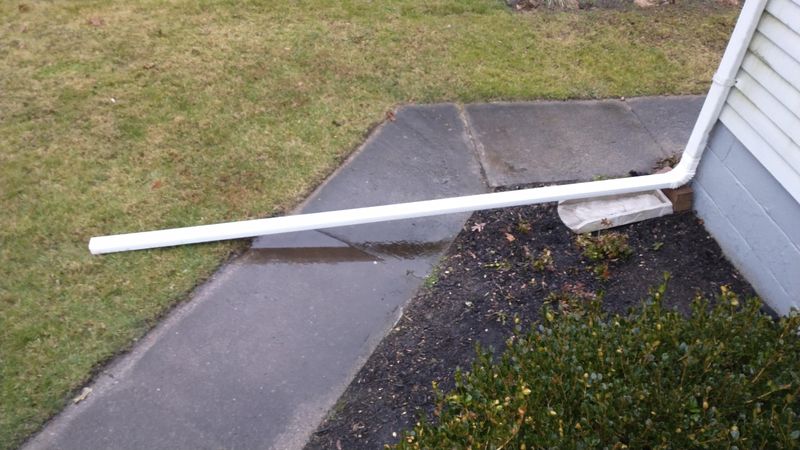
Roofs collect a shocking amount of water. An inch of rain on a 1,000 square foot roof sheds roughly 600 gallons, and all of it rushes toward a few downspouts.
If a downspout empties straight into a planting bed, that bed gets flooded long before the rest of the yard. I learned this the hard way with a row of salvia that never stood a chance.
Walk around your house today and look at where each downspout ends. Add an inexpensive extension or splash block to carry water several feet away from beds and the foundation.
Point it toward the lawn, a rain garden, or a spot that drains well.
Clean gutters help too. Leaves and debris can make gutters overflow along their whole length, dumping water right onto shrubs below.
Clearing them is a quick job if it is safe to reach.
Rain barrels are another option, but they fill quickly in big storms. Make sure the overflow outlet also points away from your plants.
These little fixes cost very little yet protect beds year after year. Think of it as giving the water a clear path somewhere less precious.
Spot The Puddles That Linger In Your Yard
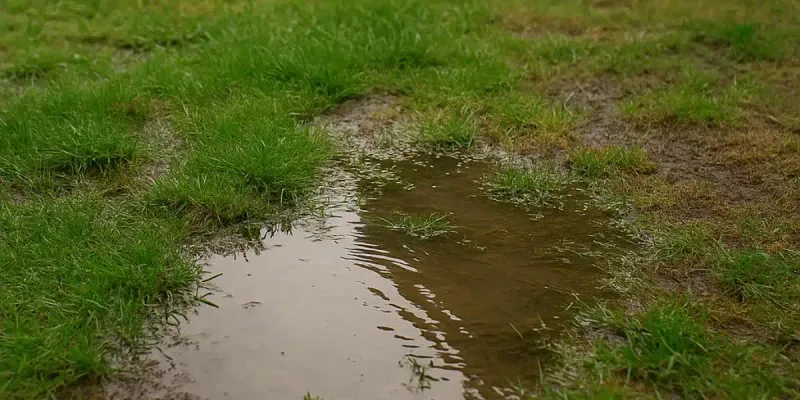
Grab a cup of coffee and take a walk while it rains, or right afterward. Your yard will show you exactly where water likes to hang out.
Puddles that vanish within a few hours are usually fine. Water still sitting after a full day points to a drainage problem worth fixing later.
Snap a few photos on your phone so you remember the spots.
Low areas often form near patios, fences, and along property lines. Compacted soil from foot traffic or mowers can also slow drainage, even in sandy parts of the state.
During the flood watch itself, avoid heavy digging. Wet soil is easily damaged, and you could create bigger messes.
Instead, gently clear any blocked swales or drains so water has room to move.
Once things dry out, use your notes to plan smarter. Gentle grading, a shallow swale, or a rain garden filled with plants that tolerate wet feet can turn a trouble spot into a feature.
Native choices like blue flag iris, swamp milkweed, and Florida’s own muhly grass handle seasonal wetness well. Your county extension office can help match plants to your exact conditions.
A Thick Mulch Layer Keeps Garden Soil From Washing Away
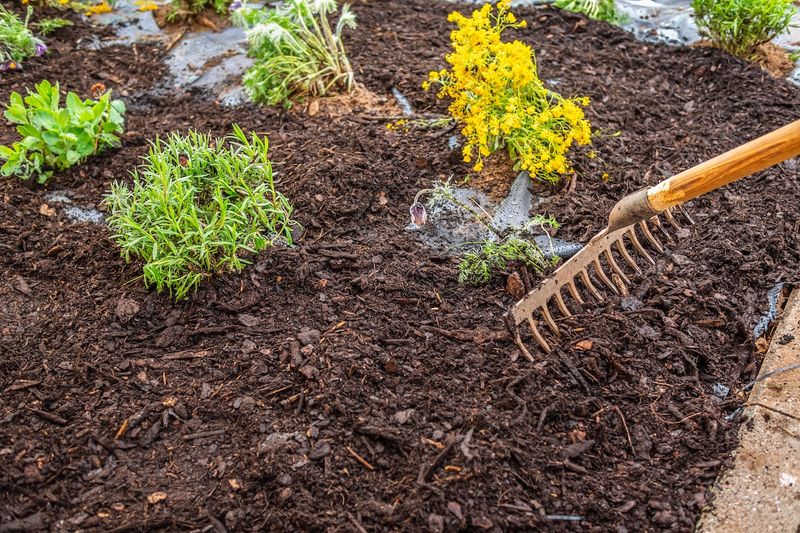
Raindrops hit harder than they look. Each one smacks bare soil, breaking it apart and splashing mud onto leaves.
Mulch acts like a cushion. UF/IFAS recommends a layer about two to three inches deep for most landscape beds.
It slows runoff, reduces erosion, and keeps soil from forming a hard crust.
Splashing mud matters more than you might expect. Many fungal and bacterial diseases live in the soil and hitch a ride onto lower leaves with each droplet.
Tomatoes and peppers are frequent victims.
Choose your mulch wisely in flood-prone spots. Light materials like pine straw or shredded leaves can float off in fast water.
Pine bark nuggets can also drift, so chunkier or shredded types tend to stay put better.
Keep mulch a few inches away from stems and tree trunks. Piling it up against bark traps moisture and invites rot, especially during a soggy week.
After the storm, rake any displaced mulch back into place. Top off thin areas once the soil dries out.
Florida gardeners favor recycled options like eucalyptus or melaleuca mulch, which are sustainable choices that avoid harvesting cypress from wetlands.
Raised Beds And Compost Give Roots A Fighting Chance
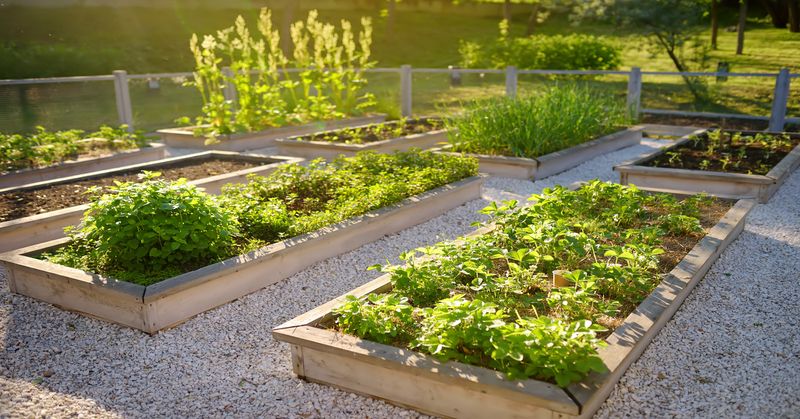
Lifting plants a few inches off the ground can make a world of difference. Raised beds sit above the soggiest layer, so roots stay drier when the yard turns into a sponge.
Many Florida neighborhoods have a high water table. After days of rain, groundwater can rise close to the surface.
Even eight to twelve inches of height gives vegetables like lettuce and kale a safer zone to grow.
Soil quality matters just as much as height. Mixing in well-aged compost improves structure, helping water drain while still holding moisture for later.
Sandy soils benefit hugely, since compost adds the organic matter they naturally lack.
You cannot build new beds before this week’s rain, of course. Instead, use the flood watch as a planning moment.
Note which beds struggled and consider raising them this fall or winter.
Cool season happens to be prime vegetable time across most of the state. Building beds now lets you plant broccoli, carrots, and greens on schedule.
One caution stands out. Avoid adding lots of fresh manure right before heavy rain, since nutrients wash away quickly and can pollute nearby waterways and springs.
Check Leaves For Fungus Spots Once The Sun Returns
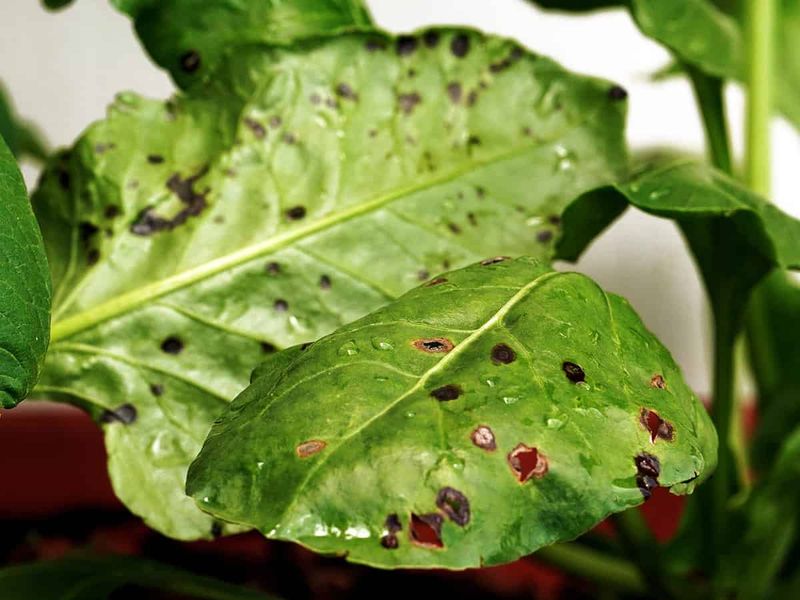
Sunshine after a soaking feels like a reward. Still, warm and wet conditions are exactly what fungal diseases love, so your follow-up matters.
Over the next week or two, look closely at leaves. Brown or black spots, powdery coatings, and mushy stems are common signs.
Pick off badly affected leaves and toss them in the trash rather than the compost pile.
Stay off wet beds for a few days. Walking on saturated soil squeezes out air spaces and leads to compaction, which slows drainage the next time it rains.
Hold the fertilizer for now. Stressed roots cannot use it well, and much of it will simply wash away.
Some Florida counties and cities also restrict fertilizer use during certain months, so check your local rules.
Coastal gardeners have one extra task. If storm surge or salty spray reached your yard, rinse foliage and flush beds with fresh water to reduce salt damage.
Plants that look rough often bounce back with time. Give them a couple of weeks before deciding anything needs replacing.
Patience, a watchful eye, and a few smart steps are honestly the best tools any gardener can own.