8 Habits Of Highly Successful Pennsylvania Gardeners
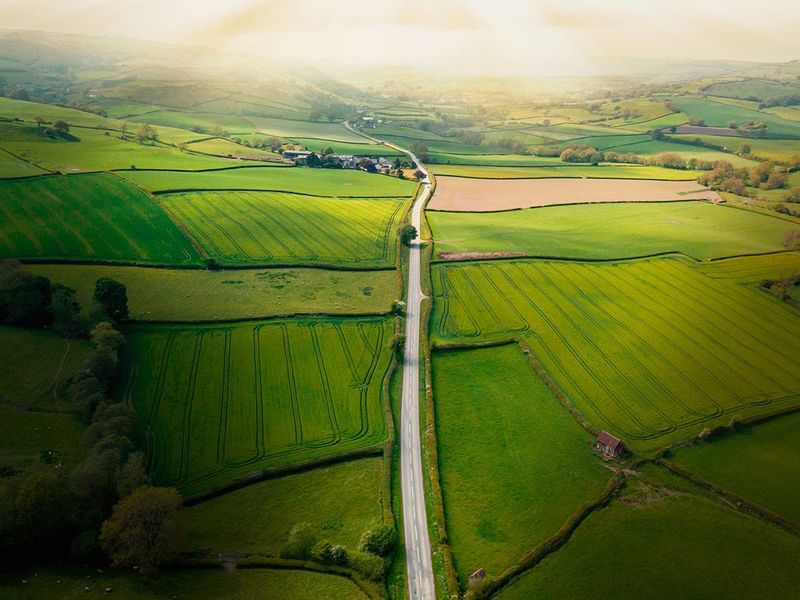
Gardeners in Philadelphia often set out tomatoes weeks before folks in the snowy northern mountains dare to try. Pennsylvania stretches across USDA hardiness zones 5b to 7b, so one state can feel like several gardens.
Some growers here harvest crisp lettuce long after the first frost, while their neighbors pack up in September. The difference rarely comes down to luck or pricey gadgets that promise miracles on late night shopping channels.
I have to admit, my own early gardens were full of wilted seedlings and stubborn, rocky clay. Watching seasoned Pennsylvania growers taught me that small, steady routines matter far more than big weekend projects.
You might notice that the best gardens in your neighborhood share a few quiet habits behind the scenes. Which of these sneaky routines is already happening in your yard, and which one could change everything next spring?
1. Checking The Hardiness Zone Map Before Buying Plants
My first hydrangea sulked for two winters before I realized it was rated for a warmer zone than mine. That one plant tag taught me more about local weather than any glossy catalog ever could.
The 2023 USDA map places this state between zones 5b and 7b, depending on elevation and distance from cities. Winter lows in zone 5b can sink to minus twenty, while zone 7b rarely drops below five degrees.
Successful growers type their zip code into the USDA website before they ever fall for a pretty nursery bloom. Then they match each plant tag to that number, picking choices rated for their zone or even colder.
Frost dates matter just as much, because a late May chill can flatten basil planted a little too early. Southeastern counties often see the last frost in late April, while northern hills may wait until late May.
I like how careful gardeners also study the small climates hiding inside their own yards and along their houses. A brick wall facing south holds heat, so tender herbs there may grow happily a week or two sooner.
Low spots behind sheds can trap cold air on calm nights, so frost often settles there first each fall. Keep tender plants away from those chilly pockets and give them the warmer, breezier ground near the house instead.
You will waste less money when every plant you buy can handle your winters without special pampering. A quick look at the map before shopping turns guesswork into smart, confident choices that last for many years.
2. Sending A Soil Sample To Penn State Extension
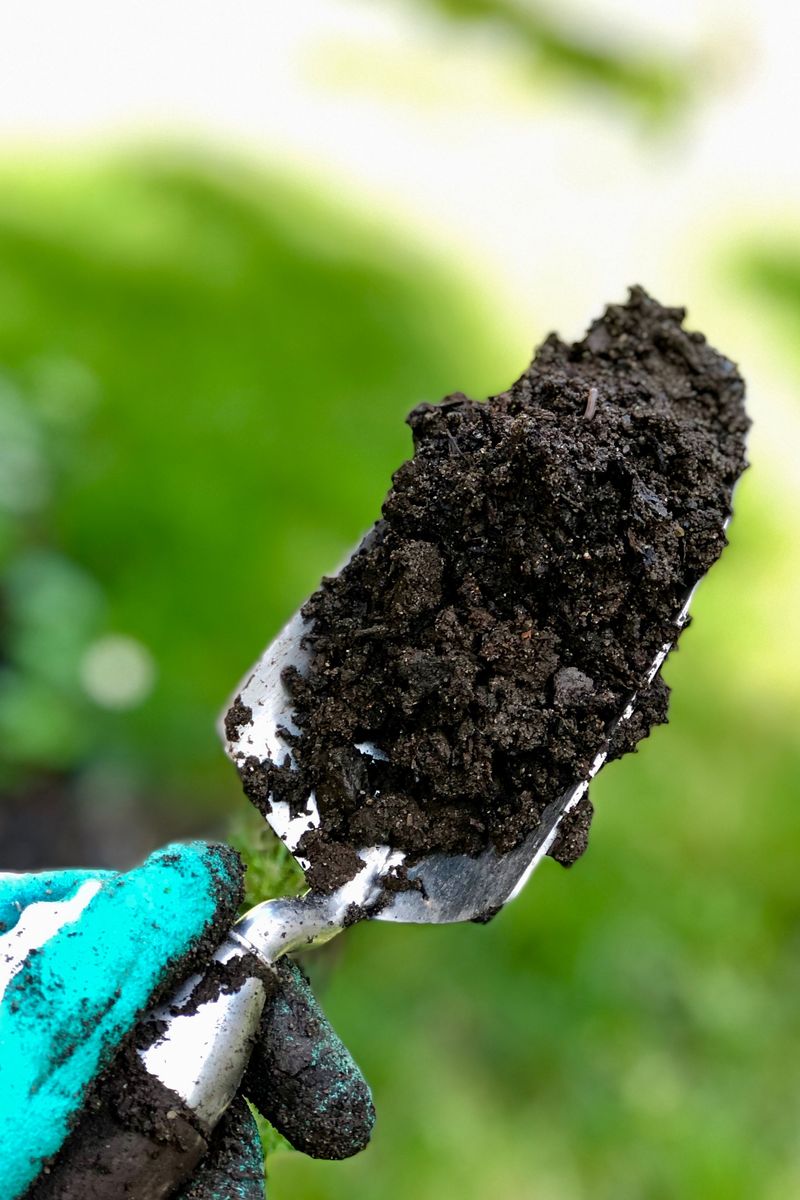
A small bag of dirt mailed to a university lab might be the smartest gardening purchase you ever make. Penn State Extension sells soil test kits that measure pH and key nutrients like phosphorus and potassium for home gardens.
Many yards across the state lean acidic, especially in wooded areas, while others sit closer to neutral levels. Without a test, you might add lime or fertilizer that your soil does not need at all.
I believe guessing is the most expensive habit a gardener can have, both for wallets and for local streams. Extra phosphorus can wash into waterways during heavy rain, feeding algae blooms that harm fish and other aquatic life.
To take a good sample, collect small scoops from ten or more spots across the bed with a clean trowel. Mix them in a bucket, let the soil air dry, and send the amount the kit requests to the lab.
Results arrive with clear suggestions, telling you how much lime, sulfur, or fertilizer to add for your chosen plants. Blueberries want acidic soil around pH 4.5 to 5.5, while most vegetables prefer something between 6.0 and 7.0.
Most experts suggest testing every three years or so, or sooner if plants show yellow leaves or weak growth. Fall is a handy time because lime added then has months to work before spring planting begins.
Personally, I keep my old reports in a folder so I can watch the numbers improve over time. Seeing pH creep toward the target range feels a little like getting a good report card from my garden.
3. Spreading Shredded Bark Mulch Around Garden Beds
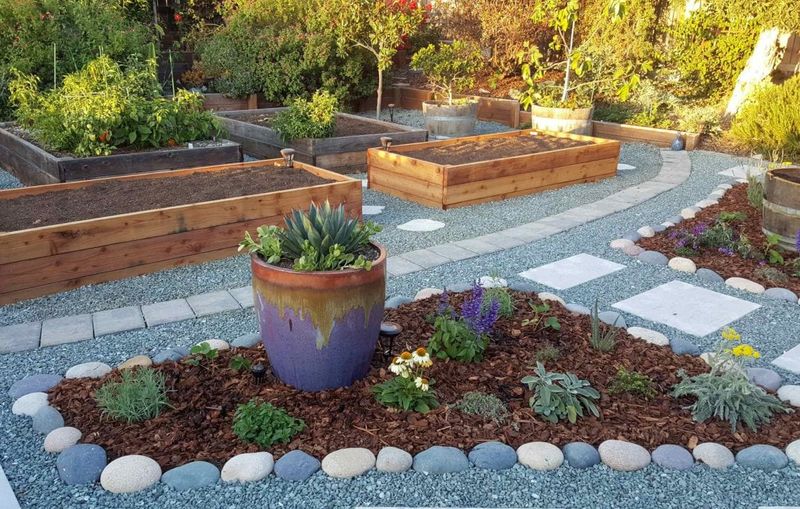
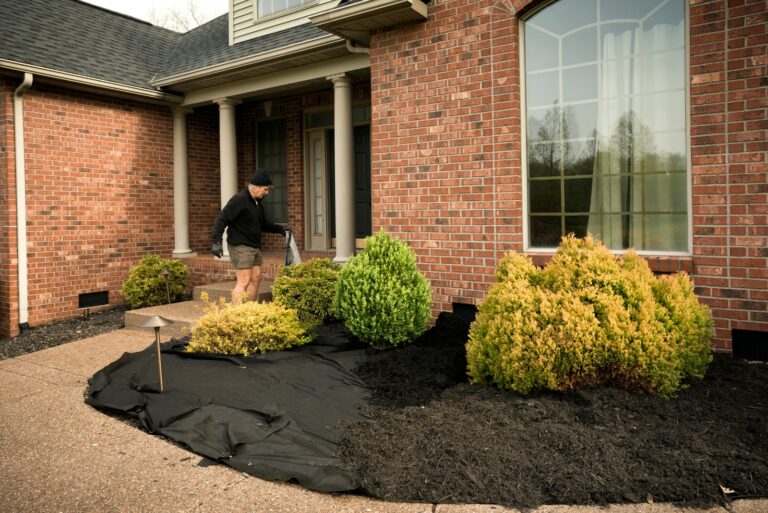
Fresh shredded bark has an earthy, woodsy smell that tells me spring cleanup is finally finished for another year. Successful gardeners treat mulch as a working blanket for the soil, not just a pretty brown finishing touch.
A layer about two to three inches deep slows evaporation, so beds stay moist through humid July heat waves. Fewer weed seeds sprout under that cover, which means far less kneeling and pulling on hot summer afternoons.
Organic mulches like shredded leaves, bark, or pine needles break down slowly and feed the soil as they go. Earthworms and helpful microbes move in underneath, gradually turning hard ground into crumbly, dark soil that roots love.
You need to watch out for one common mistake that shows up in parking lots and front yards everywhere. Mulch piled high against tree trunks, often called volcano mulching, traps moisture and invites rot and hungry rodents.
Pull mulch back a few inches from trunks and stems so the bark can breathe and stay dry. A doughnut shape around each tree looks tidy and protects the roots without smothering the base of the plant.
In winter, mulch helps reduce frost heaving, when freezing and thawing soil pushes young perennials right out of the ground. Adding a fresh layer after the ground cools in late fall keeps roots steady through those wild temperature swings.
Shredded fall leaves make wonderful free mulch, and your trees hand them over every single autumn without charge. I run mine over with the mower first, since whole leaves can mat down and block water from soaking in.
4. Planting Native Black-Eyed Susans And Bee Balm
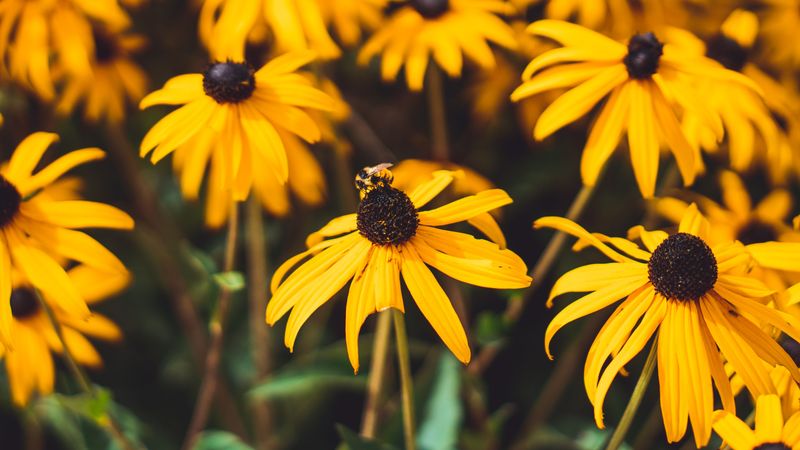
A single patch of black-eyed Susans can buzz with so many bees that it sounds like a tiny highway. Native plants like Rudbeckia hirta evolved alongside local insects, so they fit right into the backyard food web.
The state Department of Conservation and Natural Resources counts roughly 2,100 native plant species growing across Pennsylvania. Many of them shrug off local winters and heavy clay soils with surprisingly little extra care from you.
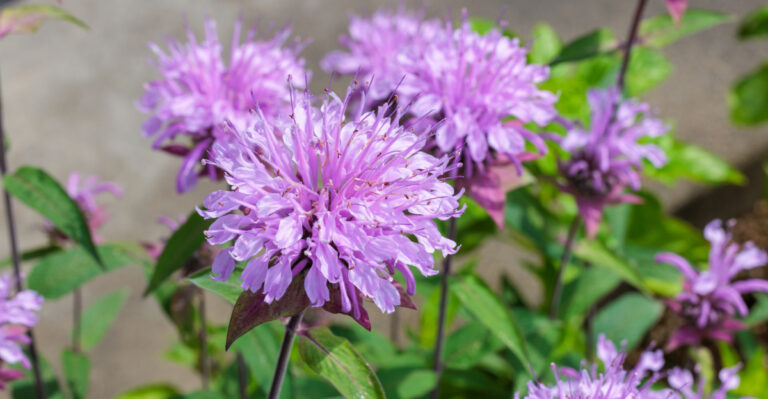
Bee balm, or Monarda didyma, offers scarlet blooms that ruby-throated hummingbirds visit eagerly through the middle of summer. Butterfly weed, Asclepias tuberosa, glows bright orange and feeds monarch caterpillars that rely on milkweed plants to grow.
What surprises me most is how many caterpillars depend on native oaks, which support hundreds of moth and butterfly species. Those caterpillars become baby food for songbirds, since most nesting birds feed insects rather than seeds to their young.
Wise growers also skip invasive shrubs like burning bush, which escape yards and crowd out woodland wildflowers. The state has even restricted sales of Japanese barberry, so check invasive plant lists before buying unfamiliar shrubs.
Start small by swapping one tired foreign shrub for a native like arrowwood viburnum or a cheerful serviceberry. Garden centers often label natives now, and local conservation districts sometimes hold affordable spring plant sales for home gardeners.
Once established, many natives need little watering beyond normal rainfall, which saves time during busy summer weekends. I love sitting nearby with morning coffee, counting the fuzzy bumblebees that drift lazily from bloom to bloom.
5. Watering Tomato Plants At The Roots In The Morning
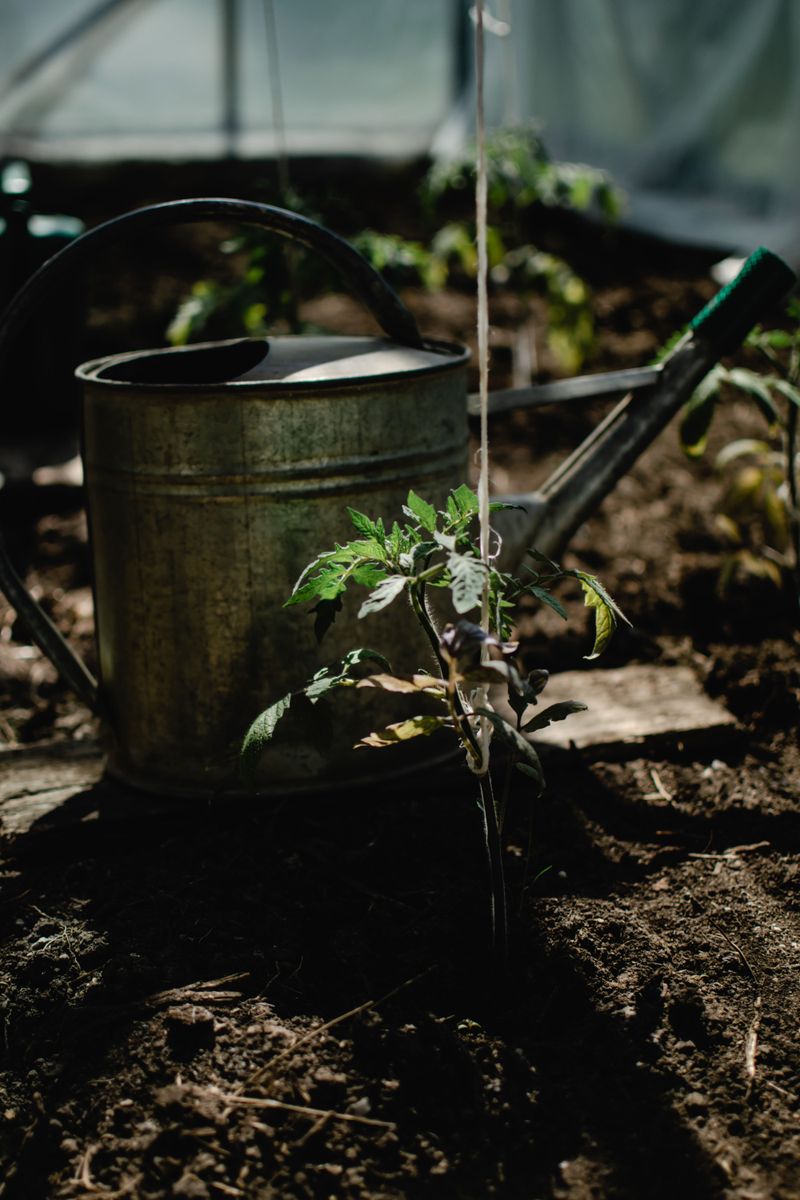
Tomato leaves splashed with muddy water in the evening are practically an open invitation for fungal diseases to settle in. Experienced gardeners learned this the hard way and now aim their watering at the roots, not the foliage.
Most vegetable gardens need about one inch of water each week, counting rainfall and whatever you add yourself. A cheap rain gauge stuck in the bed tells you exactly how much nature already delivered this week.
Morning is the sweet spot for watering, since cooler air means less evaporation and leaves dry quickly in sunshine. Wet leaves sitting overnight give early blight and other fungal problems a cozy, damp place to spread and grow.
Soaker hoses and drip lines deliver water slowly at soil level, so very little runs off or evaporates. I have to admit, setting up drip tubing felt fussy at first, but it saves me hours every summer.
Before reaching for the hose, push a finger about two inches into the soil near your plants. If it feels damp, skip watering today, since soggy roots can struggle just as much as thirsty ones.
Deep, less frequent watering encourages roots to grow downward, where moisture lingers longer during dry August stretches. Light daily sprinkles keep roots shallow, which leaves plants wilting the moment a heat wave rolls through town.
Containers are the exception, because pots dry quickly and may need water every day during hot summer spells. A rain barrel under the downspout catches free water that plants seem to enjoy more than chlorinated tap water.
6. Turning Kitchen Scraps Into Backyard Compost
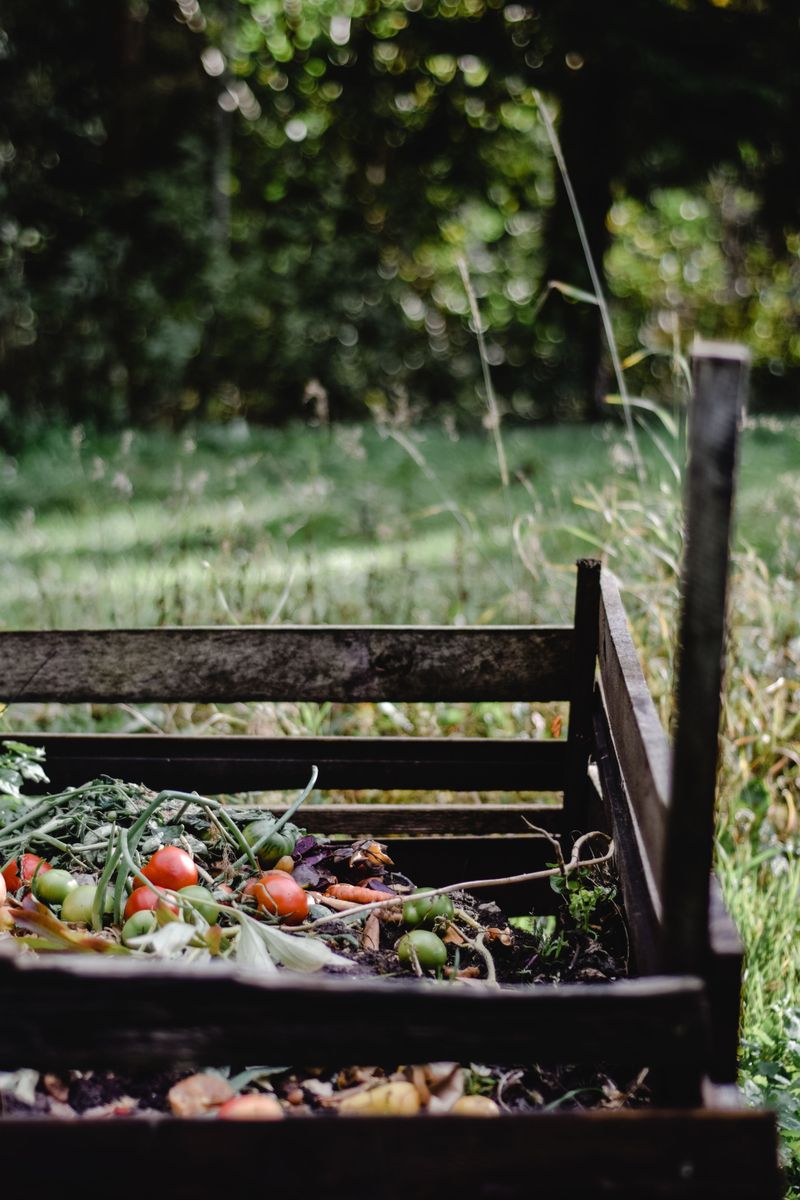
Coffee grounds and crunchy fall leaves can turn into dark, sweet-smelling soil within a few months in a backyard bin. Gardeners call finished compost black gold, and once you scoop your first batch, you will understand the nickname.
The basic recipe mixes greens, which are rich in nitrogen, with browns, which supply plenty of carbon for decomposition. Fruit peels and fresh grass clippings count as greens, while dry leaves and shredded cardboard work as browns.
Many compost guides suggest about three parts browns to one part greens by volume to keep piles balanced. Too many greens make a smelly, slimy pile, while too many browns just sit there doing almost nothing.
Moisture matters too, and a healthy pile should feel about as damp as a wrung-out kitchen sponge. Turning it every week or two with a pitchfork adds oxygen, which speeds up the hungry microbes inside.
Keep meat and dairy scraps out of backyard bins, since they attract raccoons and create unpleasant smells. Diseased plants and weeds loaded with seeds also belong in the trash rather than a cool home pile.
Personally, I keep a lidded bucket under the sink, and emptying it feels oddly satisfying every few days. Small yards can use tumblers, while trench composting simply buries scraps directly in an empty garden row.
Spread an inch or two of finished compost over beds each spring, or mix it into planting holes. Your soil will hold water better and slowly welcome more earthworms with every passing season you keep at it.
7. Growing Lettuce Under Cold Frames And Row Covers
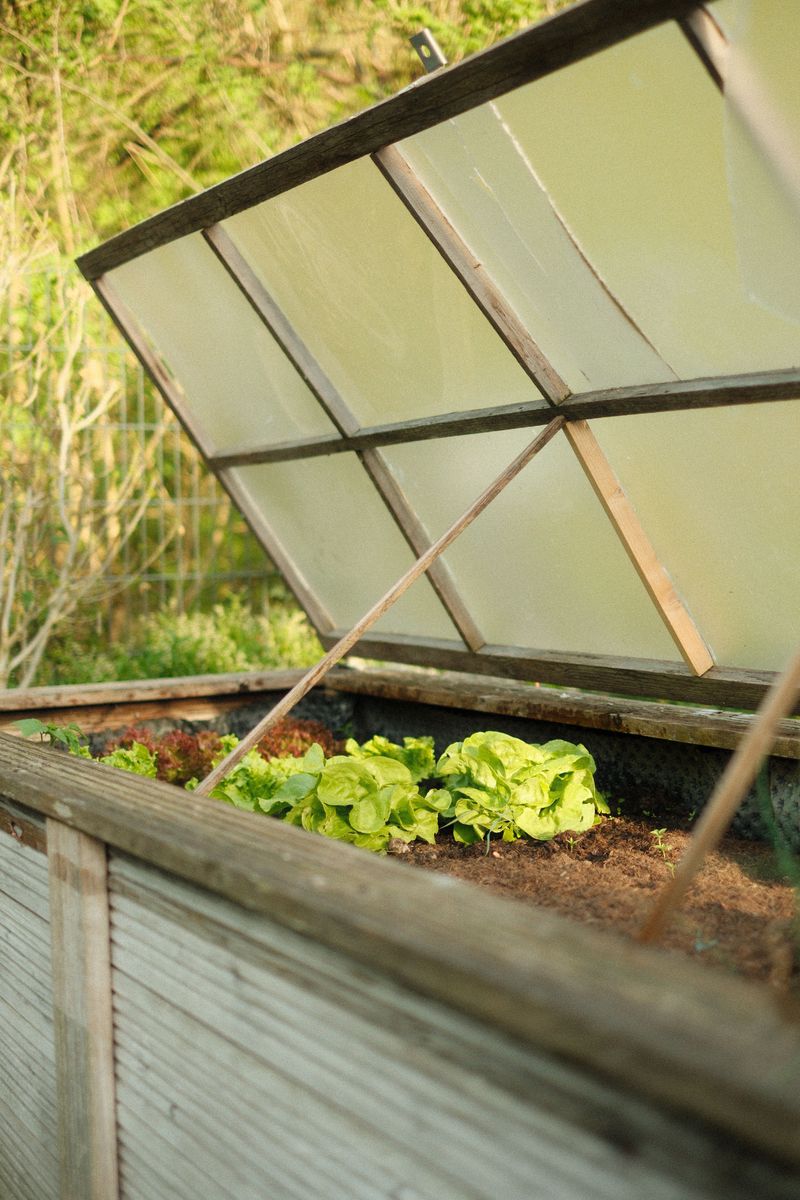
Fresh spinach in December sounds like a grocery store trick, but cold frames make it possible in many backyards. Successful growers stretch their seasons on both ends, planting earlier in spring and harvesting well into late fall.
A cold frame is basically a bottomless box with a clear lid that traps the sun’s warmth. On sunny days, prop the lid open, because temperatures inside can climb high enough to scorch tender greens.
Floating row covers made from lightweight fabric can add several degrees of frost protection on chilly nights. Sunlight and rain pass through the fabric, so lettuce and kale keep growing happily underneath for extra weeks.
Cool-season crops like spinach and kale handle light frosts surprisingly well once they settle in. Cold weather encourages these plants to store more sugar, which gives their leaves a noticeably milder, sweeter flavor.
Raised beds help in spring too, since their soil warms and drains faster than ground-level garden rows. You can often sow peas there a little earlier, once the soil is workable and no longer soggy.
Indoors, starting tomato and pepper seeds about six to eight weeks before the last frost gives them a head start. Harden seedlings off gradually outside for a week or so, so they adjust to wind and bright sunlight.
I can’t imagine giving up my November salads now that a simple hoop tunnel shelters my winter greens. Each extra week of harvest feels like a small bonus prize for planning just a little bit ahead.
8. Using Sharp Pruners And Long-Handled Tools
Sore knees and an aching back can end a gardening season faster than any early frost or hungry groundhog. The happiest gardeners I know protect their bodies as carefully as their prized tomato plants and perennial borders.
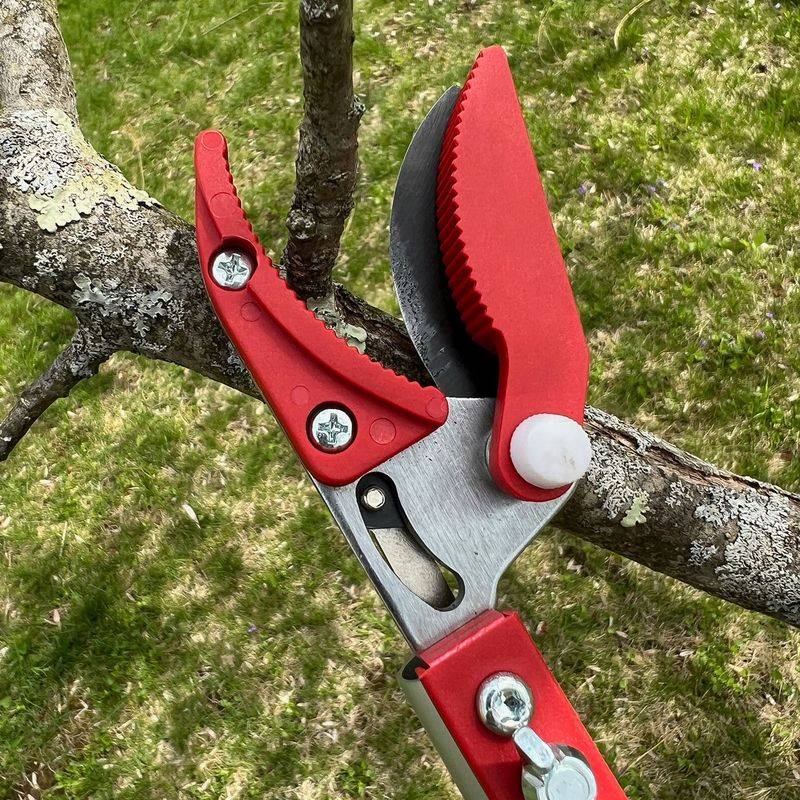
Sharp pruners slice cleanly through stems, which heals faster for plants and takes much less squeezing from your hands. Dull blades crush tissue instead, leaving ragged wounds where fungus and bacteria can easily sneak inside the plant.
Wipe blades with a household disinfectant between plants when pruning anything diseased, then dry and oil them afterward. A few minutes of care in fall keeps rust away and prevents frustrating surprises when spring pruning season arrives.
Long-handled shovels and rakes let you stand taller, which reduces the bending that strains muscles in your lower back. A padded kneeler or a low garden stool turns weeding into a far more comfortable chore for most folks.
You might notice that seasoned growers switch tasks often, moving from digging to lighter planting so muscles rest. Short sessions spread over several days usually accomplish more than one exhausting marathon on a hot Saturday afternoon.
Early mornings are cooler and kinder for heavy work, especially during muggy Pennsylvania summers when afternoon heat builds quickly. Drink plenty of water and wear a wide-brimmed hat, taking shade breaks before you start feeling tired.
I believe the best gardening tool is a body that still feels good enough to come back tomorrow. Treat yourself kindly, and your garden will reward that patience with many more seasons of happy digging together.