What This Unseasonably Warm Stretch Means for Michigan Garden Pests Right Now
Deer ticks can stay active on winter days barely above freezing. That fact stopped me cold the first time I read it, especially since I used to treat my first frost like a finish line.
This fall in Michigan, the warmth keeps hanging on, and the garden has noticed. I spotted fresh holes in my kale last week, plus a cluster of bugs sunning themselves on the garage wall like tiny tourists.
Insects do not read calendars. Their bodies run on temperature, so every mild afternoon gives them a little more time to eat, breed, and look for a cozy winter hideout.
Personally, I find that both fascinating and a tiny bit annoying. You might assume the cold has already sent everyone packing, but a quick look under a leaf pile could tell a very different story.
1. Those Bugs On Your Sunny Garden Leaves Are Running On A Different Clock
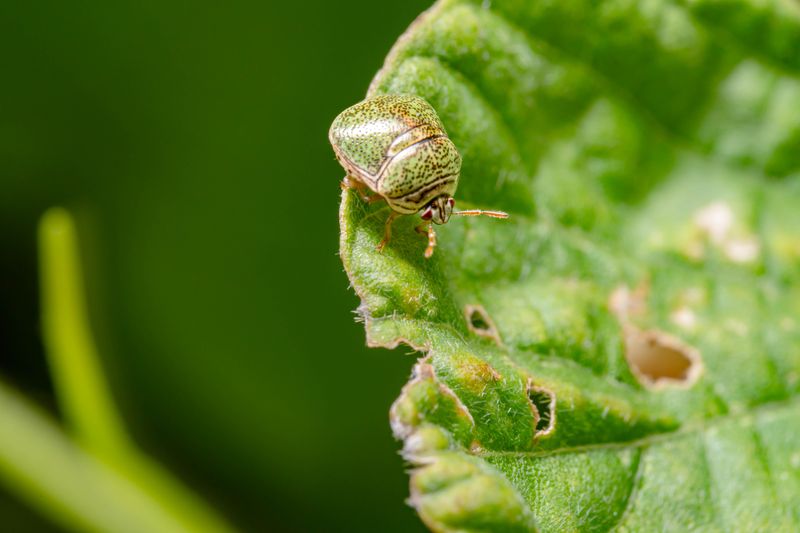
Insects are cold-blooded, which means the air around them controls how fast they move, eat, and grow. Scientists even track this with something called growing degree days, a simple way of adding up heat over time.
When October or November stays mild, that heat keeps adding up. Pests that would normally slow down get extra days to feed and, in some cases, squeeze in one more round of babies before winter.
I learned this the hard way one year when my broccoli looked perfect in early October and rough by Halloween. Nothing new had arrived. The usual crowd simply got more time.
Warm spells do not create brand-new outbreaks out of thin air, though. What they usually do is stretch the normal season a little longer.
Timing also varies across the state. The southern Lower Peninsula often stays warm weeks longer than the Upper Peninsula, so a gardener near Detroit may see much more activity than one near Marquette.
The practical takeaway is simple. Keep checking your plants as long as the weather stays mild, because a quick look under leaves now can save you a bigger headache later. Your garden season is not over until the bugs say so.
2. Grubs Are Still Chewing Lawn Roots Right Under Your Feet
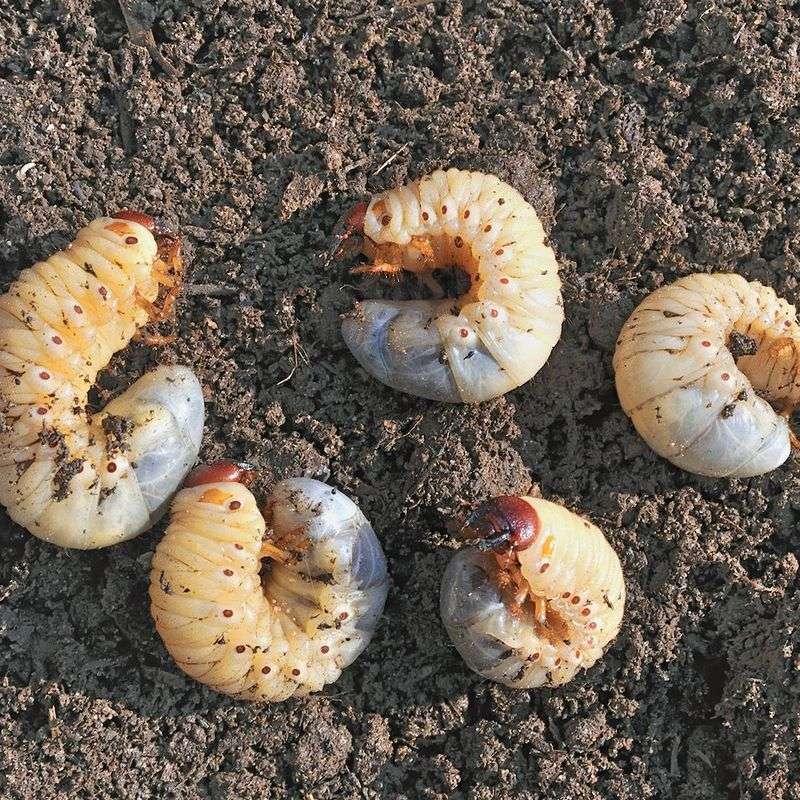
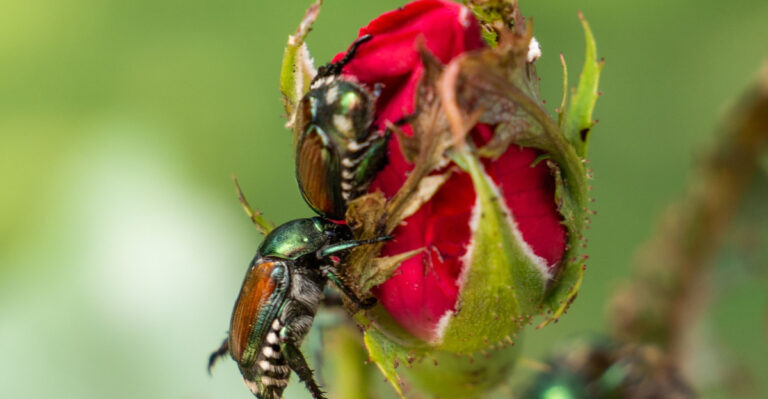
Peel back a brown patch of lawn this fall and you might find a few plump, white, C-shaped visitors curled in the soil. These are white grubs, the young of Japanese beetles, European chafers, and similar beetles.
Grubs feed on grass roots until the soil cools enough to send them deeper. A warm stretch keeps them near the surface longer, so they keep munching.
That feeding can loosen turf until it rolls up like a rug. Skunks, raccoons, and birds know this too, and they will happily tear up a lawn looking for a snack.
So should you grab a grub product right now? Michigan State University Extension notes that preventive treatments work best in early summer, while curative products are most useful in late summer or early fall when grubs are small.
Your Michigan Garden Changes Every Week. Your Plan Should Too.
Gardening in Michigan changes quickly throughout the season. Every Friday you’ll receive a simple weekly plan showing exactly what to plant, prune, fertilize, harvest, and protect so you never miss the right timing.
By late fall, big grubs are harder to control, and many treatments have little effect. A better plan is to cut back a square foot of sod in a few spots and count.
Extension guidance often suggests treatment only when you find more than five to ten grubs per square foot. Fewer than that, and a healthy, well-watered lawn usually recovers on its own.
3. Slugs Are Quietly Laying Eggs In Your Fall Garden Beds
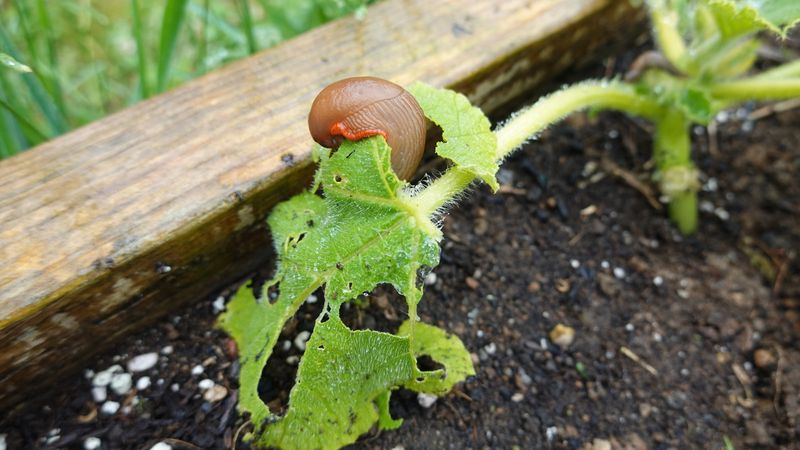
Ragged holes in lettuce and a shiny silver trail on the sidewalk tell you exactly who came to dinner. Slugs love cool, damp weather, and a mild fall gives them extra time to feed.
The bigger story is what they leave behind. Many common garden slugs lay lots of eggs in fall, tucking little clear clusters under boards, mulch, and plant debris.
Those eggs and young slugs can ride out winter right in your beds. Come spring, they hatch hungry just as your tender seedlings pop up.
I like to flip a board or a few flat stones in the garden each morning. Slugs hide underneath during the day, which makes them easy to scoop up and toss in soapy water.
Other helpful tricks include pulling back thick mulch from plant stems and watering in the morning instead of the evening. Drier soil at night makes your garden far less inviting.
Iron phosphate baits are a lower-toxicity option many extension services mention, and they are safer around pets than older metaldehyde products. Fewer slugs this fall usually means fewer eggs and a calmer spring.
4. Aphids Love Hiding Inside Your Late Kale And Cabbage

Cabbage aphids are sneaky little things. They look like gray, powdery dots tucked deep into the crinkles of kale, Brussels sprouts, and cabbage.
Brassicas are often the last crops standing in a fall garden, so aphids treat them like the only open diner in town. Dense leaves and mild days help their colonies grow quickly.
Spider mites can also hang around if the warm stretch is dry. Look for fine webbing and tiny yellow speckles on leaves, especially on plants near a sunny wall.
Here is my favorite trick, and it costs nothing. A strong spray of water from the hose knocks many aphids off, and most cannot climb back up.
For bigger colonies, insecticidal soap works well when it touches the insects directly. Spray the undersides of leaves on a mild afternoon, and test a small area first.
Do not forget the helpers. Lady beetles, lacewings, and tiny parasitic wasps often show up to feast on aphids, so skip harsh sprays when you see them working.
Fun fact. A light frost often makes kale taste sweeter, so a little cold may soon help you twice.
5. Stink Bugs And Lady Beetles Are Eyeing Your Sunny Siding
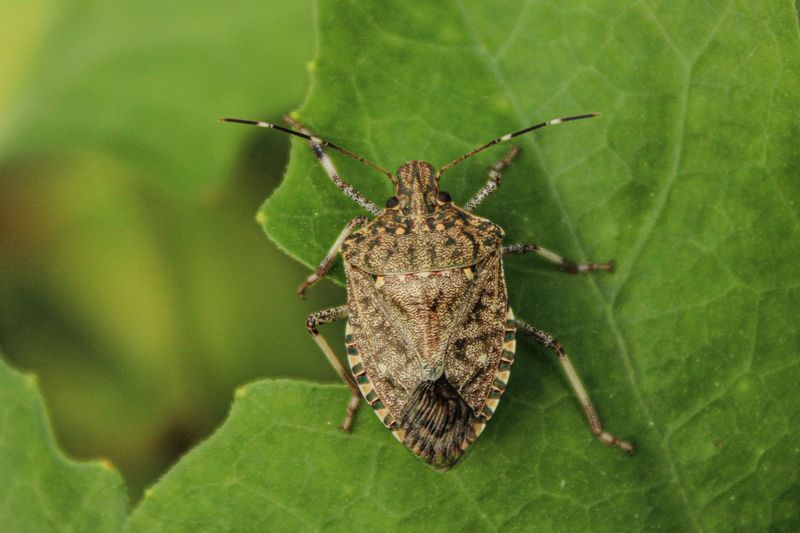
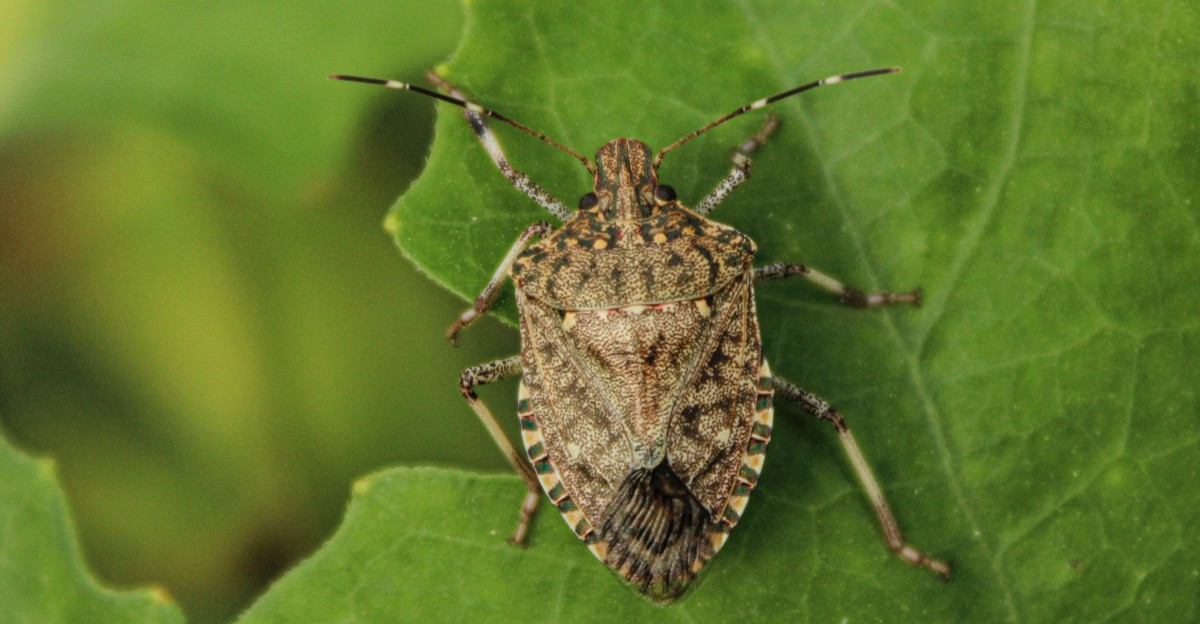
On a bright fall afternoon, check the south or west side of your house. You may find brown marmorated stink bugs, boxelder bugs, and orange Asian lady beetles soaking up the warmth.
These insects spend summer outdoors, often around gardens and trees. As days shorten, they search for sheltered spots to spend winter, and your walls are a favorite target.
Warm spells can keep them moving longer. Once they slip inside through gaps, heated rooms may wake them up on sunny winter days, which is why you find them buzzing at windows in January.
The good part is that these bugs do not breed indoors or harm your home. They are mostly just a nuisance, though stink bugs earn their name when squished.
Skip the swatter. A vacuum with a stocking tucked inside the hose works nicely, or you can knock them into a jar of soapy water.
The real fix happens outside. Seal cracks around windows, doors, vents, and utility lines with caulk, and repair torn screens before they settle in.
Spraying insecticide on siding usually does little, according to extension experts, because new bugs keep arriving.
6. Deer Ticks Stay Busy In Leaf Litter Longer Than You Expect
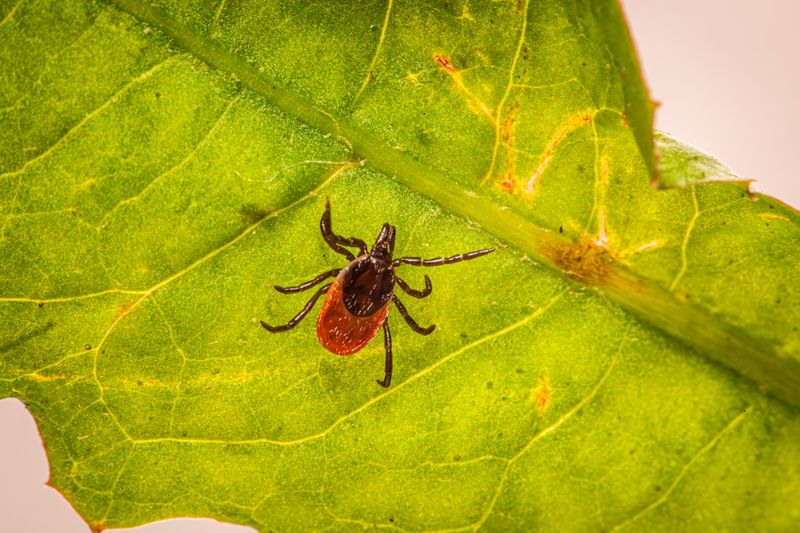
Adult blacklegged ticks, often called deer ticks, are one fall pest you should take seriously. Unlike many insects, they actually peak in activity during autumn.
They can stay active on any day above freezing, especially when sheltered in damp leaf piles. A warm November gives them plenty of chances to find a passing host.
That host could be you while raking, or your dog sniffing around the woodpile. Blacklegged ticks can carry Lyme disease, which is found across much of Michigan, with higher risk in the western Lower Peninsula and much of the Upper Peninsula.
A few habits make a big difference. Wear long pants tucked into socks, and consider permethrin-treated clothing or an EPA-registered repellent.
After yard work, do a full tick check. Look behind knees, around the waistband, in hair, and behind ears, and check pets too.
If you find one attached, use fine-tipped tweezers to pull it straight out. Clean the spot well and watch for a rash or fever in the weeks after.
In your yard, keep leaf piles away from patios and play areas. A strip of wood chips between lawn and woods helps reduce ticks near your favorite spots.
7. Mosquitoes Can Sneak In A Few More Bites Before Frost
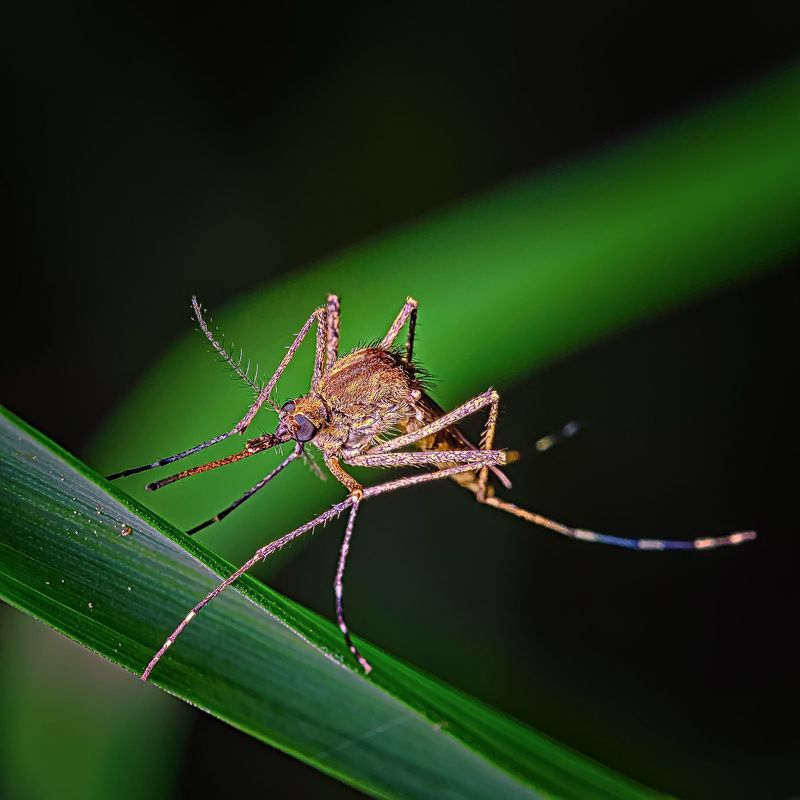
Swatting a mosquito while raking leaves feels just plain wrong. Yet a warm fall evening can still bring them out in parts of the state.
Mosquitoes slow down when nights cool into the 50s and below, and a hard frost ends most adult activity. Until then, mild weather lets them keep feeding.
Some species, like the northern house mosquito, overwinter as adult females hiding in sheds, garages, and basements. Others spend winter as eggs, waiting for spring rain.
Standing water is still your biggest problem. Fallen leaves can clog gutters and collect in buckets, kiddie pools, and tarps, creating perfect little nurseries.
Take a walk around your yard this week. Dump water from flowerpot saucers, refresh birdbaths every few days, and clear leaves from gutters.
I also flip over wheelbarrows and stack empty pots upside down before winter. It takes ten minutes and saves trouble next year.
Fall mosquitoes can still carry West Nile virus, so use repellent if you are outside at dusk. Once a solid freeze arrives, you can finally put that bottle away until spring.
8. A Smart Fall Garden Cleanup Gives Overwintering Pests Fewer Hideouts
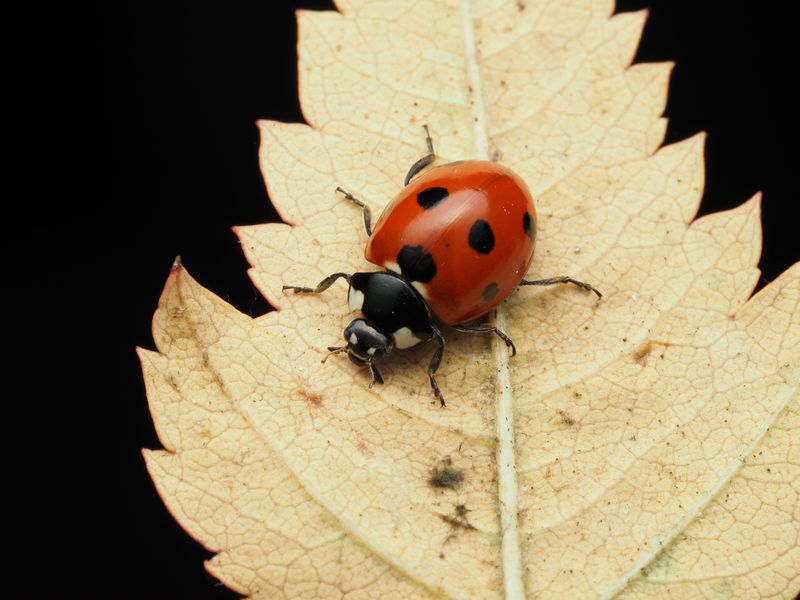
Cleaning up the garden in fall is less about looking tidy and more about choosing who gets to stay. A little planning helps you manage pests without chasing off the good guys.
Start with your vegetable beds. Pull spent tomato, squash, and cabbage plants, especially any with pests or disease, since many eggs and spores overwinter on that debris.
Michigan State University Extension suggests composting clean plant material away from the garden. Bag or trash anything that looked sick.
Flower beds are a different story. Many native bees, butterflies, and helpful beetles overwinter in hollow stems and leaf litter, so leaving some perennials standing until spring supports them.
Personally, I compromise. I clean vegetable areas well, pull mulch back from slug-prone spots, and leave seed heads in pollinator beds for birds and insects.
Around the house, finish sealing gaps before the next cold snap pushes bugs inside. Keep firewood stacked away from walls and off the ground.
Finally, jot down which pests showed up this fall. Those notes help you plan next spring, from crop rotation to row covers, and turn this strange warm stretch into useful knowledge.