The Low-Water Shrub Arizona Homeowners Can Use Instead Of Oleander
Oleander has filled sunny yards for years, but it is not your only choice for a colorful, reliable shrub. Another option can bring plenty of character while fitting naturally into a low-water landscape.
If you are planning a replacement, look beyond appearance alone. The best choice should handle demanding conditions without turning basic care into a constant chore.
One shrub stands out for its ability to manage heat while bringing seasonal color to outdoor spaces. It can work beautifully where a tough landscape plant is needed.
Low-water gardening makes particular sense in Arizona, especially when summer conditions push plants to their limits.
Think carefully about the space you want to fill before planting. Size, sunlight, and placement still matter.
Replacing oleander can be an opportunity to give your yard something better suited to its surroundings.
1. Jojoba Makes A Tough Screen For Hot Desert Yards
Forget flimsy plants that struggle the moment temperatures climb past 100 degrees. Jojoba is built for exactly that kind of heat.
Native to the Sonoran Desert, it has spent thousands of years adapting to conditions that would stress most ornamental shrubs.
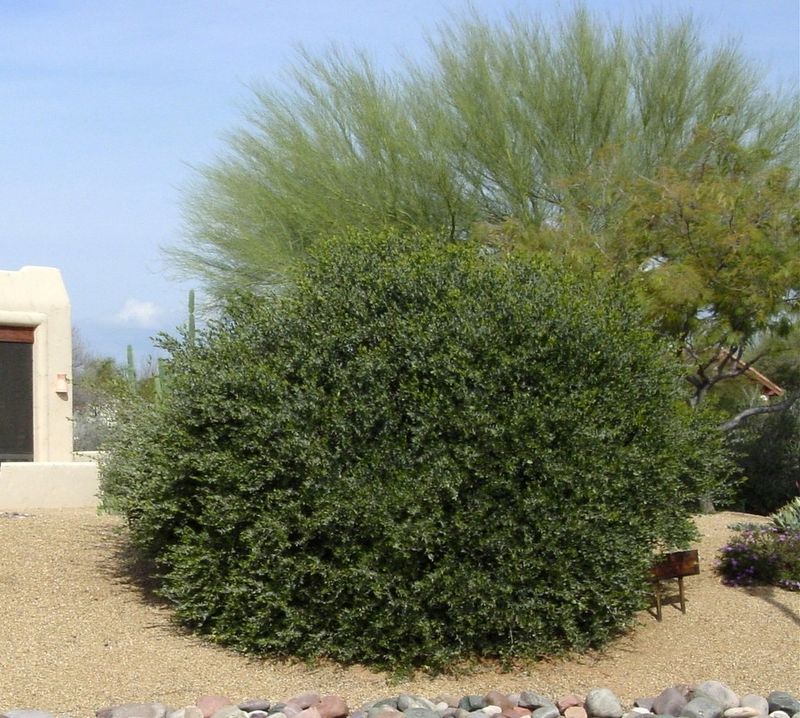
As a privacy screen, jojoba works well because it grows dense from the base up. It does not leave bare patches at the bottom like some tall shrubs tend to do.
Planted in a row, it forms a solid green wall over time.
Mature plants can reach six to ten feet tall in many conditions, though growth rate and final size vary depending on soil quality, water availability, and sun exposure. That height is enough to block sightlines from the street or a neighboring yard.
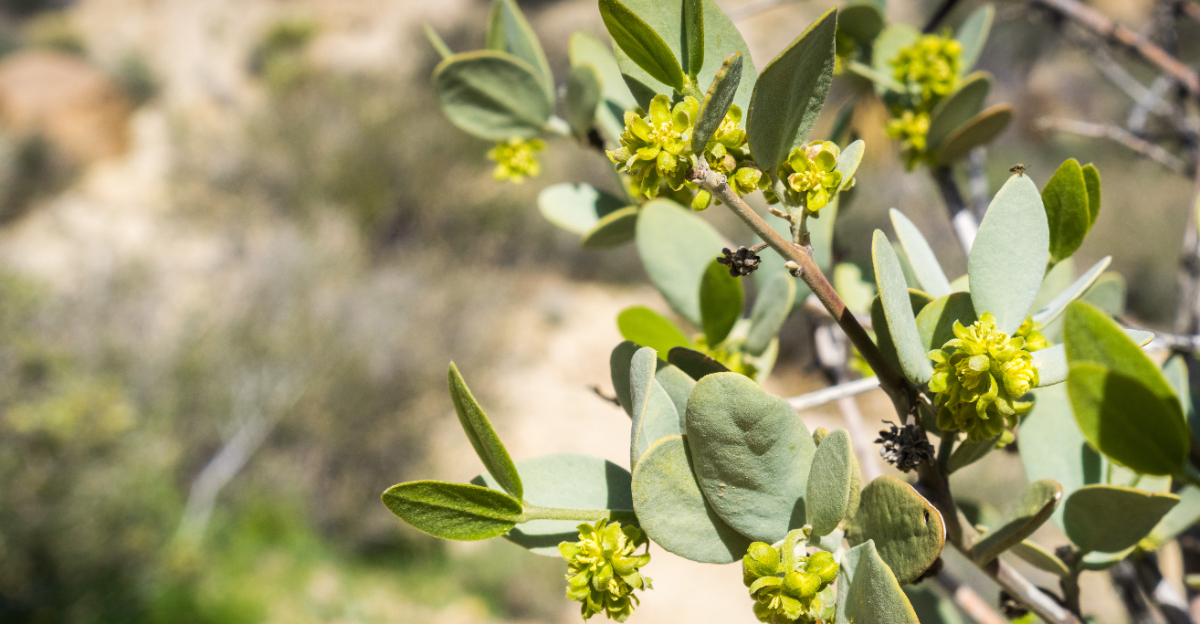
One practical advantage is the leaf texture. Jojoba leaves are stiff, waxy, and oval-shaped.
They reflect sunlight rather than absorbing it, which helps the plant manage heat without wilting or dropping leaves mid-summer.
Swapping one for the other keeps the yard looking full and green without the safety worries that come with oleander.
2. Evergreen Foliage Provides Privacy Through The Year
Most desert plants go through a rough patch in winter or late summer, dropping leaves or looking scraggly for months. Jojoba skips that cycle.
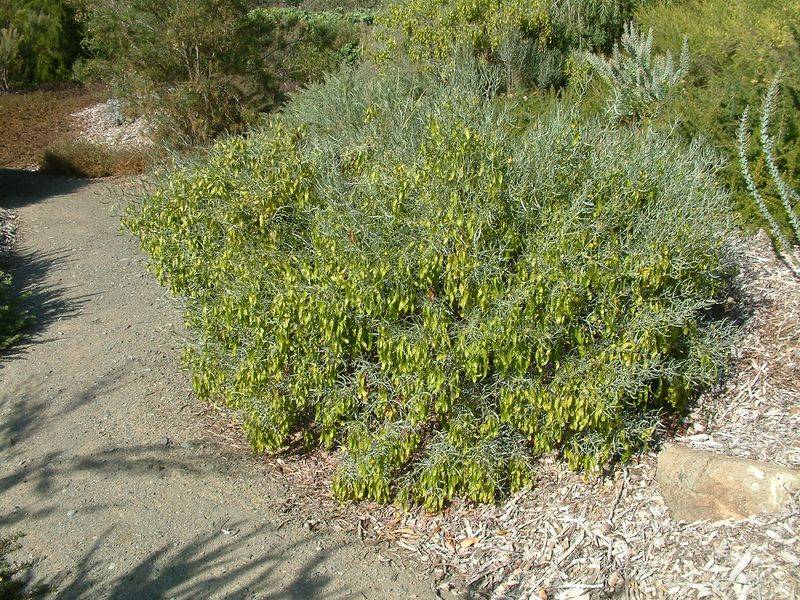
Its foliage stays on the plant through every season, which means your yard looks put-together even in January or during a brutal August.
Year-round coverage matters more than people realize. A shrub that drops leaves in winter leaves your yard exposed exactly when you might want a windbreak or visual barrier.
Jojoba holds its leaves regardless of the season.
The leaves themselves are a gray-green color that blends naturally into desert surroundings. They do not stand out as tropical or out of place.
That understated look works well in neighborhoods where xeriscaping is the norm.
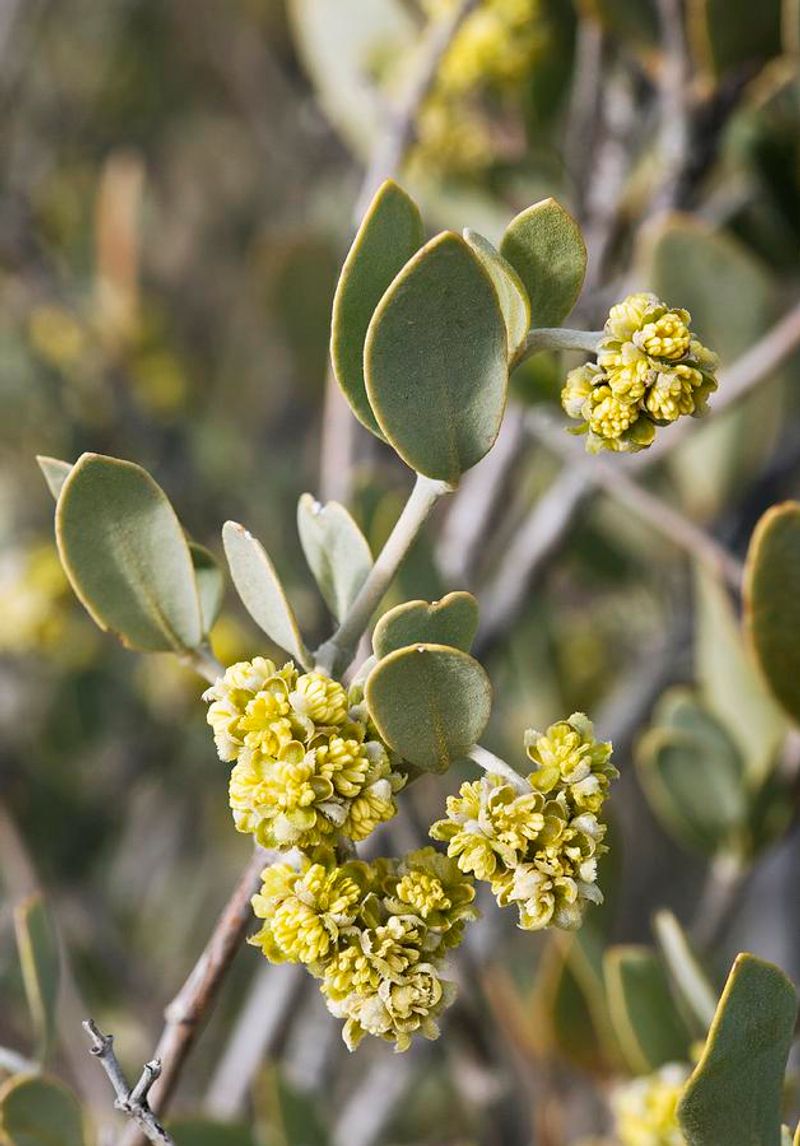
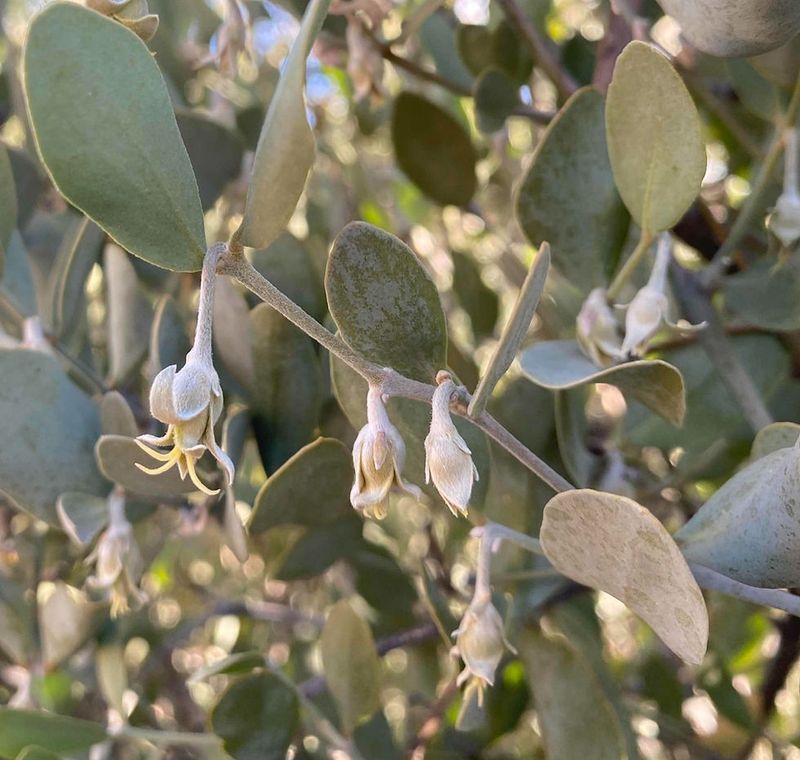
Jojoba is dioecious, meaning male and female plants are separate. Female plants produce small, acorn-like seeds in late summer.
Male plants produce small flowers in late winter. Both stay leafy and full throughout the year, regardless of their reproductive role.
For homeowners who want consistent curb appeal without seasonal gaps, that steady foliage is a real advantage. You do not have to look at bare branches or wait for regrowth.
Your Arizona Garden Changes Every Week. Your Plan Should Too.
Gardening in Arizona changes quickly throughout the season. Every Friday you’ll receive a simple weekly plan showing exactly what to plant, prune, fertilize, harvest, and protect so you never miss the right timing.
Jojoba just stays green, stays full, and keeps doing its job every month of the year without much fuss from you.
3. Established Plants Need Very Little Extra Water
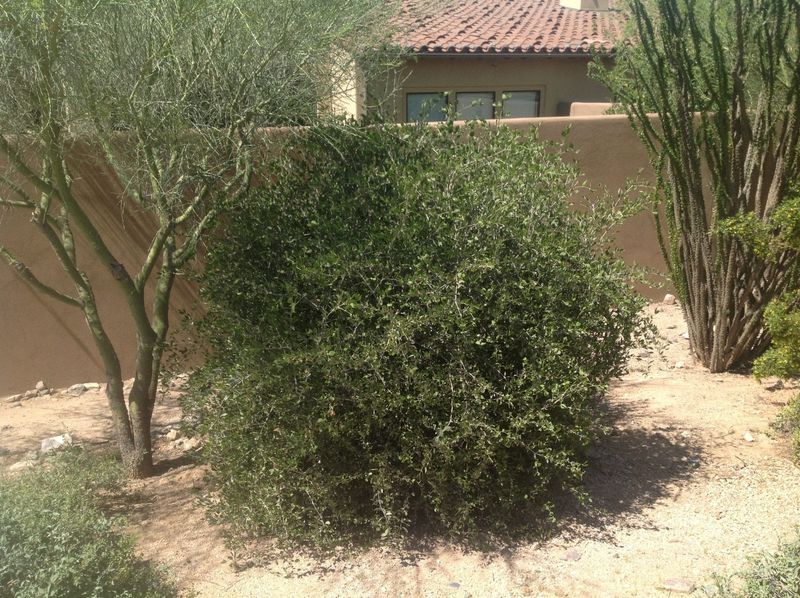
Water bills in Arizona can climb fast during summer. Any shrub that cuts down on irrigation needs is worth a serious look.
Jojoba earns its reputation as a low-water plant once it gets past the establishment phase.
Mature jojoba plants can survive on rainfall alone in many parts of the Sonoran Desert region.
Annual rainfall in the Phoenix metro area averages around eight inches, and jojoba has adapted to thrive under those conditions without supplemental watering in many cases.
That said, soil type and drainage affect how much additional water a plant might need. Sandy, fast-draining soils dry out faster than clay-heavy soils.
A jojoba planted in rocky ground may benefit from occasional deep watering during extended dry spells, especially in summer.
Deep watering is better than frequent shallow watering. Watering deeply but infrequently encourages roots to grow down rather than staying near the surface.
Deeper roots make the plant more resilient during dry stretches.
Drip irrigation set to a slow, infrequent schedule works well for established jojoba. Many gardeners in the desert Southwest run their drip lines once every two to three weeks in summer and scale back significantly in cooler months.
Adjusting based on rainfall and temperature gives the plant what it needs without wasting water.
4. Full Sun Helps Keep Its Growth Dense
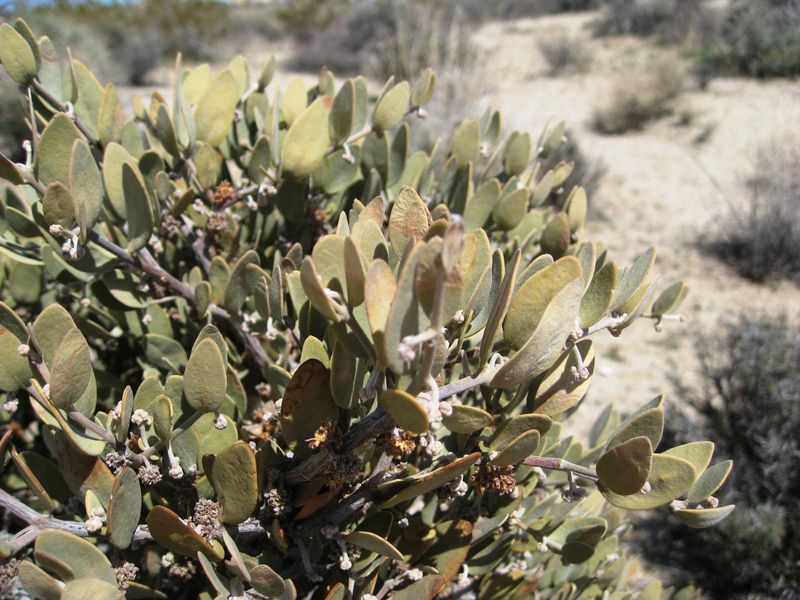
Shade-tolerant plants have their place, but jojoba is not one of them. Put it in full sun and it rewards you with thick, compact growth.
Plant it somewhere shaded and the branches stretch out loosely, looking sparse and weak.
Full sun for jojoba means at least six hours of direct sunlight per day, though it handles eight or more hours without any visible stress. In Arizona, where sun exposure is rarely a limiting factor, most yard locations work well for this plant.
Dense growth is not just about looks. A thicker plant provides better wind protection, stronger privacy coverage, and a more useful barrier overall.
Sun exposure directly influences how tightly the foliage fills in, so placement matters from the start.
South-facing and west-facing walls tend to get the most intense sun in desert climates. Jojoba planted along those exposures often shows the most vigorous, compact growth.
East-facing spots work too, though the afternoon shade may slightly reduce density over time.
One thing worth noting is that jojoba planted under the canopy of a large tree may underperform. Filtered light is not enough to bring out its best growth habit.
Choosing an open, unshaded spot from the beginning saves a lot of frustration and gives the plant the best possible start in your yard.
5. Slow Growth Means Less Shaping Over Time
Fast-growing shrubs sound appealing until you realize how much time you spend cutting them back. Some oleander varieties can put on several feet of new growth in a single season, demanding regular trimming to stay manageable.
Jojoba grows at a much slower pace.
On average, jojoba adds roughly six to twelve inches of new growth per year under typical desert conditions. That pace varies based on water, soil, and sun, but the general pattern is steady and moderate rather than explosive.
Slower growth has a practical upside. The plant naturally holds a rounded, somewhat compact shape without constant intervention.
You might prune it lightly once a year to tidy up any uneven branches, but heavy shaping sessions are rarely needed.
Less pruning also means less yard waste. Trimming large shrubs generates a surprising amount of debris.
Cutting that task down to a quick once-over saves time, reduces green waste, and keeps maintenance costs lower if you hire a landscaper.
For homeowners who want a low-effort yard, slow growth is a genuine benefit rather than a drawback. Jojoba will not outgrow its space quickly or suddenly block a window you wanted to keep clear.
It fills in gradually and holds its form without much help, which is exactly what a busy household needs from a landscape shrub.
6. Enough Space Lets It Reach Its Natural Size
Cramped plants rarely perform well. Jojoba planted too close to a wall, fence, or other shrub ends up competing for light and air, which limits its spread and can lead to a lopsided shape over time.
A mature jojoba typically spreads four to eight feet wide, depending on conditions. Planting with that spread in mind from the start prevents overcrowding years down the road.
A spacing of at least five to six feet between plants is a reasonable starting point for most yards.
Giving jojoba room also improves air circulation around the plant. Good airflow reduces the chance of fungal issues, which can occasionally appear in desert plants after periods of humidity or monsoon moisture.
Tight spacing traps moisture and warmth, which creates conditions where problems are more likely to develop.
Near structures, leave at least three feet of clearance. Jojoba roots are not known to be aggressive, but shrubs planted flush against a wall can push branches into the structure as they grow.
A small buffer keeps things tidy and manageable.
Mapping out plant spacing before putting anything in the ground saves headaches later. Sketch a rough layout, mark the mature spread of each plant, and make sure nothing overlaps.
A little planning at the start means less digging, relocating, and frustration once the plants have settled in and started growing.
7. Young Plants Need Regular Water While Getting Established
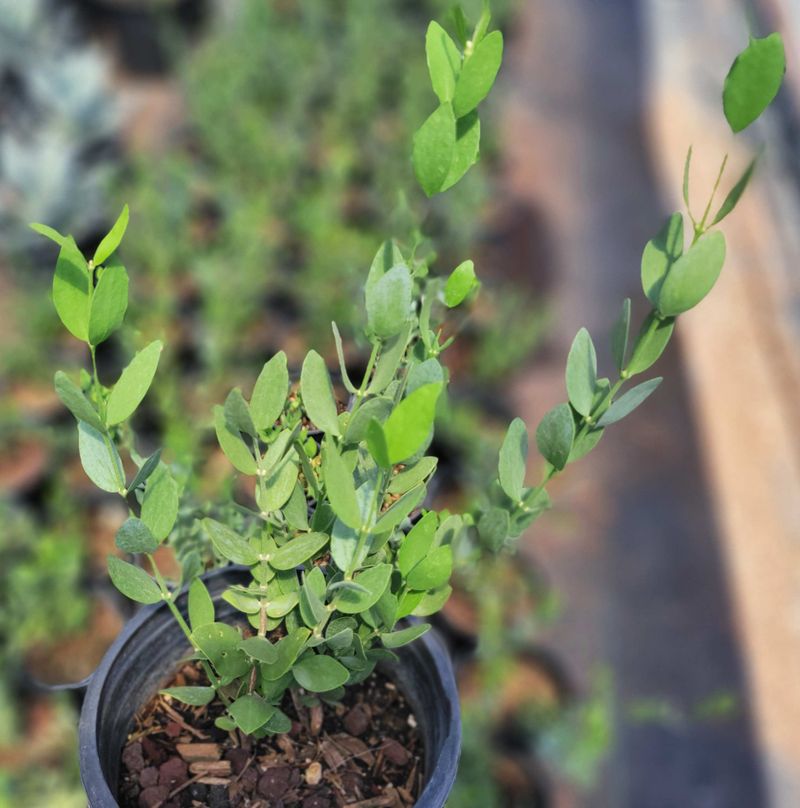
Jojoba’s drought tolerance is real, but it kicks in after the plant has had time to develop a strong root system. Brand-new transplants are in a vulnerable stage and need consistent moisture to get settled in.
During the first growing season, plan to water young jojoba plants every few days in hot months. As temperatures drop in fall and winter, you can stretch that interval out significantly.
The goal is to keep the soil from drying out completely before the roots have spread.
Deep watering works better than light, frequent sprinkles. Saturating the soil around the root zone encourages roots to grow downward rather than clustering near the surface.
Shallow roots make a plant more vulnerable to heat and drought stress later on.
A layer of decomposed granite or organic mulch around the base helps retain soil moisture between watering sessions. Keep the mulch a few inches away from the main stem to avoid trapping excess moisture directly against the bark.
Most jojoba plants establish within one to two growing seasons under typical conditions, though that timeline shifts depending on planting time, soil, and how consistently the plant gets watered early on.
Planting in fall gives roots time to spread during cooler months before summer heat arrives.
Getting that timing right makes the establishment phase noticeably easier for both the plant and the gardener.