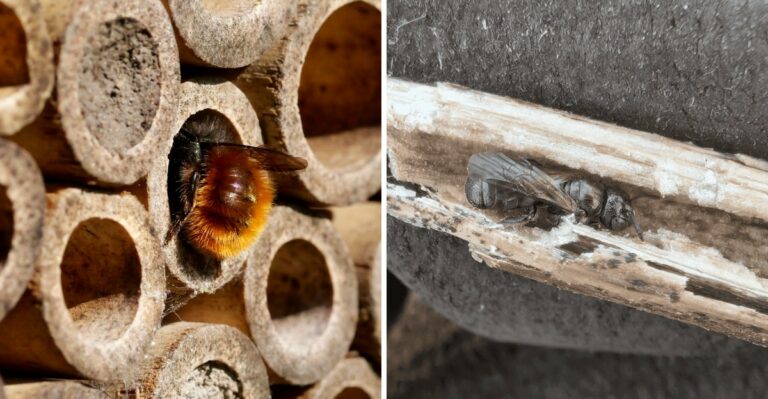
What Those Small Holes Across Your New Jersey Lawn Are Really Hiding Beneath The Grass
Someone tunneled through your lawn overnight, and the visitor left a signature. Check the holes closely, because their shape names the diner responsible.
Skunks and raccoons flip turf in New Jersey to reach plump, juicy grubs. Those grubs nibble your grass roots until the turf lifts like loose carpet.
Fall is feeding season, so the digging peaks before the ground turns cold. You can read the clues like a map once you know them.
Small cone pits point to skunks, while rolled-back sod signals a raccoon. Neat, narrow holes tell a different story about a different diner.
Pause before you buy repellent or hire a pro. Wrong guesses cost money and let the problem spread across your lawn.
Lawn specialists often point out that timing matters as much as treatment with grubs. Name the creature feasting below, and you can cancel its rent-free reservation today.
1. White Grubs Chewing On The Roots
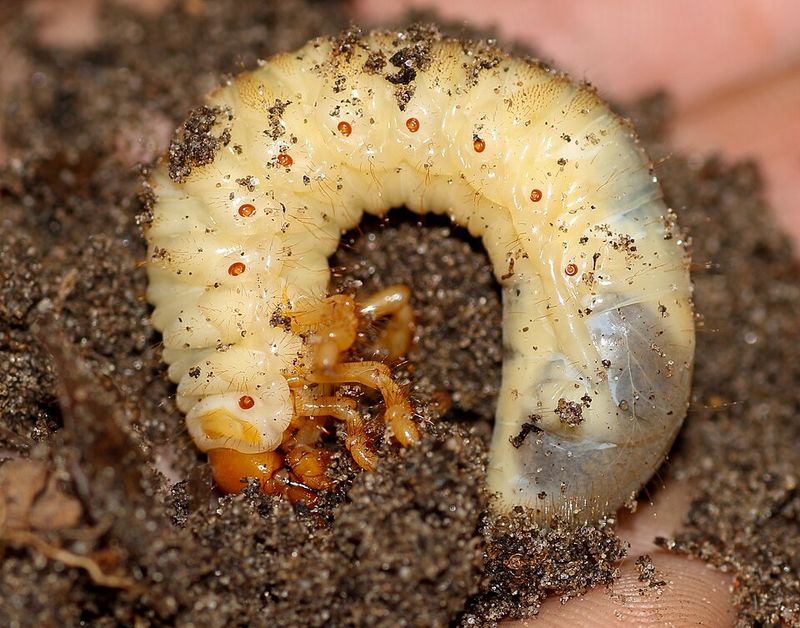
Peel back a patch of brown turf, and you might find curled white worms staring up at you. Those C-shaped creatures are white grubs, the babies of oriental beetles, Japanese beetles, and other beetles.
New Jersey lawns host plenty of them, especially after a damp summer. Grubs munch on grass roots, so the turf lifts up like a loose rug.
Often, grubs do not dig the holes you notice, though. Hungry animals dig up the lawn hunting for these juicy snacks underground.
Early fall is a great time to check for them before they burrow deeper for winter. Cut a square foot of sod and count how many grubs you find.
Finding roughly six to ten grubs per square foot, depending on the species, usually means it is time to act. Fewer than that, and your grass can likely handle the damage on its own.
Ask your county extension office for the best preventive treatment window next year, usually early to midsummer. Beneficial nematodes can help against some grub species without strong chemicals, though results vary.
Watering deeply but less often helps roots grow stronger, but skip extra water in midsummer. Healthy, thick turf can bounce back even when a few grubs move in.
Soil temperature guides grub behavior. When the ground cools in late fall, grubs sink deeper, so surface damage slows while roots stay stressed.
2. Skunks Digging For A Midnight Snack
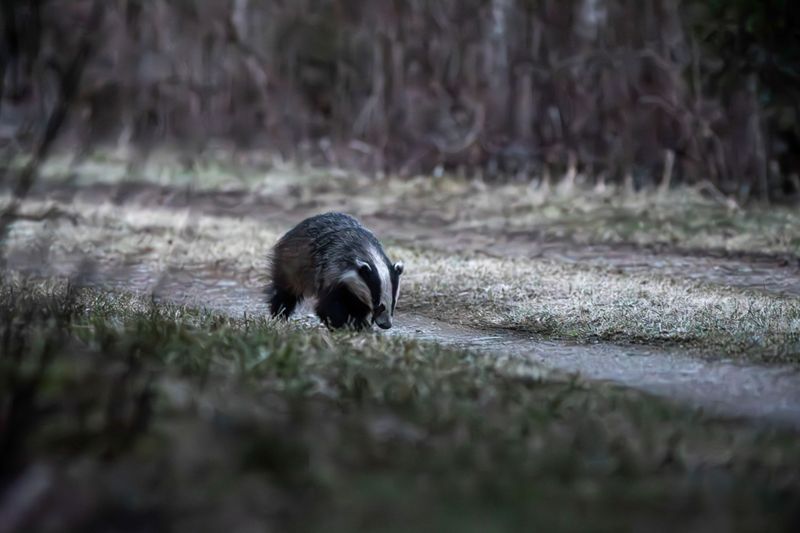
Picture a small black-and-white bandit tiptoeing across your yard at midnight on a secret snack mission. Skunks have a powerful nose for grubs and worms hiding underground.
Their digging leaves cone-shaped holes about three or four inches wide. Many homeowners wake up to dozens of these little craters scattered across the grass.
Skunks are busiest in late summer and fall, fattening up before cold weather arrives. New Jersey has plenty of them, from Sussex County farms to Shore suburbs.
You might also notice a faint, musky smell near the holes in the morning. That whiff can be a clue about who visited overnight, though its absence proves little.
Your New Jersey Garden Changes Every Week. Your Plan Should Too.
Gardening in New Jersey changes quickly throughout the season. Every Friday you’ll receive a simple weekly plan showing exactly what to plant, prune, fertilize, harvest, and protect so you never miss the right timing.
Keep in mind that skunks are not trying to harm your yard on purpose. They simply follow the food, so fewer grubs means fewer midnight visits.
Motion-activated sprinklers and lights can startle them away without anyone getting sprayed. Secure trash cans and bring pet food indoors so no other snack tempts them.
Avoid cornering a skunk, since a frightened one will lift its tail as a warning. Give it space, and it will usually waddle off politely.
If holes keep appearing, call a licensed wildlife control company for safe, humane help. Handling the grub problem first often solves the skunk problem too.
Skunks tend to dig at dusk and through the night. Their feeding trips often repeat over several evenings, so fresh holes can keep appearing.
3. Moles Tunneling Beneath The Surface
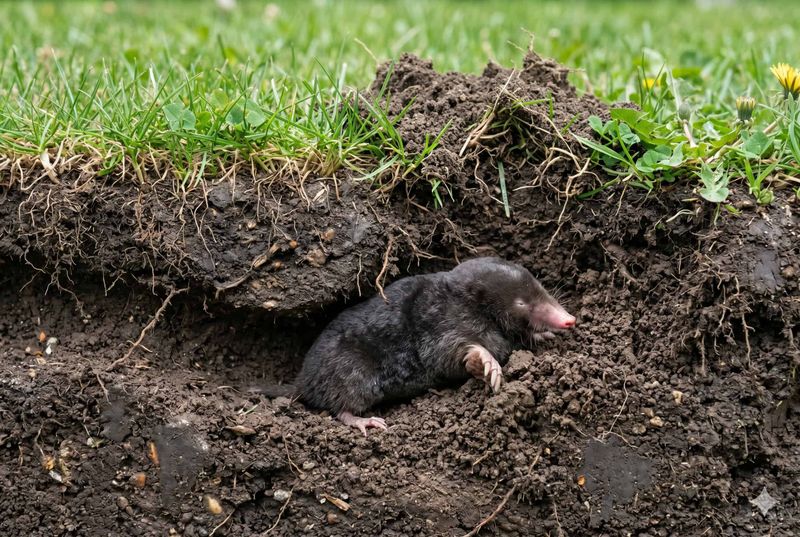
Raised ridges that squish under your shoes are a classic calling card. Moles build these tunnels while swimming through soil with giant, shovel-shaped front paws.
The eastern mole is one of several types found in New Jersey. It can dig up to eighteen feet of tunnel in a single hour.
Holes appear where moles push extra dirt to the surface, forming volcano-shaped mounds. Round open holes without mounds usually point to voles or chipmunks instead.
Notably, moles snack mainly on earthworms and insects, not on the plant roots themselves. Their tunnels loosen soil, but they also leave grass roots dangling and dry.
To find active tunnels, gently flatten a few ridges with your foot today. Check tomorrow, and raised sections show where the mole is still working.
Removal from active tunnels is a common approach, but follow New Jersey wildlife rules carefully. Many people hire a professional to handle this tricky job safely.
Castor oil repellents may push moles away for a while, though results vary. Rolling the lawn in spring also helps press loose tunnels back down flat.
With patience, your grass will knit back together and feel firm again underfoot. Your sneakers will thank you.
Mole tunnels come in two styles. Shallow feeding runs sit just under the grass, while deeper tunnels connect the nest to hunting grounds.
4. Voles Racing Along Hidden Runways
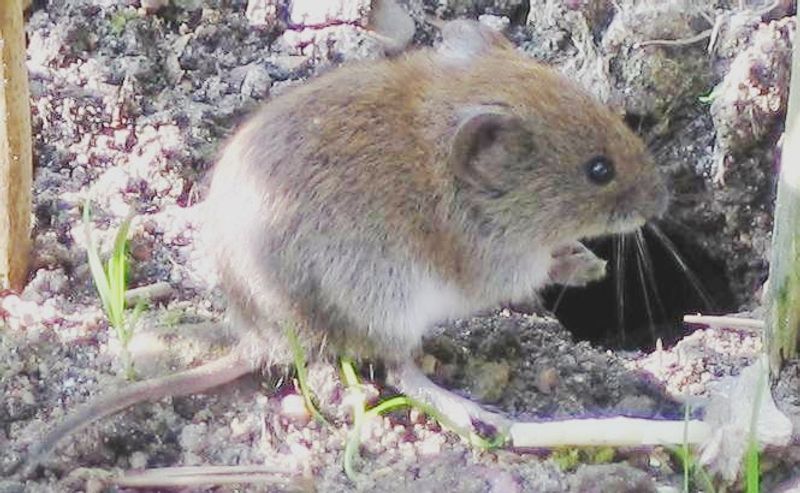
Small rodents with stubby tails and tiny ears might be throwing a party in your lawn. Voles look like plump field mice, and they love to snack on grass.
Instead of deep tunnels, they create surface runways about two inches wide. These winding paths connect to small, round holes about the size of a quarter.
Vole damage often shows up in spring, after snow melts and reveals their hidden highways. Fall is your chance to prevent that surprise.
Meadow voles and pine voles both live in New Jersey yards and gardens. Pine voles stay underground much of the time and nibble roots of shrubs and flower bulbs.
Keep your grass mowed short going into winter, since tall grass gives voles cover. Rake fallen leaves and pull mulch a few inches away from tree trunks.
Hungry hawks, owls, and foxes help keep vole numbers in check naturally. Adding an owl box near your yard can invite a helpful night patrol.
Baited traps with apple slices or peanut butter work well along active runways. Place them under a box or bucket so pets and birds stay safe.
Once the runways stop growing, rake the area and reseed bare spots in spring. Before long, few people will guess a tiny highway system once ran there.
Voles stay active through winter, often moving beneath a blanket of snow. That hidden cover lets them nibble bark and roots in peace.
5. Earthworms Leaving Rich Little Castings
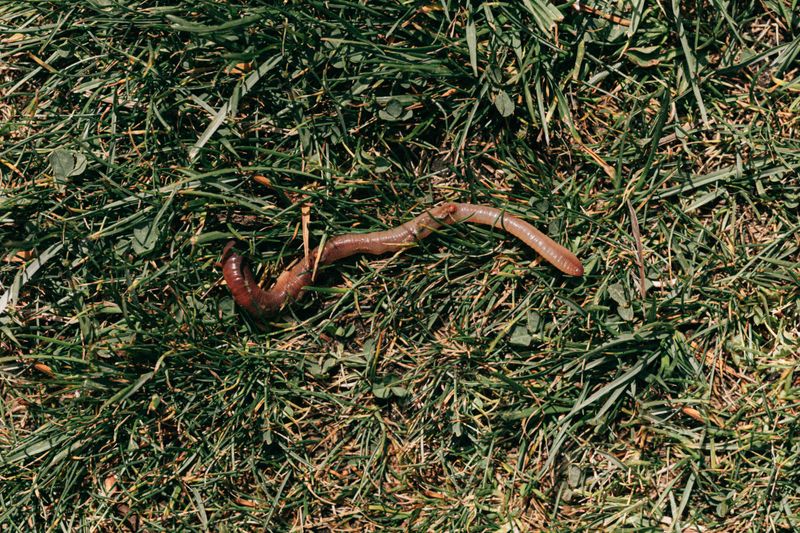
Some holes mean no trouble for your yard. Some of the tiniest openings belong to earthworms, hard-working gardeners of the soil. Their burrows are narrow, smooth, and surprisingly deep.
Worms come up at night, especially after rain, and leave pencil-sized holes behind. Around each hole, you may spot small, bumpy piles of soil called castings. Those piles are fresh evidence that the soil beneath you is alive.
Castings are basically worm waste, and they are packed with nutrients plants love. Garden stores even sell bags of the stuff for good money. Your lawn gets the same boost for free.
Worm tunnels let air, water, and fertilizer reach grass roots more easily. Charles Darwin studied worms for decades and called them important creatures in history.
Autumn rain in New Jersey often brings a boost in worm activity. Lumpy castings can feel rough underfoot, but they break down quickly.
Simply rake or drag a broom across the lawn once the castings dry. That spreads the rich soil around and smooths the surface nicely.
Skip strong pesticides when possible, since they can reduce your underground helpers. A healthy worm population is a sign your soil is thriving.
Some invasive jumping worms have shown up in New Jersey, though. Their castings look like coffee grounds, so contact your county extension office if you spot them.
Leaving a thin layer of grass clippings on the lawn feeds worms. The clippings break down and return nutrients to the soil. Mulching leaves with your mower adds another steady, tasty supply.
6. Ground Bees Nesting In Bare Patches
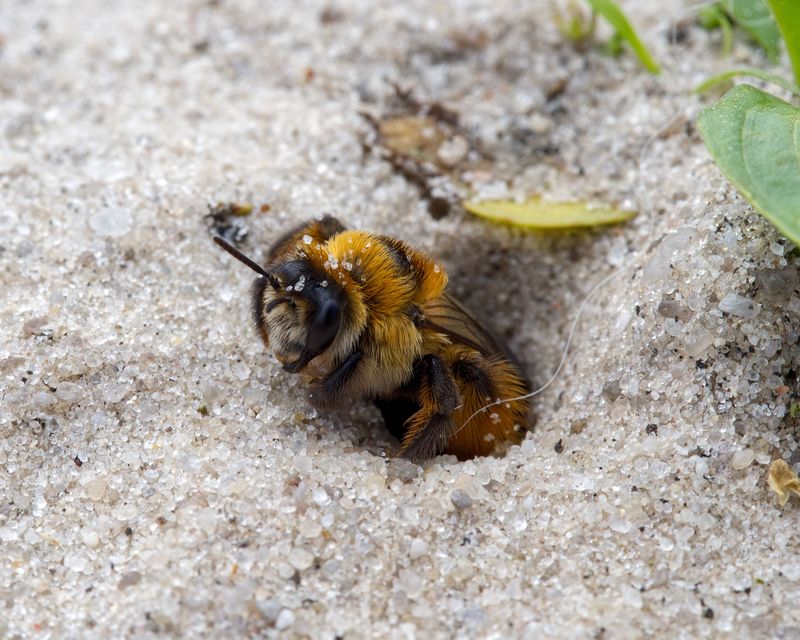
Small mounds with a hole in the center, buzzing with flying insects, can look intimidating. Many are ground-nesting bees, and they are much calmer than they seem.
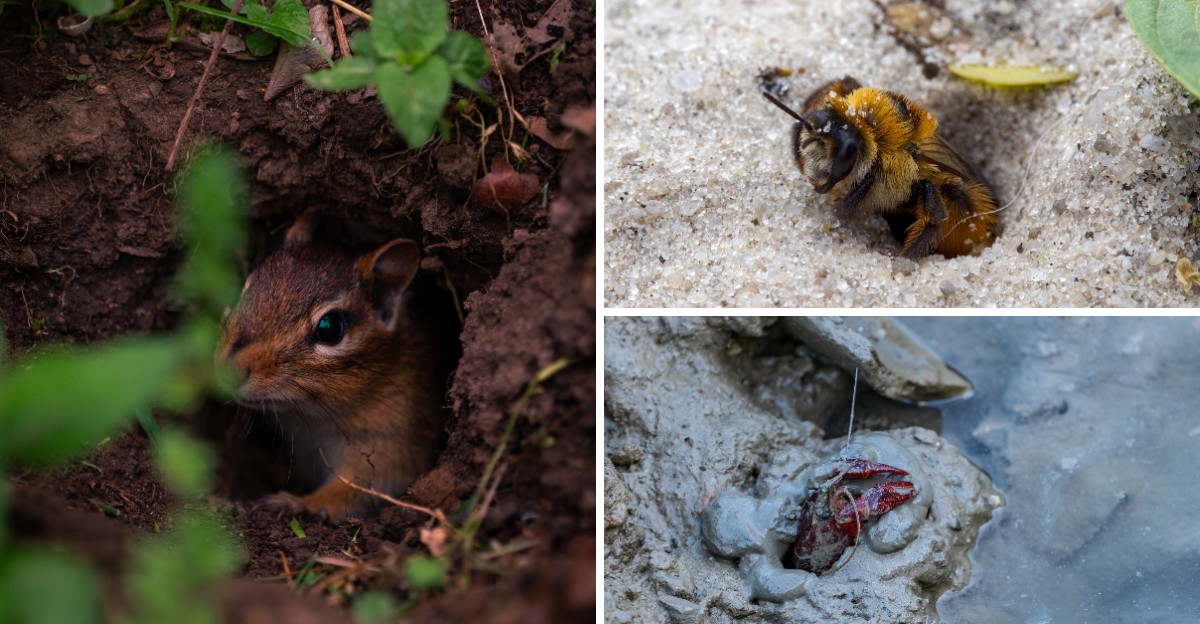
Mining bees and sweat bees dig solitary nests in bare, sandy, or thin patches. Each female makes her own tunnel, even when hundreds nest side by side.
Ground bees do not often sting and are important pollinators for fruit trees and spring flowers. Males zip around near the nests, but they do not have stingers.
By October, much ground bee activity has faded for the year. If you see a busy nest now, it could be yellow jackets instead.
Yellow jackets are more defensive and guard their nests strongly when disturbed. Mowing over their entrance can trigger a sudden swarm, so mark the spot.
Cold nights will wind down many yellow jacket colonies soon, since only queens carry on through winter. Waiting until the first hard frost is often the simplest solution.
Ground bees prefer bare soil, so thickening your grass is a common long-term approach. Overseed thin spots in fall and water regularly to help new seedlings grow.
A dense lawn gives these diggers fewer places to settle. Your yard stays green, and the pollinators can find a wilder corner to call home.
Many ground bees are active for only a few weeks in spring. Their busy season is short, so patience pays off.
7. Chipmunks Building Hidden Burrow Systems
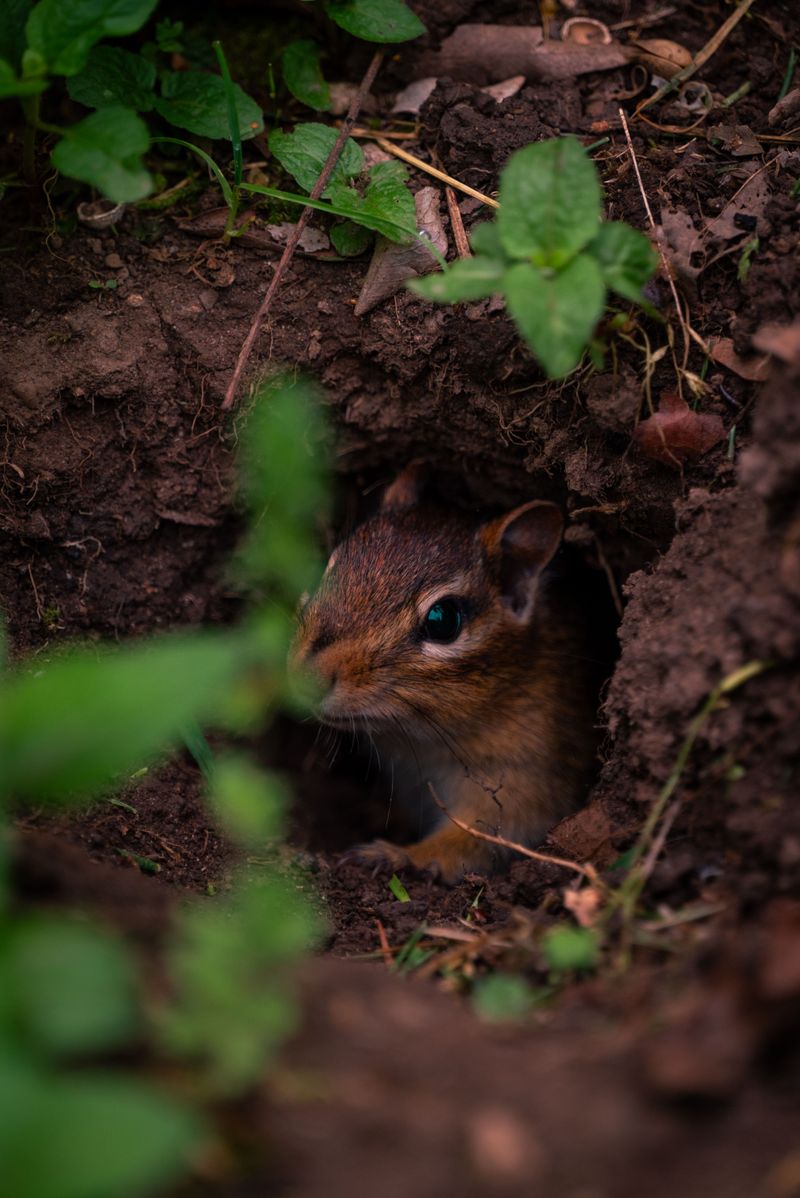
Chipmunks might look like cartoon stars, but they are expert engineers underground. Their burrow entrances are clean, round holes about two inches wide with no dirt pile.
That missing dirt pile is a clever survival trick. Chipmunks carry soil away in their cheeks so predators cannot easily spot their homes.
Below ground, a single burrow system can stretch twenty or thirty feet long. It includes a sleeping room, food pantries, and even a bathroom chamber.
October is peak storage season for New Jersey chipmunks. They race around stuffing acorns, seeds, and nuts into their stretchy cheek pouches.
Usually, a few burrows cause little harm to your lawn. Problems start when tunnels run under patios, stairs, walkways, or foundations.
Move bird feeders away from the house, since spilled seed is a chipmunk buffet. Keep wood piles and thick shrubs a few feet from your foundation.
Gravel strips along the house make digging less appealing for these tiny excavators. Humane live capture works too, but New Jersey tightly restricts relocation, so hire a licensed operator.
Many families decide a chipmunk or two adds charm to the yard. Watching one with bulging cheeks is cheaper than a typical streaming subscription.
Chipmunks hibernate lightly, waking now and then to snack from their stored food. Their pantries can hold several pounds of seeds.
8. Crayfish Building Muddy Chimney Towers
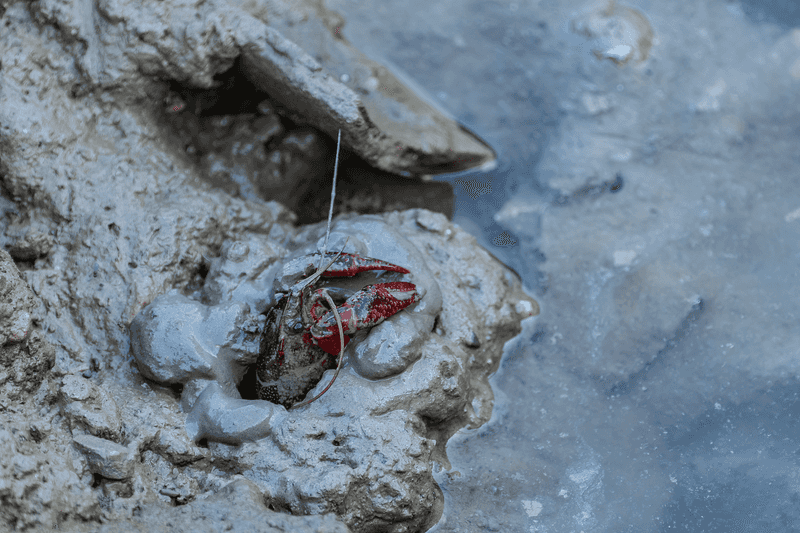
Muddy towers poking out of a soggy lawn can look like tiny castles. In low, wet parts of New Jersey, crayfish build these chimneys from mud pellets.
Yes, those little lobster lookalikes can live in your backyard. Burrowing crayfish dig down to the water table, sometimes several feet deep.
The chimney sits over a hole about an inch wide, often near ditches or streams. You will usually spot them in yards with heavy clay or poor drainage.
Crayfish are busiest when the ground stays damp, often in spring and fall. Rainy October weeks can bring a sudden crop of new mud towers.
They are generally harmless and actually help aerate heavy, waterlogged soil. The bumpy chimneys can jolt a mower or trip someone walking barefoot, though.
Level the chimneys with a rake and smooth the mud before mowing. Crayfish will often rebuild, but the job takes only a minute.
Improving drainage is an effective long-term answer for persistent crayfish neighbors. Core aeration, added topsoil, or a French drain can dry out soggy spots.
Kids usually find these critters fascinating, so consider it a free science lesson. Not many yards come with their own resident mini lobsters.
Crayfish chimneys often cluster in the lowest corner of a yard. Following the slope of your lawn can show why water collects there.