What Those Storm-Day Frogs On Your Wisconsin Porch Are Really Telling You
Storms move toward you before your senses catch anything unusual. Frogs already feel pressure shifting long before you do. Your porch becomes their destination the instant humidity rises.
Wisconsin nights turn restless once these creatures start moving toward you. Skin absorbs moisture directly, steering every choice they make near you. Lights on your porch pull insects, then insects pull frogs inside.
Warm concrete beneath your feet holds heat they cannot resist. Shelter matters most when wind threatens the space around you. Every visit tells you something real about your surroundings.
Clean water near your home explains why frogs keep returning. Healthy insects nearby confirm your yard supports thriving life. Countless species call Wisconsin porches home, each reacting differently to you.
Patterns emerge fast once you start watching very closely. Curiosity builds quickly when instinct pulls creatures straight to you. Answers wait for you, and ignoring them is no longer possible.
Why Frogs Show Up On Porches During Storms
Rain is coming, and frogs feel it before your weather app does. These creatures have skin that absorbs moisture directly from the air, making them highly sensitive to changes in humidity and pressure.
When humidity spikes before a storm, frogs become more active. Their skin stays moist longer, which means they can travel farther without drying out.
Your porch becomes an attractive stop for a few solid reasons. Porch lights pull in moths and gnats, which are basically a frog buffet. The overhang also offers shelter from wind and heavy drops.
Frogs are cold-blooded, so they depend on outside conditions to regulate body temperature. A warm, humid porch on a stormy afternoon is comfortable for them.
The storm-day frogs on your Wisconsin porch are not confused or lost. They are following instincts that have worked for millions of years.
Pre-storm pressure drops also appear to play a role in this behavior. Changes in barometric pressure are believed to signal frogs that wet conditions are near, prompting movement toward safe, moist spaces.
Concrete and wood hold warmth from the day, making your porch floor a cozy landing pad. Frogs will press their bellies flat against warm surfaces to absorb heat through their skin.
You might notice them clustered near your door or tucked under a chair. That positioning is deliberate, not accidental, and it shows just how tuned-in these small animals are to their surroundings.
What This Behavior Means About Your Environment
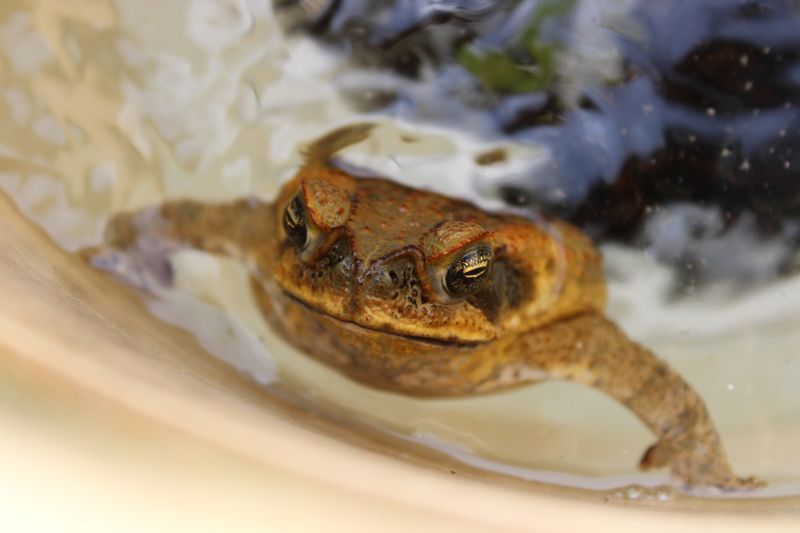
A frog choosing your porch is actually a quiet compliment. These animals are extremely sensitive to chemical pollution, so their presence suggests your yard is relatively clean and healthy.
Frogs absorb everything through their skin, including pesticides, herbicides, and runoff. If your property had heavy chemical use, frogs would avoid it entirely.
Seeing them regularly means your local water sources are in decent shape. Frogs breed in ponds, puddles, and slow streams, so a healthy frog population nearby signals clean water close to home.
Your neighborhood likely has a good insect population too. Frogs do not hang around where food is scarce, so their presence confirms bugs are thriving in your area.
Your Wisconsin Garden Changes Every Week. Your Plan Should Too.
Gardening in Wisconsin changes quickly throughout the season. Every Friday you’ll receive a simple weekly plan showing exactly what to plant, prune, fertilize, harvest, and protect so you never miss the right timing.
Healthy insect numbers mean your plants are being pollinated and your soil ecosystem is active. That is good news for anyone growing a garden.
The storm-day frogs visiting your porch are living indicators of environmental balance. Scientists actually use frog populations as a measure of ecosystem health worldwide.
A yard with frogs is a yard with layers of life working together. Birds, insects, amphibians, and plants are all connected in ways that support each other.
If you started seeing fewer frogs over recent seasons, that would be worth paying attention to. Declining numbers can signal shifts in local water quality or habitat loss before other signs appear.
Common Wisconsin Frog Species You Might Spot
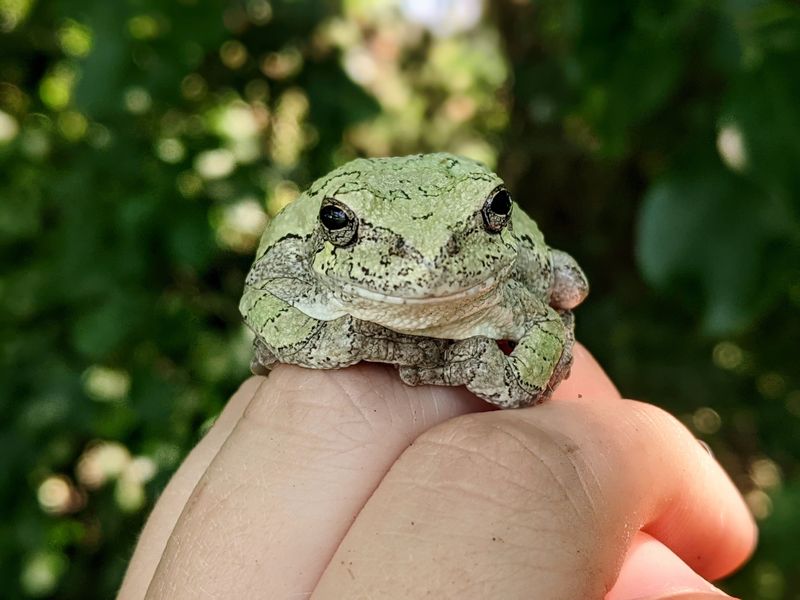
Not every porch frog looks the same, and knowing the species adds a whole new layer to the experience.
Wisconsin is home to roughly a dozen native frog and toad species, according to the Wisconsin Department of Natural Resources, and several of them love hanging around human structures.
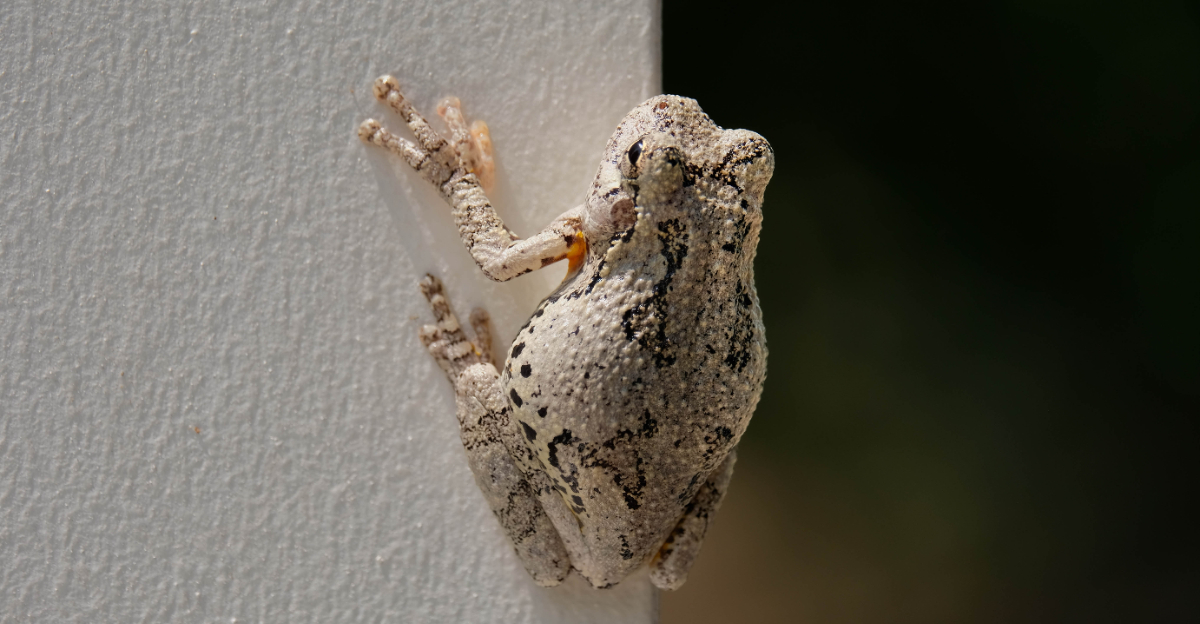
The gray tree frog is probably the most common porch visitor. It has bumpy, grayish skin that blends perfectly with wood and concrete, and it can change color slightly to match its surface.
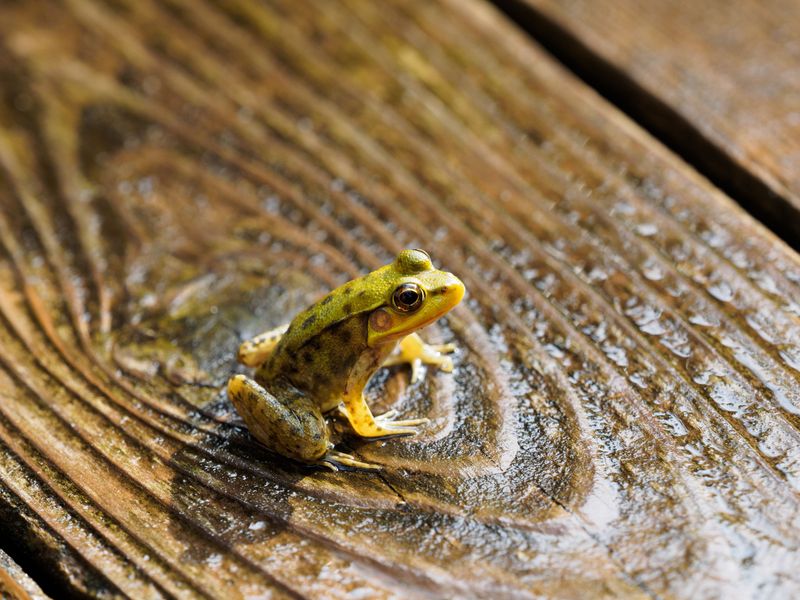
Green frogs are another frequent guest, especially near yards with ponds or drainage ditches. They are larger, bright green along the upper lip, and have a distinctive ridge running down each side of their back.
Spring peepers are tiny but incredibly vocal. You have definitely heard them on warm spring nights even if you have never spotted one. They are smaller than your thumbnail and nearly invisible on bark or wood.
American toads also wander onto porches, though they are technically toads rather than frogs. They are stockier, covered in bumps, and tend to move in slow hops rather than quick leaps.
The western chorus frog is another small species common in wet meadow areas across the state. Its call sounds like running your finger along the teeth of a plastic comb.
Pickerel frogs are less common on porches but do show up near wooded edges. They have a distinctive checkerboard pattern and produce a mild skin secretion that deters some predators.
Spotting any of these species on your porch during stormy weather is a nature moment worth savoring.
Signs Your Porch Is A Frog-Friendly Habitat
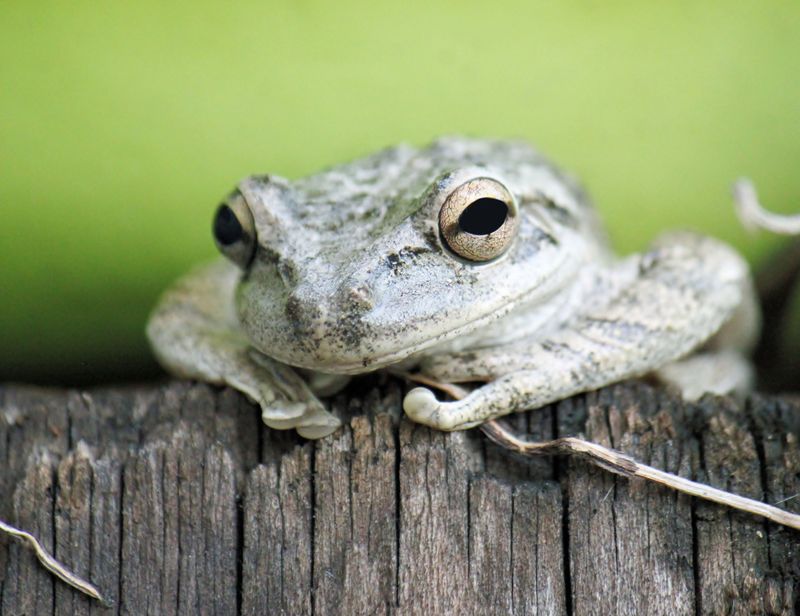
Some porches get one frog a year. Others become a regular gathering spot, and the difference comes down to specific features that make frogs feel at home.
Porch lighting is the biggest factor. Insects swarm around lights at night, and frogs follow the food. A bright porch light is essentially an open-invitation sign for hungry amphibians.
Moisture matters just as much. If you have potted plants that stay damp, a water feature nearby, or low spots where puddles form, frogs will find your space more appealing.
Wood surfaces, rough concrete, and textured railings give frogs something to grip. Smooth surfaces like painted metal or sealed fiberglass are harder to cling to and less attractive to tree frogs specifically.
Dense plantings near your porch foundation offer cover during the day. Frogs are nocturnal feeders but need safe hiding spots when the sun is up and predators are active.
Leaf litter, mulch beds, and ground-level clutter near the porch also serve as daytime shelters. Frogs tuck into cool, moist spots to rest between feeding sessions.
A shallow dish of water set near the porch edge can encourage visits. Frogs do not drink through their mouths; they absorb water through their belly skin when they sit in it.
If your porch checks several of these boxes, you have built a habitat frogs find appealing. The storm-day frogs showing up are simply recognizing a good thing when they find it.
Is It Good Or Bad To Have Frogs Around
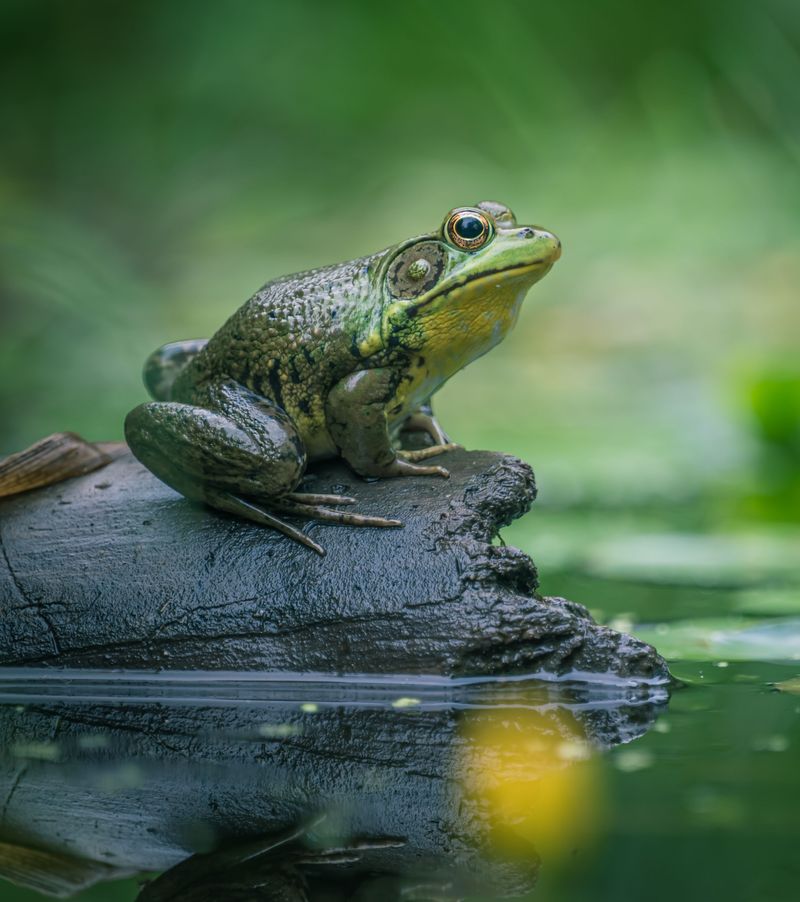
In short, frogs on your porch are almost entirely a good thing. They eat an impressive number of insects, including mosquitoes, gnats, beetles, and slugs that would otherwise bother you or damage your plants.
A single gray tree frog feeds on insects steadily throughout the summer, making a real dent in local pest numbers. That kind of natural pest control is hard to match with sprays or traps.
For gardeners especially, frogs are low-maintenance allies. They patrol at night when many harmful insects are most active, catching pests that other daytime predators like birds would miss.
There is essentially no downside to having frogs nearby. They are not aggressive, they do not chew through anything, and they are not interested in your food or belongings.
Some people worry about the mild toxins that toads carry in their skin glands. For humans, casual contact is harmless. Just wash your hands after handling one, and you are fine.
Pets are a slightly different story. Dogs that mouth toads can experience temporary drooling or nausea, but serious reactions are rare with the species found in the upper Midwest.
From a garden health standpoint, frogs signal a balanced ecosystem. A yard with active amphibians is a yard where nature is doing its job without needing chemical assistance.
The storm-day frogs on your porch are pulling their weight in ways most people never notice. Letting them hang around costs you nothing and pays back in pest-free evenings all season long.
How To Handle Frogs On Your Porch Safely
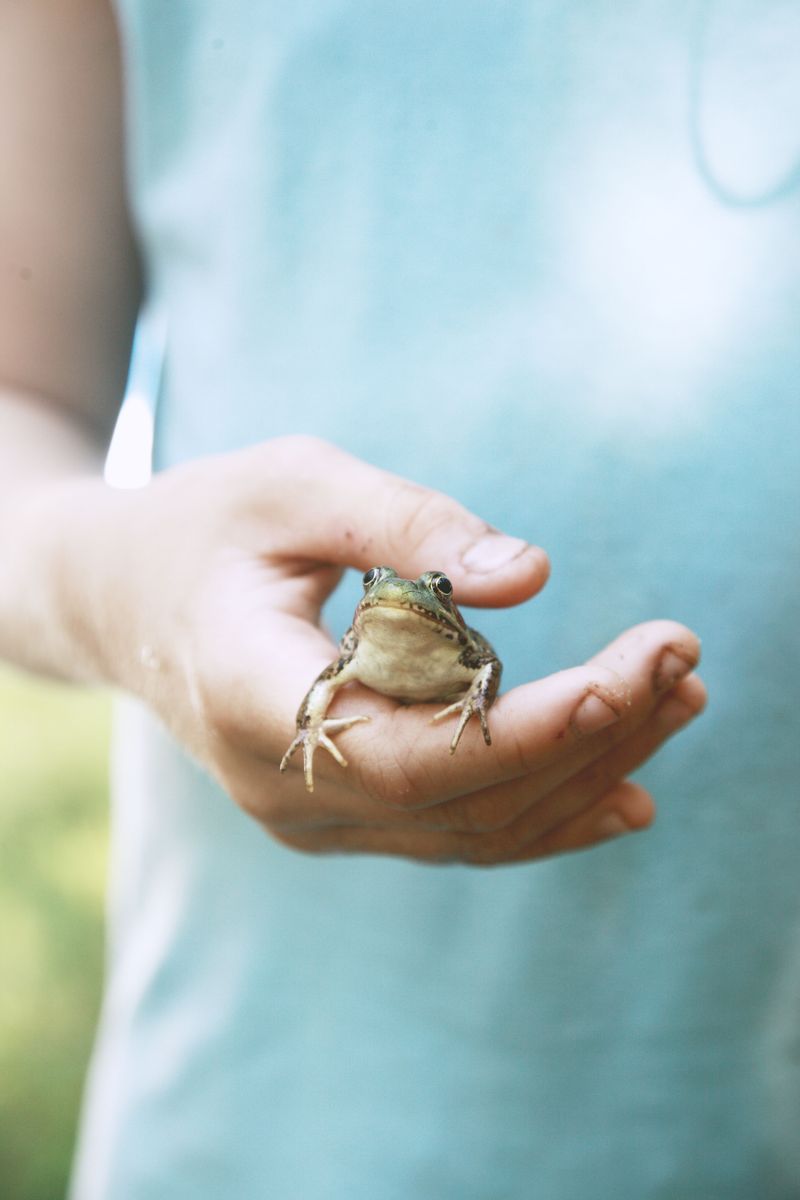
Most of the time, the best move is to simply leave them alone. Frogs on your porch are not in danger, and they will move on once the storm passes or the night ends.
If you need to relocate one, wet your hands first. Dry skin pulls moisture from a frog rapidly, which stresses them out and can damage their delicate outer layer.
Scoop gently from underneath rather than grabbing from above. Frogs startle easily, and a sudden grip from overhead mimics a predator approach, which causes unnecessary stress.
Move them to a nearby shrub, garden bed, or grassy area with some ground cover. Placing them near the edge of your yard gives them a natural path back to their home territory.
Avoid using chemical cleaners or pesticides on your porch if frogs visit regularly. Residue from common sprays can absorb through their skin and cause real harm to their nervous system.
Children who want to observe frogs up close should be supervised and reminded to keep handling brief. A minute or two of observation is fine; prolonged contact raises stress for the animal.
If a frog appears lethargic, disoriented, or has visible injuries, contact your local wildlife rehabilitation center. Most counties in the upper Midwest have resources for injured native wildlife.
Handling storm-day frogs on your Wisconsin porch with care keeps both you and the animal safe. A little respect goes a long way with these surprisingly resilient backyard neighbors.