What To Direct Sow In Oregon During This Week’s Dry Spell For A Late Fall Harvest
A brief dry spell can give you a valuable planting window in an Oregon garden, especially if you still want to squeeze out another harvest before winter.
Empty spaces left behind by summer crops do not have to stay bare, and some cool-season vegetables can get established surprisingly quickly when conditions cooperate.
Direct sowing is often the simplest way to use that extra space, but timing becomes important as daylight shortens and temperatures begin to drop.
You want crops that can germinate and grow fast enough to make the most of the remaining season without being caught off guard by colder weather.
Check your soil, choose seeds suited to your area, and get them in the ground while the conditions are workable.
A well-timed planting now could give you fresh produce later in the fall when much of the summer garden has already faded.
1. Radishes Give You One Of The Fastest Crops
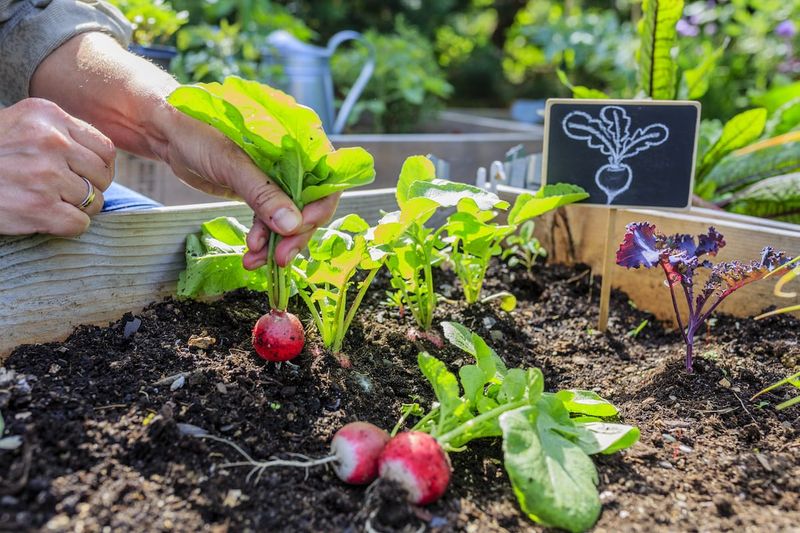
Few vegetables reward your patience as quickly as these crunchy little roots. Some varieties are ready to pull in as few as 25 days, which is amazing for fall.
Because the current dry weather in Oregon makes seeding simple, you can press them into loose soil about half an inch deep. Space the seeds out a bit so the roots have room to swell. Keep the top of the soil lightly damp and you will spot sprouts in just a few days.
Cooler temperatures suit them well, and they rarely turn spicy or woody when grown in fall. That crisp, peppery bite stays mild and refreshing. Watering evenly matters, since dry spells can make the soil crusty and slow things down.
Thin the young seedlings once they have a couple of leaves. Crowded plants make small, twisted roots instead of round ones. Pull the weakest ones and let the strongest keep growing.
You can plant a fresh row every week or so for a steady supply. That way you always have some ready to harvest. They also pair nicely next to slower crops, filling gaps in your beds.
Fun little detail: radishes have been grown for thousands of years and were once fed to workers building the pyramids. Not bad for such a speedy, humble vegetable in your fall garden.
2. Arugula Handles Cooler Fall Weather
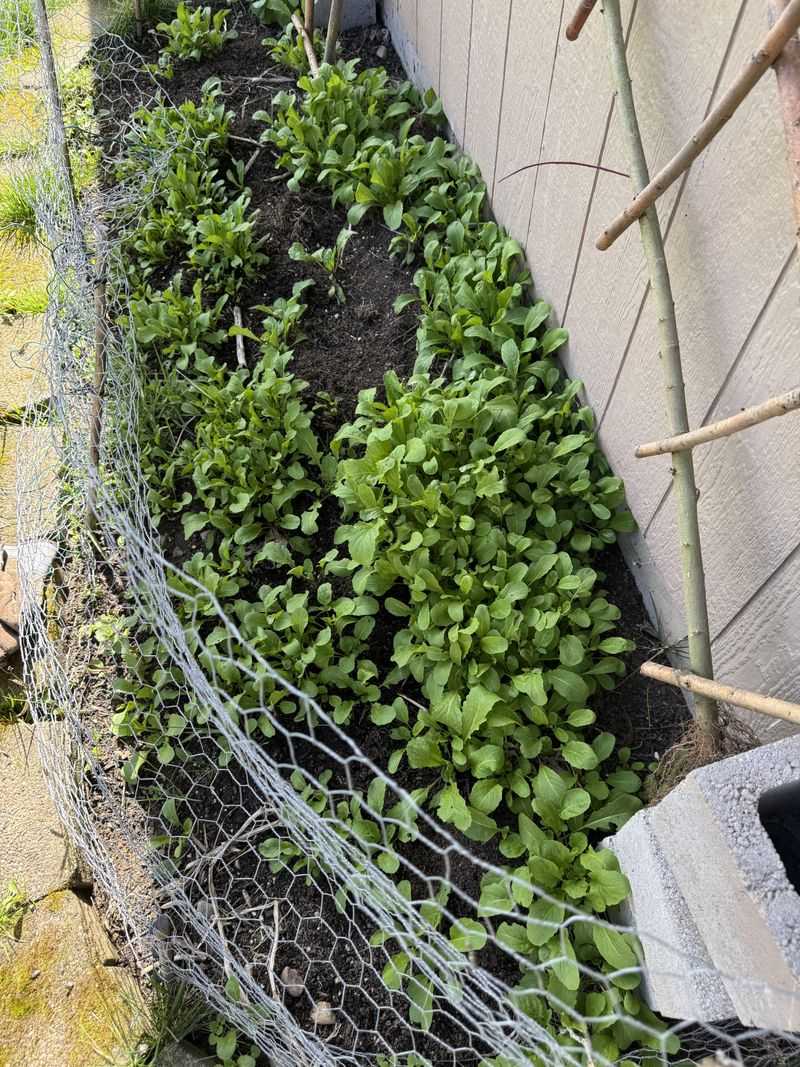
Peppery and bold, this leafy green actually prefers the chill of fall over summer heat. Warm weather makes it bitter and pushes it to flower too fast.
Scatter the tiny seeds across a smooth patch of soil and barely cover them. A light rake and a gentle watering are all it takes to get things going. Sprouts often appear within a week.
Cool Oregon nights bring out a nutty, sharp flavor that many people love in salads. The leaves stay tender when the plants grow steadily. Even a light frost can improve the taste.
Harvest the outer leaves and let the center keep producing more. That cut-and-come-again style gives you weeks of fresh greens from one planting. Snip what you need and leave the rest.
Your Oregon Garden Changes Every Week. Your Plan Should Too.
Gardening in Oregon changes quickly throughout the season. Every Friday you’ll receive a simple weekly plan showing exactly what to plant, prune, fertilize, harvest, and protect so you never miss the right timing.
During a dry spell, watch the soil so it does not dry out completely. A quick sprinkle in the morning keeps young plants happy. Mulching around them helps hold in moisture too.
Baby leaves are ready in around three weeks, so it fits a short fall window nicely. You do not have to wait long for a tasty reward.
Here is a neat bit of history: arugula was popular in ancient Rome, where people ate it for both flavor and its supposed energy. Today it just makes your salads far more interesting.
3. Spinach Can Keep Growing Into Fall
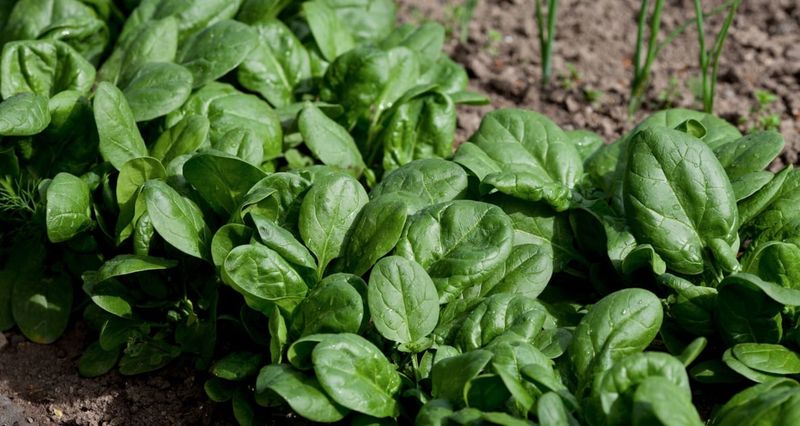
Cold weather is where this leafy favorite truly shines. It slows down in summer heat but comes alive when the temperatures drop in fall.
Plant the seeds about half an inch deep and give them a little space between each one. Firm the soil gently so the seeds make good contact. Sprouts show up in a week or two.
Since fall days are shorter, growth may be slower than spring, but the leaves turn thick and sweet. A touch of frost actually deepens the flavor. Many gardeners swear fall spinach tastes the best.
Keep the soil evenly moist during this dry stretch. Spinach seeds can be picky about sprouting if the ground gets too warm or dry. Watering in the cool morning helps them along.
Pick the outer leaves first and let the plant keep making new ones from the center. You can also cut whole young plants for tender baby spinach. Either way works great.
Some varieties handle cold so well they survive under a light cover all the way into winter. That means fresh greens even when other crops have finished.
A fun fact worth sharing: spinach became famous partly thanks to Popeye cartoons, which boosted its sales for kids everywhere. It really is packed with iron and vitamins for a healthy fall boost.
4. Cilantro Prefers The Cooler Season
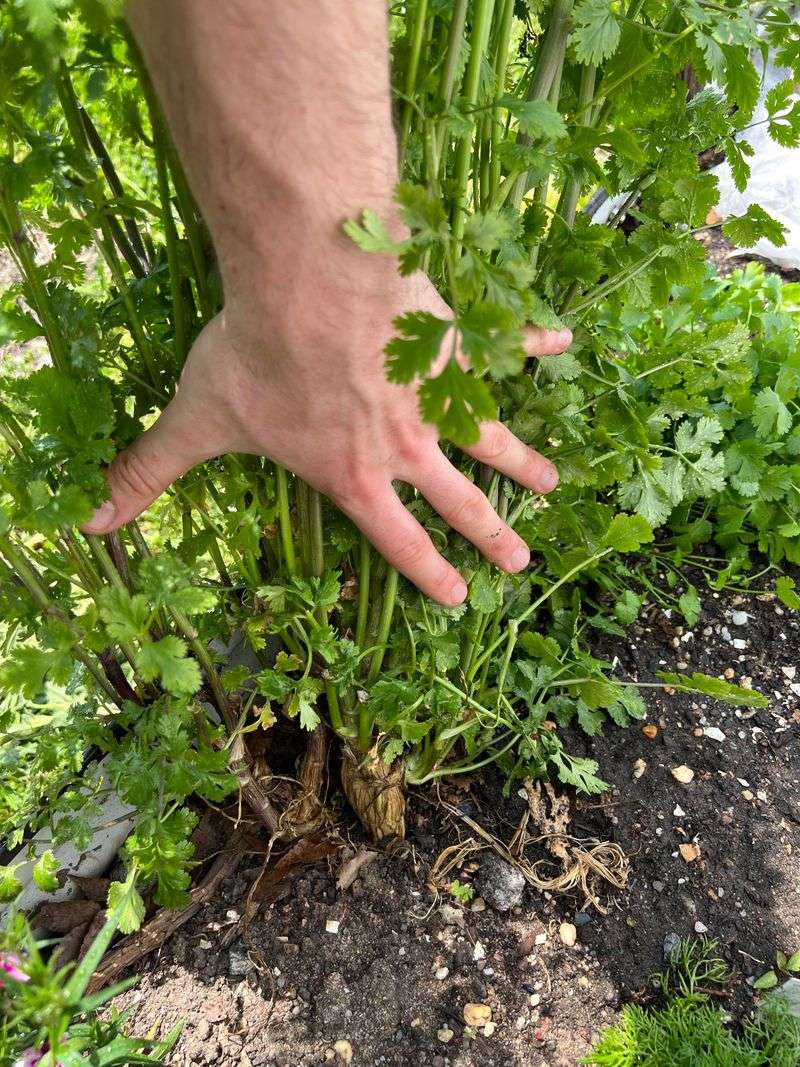
This herb tends to struggle in summer, bolting to seed the moment things heat up. Fall gives it exactly the cool, calm conditions it craves.
Sow the seeds about a quarter inch deep and keep the soil lightly damp. The seeds are actually little dried fruits, so soaking them overnight can speed up sprouting. Give them a week or two to appear.
Milder days let the plants grow slowly and stay leafy for a longer time. That means more fresh cilantro for your kitchen. The flavor stays bright and fresh without turning harsh.
Snip the outer leaves as you need them and the plant keeps producing. Regular trimming actually encourages bushier growth. Just avoid cutting too much at once.
Water gently during the dry weather so the shallow roots do not dry out. A layer of mulch keeps the soil cool and steady. Cilantro appreciates that even moisture.
If some plants eventually flower, do not toss them out. Let the seeds dry and you will have coriander spice for cooking. That is two crops from one planting.
Here is something fun: cilantro and coriander come from the very same plant, just different parts. The leaves are cilantro, and the dried seeds are coriander. Growing it in fall gives you a longer, tastier harvest than a rushed summer crop ever could.
5. Mustard Greens Grow Quickly From Seed
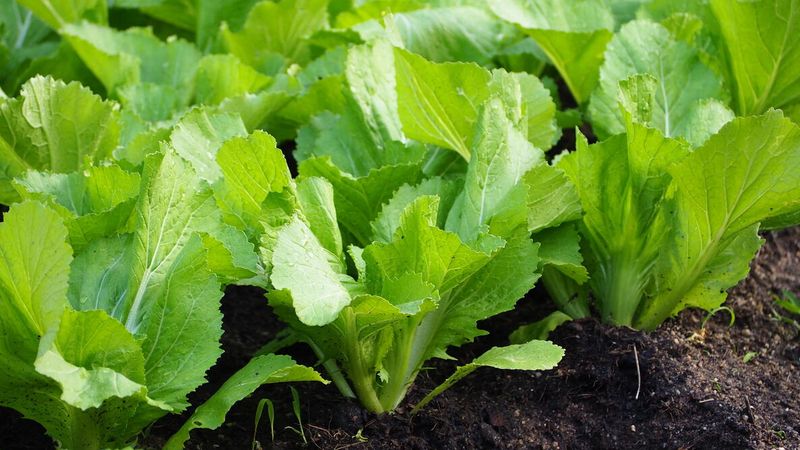
Spicy, fast, and forgiving, these greens are a fall Oregon gardener’s dream. They sprout in just days and fill a bed with bold, ruffled leaves.
Scatter the seeds thinly over prepared soil and barely cover them. A gentle watering settles them in nicely. You will often see green shoots within a week.
Cooler weather keeps the flavor peppery but pleasant instead of overly hot. Younger leaves are milder and great in salads. Older leaves are wonderful cooked down like collards.
Thin the seedlings so each plant has breathing room. The ones you pull are perfectly edible, so nothing goes to waste. Toss them right into your next meal.
During this dry spell, keep the soil consistently moist for the fastest growth. Mustard does not like to bake in dry ground. A light morning sprinkle keeps it thriving.
Baby greens are ready in about three weeks, and full leaves follow soon after. That quick turnaround makes them perfect for late planting. You get results fast.
A frost or two only sweetens the flavor, taming the spice a bit. Many gardeners prefer the taste after a chilly night.
Worth knowing: mustard greens are a staple in Southern cooking and many Asian dishes, prized for their zip. They add real personality to any plate and grow with almost no fuss in your fall garden.
6. Turnips Can Mature Before Winter
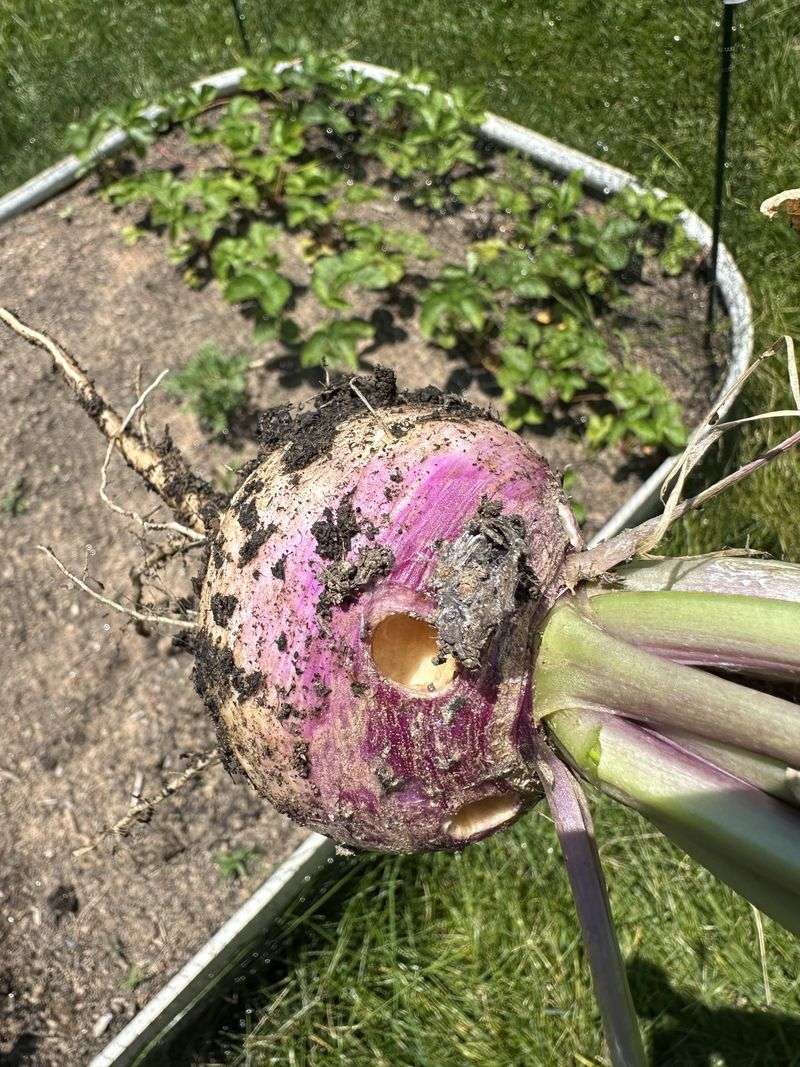
Two crops in one make this root a smart fall pick. You get sweet, crunchy roots below and tasty greens up top, all from a single planting.
Press the seeds about half an inch into loose soil and water gently. Sprouts appear within a week when conditions are right. The dry spell makes seeding clean and easy.
Cool weather helps the roots grow tender and mild rather than tough. Many varieties mature in about six to eight weeks. That timing fits neatly before the coldest days arrive.
Thin the young plants so the roots have space to bulb up. Crowded turnips stay small and skinny. Use the thinnings as baby greens in the kitchen.
Keep the soil evenly moist so the roots swell smoothly. Uneven watering can cause cracks or woody centers. A steady sprinkle prevents that problem.
Harvest them while they are small to medium sized for the best texture. Giant turnips can turn tough and fibrous. Smaller ones taste sweeter and crisper.
Frost actually improves their flavor, adding a gentle sweetness. So there is no rush to pull them the moment they size up.
Fun fact: before pumpkins became popular, people once carved turnips into lanterns for Halloween traditions. These humble roots have a long, interesting story and still earn their spot in a fall garden.
7. Baby Beets Fit A Short Fall Growing Window
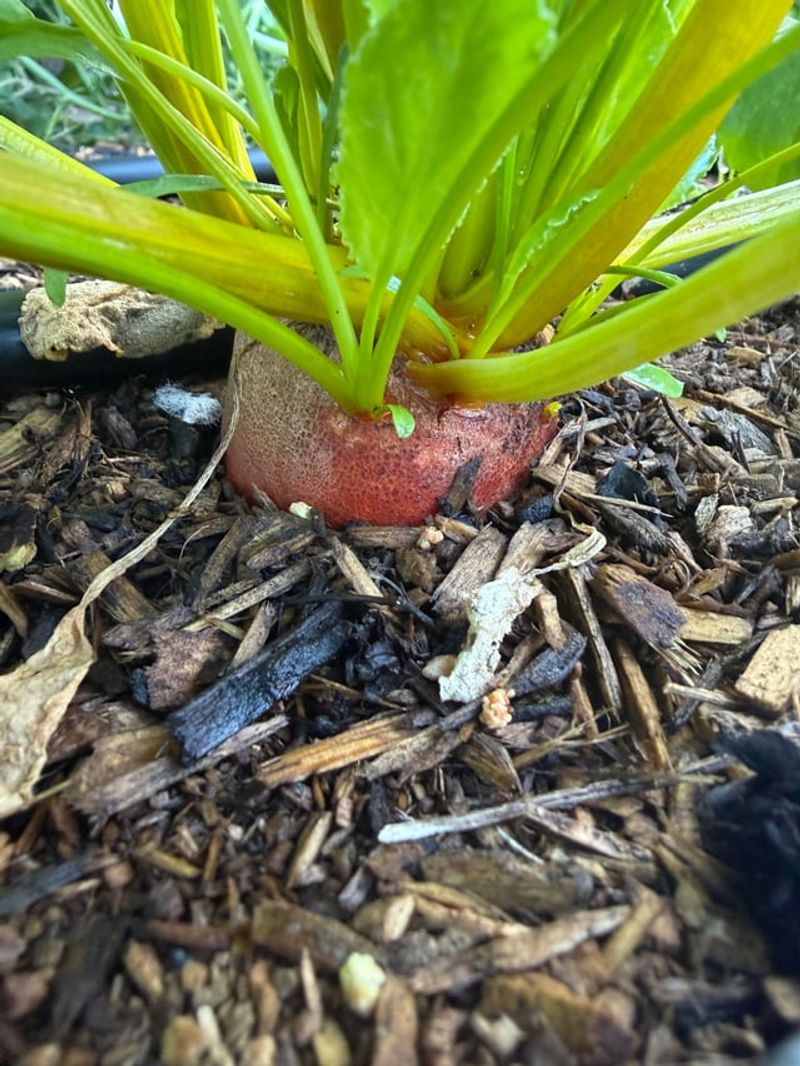
Sweet, colorful, and quick when picked young, these roots suit a late planting perfectly. You do not have to wait for full-sized beets to enjoy them.
Soak the seeds for a few hours before planting to help them sprout faster. Sow them about half an inch deep in loose soil. Sprouts usually appear in one to two weeks.
Each seed is actually a little cluster, so several sprouts may pop up together. Thin them out so each root has space to grow. The tender thinnings make lovely salad greens.
Cool fall weather keeps the roots sweet and the leaves crisp. Baby beets can be ready in around six weeks. Harvest them small for the most tender bite.
Steady moisture is key during this dry stretch. Beets that dry out too much can turn tough or crack. A gentle morning watering keeps them content.
Do not forget the tops, which are just as tasty as the roots. Cook them like spinach or chard for an easy side dish. Nothing needs to go to waste.
The bright red color comes from a pigment also used as a natural food dye. That is why beets can stain your hands and cutting board.
Grown this time of year, they reward you with sweetness and vivid color right before winter arrives in your Oregon garden.
8. Asian Greens Make Good September Sowing Choices
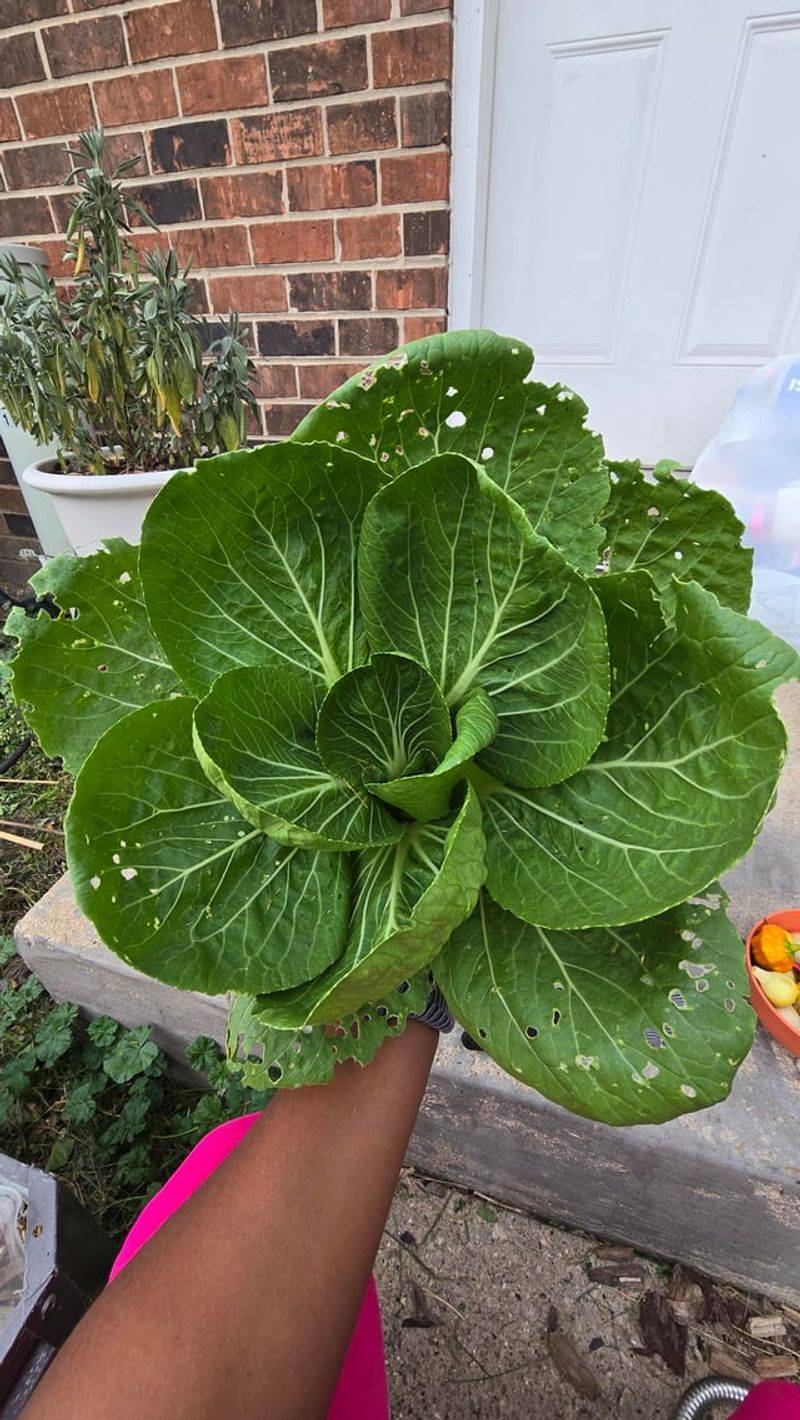
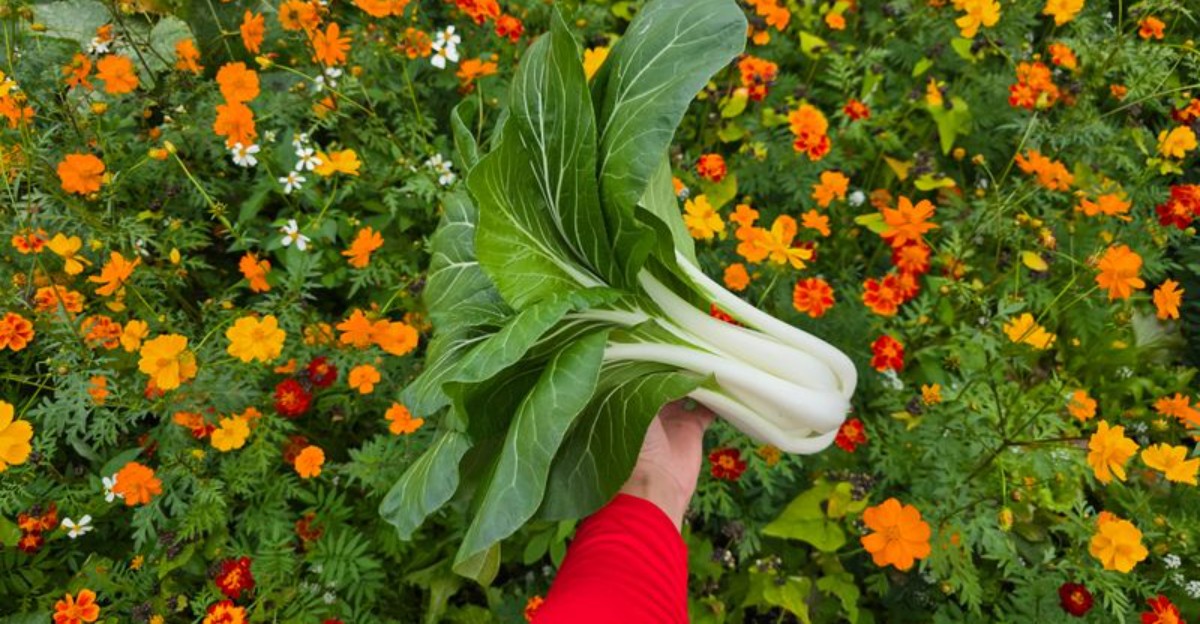
Bok choy, tatsoi, and mizuna belong to a group of greens that absolutely love cool weather. Fall planting lets them grow lush without bolting early.
Scatter or space the seeds shallowly in prepared soil and water gently. Most sprout within a week when the ground stays moist. The dry spell makes seeding tidy and simple.
Mild temperatures keep the leaves tender and the flavor fresh. Bok choy forms crisp stalks perfect for stir-fries. Mizuna and tatsoi add a mild, feathery zip to salads.
Many of these greens grow fast, with baby leaves ready in three to four weeks. Full heads take a little longer. Either way, you get quick results this season.
Thin crowded seedlings so each plant has room to fill out. Use the extras in your cooking right away. That keeps your beds from getting too packed.
Keep the soil steadily moist during the dry weather. These greens can wilt fast if they get too dry. A cool morning sprinkle keeps them perky.
Light frost often makes them even sweeter and more flavorful. So a chilly night is nothing to worry about.
Here is a helpful tip: many Asian greens can be harvested at almost any stage, from tiny leaves to mature heads. That flexibility makes them a rewarding and forgiving choice for a late fall garden.