Overwinter Your Arizona Chili Plant This Way And Grow A Giant Pepper Tree That Comes Back Bigger Each Year
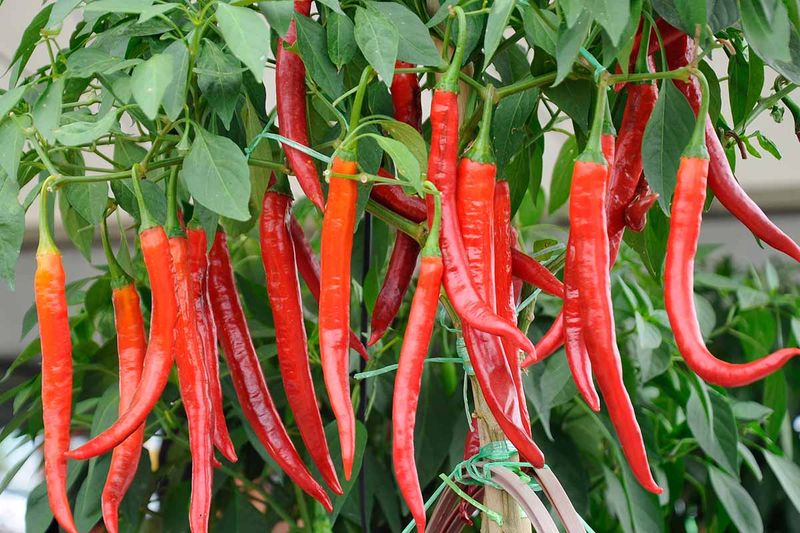
Your favorite chili plant does not have to die when the calendar flips to December. Many cultivated peppers, especially Capsicum annuum varieties, are naturally frost-tender perennials that can survive more than one growing season when you give them the right protection.
In low-desert Arizona, where Phoenix and Tucson winters are mild but not freeze-free, a healthy pepper kept through the cold months may bounce back earlier in spring than a brand-new transplant. No method guarantees survival, but the steps below give your best plants a real fighting chance.
Decide whether this pepper is worth saving
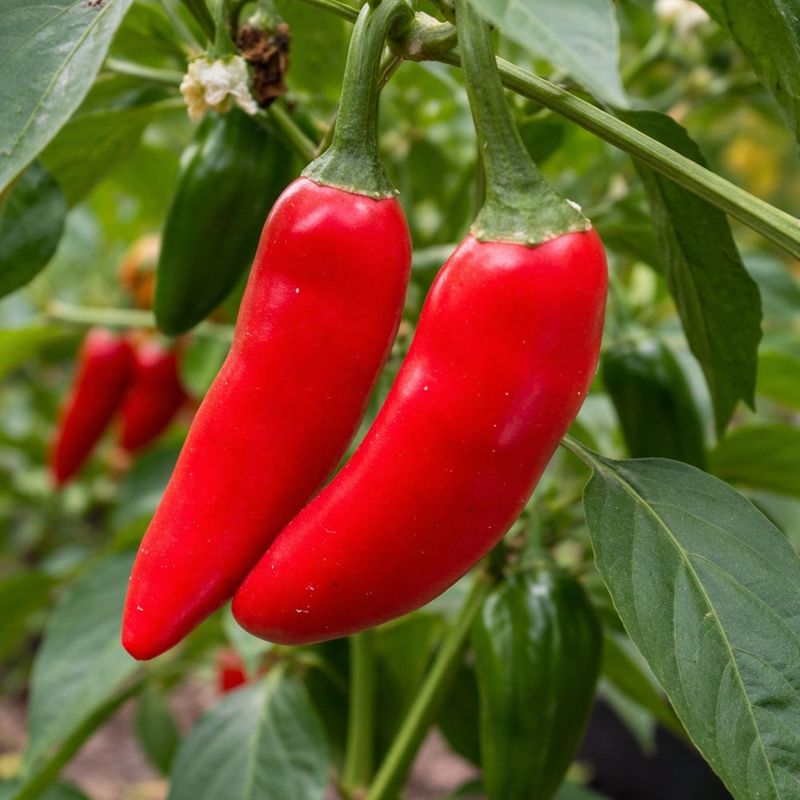
Peppers are commonly sold and grown as annuals, but that label describes how most gardeners use them rather than what the plant actually is. Low-desert Arizona is one of the few places in the continental United States where that biological possibility becomes a practical option for a backyard gardener.
Before you commit any effort, take an honest look at the plant in front of you. A strong overwintering candidate is actively healthy right now, showed good fruit production this season, has a solid root system, and shows no signs of serious disease or heavy pest infestation.
A pepper struggling with bacterial leaf spot, a virus, or root rot is unlikely to reward you for the extra work.
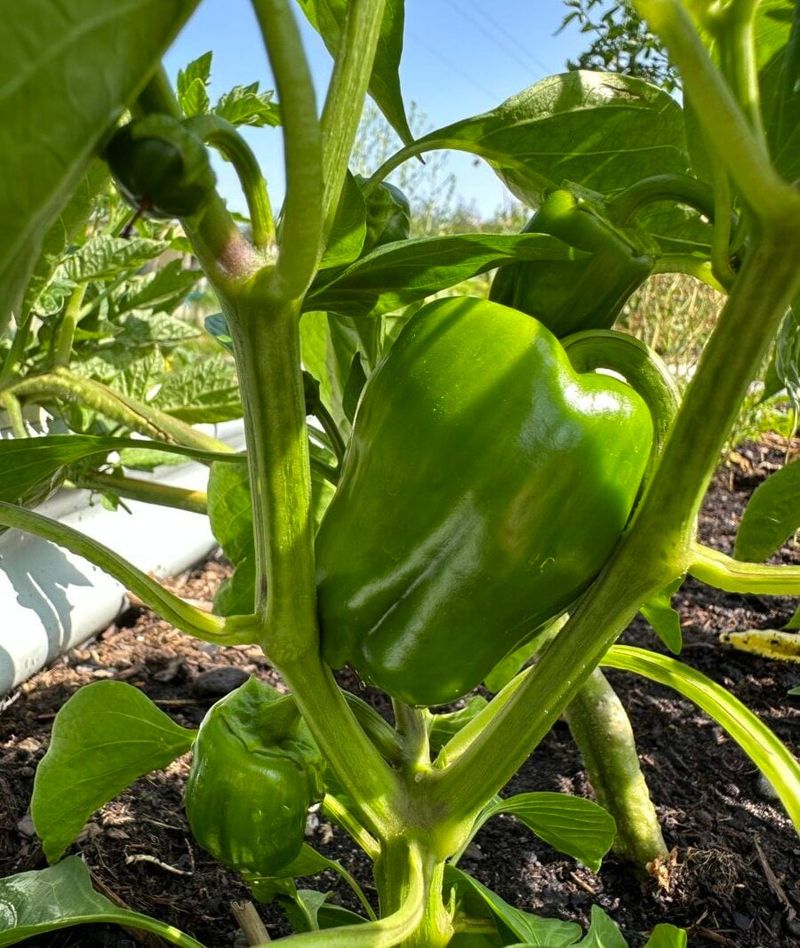
Cultivar and species matter, too. Texas A&M AgriLife Extension notes that while some hot peppers justify the multi-season effort, standard bell peppers may not deliver reliable production the following year.
Prized hot varieties, rare cultivars, or plants with sentimental value are usually the best candidates. The realistic payoff is earlier spring regrowth and a more established root system, not a guaranteed larger plant or higher yield every year.
Read your local frost risk before acting
Arizona frost dates are not one number.
University of Arizona Cooperative Extension frost protection guidance reports that the average first frost ranges from around November 21 in Buckeye to December 12 in central Phoenix, while the last frost can fall anywhere from February 7 in central Phoenix to April 3 in Mesa.Your yard, your neighborhood, and even your specific garden bed may be warmer or colder than the nearest airport reading.
Cold injury to peppers becomes more likely as temperatures drop lower, as exposure lasts longer, and as temperatures fall rapidly overnight. Plants that are actively growing, flowering, or drought-stressed are especially vulnerable.
A pepper pushing new tender growth in November because of a warm spell faces more risk than a plant that has slowed down and hardened off naturally.
Watch your own thermometer rather than relying solely on a regional forecast. Microclimates created by walls, pavement, slopes, and nearby structures can push your actual overnight low several degrees above or below what the weather service predicts for your zip code.
The goal is to have your protection strategy ready before a freeze arrives, not after. Even a well-protected plant can suffer damage or die during an unusually hard freeze, so preparation matters more than optimism.
Use a container or a protected microclimate
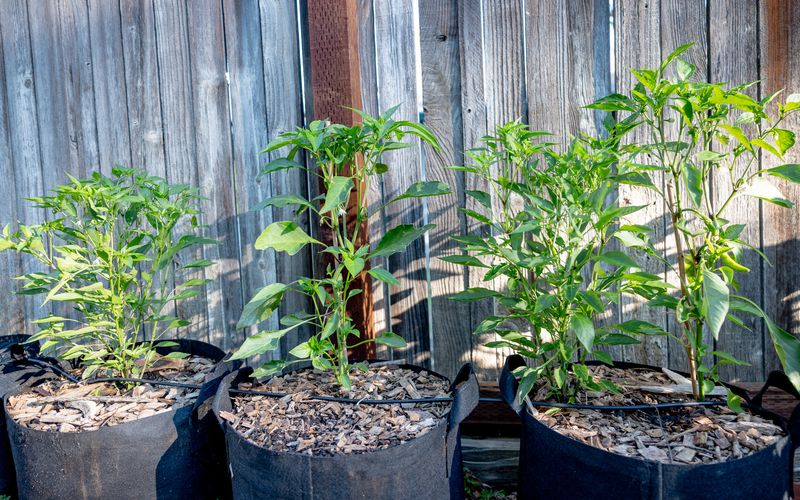
Moving a plant is far easier than moving a microclimate, which is why a container is the most flexible overwintering tool available to Arizona gardeners. University of Arizona Cooperative Extension recommends at least a 5-gallon container for larger vegetables like peppers, paired with working drainage holes and a well-draining soilless potting mix.
Your Arizona Garden Changes Every Week. Your Plan Should Too.
Gardening in Arizona changes quickly throughout the season. Every Friday you’ll receive a simple weekly plan showing exactly what to plant, prune, fertilize, harvest, and protect so you never miss the right timing.
Native Arizona soil and caliche-heavy backfill drain poorly, restrict root oxygen, and make a risky container medium even in good weather.
A container lets you respond to both winter cold and summer heat by moving the plant rather than rebuilding your garden bed. When a freeze is forecast, you can shift the pot to a garage, covered patio, or indoor room without disturbing the root system.
When June temperatures push past 110 degrees Fahrenheit, you can roll it into afternoon shade instead of watching it bake in place.
In-ground plants are not automatically ruled out. A pepper growing near a south- or west-facing masonry wall, surrounded by heat-retaining rock or concrete, may stay warm enough through a mild low-desert winter to survive without being moved.
University of Arizona frost guidance identifies these sheltered exposures as genuinely warmer microclimates. The honest caveat is that neither a container nor a favorable microclimate guarantees survival.
They improve the odds. A hard freeze, a broken drainage situation, or a disease problem can still end the plant despite your best preparation.
Protect the plant during a short freeze
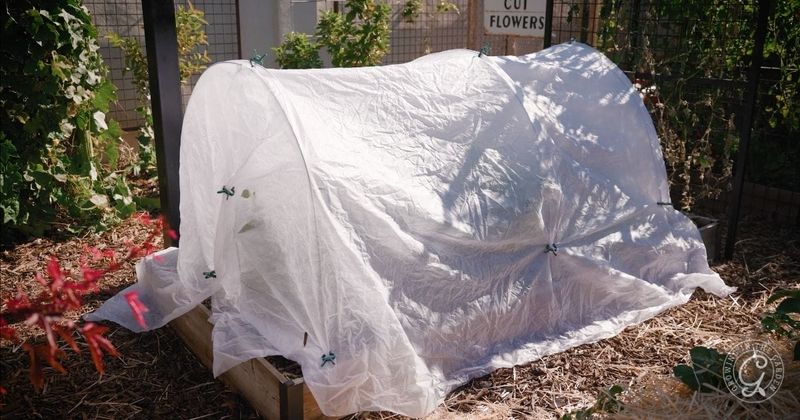
When a freeze arrives and the plant cannot be moved, the goal is to trap ground heat around it rather than simply block cold air from above. University of Arizona Extension recommends placing container plants in sheltered southern or western exposures before a forecast freeze, and taking advantage of spots near heat-retaining masonry walls, large rocks, or patios that absorbed daytime warmth.
These surfaces release stored heat slowly overnight and can push the immediate air temperature several degrees above an open-yard reading.
For plants staying outside through a short cold event, drape frost cloth, old bedsheets, or lightweight blankets over the plant so the covering extends all the way to the ground. That ground-to-top seal keeps the soil’s radiant heat from escaping.
The fabric must be supported so it does not rest directly on the foliage. Plastic should not touch leaves at all.
Plastic conducts cold efficiently, and any leaf in direct contact with it can freeze even when the air around it is slightly above freezing.
Ordinary household sheets and blankets are not permanent winter wraps. University of Arizona cautions that leaving coverings on continuously through the season can trap heat during warm spells, push the plant into premature new growth, and leave that tender growth exposed when the next cold snap arrives.
Remove fabric coverings in the morning once temperatures under the cloth reach approximately 50 degrees Fahrenheit, and replace them only when the next forecast calls for it.
Slow winter care without creating root problems
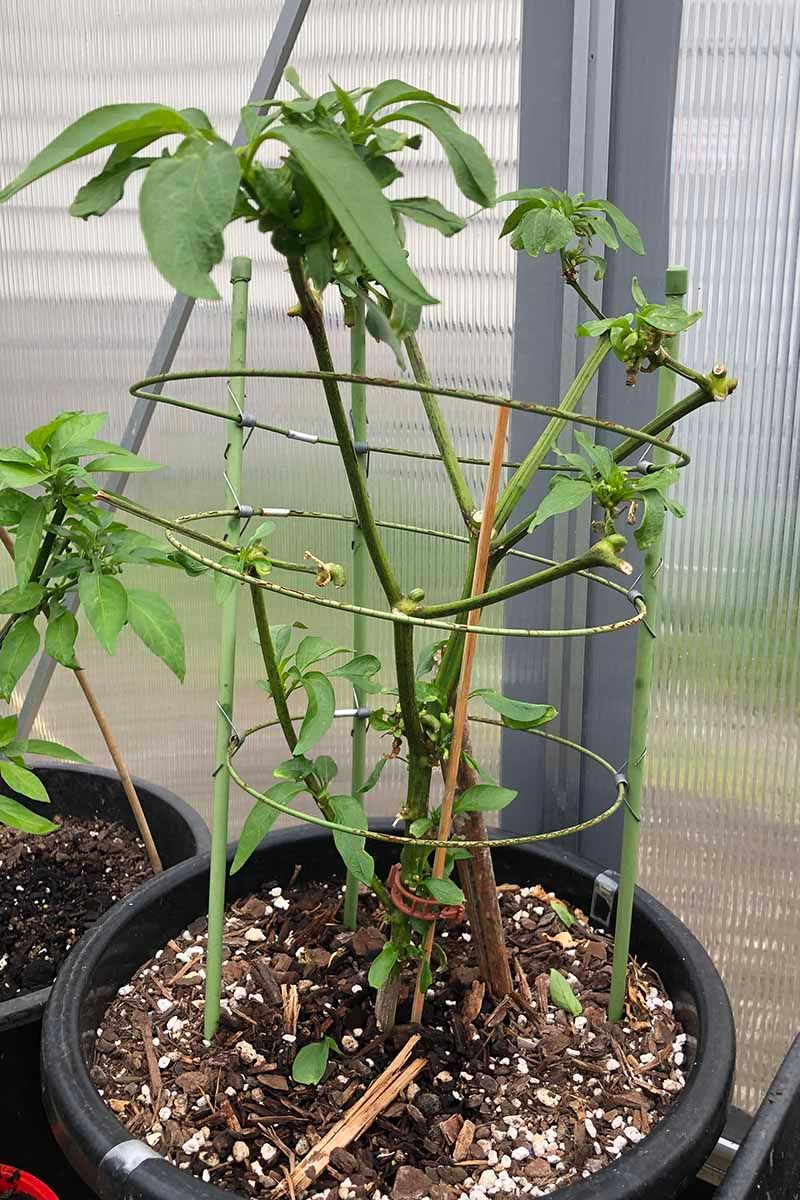
Once a pepper is sheltered for winter, its care needs change. Growth slows, sometimes almost stopping entirely, and the plant no longer needs the same water it required during active fruiting.
Reducing irrigation is correct, but the goal is to keep the root zone lightly moist rather than alternating between soaking wet and bone dry. University of Arizona container gardening guidance emphasizes that well-draining media and functioning drainage holes are essential because saturated soil during cool, low-growth periods raises the risk of root disease significantly.
Where you keep the plant matters. A cool, bright location, such as a south-facing window in an unheated garage or a covered patio that stays above freezing, tends to work better than a warm, dark interior room.
Low light can trigger leaf yellowing and partial dormancy, and a warm indoor environment can encourage the kind of soft new growth that becomes vulnerable the moment the plant goes back outside.
Fruit still on the plant at the start of winter should be harvested. Dead or visibly diseased stems and leaves can be removed as you find them.
What you should not do is apply a dramatic hard-pruning cut across the whole plant at the start of the cold season. University of Arizona frost protection guidance specifically advises waiting until spring growth begins before cutting back woody tissue that appears frost-damaged, because tissue that looks dead may still be protecting living material underneath, and new growth sometimes emerges from stems that initially seemed lost.
Screen for pests and disease before sheltering it
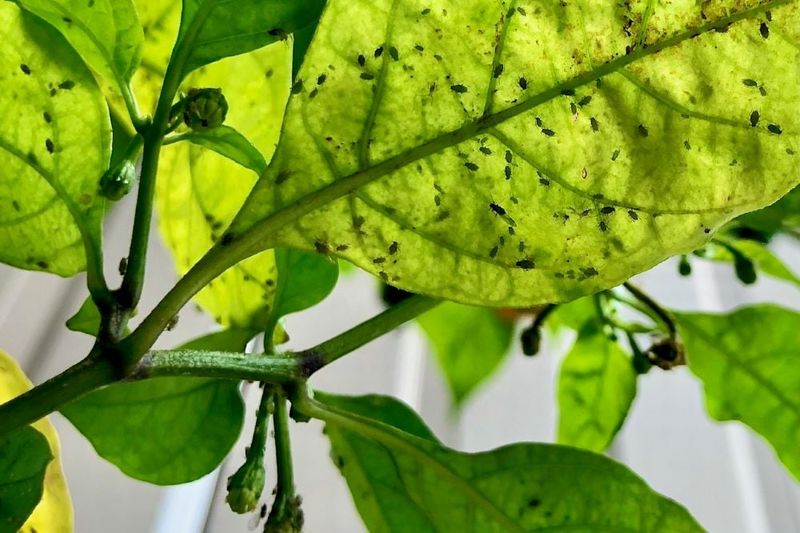
Inspection is not optional. Any pest riding indoors on your pepper plant loses its natural outdoor checks: rain, predatory insects, and temperature swings that normally keep populations manageable.
Quarantine is worth the inconvenience. Keep a returning pepper separated from other houseplants for at least a week or two so any hidden pest problem becomes visible before it spreads.
If you find a minor aphid cluster or a few spider mites, treat the plant before sheltering it rather than hoping the problem resolves on its own in a warm, dry room.
Disease is a harder problem than insects. Penn State Extension lists bacterial leaf spot, Phytophthora blight, anthracnose, viruses, and Verticillium wilt among the diseases that affect peppers, and several of these can persist in soil, plant debris, or nearby weed hosts.
A plant showing active disease symptoms, severely stunted growth, or mosaic-pattern leaf distortion is probably not worth the effort of overwintering. Protecting a diseased plant through winter does not cure it, and bringing infected soil or debris into a sheltered space can create problems for future plants.
Return it gradually, then manage the heat
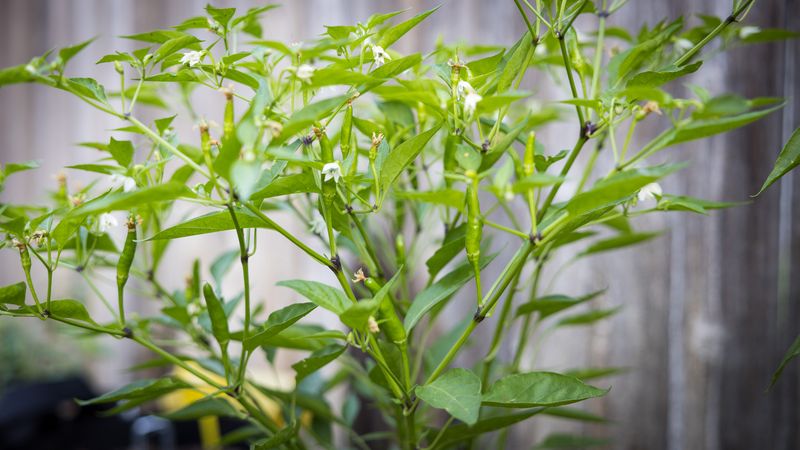
Spring in low-desert Arizona arrives fast, and a pepper that spent months in a sheltered spot needs time to adjust before it faces full sun, dry wind, and warm afternoons. Bring it outside gradually over a week or two, starting with a few hours of morning light in a protected spot and working toward its permanent summer location.
An abrupt shift from a dim garage to direct Phoenix sun in March can scorch leaves that have lost their outdoor toughness.
Once the plant is outside and growing again, Arizona’s second major stress takes over from cold. When nights stay above 86 degrees Fahrenheit during the peak of summer, fruit set can fail entirely.
The most productive window for an overwintered pepper may actually be the cooler stretch of late summer and fall rather than the hottest part of the year.
Container plants in particular need consistent attention during hot weather. University of Arizona Pima County guidance recommends moving containers into afternoon shade or a wind-protected spot to reduce moisture loss.
Consistent soil moisture supports fruit development and reduces blossom drop. Soil-level watering, whether by drip emitter or careful hand watering at the base, is preferable to routinely wetting the foliage, which can encourage fungal problems in humid monsoon conditions.
Expect an established pepper, not a permanent tree
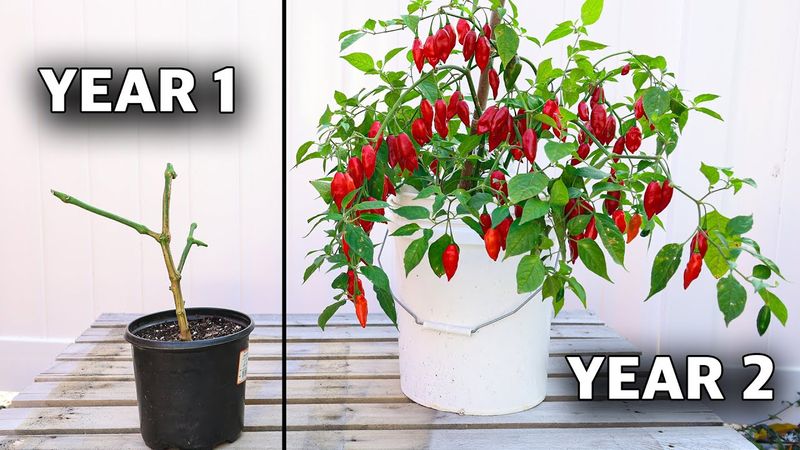
Older pepper stems can become semi-woody and develop a thicker trunk-like base, which gives a mature plant a tree-like appearance. That is a real and interesting change, but it is not the same as becoming a true tree, and a thicker stem does not automatically mean more peppers.
A larger canopy, earlier spring growth, and a more established root system are each different outcomes, and none of them is guaranteed simply by keeping the plant alive through one more winter.
The same study warned that disease transmission and root health can limit the practice. A hydroponic research setting is a long way from a Phoenix backyard container, so treat the finding as a reason for cautious hope rather than a production guarantee.
The practical decision rule is straightforward. Preserve a healthy, prized pepper when the potential for earlier production and an established root system justifies the time and attention.
Start fresh when disease, persistent pests, root damage, heat stress, or two consecutive disappointing seasons make the math work against you. A plant worth saving is one that was genuinely productive and healthy going into winter, not one you are hoping will improve.
Sometimes the best move is a new transplant and a clean start.