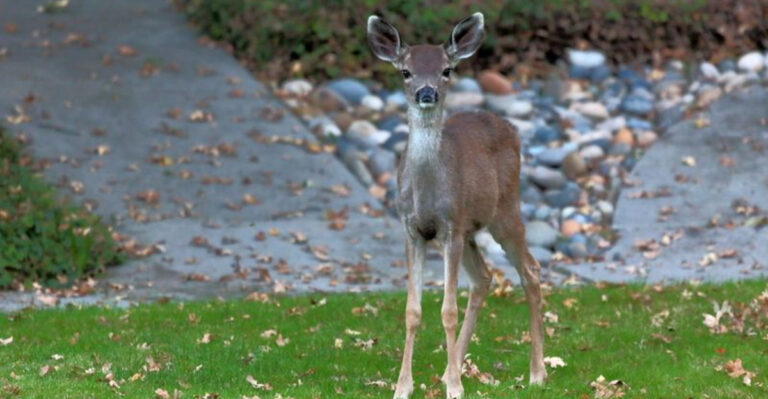
10 Plants Deer Devour First When New York Winters Get Tough
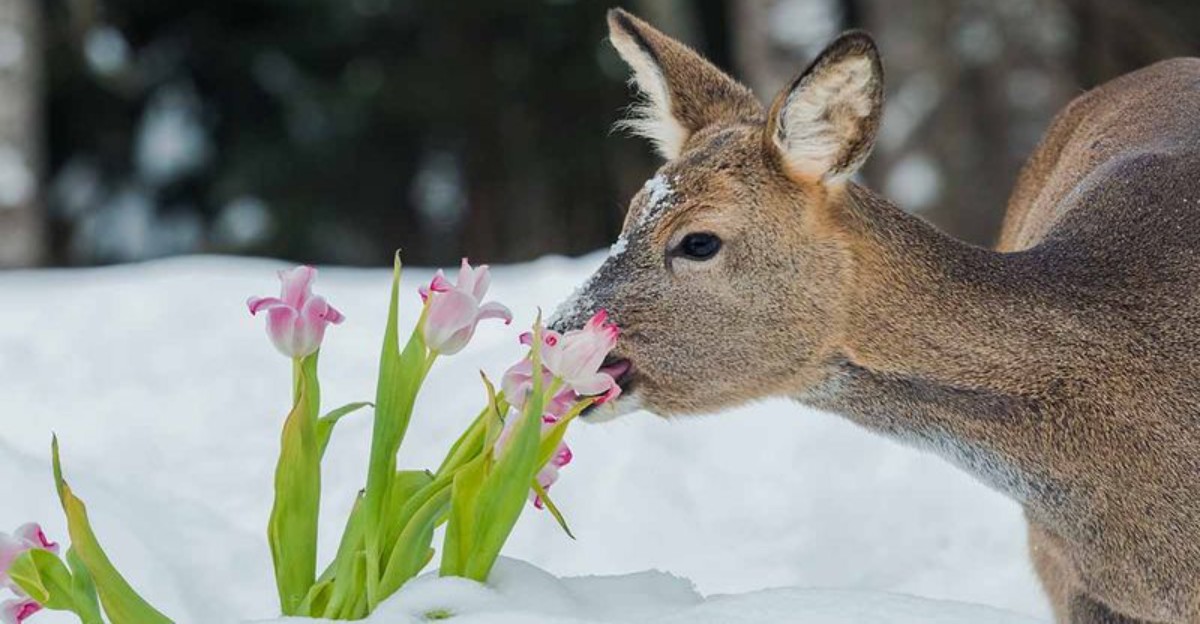
Deer grow winter coats with hollow hairs that trap heat so well that snow can rest on their backs without melting. That cozy jacket helps them survive the cold, but it does nothing to fill their empty bellies in February.
Once snow buries the grasses and acorns across New York, deer switch to woody twigs and any green leaves they can reach. Cornell researchers have tracked how heavy browsing reshapes forests, and our yards are right there on the menu too.
It’s easy to feel betrayed when a shrub you babied all summer looks chewed down by March. Hungry deer can also be pickier than you’d expect, so the plants that vanish first might surprise you.
A few favorites are soft evergreens, while a couple are bare trees that seem to offer nothing at all. Which plants in your yard top the hungry deer wish list this winter?
1. American Arborvitae
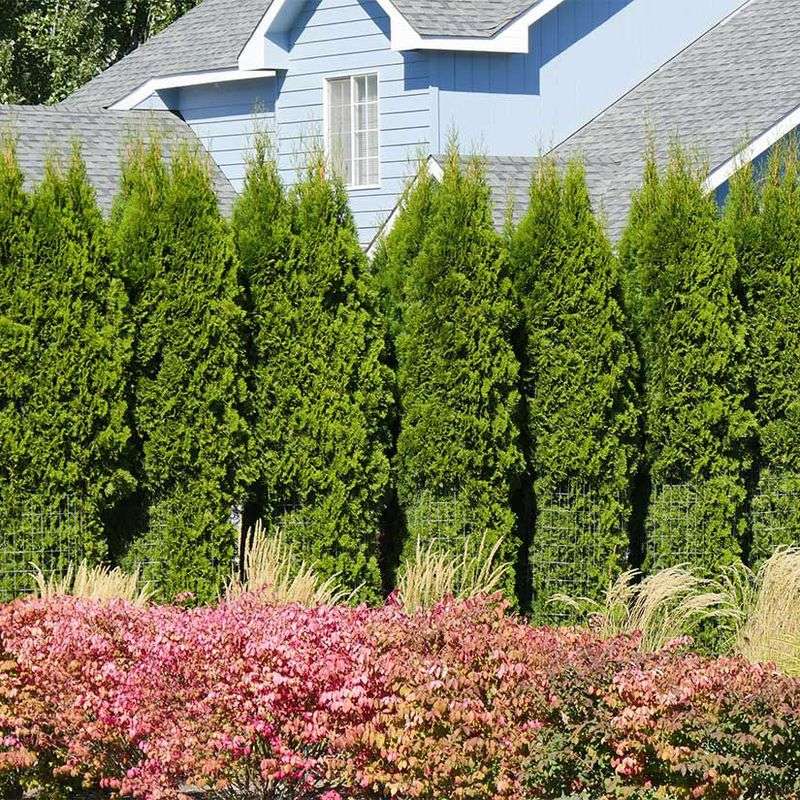
Walk past an old arborvitae hedge in late winter and you may spot a neat bare band near the bottom. Gardeners call it the browse line, and it marks exactly how high a hungry deer could stretch its neck.
Thuja occidentalis, also called northern white cedar, grows wild in cool swamps and rocky slopes across much of the Northeast. Its soft, scaly foliage stays green all winter, which makes it one of the most popular deer snacks around.
In fact, wildlife managers have long considered white cedar stands to be prime winter yards for deer herds. When snow piles up, deer gather under these trees for shelter and then munch the branches above them.
I find it a little funny that we plant arborvitae for privacy, and deer treat the hedge like a buffet. Hardy in zones 2 through 7, it handles any cold winter easily, yet it struggles with constant chewing.
The plant prefers full sun to part shade and moist, well-drained soil that leans slightly acidic. Healthy shrubs bounce back faster from light browsing, so steady watering before the ground freezes really helps.
Wrapping young plants in burlap or deer netting from late fall until spring offers the most reliable protection. Repellent sprays can help too, but they wear off in heavy weather and need fresh coats now and then.
If deer pressure is intense in your neighborhood, consider mixing in plants they browse less often. Native spruces with prickly needles tend to hold up better, and they still give you that green screen.
2. Taxus
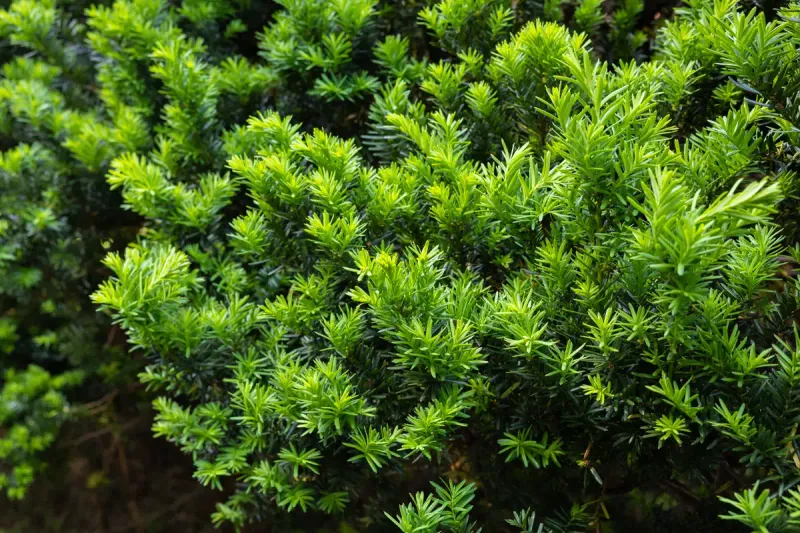
Deer treat Taxus shrubs like dessert, stripping away the soft needles until only bare brown stems are left. A foundation planting that looks lush at Thanksgiving can turn into a skeleton by early spring.
Most landscape types are Taxus cuspidata, native to Japan, or the hybrid Taxus x media, including the popular ‘Hicksii’ variety. Both grow well in zones 4 through 7, which makes them a comfortable fit for gardens across the state.
One thing worth knowing is that nearly every part of a Taxus is highly toxic to people and pets. Horses and cattle can suffer serious poisoning, yet deer browse these shrubs heavily with few reported problems.
The only nontoxic part is the fleshy red aril, and even the seed tucked inside it is poisonous. Keep curious kids away from those bright berries and teach them to admire the shrub with their eyes only.
The good news is that Taxus shrubs are among the most forgiving when it comes to bouncing back. They can push out new growth from old wood, so a chewed plant often recovers with a little time and patience.
Plant them in well-drained soil, since soggy roots cause far more trouble than shade or cold ever will. They’re happy in partial shade, though established plants can also handle full sun.
For winter protection, a simple fence of plastic deer netting around the shrub works surprisingly well. Pull it off in spring, then watch bright green new tips slowly fill in the chewed gaps.
3. Rhododendron
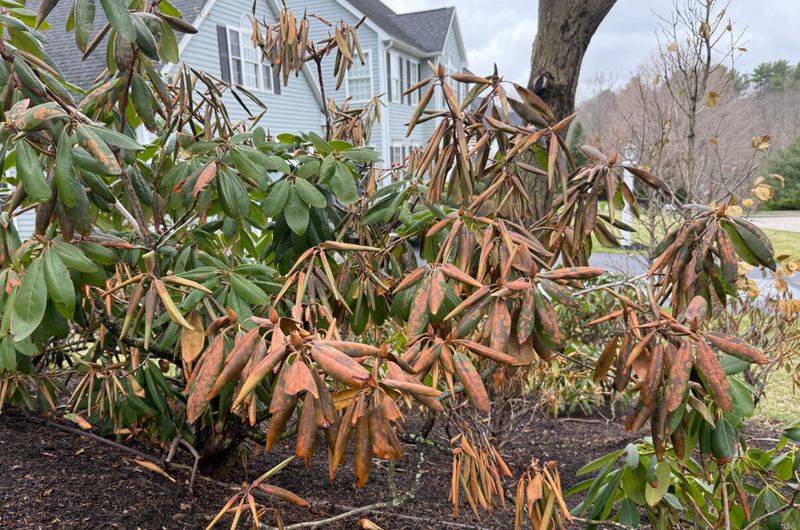
Rhododendron leaves curl up tight like drinking straws on frigid mornings, a clever trick to reduce moisture loss. Sadly, curling does not hide them from deer, who see those big green leaves as rare winter salad.
Broadleaf evergreens are scarce in snowy woods, so a rhododendron stands out like a lit sign to hungry browsers. Young plants with tender leaves usually take the hardest hits, especially near wooded edges of a yard.
What bothers me most is the loss of flower buds, which form on branch tips back in late summer. When deer nibble those plump buds in winter, your spring show shrinks to a few scattered blooms.
Rhododendrons contain grayanotoxins, natural compounds that are toxic to people and many animals when leaves are eaten. Deer still browse them regularly, which tells you just how hungry they can get by late winter.
Many common varieties grow well in zones 4 through 8, matching most of New York quite nicely. They want moist, acidic soil rich in organic matter, plus shelter from harsh winter sun and wind.
A layer of pine needle or shredded bark mulch keeps roots cooler and holds moisture through freezing spells. Placing plants on the north or east side of a house often reduces leaf scorch during sunny cold snaps.
To guard buds, surround the shrub with a wire or mesh cage before deer start their winter rounds. Choosing a spot close to the house helps too, since deer tend to avoid areas with plenty of activity.
4. Azalea
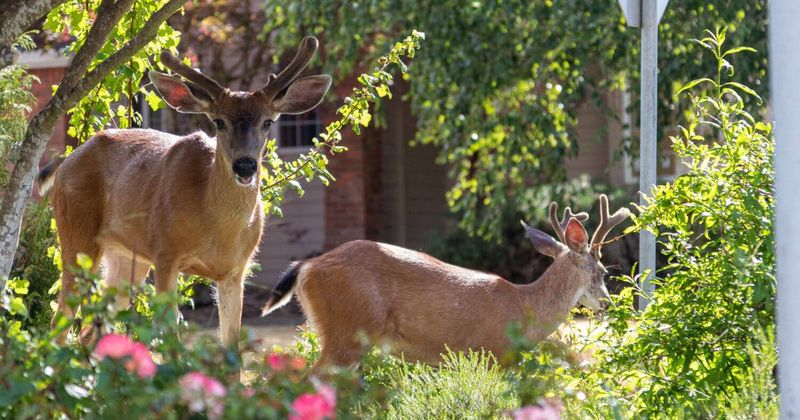
Botanists file azaleas under the same genus as rhododendrons, and deer clearly agree they belong on the same plate. Evergreen azaleas hold small glossy leaves through winter, and that green color draws browsing deer right to them.
I wouldn’t necessarily say azaleas are the first choice, but they are rarely ignored when snow gets deep. Their smaller, softer leaves are easy to chew, so young plants can lose much of their foliage overnight.
Deciduous azaleas, including several native species, drop their leaves in fall, yet deer still nip their swollen buds. Either way, winter browsing can erase much of the spring color you were counting on in May.
Like their larger cousins, azaleas contain grayanotoxins and should be kept away from curious pets and children. Deer, however, seem to tolerate them well enough to keep coming back for seconds each cold season.
Many evergreen types are hardy in zones 5 through 8, so check the tag carefully before buying. Gardeners in the coldest upstate pockets may have better luck with tough, cold-rated deciduous varieties instead.
Azaleas like acidic, well-drained soil that stays evenly moist, along with dappled shade from tall trees. Their roots sit shallow, so a few inches of mulch helps protect them from frost heaving.
A light covering of burlap or a small fenced enclosure can shield low shrubs until spring arrives. You might also try rotating two different repellent products, since deer can grow used to one scent.
5. Red Maple
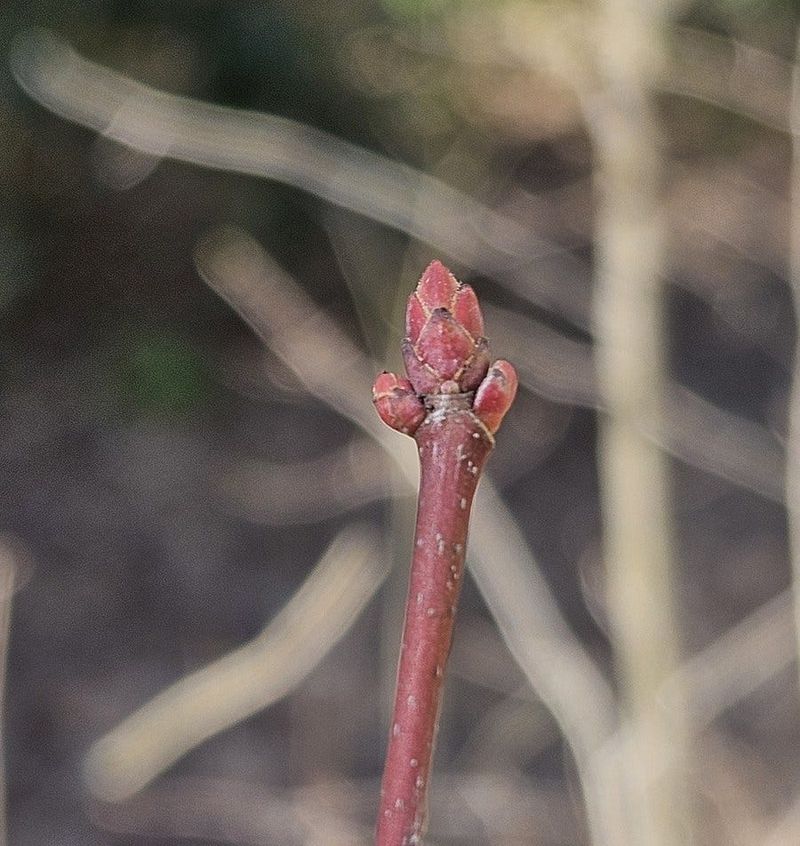
Red maple earns its name in every season, with red buds in winter and scarlet flowers before the leaves appear. Those plump red buds are exactly what catches a deer’s eye when the snow is knee deep.
Wildlife biologists in the Northeast rank Acer rubrum among the most important winter browse plants for white-tailed deer. Deer nibble the twigs and buds, and they will chew bark or bend over saplings to reach fresh tips.
What I find interesting is how quickly red maple regrows, often sprouting new stems right after heavy browsing. That toughness explains why it remains common in many forests even where deer numbers run high.
Hardy in zones 3 through 9, red maple fits nearly any New York yard from Buffalo to Long Island. It handles wet spots and drier ground alike, though it grows best in moist, slightly acidic soil.
Mature trees can tower anywhere from 40 to 70 feet, with smooth gray bark that turns furrowed over time. Fall color can be brilliant, which is one reason the tree shows up in so many backyard plantings.
Young trees are the ones at risk, so wrap trunks with plastic tree guards or wire mesh tubes. Keep the guard at least five feet tall, because deer stretch surprisingly high when food runs short.
Horse owners should know that wilted red maple leaves are toxic to horses, so keep fallen leaves out of pastures. Deer, on the other hand, browse this maple all winter long with no apparent harm at all.
6. Wild Apple
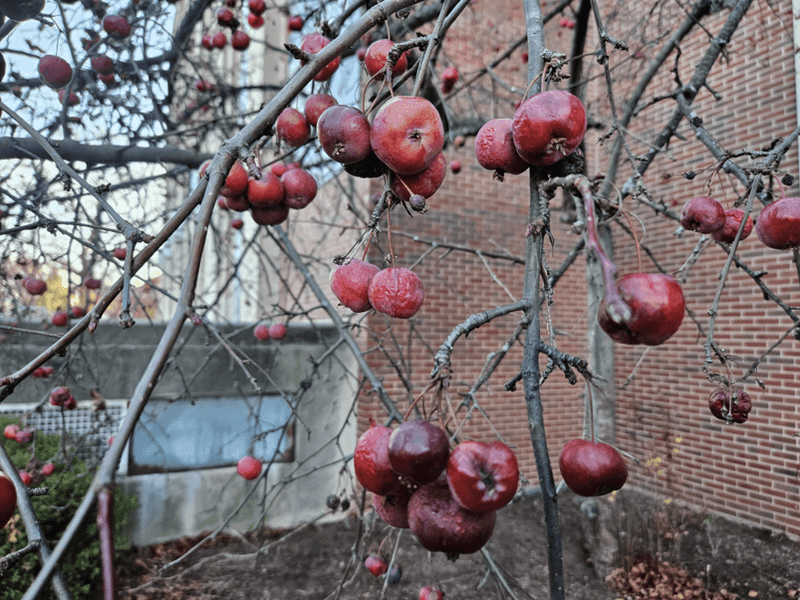
Deer hunters have known for generations that an old apple tree at a field edge acts like a magnet. Leftover fruit clinging to bare branches or hiding under the snow can draw deer from surprising distances.
Wild apples and crabapples belong to the genus Malus, and many grow in zones 4 through 8. Most reach 10 to 30 feet tall, often forming tangled thickets that provide shelter along with food.
Once the fruit is gone, deer move on to the dormant buds and tender twigs at the branch tips. Wildlife guides for western New York list wild apple among the species deer favor during winter months.
I’m always surprised by how much damage one deer can do to a young apple tree in one night. Bucks also rub their antlers on smooth trunks in fall, scraping bark and leaving trees open to trouble.
If you grow apples, plant them in full sun, since good light means more flowers and better fruit. Well-drained soil keeps roots healthy, and these trees tolerate many soil types once they settle in nicely.
Native sweet crabapple, Malus coronaria, makes a lovely wildlife tree with fragrant pink blossoms in spring. Raking up fallen fruit near the house in late fall helps reduce deer visits to your garden beds.
Protect young trees with a sturdy cage of welded wire, staked firmly and taller than a standing deer. Apple seeds hold compounds that release cyanide, though deer and people safely enjoy the fruit flesh itself.
7. American Holly
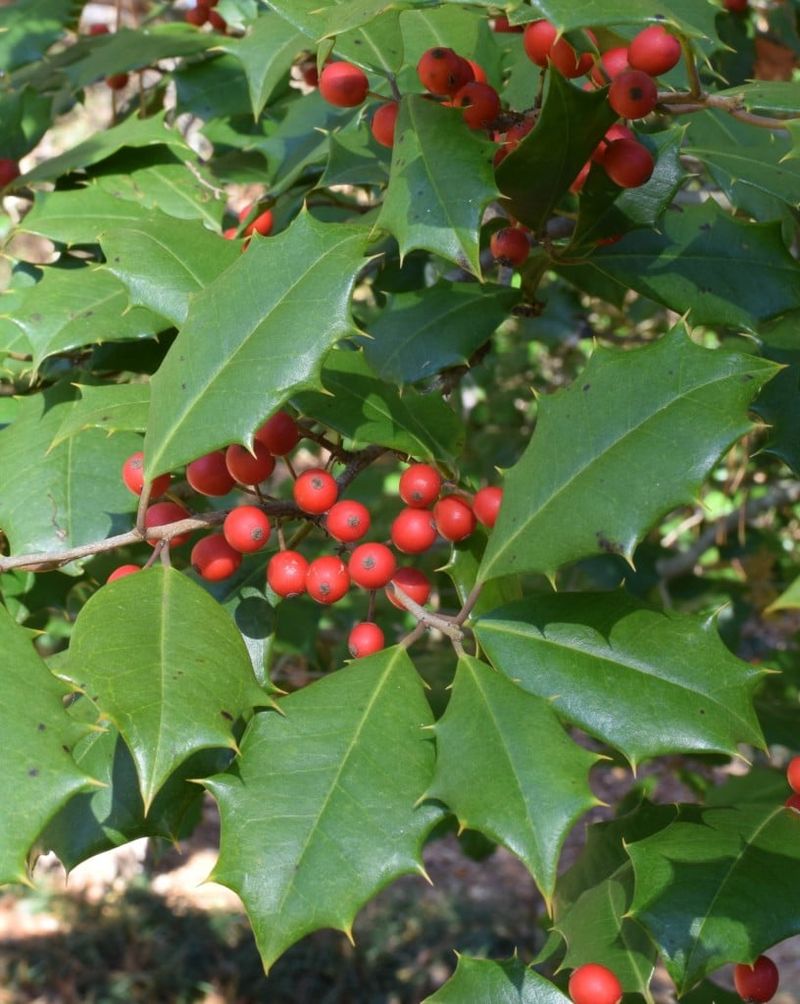
Those prickly holly leaves look like they should scare off any hungry mouth, and most of the year they do. I could be wrong, but I think holly belongs here as proof of how desperate deer can get.
Ilex opaca is a native broadleaf evergreen that keeps its glossy, spiny leaves green through the coldest months. Many deer guides rate it as seldom damaged, yet hungry deer will nibble it when snow buries easier food.
Because the tree stands tall above deep snow, its lower branches stay within reach when ground plants disappear. Deer tend to chew the softer new leaves and twig tips, leaving the stiffest older leaves for last.
American holly is hardy in zones 5 through 9, so it does best downstate and along the coast. Upstate gardeners in colder pockets may find it struggles, especially in exposed spots with drying winter winds.
The plant prefers moist, acidic, well-drained soil and grows happily in full sun or partial shade. Mature trees often reach 15 to 30 feet tall, forming a handsome pyramid of dark green.
Only female trees produce the famous red berries, and they need a male holly nearby for pollination. Those berries are mildly toxic to people, so keep holiday clippings away from toddlers and curious pets.
Plant holly near your house or a lit walkway, where deer feel less comfortable lingering after dark. Birds will thank you too, since robins and cedar waxwings feast on the berries in late winter.
8. Tulip
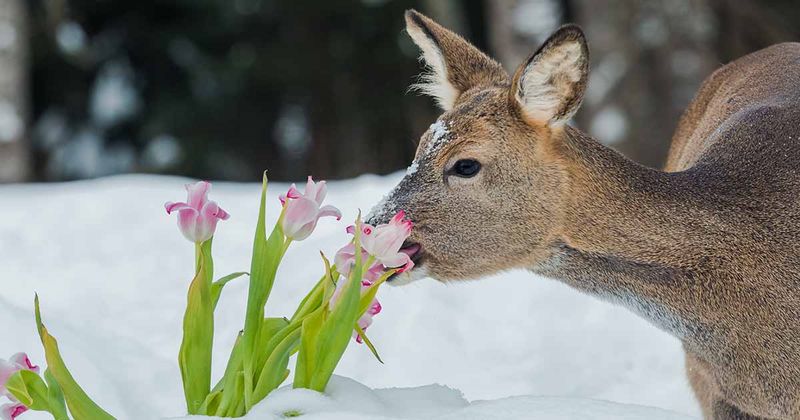
Gardeners joke that tulips are deer candy, and anyone who has lost a bed knows it is barely a joke. Deer tend to find the first green shoots as they poke through thawing soil in late winter.
Tulipa species are hardy in roughly zones 3 through 8, which covers nearly every part of New York. Bulbs need a long chill to bloom well, so they are planted in fall before the ground freezes.
You might find it hard to believe, but deer usually skip the bulbs and go straight for the leaves. Squirrels and voles are more likely to dig bulbs, while deer nip off shoots and flower buds above ground.
Early foliage matters because it feeds the bulb, so a chewed plant may bloom poorly the following year. Late winter is a lean time for deer, which makes those tender shoots especially tempting to them.
Tulips like full sun and sharp drainage, since bulbs sitting in soggy soil tend to rot quickly. Planting them six to eight inches deep helps protect bulbs from digging critters and sudden temperature swings.
To keep deer away, try spraying shoots with a repellent as soon as they break the surface. Reapply after rain or melting snow, since most sprays wash off faster than many gardeners expect.
Another smart trick is planting tulips in beds close to the house or inside a fenced vegetable garden. Daffodils make a lovely backup, because deer rarely bother them thanks to their bitter, toxic compounds.
9. American Basswood
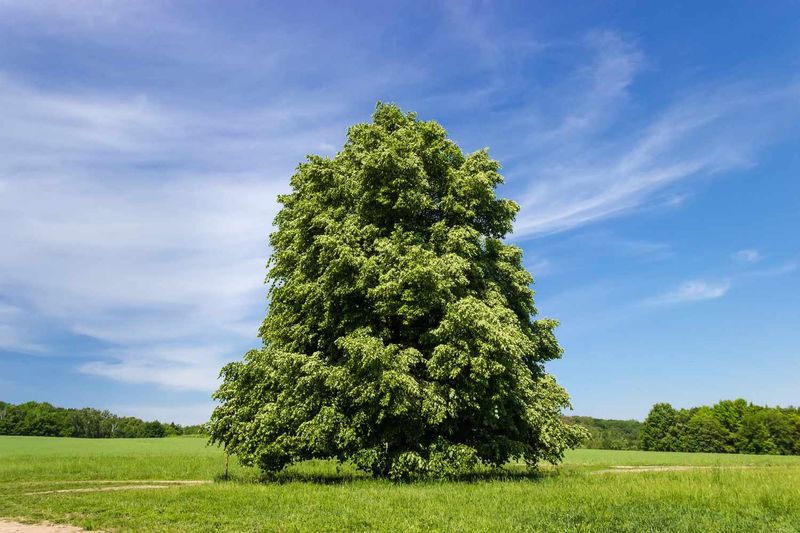
Basswood buds look like tiny red and green gumdrops, and deer seem to find them just as sweet. Few backyard trees get such a warm welcome from browsing deer once winter snow covers the ground.
Tilia americana, also called American linden, is a large native tree that often reaches 60 to 80 feet. Its big heart-shaped leaves cast deep shade, and summer flowers fill the air with a honey-like fragrance.
Wildlife guides for western regions of the state list basswood among the woody plants deer favor most in winter. They nibble tender twigs and plump dormant buds, especially on saplings growing low enough to reach easily.
What caught my attention is how readily basswood sprouts from its stump, often sending up a ring of shoots. Those shoots are perfect deer height, so a sprouting stump can become a favorite snack bar for years.
Beekeepers adore this tree because its flowers produce excellent nectar, earning it the nickname bee tree. Hardy in zones 3 through 8, it grows well across the state in moist, well-drained, fertile soil.
Full sun to partial shade works fine, though trees grow fastest with plenty of light and steady moisture. Plant it where it has room to spread, since a mature basswood can stretch 40 feet across.
For young trees, a tall wire cage or tree tube keeps deer from snipping off the leading shoot. Once the trunk grows well above browsing height, you can remove the guard and let it thrive.
10. Sugar Maple
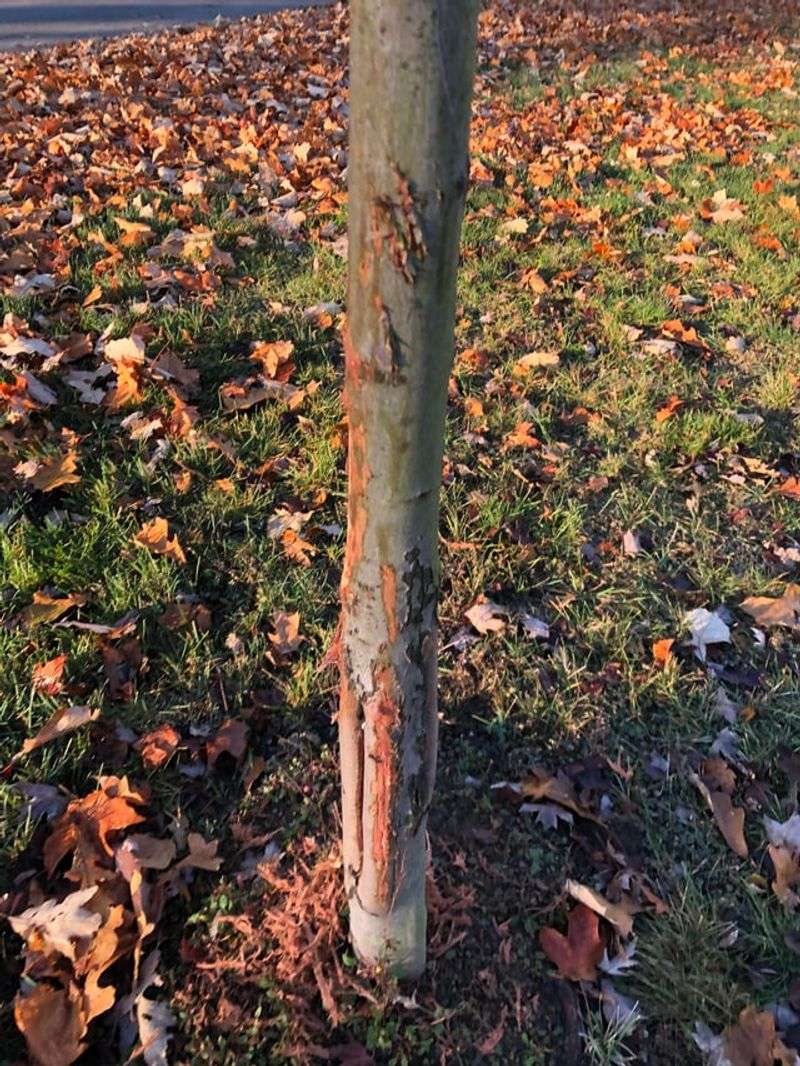
Most real maple syrup starts with this tree, but deer care far more about its slender winter twigs. I love tapping season, yet I wince when I see how often young seedlings get nipped to the ground.
Acer saccharum is a large native tree, often 60 to 80 feet tall, with classic five-lobed leaves. Its fall foliage glows in warm shades of orange and gold, painting hillsides across New York each October.
Deer readily eat sugar maple seedlings and twig tips, especially during winter when other choices are limited. Research in northeastern forests shows heavy deer browsing can keep young maples from growing into the canopy.
You can see why foresters worry, since each lost seedling is a future shade tree that may not appear. In home landscapes, the risk falls mostly on newly planted trees with low branches and soft bark.
Sugar maples like moist, well-drained soil that is slightly acidic to neutral, with full sun or part shade. They dislike road salt and compacted ground, so keep them away from busy driveways and plowed snow piles.
Protect saplings with a tall tree tube or a circle of wire fencing, at least five feet high. Bucks rubbing antlers in fall can scrape thin bark, so guards help in more ways than one.
Seeds arrive as paired winged samaras in autumn, and many sprout in spring if deer leave them alone. Leaving a few protected seedlings to grow could gift your grandchildren a tree worth tapping someday.