What To Do If A Copperhead Shelters Near Your Georgia Foundation This Fall (And Which Mistakes To Avoid)
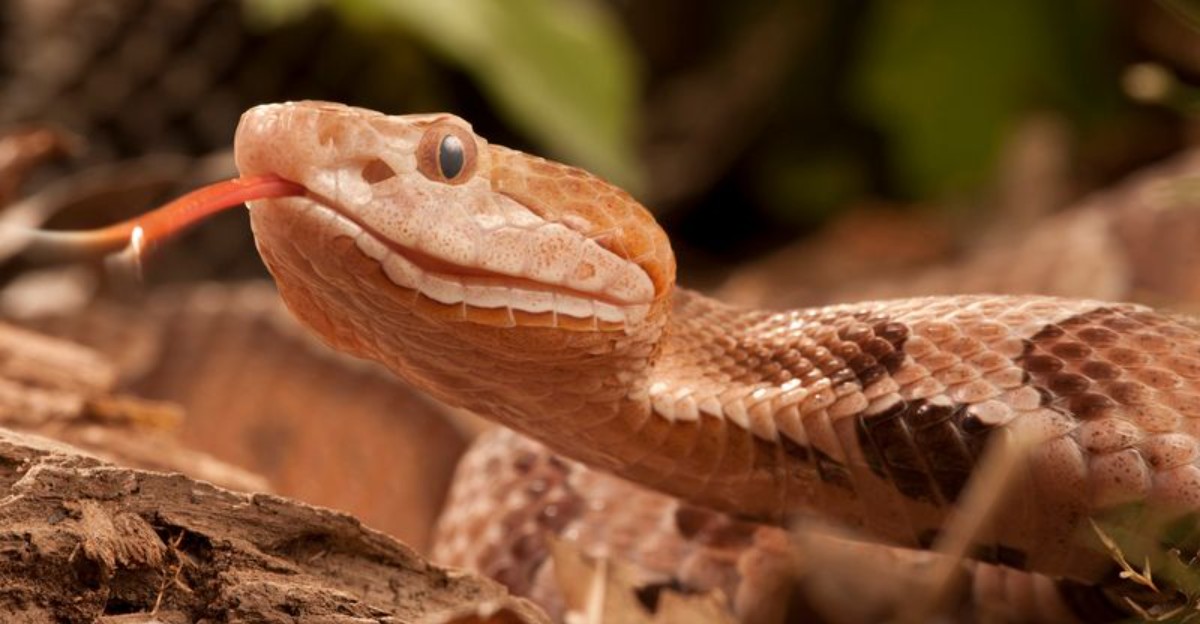
Baby pit vipers in Georgia arrive in late summer and early fall, already armed with working fangs and venom. Those tiny newcomers even carry bright yellow tail tips, which they wiggle like worms to lure hungry frogs closer.
Adult copperheads may also shelter under leaf piles or near warm foundation walls, but they do not typically remain nearby to care for their young.
What surprises me most is how a coppery body vanishes into autumn mulch until you nearly touch it.
I have to admit my heart jumped the first time I spotted one beside my porch steps. You might notice the same nervous thrill while raking leaves or pulling summer annuals from the beds.
Calm, smart choices keep both you and these misunderstood neighbors safe around homes this season. Knowing which actions help and which ones increase the risk of a bite can make all the difference.
1. Clear Leaf Piles And Firewood Away From Your Foundation
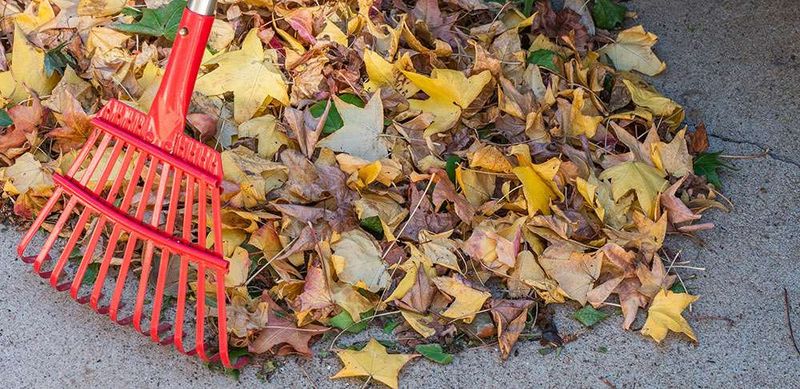
Fallen oak leaves feel cozy underfoot, yet they make a perfect blanket for a resting snake beside your house.
Copperheads rely on camouflage, so a thick leaf pile against brick gives them cover and an easy ambush spot.
Personally, I rake a clear strip about two or three feet wide along my foundation every couple of weeks. Bare ground or short grass there lets you spot movement long before your hand reaches into trouble.
Firewood deserves special attention, because stacked logs hold warmth and attract the mice that copperheads love to eat. Move your woodpile well away from the house and raise it on a rack about a foot high.
Rodent control matters just as much, since a yard full of easy meals keeps snakes hanging around. Store birdseed and pet food in sealed metal bins, and clean up spilled seed under feeders often.
Next, walk slowly around your house and check for gaps where pipes or wires enter the walls. Seal small openings with caulk or expanding foam, and cover crawl space vents with sturdy hardware cloth.
Thick groundcovers like English ivy also create shady tunnels where snakes can hide all afternoon without being seen.
Swapping that tangle near the walls for a low layer of gravel or thin mulch makes hiding much harder.
Wear sturdy gloves and boots during all this cleanup, and use a rake instead of bare hands. I believe a tidy foundation strip is the single most helpful fall chore for any snake-wary gardener.
2. Watch For Hourglass Bands From A Safe Distance
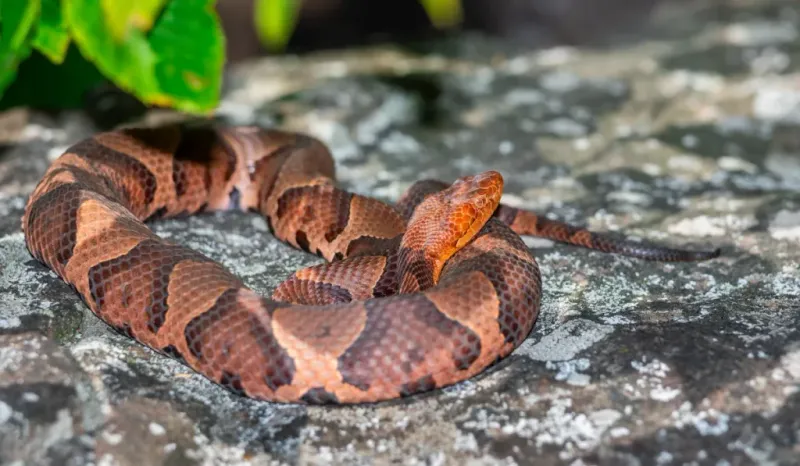
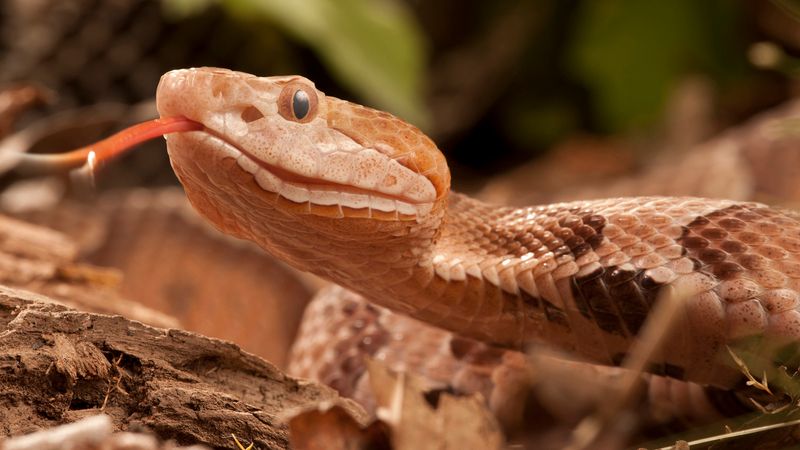
From the side, each dark band on a copperhead looks like a chocolate kiss sitting on the snake’s back.
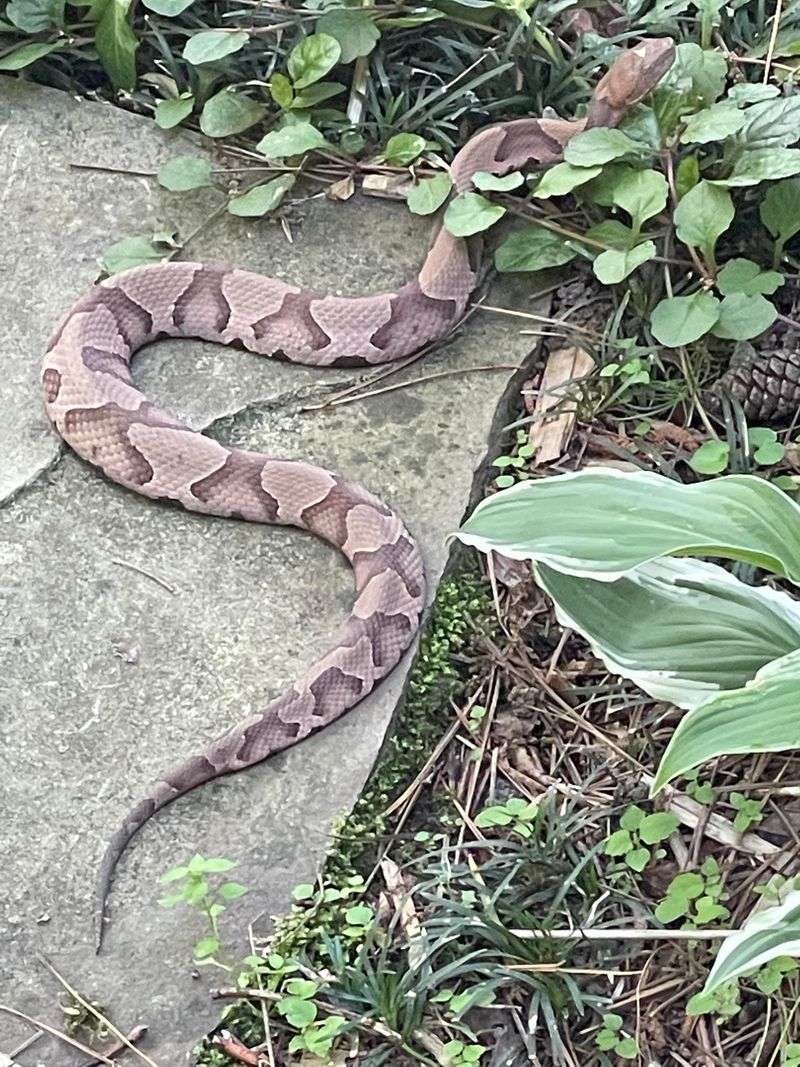
Viewed from above, those same bands pinch narrow along the spine and form a distinct hourglass shape.
You can see that pattern clearly from a comfortable distance, so there is no reason to lean closer. Many wildlife experts suggest staying at least six feet back, and I happily give the snake even more room.
Coloring helps too, because adults usually show a plain coppery head above a tan body with rusty bands. Fall is also birthing season, so you might spot pencil-thin babies with bright yellow or greenish tail tips.
Skip the old advice about checking pupil shape or head shape, because both require getting dangerously close.
Many harmless snakes also flatten their heads when nervous, which makes the triangle test pretty unreliable anyway.
A phone camera with zoom is your best friend here, so snap a few photos without moving forward. Those pictures help a wildlife expert or your county extension office confirm the species later on.
Copperheads often freeze instead of fleeing, trusting their camouflage to keep them hidden from passing people. That stillness can fool you into thinking the snake is harmless, so stay patient and keep watching.
Keep kids and pets indoors while you observe, because curious noses and small hands move fast. Once you know what you are seeing, you can make a calm plan instead of a frantic guess.
3. Call A Licensed Wildlife Pro For Snake Removal
Snake wranglers on television make it look easy, but real removal pros practice constantly to handle venomous species safely. Their long hooks and padded tongs keep a striking snake well away from anyone’s hands or legs.
Look for a licensed nuisance wildlife control operator, since Georgia requires a permit for this kind of paid work.
The state Wildlife Resources Division can help you find permitted operators who work in your county.
Ask whether they offer snake removal specifically, because some companies focus only on squirrels or raccoons. A quick phone call before hiring saves you from waiting hours for someone who cannot help.
While you wait, keep an eye on the snake from a safe spot, like a window or porch. Knowing where it went makes the visit far quicker, which often trims the final bill as well.
Honestly, a copperhead simply passing through your yard will often move along on its own if left alone.
Removal makes the most sense when one keeps returning to your porch steps or play areas.
A good pro will also inspect the foundation and point out gaps that invite snakes inside. I love how one visit can turn into a long-term prevention plan tailored to your property.
Copperheads eat plenty of mice and cicadas, so relocation by an expert keeps that pest control working elsewhere. Calling for help is not a sign of weakness, just a smart move that protects your family.
4. Learn Copperhead Bite First Aid Before You Need It
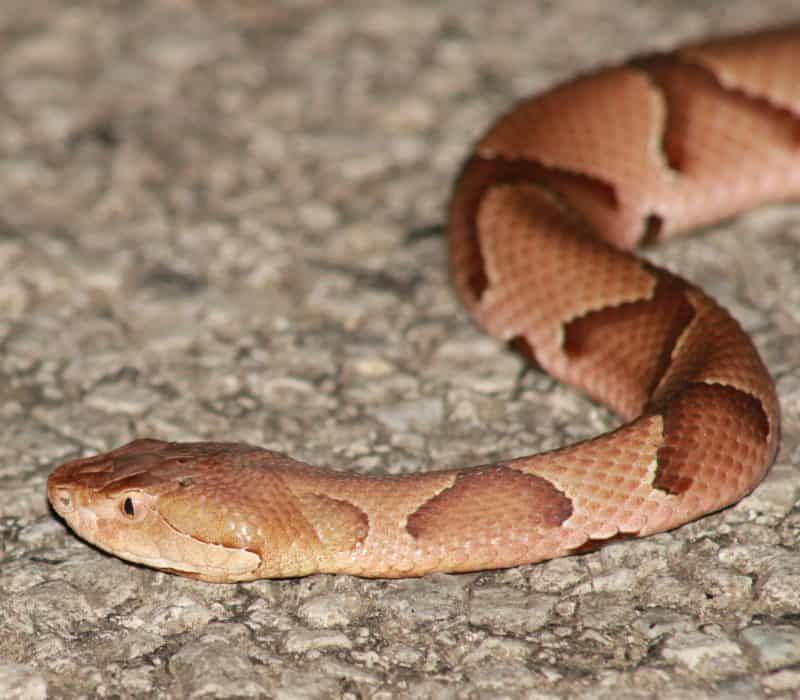
Most copperhead bites happen when someone reaches into brush or steps on a hidden snake at dusk. Fortunately, these bites are rarely life-threatening for healthy adults, though they hurt badly and need hospital care.
First, move away from the snake so a second bite cannot happen while you sort things out.
Then call 911 or head straight to the nearest emergency room, even if the pain seems mild.
Swelling can build quickly, so slip off rings and watches from the bitten arm before they start to pinch. Keep the limb still and roughly level with your heart, and let someone else do the driving.
Gently wash the area with soap and water if it is handy, then cover it loosely. A clean, dry bandage is plenty, since doctors will want to see the wound clearly anyway.
Use a pen to mark the edge of the swelling and jot down the time of the bite. Medical staff use those notes to track how fast symptoms spread and decide on antivenom treatment.
Save the Georgia Poison Center number, 1-800-222-1222, in your phone today so help is one tap away.
Their specialists answer around the clock and can guide you while someone drives you toward the hospital.
I keep a little card with these steps taped inside my garden shed door all season long. You might feel silly making one, but a calm checklist beats panic when your hands are shaking.
5. Grabbing A Shovel To Move The Snake Yourself
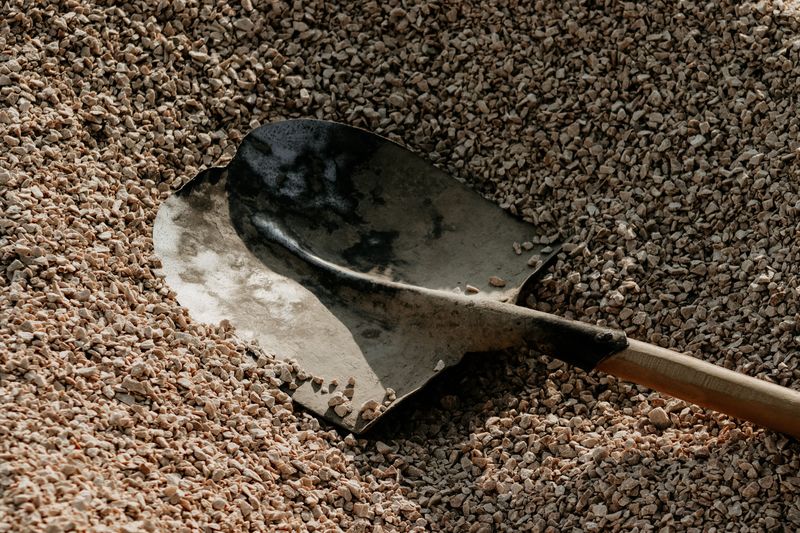
A garden shovel feels like a trusty tool until a startled copperhead is suddenly inches from your shins.
Many venomous snakebites happen when people try to handle or harm the snake instead of simply walking away.
Copperheads are not aggressive by nature, and they usually strike only when someone touches or corners them. Pushing one with a tool counts as a serious threat from the snake’s point of view, believe me.
Even long-handled tools carry risk, because a snake can slide along the handle or drop off unpredictably. Copperheads can strike roughly half their body length, so a short miscalculation brings real trouble fast.
Swinging at the snake creates another problem, because a wounded copperhead can still bite by reflex for hours. Emergency doctors regularly treat people who were bitten after they thought the danger was already over.
Relocating a snake on your own also tends to fail, because many relocated snakes struggle in unfamiliar territory.
Some even try to head back home, which means the same visitor might return to your flower beds.
I can’t imagine trading a quiet afternoon for an ambulance ride just to prove I could handle it. Stepping back costs nothing, and the snake usually wants to leave just as badly as you do.
Instead, keep everyone back and let a permitted removal pro take over if the snake refuses to leave. Your shovel belongs in the vegetable patch, not in a standoff with a nervous pit viper.
6. Confusing Harmless Water Snakes And Corn Snakes With Copperheads
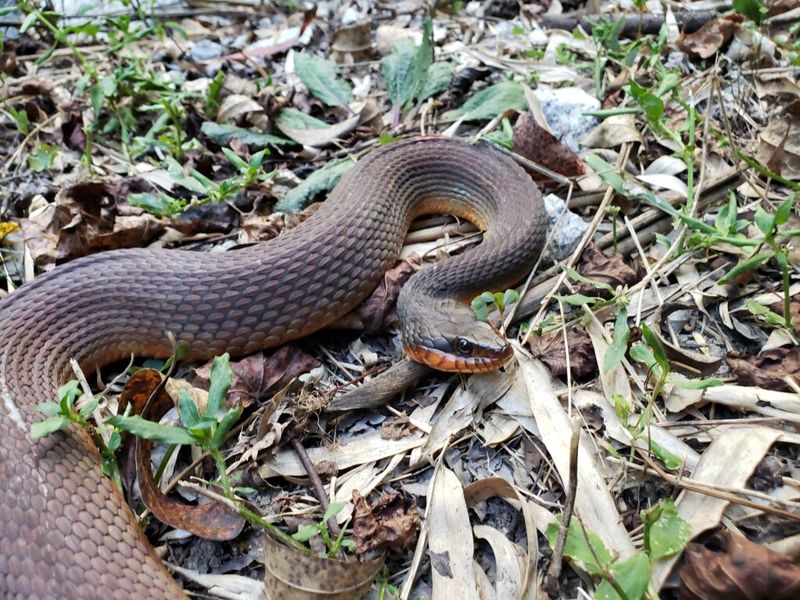
Georgia is home to 46 native snake species, yet only six of them are venomous, according to state wildlife biologists. That means the brown snake sunning near your steps is far more likely to be a harmless neighbor.
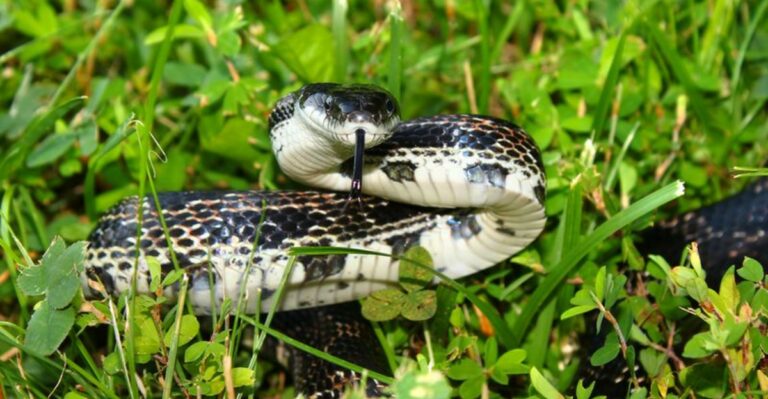
Water snakes and young rat snakes cause plenty of mix-ups, because their blotchy patterns look similar to quick eyes. Corn snakes add to the confusion with rusty orange saddles that resemble copperhead bands from a distance.
Look closely at the band shape, since copperhead bands narrow along the spine and widen on each side.
Water snake bands usually do the opposite, staying wider across the back and narrower toward the belly.
Harming a nonvenomous snake is against the law here, and violations can bring fines under state wildlife rules. Many of those helpful snakes eat rodents, and kingsnakes even eat other snakes, including the occasional copperhead.
The opposite mistake matters too, because calling a real copperhead harmless can lead to careless handling. Trouble often starts when someone confidently reaches for a snake they believed was just a friendly corn snake.
Personally, I follow one simple rule, which is treating any snake I cannot identify as possibly venomous.
That habit keeps my hands safe while still letting the snake go about its business undisturbed.
Free identification guides from the state wildlife agency and university extension offices make learning the differences fun. A few minutes with good photos can turn fear into curiosity the next time something slithers past.
7. Scattering Mothballs Around The Foundation
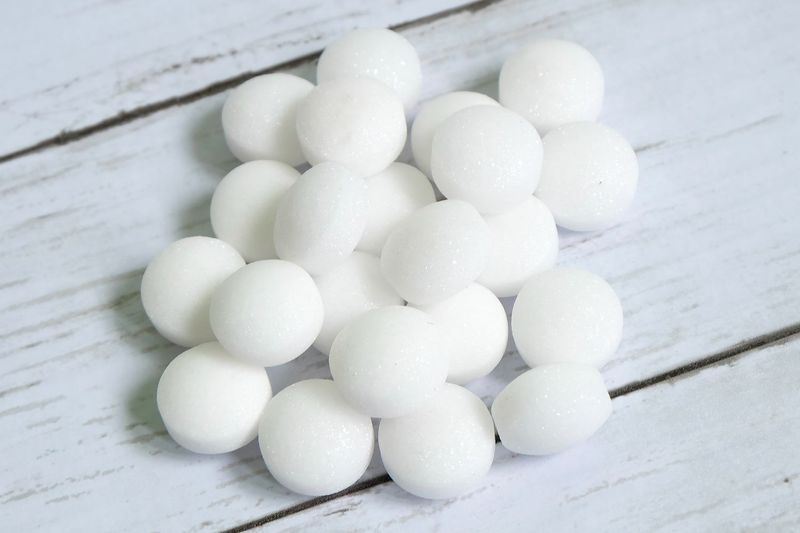
Mothballs scattered around a foundation might smell powerful to you, but snakes seem mostly unbothered by them.
Research and extension experts have found little evidence that mothballs keep snakes away from homes or gardens.
Worse, using them outdoors breaks federal pesticide label rules, since they are registered only for sealed indoor containers. Their chemicals can seep into soil and water, and they pose a poisoning risk for curious kids and pets.
Sulfur powder and homemade sprays have a similar track record, with plenty of hype and very little proof. Most store-bought snake repellents have weak scientific support, according to wildlife specialists at several southern universities.
Plants like marigolds or lemongrass get shared online as natural snake barriers, and I understand the appeal. Sadly, no solid research shows these plants repel copperheads, though they still make cheerful additions to sunny borders.
Relying on these quick fixes creates false confidence, which may lead you to skip the cleanup that truly helps.
A clear foundation strip and sealed gaps do far more than any powder sprinkled along the bricks.
Snake fencing is one option with better support, especially around play areas or a favorite patio corner. Fine mesh about three feet tall, buried a few inches deep and angled outward, can keep many snakes out.
Save your money for sturdy gloves and a good rake, which pay off every single season. Your pets and the local groundwater will also thank you for leaving those smelly mothballs in the closet.
8. Cutting Or Icing A Snake Bite Wound
Old cowboy movies taught generations to slice a bite and suck out venom, and doctors still cringe at that scene. Cutting the wound adds infection risk and tissue damage, while suction removes little to no venom.
Tourniquets are another outdated move, because trapping copperhead venom in one spot can worsen local tissue injury.
Tight bandages cut off blood flow as swelling grows, which creates a second emergency on top of the first.
Ice feels soothing, yet poison center experts warn it can harm skin and tissue already stressed by venom. Heat packs bring their own problems, so keep the bitten area at a normal temperature instead.
Skip pain relievers like aspirin or ibuprofen, since they can affect bleeding and may complicate hospital treatment. Doctors sometimes suggest acetaminophen if needed, but check with the poison center or medical staff first.
Caffeinated drinks are also best avoided, because they can raise your heart rate during an already stressful ride. Avoid eating or drinking until medical professionals advise otherwise, and try to remain calm while someone else takes you to the emergency room.
Panic is the sneakiest mistake of all, since it pushes people toward rash choices like chasing the snake.
Copperheads do not chase people, so simply backing away gives everyone a little room to settle down.
Thanks to modern antivenom and quick care, most Georgia copperhead bite patients recover well with proper treatment. I find that comforting, and I hope it helps you enjoy your fall garden with steady nerves.