Why Kudzu Keeps Growing Back In Georgia Yards
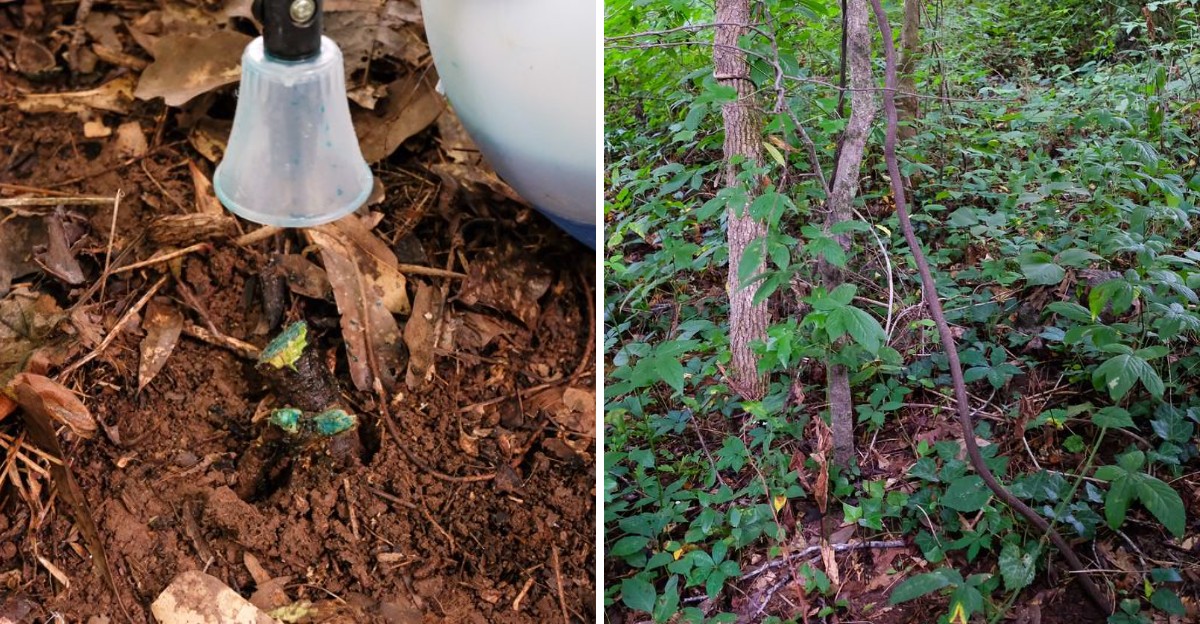
Some vines hide roots that weigh as much as a grown man, and they sit quietly underground while you mow over them. A single root can plunge more than ten feet into red clay.
I still find that hard to believe.
The plant was once handed out free to farmers. Government programs paid people to set it out on eroding fields in the 1930s and 1940s.
Folks in Georgia even held festivals and crowned queens in its honor.
Now it covers trees, fences, sheds, and old cars with a leafy green blanket. You can cut it to the ground in June and see fresh shoots by July.
I think that kind of comeback deserves a little respect, even if I want it gone.
What makes this green giant so hard to send packing? The answer sits right under your feet.
1. Those Fresh Kudzu Shoots Have A Hidden Helper
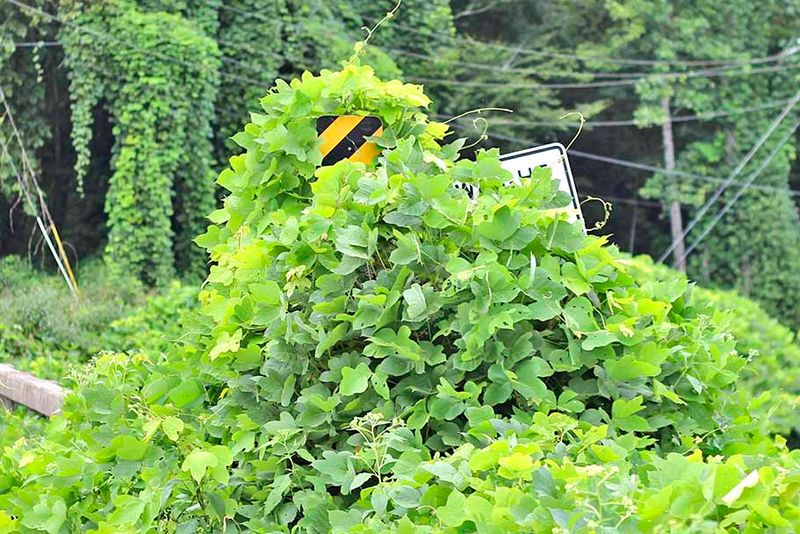
Chopping a kudzu patch down to bare stems feels great for about three weeks. Then the curly green tips pop up again, right where you thought you won.
I have watched this happen more times than I want to admit.
That quick return is not luck or magic. The vine is pulling power from somewhere you cannot see.
Everything you cut was just the visible part of a much bigger plant.
Kudzu is a perennial legume, related to beans and peas. Above ground, the leaves and stems often fade back after the first hard frost.
Below ground, the living part keeps going through winter and wakes up in spring ready to grow.
The key spot is something called the root crown. This is a knobby, woody area where the stems meet the root, usually right at or just below the soil line.
New vines sprout from buds on that crown.
As long as the crown stays alive and attached to its root, the plant can send up new shoots. Mowing, weed eating, and pulling vines mostly leave it untouched.
Once you know about the crown, the whole puzzle starts to make sense, and your next moves get a lot smarter.
2. Giant Kudzu Roots Act Like Underground Fuel Tanks
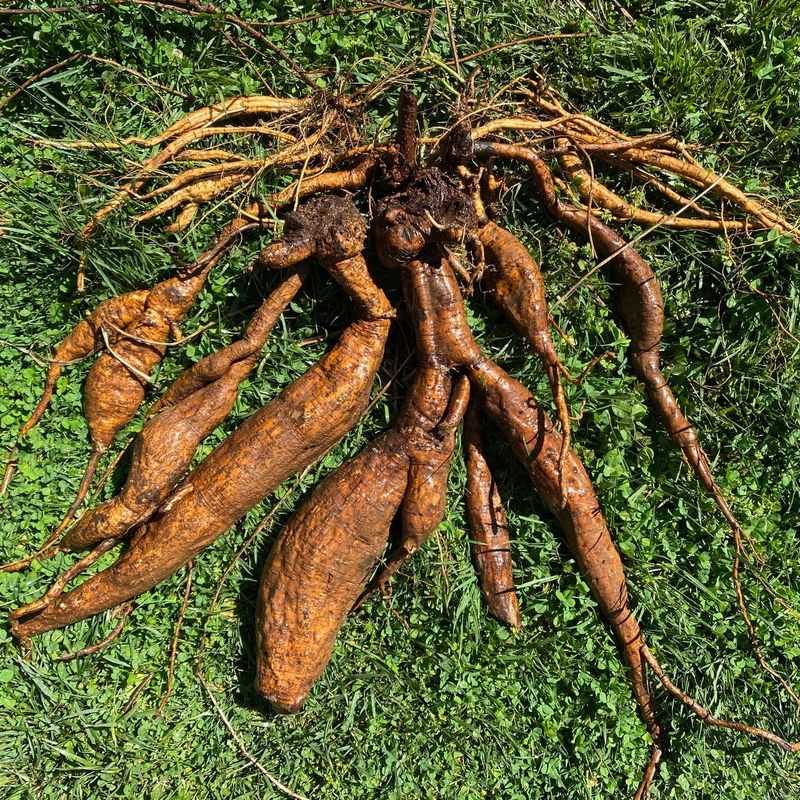
Dig up an old kudzu root and you might think you found a buried log. These tuberous roots can grow about 7 inches across and reach several feet deep.
Some sources report big ones weighing up to around 400 pounds.
Size is only half the story. The roots are packed with starch, which is stored food the plant made from sunlight in past summers.
Every time you cut the leaves off, the plant taps that savings account to grow new ones.
Old patches have had years, sometimes decades, to fill those roots. That means one or two cuttings barely make a dent.
The vine can bounce back again and again before the stored energy runs low.
Here is a fun bit of history. People in Japan and China have harvested kudzu roots for centuries to make a starch used in cooking and traditional foods.
The same thing that makes the root useful in a kitchen makes it stubborn in your yard.
So the real target is the stored food. Any plan that slowly drains those reserves, season after season, will work far better than one big weekend of hacking vines.
3. Removing The Root Crown Is How You Actually Win
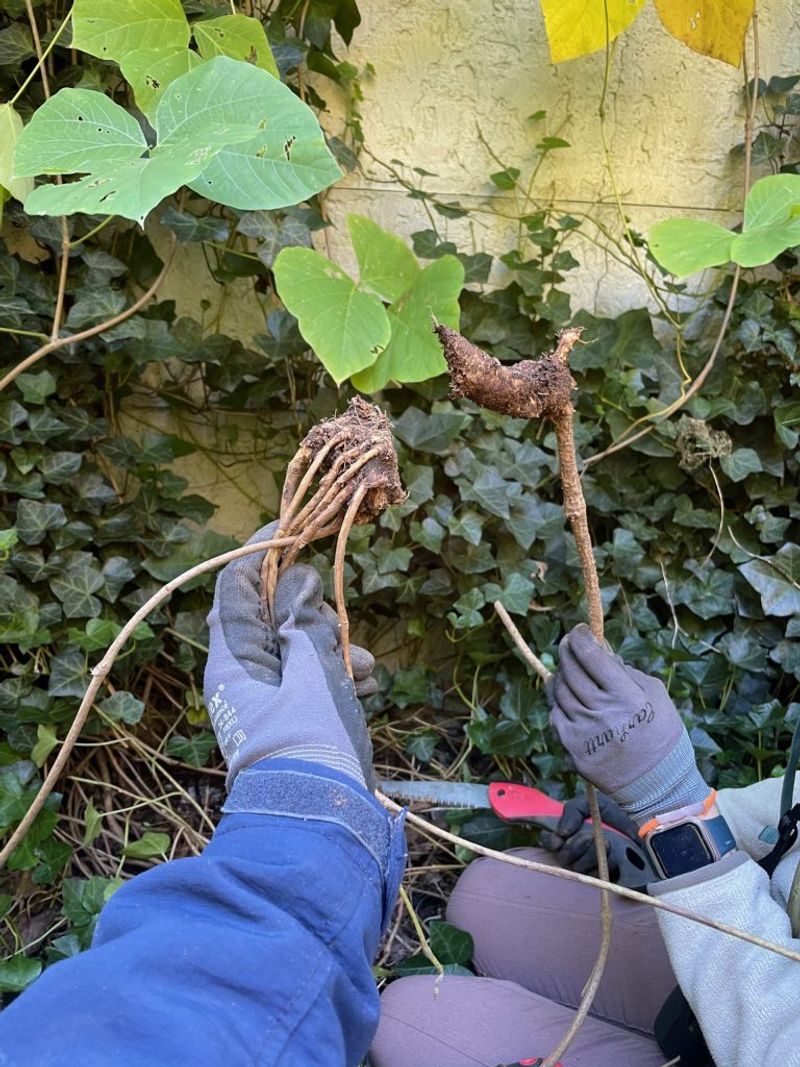
Good news is a phrase I try to avoid, but this tip honestly cheered me up. You do not have to dig the whole giant root out of the ground.
You mainly need to get rid of the crown.
Research from Southern forestry experts and extension programs shows that cutting the root crown off below the soil line can stop regrowth from that spot. Find where several vines gather into a knobby lump.
Then use a shovel, pruning saw, or sharp hatchet to slice it off just under the surface.
Small yard patches respond well to this method. Once a crown is removed, the root below usually cannot make new shoots.
Toss the crowns in the trash or let them dry out on pavement so they cannot root again.
A big patch can have many crowns, sometimes several in a few square feet. Rake back the vines first so you can spot them.
Mark each one with a flag as you go.
Expect to come back and check. Missed crowns will send up new vines, and that is normal.
Each one you remove is a real step forward, not just a haircut.
4. Kudzu Vines Root Wherever They Touch The Ground
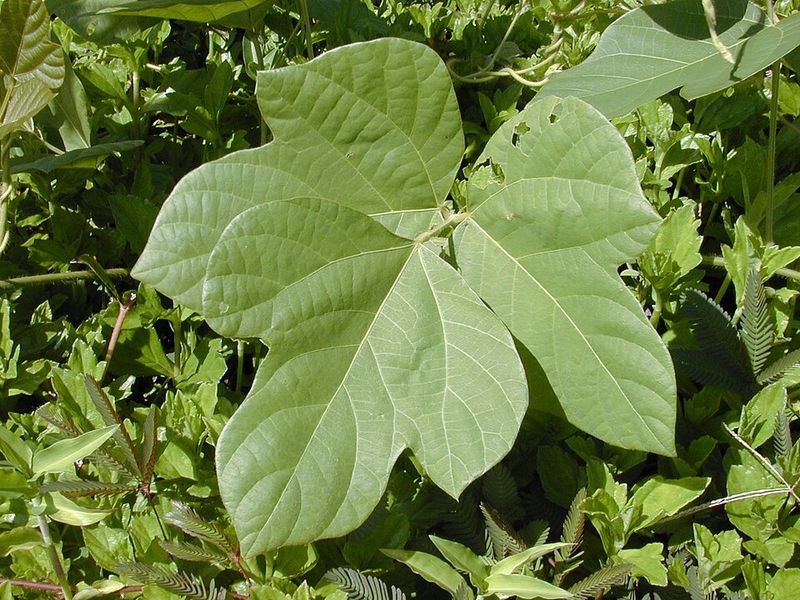
Ever notice how a kudzu patch seems to march across the lawn a little more each week? Those long runners are doing more than crawling.
They are planting new copies of themselves as they go.
Wherever a stem node touches moist soil, it can put down roots. Over time, that rooted spot can build its own crown and its own root.
Before long, one plant turns into a whole network of connected and separate plants.
That is why pulling a vine from the edge rarely fixes the problem. You may break the runner, but the rooted sections keep growing.
In fact, cut pieces left lying on the ground in summer can sometimes take root too.
Here is what helps:
Pull runners back toward the main patch and lift them off the soil. Check along each vine for small rooted spots and remove those crowns.
Bag cut vines instead of leaving them in a pile.
Seeds play a smaller role than you might expect. Kudzu does make purple flowers and hairy seed pods, but most spread in yards comes from these rooting vines.
Focus on the runners and you will slow the takeover a lot.
5. Georgia Heat And Summer Rain Keep The Vine Racing
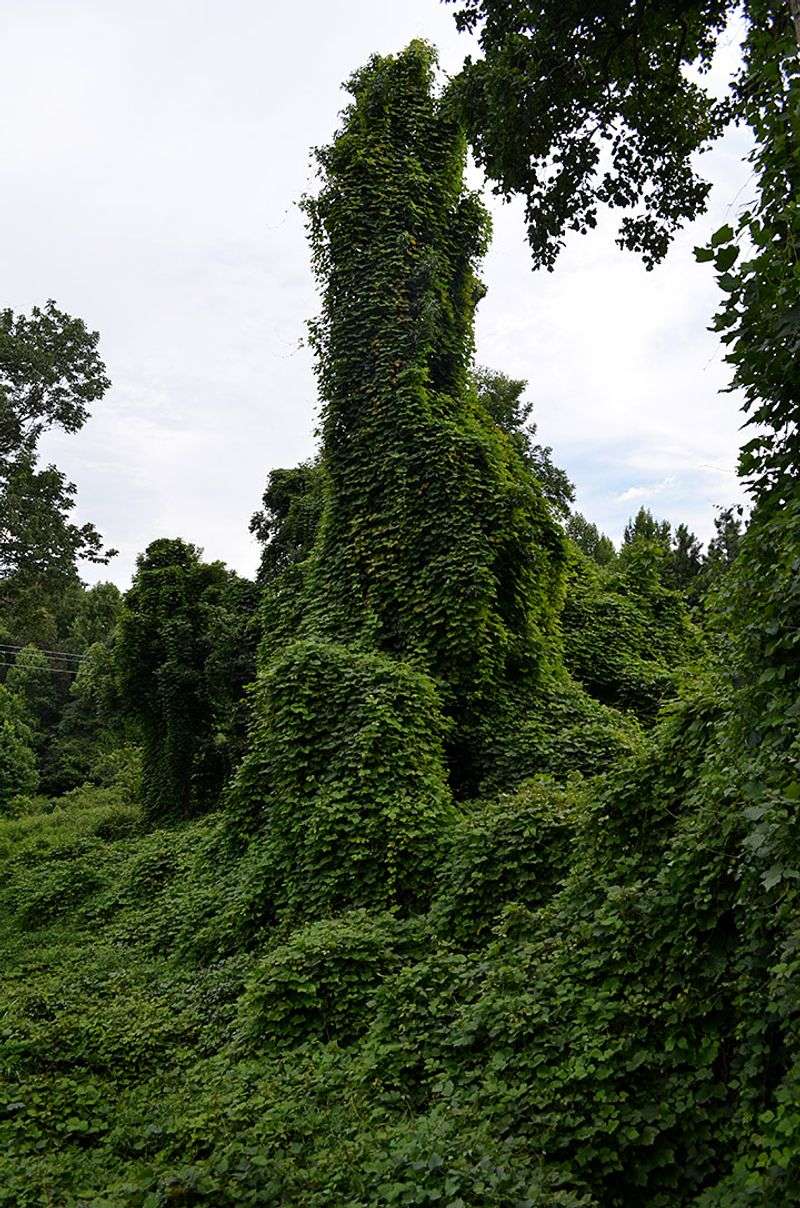
Southern summers feel like stepping into a warm, wet towel. Kudzu loves every minute of it.
Long hot days, plenty of rain, and mild winters give it a huge growing season.
In ideal weather, the vine can grow up to about a foot a day. Some reports say it can stretch 60 feet or more in a single season.
That speed means a patch you ignore in May can swallow a fence by August.
Georgia spans USDA hardiness zones 6b through 9b, with warmer zones extending across southern and coastal areas.
Kudzu handles all of them well. In the North Georgia mountains, colder winters slow it a little, but they do not stop it.
Being a legume helps too. Kudzu works with soil bacteria to pull nitrogen from the air.
That lets it thrive in worn-out clay where many plants struggle.
Timing your work around this weather matters. Late summer, when the vine has spent lots of energy on growth, is a smart time to hit it.
Working in cooler morning hours also keeps you safer during those muggy afternoons.
6. Mowing And Cutting Kudzu Can Work If You Keep At It
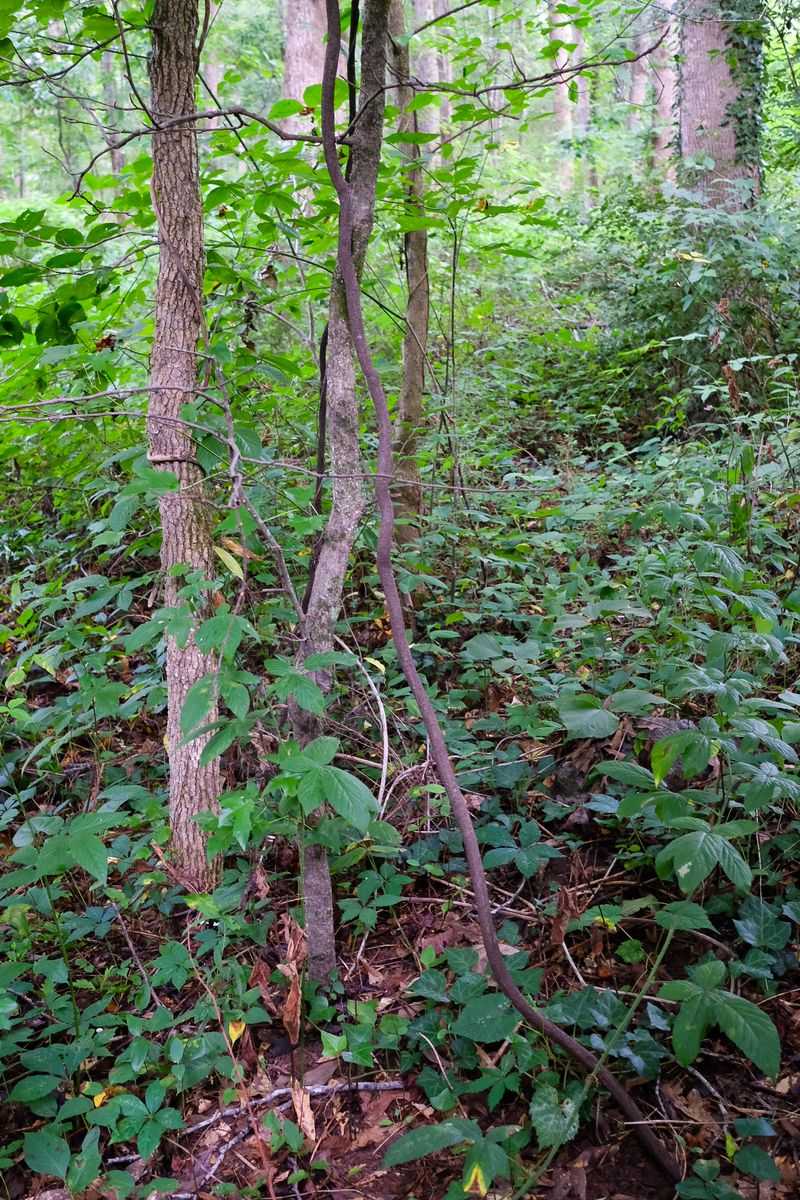
Mowing alone sounds useless after everything we just covered. Surprisingly, it can help a lot when you stay stubborn about it.
The trick is frequency.
Each time kudzu sends up leaves, it spends stored root energy. If you cut those leaves before they can make much food, the plant loses more than it gains.
Repeat that every couple of weeks during the growing season, and the roots slowly weaken.
Extension guides note that close mowing or cutting, done often over several years, can wear down a patch. It works best on flat, open ground where a mower can reach.
Rocky banks and spots full of trees are much harder.
Grazing works on the same idea. Goats and some other livestock happily munch kudzu, and some Georgia communities have hired goat crews for big patches.
Animals need several seasons of repeat visits, though.
One warning from experience. Skipping a few weeks in midsummer gives the vine time to refill its tank.
A missed month can undo a lot of progress, so set phone reminders and treat mowing like a standing appointment.
7. Herbicide On Kudzu Leaves Works Best With Careful Timing
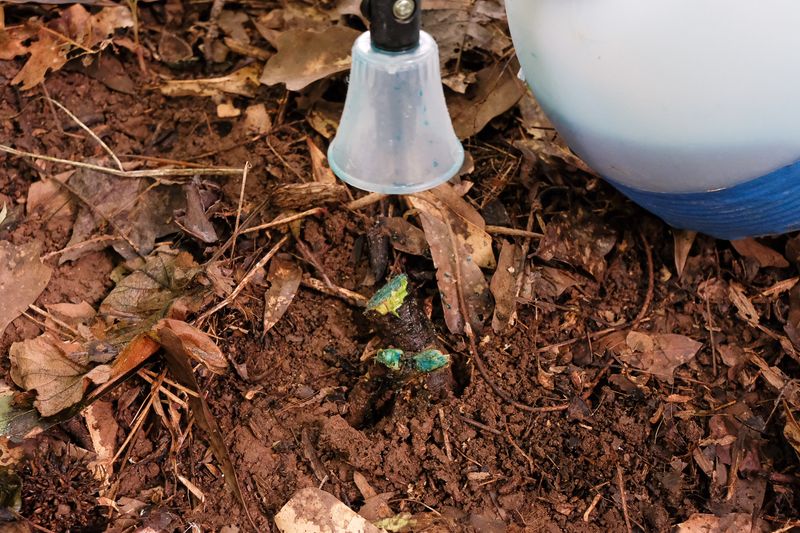
Some patches are just too big or too old to handle by hand. That is when many homeowners turn to herbicides.
Used correctly, they can reach the roots in a way cutting cannot.
Products that move through the plant, called systemic herbicides, travel from the leaves down to the root crown. Extension specialists often mention ingredients such as glyphosate, triclopyr, clopyralid, and metsulfuron for kudzu.
Some of these can harm nearby trees, shrubs, or lawns, so pick carefully.
Late summer into early fall is often the best window. During that time, the plant is moving food down to its roots for winter.
Herbicide on the leaves gets carried along with it.
Read the full label before you spray. The label is the law, and it tells you the rate, safety gear, and where the product can be used.
Keep spray away from creeks, ponds, and garden beds.
Most patches need follow-up treatments for several years. A UGA Extension agent in your county can suggest a product that fits your site.
That free advice can save you money and protect plants you want to keep.
8. Native Plants Can Reclaim Your Former Kudzu Patch
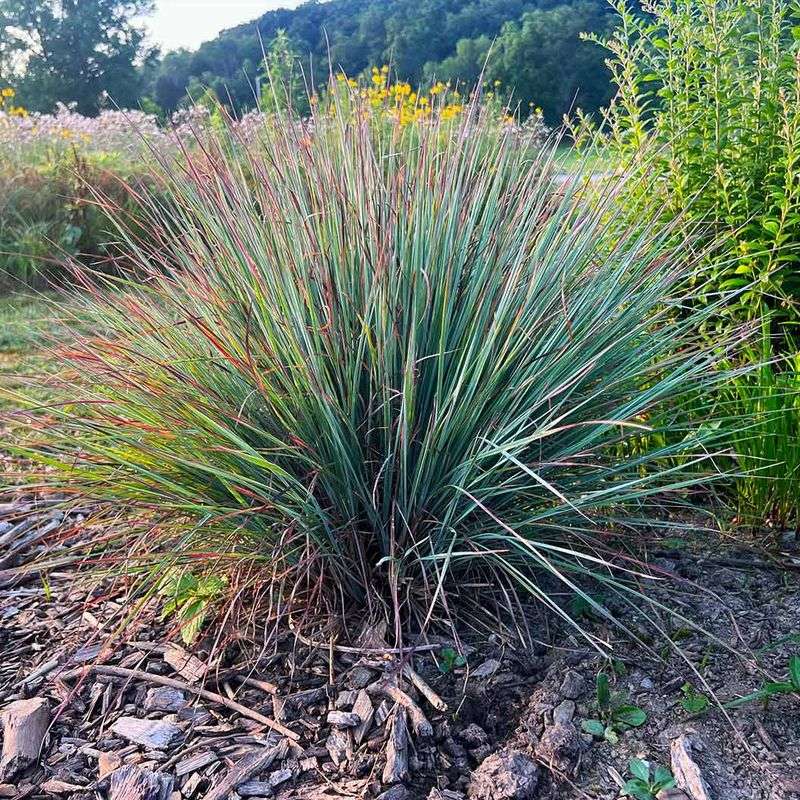
Clearing kudzu leaves you with bare, sunny ground. That open space is exactly what the vine wants for a comeback.
Filling it with plants you love is one of the smartest moves you can make.
Kudzu struggles in shade. Planting trees and shrubs that eventually cast shadows makes it harder for leftover shoots to thrive.
Ground covers and grasses also help hold soil on slopes.
Native options for Georgia include switchgrass, little bluestem, and Virginia sweetspire. Coral honeysuckle is a lovely native vine for fences and trellises.
Dogwood, redbud, and native oaks offer shade over time.
Please skip invasive replacements such as English ivy, Japanese honeysuckle, or Chinese wisteria. Swapping one problem vine for another just restarts the headache.
Your local nursery or county extension office can point you to good native picks.
Keep walking the area every few weeks for at least two or three years. New kudzu shoots are easiest to remove when they are small.
With patience and a few healthy native plants, that old tangled corner can become the prettiest, most peaceful part of your yard.