The Suckers At The Base Of Your Ohio Tree Worth Removing Before They Get Bigger
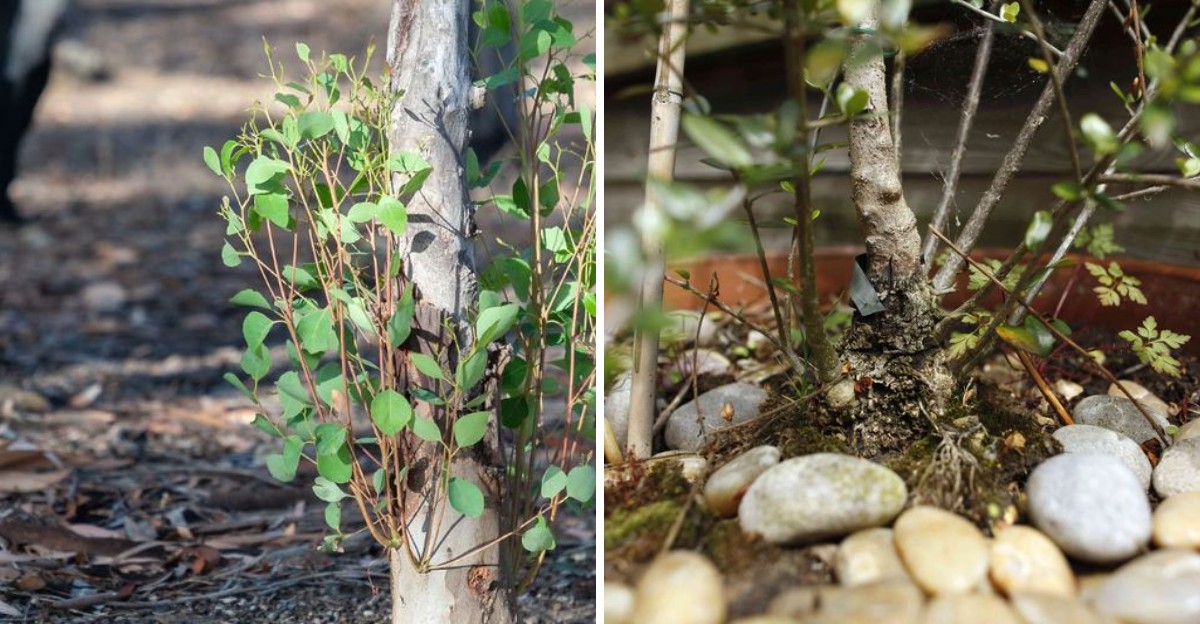
A grafted crabapple can quietly grow a second tree right out of its own roots. That second tree often blooms differently, fruits differently, and can eventually outgrow the one you paid for.
I’ll admit it, I used to walk right past those skinny green shoots at the base of my trunk. They looked harmless, even kind of cheerful. Then one spring, a tidy ornamental tree in my yard looked more like a scraggly shrub.
Those shoots are hungry. They pull water and nutrients away from the branches you actually care about, and they get woodier and tougher every week you ignore them. Here in Ohio, they can pop up anytime from spring through late summer.
So what are those sneaky sprouts really telling you about your tree? And why does a quick snip now save you a sore back later?
Those Skinny Shoots Around Your Tree Trunk Have a Secret Identity
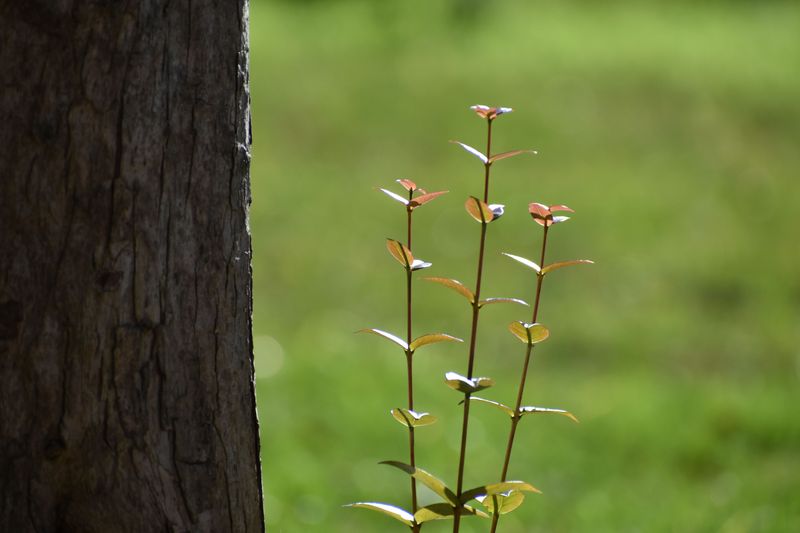
Not every new shoot is a happy sign of growth. Some of those green sprigs at your tree’s feet are actually a different plant wearing a clever disguise.
Gardeners call shoots that rise from the roots or the lower trunk suckers. Their upright cousins that shoot straight up from branches are called water sprouts. Water sprouts and trunk shoots are called epicormic shoots, which simply means growth from dormant buds that were waiting under the bark, while true root suckers sprout from buds on the roots themselves.
On a grafted tree, the plot thickens. Nurseries often join a fancy top variety onto a tough rootstock from another plant. Any sucker that comes from below the graft union belongs to that rootstock, not the tree you picked out.
Look for a slightly bumpy or swollen spot a few inches above the soil line. That knob is usually the graft union, and shoots below it are the rootstock trying to take over.
Suckers often look a little different, too. Their leaves may be a different size, shape, or shade of green than the rest of the tree. Once you train your eye, spotting them becomes a fun little detective game during your morning coffee walk around the yard.
Rootstock Suckers on Grafted Crabapples and Fruit Trees Should Go First
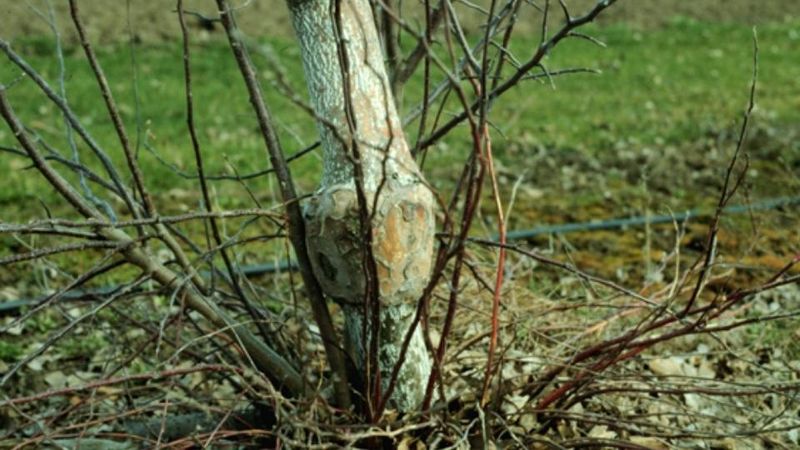
Grafted trees top the removal list, plain and simple. Crabapples, apples, pears, cherries, and many flowering ornamentals are commonly sold grafted, and their rootstock suckers grow fast.
Here’s the problem with letting them stay. Rootstock shoots are often more vigorous than the grafted top. Given a few seasons, they can crowd out the variety you chose and leave you with plain, sour fruit or flowers you didn’t expect.
I learned this one the hard way with an old apple tree. One side kept producing tiny, puckery fruit, and it turned out a rootstock sucker had grown into a full branch hiding among the rest.
Ohio State University Extension and other extension services recommend removing rootstock suckers as soon as you see them. Small ones come off easily, while older ones leave bigger wounds that take longer to seal.
Check the area below the graft union a few times each growing season. Spring and early summer are busy times for new suckers in Ohio, but more can appear right up through August.
Catching these early protects your investment. You bought that tree for its blooms or fruit, so keep its energy going where it belongs.
Pencil-Thin Suckers Are the Easiest Ones to Snip
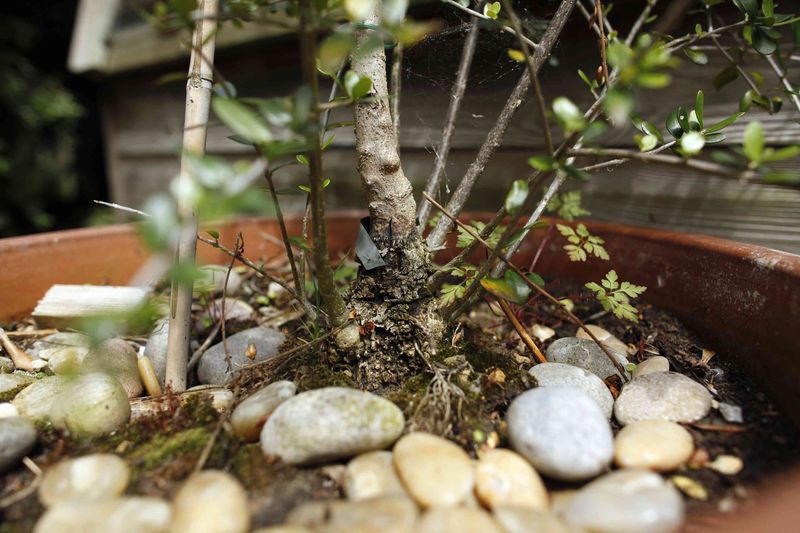
Size matters a lot here. A sucker the width of a pencil takes about two seconds to remove, while one the size of a broom handle needs loppers and a lot more patience.
Many arborists suggest dealing with suckers while they’re under a foot tall. At that stage they’re still soft, green, and barely attached, so the cut is small and heals quickly.
Very young, tender suckers can sometimes be pulled off by hand. A firm tug often removes the base buds too, which can mean less regrowth later. If the shoot resists, switch to pruners rather than ripping bark.
Once a sucker hardens into wood, it develops a stronger connection to the roots or trunk. Removing it then leaves a larger wound, and that opening becomes an easy entry point for fungi and insects.
Fair warning, suckers rarely give up after one round. Cutting them can encourage a few more to appear nearby. Regular quick check-ins keep them small and manageable, which beats one giant battle at the end of summer.
Think of it like weeding a garden bed. Little and often wins every time.
A Clean Cut at the Base Keeps Tree Suckers From Coming Back as Thick
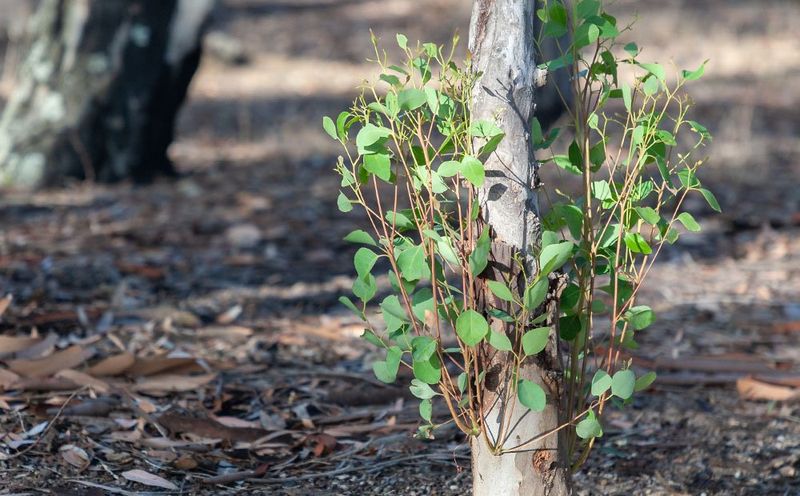
Leaving a little stub feels harmless, but it often backfires. Stubs are packed with dormant buds, and those buds love to send up a whole cluster of new shoots.
For suckers coming out of the soil, gently pull back the mulch or dirt with your fingers or a hand trowel. Follow the shoot down to where it joins the root or trunk, then cut as close to that point as you can.
Use sharp bypass pruners for small shoots and loppers for thicker ones. Dull blades crush and tear tissue, and ragged wounds take longer to close.
On a fruit tree or crabapple, wipe your blades with rubbing alcohol or a household disinfectant between trees. Fire blight bacteria can spread on tools, and many Ohio apples and pears are prone to it.
Skip the wound paint or tar. Extension specialists generally agree trees seal their own wounds better without it.
Don’t dig into big roots or scrape the trunk while you work. A careful cut at the base of the sucker is all your tree needs, and your future self will thank you when fewer shoots return.
Upright Water Sprouts in the Canopy Deserve a Late Winter Trim
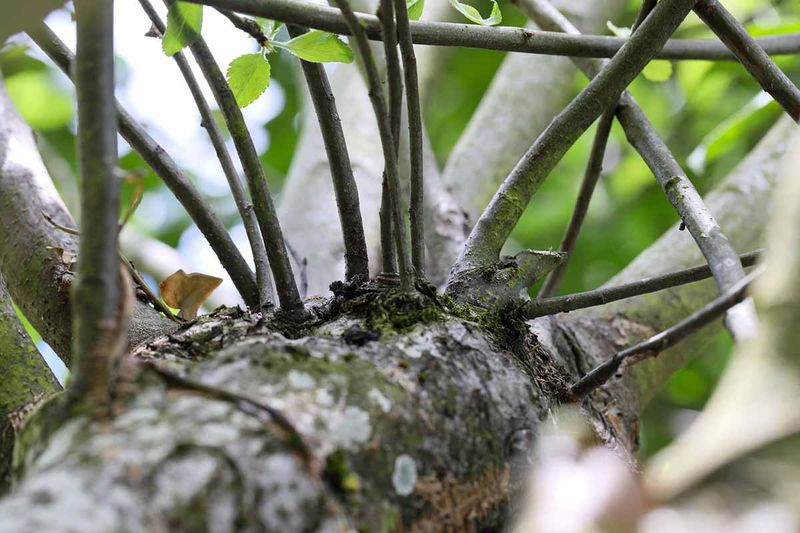
Those ruler-straight shoots poking up from branches look ambitious. Sadly, water sprouts are usually weakly attached and rarely produce good flowers or fruit.
They also crowd the canopy. A thick tangle of sprouts blocks sunlight and slows airflow, which creates damp conditions that fungal problems like apple scab enjoy.
The best time to tackle most water sprouts in Ohio is during dormant pruning, roughly late February through March, before buds break. With bare branches, you can see exactly what you’re cutting and how the tree is shaped.
Cut each sprout back to the branch it grows from, just outside the slightly raised ring of bark called the branch collar. That collar helps the tree seal the wound, so leave it intact.
Small new sprouts that pop up in early summer can be rubbed or snipped off while they’re still soft. Avoid heavy pruning during hot, dry spells, since that adds stress.
Here’s a fun fact from orchard growers. A water sprout in a bare gap can occasionally be trained into a new fruiting branch, so keep one if it fills an empty space nicely.
Stressed Trees Push Out More Suckers Than Healthy Ones
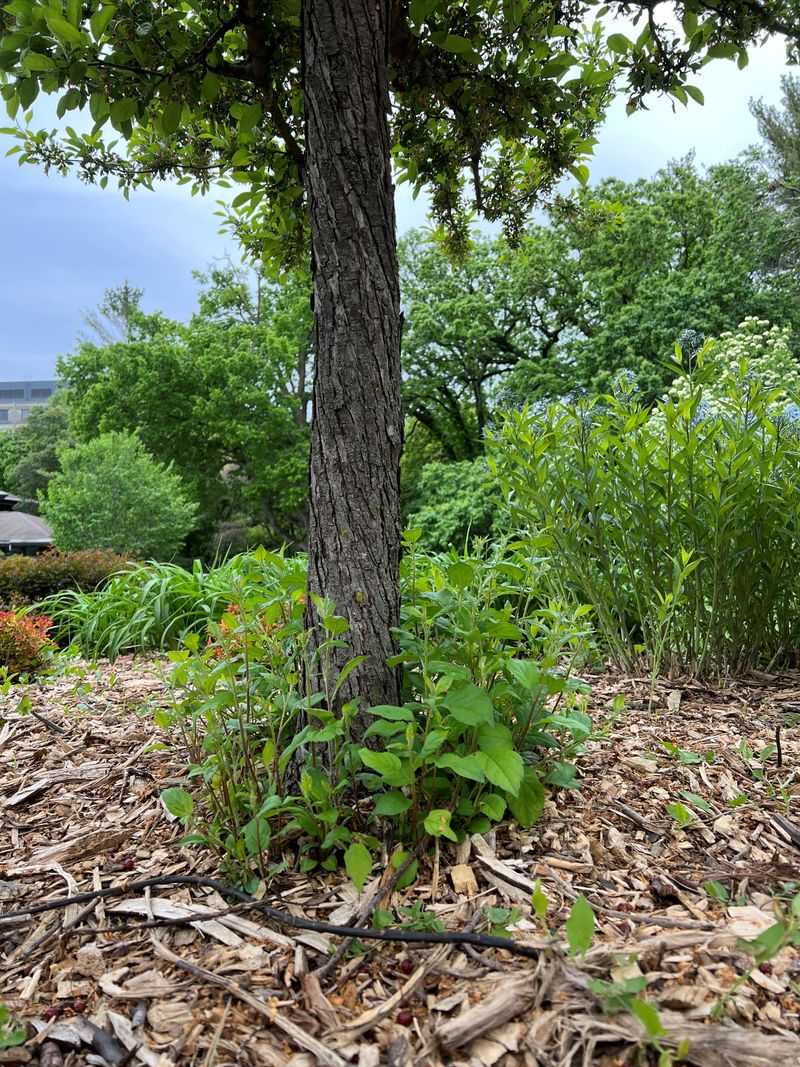
A sudden burst of suckers can be your tree waving a small flag. Lots of new shoots often point to stress somewhere in the root zone.
Common triggers include drought, root damage from digging or construction, soil compaction, and heavy pruning. Trees respond by waking up hidden buds, trying to replace lost leaves and keep growing.
Topping is a classic culprit. Chopping a tree’s crown back hard leads to a flush of weak, fast sprouts, which is one reason certified arborists strongly discourage it.
Mower and string trimmer nicks at the trunk base add stress, too. Wider mulch rings help keep equipment away from the bark.
Ohio summers can swing from soggy springs to dry August stretches. During long dry spells, a slow deep soak every week or so helps young and recently planted trees, especially in their first few years.
Planting depth also matters. Trees set too deep, with the root flare buried, often struggle and may sucker more.
Pull mulch back so the trunk flare is visible, keep it two to three inches deep, and avoid volcano piles. Little fixes like these ease stress and lower sucker numbers.
Some Ohio Natives Like Pawpaw and Sumac Sucker on Purpose
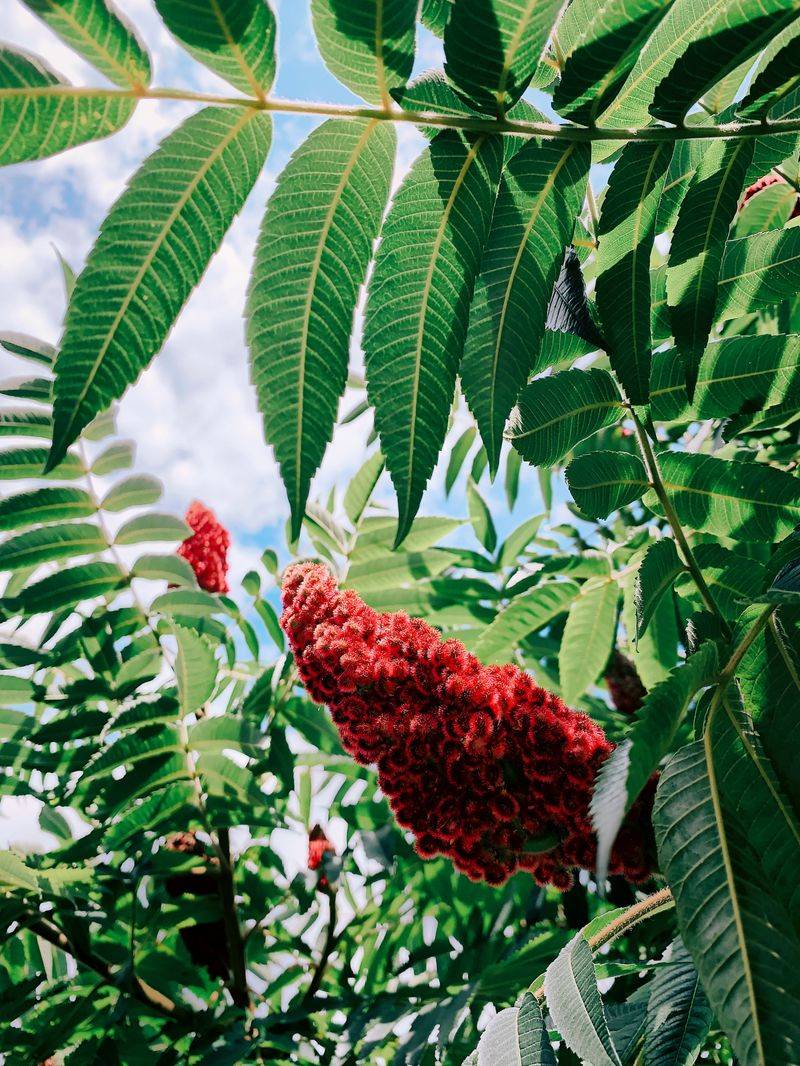
Not every sucker is a mistake. Several native trees spread by root sprouts as part of their natural lifestyle.
Pawpaw, Ohio’s official native fruit, forms patches through root suckers in the wild. Sassafras, staghorn sumac, and American plum behave similarly, slowly building small thickets.
Whether those shoots stay depends on your goals. In a naturalized corner or wildlife area, a little colony can be lovely and helpful for pollinators and birds.
In a tidy lawn or near a walkway, you’ll want to snip unwanted sprouts regularly. Mowing over small ones also keeps them in check.
Then there’s tree-of-heaven, an invasive species common across Ohio. It suckers aggressively, and simply cutting it often triggers even more sprouts. Ohio State University Extension suggests targeted herbicide methods, often applied in mid to late summer, to manage it.
Black locust can also sucker heavily and spread into spots where you don’t want it. Before cutting, confirm what species you have so your method fits the plant.
A quick trip to a county extension office or the iNaturalist app can help identify mystery sprouts before you reach for tools.
A Monthly Trunk Check Keeps Your Ohio Tree Base Neat All Season
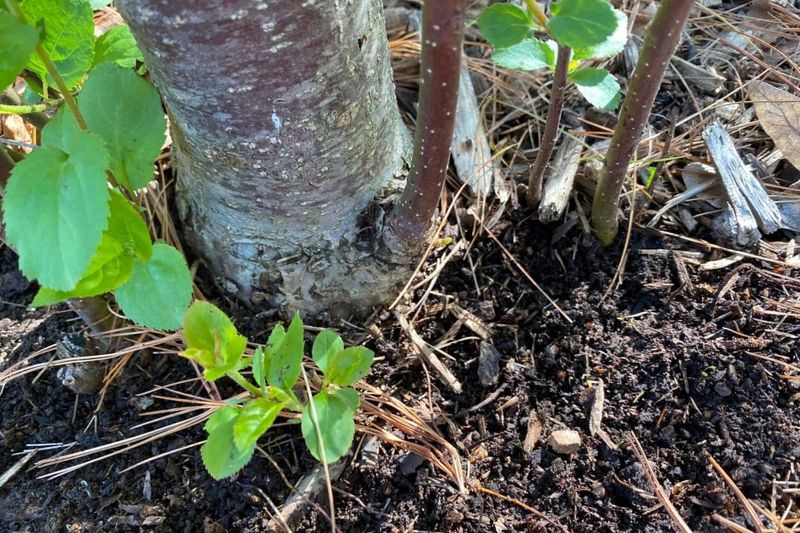
My favorite habit is boring, and it works. Once a month from April through September, I take a slow lap around each tree and peek at the base.
Bring pruners and a small bucket. It usually takes a minute or two per tree, and you’ll catch suckers while they’re still tiny.
Skip the sprays sold to stop sucker growth unless you’ve read the label carefully. Some products aren’t suited to every tree, and hand removal works well for most home gardeners.
Keep notes on which trees sucker the most. If one tree keeps pushing out dozens of shoots, it may have root trouble, a buried graft, or another hidden issue worth a closer look.
For large trees or ongoing problems, an ISA certified arborist can assess roots and structure. Many Ohio tree care companies offer simple health checks.
Good care tops everything else. Deep watering during dry spells, proper mulch, and gentle pruning keep your tree strong, and strong trees send up fewer suckers.
A small habit today means a cleaner trunk, healthier canopy, and better blooms or fruit next year.