These Things Arizona Homeowners Do In August Make Spider Mites Significantly Worse
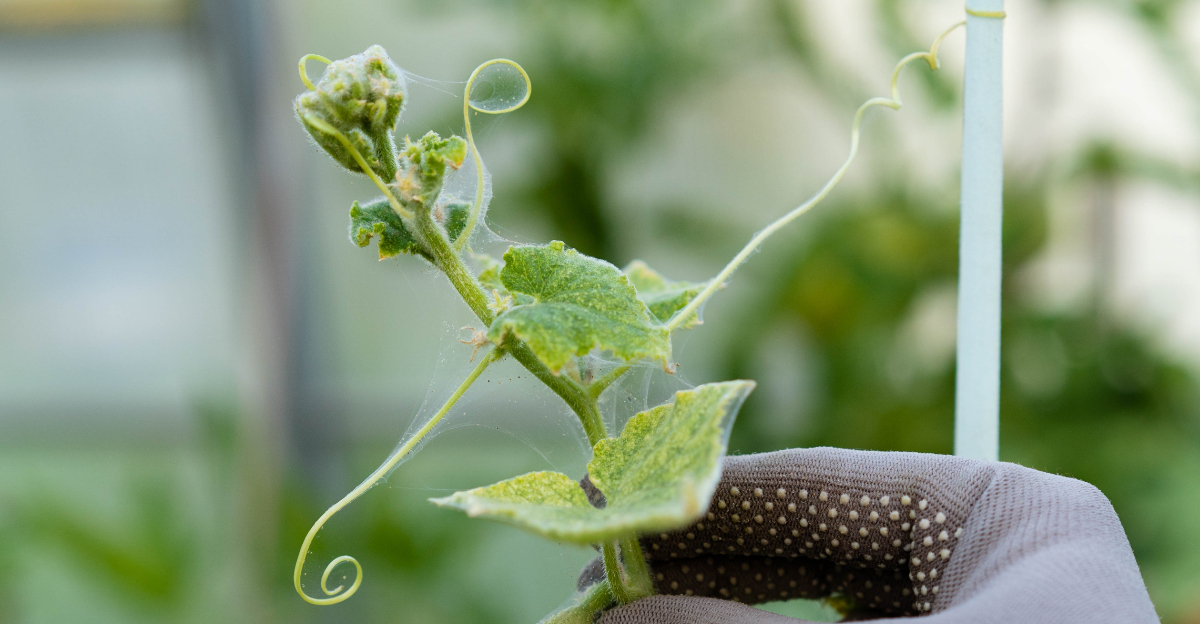
August in Arizona rarely gives your garden any room to recover once the heat sets in, and this season is no exception. Watching leaves dull and curl before your eyes feels sudden, though the damage building underneath started days earlier.
Dry air combined with exhausted soil creates exactly the kind of pressure your plants weren’t built to withstand. Nothing about this season plays fair, and Arizona’s relentless sun only tightens the squeeze on everything still trying to hold its color.
Certain routines you’ve trusted for years might be quietly working against you right now. Small changes in your garden’s appearance often mean something larger is already unfolding beneath the surface.
Every choice you make this week carries more weight than usual, especially with so much already stacked against your plants. Recognizing what’s actually happening matters more than reacting after the damage is done.
1. Letting Plants Sit Under Drought Stress
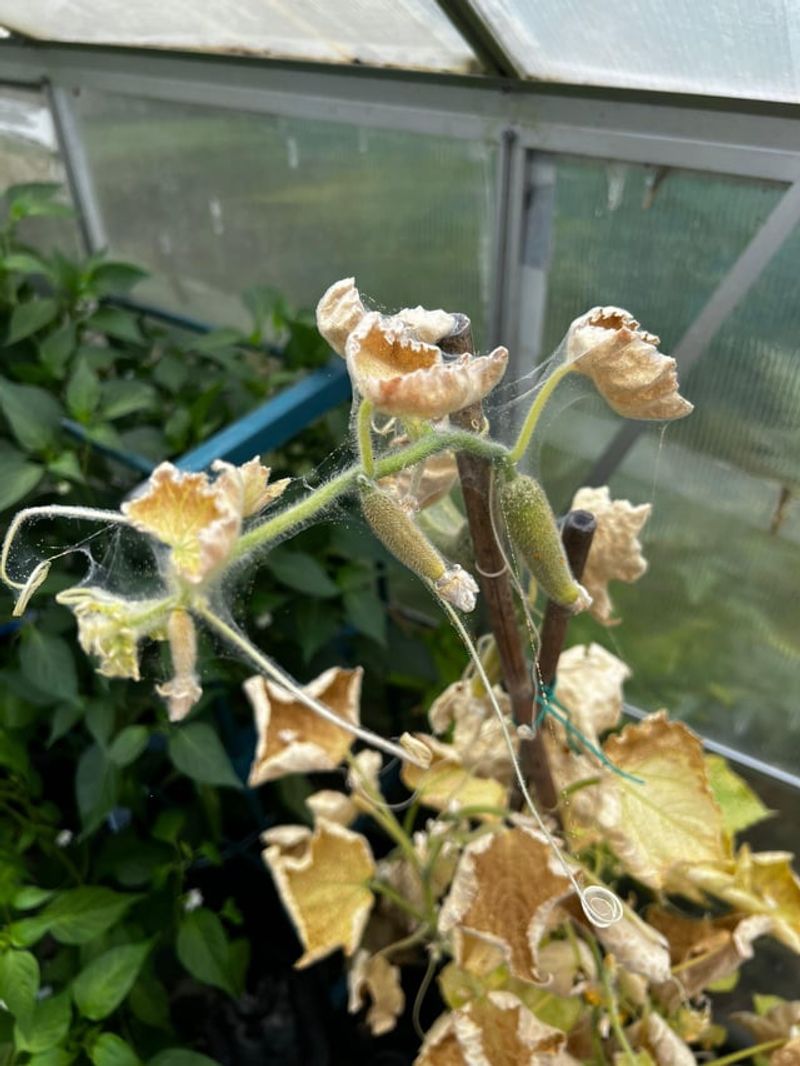
Thirsty plants are a spider mite paradise. When foliage is drought-stressed, the plant’s natural defenses weaken fast.
Spider mites sense that weakness almost instantly. They move in quickly and start feeding on already-fragile leaf tissue.
Drought stress thickens the sap inside leaves, making it richer and easier for mites to consume. That concentrated nutrition speeds up their reproduction cycle.
A single stressed plant can host a large number of mites within days. The infestation spreads to neighboring plants before you even notice the first webbing.
Keeping plants properly hydrated is one of the simplest defenses against spider mites in Arizona. Consistent moisture helps plants produce stronger cell walls that are harder for mites to pierce.
Deep watering two to three times per week works better than light daily splashes. Deep moisture reaches roots and keeps the whole plant resilient from the ground up.
Mulching around the base of plants also helps retain soil moisture longer. A two-inch mulch layer can help cut evaporation during peak August heat.
Watch for early stress signs like slight leaf curl or dull color. Catching drought stress early stops spider mites from getting their foot in the door.
A thirsty plant hands over control fast when August heat sets in. A well-watered plant fights back naturally, and that is your best first line of defense.
2. Allowing Dust To Build Up Near Foliage
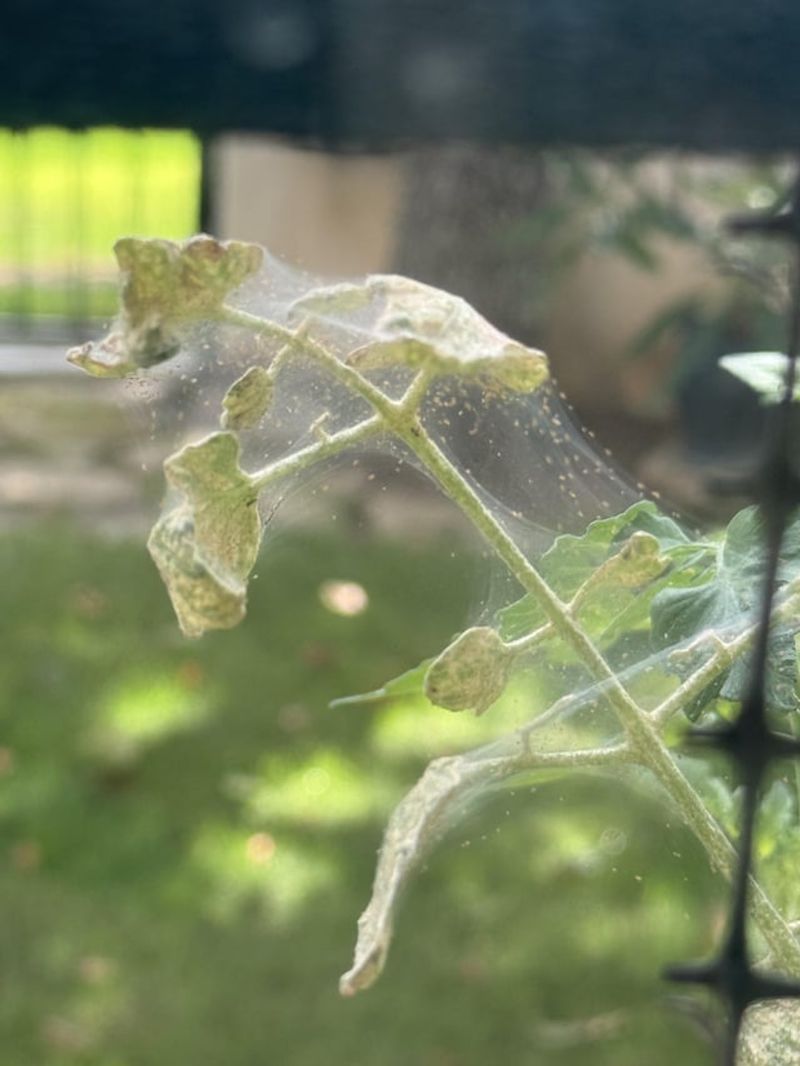
Dust is basically a welcome mat for spider mites. A thick layer of desert dust on leaves creates the perfect hiding and breeding ground.
Arizona summers are notoriously dusty, especially near dirt lots and unpaved roads. That fine powder settles on leaves daily and builds up fast.
Dust blocks the tiny pores on leaf surfaces called stomata. When stomata are clogged, plants cannot breathe or regulate moisture properly.
Weakened, suffocated foliage becomes prime spider mite territory. The pests thrive when leaves are already struggling to function.
Dust also hides mite colonies from view. You might not spot the infestation until it has already spread across multiple plants.
Regularly wiping down large leaves with a damp cloth makes a real difference. For smaller plants, a gentle rinse with a garden hose works well.
Your Arizona Garden Changes Every Week. Your Plan Should Too.
Gardening in Arizona changes quickly throughout the season. Every Friday you’ll receive a simple weekly plan showing exactly what to plant, prune, fertilize, harvest, and protect so you never miss the right timing.
Pay special attention to plants near gravel driveways or bare soil patches. Those areas generate the most airborne dust during monsoon wind gusts.
Planting groundcover near vulnerable shrubs can reduce nearby dust levels noticeably. Low-growing plants anchor the soil and limit how much fine debris gets kicked up.
Dust control is an underrated part of pest management in desert climates. Keeping leaves clean closes off one of the easiest entry points into your garden.
3. Skipping Regular Foliage Rinsing
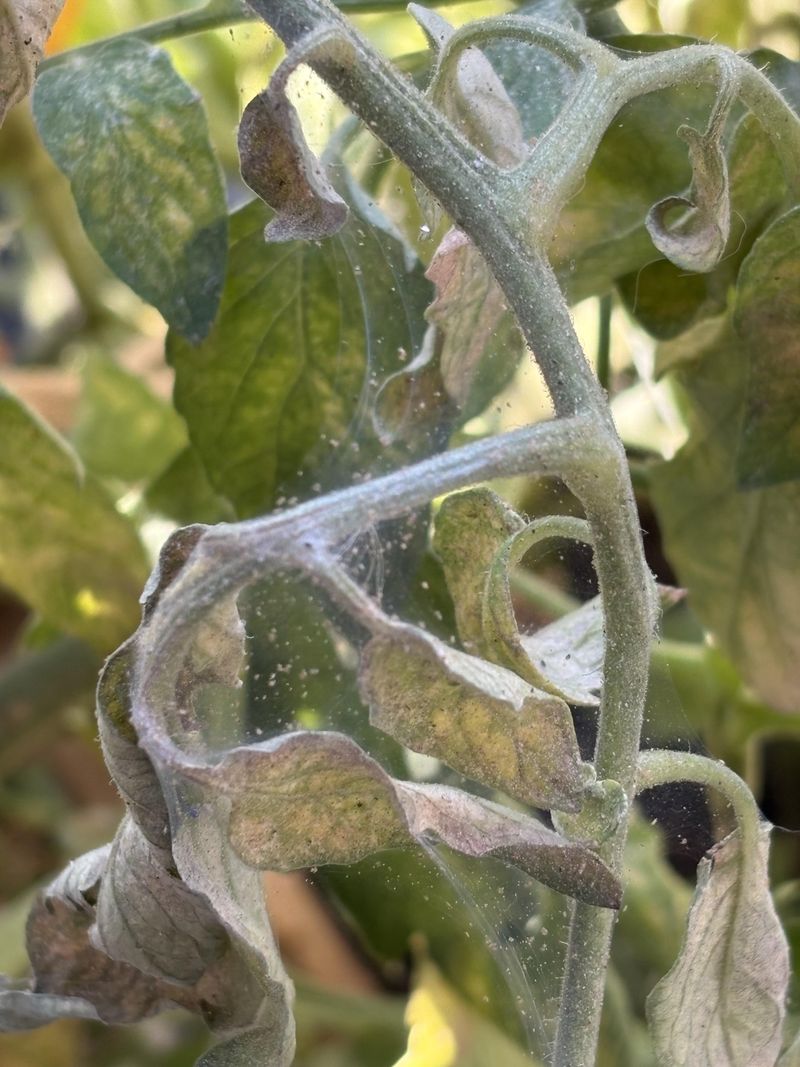
Skipping a quick rinse of your plants sounds harmless. In August, though, that skipped rinse could mean a large number of spider mites move in unchallenged.
Rinsing foliage physically knocks mites off the leaves. Even a moderate stream of water disrupts their grip and sends colonies tumbling to the ground.
Mites that land in soil rarely make it back up to the plant in time to cause damage. The disruption alone slows their population growth.
Most homeowners focus their watering at the base of the plant and rarely touch the leaves. That approach keeps the soil wet but leaves the foliage largely unprotected.
A weekly rinse of the entire plant, top to bottom, is a powerful prevention tool. It removes dust, dislodges mites, and keeps leaf surfaces clean and healthy.
Early morning is the best time to rinse foliage in desert climates. Leaves dry quickly in the heat, reducing any risk of fungal issues from leftover moisture.
Use a gentle spray setting rather than a harsh blast that could damage tender growth. A fan-style nozzle covers more surface area with less pressure on fragile stems.
Consistent rinsing also gives you a chance to inspect leaves up close each week. Catching early mite activity during that rinse routine stops a small problem from becoming a massive one.
Skipping this one step opens the door wider than most homeowners realize. Make the rinse a weekly habit before August gives your garden away entirely.
4. Watering Soil While Ignoring The Leaves
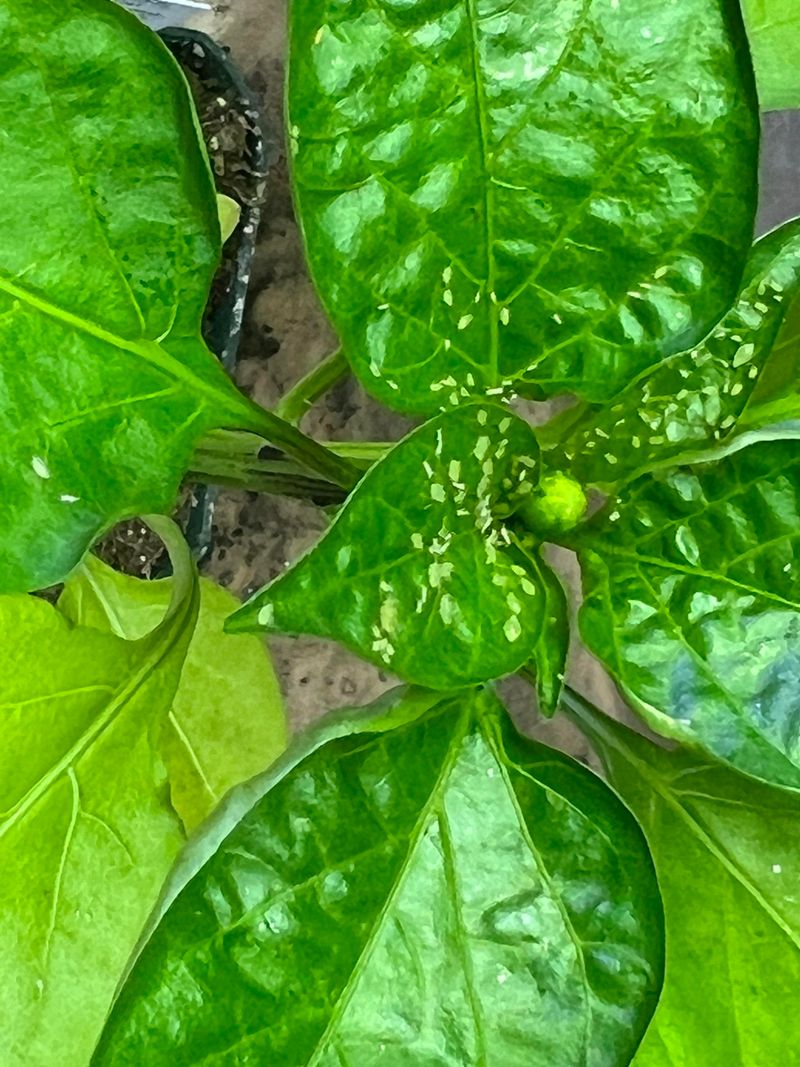
Drip irrigation is efficient, but it creates one blind spot most gardeners never consider. The leaves stay bone dry while the roots get all the attention.
Spider mites love dry, hot leaf surfaces. High leaf temperatures combined with little moisture create ideal mite breeding conditions.
When only the soil gets watered, the air around the foliage stays arid and scorching. Mites thrive in low-humidity zones, and dry leaves give them exactly that.
Increasing humidity around foliage, even slightly, makes the environment less hospitable for mite colonies. A simple overhead misting a few times per week changes the microclimate noticeably.
Drip systems are great for water conservation and root health. Pairing them with occasional foliar misting gives you the best of both approaches without wasting resources.
You do not need to soak the leaves, just a light mist in the early morning works well. That brief moisture boost can deter mites from settling in for the season.
Garden centers sell affordable misting heads that attach to standard hose fittings. Setting one up near vulnerable plants takes about ten minutes and pays off quickly.
Check the humidity levels around your plants on especially hot days. Very low humidity tends to push mites into their fastest reproduction mode.
Ignoring leaves while only watering soil quietly stacks the odds against you. A small adjustment to your routine can shift the entire balance in your garden’s favor.
5. Spraying Broad Insecticides Near Plants
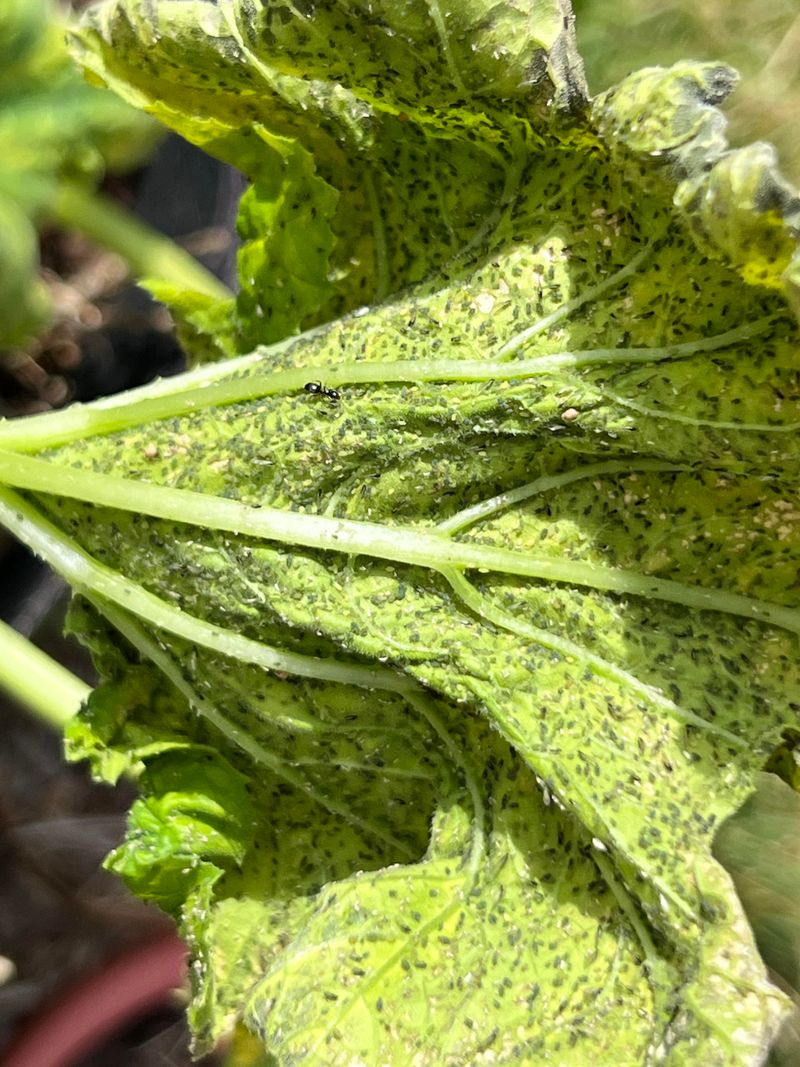
Grabbing a can of bug spray feels like taking action. But broad-spectrum insecticides can actually make your spider mite problem worse.
Most general insecticides wipe out beneficial insects along with pests. Predatory insects like ladybugs and lacewings naturally keep mites in check, and they disappear first.
Once those predators are gone, spider mites face almost no competition. Their populations can double every few days in August heat with little standing in their way.
Broad sprays also do not affect mites the same way they affect insects. Mites are arachnids, not insects, so many common sprays simply do not touch them.
You end up wiping out every mite predator while leaving the mites themselves largely unharmed. That sets the stage for a major infestation in record time.
If you need to spray for other pests, choose targeted products that spare beneficial insects. Insecticidal soap and neem oil are far less disruptive to the garden ecosystem.
Always read labels carefully before spraying anything near plants with known mite pressure. Some products are specifically labeled safe for predatory insect populations.
Spot-treat specific pest problems rather than blanketing entire garden beds with chemicals. A precise approach protects the good bugs while addressing the actual pest causing harm.
Spraying broad insecticides is one of the fastest ways to tip the balance in the wrong direction. Protect your natural allies, and they will help protect your plants all season long.
6. Mowing Weedy Borders Without A Plan
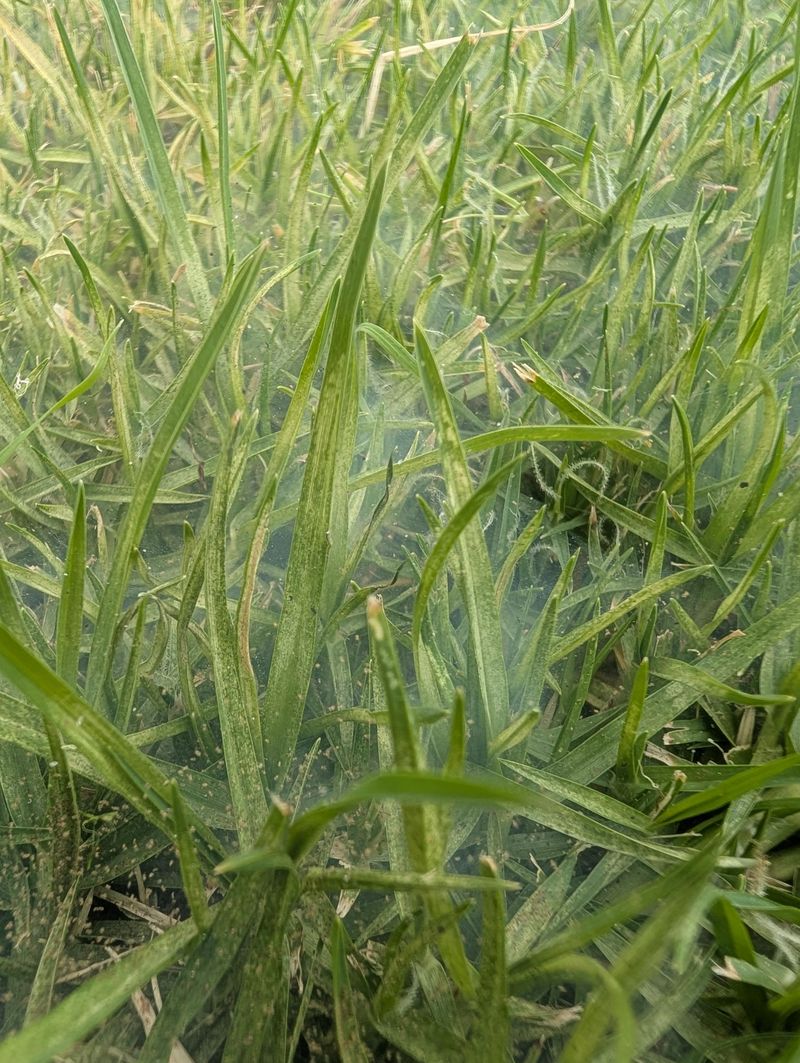
Mowing sounds productive, but doing it carelessly near garden borders stirs up serious trouble. Weedy edges are often loaded with spider mites waiting for a new home.
When you mow or trim those borders aggressively, you disturb mite colonies hiding in the weeds. A large number of mites become airborne and drift straight onto nearby plants.
Dry August conditions make this worse because mites travel easily on wind currents. A single mowing session near infested weeds can seed an entire garden bed with pests.
Certain common desert weeds are known to host mites, including London rocket and Russian thistle. Letting these grow unchecked near your Arizona garden creates a mite reservoir next door.
The fix is not to stop mowing but to do it strategically. Mow borders in the early morning when mites are less active and wind speeds are lower.
Bag your clippings immediately rather than letting them sit near garden beds. Loose debris holds mites and gives them easy access to new foliage.
Pulling weeds by hand near sensitive plants reduces the disturbance that mowing creates. Hand-pulling removes the host plant directly without sending a mite cloud into the air.
Creating a clean, bare buffer zone between weedy areas and garden beds also helps. Even a foot of bare soil acts as a small barrier that slows mite migration.
A thoughtless mowing session can undo weeks of careful garden care in hours. Plan your border maintenance carefully, and you remove a major mite highway from your yard.
7. Overlooking The Undersides Of Leaves
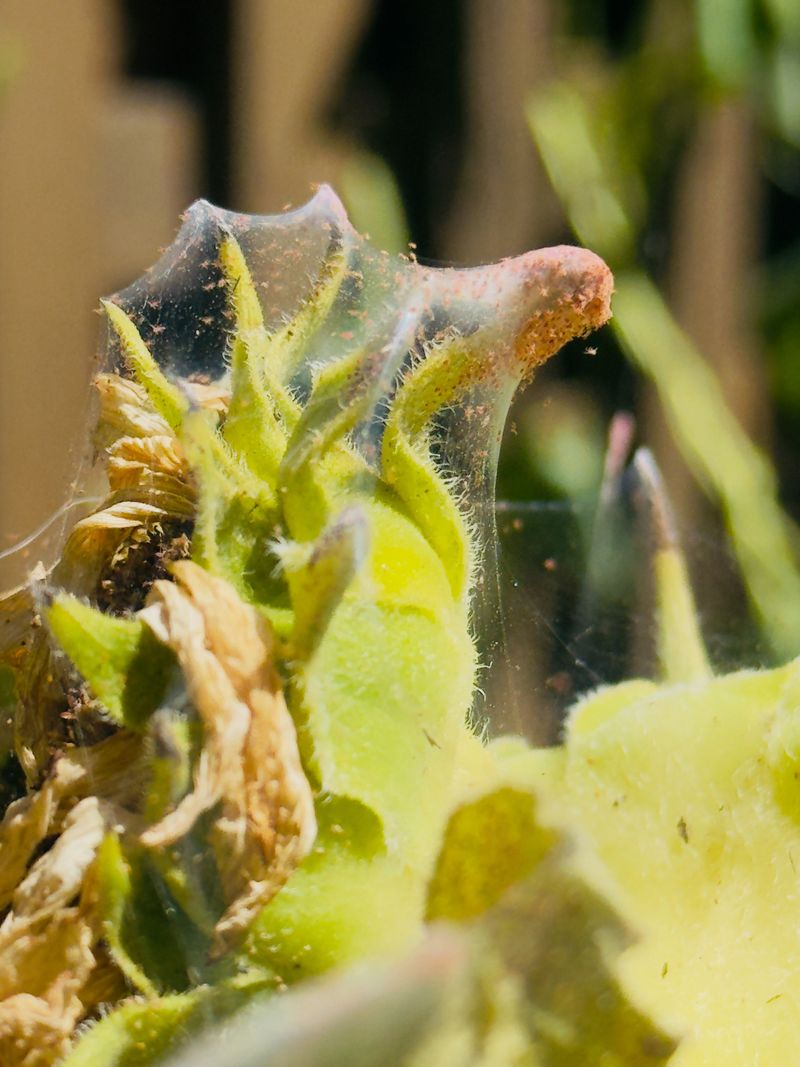
Spider mites do not live on top of leaves. They set up camp on the undersides, hidden from casual inspection and protected from direct sun.
Most homeowners glance at the top of foliage and assume everything looks fine. Meanwhile, the underside is packed with mites, eggs, and webbing they never see.
By the time damage appears on the top surface, the infestation below is already extensive. Those pale speckles and bronze patches you notice are signs of heavy feeding underneath.
Checking leaf undersides takes about thirty extra seconds per plant during your regular garden walk. That tiny time investment catches problems weeks before they become visible from above.
Use a magnifying glass if your eyesight makes it hard to spot tiny mites. Even a basic ten-times magnifier from a hardware store reveals colonies clearly.
Look for fine silk webbing first, since it is easier to spot than the mites themselves. Webbing between leaf veins is a reliable early warning sign of a growing colony.
Shake a suspicious leaf over a white sheet of paper and watch for movement. Tiny moving dots confirm mite activity and tell you how severe the issue is.
Once you spot activity, act immediately with a targeted miticide or neem oil spray. Focus all treatment on the leaf undersides where the actual population lives.
Ignoring leaf undersides lets the real damage build where you can’t see it. Flip those leaves regularly and you will stay well ahead of the problem.
8. Removing Habitat For Natural Predators
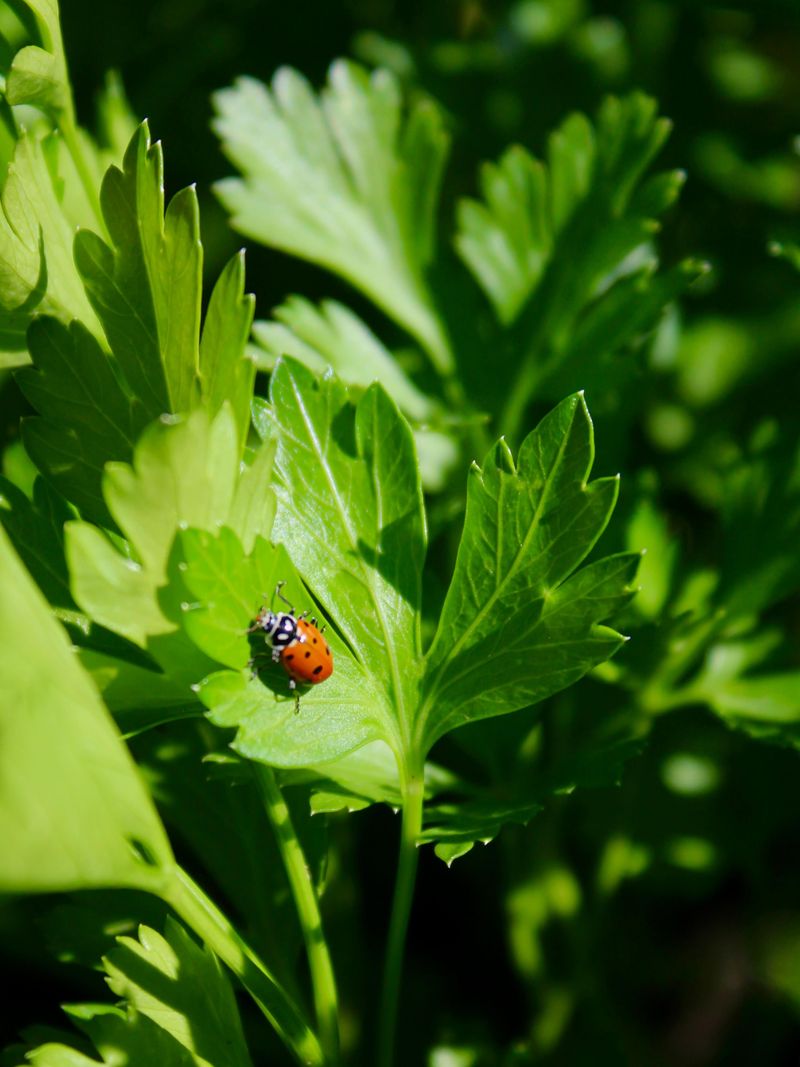
A spotless yard might look tidy, but it can quietly become a mite disaster. When you remove every shrub, flower, and groundcover, you erase habitat for beneficial predators.
Predatory mites, lacewings, minute pirate bugs, and ladybugs all need shelter and food sources year-round. Strip those away and these natural hunters vanish from your property.
Without predators keeping mite populations in check, spider mites multiply without much natural resistance. August heat only accelerates that unchecked growth into a full infestation.
Native flowering plants are especially important for supporting predatory insect populations. Blooms provide nectar that adult predatory insects need between pest-hunting meals.
Replacing turf with bare gravel eliminates the low-growing plants that ground-dwelling predators use for shelter. A yard with nothing but rock and concrete is essentially a bare zone for beneficial bugs.
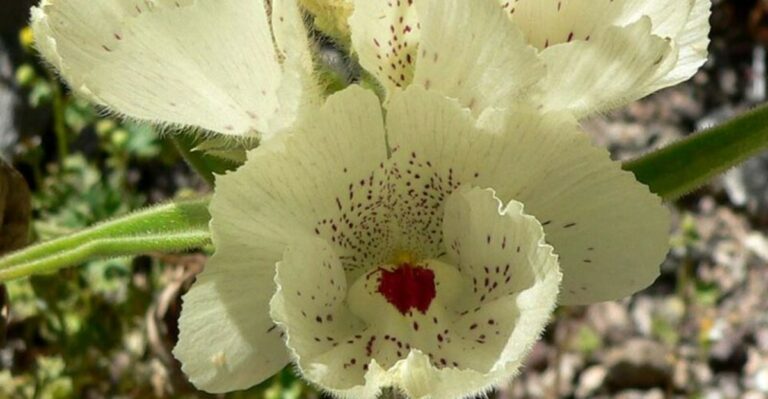
Adding a few native flowering plants near vulnerable garden beds makes a real difference. Desert marigold, globe mallow, and desert milkweed are known to attract mite-eating insects.
Even a small patch of diverse plantings creates enough habitat to support a meaningful predator population. You do not need a wildlife sanctuary, just a few intentional choices.
Leaving some leaf litter in sheltered corners also provides overwintering spots for beneficial insects. Those tiny refuges keep predator populations alive through winter and ready for action the next summer.
Removing natural habitat strips your garden of its built-in defense system. Bring the predators back, and let nature do the heavy lifting for you.