9 Georgia Fall Crops To Grow In Containers Instead Of Garden Beds
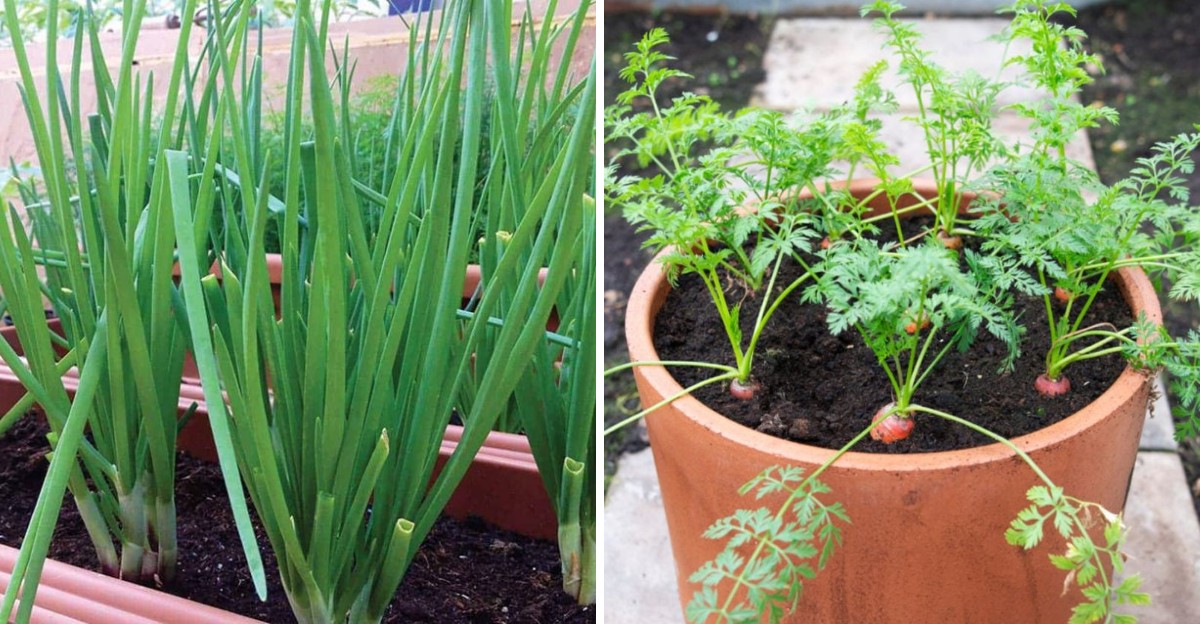
Not every yard has room for a full garden bed, but most have a sunny patio or a spot along the driveway.
That little bit of space can grow more food this fall than you expect.
Many cool season crops stay compact, so they settle into pots without needing much room. Containers also let you move plants closer to the house when a cold night is on the way.
In Georgia, that flexibility helps, since fall weather can swing from warm afternoons to a surprise frost.
Pots also drain faster than heavy clay, which gives young roots an easier start. You skip much of the weeding that comes with a bed, too.
Pick a sunny spot you can reach with a hose, and you are most of the way there.
1. Leaf Lettuce Grows Well In Pots That Can Move When Frost Arrives
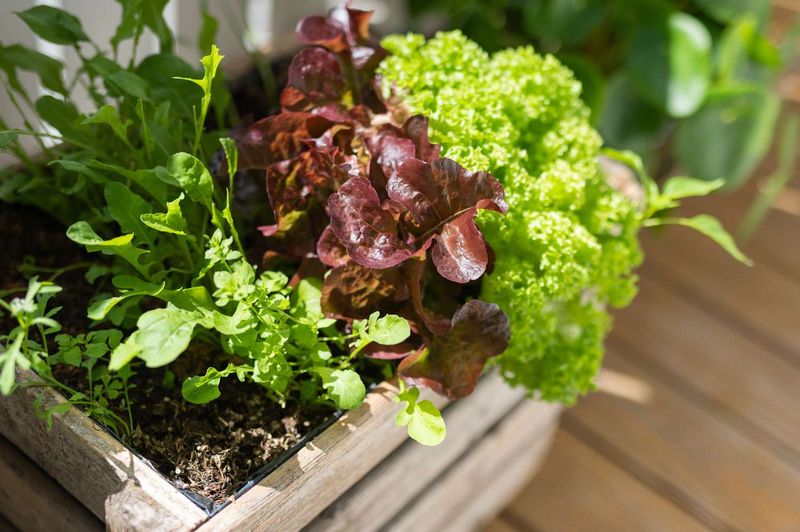
Frost can flatten a tray of tender lettuce overnight, but a pot on wheels gives you a quick escape plan. Leaf lettuce handles light chills, though a hard freeze below the upper 20s can damage the leaves.
Choose a container at least 6 to 8 inches deep and about 12 inches wide for a small bowl of greens.
Loose leaf types like Black Seeded Simpson, Red Sails, and Salad Bowl are easy picks for pots. They grow fast and let you snip outer leaves while the center keeps producing.
In most of Georgia, sowing from late August through early October works well, depending on how far north you live.
Seeds are tiny and need light to sprout, so press them onto the soil and cover them only slightly. Keep the surface damp with a gentle spray until seedlings appear, usually within a week or so.
Warm afternoons early in the season can make lettuce taste bitter or bolt.
Morning sun with some afternoon shade helps during September heat waves. Later in fall, you can shift the pot into full sun to keep growth steady.
When a frost warning pops up on your weather app, roll the container into a garage or tuck it against the house overnight.
A simple bedsheet draped over the pot can also help on nights that dip only slightly below freezing.
2. Spinach Containers Can Shift To Cooler Spots During Warm Fall Days
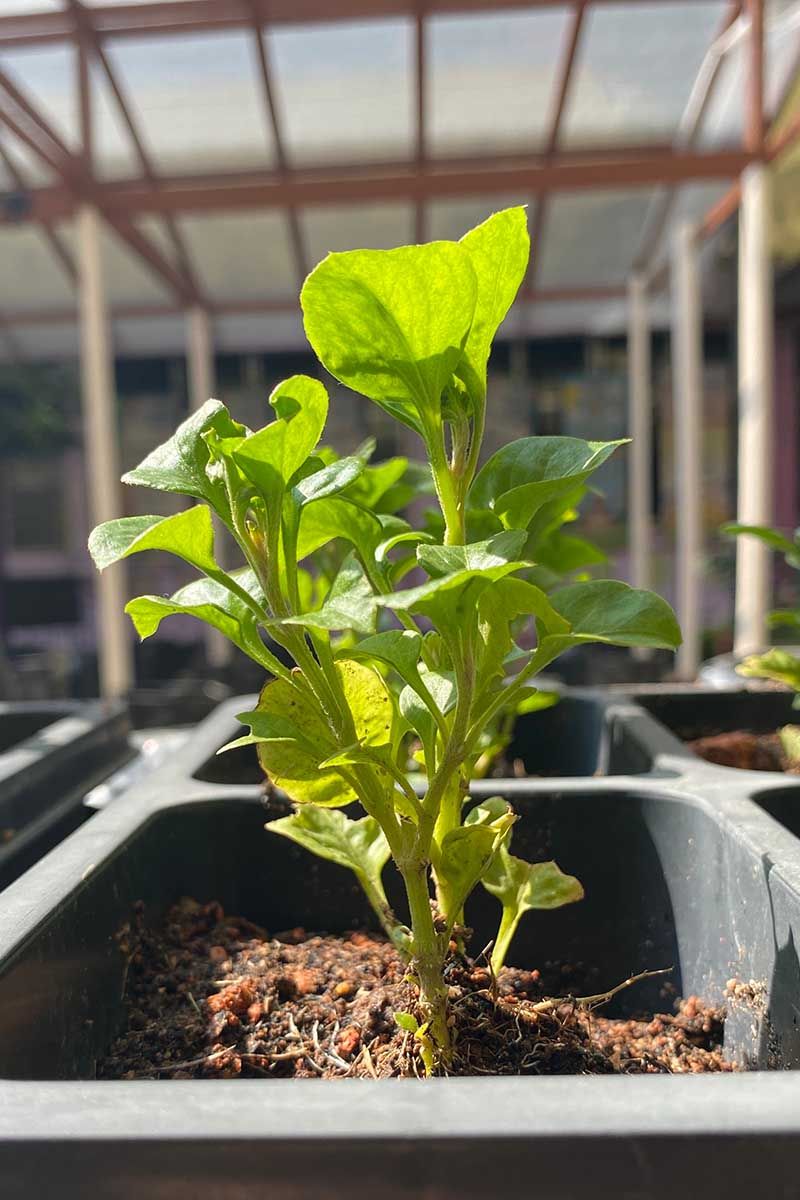
Spinach is picky about heat, and a sudden 85 degree day in October can push it toward bolting. A container solves that problem because you can slide it into shade whenever the forecast turns warm.
Seeds also sprout poorly in hot soil, so patience early in the season pays off.
Wait until soil temperatures settle below about 75 degrees before sowing. Across Georgia, that often means mid September in the north and early October farther south, though every year runs a little different.
A pot around 8 inches deep gives spinach enough room for its taproot.
Varieties like Bloomsdale, Space, and Tyee tend to be more patient with warm spells than older types. Space seeds about 2 to 3 inches apart and thin the seedlings to roughly 4 inches as they grow.
Your Georgia Garden Changes Every Week. Your Plan Should Too.
Gardening in Georgia changes quickly throughout the season. Every Friday you’ll receive a simple weekly plan showing exactly what to plant, prune, fertilize, harvest, and protect so you never miss the right timing.
Regular watering keeps leaves tender, but soggy soil can lead to rot, so drainage holes matter.
A sheltered spot under a tree or on the east side of the house makes a good cool retreat during warm stretches.
Once nights cool down in November, move the pot back into brighter light. Spinach handles light frosts well, and some gardeners find the leaves taste sweeter after a cold snap.
Harvest the larger outer leaves first so the plant can keep sending up new growth.
3. Arugula Grows Quickly Enough For Several Container Sowings
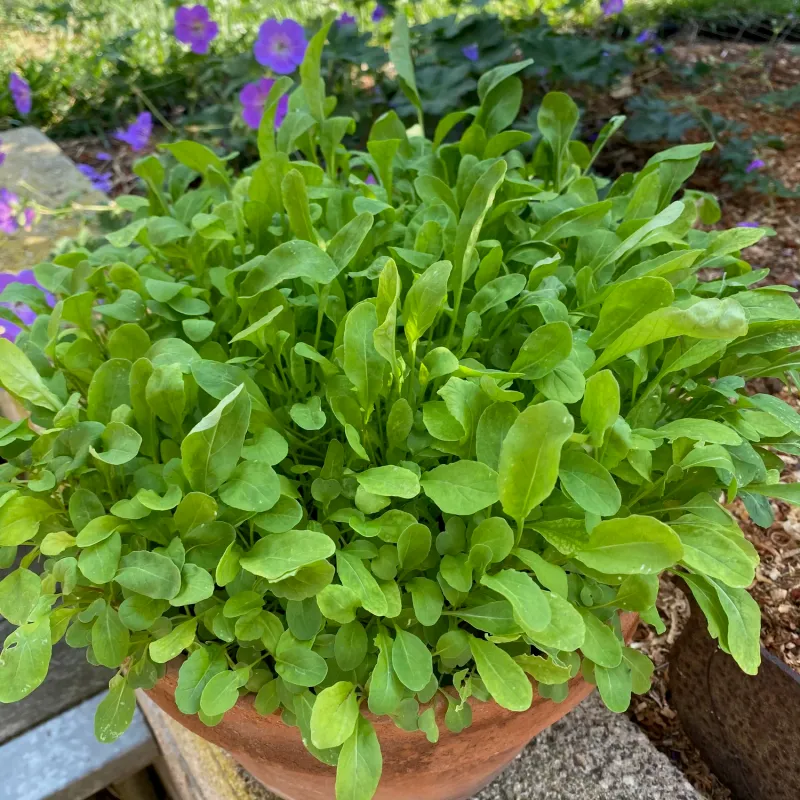
Blink and your arugula might be ready. Baby leaves can often be picked about three to four weeks after sowing, which makes it one of the fastest greens you can grow.
Speed is what makes it perfect for staggered plantings in pots.
Try sowing a new container every two to three weeks from September into October. By the time one pot starts getting tough or flowering, the next one is ready to pick.
A window box or shallow planter about 6 inches deep works fine because arugula roots stay fairly short.
Scatter seeds thinly across the surface and cover them with about a quarter inch of soil. Seedlings usually pop up in less than a week when the soil stays moist.
Here is a flavor tip worth knowing.
Arugula grown in warm weather tends to taste sharper and more peppery, while cooler fall temperatures usually mellow it out. Georgia gardeners who find the summer crop too spicy often prefer the leaves grown later in the season.
Cut leaves when they are 2 to 4 inches long, leaving the growing center untouched so it can regrow a few times.
Wild or perennial arugula grows slower but can hold up longer in a pot if you want a steadier supply.
4. Compact Bok Choy Varieties Fit Easily Into Medium Sized Pots
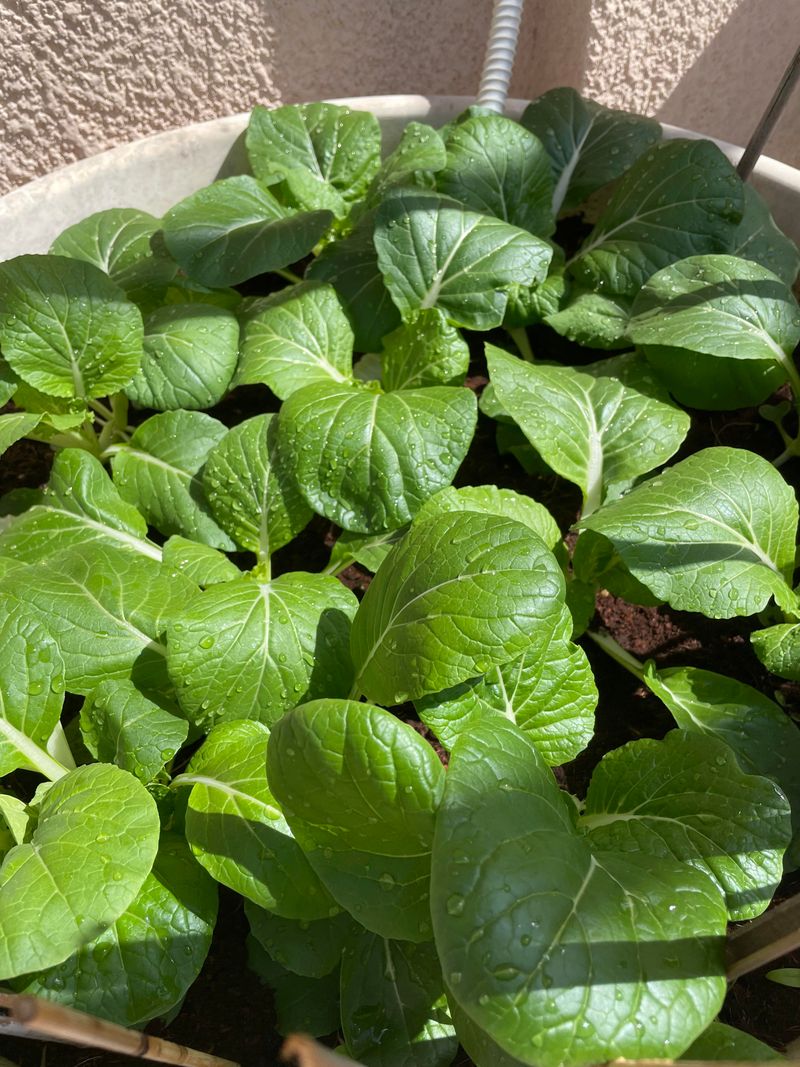
Full sized bok choy can sprawl, but baby types stay neat and tidy. Varieties such as Toy Choy, Win Win Choi, and Mei Qing Choi are bred to stay small, often around 4 to 8 inches tall.
A medium pot about 10 to 12 inches wide can hold three or four plants.
Aim for a container at least 8 inches deep with plenty of drainage holes. Bok choy likes steady moisture, so a quality potting mix that holds water without staying soggy works best.
Timing matters more than you might expect.
Bok choy tends to bolt when it faces stress from heat or sudden cold, so late summer sowings in Georgia can flower early during a warm spell. Many local gardeners find that sowing in September gives plants a better shot at forming full heads.
Flea beetles and cabbage worms may show up, especially early in fall.
Lightweight row cover fabric draped over the pot can help keep those pests off the leaves. Check the undersides of leaves every few days, since small green caterpillars blend in easily.
Baby bok choy is often ready in about 30 to 45 days, though weather can speed things up or slow them down.
You can harvest the whole plant at once or pick a few outer leaves for a quick stir fry.
5. Kale Handles Container Growing Well Through Cool Fall Weather
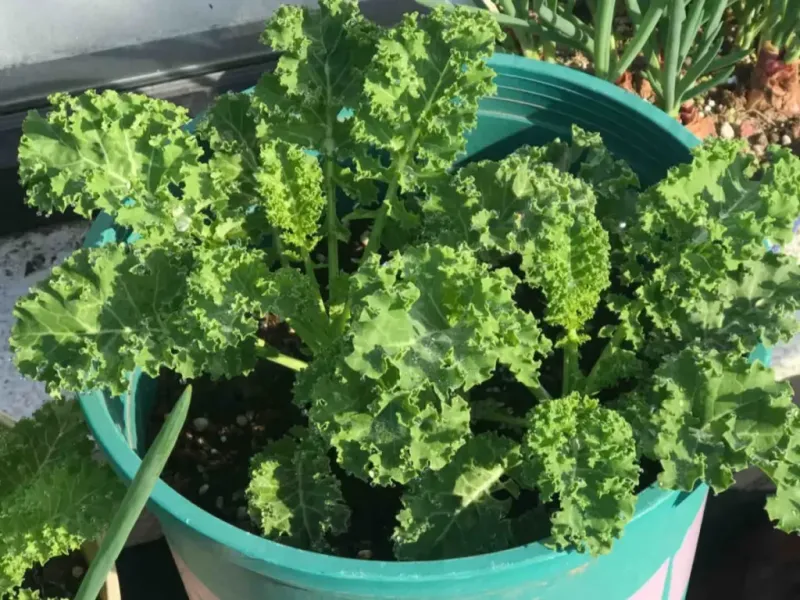
Tough, leafy, and forgiving, kale might be the easiest fall green for a beginner with a few pots. It shrugs off light frosts and can often handle temperatures in the low 20s with little trouble.
Give each plant its own space, since a mature kale plant can get surprisingly wide.
A container that holds about 3 to 5 gallons works well for one plant. Fabric grow bags are a popular choice because they drain fast and let roots breathe.
Transplants are the simplest way to start, especially if you are planting in late September or early October.
Lacinato, Winterbor, and Red Russian are all common varieties that do well in pots. Lacinato has flat, bumpy leaves, while Winterbor forms thick, frilly curls that look great on a porch.
Feeding matters because container plants use up nutrients faster than garden plants. A balanced liquid fertilizer every two to three weeks can keep leaves growing steadily.
Harvest from the bottom up, picking the older lower leaves first.
In many parts of Georgia, kale can keep producing through much of winter, though a deep freeze may still damage plants in pots. Roots in containers get colder than roots in the ground, so moving pots near a wall or wrapping them during hard cold snaps can help.
6. Swiss Chard Keeps Producing From A Container As Temperatures Cool
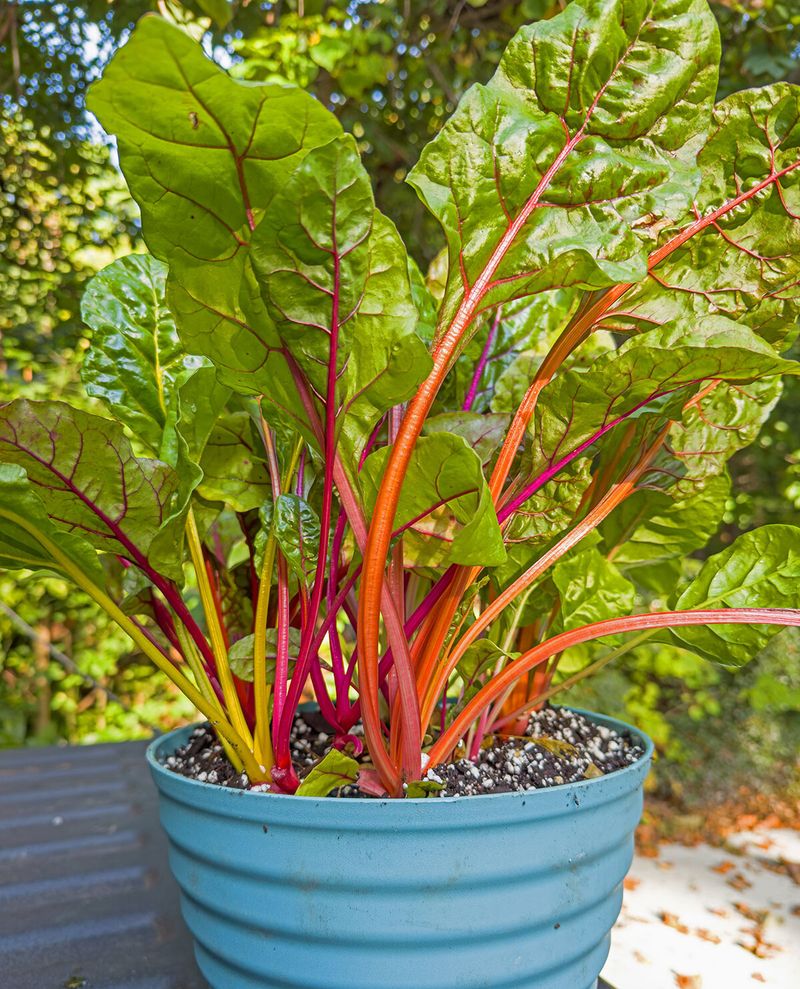
Bright stems in red, yellow, and pink make rainbow chard look more like a flower than a vegetable. Beyond looks, it is one of the most generous leafy crops you can keep in a pot.
One plant can give you leaves for months if you harvest carefully.
Chard handles both warm days and chilly nights better than most greens. That flexibility helps a lot in Georgia, where early fall often swings between summer heat and crisp mornings.
Use a pot at least 10 to 12 inches deep, since chard grows a sturdy root system.
Each chard seed is actually a small cluster that can sprout several seedlings. Snip the extras at soil level instead of pulling them so you do not disturb the one you keep.
Bright Lights, Fordhook Giant, and Ruby Red are easy to find at local garden centers.
Pick the outer stalks when they reach about 8 to 10 inches, twisting or cutting them near the base. Leave the center leaves alone so the plant can keep pushing out new growth.
Growth slows down as temperatures cool, which is normal.
Chard can usually handle light frosts, but hard freezes may damage the leaves, especially in containers. Moving the pot close to the house on cold nights can help it hang on longer.
7. Radishes Need Little Space To Produce A Quick Fall Crop
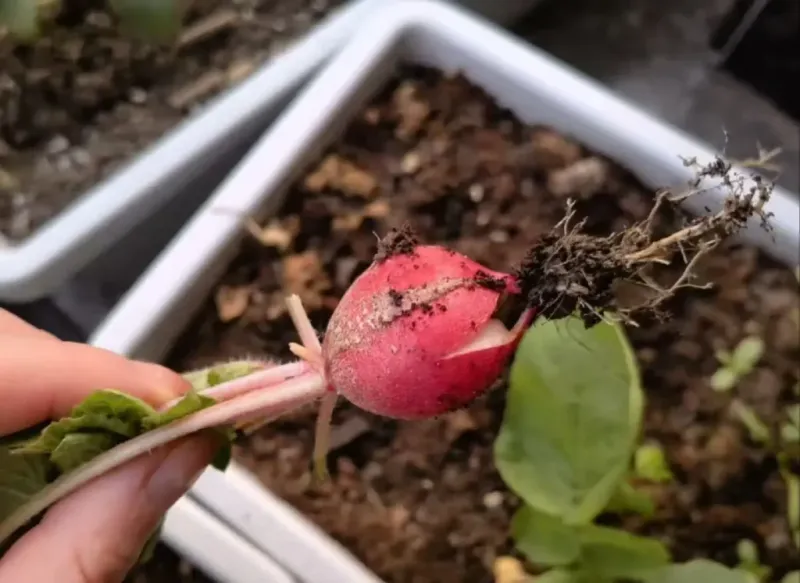
Radishes reward impatience. Quick varieties like Cherry Belle can be ready in roughly 25 to 30 days, which is great for kids or anyone new to growing food.
A shallow pot works fine for round types, as long as it holds about 6 inches of soil.
Sow seeds half an inch deep and about 1 to 2 inches apart. Crowding is the most common reason radishes grow all leaves and no roots, so thinning early really helps.
Georgia gardeners can often sow radishes from September through October, and even later in the southern part of the state.
Consistent watering is key. Letting the pot dry out and then soaking it can cause roots to crack or turn woody and hot tasting.
Sun matters too, since radishes need about six hours of light to form good roots.
Leaving radishes in the soil too long is an easy mistake. Check them by brushing soil away from the top, and pull them once they reach about an inch across.
Want something different?
French Breakfast radishes grow long and mild, while Watermelon radishes are pale on the outside and bright pink inside. Winter types like Watermelon need a deeper pot and a longer season, often closer to 60 days.
8. Short Carrot Varieties Avoid Heavy Garden Soil In Deep Containers
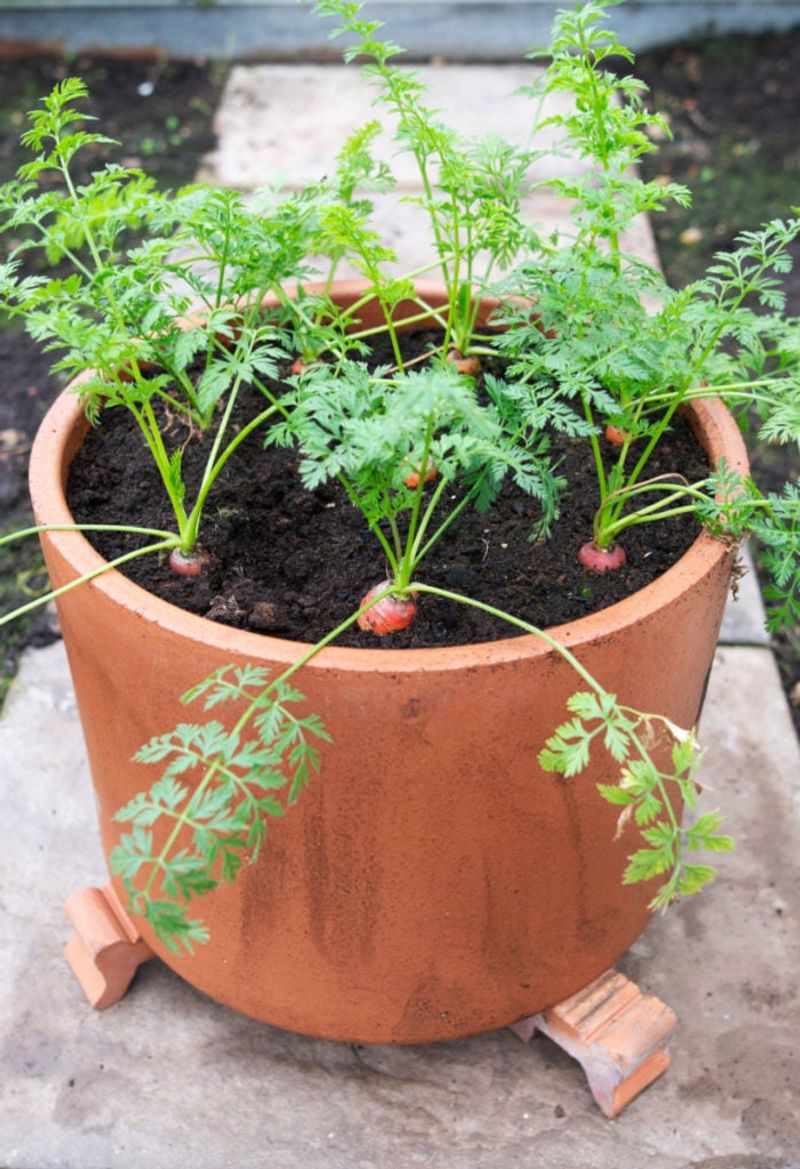
Red clay and carrots rarely get along. Dense ground soil common in much of Georgia can leave carrots forked, twisted, or stunted, which is why pots make so much sense.
Loose potting mix gives roots a clear path to grow straight down.
Short varieties are the smart choice for containers. Paris Market grows into little round balls, while Danvers Half Long and Chantenay types stay stocky and sweet.
Look for a container at least 10 to 12 inches deep so roots have extra room below them.
Carrot seeds are slow and fussy, often taking one to three weeks to sprout. The soil surface needs to stay damp that whole time, so a light cover of burlap or a board can help hold in moisture until seedlings appear.
Thin seedlings to about 2 inches apart once they reach a few inches tall.
Sowing from late August to mid September often works well across much of the state. Carrots can take 60 to 75 days to mature, so give yourself enough time before cold weather settles in.
Cool fall nights tend to make carrots taste sweeter.
Skip heavy nitrogen fertilizers, since they can push leafy tops instead of roots. A light feeding with a balanced mix is usually plenty.
9. Scallions Fit Into Narrow Pots Where Larger Fall Crops Cannot
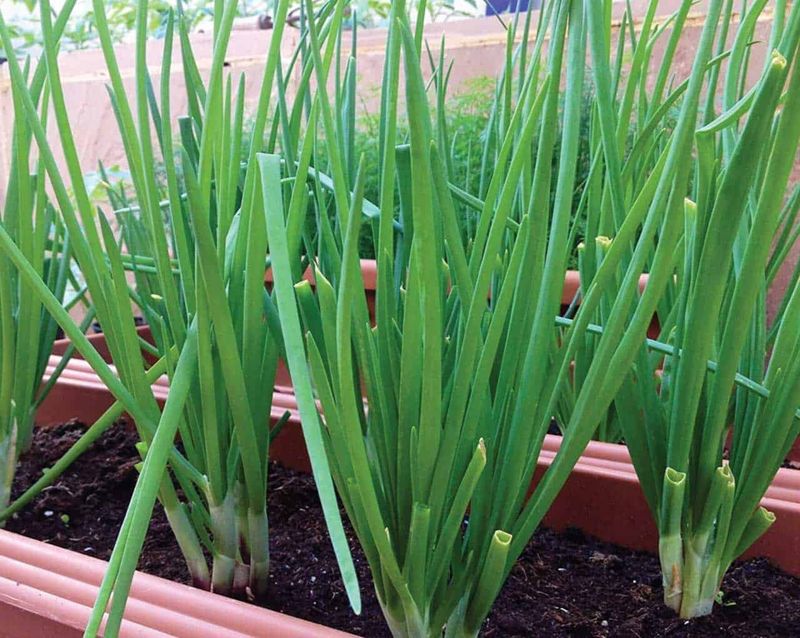
Skinny spaces deserve a crop too. Scallions grow straight up instead of out, so a narrow pot on a railing or step can still produce a steady supply.
Even a container 4 to 6 inches wide can hold a small bunch.
Plant seeds about a quarter inch deep and close together, since scallions do not need much elbow room. Evergreen Hardy White and Tokyo Long White are two varieties known for handling cooler weather.
Grocery store scallions can also get you started.
Save the white root ends, leaving about an inch attached, and tuck them into moist potting mix. New green shoots often appear within a week, though regrowth may get thinner after a few cuttings.
Seeds are slower and usually take 60 days or more to reach full size, so plan ahead if you start in September. Scallions handle light frosts, which makes them a solid pick for fall in Georgia.
Keep the soil evenly moist but not soggy.
Harvest by snipping the green tops about an inch above the soil, and the plants can regrow for more cuttings. You can also pull the whole plant when you want the mild white base for cooking.
A few pots rotated through fall can keep fresh onion flavor handy for soups, eggs, and tacos.