New World Screwworm Detected In Texas Wildlife
For decades, the New World screwworm was something most Texans only heard about in history books.
It was eradicated from the country in 1966, thanks to a massive effort to stop it. Now it’s back, and it has just crossed an important new line.
Officials have confirmed the parasite in Texas wildlife, the first U.S. wildlife case in the current outbreak.
Until now, detections had centered on livestock, starting with a 3-week-old Texas calf in June. It marks the 56th case found in Texas this year.
The pest is a fly that lays eggs in open wounds, and its larvae burrow into the living tissue of warm-blooded animals, from livestock and pets to wildlife and, in rare cases, people.
With hunting season underway, officials are asking hunters, landowners, outdoor recreationists, and wildlife professionals to watch for signs of infestation.
A First-Of-Its-Kind Detection In Pecos County
Sometimes history gets made in quiet places. On October 21, a small corner of West Texas became the center of national attention.
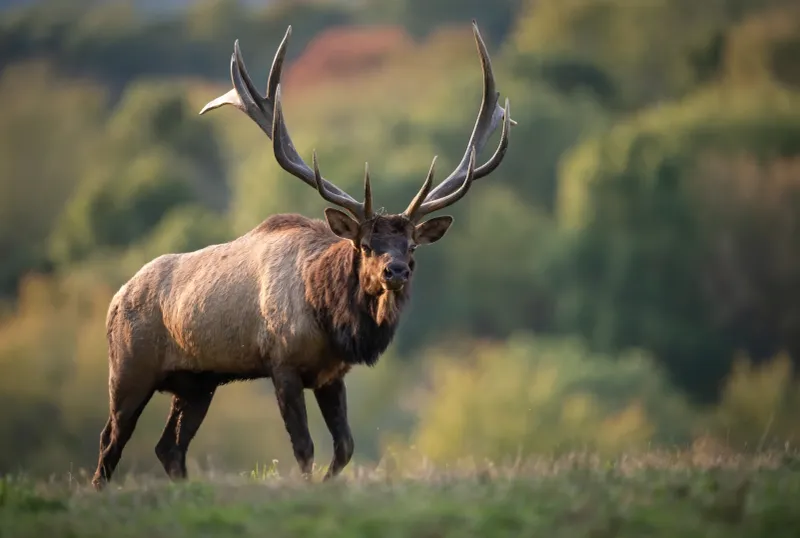
The Texas Parks and Wildlife Department, or TPWD, confirmed a New World screwworm case in a female elk.
A hunter harvested the elk on a game ranch in Pecos County. After the hunt, the animal was reported to officials.
Tests then confirmed the screwworm. It was the very first time the pest had been found in wildlife anywhere in the United States.
Why is that such big news? Until then, U.S. cases had been found in livestock like cattle. Farm animals live behind fences and get checked often.
Wild animals roam freely across huge areas. That makes them much harder to watch.
Pecos County is a wide, open place. It covers more land than some small states. Elk, deer, and other animals move across ranches, hills, and dry creek beds. A pest riding along with wildlife could travel far before anyone notices.
Here is a fun fact. Many people do not know Texas has elk at all. Some live on game ranches, and small wild herds roam parts of West Texas. They are bigger than deer and can weigh hundreds of pounds.
The hunter who reported the elk did something very helpful. One careful report gave officials an early warning. That shows how much regular people matter in protecting wildlife.
So what can you learn from this case? Pay attention to the animals you harvest. If something looks strange, speak up. Your report might be the clue experts need to stop a problem before it grows.
Meet The Tiny Pest Behind The Trouble
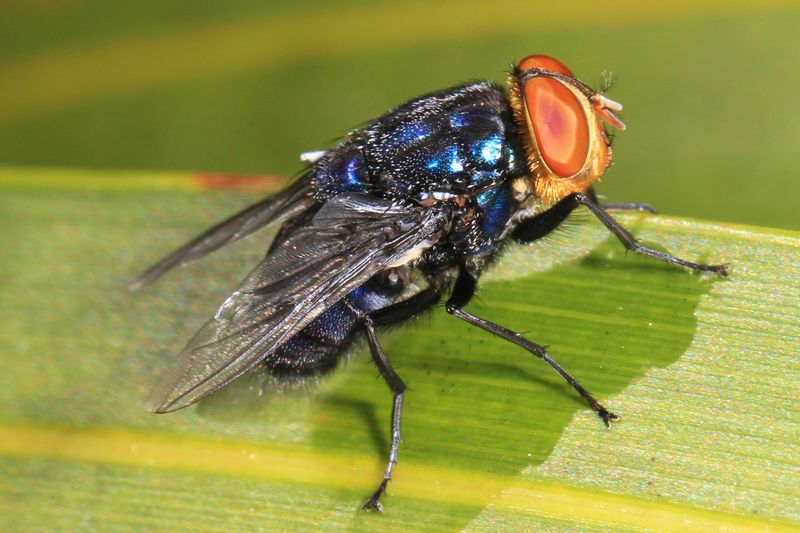
Most flies are just annoying. They buzz around picnics and land on your sandwich. The New World screwworm fly is a different story, and it can cause serious harm.
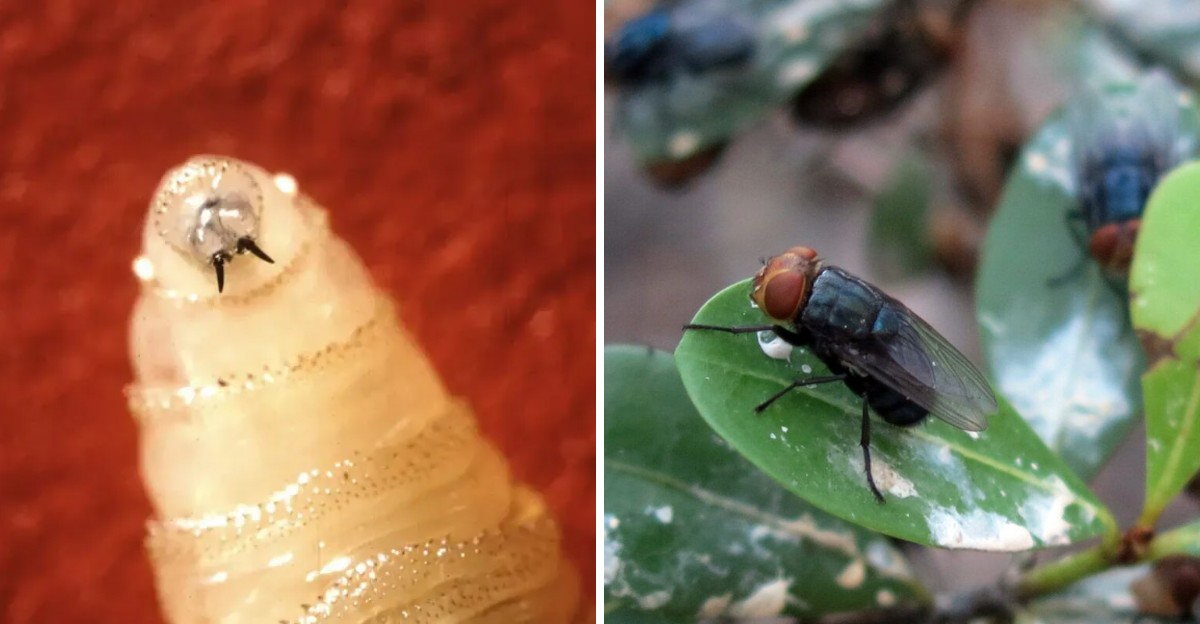
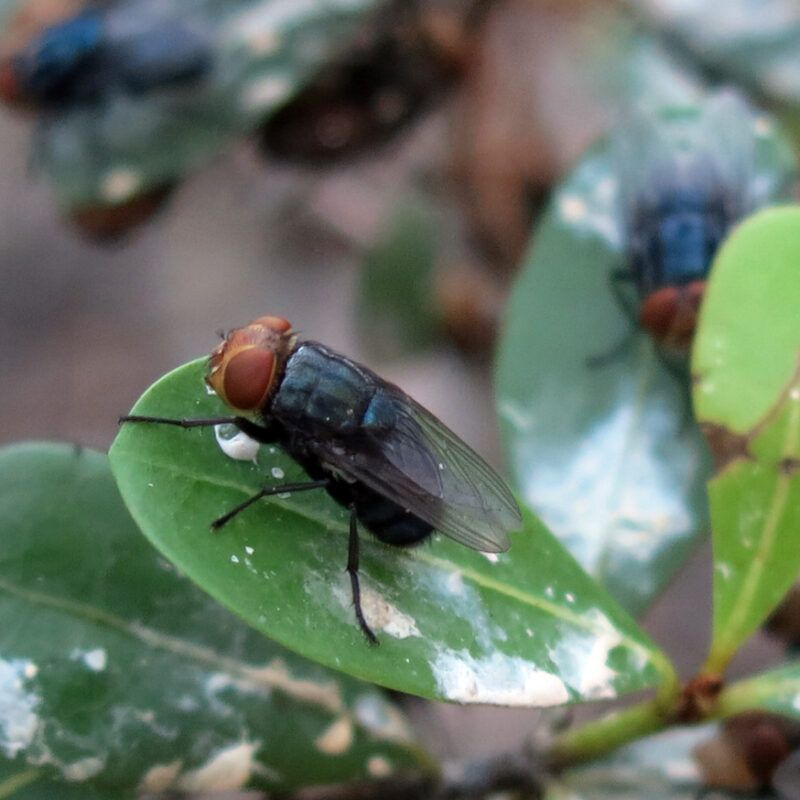
The scientific name of the fly is Cochliomyia hominivorax. It looks a bit like a regular house fly, but it often has a shiny blue-green body and orange eyes.
The real trouble comes from its babies. Female flies lay eggs in open wounds on warm-blooded animals.
Your Texas Garden Changes Every Week. Your Plan Should Too.
Gardening in Texas changes quickly throughout the season. Every Friday you’ll receive a simple weekly plan showing exactly what to plant, prune, fertilize, harvest, and protect so you never miss the right timing.
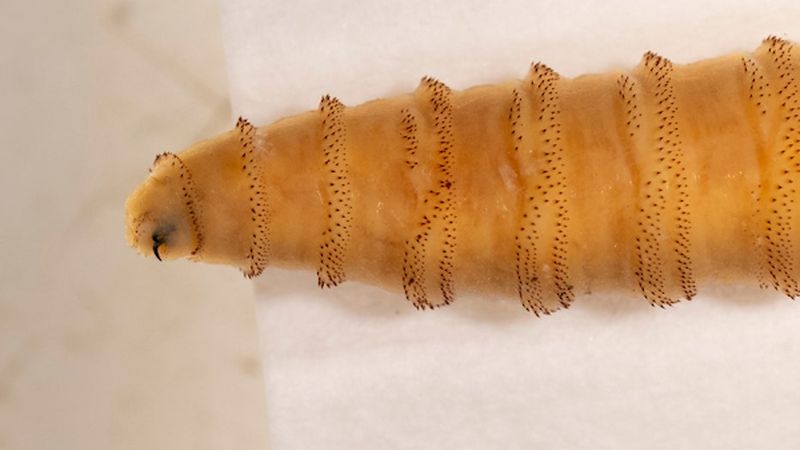
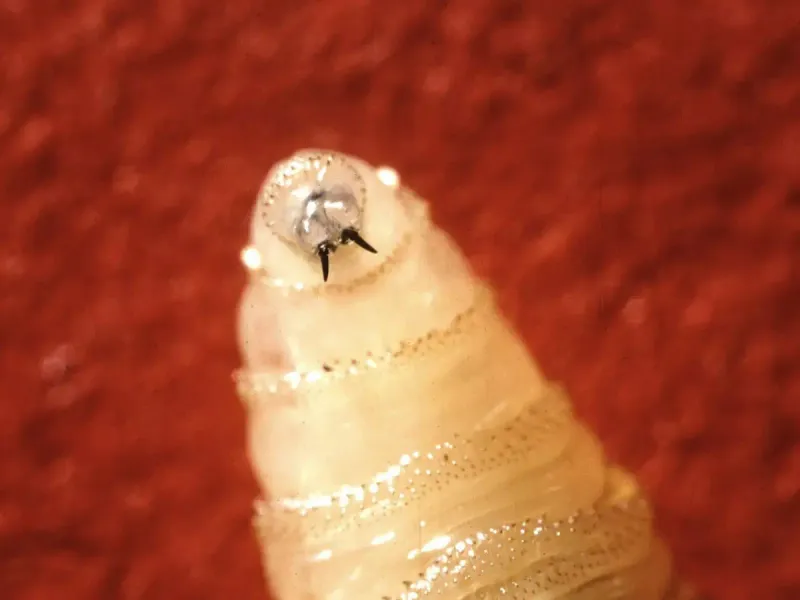
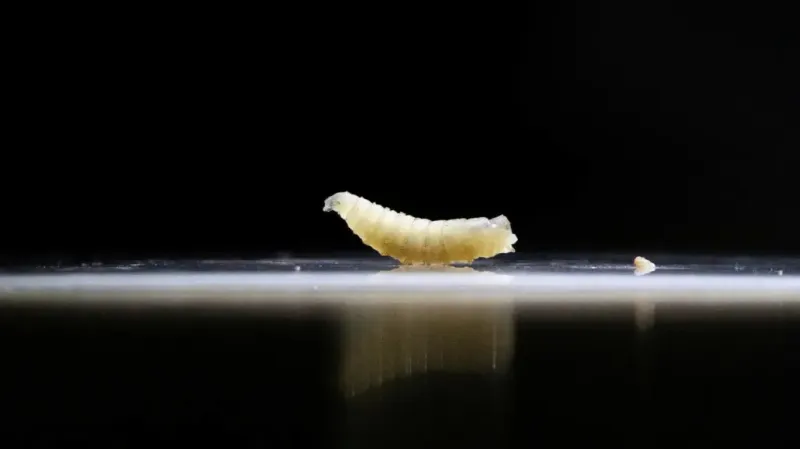
When the eggs hatch, out come larvae, also called maggots. These maggots feed on living flesh. They dig deeper into the wound as they eat. Their shape looks a little like a wood screw, which is how they got their name.
A tiny scratch can turn into a big wound very fast. Even a cut from a fence, a tick bite, or a newborn’s belly button can attract the fly. Animals can become very sick if the wound is not treated.
Where does this pest usually live? For many years, it was mostly found in South America and parts of the Caribbean. In recent years, it has spread north into Central America and Mexico. Now it has crossed into Texas.
Did you know the United States wiped out screwworms decades ago? Scientists raised sterile male flies and released them. Those flies mated with wild females, but no eggs hatched. Over time, the population crashed.
The takeaway is simple. Any open wound on an animal deserves attention. Clean it, treat it, and keep an eye on it. Small actions help keep this pest from finding a home.
Part Of A Bigger Outbreak Across The Region
The elk case did not happen out of nowhere. It is one piece of a larger puzzle that started earlier this year. Screwworms have been causing trouble for livestock in Texas and New Mexico for months.
The first U.S. case in this outbreak showed up in June. It was found in a calf in Zavala County, in South Texas. Ranchers and officials quickly went on alert. Since then, more cases have popped up.
According to USDA data reported by Fox, the elk brought the total number of Texas cases this year to 56. That number includes livestock and now wildlife. Each new case helps experts track where the fly is moving.
Why should you care if you do not own a ranch? Texas is one of the biggest cattle states in the country. When cattle get sick, ranchers lose money. That can affect food prices and jobs in small towns.
Pets can be at risk too. Dogs and cats with cuts or sores can attract the fly. Even people can get infested in rare cases. So this is not just a farm problem.
Think of the outbreak like a wildfire. Small sparks can spread if nobody watches them. Each confirmed case is like a spark that officials work to put out quickly.
Want to stay informed? Check trusted sources like the USDA, the Texas Animal Health Commission, and TPWD.
Local news can help too. Knowing where cases are found helps you decide how careful to be with your animals and outdoor trips.
How Officials Are Stepping Up
Good news first. Experts say screwworm can be prevented, and infected animals can be treated. That message gives hope to hunters, ranchers, and pet owners across the state.
Several agencies are working together on the elk case. The Texas Animal Health Commission, known as TAHC, plans to change an existing infested zone. An infested zone is an area with special rules to help stop the spread.
Those rules can include checking animals before they move. Animals with wounds might need treatment before travel. The goal is to keep the pest from hitching a ride to new places.
Meanwhile, the U.S. Department of Agriculture and TPWD are watching wildlife more closely. This is called surveillance.
Workers check animals in the area for signs of infestation. They look at harvested game and sometimes trap flies to study them.
Why so much effort? Catching cases early is much easier than fixing a large outbreak later. A few careful checks now can save a lot of trouble down the road.
Here is a cool bit of history. In the past, the U.S. and Mexico teamed up to release billions of sterile flies from airplanes. That plan pushed screwworms far south for decades. Similar methods are being used again today.
What does this mean for you? Follow any rules in your area, even if they feel like a hassle. Answer questions from wildlife workers if they visit your land. Teamwork between officials and everyday Texans is the best way to beat this pest.
Warning Signs Every Hunter Should Know
Your nose might be your first clue. A wound that smells really bad is one of the big signs of screwworm. Officials want hunters to trust their senses when checking animals.
So what else should you look for? Start with visible maggots in a wound. Screwworm larvae are often packed tightly together. They dig deep instead of staying on the surface.
Watch for open wounds that keep getting bigger. A normal scrape usually heals over time. A screwworm wound tends to grow wider and deeper. It may also leak fluid.
Pay close attention to certain body areas. Infestations often show up around the nose, mouth, ears, and eyes. They can also appear around the genital area. These soft spots are easy places for flies to lay eggs.
Behavior can give hints too. A live animal might look weak, tired, or upset. It may shake its head, rub against things, or act restless. Some animals pull away from the herd.
Quick tip for hunters: bring a small flashlight and gloves. They make it easier to check hidden spots like ears and nostrils. A phone camera is handy too, so you can snap clear photos to share with officials.
Remember, not every maggot means screwworm. Regular flies often lay eggs on wounds after an animal is harvested.
Still, it is better to report something odd than ignore it. Experts can test samples and tell the difference. When in doubt, take a closer look and let the pros decide.
Smart Steps For Hunters And Landowners
Hunting season is here, and Texas fields are filling up with excited hunters. Along with your rifle and boots, add one more thing to your checklist. Make time to inspect every animal you harvest.
Officials ask hunters to check their game before field dressing or moving it. That way, you can spot problems right where the animal was found. Moving an infested carcass could carry the pest to a new area.
Found something suspicious? Report it to the Texas Parks and Wildlife Department. Take photos and note the exact location.
Write down the date and time too. These details help experts act quickly.
Landowners have an important job as well. Walk your property often and look at livestock, pets, and wildlife. Treat any cuts or wounds on your animals right away. Keep pens clean, since flies love messy areas.
Talk with your neighbors too. Ranches share fence lines, and animals do not care about property lines. A quick chat about what you have seen can help everyone stay alert.
Need more help? TPWD offers the New World Screwworm Guide for Hunters and Landowners. You can also visit screwworm.texas.gov for updates and tips. Both are free and easy to read.
Here is a simple plan to remember: look, report, and learn. Look closely at every animal. Report anything strange. Learn from trusted sources.
With a little extra care, Texas hunters and landowners can enjoy the season and help protect the wildlife they love for years to come.