What To Do If You’re Bitten By A Brown Recluse In Your Texas Garage
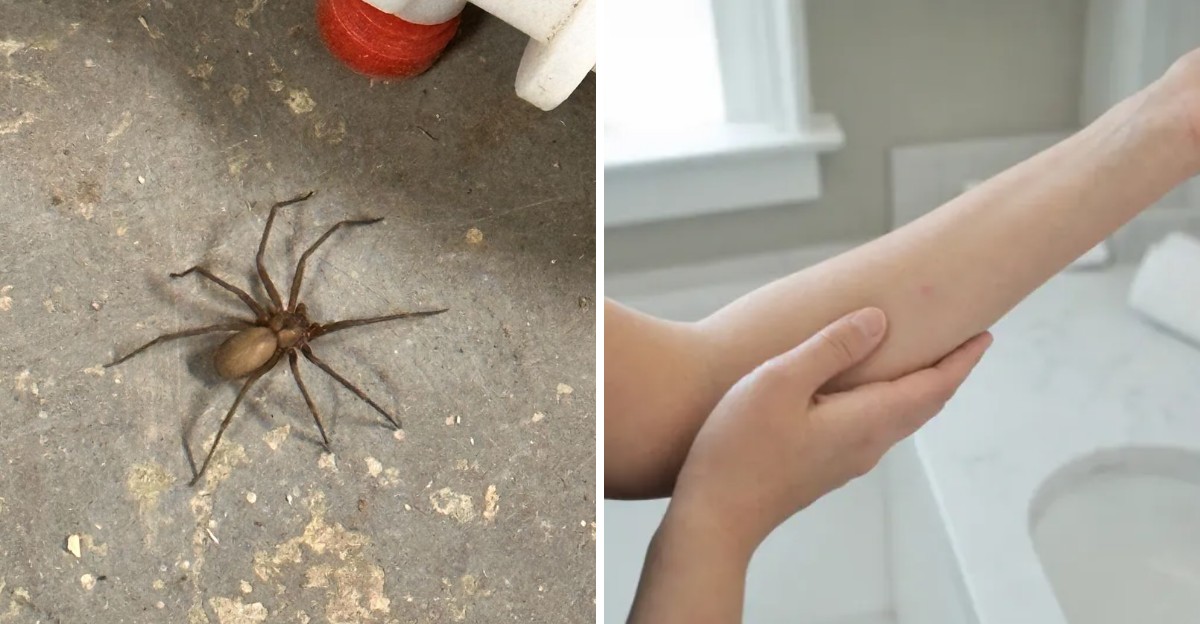
Most people bitten by this shy little garage dweller never feel the bite at all. The sting, if it shows up, often arrives hours later.
I used to reach into old boxes of seed trays and pots without a second thought, until I learned what likes to nap in them. This spider has six eyes instead of eight, and it would much rather hide than pick a fight.
Believe it or not, most bites heal on their own with simple care. A small number turn into slow, stubborn wounds that need a doctor, and knowing the difference matters a lot.
If your Texas garage holds gardening gloves, stacked pots, and forgotten cardboard boxes, you share space with some quiet tenants. What should you do in the first few minutes after a bite, and which signs mean it is time to get help?
1. That Violin-Marked Spider In Your Garage Boxes Is Easy To Mistake
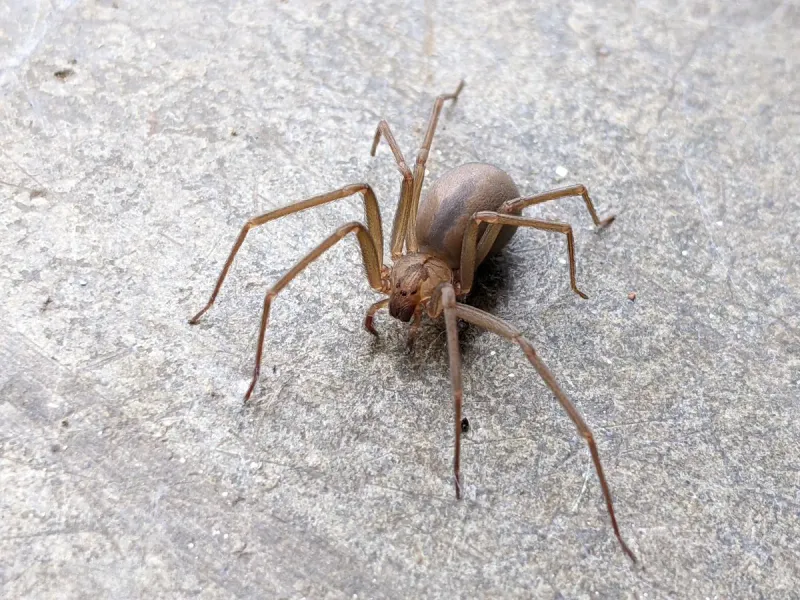
Plenty of harmless brown spiders get blamed for bites they never gave. Before you panic, it helps to know what a brown recluse actually looks like.
Look for a tan to medium brown body about the size of a quarter with legs stretched out. The body itself is roughly 1/4 to 1/2 inch long. A dark violin shape sits on its back, with the neck of the fiddle pointing toward the rear.
The best clue is the eyes. Brown recluses have six eyes arranged in three pairs, while most spiders have eight. You may need a magnifying glass, and I suggest using one from a safe distance.
Their legs are smooth and evenly colored, with no stripes, bands, or spines. If you see striped legs or a fuzzy, chunky body, you are probably looking at a wolf spider or another common neighbor.
Doctors also note that many skin wounds blamed on spiders turn out to be bacterial infections, including MRSA. That is one reason to catch the spider if you safely can.
Place a jar over it, or press clear tape over it after it is squashed. A clear specimen helps your doctor make better choices about your care.
2. Soap, Water, And A Cool Cloth Come First After A Recluse Bite
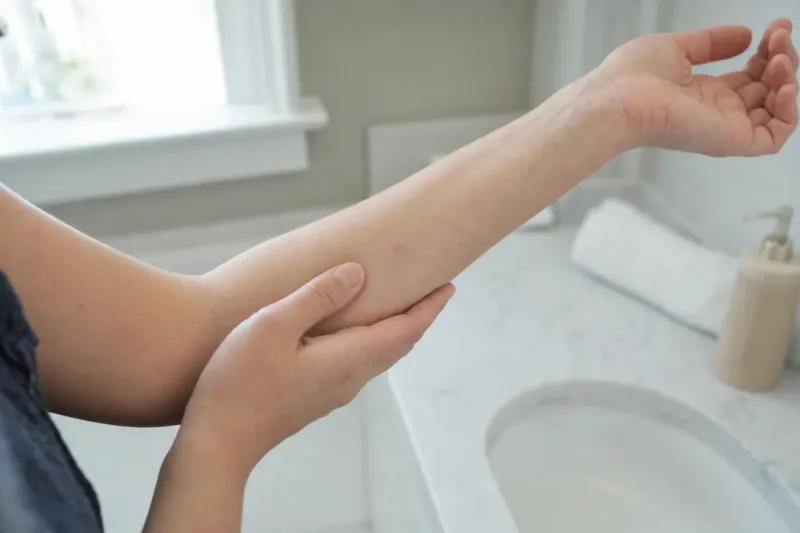
Stay calm, because a racing heart will not help that bite one bit. Most brown recluse bites stay mild, and good first aid gives your skin its best shot at healing.
Head straight to a sink and wash the area gently with soap and cool water. Pat it dry with a clean towel instead of rubbing.
Next, grab an ice pack or a bag of frozen peas. Wrap it in a thin cloth and hold it on the bite for about 10 minutes, then take it off for 10 minutes. Repeat this for a while to ease swelling and discomfort.
If the bite is on your arm or leg, raise it above your heart while you rest. Cover the spot with a clean, nonstick bandage, and keep your fingers off it.
Over-the-counter pain relievers such as acetaminophen or ibuprofen can help with soreness. An antihistamine may calm itching.
Skip the home remedies that float around online. Do not cut the bite, try to suck out venom, apply heat, or use a tourniquet.
Those tricks can damage tissue and invite infection. You can also call Poison Control at 1-800-222-1222 for free, expert advice any time.
3. A Spreading Red Ring Or Dark Center Means Call Your Doctor
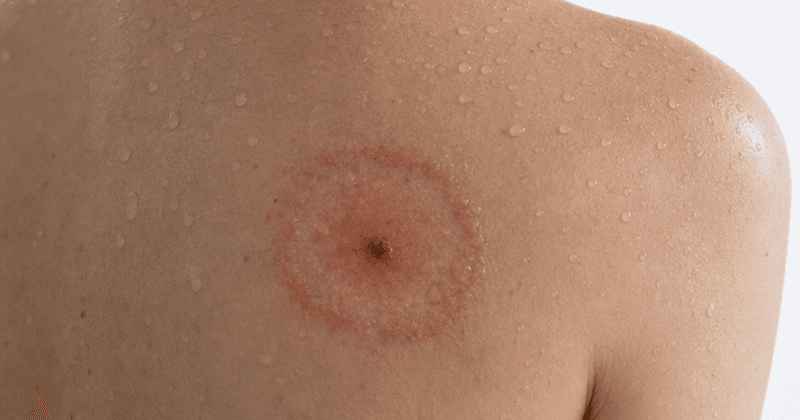
Knowing when to stop handling things yourself might be the most useful skill on this whole list. Some bites need a professional, and waiting too long can make healing slower.
Call your healthcare provider if the pain keeps getting worse after a day or two. The same goes for redness that keeps spreading outward or a wound that grows larger.
Get medical care right away if you notice an open sore, a blister, or skin that turns purple, blue, or black. Pus, drainage, red streaks, or skin that feels hot and tight are also signs of trouble.
Head to the emergency room for fever, chills, nausea, vomiting, body aches, a rash, dizziness, or weakness. These may point to a rare whole-body reaction or a serious infection.
Children and older adults deserve extra caution. If a child is bitten, many experts recommend going to the emergency room promptly, since young bodies can react more strongly.
Bring that captured spider along if you have it. Tell the doctor when and where the bite happened and what you were doing. Small details, like moving old boxes in the garage, help them sort out what really happened.
4. Watch How That Bite Changes Over The First Few Days
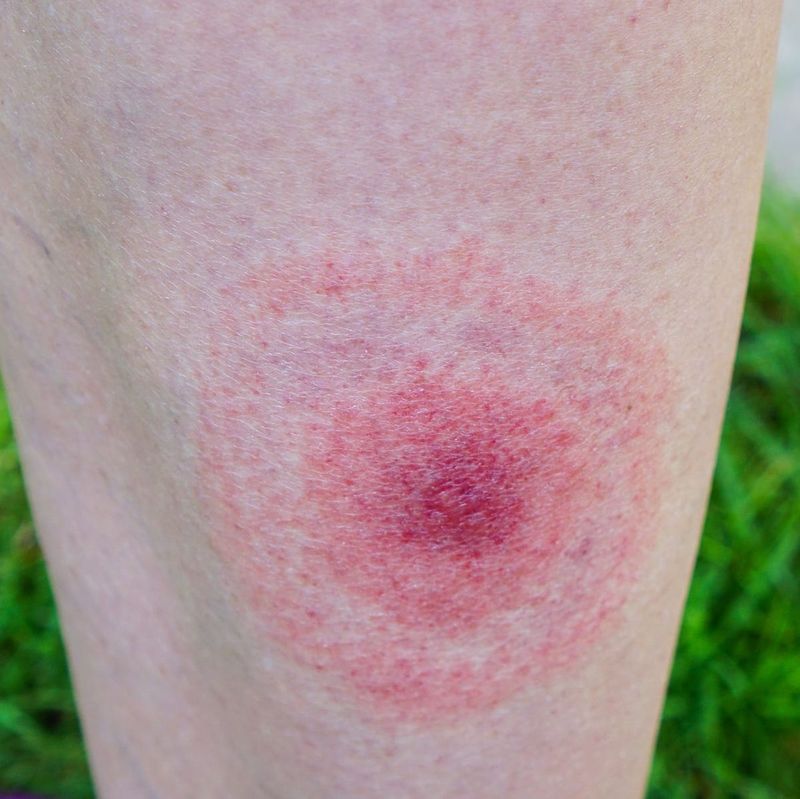
Patience is weird when your arm is the experiment. A recluse bite often starts quiet and then shifts over hours and days, so keeping an eye on it matters.
Many people feel nothing at first, or just a tiny pinch. Within about 3 to 8 hours, you might notice stinging, itching, redness, or a tender bump.
Over the next day or so, some bites form a pale or bluish center surrounded by a red ring. Doctors sometimes describe it as a bull’s-eye. A small blister may also appear in the middle.
Here is a handy trick I like. Draw a pen line around the edge of the redness and snap a photo each morning. That makes it easy to tell whether the area is growing or shrinking.
In a minority of cases, the center sinks and darkens over one to two weeks. This is called necrosis, and it means skin tissue is breaking down. These wounds can take weeks or months to heal and sometimes leave a scar.
Most bites, though, simply fade within a week or so. Your photo log will show you which path you are on and gives your doctor useful evidence.
5. Old Gardening Gloves And Boots Make Cozy Recluse Hideouts
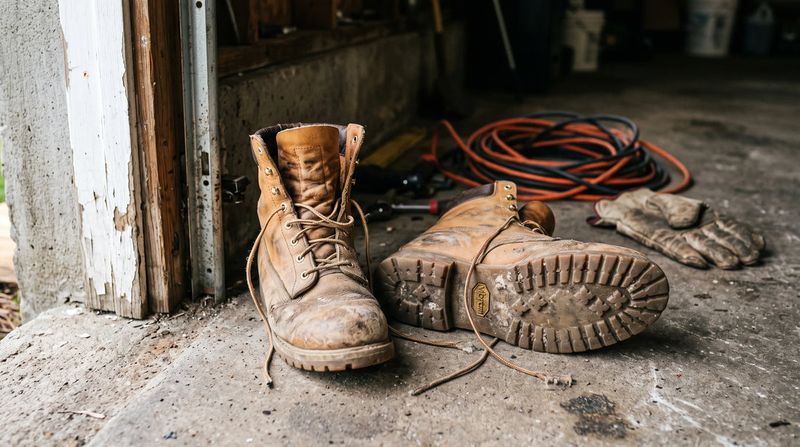
Nobody warned me that my favorite pair of gardening gloves could double as a spider hotel. Most recluse bites happen when a hand or foot presses a spider against skin.
Brown recluses are not aggressive. They bite in self-defense when they get trapped, often inside clothing, shoes, towels, or gloves that sat untouched for a while.
So build a quick habit. Shake out gloves, boots, and jackets before you put them on, and tap them firmly against a hard surface. It takes five seconds and saves a lot of worry.
Hang gloves on hooks instead of tossing them in a bin. Store boots upside down on a boot rack, or seal them in a plastic tub between uses.
Wear a sturdy pair of gloves when you dig through stacks of pots, seed trays, firewood, or lumber. Recluses love those layered, dark spaces.
A flashlight is your friend too. Shine it into the back of shelves and under workbenches before reaching in.
You will be surprised how much more you notice once you start looking, and your hands will thank you for the extra caution.
6. Swap Those Cardboard Boxes For Sealed Plastic Bins
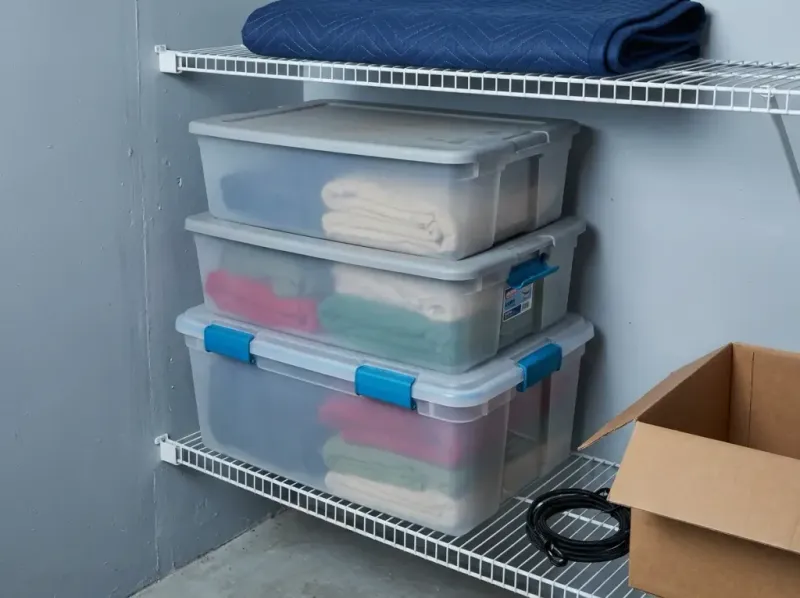
Cardboard is basically a five-star resort for brown recluses. It is dark, quiet, full of folds, and often stacked right against the wall.
Texas A&M AgriLife Extension and other university experts point to clutter as the top reason these spiders settle in. Fewer hiding spots means fewer spiders and fewer surprise encounters.
Start by moving garage items into clear plastic bins with snug lids. Tape the lid seams if a bin will sit for months. Clear sides let you peek inside without reaching blind.
Get boxes off the floor and away from walls. Metal shelving with a little open space behind it is much less appealing than a tight stack in a corner.
Take a hard look at what you really keep. Old newspapers, broken pots, and piles of rags can go. Your garage will feel bigger, and the spiders lose prime real estate.
Do this decluttering in gloves and long sleeves, since you are disturbing their homes. Work slowly and keep a jar handy in case you want to identify anything you spot. A tidy garage is honestly one of the most effective tools you have.
7. Sticky Traps And A Vacuum Reveal Hidden Garage Spiders
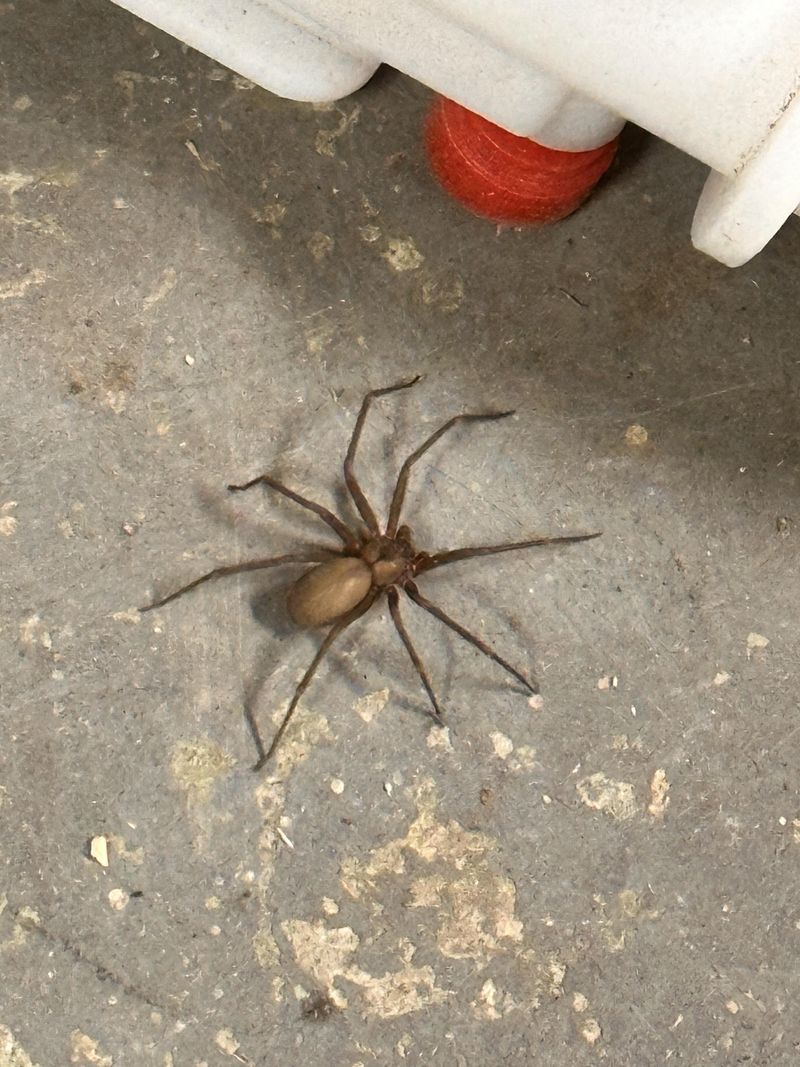
Want to know who is really living in your garage? Sticky glue traps work like a guest book for creepy crawlers.
Place flat glue boards along walls, behind shelves, under workbenches, and near the water heater. Brown recluses tend to travel along edges at night, so baseboards are perfect spots. Check them every week or two.
Traps tell you whether you have a few wanderers or a bigger population. They also catch the crickets and insects recluses eat, which helps cut their food supply.
A shop vacuum with a crevice tool is another simple helper. Run it along corners, ceiling edges, and under shelves to pick up spiders, webs, and round egg sacs. Empty the canister into a sealed bag outside afterward.
Sprays alone often disappoint with this species. Recluses hide deep in cracks, and many products do not reach them well.
If traps keep filling up, call a licensed pest control professional. In Texas, pest control operators are licensed through the Texas Department of Agriculture. A pro can treat cracks and voids carefully and give advice that fits your home.
8. Seal The Garage Door Gaps And Keep Brown Recluses Out For Good
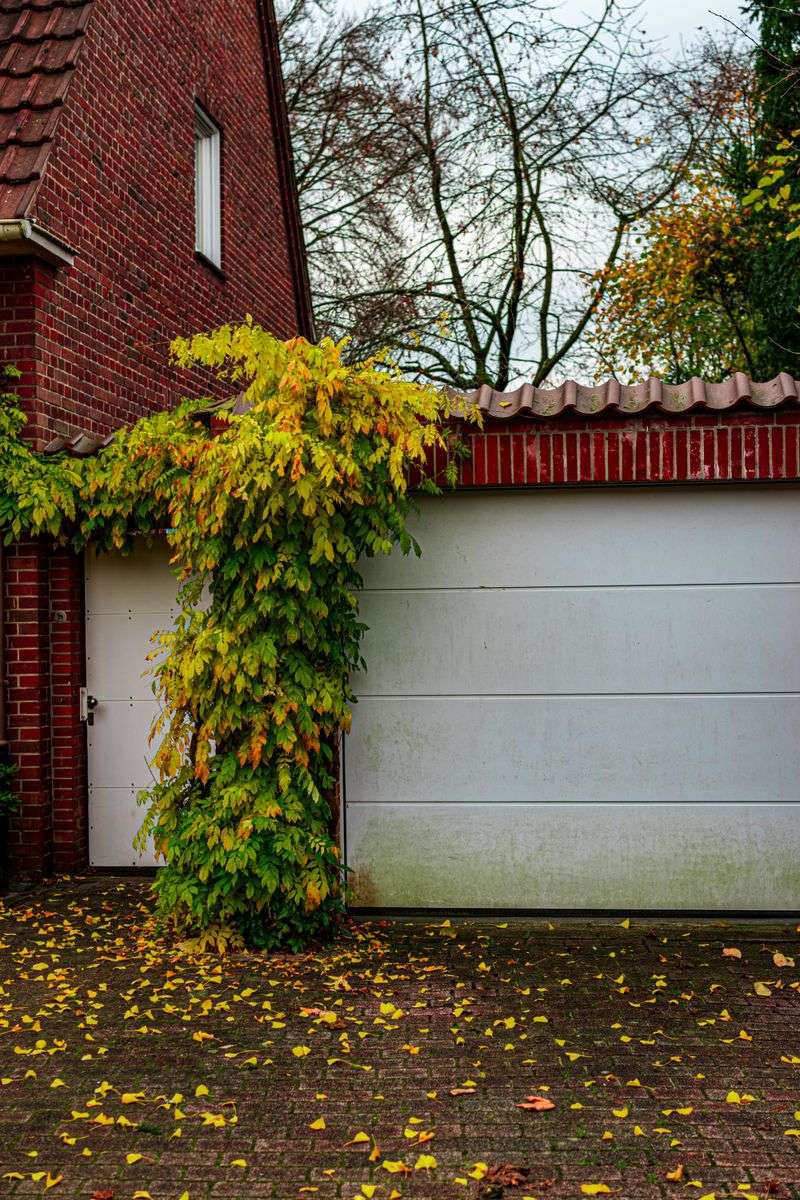
Prevention is where I like to end, because a sealed garage beats a sore arm any day. Small gaps under doors and around pipes act like open front doors for spiders and their insect snacks.
Check the rubber seal along the bottom of your garage door. If you can see daylight, replace it. Add weatherstripping to side doors and caulk cracks around windows, vents, and pipe openings.
Outside, move firewood, brick piles, and lumber away from the foundation. Trim shrubs and ground cover so they do not touch the walls. Those spots shelter insects and spiders right next to your entry points.
Consider switching outdoor lights to yellow bug bulbs. Fewer insects buzzing around means less food for hungry hunters.
Brown recluses live across much of Texas, from the Panhandle to Central and East Texas, though they are less common in some far western and southern areas. Wherever you live, these habits pay off.
Most importantly, remember that a bite is rarely an emergency. Clean it, watch it, and know your warning signs. With a tidy garage and a little caution, you can get back to your gardening with real peace of mind.