The Secret To Keeping Texas Portulaca Looking Full And Colorful All Season Long
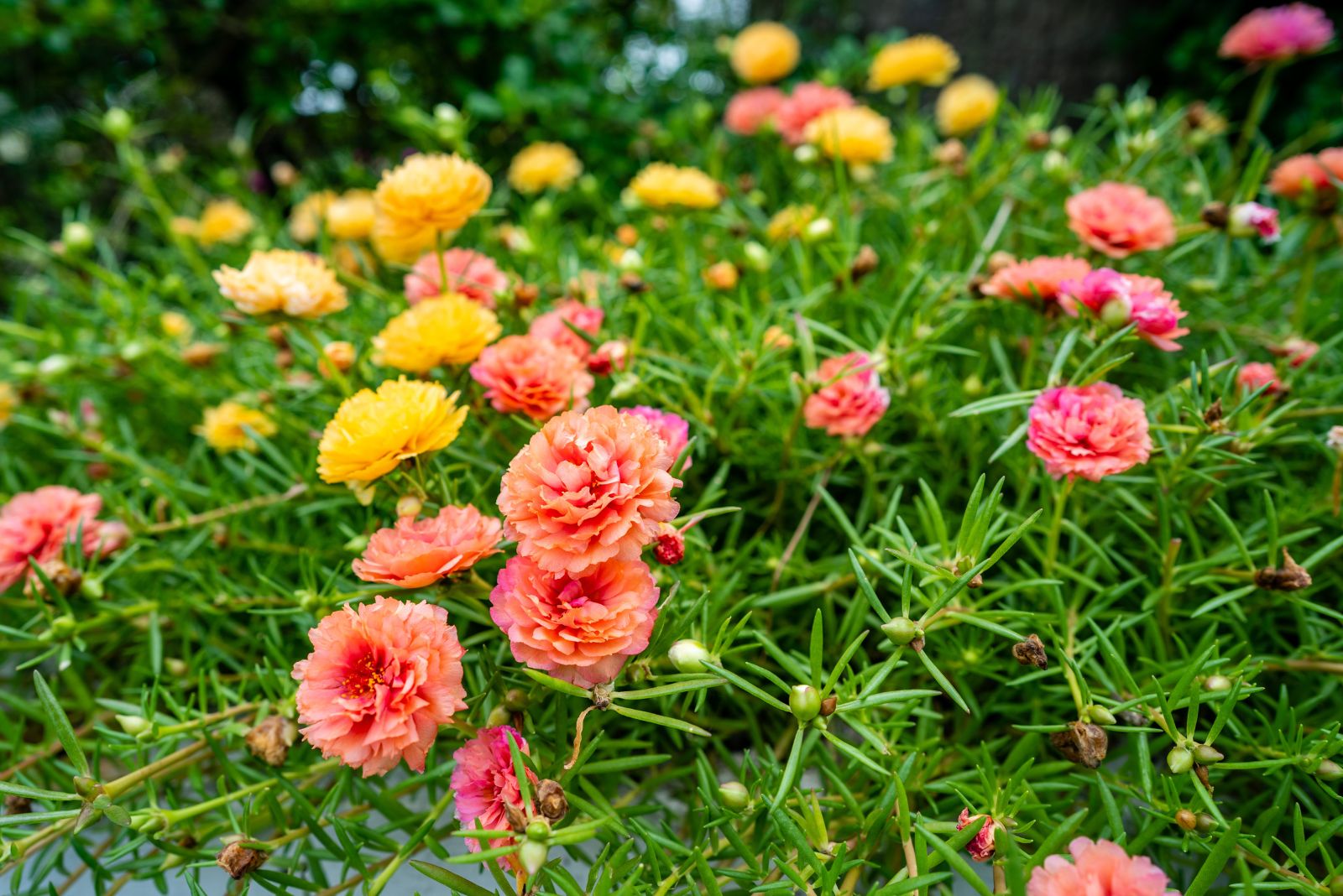
Portulaca is one of the few plants that seems genuinely made for Texas summers, soaking up full sun and pushing out blooms in colors that hold up even on the harshest days.
Most Texas gardeners plant it and step back, assuming it will take care of itself through the heat, and to a certain extent it does.
The difference between portulaca that looks full and vibrant from planting through fall and portulaca that starts looking patchy and tired by midsummer usually comes down to a few specific details that are easy to get right once you know what they are.
This plant rewards a light touch of attention at the right moments, and ignoring it completely tends to produce results that fall short of what it is actually capable of.
Texas conditions are in portulaca’s favor from the start. Getting the most out of that advantage just takes knowing what this plant needs to stay at its best across the entire growing season.
1. Plant In Full, Brilliant Sun
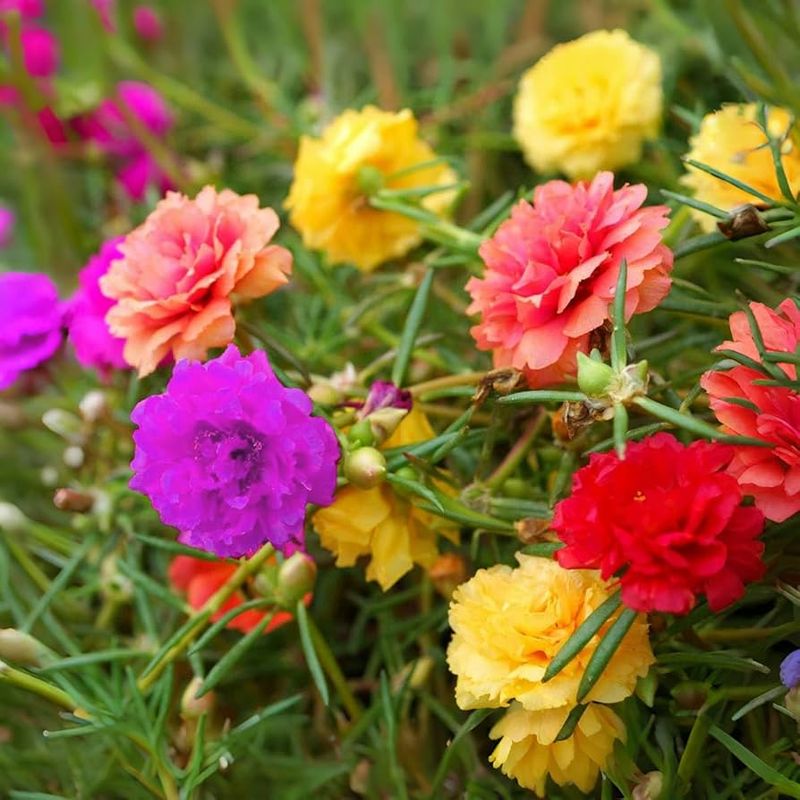
Sunlight is the single most important ingredient for getting portulaca to perform at its absolute best. Most flowering plants need a little shade to survive a Texas summer, but portulaca is different.
It actually thrives when the sun is at its most intense, and the more direct light it gets, the more it blooms.
Aim for at least six to eight hours of full, unfiltered sunlight every single day. A south-facing or west-facing garden bed is often the perfect spot in Texas because those areas catch the longest stretches of sun.
If you plant portulaca under a tree or near a tall fence that blocks the afternoon light, you will quickly notice the difference.
Shaded portulaca tends to stretch out in search of light, making stems long and spindly instead of compact and bushy.
Fewer flowers open up, and the ones that do appear are often smaller and less vibrant. The plant puts its energy into reaching for light instead of producing blooms.
One fun fact that surprises a lot of gardeners is that portulaca flowers only open fully in bright light. On cloudy days or in shady spots, the blooms stay closed tight, which means you lose the whole visual impact of the plant.
Planting in full sun guarantees those flowers open up wide and show off their best colors every single day.
So before you dig a single hole, take a good look at your yard and pick the sunniest spot you can find. That simple choice will set your portulaca up for a season full of bold, nonstop color.
2. Use Well-Drained Soil

Portulaca has a bit of a rebellious streak when it comes to soil. While most garden flowers beg for rich, moisture-holding ground, portulaca wants the opposite. It loves lean, fast-draining soil that lets water pass through quickly and never stays soggy.
Sandy or gravelly soil works beautifully for this plant. If your yard has heavy clay soil that holds water after rain, you will want to amend it before planting.
Your Texas Garden Changes Every Week. Your Plan Should Too.
Gardening in Texas changes quickly throughout the season. Every Friday you’ll receive a simple weekly plan showing exactly what to plant, prune, fertilize, harvest, and protect so you never miss the right timing.
Mix in coarse sand, perlite, or small gravel to loosen the texture and improve drainage. Raised garden beds are also a fantastic option because they naturally drain faster than in-ground beds.
When roots sit in wet soil for too long, they begin to rot. A plant dealing with root rot cannot pull in nutrients properly, which leads to thin, droopy stems and a plant that looks like it is struggling rather than thriving.
You may also notice yellowing leaves and a dramatic drop in flower production. Here is something worth keeping in mind: portulaca actually evolved in rocky, dry environments where the soil is almost too poor for other plants.
That natural background means it is perfectly adapted to tough, lean conditions. Trying to give it rich garden soil with lots of organic matter can actually backfire, encouraging soft growth that flops over easily.
A simple test you can do before planting is to pour a cup of water into a hole and watch how fast it drains. If water is still sitting there after thirty minutes, that bed needs better drainage before your portulaca will truly shine.
3. Avoid Overwatering
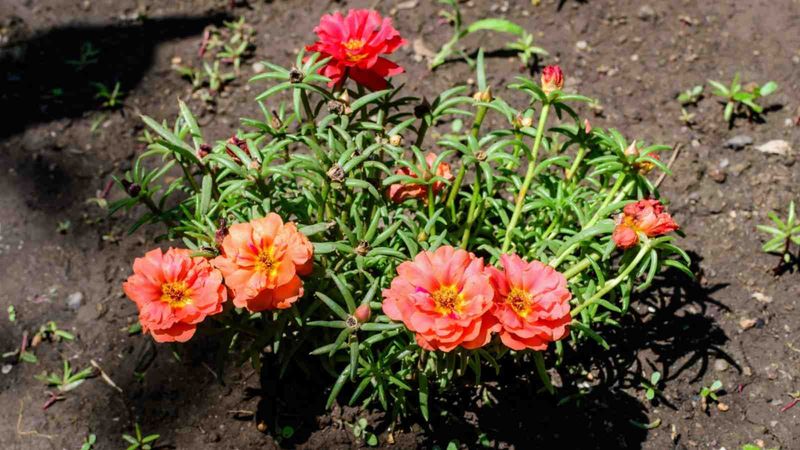
Watering portulaca too much is one of the most common mistakes gardeners make, and it is completely understandable. When you see a plant wilting in Texas heat, the instinct is to grab the hose.
But portulaca is a succulent-type plant, which means it stores water in its thick, fleshy leaves and stems. It is far more prepared for dry spells than you might think.
The golden rule for watering portulaca is simple: only water when the top inch or two of soil feels completely dry. Stick your finger into the soil near the base of the plant.
If it still feels even slightly damp, hold off. Watering before the soil dries out fully keeps the roots in a constantly wet environment, which is exactly what this plant does not want.
Overwatered portulaca shows some pretty clear warning signs once you know what to look for. Stems start to look soft and mushy rather than firm.
Leaves may turn a pale, yellowish color. Blooms become sparse, and the whole plant takes on a droopy, deflated appearance instead of that full, lush look you are aiming for.
During long stretches without rain, a deep watering once or twice a week is usually plenty. In fact, a little drought stress can actually push portulaca to bloom harder, since the plant responds to dry conditions by putting out more flowers as part of its natural cycle.
Letting the soil dry between waterings keeps roots healthy, stems strong, and flowers coming in thick waves all season long without any extra effort on your part.
4. Feed Lightly With Bloom-Boosting Fertilizer
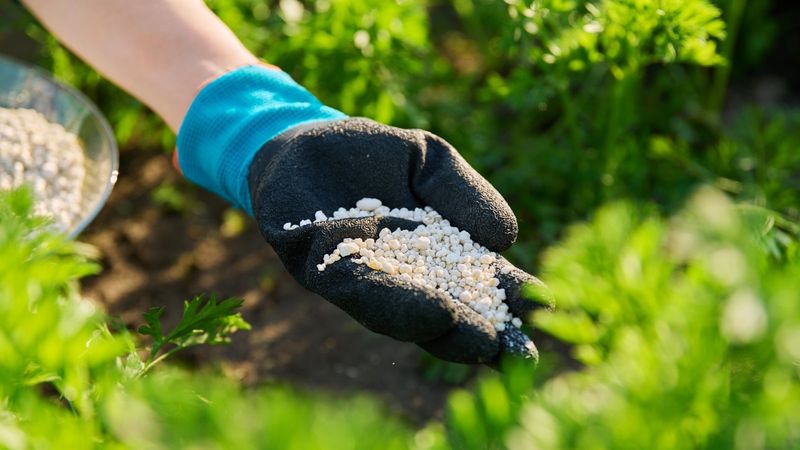
Fertilizing portulaca is a little like seasoning food. The right amount makes everything better, but too much ruins the whole thing.
Because portulaca is naturally adapted to poor soils, it does not need heavy feeding. In fact, too much fertilizer, especially one that is high in nitrogen, will push the plant to grow lots of green leaves while holding back on the flowers you actually want to see.
The key is to choose a fertilizer that is specifically formulated to encourage blooming rather than leafy growth.
Look for products where the middle number in the N-P-K ratio is the highest, since that middle number represents phosphorus, which directly supports flower production. A balanced option like 5-10-5 or a dedicated bloom booster works really well for portulaca.
Apply fertilizer lightly every four to six weeks throughout the growing season. You do not need to soak the ground or use heavy doses.
A light application worked into the soil around the base of the plant is all it takes. Always water after fertilizing to help the nutrients move down to the root zone without burning the plant.
Liquid fertilizers can also work well because they are easy to control and deliver nutrients quickly. Mix them at half the recommended strength to avoid overdoing it. Portulaca is not a heavy feeder, so less truly is more with this plant.
Keeping your feeding schedule consistent throughout the season helps maintain those vivid, eye-catching colors that make portulaca such a showstopper in Texas gardens from late spring all the way through the hottest months of the year.
5. Pinch Or Deadhead Sparingly
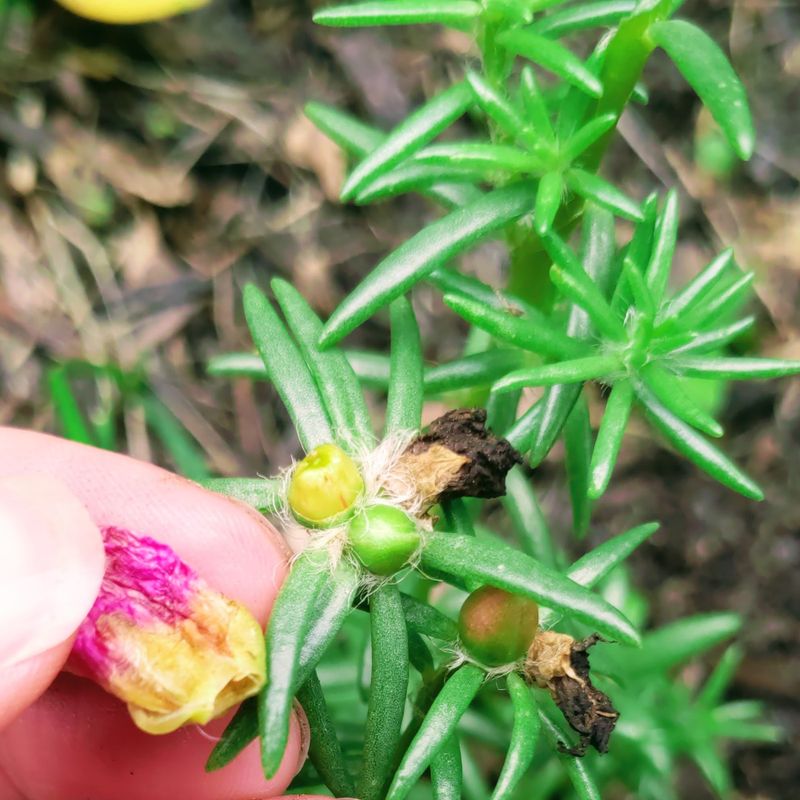
Portulaca is one of those plants that mostly takes care of itself, which is part of why so many Texas gardeners love it. But giving it a little hands-on attention now and then can make a noticeable difference in how full and floriferous it looks throughout the season.
Pinching and deadheading are two easy techniques that take only a few minutes and pay off in a big way.
Deadheading means removing old, spent blooms before they have a chance to set seed. When a plant focuses energy on making seeds, it tends to slow down flower production.
Snipping or pinching off faded blooms redirects that energy back into creating fresh new flowers. For portulaca, a quick pass through the plant every week or so keeps things tidy and encourages continuous blooming.
Pinching back long, straggly stems is the other trick worth knowing. Over time, some varieties of portulaca can develop stems that stretch out and become thin at the ends.
Pinching those tips back by an inch or two stimulates the plant to branch out from that point, creating a fuller, more compact shape with more flowering tips overall.
Here is an important note though: portulaca is naturally a self-cleaning plant to some degree, meaning old petals often drop on their own. So you do not need to be aggressive or spend a lot of time grooming it. Light, occasional attention is all it needs.
Think of it as a quick wellness check every week or two. A small amount of care goes a long way toward keeping your portulaca looking lush, colorful, and absolutely packed with blooms all season.
6. Give Them Space To Spread
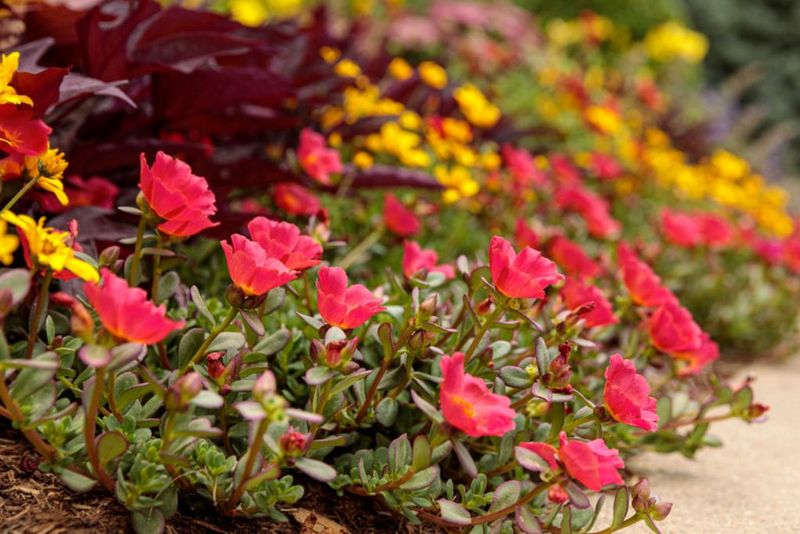
Portulaca is a natural ground hugger. It spreads outward along the soil, filling in gaps and creating a thick, colorful carpet of blooms.
That spreading habit is one of its most charming qualities, but only if the plants have enough room to do what they naturally want to do.
When portulaca is planted too close together, a few problems start to show up. Airflow between plants gets restricted, which creates a slightly more humid environment around the stems and leaves.
In a state like Texas where summers are brutally hot and sometimes humid, poor airflow can encourage fungal issues that weaken the plant and reduce blooming over time.
Spacing plants about six to twelve inches apart gives each one room to spread without bumping into its neighbors. That little bit of breathing room makes a real difference in how healthy and full the plants look by midsummer.
You might think the bed looks a little sparse right after planting, but within a few weeks, portulaca fills in fast and covers the ground beautifully.
Wider spacing also means each plant gets its fair share of sunlight all the way down to the base. When plants crowd each other, lower stems get shaded out and stop producing flowers, which makes the whole bed look thin and patchy from the ground level up.
Giving portulaca a little personal space is one of the simplest things you can do for a big visual payoff.
A well-spaced planting fills in lush, stays healthy, and keeps producing those gorgeous, jewel-bright flowers from the first warm days of spring right through the heat of a Texas August.