What To Do When Coyotes Start Showing Up Around Oregon Backyards
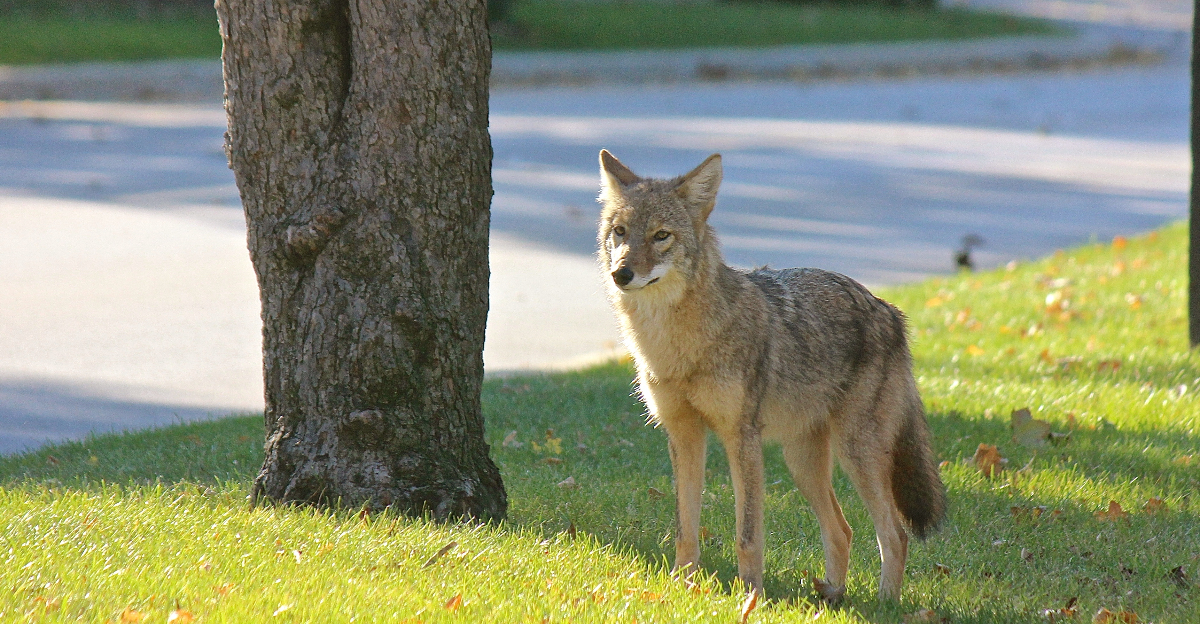
Seeing a coyote at the edge of an Oregon yard can make an ordinary evening feel very different.
One minute you are watering the garden or letting the dog outside, and the next you are watching a wild animal move quietly past the fence like it has been there all along.
Definitely not the backyard guest most people expect. A single sighting might feel unusual, but repeated visits can raise bigger questions. Should you be worried?
Do pets need to stay closer? Is there something around the property worth changing? And how close is too close when wildlife starts getting comfortable near homes?
Coyotes are adaptable, observant, and surprisingly good at moving through neighborhoods without attracting much attention.
That can make it difficult to know when a sighting is simply something to note and when it deserves a more active response.
If coyotes have started appearing around your yard, the best next step is not to panic or ignore them.
A few smart precautions can help you handle the situation with more confidence while keeping people, pets, and wildlife safer.
1. Bring Pet Food And Water Bowls Inside
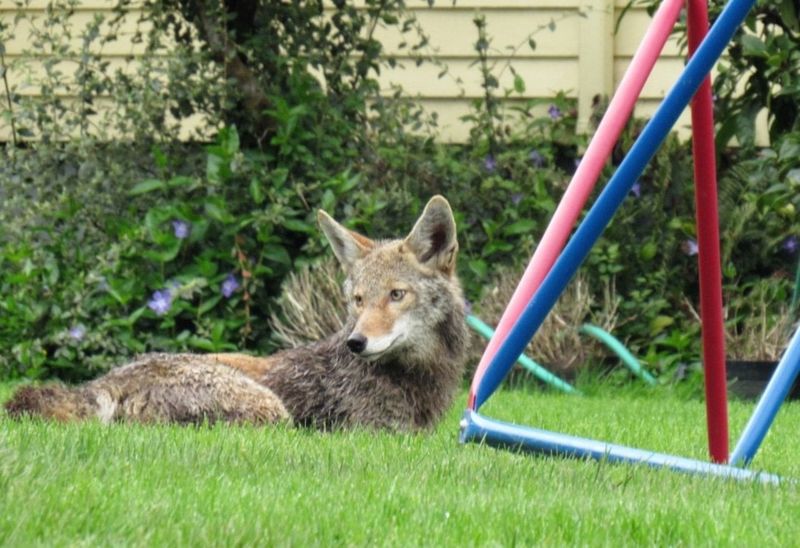
Most people do not realize how far a coyote can smell food. A bowl of kibble left outside overnight is basically an open invitation.
Coyotes have an incredible sense of smell, and they will travel surprisingly long distances just to check out a promising scent.
Leaving pet food or water bowls outside is one of the most common mistakes homeowners make.
Even water can attract coyotes, especially during dry months when natural water sources are hard to find. Removing these items each evening is one of the easiest changes you can make.
Try building a simple habit around it. Before you head inside for the night, grab the bowls along with any outdoor toys or chews your pets may have left behind.
Coyotes are curious and will investigate anything that smells like food or animals.
If you feed stray cats or birds outside, reconsider the timing. Feeding only during daylight hours and cleaning up leftovers right away can make a big difference.
Birdseed and suet can also attract rodents, which in turn attract coyotes looking for an easy meal.
Once a coyote figures out your yard has food, it will return again and again. Breaking that pattern early is much easier than trying to change a coyote’s routine after it has already gotten comfortable. Consistency is the most important part of making this work.
2. Keep Cats Indoors And Supervise Small Dogs
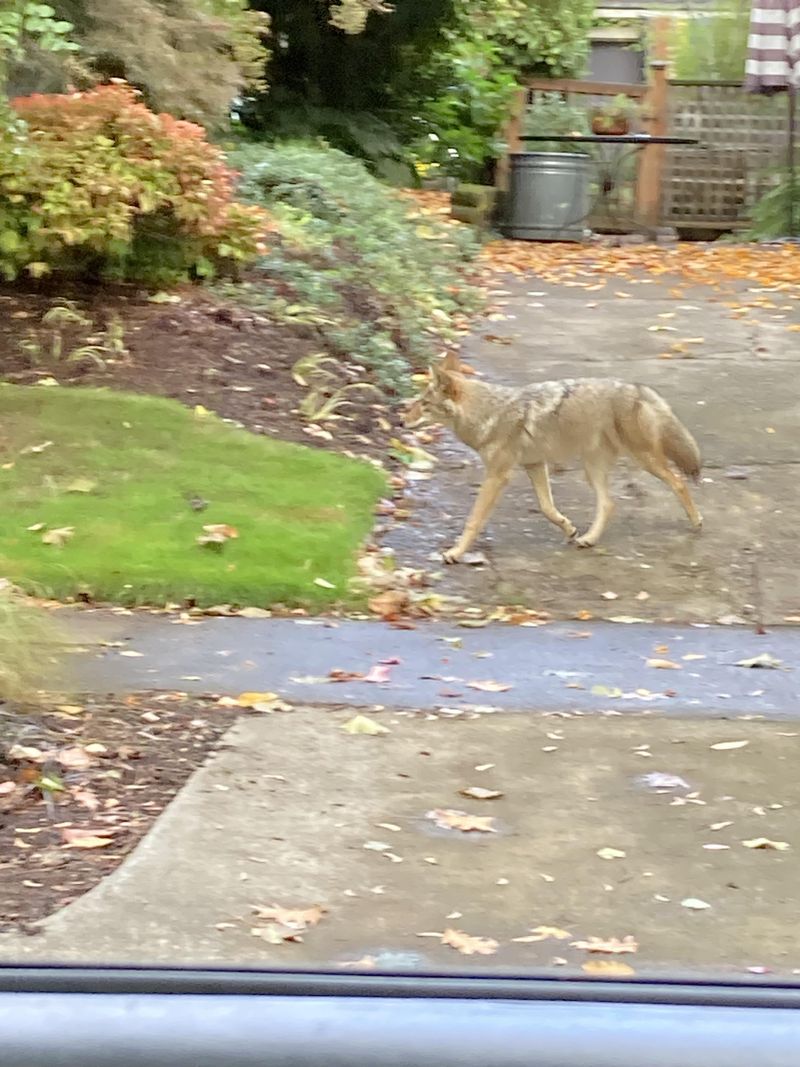
Small pets are at real risk when coyotes are nearby. Cats and small dogs are easy targets, especially during early morning and evening hours when coyotes are most active.
Keeping your pets close is one of the most protective things you can do. Cats should be kept indoors as much as possible. Even a cat that has roamed freely for years can become vulnerable when wildlife moves into the neighborhood.
An indoor cat is a safe cat, plain and simple. For small dogs, never let them outside unsupervised, even in a fenced yard. Coyotes can jump surprisingly high fences and have been known to dig under them too.
Your Oregon Garden Changes Every Week. Your Plan Should Too.
Gardening in Oregon changes quickly throughout the season. Every Friday you’ll receive a simple weekly plan showing exactly what to plant, prune, fertilize, harvest, and protect so you never miss the right timing.
A leash and a watchful eye are your best tools when your dog needs to go outside. Larger dogs are generally safer, but they are not completely without risk either. A coyote pack can pose a threat to medium-sized dogs, particularly at night.
Always stay nearby when your dog is outside after dark. Try to vary your outdoor routines. Coyotes are smart animals that learn patterns quickly.
If they notice a small dog is outside alone at the same time every day, they may start to plan around it.
Staying unpredictable and present gives your pets the best chance of staying safe throughout the season.
3. Secure Trash Before Coyotes Learn The Routine
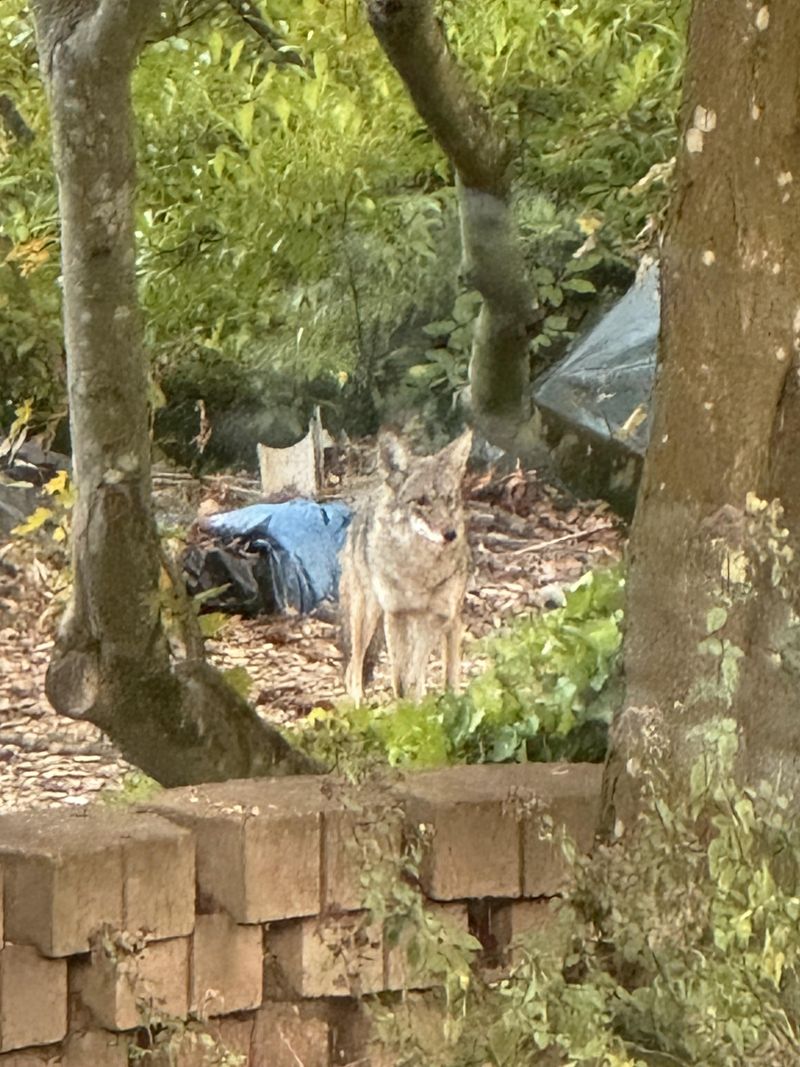
Garbage is one of the biggest coyote attractants in any neighborhood. Coyotes are opportunistic eaters, which means they will eat just about anything they can find.
An unsecured trash can is basically a buffet waiting to happen. Many people put their trash out the night before pickup. That long stretch of overnight hours gives coyotes plenty of time to investigate and make a mess.
If possible, wait until the morning of pickup to roll your bins out to the curb. Invest in trash cans with locking lids. There are many affordable options that latch shut and are much harder for animals to open.
Some homeowners also use bungee cords or heavy bricks to keep lids sealed tight. Compost bins are another sneaky attractant. Open compost piles that contain food scraps are irresistible to a hungry coyote.
Use a sealed composting system instead, and avoid adding meat, dairy, or cooked foods that produce strong smells.
Once a coyote finds a reliable food source, it will keep coming back and may even bring others along.
Oregon neighborhoods where multiple households secure their trash tend to see fewer coyote problems overall.
Talking to your neighbors about trash habits can make a community-wide difference. A coordinated effort is far more effective than one household working alone against a coyote that has already learned the block’s schedule.
4. Pick Up Fallen Fruit That Can Draw Them In
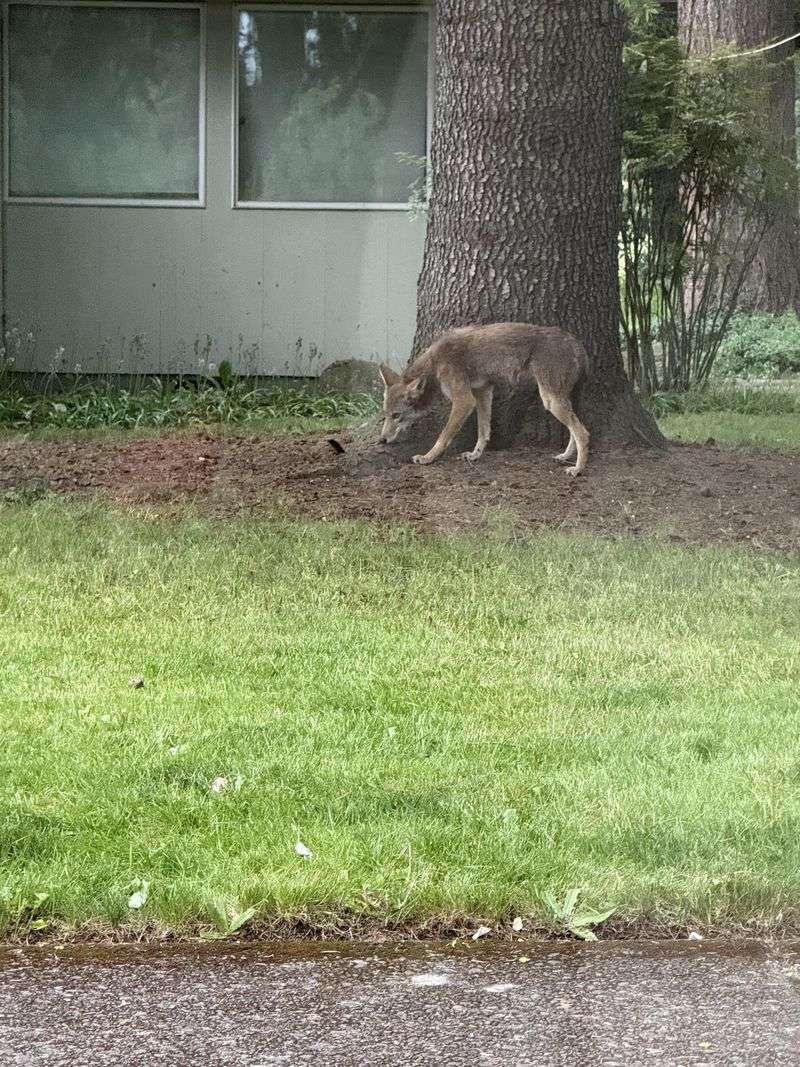
Fruit trees are a beautiful addition to any yard, but fallen fruit can quietly become a coyote magnet.
Apples, pears, plums, and other ripe fruits that drop to the ground give off a sweet smell that carries far through the air.
Coyotes follow their noses, and fruit is an easy snack. Make a habit of checking beneath fruit trees every day or two during harvest season. Pick up anything that has fallen before it has a chance to ferment or rot.
Rotting fruit smells even stronger and can attract not just coyotes but also raccoons, opossums, and rodents.
If you have more fruit than you can use, share it with neighbors, donate it to a local food pantry, or compost it in a sealed bin. Leaving it piled under the tree is an open invitation for wildlife of all kinds.
Berry bushes can create the same problem. Wild blackberries, which grow abundantly across the Pacific Northwest, are a favorite food for many animals.
Keeping berry patches trimmed and harvesting fruit regularly can help reduce the draw. It is easy to overlook fallen fruit, especially when life gets busy.
But spending just five minutes a day doing a quick yard check can prevent a coyote from deciding your backyard is a great place to snack. Small habits add up to big results when it comes to keeping wildlife at a safe distance.
5. Remove Brushy Hiding Spots Near The Yard
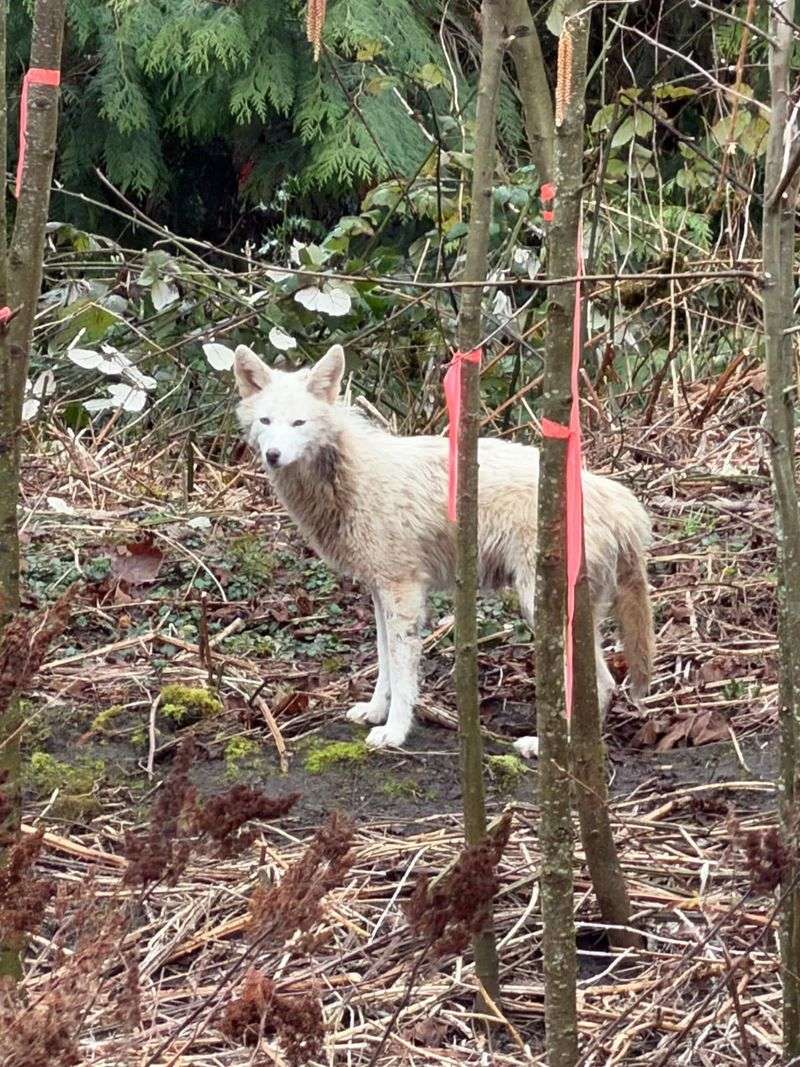
Coyotes love cover. Dense bushes, overgrown shrubs, tall grass, and piles of wood or debris give them perfect spots to rest, hide, and observe a yard without being noticed.
Cleaning up these areas removes the shelter that makes your property appealing. Walk your yard and look for any spots where a coyote could comfortably tuck itself away.
Overgrown areas along fence lines, thick brush near sheds, and tangled vegetation under decks are all prime hiding spots. Trim these areas back and keep them tidy.
Brush piles that accumulate over time are especially attractive. They also tend to shelter rodents, which are a major food source for coyotes.
By eliminating the rodent habitat, you also reduce the reason coyotes have for coming close in the first place.
Under-deck spaces should be blocked off with hardware cloth or lattice panels secured firmly at the base.
Coyotes and other wildlife can den under decks and porches if given the opportunity. Blocking access early prevents a much bigger problem later.
A well-maintained yard sends a clear signal that this space is actively used by people. Coyotes generally prefer areas where they feel undetected and safe from human activity.
Keeping vegetation trimmed, picking up debris, and maintaining clear sightlines around your property makes your yard far less attractive as a resting or hunting ground for any passing coyote.
6. Never Leave Small Pets Outside Alone At Dawn Or Dusk
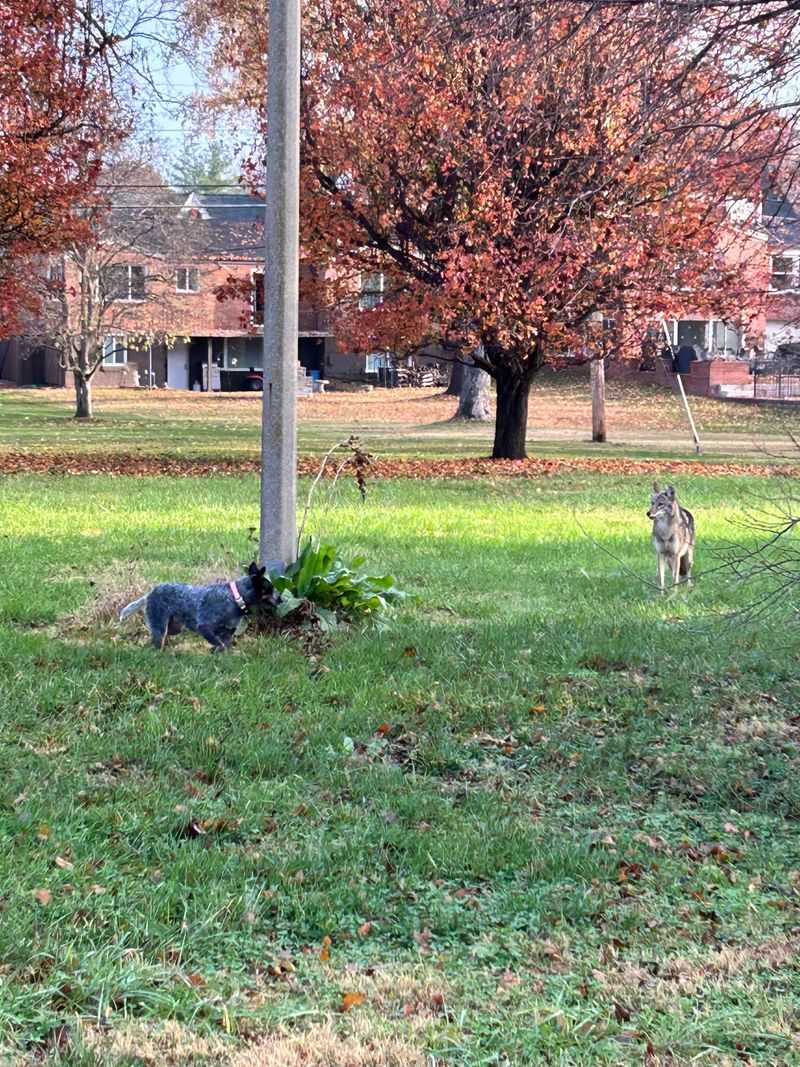
Dawn and dusk are the hours when coyotes are most active. Wildlife experts call this period crepuscular activity, and coyotes are perfectly designed for it.
Their eyesight and hearing are sharp in low light, giving them a real advantage during those transitional times of day.
Small pets left alone outside during these hours face the highest level of risk. A coyote can move quickly and quietly.
By the time you realize something is wrong, it may already be too late to intervene. The safest choice is to simply be outside with your pet every single time.
Even a quick bathroom break can be risky if you are not there to supervise. Bring your pet out on a leash, stay nearby, and bring them back inside promptly.
Do not let them linger in the yard unsupervised, even for just a few minutes.
Motion-activated lights can help deter coyotes during these darker hours. Coyotes tend to avoid sudden bursts of light, especially when they are not expecting them.
Placing these lights near gates, garden edges, and back corners of the yard can discourage nighttime visits.
Building a consistent routine of supervised outdoor time is one of the most reliable protections you can offer your small pets. Coyotes are opportunistic, and they rely on moments of human inattention.
Removing those moments is the most direct way to keep your animals out of harm’s way throughout the season.
7. Use Hazing To Make Coyotes Feel Unwelcome
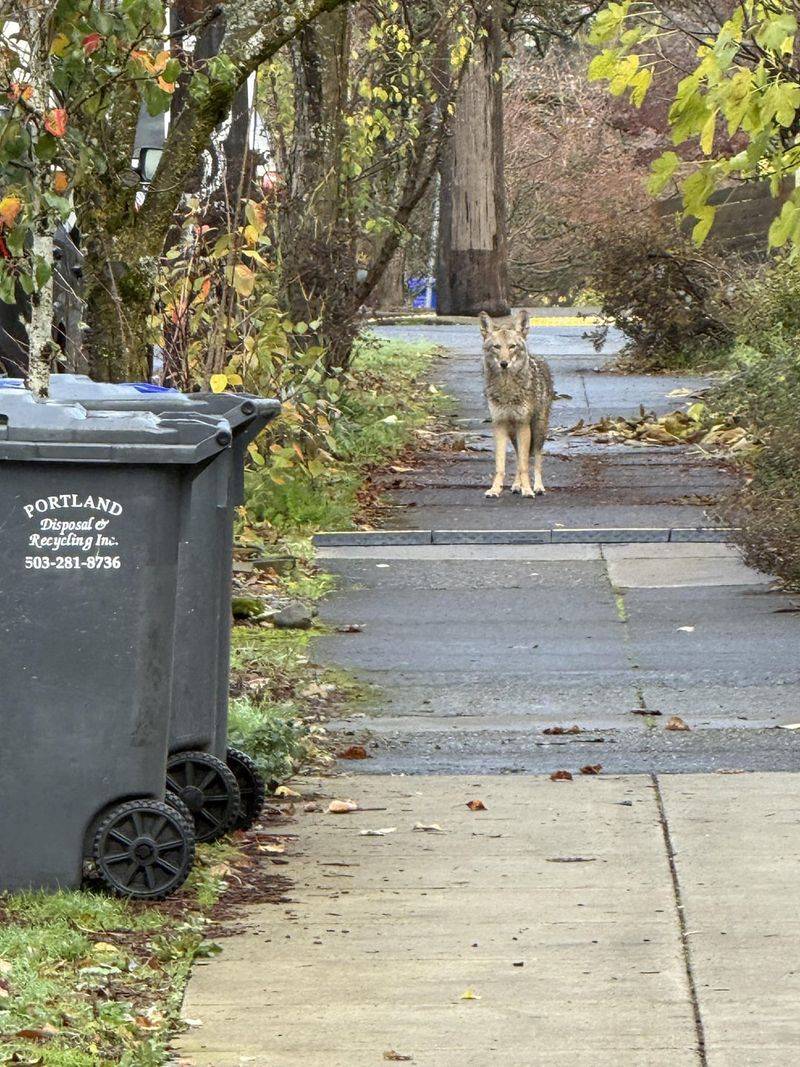
Hazing sounds like a complicated term, but it is actually very simple. Hazing just means making a coyote feel unwelcome through loud noises, big movements, and assertive behavior.
The goal is to remind the coyote that humans are not to be approached. If you spot a coyote in or near your Oregon yard, do not quietly back away. Instead, make yourself look big.
Wave your arms, shout, clap your hands, or bang two pots together. The louder and more dramatic you are, the better.
Coyotes that experience this kind of response tend to keep their distance. You can also use noise-making tools like air horns, whistles, or shaker cans filled with coins or pebbles. Spray bottles with water or a garden hose can also work well at close range.
The idea is to create an unpleasant experience the coyote will associate with your yard. Hazing works best when it is consistent. If one person in the neighborhood hazes but others ignore coyotes or even leave food out, the effort loses its effectiveness quickly.
Encouraging neighbors to use the same approach creates a unified message across the area.
Never try to approach a coyote closely or corner it. Always give the animal a clear path to retreat.
The goal is not to frighten the animal into a panic but to firmly reinforce that your space is not a comfortable or safe place for it to linger.
8. Do Not Run If A Coyote Approaches
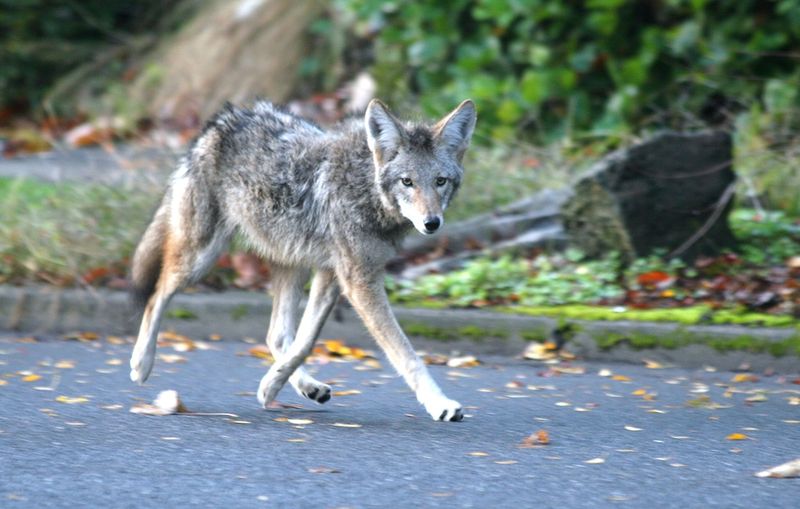
Running is a natural instinct when something startles you, but with coyotes, it is exactly the wrong move.
Running can trigger a coyote’s prey drive, which is the same instinct that kicks in when it chases a rabbit or squirrel. Standing your ground is always the better choice.
If a coyote approaches you, stop moving and face it directly. Make yourself look as large as possible.
Stand tall, spread your arms wide, and make strong eye contact. Speak in a firm, loud voice. You want the coyote to see you as a threat, not a target.
Back away slowly only after the coyote has stopped advancing. Keep facing it as you move.
Never turn your back and never sprint away. Coyotes are much faster than people, and running signals weakness rather than confidence.
Teach children what to do if they ever encounter a coyote alone. Practice the steps with them so the response becomes automatic.
Kids who know what to do are far less likely to panic and run, which is the most dangerous reaction.
Most coyotes will retreat when a person stands firm and makes noise. They are naturally cautious around humans and prefer easy, unconfrontational food sources.
A bold, confident response from you reinforces that humans are not prey. Staying calm and assertive in that moment can make all the difference in how the encounter ends for both of you.