Cut Back These Oregon Herbs In Mid-July For A Fresh Second Round Before Fall
By mid-July, some Oregon herbs are basically throwing a tiny garden tantrum. They’ve flowered, flopped, gotten leggy, or started acting like their job is done for the season.
Not so fast, basil. A smart summer trim can turn tired herbs into fresh, flavorful overachievers just in time for another round before fall.
Think of it as a garden haircut with benefits: more tender leaves, bushier growth, better flavor, and fewer sad, woody stems sulking in the heat.
Oregon’s mild late-summer weather gives many herbs a second chance, especially if you cut them back before they fully burn out.
Chives, mint, oregano, parsley, thyme, and basil can all bounce back beautifully with the right snip. The trick is knowing which herbs love a mid-July reset and which ones would rather be left alone.
Grab your pruners, because your herb patch is about to get a seriously tasty comeback.
1. Basil Bounces Back After A Mid-July Pinch
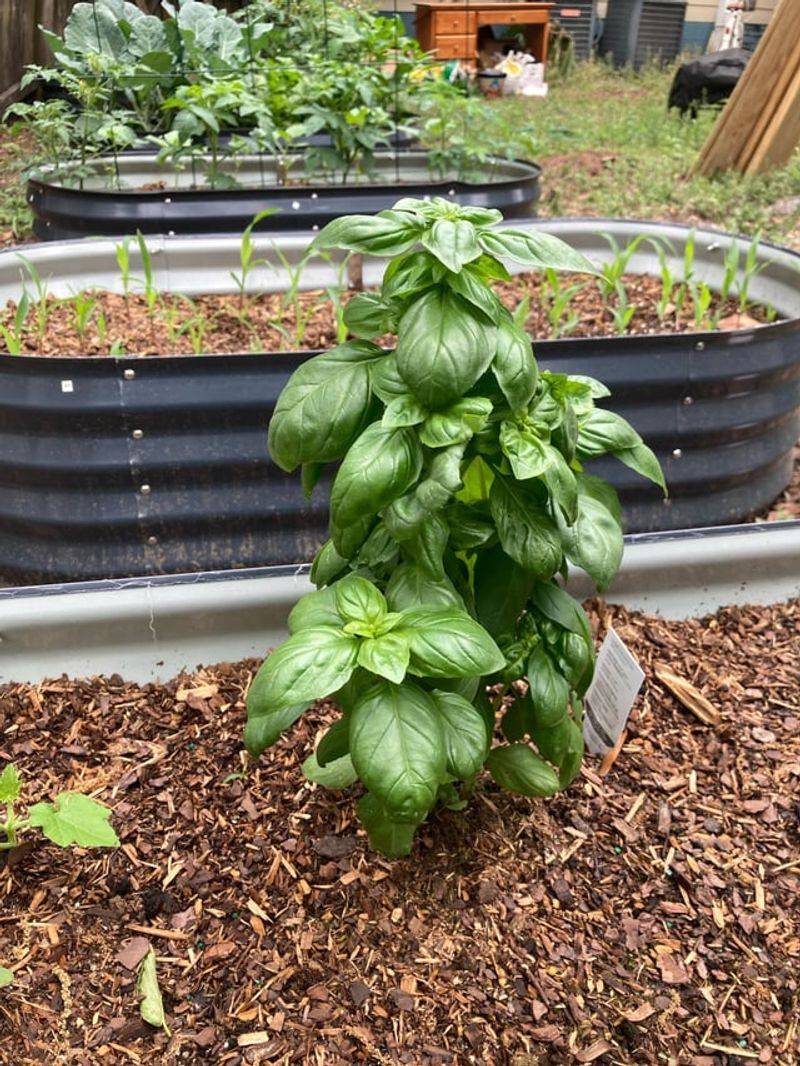
Few things in a summer garden are as satisfying as a thick, bushy basil plant loaded with fresh leaves.
By mid-July, though, most basil plants start sending up tall flower stalks, and that is the signal to act fast.
Once basil flowers, the leaves turn bitter and production slows way down.
The fix is simple. Pinch or cut off any flower stalks you see, and then trim each stem back to just above a pair of healthy leaves.
Do not be shy about it. Cutting back by one-third to one-half is perfectly fine and actually encourages the plant to branch out and fill in.
After the trim, water the plant well and give it a light feeding with a balanced fertilizer. Within about ten days, you should start seeing new side shoots pushing out from the cut areas.
Those new shoots grow into full stems, which means more leaves to harvest through August and September.
Sweet basil, Genovese basil, and Thai basil all respond well to this mid-summer reset. In Oregon, the warm days of late July and August give trimmed basil just the right conditions to recover and thrive.
Keep pinching off any new flower buds as they appear, and your plant will stay productive for weeks longer than if you had left it alone.
2. Mint Needs A Hard Summer Reset

Mint is one of those herbs that seems unstoppable in spring, but by mid-July it often looks tired, woody, and stretched out.
The stems get long and floppy, the leaves shrink, and the flavor weakens. That is a clear sign the plant is ready for a hard reset.
Go ahead and cut the whole plant back to about two to three inches above the soil. It sounds drastic, but mint is incredibly resilient.
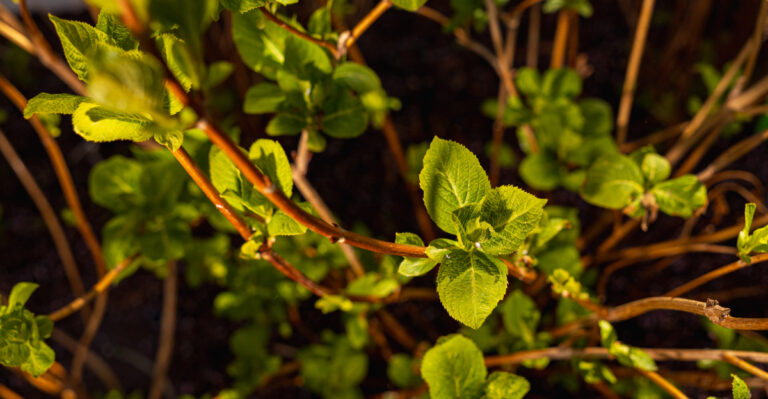
It stores energy in its roots, and after a good cutback it pushes up a fresh flush of tender new stems and leaves that taste far better than the old growth.
After trimming, water the plant deeply and move it to a spot with morning sun and afternoon shade if possible. Mint does not love intense afternoon heat, especially right after a heavy trim.
Your Oregon Garden Changes Every Week. Your Plan Should Too.
Gardening in Oregon changes quickly throughout the season. Every Friday you’ll receive a simple weekly plan showing exactly what to plant, prune, fertilize, harvest, and protect so you never miss the right timing.
A little shade helps the new growth come in without stress.
If your mint is growing in the ground rather than a container, this is also a good time to check that it has not spread too far.
Mint spreads aggressively through underground runners, and trimming the top is a great reminder to also check the edges and pull back any runners creeping into other areas.
Fresh mint regrowth in August is perfect for teas, cocktails, and garnishes, so the effort is absolutely worth it.
3. Oregano Regrows After The First Harvest
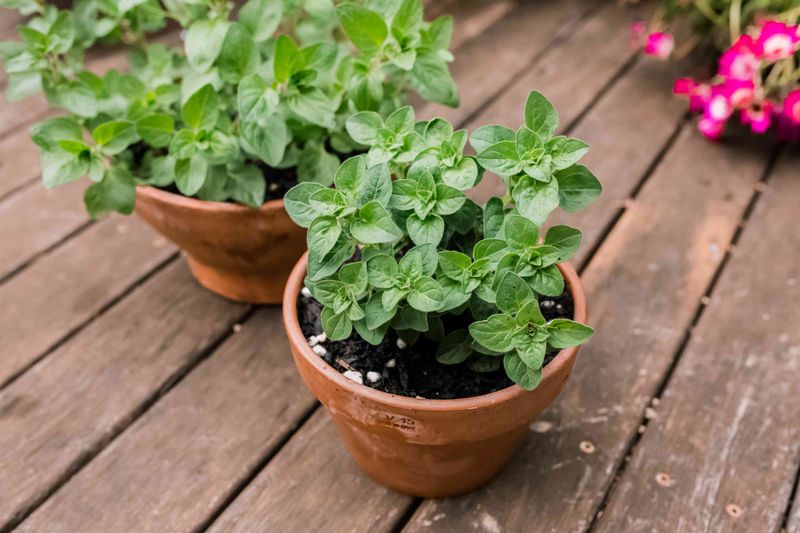
Oregano is a tough, woody herb that can handle a pretty aggressive trim without missing a beat. After the first big harvest of the season, the plant often looks a bit bare and scraggly.
That is completely normal, and it is the perfect time to cut it back and let it regrow.
Trim the stems back by about half, cutting just above a set of leaves. Avoid cutting into the thick, woody base of the plant because that part does not regenerate as easily.
Focus on the green, flexible stems and leave the woody lower portions alone.
One of the best things about oregano is how quickly it responds to pruning. In warm late-July weather, new growth can appear within a week.
The fresh leaves that come in after a trim tend to be more tender and flavorful than the older leaves, which makes this second harvest especially rewarding.
Oregano grown in the Pacific Northwest tends to do really well in the dry, warm stretch of late summer.
Oregon gets relatively low rainfall in July and August, which actually suits oregano perfectly since it prefers well-drained soil and does not love soggy roots.
After trimming, hold off on heavy watering for a few days to let the cut ends dry slightly before the new growth begins pushing out. A light mulch around the base helps keep moisture consistent without overdoing it.
4. Thyme Stays Fuller With A Light Trim
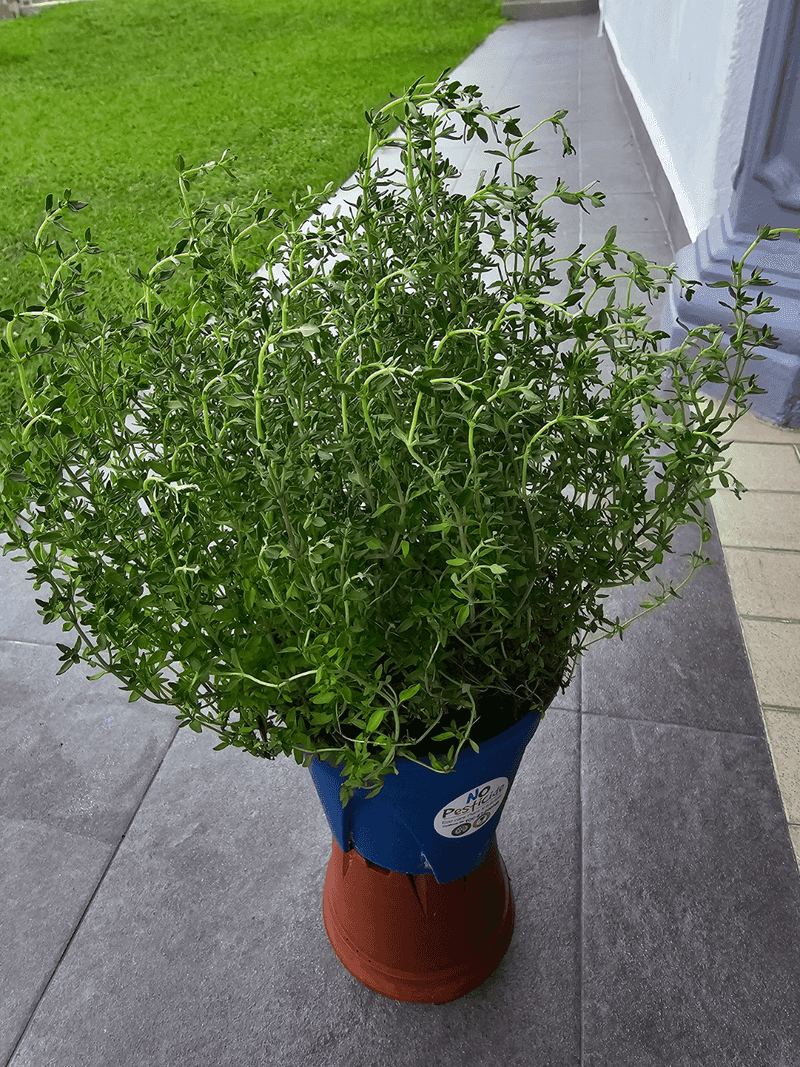
Thyme has a reputation for being low-maintenance, and that reputation is well-earned. But even tough little thyme benefits from a light trim in mid-July.
Left on its own, it can get woody and spread outward in a messy tangle that reduces airflow and leads to fewer fresh leaves.
The key with thyme is to keep it light. Trim off the top one-third of the green growth, focusing on any stems that have flowered or are starting to look leggy.
Do not cut back into the thick, gray-brown woody base because that part rarely sprouts new growth once cut.
After a light trim, thyme tends to fill in nicely with a compact, bushy shape. The new leaves are small, fragrant, and packed with flavor.
Thyme is a slow grower compared to basil or mint, so do not expect an overnight transformation, but within two to three weeks you should notice fresh green tips all over the plant.
In this region, thyme thrives in the dry late-summer heat. It is native to the Mediterranean and loves warm, sunny conditions with good drainage.
If your thyme is in a container, check that the drainage holes are not clogged, especially after the spring rain season.
A well-trimmed thyme plant going into August will stay productive through fall and even into early winter in milder parts of Oregon.
It is one of the most rewarding herbs to maintain with just a little seasonal attention.
5. Chives Push Fresh Leaves After Cutting
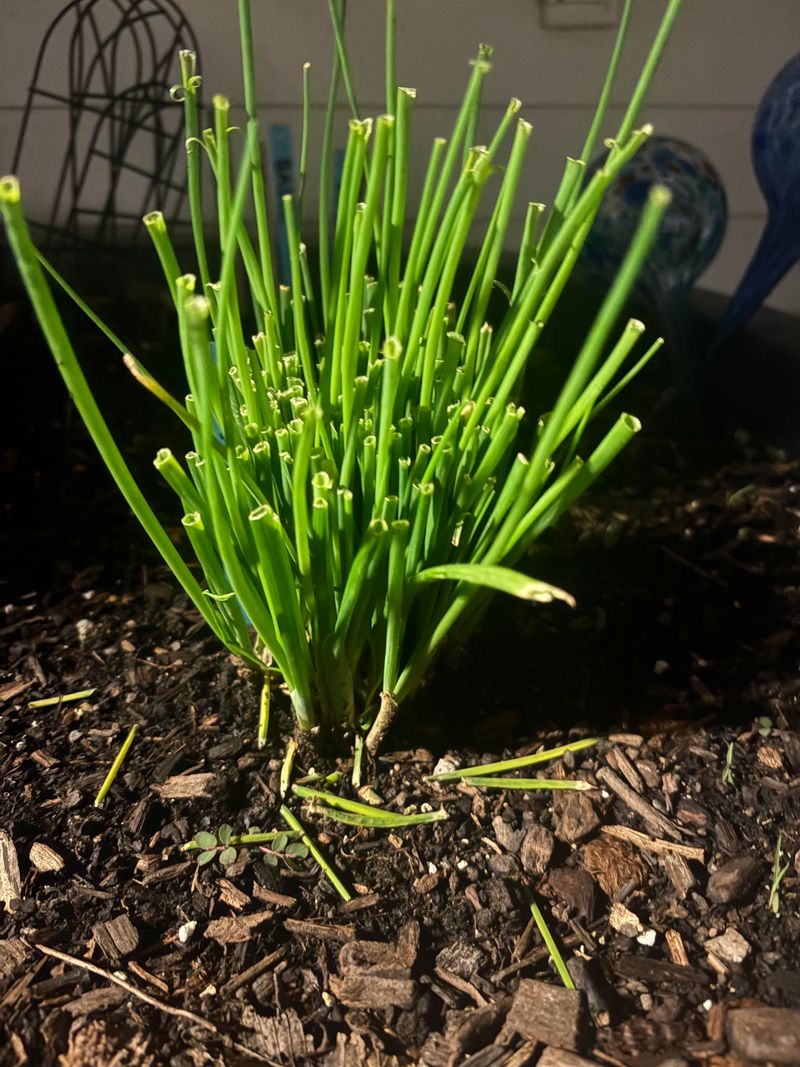
Chives are one of the most forgiving herbs in any garden. Cut them back and they come right back, often thicker and greener than before.
By mid-July, most chive clumps have already gone through a full bloom cycle, and the flower stalks are starting to look dry and spent.
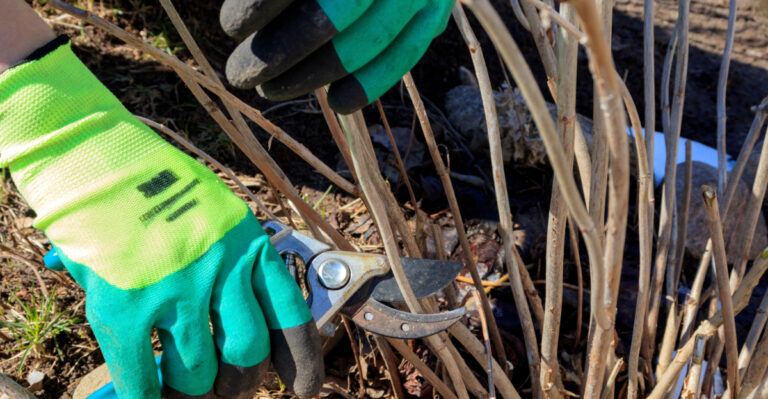
Now is the time to cut the whole clump down to about two inches above the soil. Use sharp scissors or garden shears and make clean cuts.
Leaving ragged or crushed stems can invite moisture and disease into the base of the plant, so clean tools matter here.
Within a week to ten days, fresh new leaves will start pushing up from the base. These new leaves are slender, bright green, and mild in flavor, which is exactly what you want for topping baked potatoes, scrambled eggs, or salads.
The regrowth is noticeably more tender than the older leaves that were cut away.
Chives are cool-season friendly, which makes them a great late-summer investment in Oregon.
The regrowth that starts in late July will often keep going well into October, especially in the Willamette Valley and other mild areas.
If your chive clump is getting very large and dense, this is also a good time to divide it.
Splitting the clump into two or three sections and replanting them with fresh soil and compost gives each section more room and keeps the plants vigorous for years to come.
6. Parsley Responds To Outer-Stem Trimming
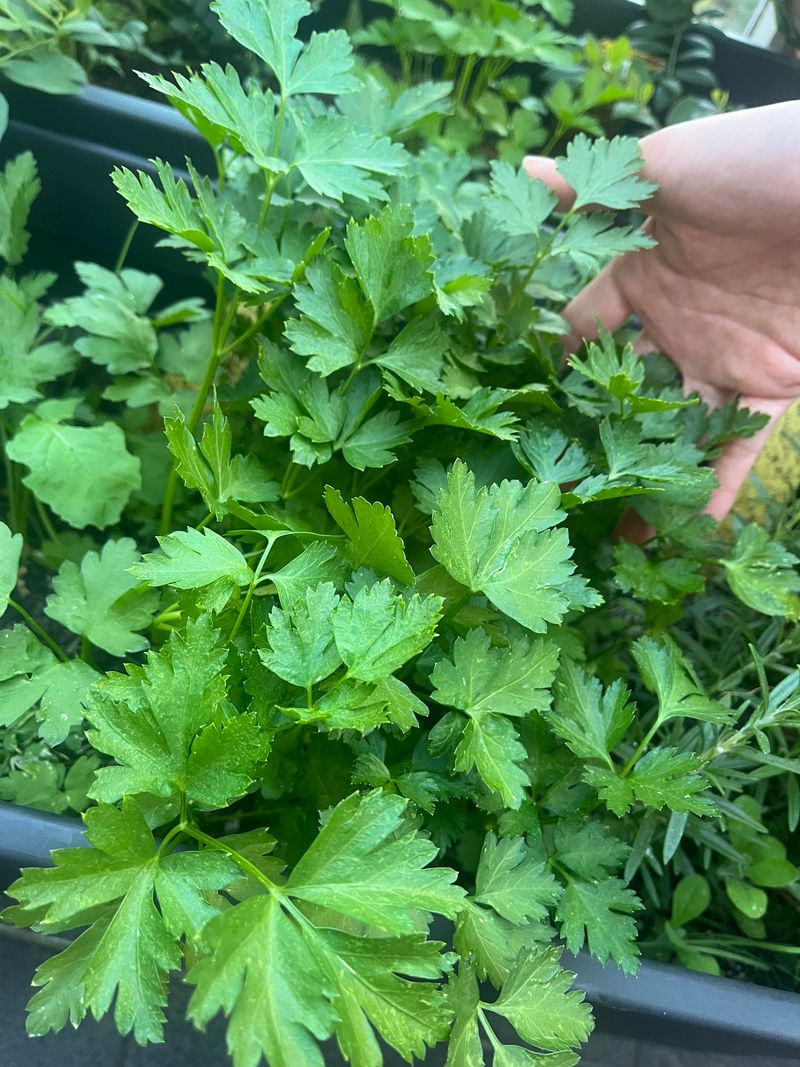
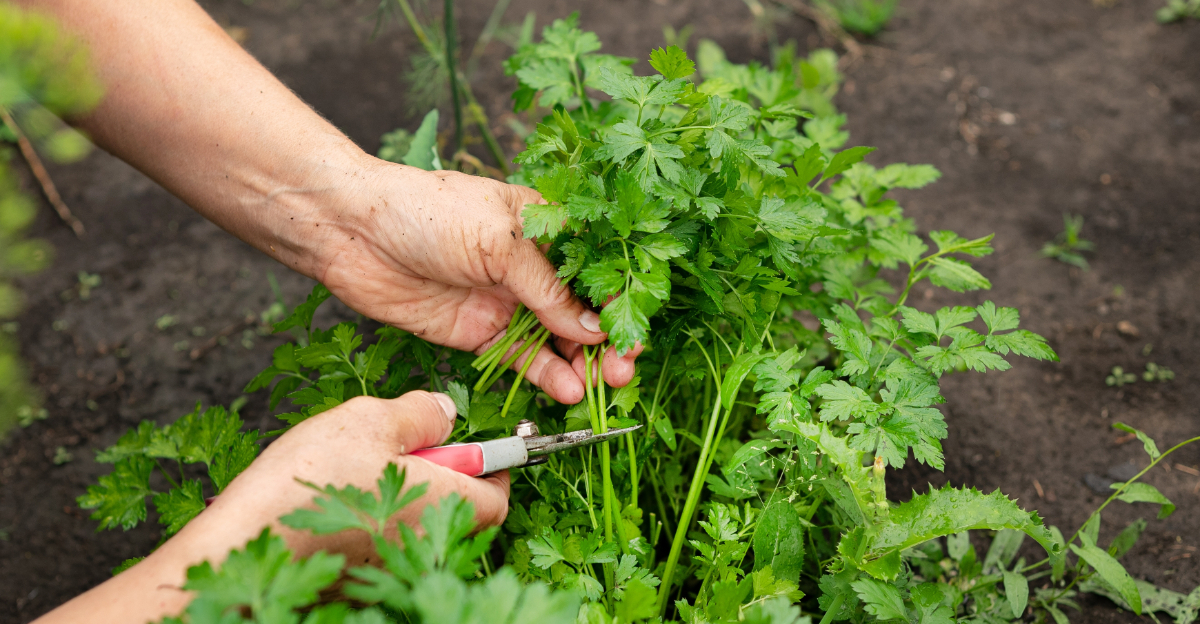
Parsley works a little differently from most herbs on this list. Rather than cutting the whole plant back at once, the best approach is to remove the outer stems first and let the inner growth continue developing.
By mid-July, those outer stems are often the oldest, toughest, and least flavorful parts of the plant.
Pull or cut the outer stems off at the base, leaving the inner cluster of newer growth untouched.
This method keeps the plant actively producing without putting it through the stress of a full cutback.
It also improves airflow around the center of the plant, which helps prevent mold and fungal issues during warm, humid stretches.
Flat-leaf parsley and curly parsley both respond well to this technique. Flat-leaf tends to be more vigorous and may need trimming every couple of weeks through the summer.
Curly parsley grows a bit more slowly but stays productive with regular outer-stem harvesting through the end of the season.
Parsley is a biennial, which means it grows leaves in its first year and then goes to seed in its second year.
Most Oregon gardeners treat it as an annual and replant each spring, but if your plant is in its first year, a mid-July trim will keep it producing strong new growth all the way through fall.
Add the trimmed stems to soups, sauces, and grain bowls for a fresh flavor boost while the plant keeps growing back behind the scenes.
7. Cilantro Needs Re-Sowing, Not Rescuing
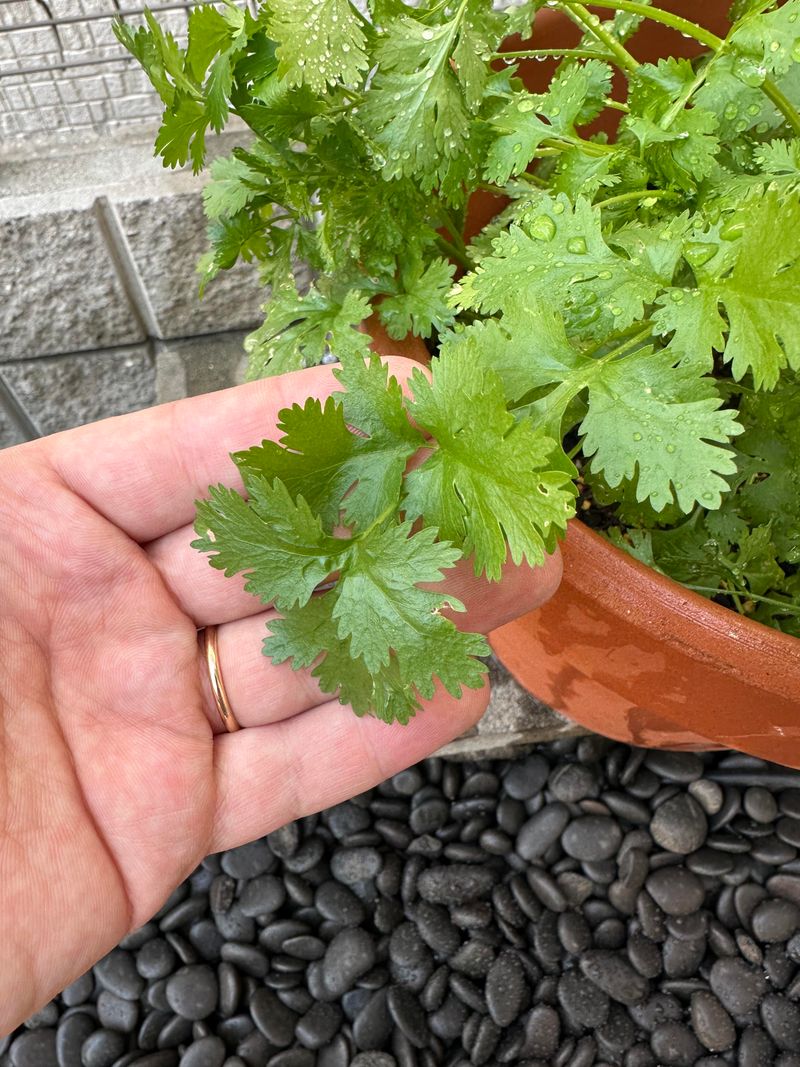
Here is the honest truth about cilantro in the summer: once it bolts, it is done. Bolting means the plant has sent up a tall flower stalk and shifted all its energy toward making seeds.
The leaves become sparse, thin, and bitter. No amount of trimming will bring back the lush leafy growth you had in spring.
The smarter move is to pull out the bolted plants and re-sow fresh seeds directly in the soil. Cilantro seeds germinate quickly in warm soil, and seeds planted in mid-July can produce harvestable leaves in as little as three to four weeks.
That puts you right on track for a solid fall harvest before temperatures drop.
Choose a spot with afternoon shade if possible, since direct hot sun speeds up bolting again. Sowing in a shaded corner or under a taller plant can extend the growing window by a few weeks.
Water consistently after sowing to keep the soil moist until the seeds sprout.
One smart trick is to let a few of your bolted plants go to seed naturally. The seeds that fall will often self-sow and sprout on their own in late summer or early fall.
Gardeners in the Pacific Northwest have great success with this low-effort approach because the mild fall weather gives self-sown cilantro plenty of time to establish before the first frost. Save some seeds too, and you will have a free supply for next spring.
8. Dill Gives More If You Replant It
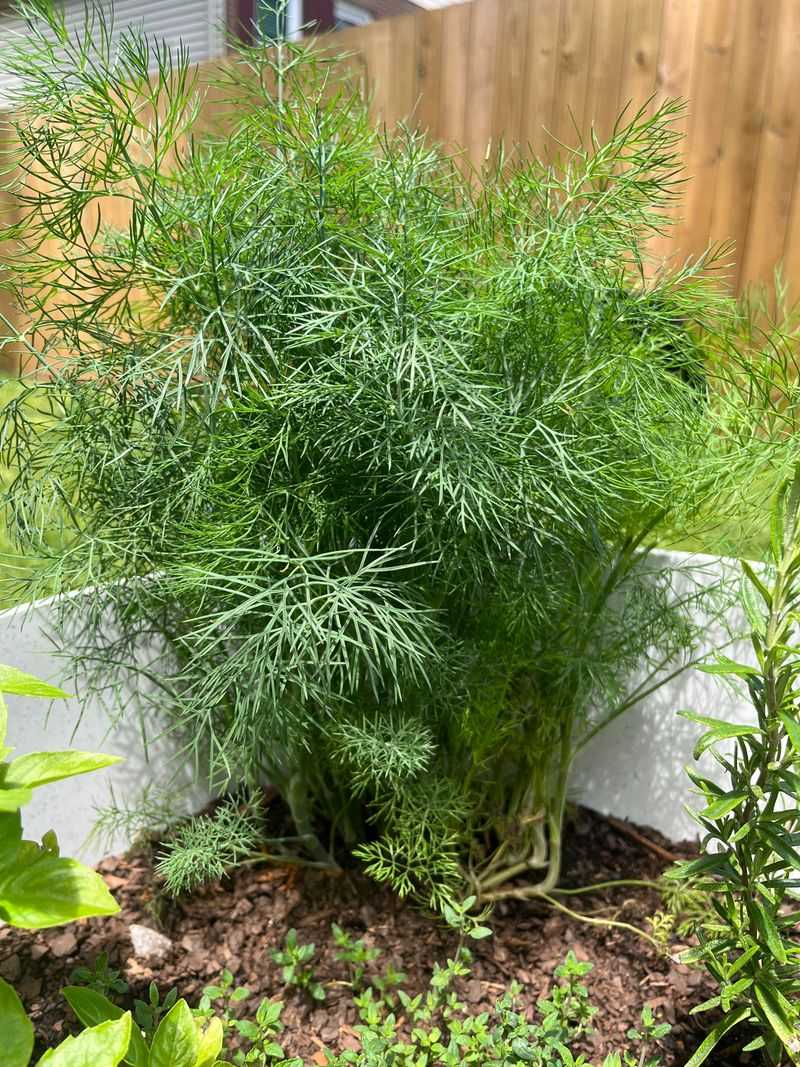
Dill and cilantro share a similar summer challenge: they both bolt fast when the heat kicks in.
Once dill sends up its umbrella-shaped flower head, the feathery leaves become sparse and the plant is mostly focused on producing seeds.
Trimming it back does not do much at that stage. The better approach is to pull the bolted plants and start fresh. Dill seeds sprout quickly in warm soil, usually within seven to ten days.
A mid-July sowing gives you a new crop of leafy dill fronds by mid-August, which is perfect timing for late-summer pickling and cooking projects.
When replanting, choose a sunny spot with loose, well-drained soil. Dill does not love being transplanted, so direct sowing is always better than starting it in pots and moving it later.
Scatter the seeds thinly, cover lightly with soil, and water gently. Thin the seedlings once they are a couple of inches tall to give each plant enough room.
Like cilantro, dill is also a great candidate for letting a few plants self-sow. The seeds from bolted plants will often fall and sprout naturally in late summer or fall, giving you a surprise crop with zero effort.
Gardeners across Oregon who leave a few dill plants to go to seed often find new dill popping up in unexpected spots the following season.
It is one of those happy garden surprises that makes the whole process feel rewarding and a little magical.
9. Lemon Balm Comes Back Cleaner
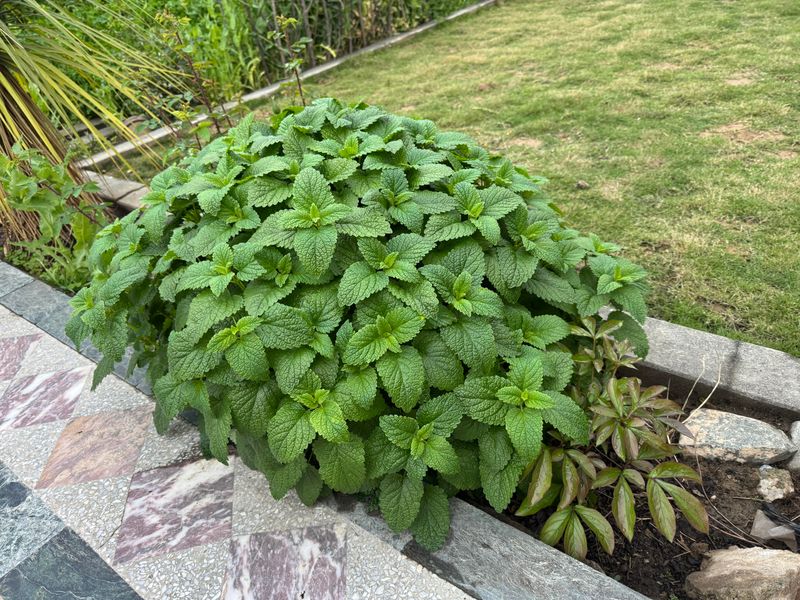
Lemon balm grows fast and spreads enthusiastically, which is one of the things gardeners love about it. But by mid-July, it can look overgrown, floppy, and a little ragged.
The older leaves often develop spots or start yellowing, and the whole plant loses its fresh, lemony scent when it gets too dense.
Cutting it back hard is the best thing you can do. Trim the whole plant down to about three to four inches above the ground.
Remove any yellowed or spotted leaves completely, and clear out any damaged stems hiding at the base. Good airflow through the plant base is key to keeping lemon balm healthy and disease-free.
After a hard cutback, lemon balm recovers surprisingly fast. New growth can appear within a week, and within three weeks the plant often looks better than it did before.
The fresh leaves that come in after trimming are bright green, intensely fragrant, and perfect for teas, desserts, and herb-infused water.
One thing to watch with lemon balm is its spreading habit. It sends out runners and self-sows freely, and before long it can take over a garden bed.
While you are trimming, pull out any runners spreading into areas where you do not want the plant to go. If you want to keep it contained, growing lemon balm in a pot is a great option.
The pot limits the spread, and the plant still responds beautifully to a mid-July trim with a full flush of fresh, clean growth afterward.