What To Do With All The Buckeyes In Your Ohio Yard This Fall
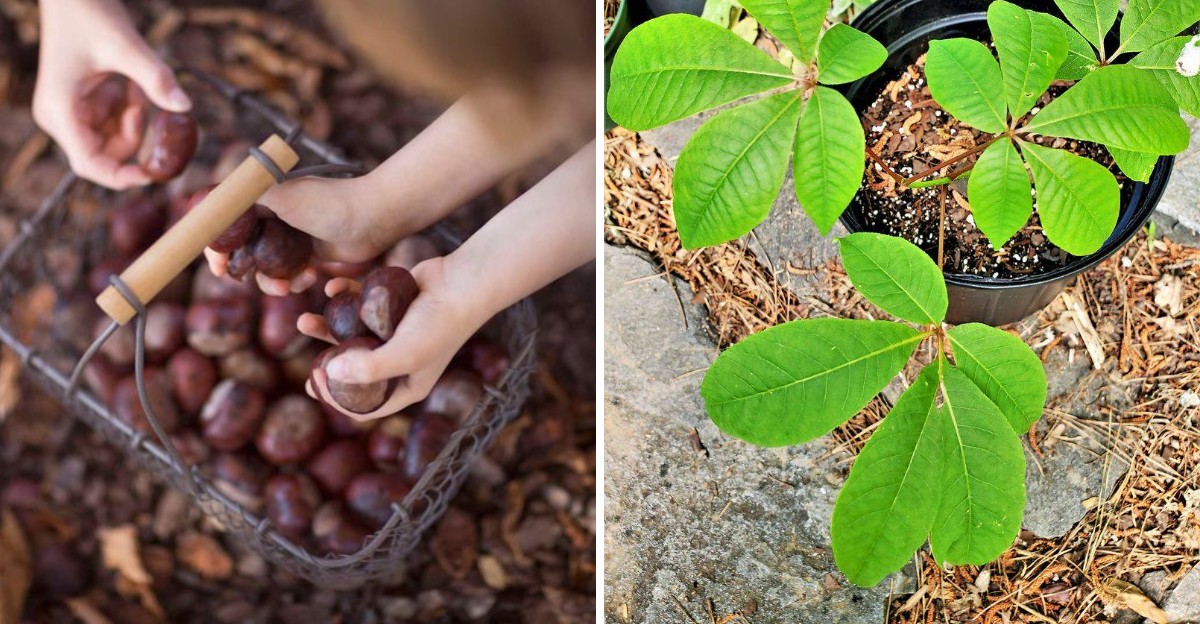
Step outside and your yard looks like a bowl of glossy brown marbles somebody tipped over. The squirrels have an opinion about them, and you should too.
Ohio buckeyes pile up fast each October, and the lawn mower hates every one of them. Some people shovel them into a bag and call it done.
Others tuck a few in a pocket and keep them for years. The old folks swear by a few uses that have nothing to do with the yard.
Most of the ideas are simple. A couple are surprisingly fun, especially with kids around.
One or two come with a warning you’ll want to hear first.
Before you reach for the trash can, take a minute and look at what you’ve got. That mess on the grass has more going for it than you’d guess.
1. Rake Them Up Before Pets And Kids Find Them
Picture your toddler holding up a glossy brown nut like it is candy. That moment is exactly why a rake belongs in your hands this weekend.
Every buckeye that lands on your lawn holds natural compounds called aesculin and aescin. These chemicals can upset the body of a person or an animal who chews or swallows them.
Symptoms can include vomiting, diarrhea, muscle weakness, and even trouble moving normally. A single nut might not cause a serious emergency, but several can create a real health risk.
Dogs are the biggest worry in many Ohio yards. Pups love to chase round objects, and a smooth buckeye looks a lot like a tiny ball.
Young kids explore the world with their mouths, too. A bright, shiny seed sitting in the grass is very tempting for small hands.
Start by raking the areas where your family plays most. Focus on the spots near swing sets, patios, and the paths your dog uses every day.
A leaf rake works fine, but a nut gatherer tool with a wire basket makes the job faster. You roll it across the grass and the nuts pop right inside.
Plan to rake every few days while the tree is dropping. Buckeyes usually fall during September and October, so the job lasts a few weeks.
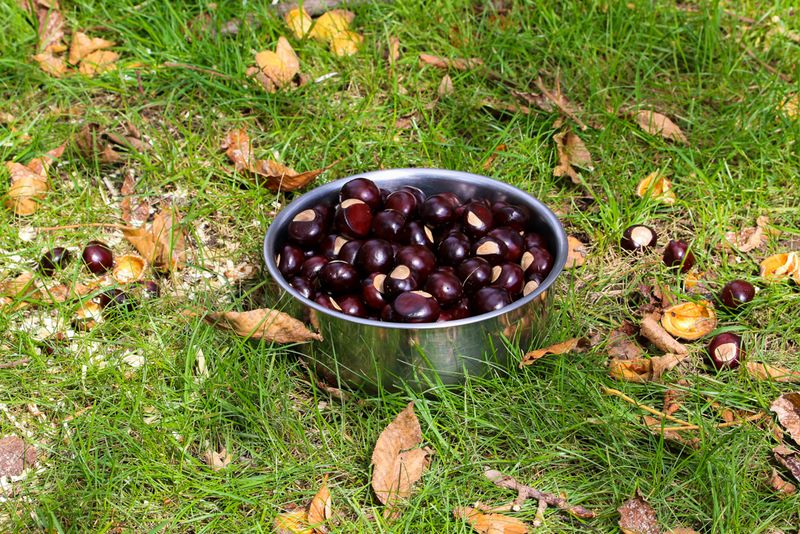
Store the nuts you collect in a sealed bucket with a lid. Keep it on a high shelf in the garage where curious paws cannot reach it.
If someone does eat a buckeye, call Poison Control at 1-800-222-1222 right away. For pets, call your vet or an animal poison hotline quickly.
A little raking now saves a lot of worry later. Think of it as fall cleanup with a bonus of peace of mind.
2. Every Part Of The Buckeye Tree Is Toxic
Squirrels are the only critters said to munch buckeyes with no trouble at all. The rest of us need to treat this tree with a healthy dose of respect.
The Ohio buckeye, known to scientists as Aesculus glabra, is considered highly toxic when eaten. That warning covers far more than the nuts sitting in your grass.
Your Ohio Garden Changes Every Week. Your Plan Should Too.
Gardening in Ohio changes quickly throughout the season. Every Friday you’ll receive a simple weekly plan showing exactly what to plant, prune, fertilize, harvest, and protect so you never miss the right timing.
Leaves, bark, young sprouts, and seeds all carry harmful compounds. The strongest amounts are usually found in the sprouts and in the seeds themselves.
So what does that mean for your yard? It means fallen leaves and twigs deserve some caution too, especially around grazing animals.
Farmers have long known to keep cattle and horses away from buckeye sprouts in spring. Fresh green shoots look tasty to livestock, but they can make animals quite sick.
Here is a quirky bit of history for you. Early settlers sometimes crushed buckeye nuts and tossed them into ponds to stun fish, which shows just how strong these compounds are.
Wear gloves when you handle lots of buckeye debris if your skin is sensitive. Washing your hands afterward is a smart habit for everyone in the family.
Avoid tossing buckeye leaves into a compost pile that feeds a vegetable garden. Bag them for yard waste pickup instead, just to stay on the safe side.
None of this means you should chop down your tree. Buckeyes give great shade, early spring blooms, and food for squirrels and bees.
They also hold a proud spot as Ohio’s state tree. Enjoying one simply means knowing the rules and teaching them to your kids.
A quick family chat works wonders. Explain that the tree is for looking, planting, and crafting, not for snacking.
3. They Look Like Chestnuts, But They Aren’t Edible
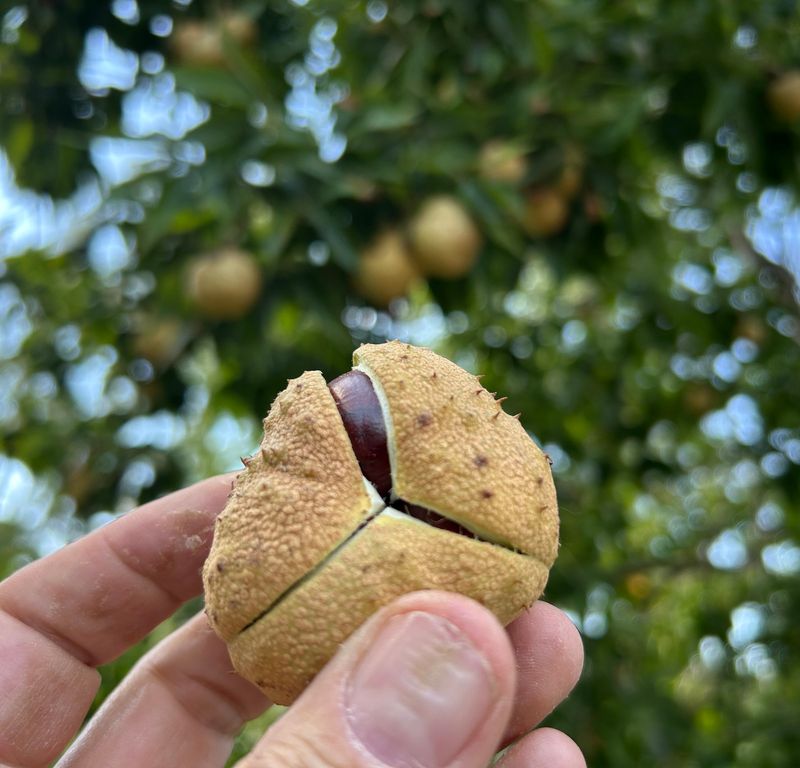
Roasting chestnuts on an open fire sounds cozy, right? Grab the wrong nut, though, and your holiday snack turns into a trip to urgent care.
Buckeyes and horse chestnuts belong to the same plant family, called Aesculus. Both are toxic, and both get confused with the tasty sweet chestnut all the time.
Sweet chestnuts come from a totally different group of trees named Castanea. Learning a few key differences makes telling them apart pretty easy.
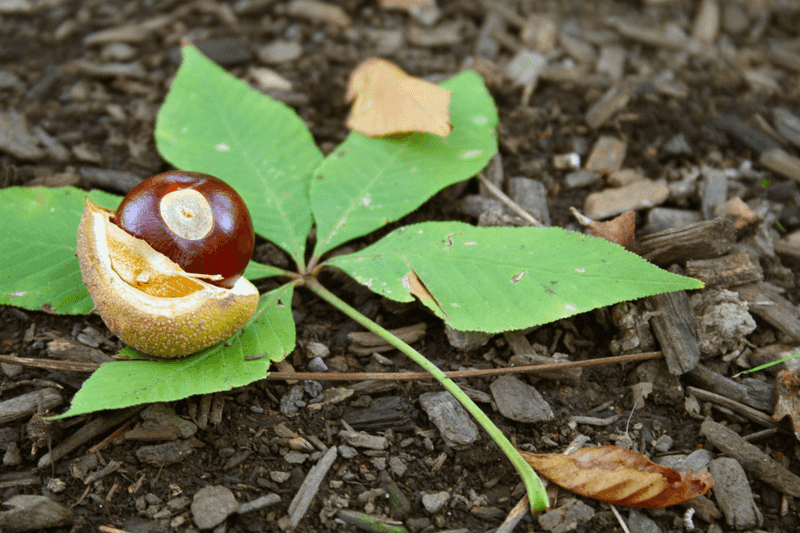
Start with the husk, which is the outer shell. Sweet chestnut husks are covered in dense, needle-like spines that look like a tiny angry porcupine.
Buckeye husks are leathery and tan, with only a few bumps or soft spines. Many look more like a wrinkled little golf ball than a pincushion.
Next, check the nut itself. Sweet chestnuts are usually flat on one side and finish with a pointy tip or tassel on top.
Buckeyes are round, smooth, and super glossy. Each one has a big pale spot that gives it the famous deer eye look.
Some folks think cooking makes buckeyes safe to eat. That is a myth, since heat does not remove the harmful compounds inside.
When foraging, follow a simple rule. If you are not totally sure what a nut is, leave it alone and ask an expert.
Your county OSU Extension office can help identify nuts and plants for free. They are a fantastic resource for curious families.
Want real chestnuts for the holidays? Pick them up at a grocery store or a local orchard where growers know their trees.
Leave the buckeyes for decorating, planting, and good luck charms. Your stomach will thank you.
4. Plant A Few To Grow Your Own Buckeye Tree
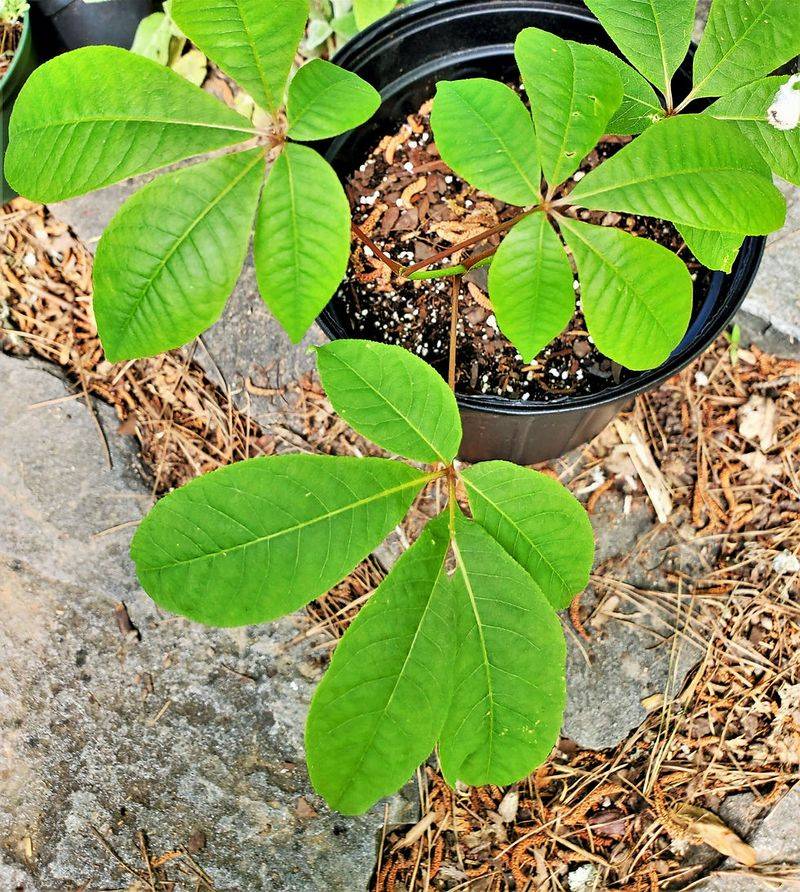
One tiny nut in your hand today could shade your grandkids someday. That is the magic of turning a fall chore into a planting project.
Ohio buckeye seeds drop from trees in September and October. You can gather a handful and grow brand new trees right at home.
Pick the plumpest, shiniest seeds you can find. Skip any that look shriveled, cracked, or full of tiny holes from insects.
Freshness matters a lot here. Seeds that sit on a counter and dry out often lose their ability to sprout.
Buckeyes also need a cold, damp rest before they wake up and grow. Gardeners call this stratification, and it copies what happens naturally during an Ohio winter.
You have two good ways to give seeds that chill. Plant them outdoors in fall, or store them in the fridge and plant them in spring.
Think about where your future tree will live before you plant. Buckeyes can grow 20 to 40 feet tall, so give them room away from the house and power lines.
Remember the toxic seeds, too. Placing the tree away from play areas and pet runs will make future fall cleanup much easier.
Plant several seeds instead of just one. Not every seed will sprout, so a few extras improve your odds.
Buckeyes grow well in moist, rich soil with sun or partial shade. They are native to the state, so they handle our weather like champs.
Here is a fun bonus. In early spring, buckeyes are among the first trees to leaf out, and their yellow-green flowers attract bees.
Growing a tree from seed is a slow adventure. Still, watching that first sprout pop up feels like a small miracle.
5. Plant Fresh Seeds Outdoors This Fall
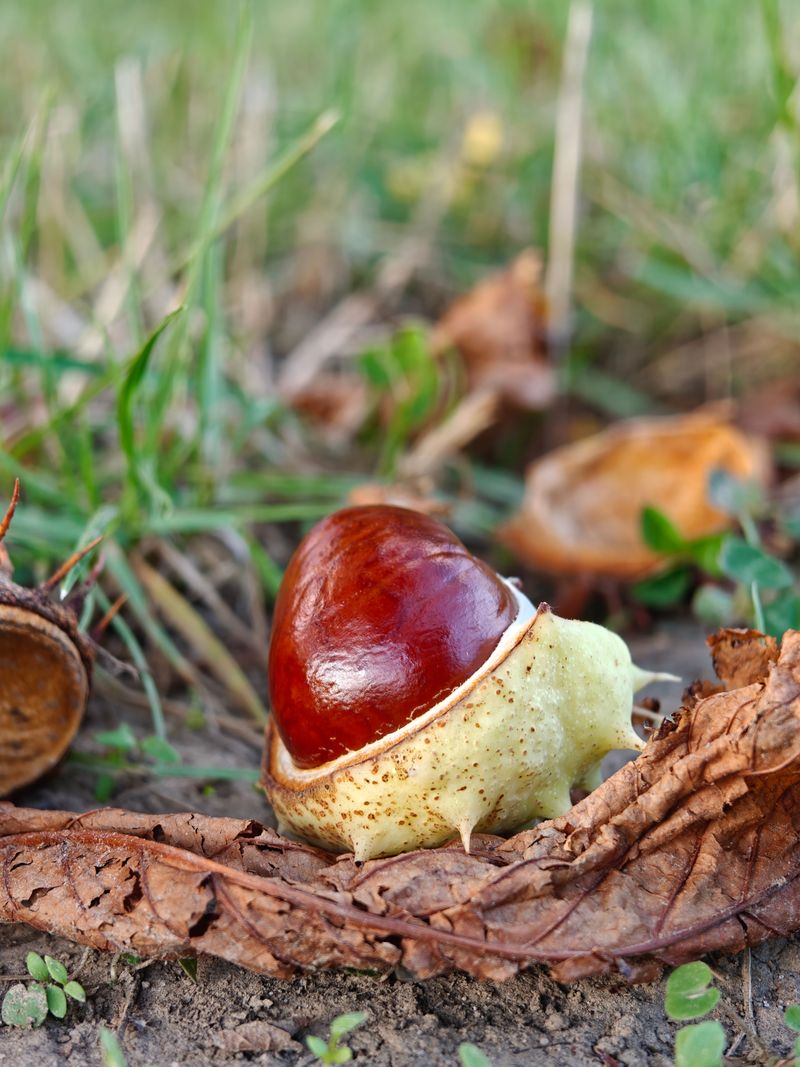
Mother Nature already knows how to plant a buckeye. All you have to do is copy her homework.
Collect seeds as soon as they hit the ground. The fresher they are, the better your chances of seeing green shoots next spring.
Choose a spot with moist, well-drained soil. Avoid low places where rainwater puddles for days after a storm.
Dig a small hole about one to two inches deep. Set the seed inside and cover it gently with soil.
Pat the dirt down with your hand and give it a drink of water. A light layer of shredded leaves on top helps hold in moisture.
Now comes the easy part, which is waiting. Winter cold and wet weather give the seed the chilly rest it needs to sprout.
Squirrels may be the biggest problem with this plan. They love digging up freshly buried treats, and they seem to have radar for new holes.
Lay a square of chicken wire over the planting spot. Pin the corners down with landscape staples or heavy rocks to keep busy paws out.
Mark each spot with a plant tag or popsicle stick. By spring you might forget exactly where you planted them.
Watch for sprouts in April or May. Remove the wire once the seedlings start poking up so they have room to grow.
Keep the young plants watered during dry summer spells. A thin ring of mulch around them helps protect tender roots.
Planting outdoors works great for busy families. It takes about ten minutes and requires zero fridge space.
Plus, kids love checking the garden each spring for surprise sprouts. It turns a simple seed into a backyard treasure hunt.
6. Don’t Let The Seeds Dry Out
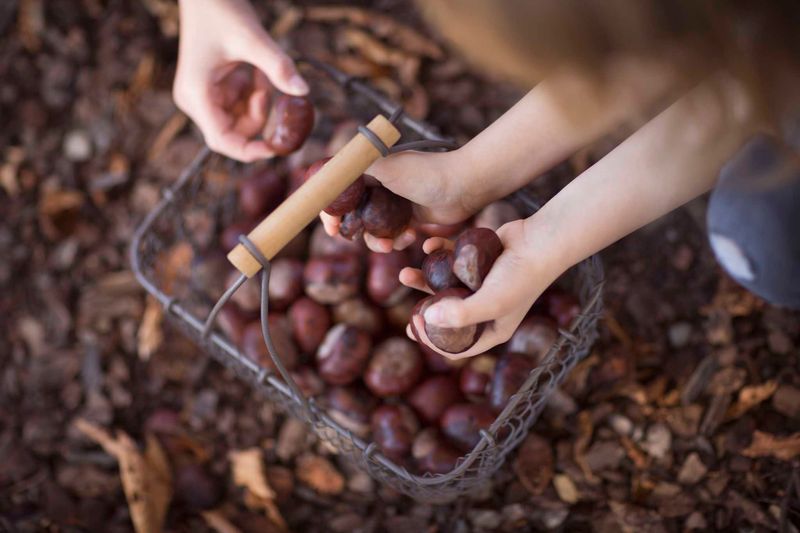
A buckeye left on a sunny windowsill for a week is a lot like a phone left at one percent battery. It looks fine, but the power inside is fading fast.
Moisture is the secret ingredient for getting buckeye seeds to sprout. Once they dry out, many of them simply refuse to grow.
Fresh seeds are firm, heavy, and shiny. Dried seeds start to feel lighter, and their skin can look dull or wrinkled.
Here is a quick test you can try. Drop seeds in a bowl of water, and toss the ones that float, since they are often dried or hollow.
If you cannot plant right away, store seeds the smart way. Place them in a plastic bag with a little damp peat moss, sand, or paper towel.
The goal is damp, not soggy. Too much water can cause mold or rot, which ruins seeds just as quickly as drying.
Keep the bag somewhere cool and out of direct sunlight. A garage shelf works for a few days, but the fridge is better for longer storage.
Many people collect buckeyes for crafts and later decide to plant them. Sadly, nuts that sat in a decorative bowl for months usually will not sprout.
So decide early which nuts are for planting and which are for fun. Keep the planting batch moist from the very first day.
Label your bags with the date you gathered the seeds. This helps you track how long they have been stored.
Check stored seeds every week or two. Add a few drops of water if the material feels dry, or air it out if it looks too wet.
A little attention now pays off later. Moist seeds are happy seeds, and happy seeds become trees.
7. Or Chill Them In The Fridge For Spring Planting
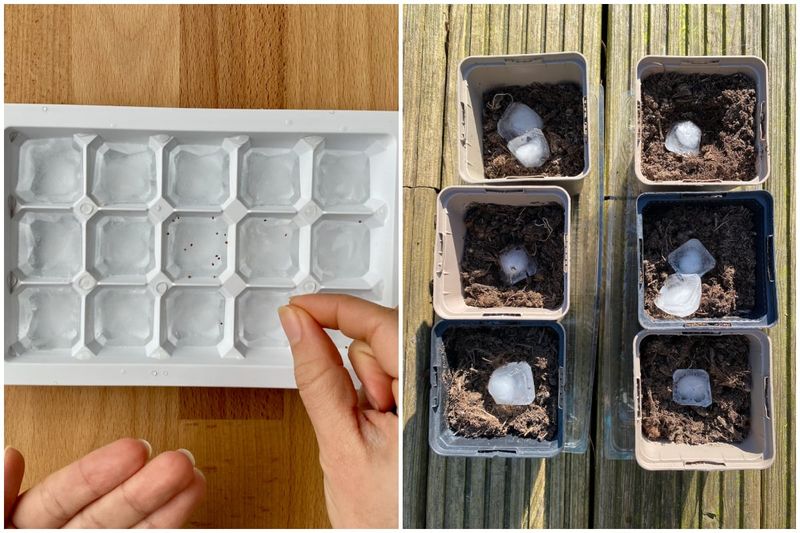
Your refrigerator can be a winter vacation spot for seeds. Tuck a few buckeyes in there, and they will be ready to grow when spring rolls around.
This method is great if you want more control. It also keeps your seeds safe from hungry squirrels all winter long.
First, peel off any husks still stuck to the seeds. You only want the smooth brown nut inside.
Next, grab a zip bag or a small plastic container. Fill it with a moist material like peat moss or a 50:50 mix of sand and sphagnum peat moss.
Squeeze the material in your hand before adding it. It should feel like a wrung-out sponge, not a dripping washcloth.
Bury the seeds in the mix and seal the bag loosely. Leave a little air inside so mold has a harder time forming.
Set the bag in your fridge at about 41 degrees Fahrenheit. That equals roughly 5 degrees Celsius, which most fridges hit easily.
Leave the seeds there for 90 to 120 days. If you start in October, you will be ready to plant around February or March.
Check the bag every couple of weeks. Add a splash of water if it feels dry, and remove any seeds that look moldy.
Some seeds may start sprouting tiny white roots in the fridge. That is great news and means they are ready to plant soon.
Write a clear label like Buckeye Seeds, Do Not Eat. Your family will appreciate the reminder when grabbing snacks.
Once the ground thaws, plant the seeds outdoors or in pots. Set them one to two inches deep and keep the soil moist.
Watching roots form in a baggie is a fun science lesson. Kids love seeing life start right next to the milk jug.
8. Keep One In Your Pocket As A Nod To Ohio Tradition
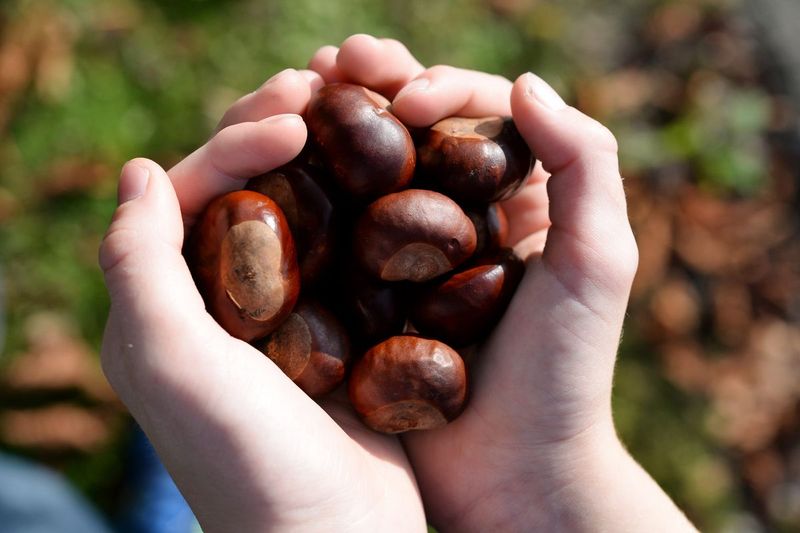
Grandpa had one in his pocket, and so did his father before him. Ask around any Ohio town, and you will hear stories about lucky buckeyes.
The tradition goes back a long way. Native Americans named the tree because the nut looked like the eye of a deer, with its dark brown color and pale center.
Early settlers picked up the custom of carrying buckeyes for luck. Many believed the nut could keep away aches like rheumatism, a common joint pain.
Science does not back up the health claims. Still, rubbing a smooth buckeye between your fingers feels calming in a way that is hard to explain.
Over time, the nut became a symbol of Ohio itself. The buckeye was named the official state tree in 1953.
Ohio is even nicknamed the Buckeye State. People born here are often proudly called Buckeyes, too.
To make a pocket buckeye, pick a round, shiny nut with a nice eye spot. Let it air dry for a few weeks in a cool place.
The nut will shrink a bit and darken as it dries. Over months of handling, it develops a soft, polished shine.
Some folks rub a little mineral oil on theirs to boost the glow. Others like the natural look that comes from years in a pocket.
A pocket buckeye also makes a sweet gift. Tuck one in a card for a grad heading off to college or a friend moving out of state.
Just remember to keep it away from little ones and pets. It is a charm for carrying, not chewing.
Luck or no luck, it is a small piece of home. And that might be the best kind of magic.
9. String A Few Into A Classic Buckeye Necklace

Walk into Ohio Stadium on game day, and you will spot buckeye necklaces everywhere. They swing from the necks of fans young and old, glossy and proud.
Making your own is a fun fall craft. It also puts all those yard buckeyes to good use.
Start by drying the nuts for about two to four weeks. Spread them out on newspaper in a cool, airy spot.
Drilling is the trickiest step, and an adult should handle it. Use a small drill bit and clamp the nut steady so it does not spin.
Some crafters soak the nuts in water overnight first. The softer shell can make drilling easier and reduce cracking.
Choose sturdy string like waxed cord, fishing line, or thin leather lace. Measure it long enough to slip easily over your head.
Now get creative with the design. Add scarlet and gray beads between the nuts for a true Ohio State look.
Many people use eight to twelve buckeyes per necklace. A few extra beads keep the nuts from rubbing and cracking.
Tie a strong double knot at the end. A dab of clear glue on the knot helps it hold up through a whole football season.
For extra shine, brush on clear acrylic sealer. It protects the nuts and gives them a polished, finished look.
These necklaces make great gifts for tailgate buddies. They also sell well at school fundraisers and craft fairs.
Keep finished necklaces out of reach of toddlers and pets. Since the nuts are toxic, they are for wearing only.
Wear yours to games, fall festivals, or anywhere you want to show some state pride. O-H, anyone?