Why Ohio Green Beans Produce More When You Stop Watering Them So Often
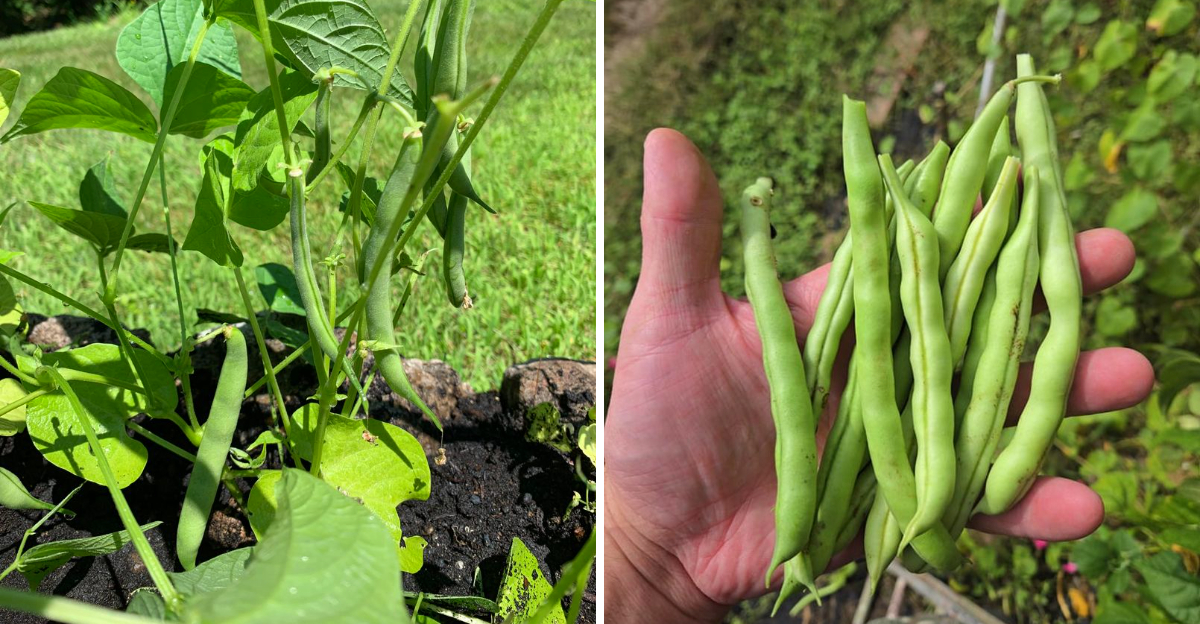
Green beans and Ohio summers: a classic combination that sounds simple until the heat rolls in and suddenly nothing is going quite right.
The soil dries out fast, the plants start looking stressed, and the instinct is to grab the hose and water every single day.
Completely understandable. Here’s the thing though: frequent shallow watering is one of the most common reasons Ohio green bean rows underperform in summer.
Too much water sitting at the surface and not enough reaching the roots can actually create more problems than it solves.
The gardeners who tend to get the best green bean harvests are the ones who water less often but much more deeply, encouraging roots to chase moisture downward and building the kind of resilience that handles Ohio’s summer heat without breaking a sweat.
Small adjustment, big difference.
1. Frequent Shallow Watering Can Weaken Roots
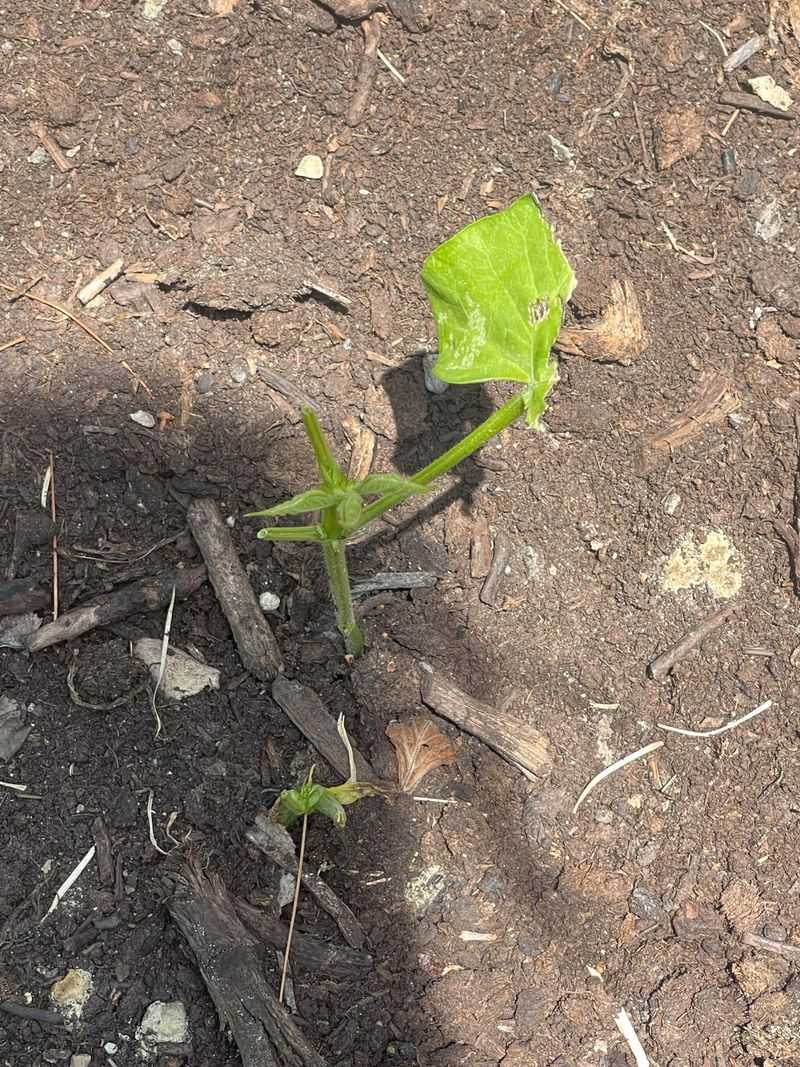
Shallow watering habits might feel like you are helping your green beans, but they can quietly work against the plant over time. When water only reaches the top inch or two of soil, roots have little reason to grow deeper.
They stay near the surface where moisture disappears quickly, especially during Ohio’s hot summer afternoons.
Surface roots are more vulnerable to heat stress and dry spells between waterings. A plant with shallow roots cannot pull moisture from deeper, cooler layers of soil, so it depends entirely on you watering it frequently.
That cycle becomes exhausting for both the gardener and the plant.
Deeper roots give green bean plants a buffer. They can access moisture that does not evaporate as quickly, which supports steadier growth and more consistent pod development.
Watering slowly and thoroughly, rather than briefly and often, encourages roots to follow the moisture downward.
In Ohio raised beds and in-ground rows alike, training roots to grow deeper is one of the most useful things a home gardener can do for long-term green bean productivity.
2. Deep Watering Reaches The Root Zone
Most vegetable gardeners are surprised to learn how deep green bean roots can actually grow when given the chance. Under good conditions, roots can extend several inches below the surface, well beyond where a quick spray from a garden hose reaches.
Watering deeply encourages roots to follow moisture into those lower soil layers.
In Ohio vegetable beds, deep watering means applying enough water that it soaks several inches down into the soil rather than just wetting the surface. A soaker hose or slow, steady hand watering works well for this.
The water has time to move downward rather than running off or evaporating quickly in the afternoon heat.
When roots reach deeper soil, they gain access to more stable moisture reserves. The plant becomes less dependent on daily watering and more capable of handling brief dry stretches between rain events.
Deep watering also tends to reduce the total amount of water used over a season, since the soil holds moisture longer at deeper levels.
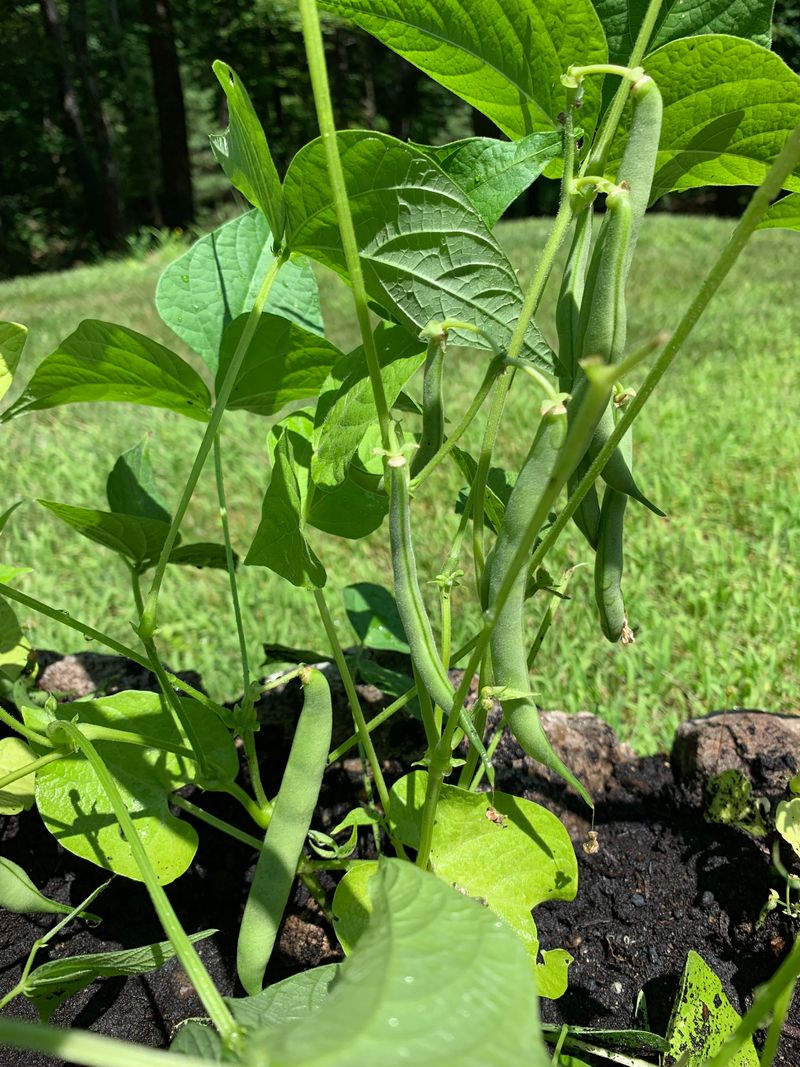
Ohio green bean rows watered this way often show stronger stems, better leaf color, and more consistent pod fill from one picking to the next.
Your Ohio Garden Changes Every Week. Your Plan Should Too.
Gardening in Ohio changes quickly throughout the season. Every Friday you’ll receive a simple weekly plan showing exactly what to plant, prune, fertilize, harvest, and protect so you never miss the right timing.
3. Wet Soil Can Stress Green Bean Plants
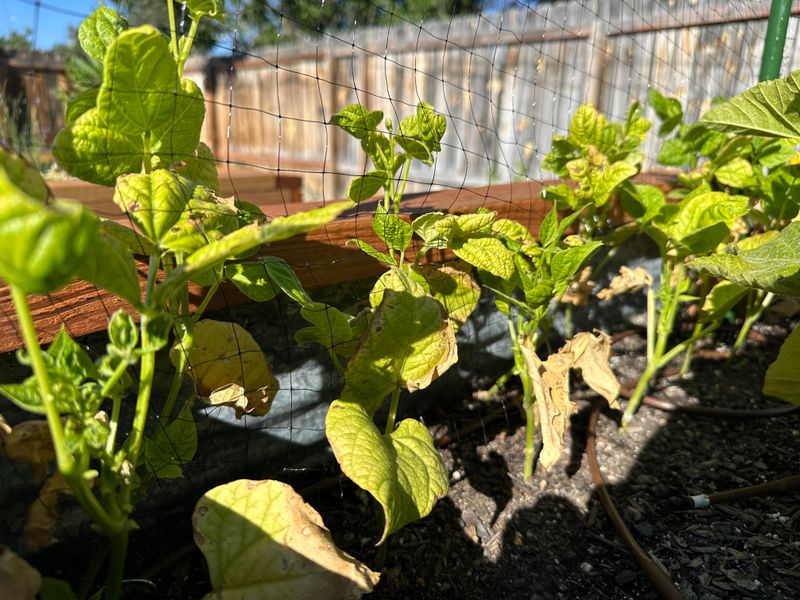
Soggy soil is one of the more overlooked problems in Ohio summer vegetable gardens.
It feels counterintuitive because water is supposed to help plants grow, but too much of it sitting around the roots creates conditions that most vegetable plants, including green beans, handle poorly.
When soil stays wet for extended periods, oxygen gets pushed out of the spaces between soil particles. Roots need oxygen to function, and without it they cannot absorb nutrients or water efficiently.
Green bean plants in consistently wet soil may show yellowing leaves, slow growth, or reduced flowering even when the garden looks well cared for.
Ohio summers bring stretches of heavy rain followed by dry heat, and that pattern can make soil management tricky. If heavy rain has recently soaked your garden, hold off on adding more water until the top few inches of soil begin to dry out.
Pressing a finger two inches into the soil is a quick way to check. Moist but not muddy soil is the target.
Wet soil that compacts easily or smells stale is a sign the green beans need a break from watering before root health and pod production begin to suffer.
4. Well-Drained Soil Helps Beans Grow Better
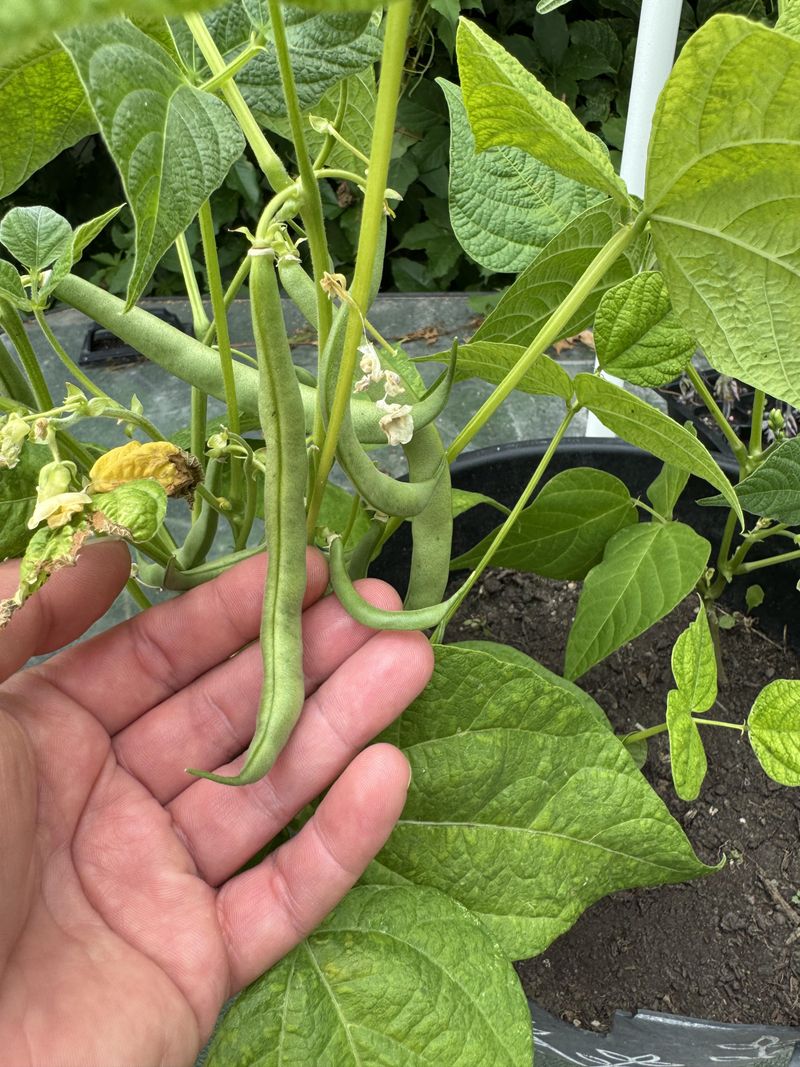
Soil structure plays a bigger role in green bean success than many Ohio gardeners realize. Even with a solid watering routine, plants growing in compacted or poorly draining soil struggle to produce well.
Water either sits on top and runs off or pools around the roots without draining away in a reasonable amount of time.
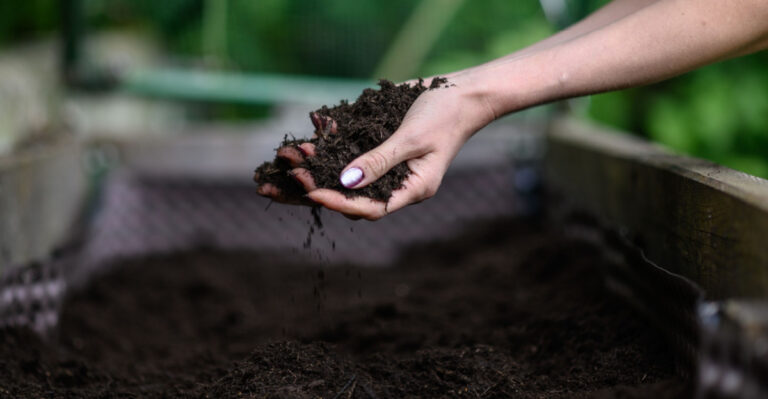
Well-draining soil allows water to move through at a steady pace, wetting the root zone without staying saturated. Loose, loamy soil with some organic matter works well for green beans.
Raised beds are popular in Ohio home gardens partly because gardeners can control the soil mix and drainage more easily than in heavy clay ground.
Adding compost to garden soil improves both drainage and moisture retention at the same time, which sounds contradictory but makes sense. Compost helps sandy soil hold water longer and helps clay soil release water more freely.
Either way, the result is a more balanced growing environment where green bean roots stay comfortable. Good soil drainage also reduces the risk of fungal issues that tend to show up when foliage and soil stay wet for too long.
Starting with well-prepared soil gives your Ohio green bean rows a strong foundation before the first seed goes in.
5. Morning Watering Helps Keep Leaves Drier
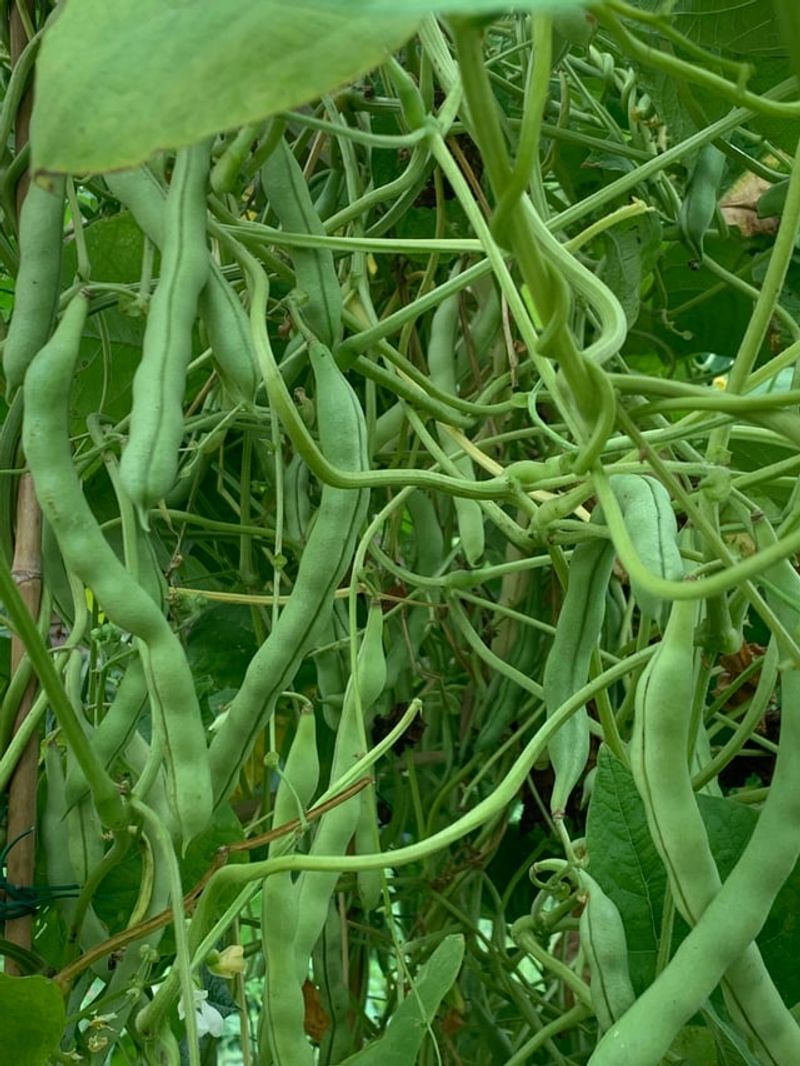
Timing your watering sessions can make a noticeable difference in how healthy your green bean plants look through the summer.
Watering in the early morning gives the soil a chance to absorb moisture before the heat of the day kicks in, and it allows any water that lands on leaves to dry off quickly as temperatures rise.
Wet leaves that stay damp through the afternoon and evening are more likely to develop fungal issues. Ohio summers bring enough humidity on their own without adding prolonged leaf wetness from evening or overhead watering.
Morning watering reduces that risk without requiring any extra effort or equipment.
Drip irrigation and soaker hoses are excellent options for Ohio green bean rows because they deliver water directly to the soil rather than spraying over the foliage.
But for gardeners using a standard hose or watering can, aiming at the base of the plant rather than overhead is a helpful habit.
Getting into a morning routine also makes it easier to check soil moisture before adding water, since the soil has had time to settle overnight.
Small adjustments like watering time can add up to healthier plants and fewer problems as the season moves through its hottest weeks.
6. Mulch Helps Soil Stay Evenly Moist
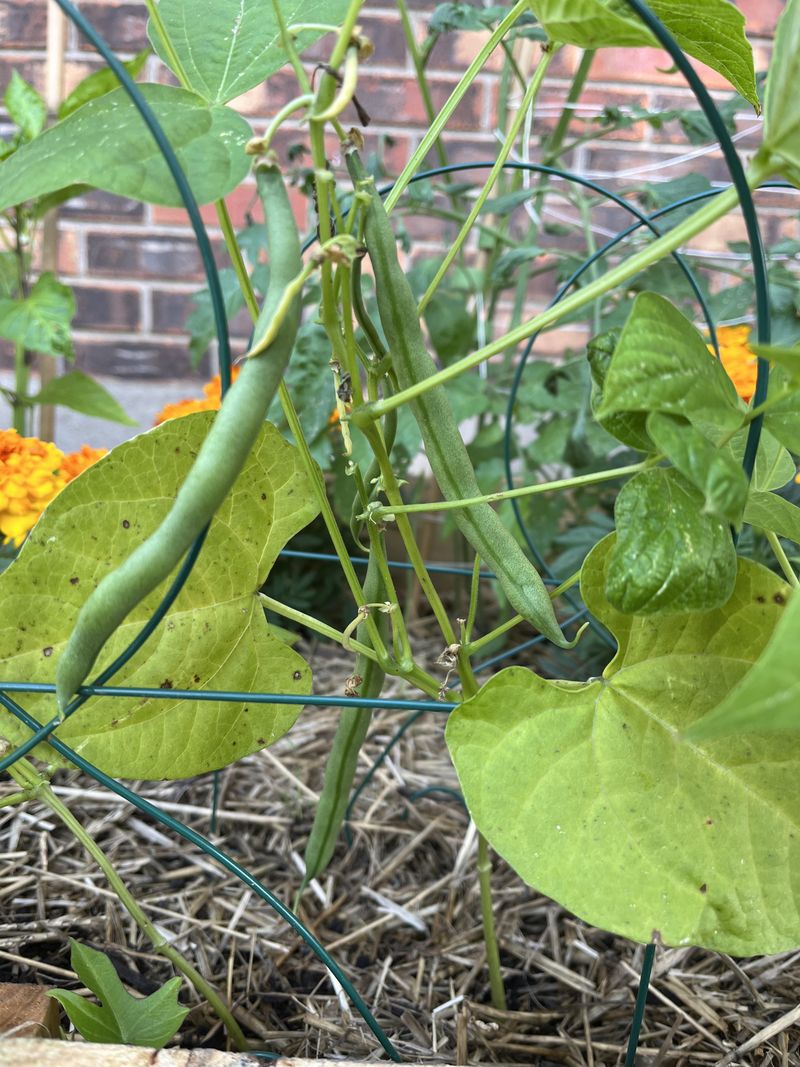
Straw mulch spread around green bean rows might seem like a small detail, but it does a surprising amount of work in an Ohio summer garden.
A two-to-three-inch layer of mulch slows evaporation from the soil surface significantly, which means the moisture from your last watering sticks around longer between sessions.
Mulch also buffers soil temperature. Ohio afternoons can push soil surface temperatures high enough to stress shallow roots, but a layer of straw or shredded leaves keeps the ground beneath noticeably cooler.
That cooler, more stable environment supports root health and helps the plant focus energy on flowering and pod development rather than recovering from heat exposure.
Another benefit of mulch is that it reduces the frequency with which you feel the urge to water. When the soil surface looks dry under mulch but the soil two inches down still feels moist, there is no need to add more water.
Mulching also reduces soil compaction from heavy rain, which helps maintain that loose, well-draining structure that green beans prefer.
For Ohio raised beds and in-ground rows alike, applying mulch early in the season and refreshing it as needed is one of the simplest ways to support more consistent bean production throughout summer.
7. Rainfall Should Change Your Watering Routine
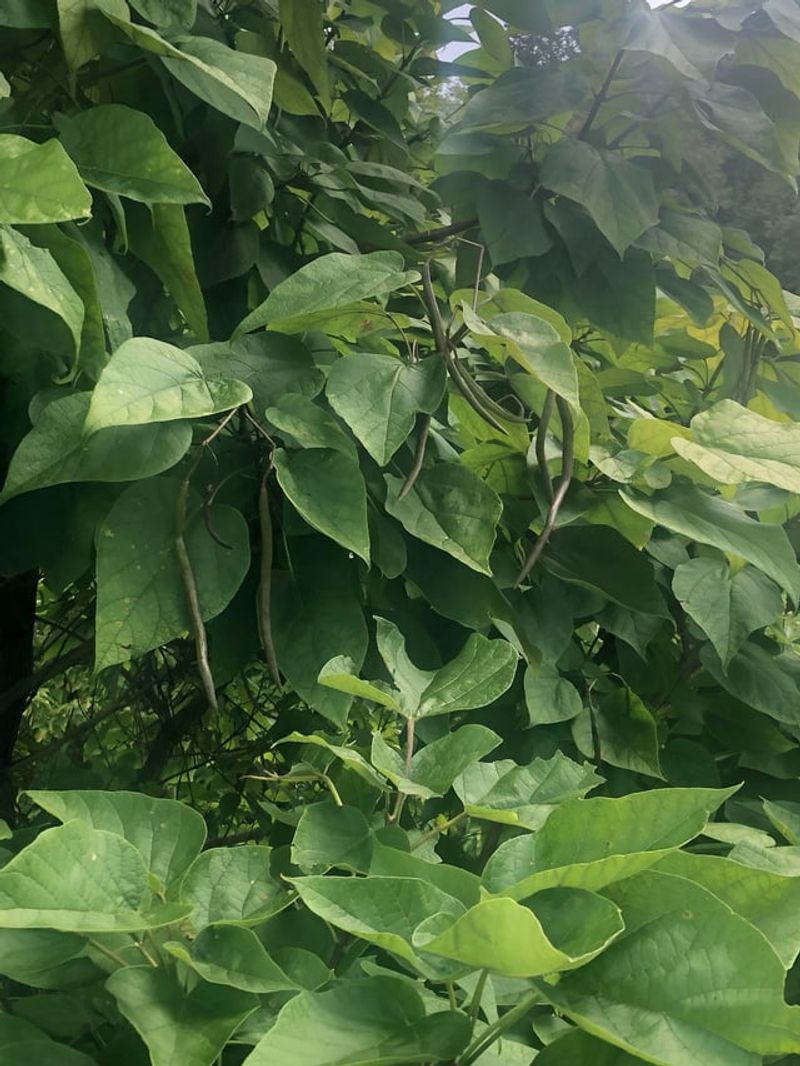
Rain gauges are one of the most underused tools in Ohio vegetable gardens. Many home gardeners stick to a set watering schedule regardless of what the weather has done over the past few days, which can lead to overwatering without anyone realizing it.
Rainfall counts toward weekly water needs, and ignoring it means the soil often gets more than the plants actually need.
Green beans generally do well with around an inch of water per week during active growth, but that amount includes whatever rain has already fallen.
After a solid Ohio rainstorm drops half an inch or more, watering can often be skipped for a day or two depending on how the soil is holding up.
Checking the soil before reaching for the hose is the clearest way to know whether more water is actually needed.
Ohio summers are known for being unpredictable. A week of dry heat can be followed by several days of heavy afternoon showers.
Adjusting your watering routine to match what nature is already providing keeps the soil moisture more balanced and reduces the chance of creating the wet conditions that stress green bean roots.
A simple rain gauge near the garden makes tracking weekly totals easy and takes the guesswork out of deciding when to water.
8. Soil Checks Work Better Than Guessing
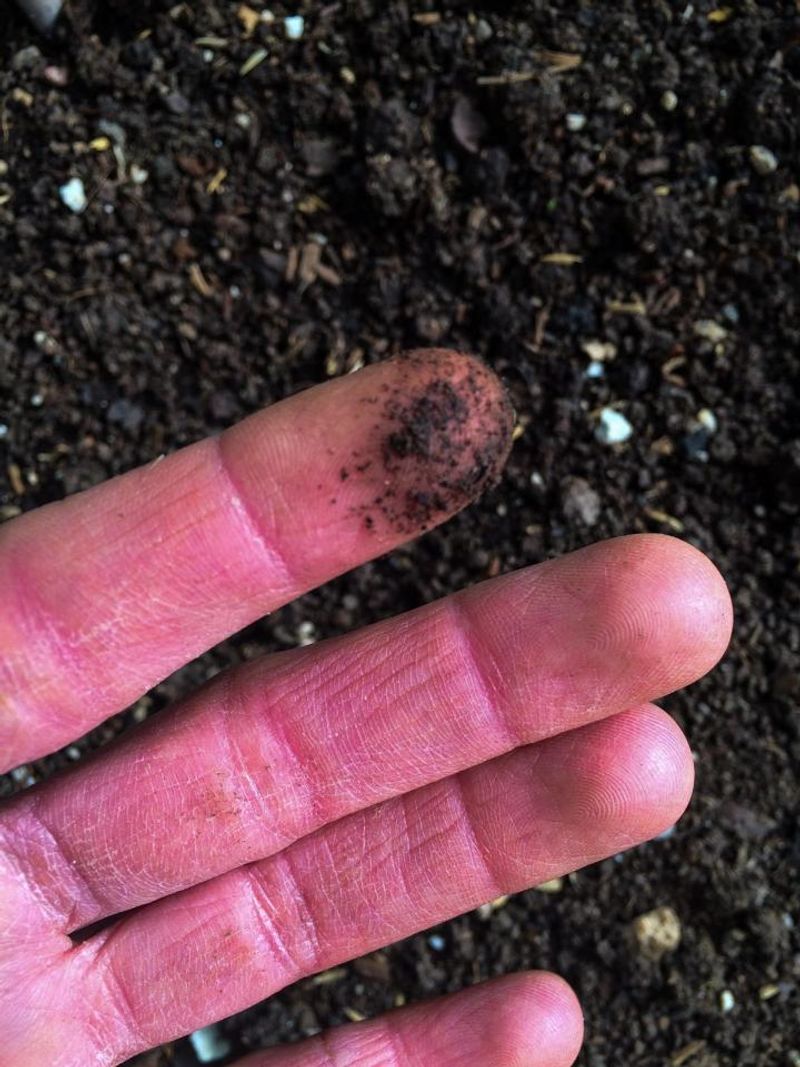
Watering on a fixed schedule without checking the soil first is one of the most common habits that leads to overwatered green beans.
Soil moisture varies from week to week based on rain, temperature, humidity, and how much the plants are actively growing.
A schedule that worked well in June may be too much or too little by mid-July.
The finger test is straightforward and reliable. Pressing a finger about two inches into the soil near the base of the plant gives a quick read on what is happening below the surface.
If the soil feels moist at that depth, watering can wait. If it feels dry, it is time to water thoroughly and let the moisture soak down into the root zone.
Some Ohio gardeners use a simple moisture meter for raised beds or container plantings, which removes any uncertainty about what the soil feels like at different depths.
Either approach works better than guessing based on how the surface looks, since the top layer of soil dries out much faster than the root zone below.
Checking soil moisture before every watering session is a small habit that leads to noticeably better green bean results, especially during the mid-summer stretch when Ohio heat and unpredictable rain make conditions harder to predict.
9. Steady Moisture Supports Better Pods
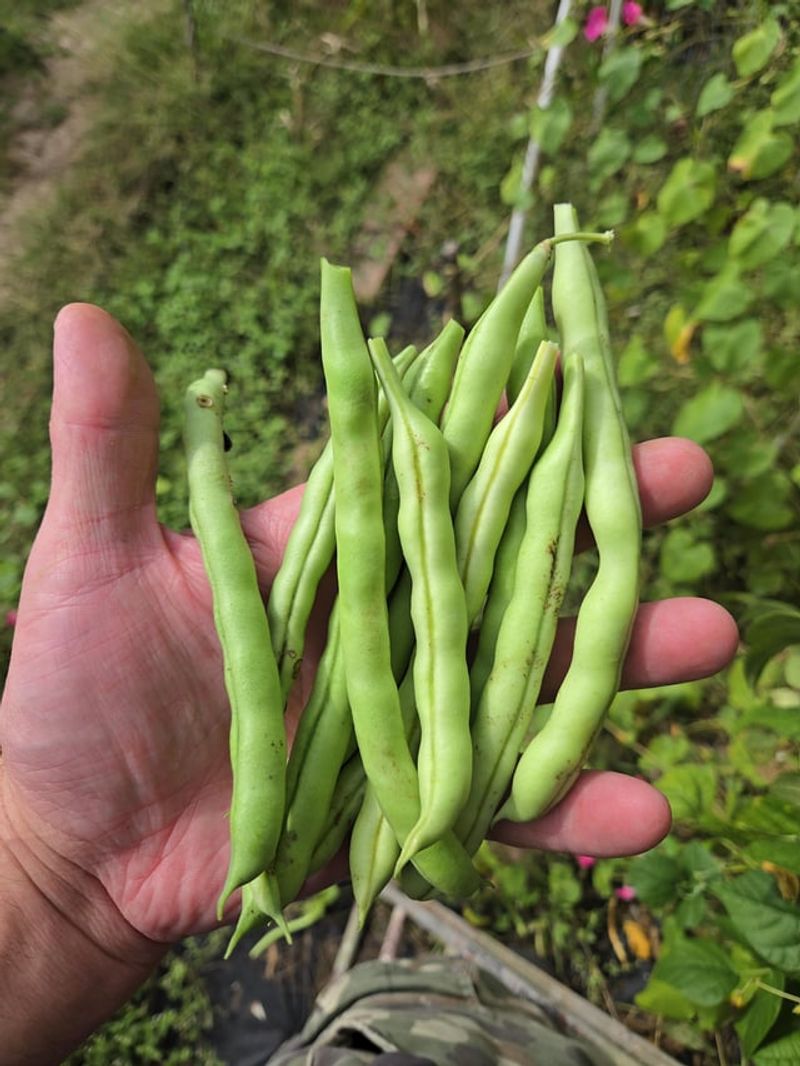
Pod development is the stage where consistent soil moisture matters most for Ohio green beans. From the moment flowers appear through the time pods reach full size, the plant is working hard and needs a steady supply of water to fill those pods evenly.
Dry spells during this window can lead to fewer pods, smaller beans, or pods that are tough rather than tender.
The key word is steady rather than heavy. Flooding the soil after a dry stretch can be just as disruptive as letting it dry out too long.
Swinging between very dry and very wet soil causes stress that shows up in pod quality and overall plant performance. Keeping soil moisture relatively even throughout the growing season gives plants the stability they need to keep producing.
Ohio green bean gardeners who combine deep watering, good mulching, and regular soil checks tend to see the most consistent harvests.
The goal is not to water more but to water smarter, making sure each session delivers enough moisture to reach the root zone without leaving soil waterlogged.
When those conditions come together, green bean plants in Ohio backyard gardens can produce well across multiple pickings, giving home gardeners a longer and more satisfying harvest window through the heart of summer.