Bring These Tender Georgia Porch Plants Indoors Before The First Frost
Those colorful porch plants that thrived through summer may need a change of scenery before the first cold night catches them outside.
Tender tropical plants can suffer damage when temperatures drop near freezing. Waiting until leaves begin wilting from cold exposure may already be too late.
The challenge is knowing which plants need protection and when to move them.
Georgia’s fall temperatures can vary considerably between northern and southern areas, making local forecasts more useful than the calendar alone. Some container plants need shelter earlier than others.
Before carrying anything indoors, inspect the foliage and potting soil for unwanted insects.
Moving plants inside also means adjusting their care to different light and humidity conditions. Give them time to settle into their new environment rather than expecting summer growth to continue unchanged.
1. Tropical Hibiscus Needs Protection From Freezing Temperatures
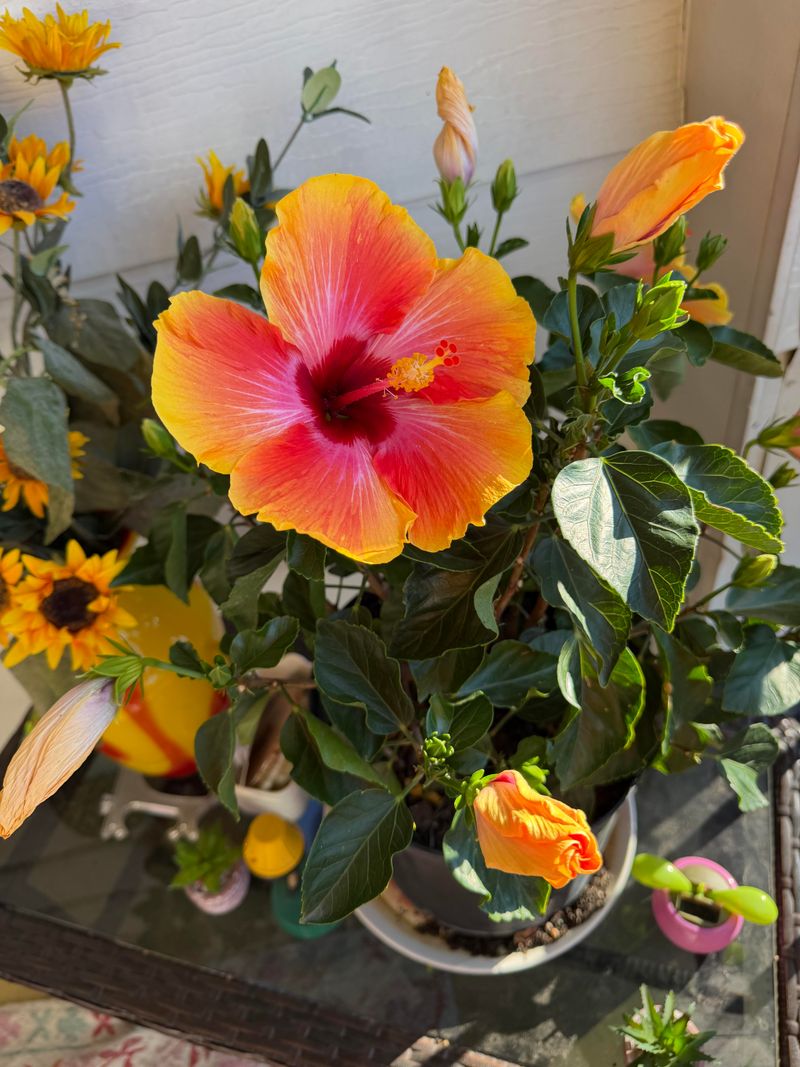
Big, glossy flowers make tropical hibiscus a porch favorite, but frost can wreck it fast. Unlike the hardy perennial hibiscus some neighbors grow in the ground, this one comes from warm regions and handles cold poorly.
Many growers move it inside once nights begin dipping into the 40s, before frost becomes a threat.
Before carrying the pot in, look closely under the leaves for whiteflies, aphids, and spider mites. A strong spray of water outdoors can knock off many pests, and insecticidal soap may help with heavier problems.
Sunlight matters most once it is inside.
A south-facing or west-facing window usually works well, though blooms may slow down in winter. Some yellow leaves and dropped buds are normal while the plant adjusts to lower light.
Water less often in winter, letting the top inch or so of soil dry between drinks. Soggy soil in a cool room can lead to root problems.
Hold off on heavy feeding until spring growth picks up again, since the plant is growing slowly indoors.
Gardeners in coastal Georgia sometimes keep hibiscus outside longer, but a surprise cold snap can still cause damage. Covering it overnight helps in a pinch, yet bringing it inside is the safer choice once freezing weather is forecast.
2. Mandevilla Cannot Survive A Hard Freeze Outdoors
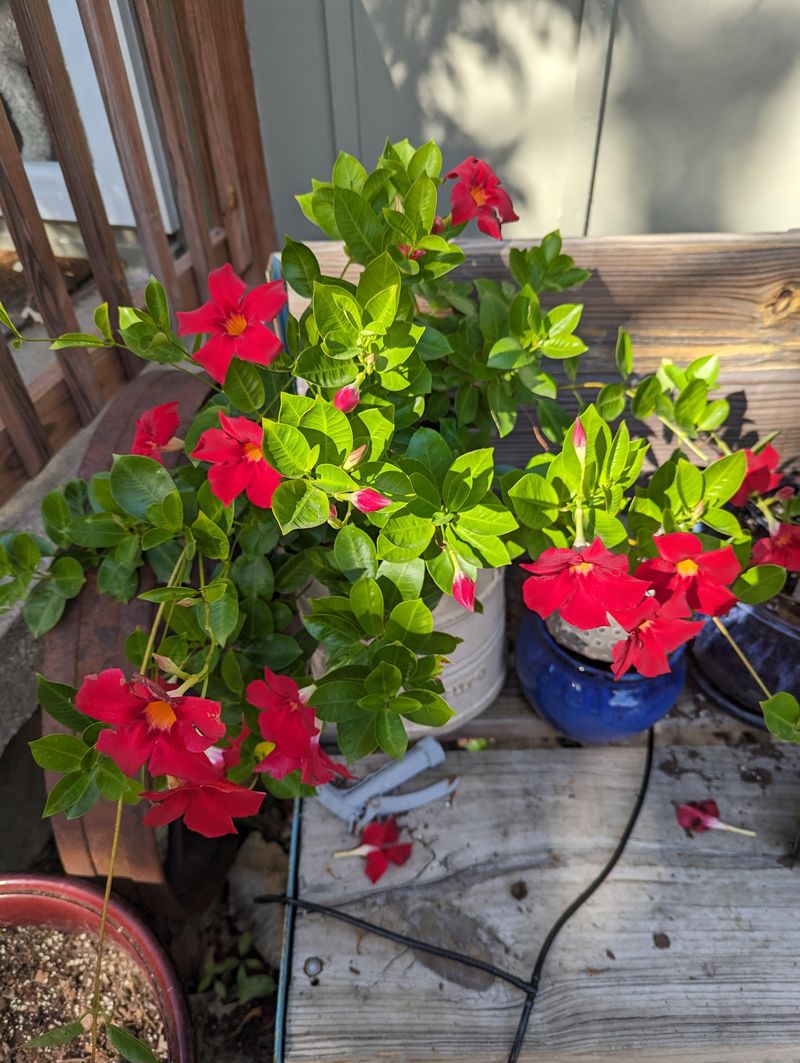
Pink trumpet flowers climbing a porch post can stop people in their tracks. Mandevilla is a tropical vine, and a hard freeze outdoors will usually ruin it in most of Georgia.
Fortunately, overwintering it inside is fairly manageable.
Start by trimming the vine back so it fits indoors without sprawling across the room. Cutting it to a manageable size also makes pest inspection much easier.
Spider mites and mealybugs like to hide on mandevilla stems. Check leaf joints carefully, and rinse the plant before moving it.
Bright light near a sunny window gives it the best shot at staying green.
Some gardeners choose a different path and let the plant go mostly dormant in a cool spot that stays above freezing, like a garage that holds steady temperatures. In that case, water sparingly and expect many leaves to fall.
Either method can work, depending on your space and how much light you have available.
Your Georgia Garden Changes Every Week. Your Plan Should Too.
Gardening in Georgia changes quickly throughout the season. Every Friday you’ll receive a simple weekly plan showing exactly what to plant, prune, fertilize, harvest, and protect so you never miss the right timing.
Overwatering is a common mistake during winter. Let the soil dry somewhat between waterings, especially if the room runs cool.
Once spring nights warm up reliably, move it back outside gradually. Easing it into sunlight over a week or so helps prevent leaf scorch.
3. Boston Ferns Need Shelter Before Frost Damages Their Fronds
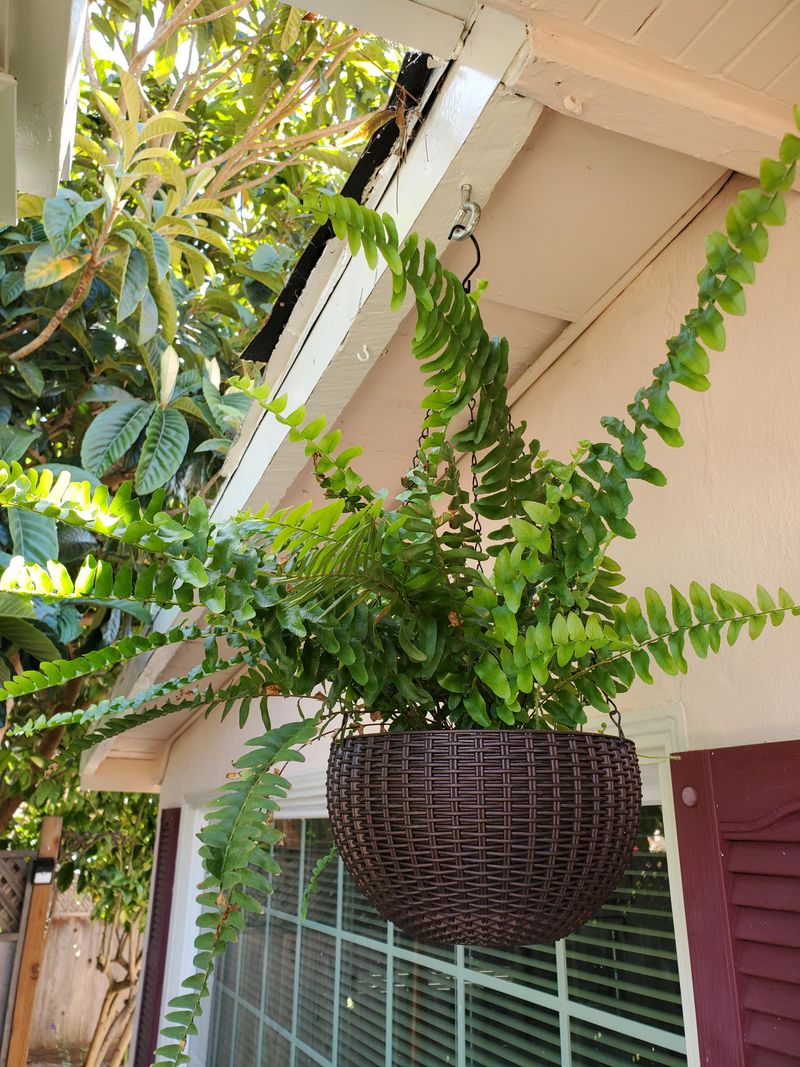
Hanging baskets of Boston ferns are practically a Southern porch tradition. Frost, however, can brown those feathery fronds overnight.
Bringing them in takes some thought, because ferns often struggle with dry indoor air.
Heated homes in winter tend to have low humidity, which can cause fronds to yellow and shed little leaflets. Setting the pot on a tray of pebbles and water, or grouping it with other plants, may help a bit.
Shake the basket gently outdoors before moving it. You may find fallen leaflets, spiders, or other hitchhikers you would rather leave outside.
Trimming back long, tired fronds can make the plant easier to handle inside.
Bright, indirect light works best, since harsh direct sun through glass can scorch the fronds. An east-facing window is often a good match.
Keep the soil lightly moist but not soaking wet.
Some gardeners in Georgia skip the hassle and store ferns in an unheated but frost-free garage or shed, watering only occasionally. The ferns may look rough by spring, yet they often push out fresh growth once warm weather returns.
Results vary, so if space allows, a bright spare room usually gives the healthiest outcome.
4. Coleus Quickly Suffers Damage When Frost Arrives
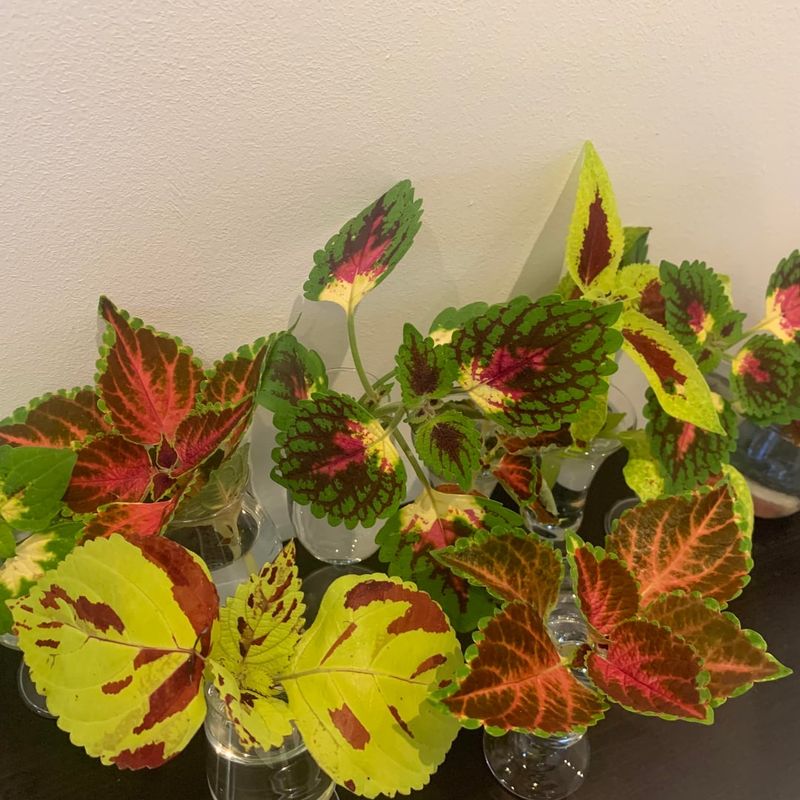
Coleus may be the first porch plant to show cold damage. Even chilly nights above freezing can make its leaves droop, and frost usually turns them limp and blackened.
Bringing an entire large pot indoors is one option, but cuttings are often easier.
Snip a few healthy stem tips about four to six inches long, just below a leaf node. Strip off the lower leaves and set the stems in a glass of water or moist potting mix.
Roots often form within a couple of weeks.
Small rooted cuttings fit nicely on a windowsill and take up far less space than an overgrown summer plant. They also tend to adjust to indoor life more easily.
Give them plenty of bright light, or the stems may stretch and the colors can fade. Pinching the tips now and then keeps them bushy.
Watch for mealybugs, which can show up on indoor coleus as small white fuzzy spots.
Flower spikes may appear in winter. Pinching them off helps the plant focus on leaves.
By spring, you may have plenty of young plants ready for Georgia containers again. Wait until nights stay warm before setting them outside, since coleus dislikes cold soil and chilly air.
5. Crotons Need Warm Conditions To Keep Their Colorful Leaves
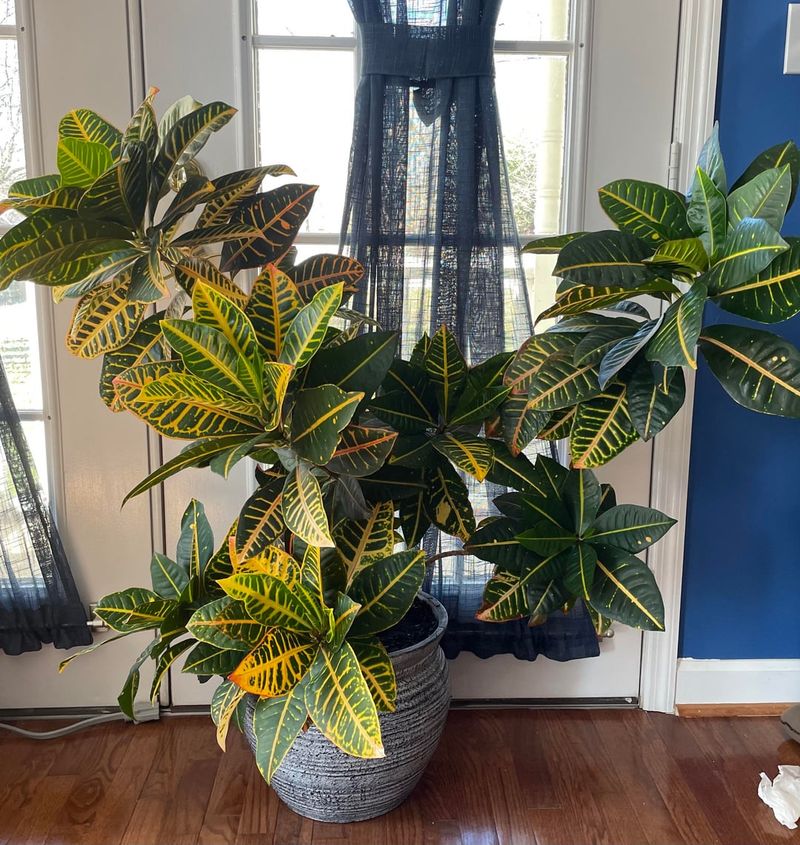
Red, orange, and gold leaves give crotons a fiery look that few other porch plants can match. Cool weather is where things go wrong.
Crotons are tropical shrubs that dislike chilly air well before frost arrives. Leaf drop can begin once nights turn cool, so earlier is usually better when moving them inside.
Expect some leaves to fall anyway.
Crotons are known for sulking after a move, and a dramatic leaf drop can happen even when you do everything right. Keep caring for the plant, and new growth often appears with time.
Light is the biggest factor in keeping those colors bright. A sunny window gives the best results, while dim rooms may cause newer leaves to come in greener.
Spider mites love dry indoor air and crotons alike. Look under leaves for fine webbing or tiny specks, and wipe the foliage now and then.
Water when the top of the soil feels dry, but avoid letting the pot sit in water.
Keep the plant away from cold drafts near doors and from blasts of heat from vents. Steady conditions help it settle.
Gardeners in South Georgia may enjoy crotons outdoors a bit longer in fall. Even there, a cold snap can damage them, so watch the forecast closely.
6. Caladium Tubers Need Protection From Winter Cold
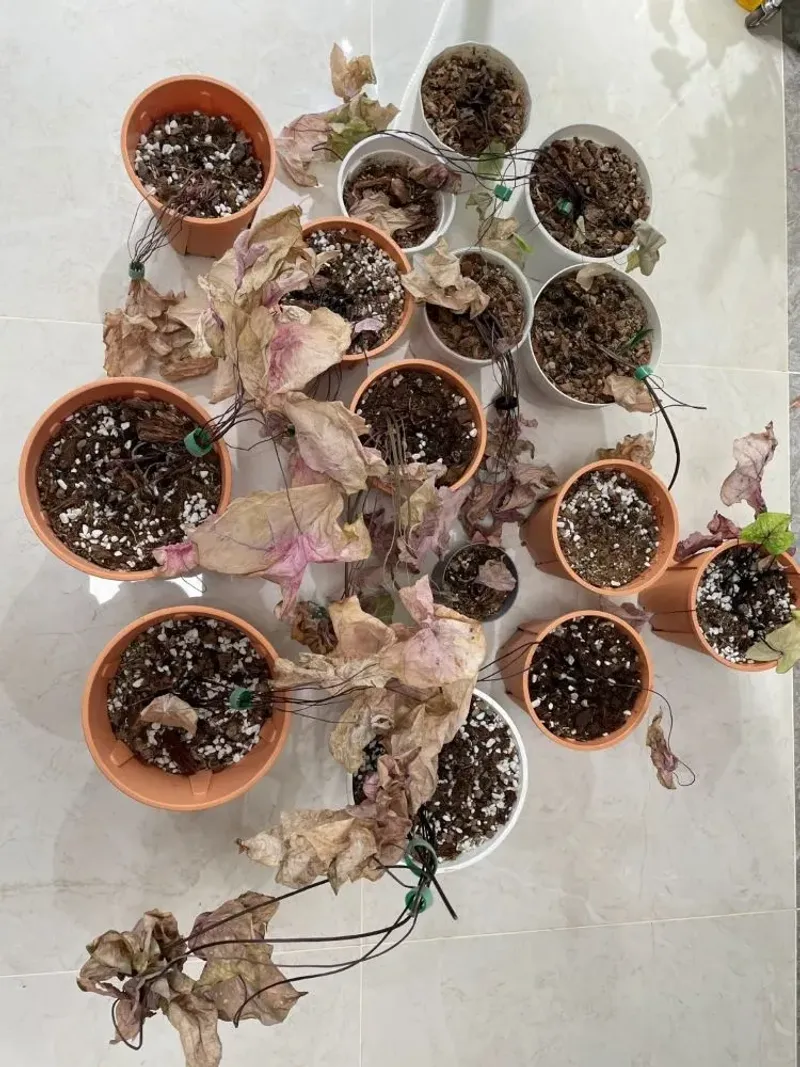
Caladium leaves start fading on their own as fall cools down, and that is perfectly normal. The real treasure sits underground in the tubers.
Caladiums go dormant when temperatures drop, and cold, wet soil can cause tubers to rot. In much of Georgia, digging them up is a common way to save them for next year.
Wait until the foliage begins yellowing, then lift the tubers gently with a garden fork.
Brush off loose soil and let them dry for several days in a warm, airy spot out of direct sun. Once dry, trim away old leaves and roots.
Store the tubers in dry peat moss, wood shavings, or a mesh bag. A spot that stays warm is important, since caladium tubers do not like cold storage.
Avoid places like an unheated garage that might get chilly.
Potted caladiums can be simpler. Some gardeners just stop watering, let the foliage fade, and store the whole pot somewhere warm and dry indoors.
Check stored tubers once in a while for soft or moldy spots. Toss any that look mushy so problems do not spread.
Replant in spring after the soil has truly warmed. Tubers set out too early in cool ground often sit idle or rot.
7. Begonias Need Indoor Protection When Temperatures Drop
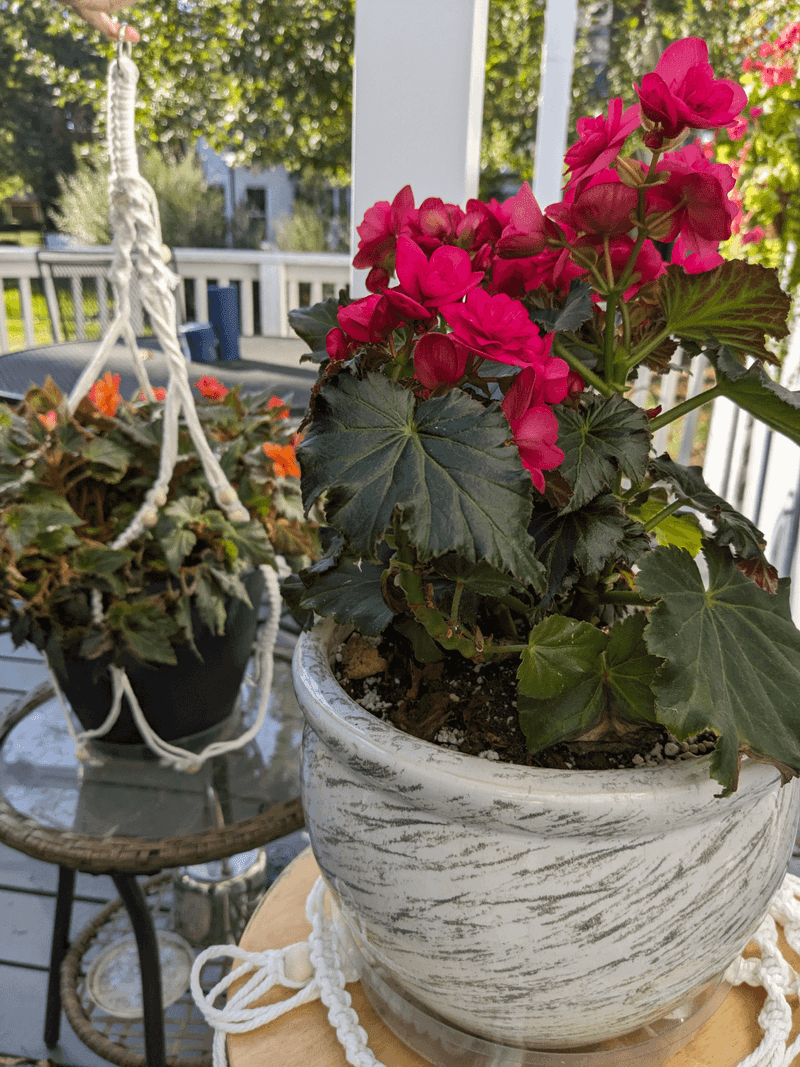
Some begonias are easy to carry into winter, while others are better treated as annuals. Knowing which type you have saves a lot of guesswork.
Angel wing, rex, and many other fibrous or cane begonias often do well as houseplants.
Bring them in before frost, and check stems and leaves for mealybugs, aphids, and spider mites. Removing faded flowers and damaged leaves also helps prevent fungal problems indoors.
Bright, indirect light suits most of these plants. Rex begonias in particular can scorch in strong direct sun.
Overwatering is a frequent trouble spot.
Let the top layer of soil dry before watering again, since begonias can rot in constantly wet soil. Good air movement around the plant helps reduce powdery mildew.
Tuberous begonias work differently. Many gardeners let their foliage fade in fall, then store the tubers in a cool, dry place until spring.
Wax begonias are often grown as bedding plants and replaced each year, but potted ones can sometimes be kept inside on a sunny sill.
Across Georgia, begonias are a shade-garden staple, so saving favorites can stretch your budget. Plants that look leggy by late winter can be trimmed back, and the cuttings often root easily for extra plants.
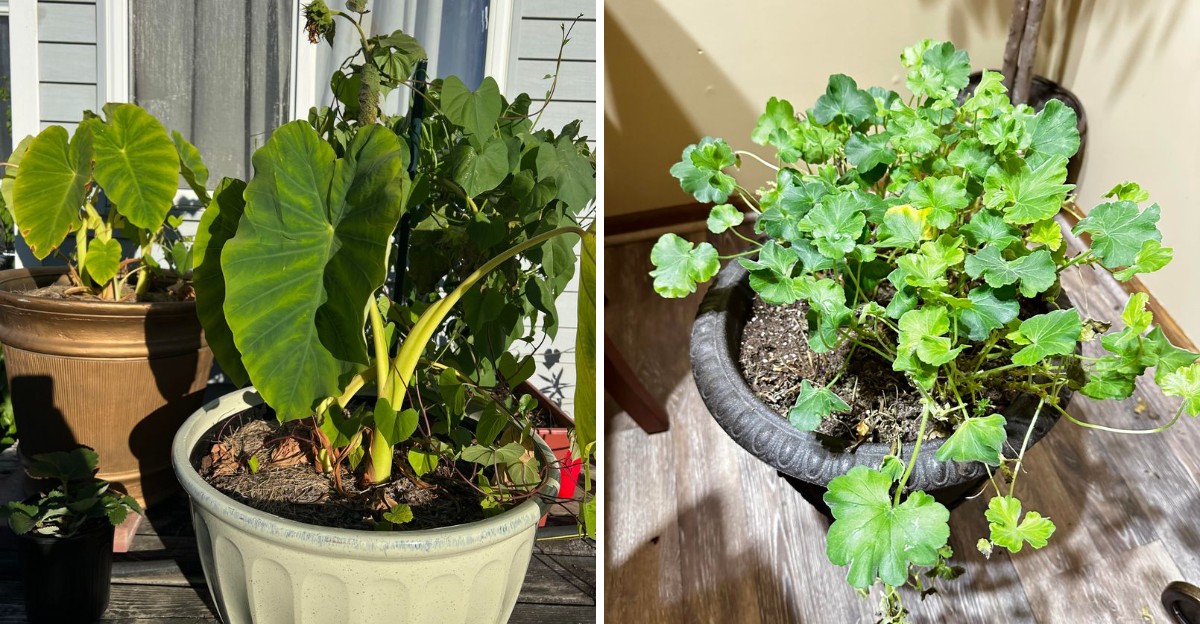
8. Geraniums Can Spend Winter Indoors With Proper Care
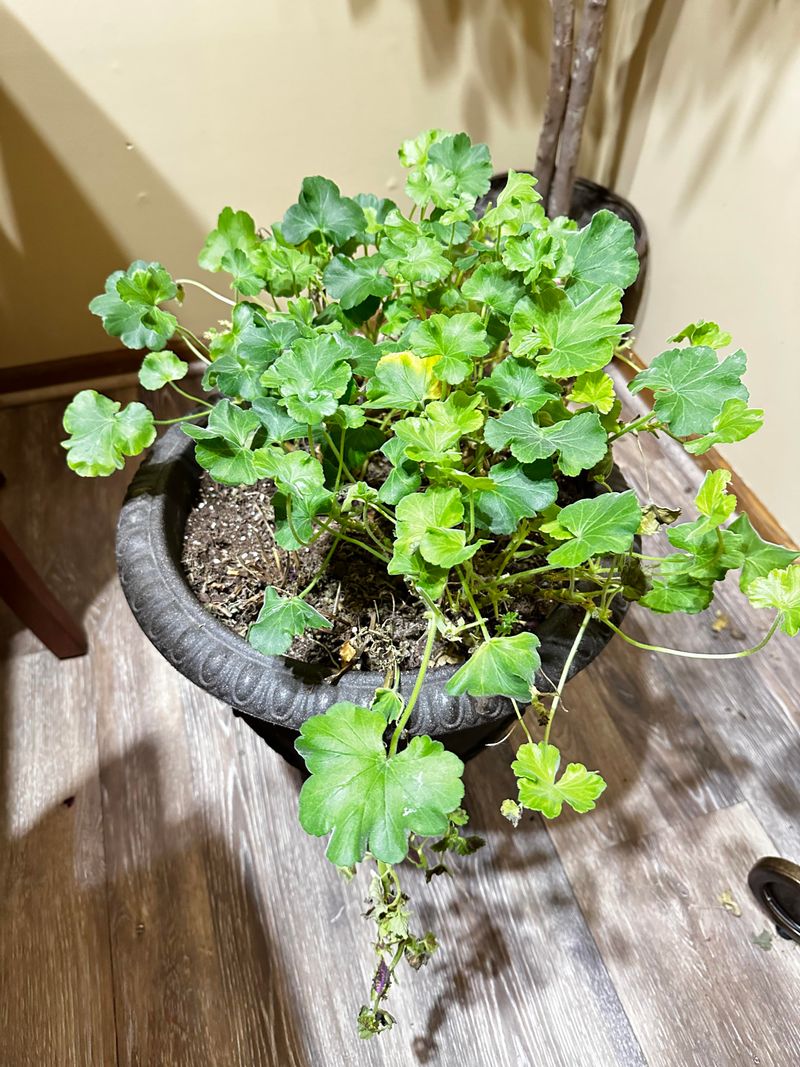
Grandma’s trick of keeping geraniums alive through winter still works today. Common zonal geraniums are tender and can be damaged by a hard freeze, yet they adapt to indoor life fairly well.
Gardeners usually pick one of three methods.
Potted plants can move straight to a sunny window. Trimming them back by about a third first makes them tidier and encourages fresh, compact growth.
Cuttings are another favorite approach. Stem tips a few inches long often root in moist potting mix, and they take up very little space.
Old-timers sometimes use a third route, which involves pulling plants, shaking off soil, and storing them bare-root in a cool, dry place.
Results with bare-root storage can be mixed, so checking plants for shriveling or mold during winter is wise. A light soak now and then may help if stems look too dry.
Indoors, geraniums like plenty of sun and soil that dries out between waterings. Cooler rooms usually suit them better than very warm ones.
Leggy stems are common by late winter in a Georgia home with short days. Pinch or trim them in early spring, and the plants should bush out again before heading back to the porch.
9. Elephant Ears Need Protection From Freezing Weather
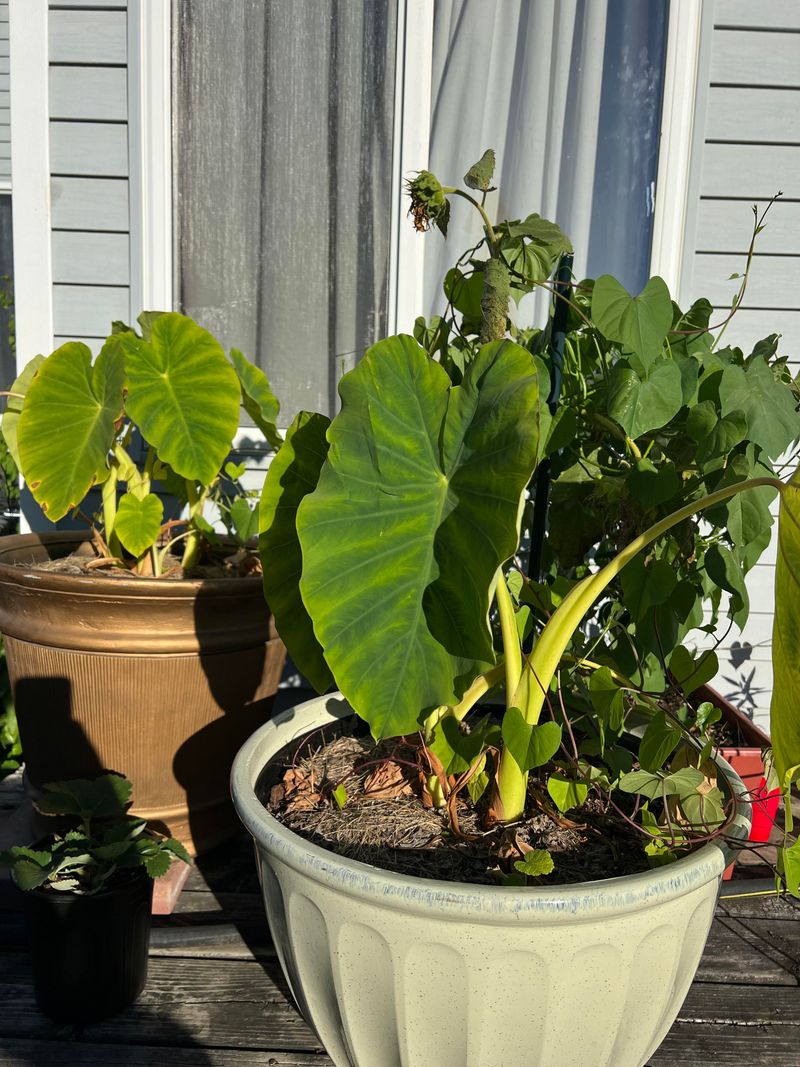
Few plants make a bold statement like elephant ears with leaves as big as a serving tray. Their cold hardiness, though, depends heavily on the type you grow.
Some common green Colocasia types may come back in warmer parts of Georgia when left in the ground with a thick layer of mulch. Many fancy dark-leaved varieties and most Alocasia types are more sensitive.
Potted plants are the ones most at risk, since roots in containers get colder than roots in the ground.
Once frost blackens the leaves, cut the foliage back and dig up the corms or tubers. Let them dry for a few days before storing.
Keep stored bulbs in dry peat moss or a paper bag somewhere that stays cool but frost-free. Check them every few weeks and remove any that turn soft.
Smaller Alocasia plants can sometimes be grown as houseplants instead.
Give them bright, indirect light and steady warmth. Expect some leaf loss, and watch closely for spider mites in dry indoor air.
Northern areas with colder winters make digging especially worthwhile. Replant once spring soil warms, and growth often takes off quickly with summer heat.