What Happens When North Carolina Gardeners Wait Too Long To Divide Overgrown Hostas
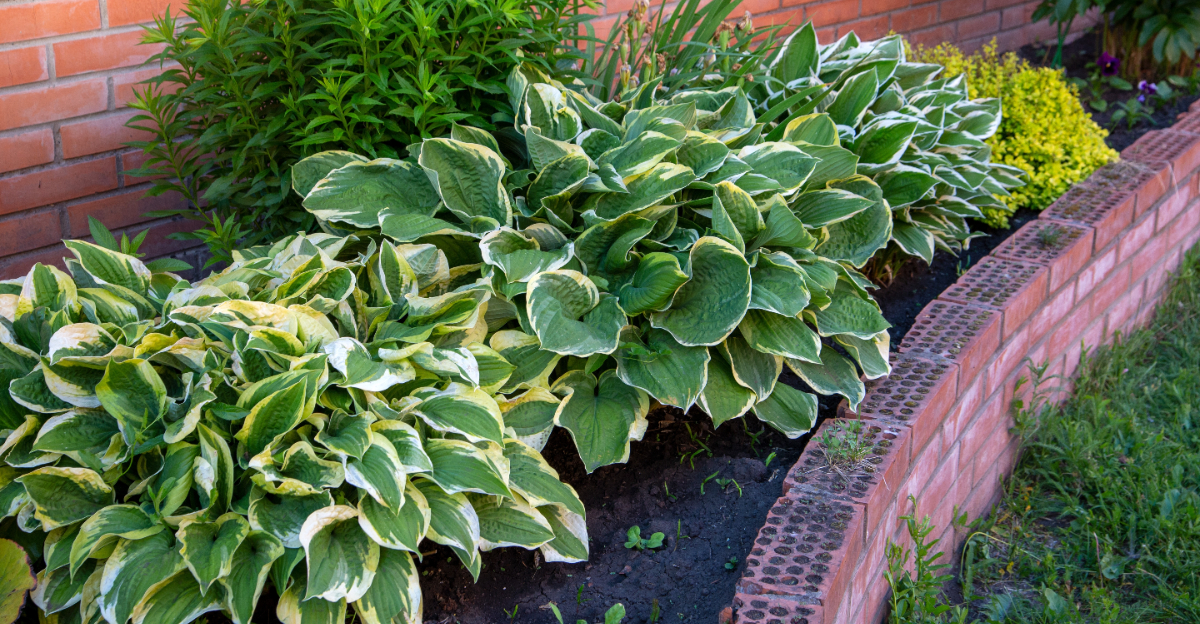
Hostas are forgiving plants in a North Carolina shade garden, and that forgiving nature is exactly what gets gardeners into trouble with them. Because they keep coming back year after year without much complaint, it is easy to leave them alone longer than you should.
The signs that a clump has outgrown its space are subtle at first. The center starts to look thin, the leaves get smaller than they used to be, and the whole plant loses the fullness that made it worth growing in the first place.
By the time the decline is obvious, the clump has usually been struggling for a couple of seasons. Waiting too long does not just affect how the plant looks.
It changes what is possible when you finally do decide to do something about it.
1. The Clump Gets Crowded In The Center
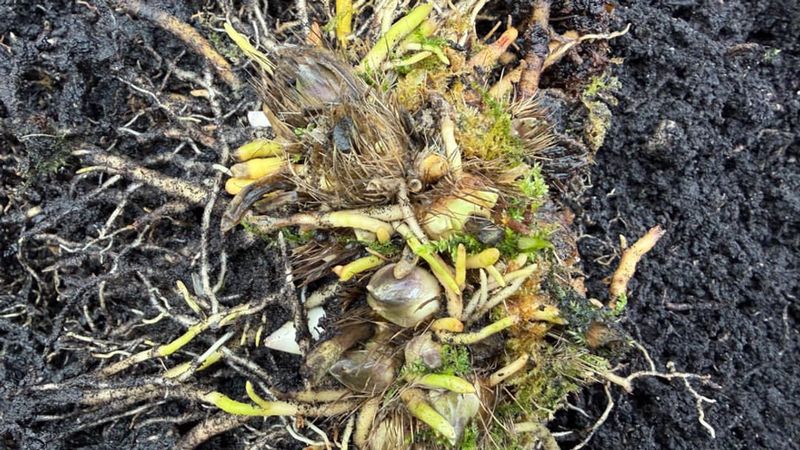
Picture a hosta clump so packed that barely any sunlight reaches the soil beneath it. That is exactly what happens when gardeners in North Carolina skip the dividing step for too many seasons in a row.
As the plant keeps growing outward, the center becomes a tangled mess of older growth that struggles to breathe.
The crowding happens gradually, so it can sneak up on you. One spring the plant looks full and lush, and the next it looks like a green traffic jam.
Hostas naturally spread from the center outward, which means the middle section gets the least resources over time. Nutrients, water, and light all have a harder time reaching those inner leaves.
North Carolina summers bring heat and humidity that make this problem worse. A crowded center traps warmth and moisture, creating conditions that stress the plant.
Dividing every three to five years gives each section enough room to grow strong and healthy. Grab a sharp spade in early spring before the leaves fully emerge, and you will have a much easier time separating the clump into manageable sections.
Your hostas will reward you with fuller, more vibrant growth almost immediately after replanting.
2. Leaves Become Smaller Over Time
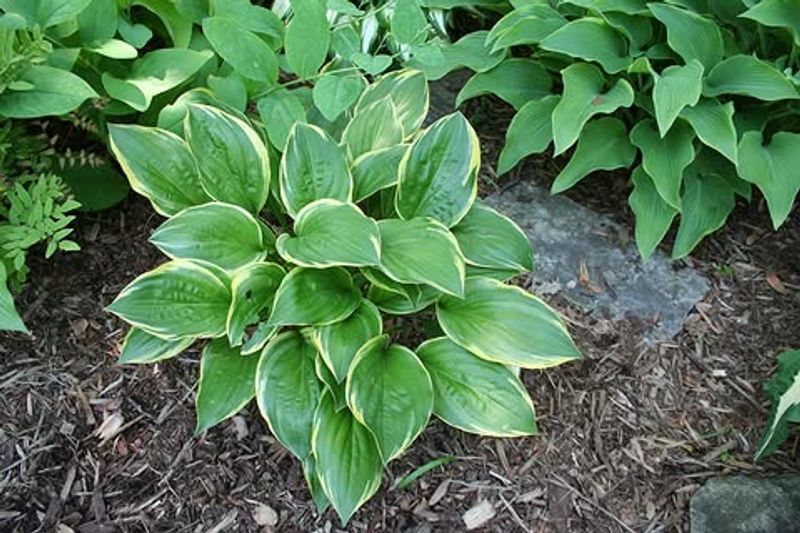
One of the first signs that a hosta is overdue for dividing is a noticeable change in leaf size. Gardeners who have had the same clump for years often notice that the gorgeous, dinner-plate-sized leaves they once admired start looking more like side dishes.
It is a gradual shift, but once you spot it, you cannot unsee it.
When a hosta clump becomes too dense, the plant spreads its energy thin trying to support all that growth at once. Each individual shoot gets less water, fewer nutrients, and reduced access to whatever filtered light reaches the shaded bed.
The result is leaves that are noticeably smaller and sometimes thinner than they used to be.
For North Carolina gardeners who grow large-leaf varieties like Sum and Substance or Blue Angel, this can be especially frustrating. You planted those varieties for their bold, dramatic foliage, and watching them shrink feels like a step backward.
The good news is that dividing the clump resets the plant. Once each division has its own space, root system, and access to nutrients, the leaves bounce back quickly.
Your North Carolina Garden Changes Every Week. Your Plan Should Too.
Gardening in North Carolina changes quickly throughout the season. Every Friday you’ll receive a simple weekly plan showing exactly what to plant, prune, fertilize, harvest, and protect so you never miss the right timing.
Many gardeners are amazed at how fast a freshly divided hosta returns to producing those big, beautiful leaves they fell in love with in the first place.
3. The Plant May Develop A Bare Middle
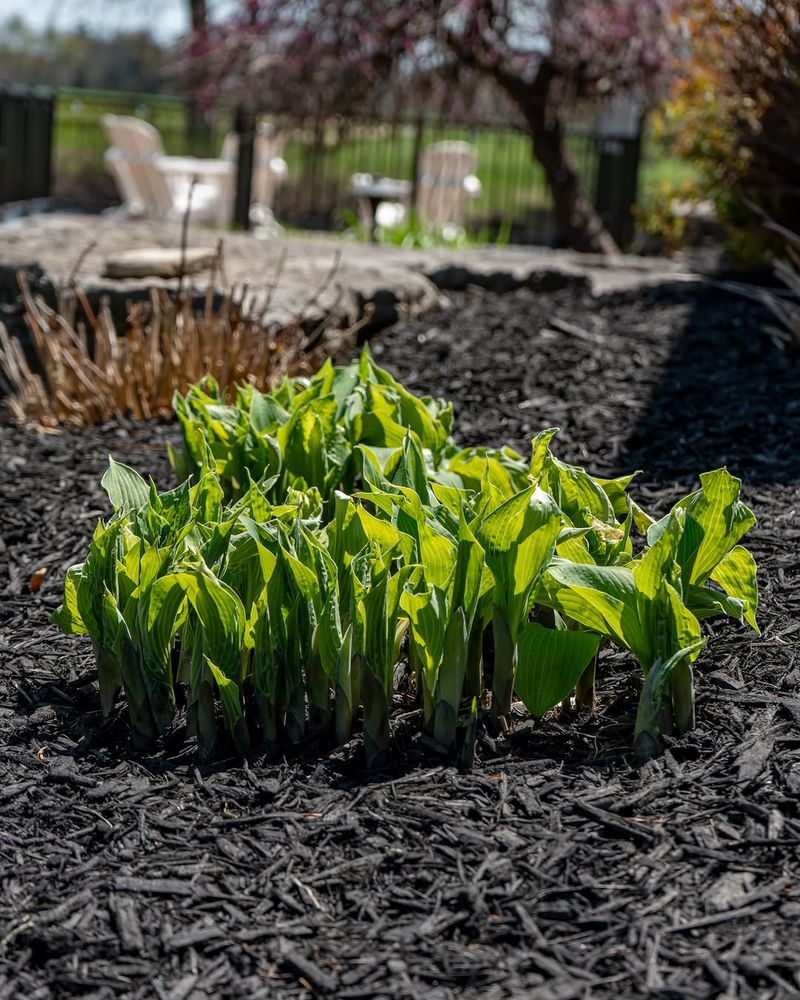
A healthy hosta should look full from edge to edge, but an overgrown one tells a very different story. Over time, the center of a neglected clump can thin out and even go completely bare while the outer edges still look lush.
It creates a donut-shaped plant that looks more like a problem than a garden feature.
This bare middle effect happens because the oldest growth sits at the center of the clump. As hostas age, those original crowns become woody and less productive.
The plant keeps pushing new growth toward the outer edges where there is more room, leaving the center behind. In North Carolina woodland gardens, where hostas often grow under large hardwoods, this pattern shows up especially clearly.
Some gardeners try to cover the bare spot with mulch or nearby plants, but that is just a temporary fix. The real solution is to lift the entire clump, remove the tired center section, and replant the healthy outer divisions.
Think of it like renovating a house. You keep what works and replace what does not.
Once you replant the vigorous outer sections with fresh compost mixed into the soil, you will have a full, beautiful clump again within one growing season. It is one of those garden tasks that feels like a big effort but delivers a huge payoff.
4. Flower Stalks May Be Fewer Or Weaker
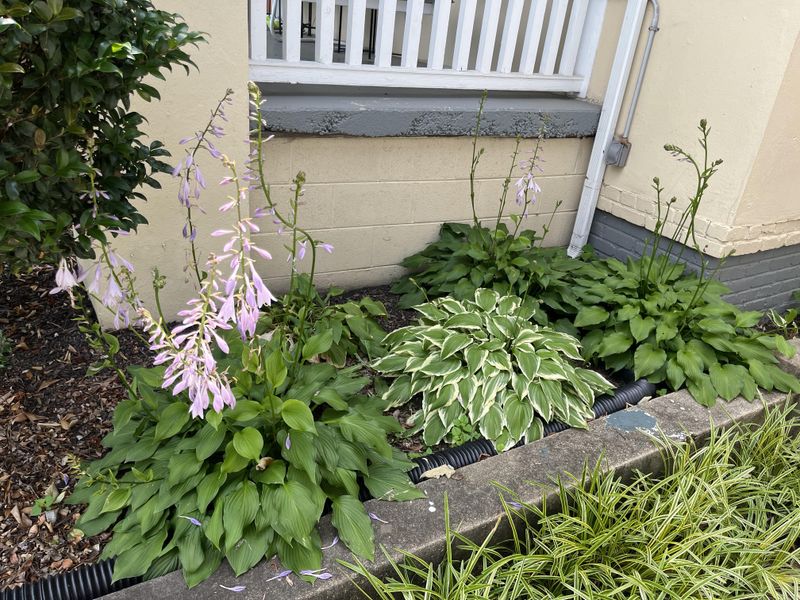
Hosta flowers might not be the main reason most gardeners grow them, but those tall, elegant stalks topped with lavender or white blooms add something special to a shaded border.
When a clump gets too crowded, one of the first things to suffer is flower production. Stalks become fewer, shorter, or simply never show up at all.
Flowering takes energy, and an overgrown hosta is already stretching its resources across too many crowns. Rather than sending up strong blooms, the plant focuses on basic survival.
In North Carolina, where hostas push out flower stalks from late spring into summer, a well-divided plant tends to bloom more reliably and more impressively than one that has been left alone for too long.
If you have noticed that your hosta used to flower every year but has become stingy with its blooms lately, overcrowding is worth checking as a possible cause. After dividing, most hostas return to regular flowering within a season or two.
Planting each division in soil enriched with compost and keeping up with consistent watering through North Carolina’s dry summer spells makes a big difference.
Healthy plants with enough room to grow strong root systems are simply better equipped to put on a good floral show. A little maintenance goes a long way toward keeping those blooms coming back year after year.
5. Airflow Around The Crown Gets Worse
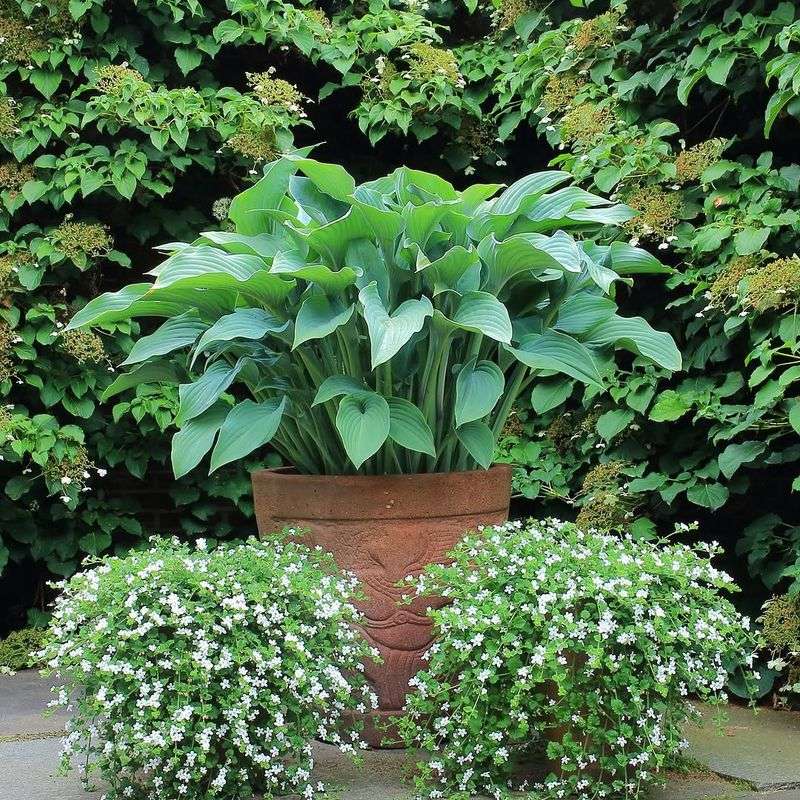
North Carolina summers are no joke. The combination of heat, high humidity, and frequent rain creates a challenging environment for plants that are already stressed.
When hosta leaves grow so thick and dense that air cannot move freely between them, the crown of the plant stays damp for longer than it should, and that sets the stage for a range of problems.
Good airflow is one of those things gardeners do not think about until something goes wrong. In a well-spaced planting, air moves through the foliage, drying out moisture after rain or irrigation.
But in a packed, overgrown clump, that airflow disappears. The crown and surrounding soil stay wet, and the plant sits in conditions that promote rot and other issues over time.
Dividing the clump opens everything up again. When each division is replanted with proper spacing, air can circulate freely, and the crown dries out between watering sessions the way it should.
Most hosta experts recommend spacing divisions at least two to three feet apart depending on the variety. In the humid Piedmont and Coastal Plain regions of North Carolina, giving hostas room to breathe is not just a cosmetic choice.
It is a practical one that keeps the plant in better overall shape throughout the long, steamy growing season. Good spacing is one of the simplest ways to set your hostas up for long-term success.
6. Slug And Snail Damage Can Become More Noticeable
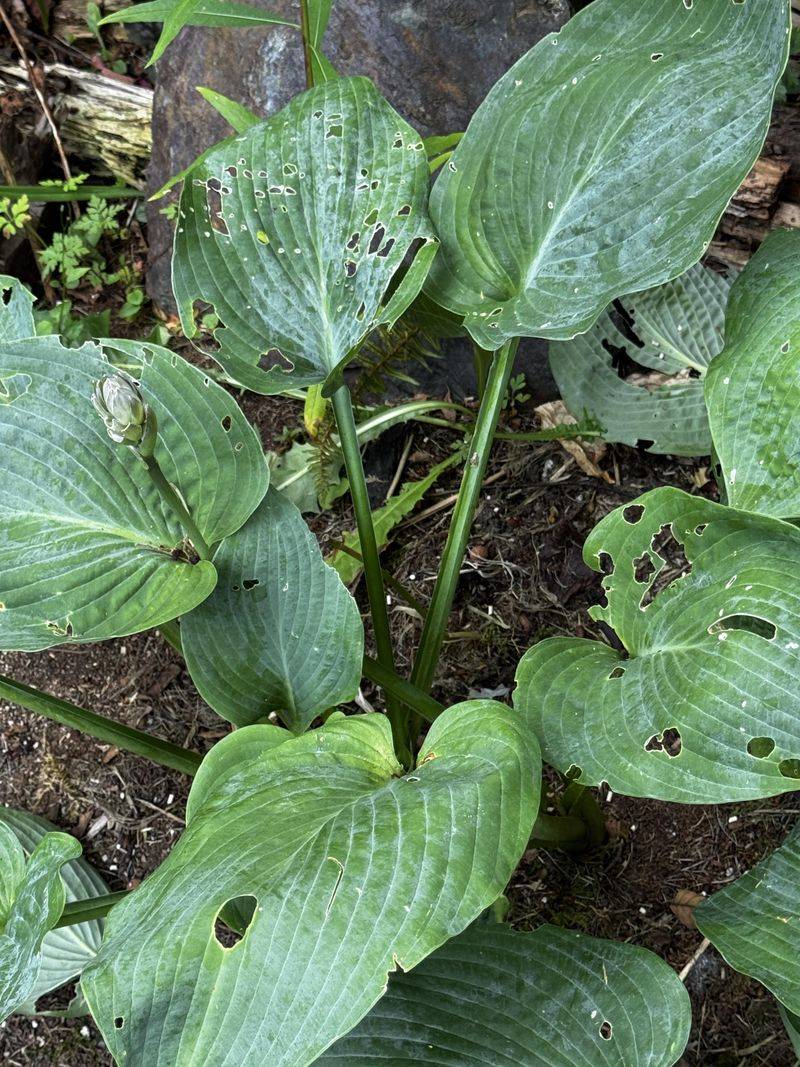
Slugs and snails have a well-earned reputation as the number one pest of hostas, and North Carolina gardeners know this struggle firsthand.
These soft-bodied creatures thrive in damp, shaded conditions and love nothing more than a big, dense hosta clump where they can hide during the day and feed at night. An overgrown clump basically rolls out the welcome mat for them.
When leaves are packed tightly together and the mulch beneath them stays consistently moist, slugs have the perfect setup. They shelter under the dense canopy, move through the plant at night chewing irregular holes through the leaves, and retreat before sunrise.
The damage is unmistakable: ragged, Swiss-cheese-style holes that make even a beautiful hosta look rough around the edges.
Dividing the clump removes a lot of that ideal hiding habitat. With fewer leaves crowding together and better airflow reaching the soil, the conditions slugs love become less hospitable.
You can also take a few extra steps after dividing, like switching to a coarser mulch that dries out faster, or using iron phosphate-based slug bait, which is safe for pets and wildlife.
Checking the garden in the early morning and removing slugs by hand is surprisingly effective too.
Keeping your hostas properly divided is one of the easiest ways to reduce slug pressure without relying heavily on chemical controls throughout the growing season.
7. Fungal Leaf Problems Can Spread More Easily
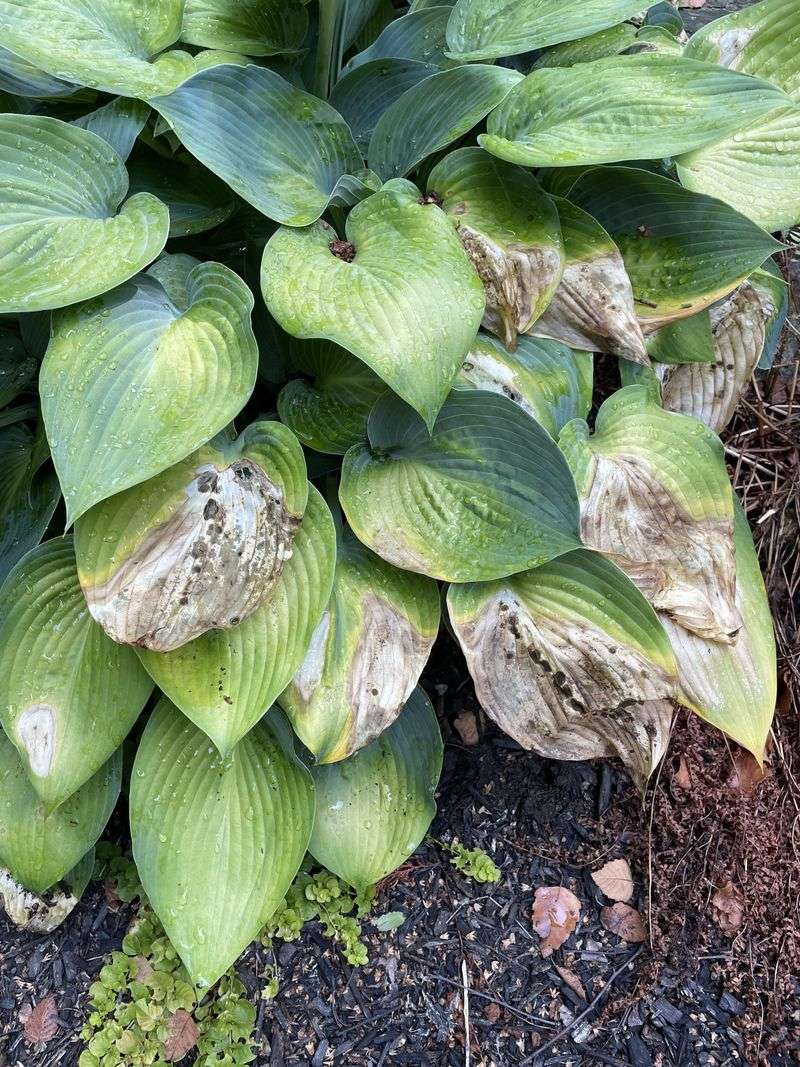
Fungal issues are one of the sneakiest problems in the garden because they often start small and look like minor cosmetic damage before they become something more serious.
In a crowded hosta clump, fungal spores have everything they need to thrive: moisture, shade, and leaves pressed close together with nowhere for air to move through.
North Carolina’s warm, humid climate creates ideal conditions for several fungal problems that affect hostas. Anthracnose, for example, shows up as large irregular brown spots with darker borders on the leaves.
Petiole rot, caused by a soil-dwelling fungus called Sclerotium rolfsii, is another issue that spreads quickly in warm, wet conditions and hits crowded plantings especially hard during the summer months.
When leaves overlap and touch each other constantly, a fungal problem that starts on one leaf can transfer to the next with ease. Dividing the clump and spacing the sections properly creates a much less friendly environment for these pathogens.
After replanting, avoid overhead watering if possible and water at the base of the plant instead. Removing any visibly affected leaves and disposing of them away from the garden also helps prevent spores from cycling back into the soil.
Healthy spacing paired with mindful watering habits makes a noticeable difference in how often fungal problems appear in your North Carolina shade beds throughout the season.
8. Roots Become Harder To Separate Cleanly
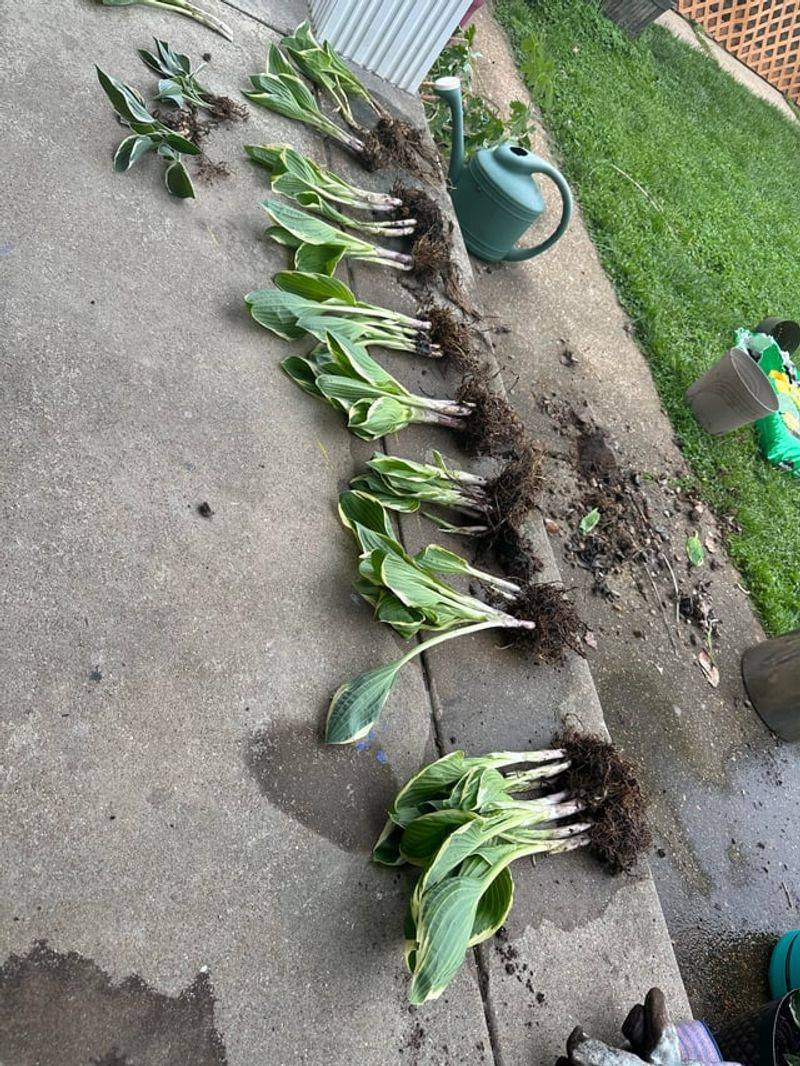
There is a big difference between dividing a hosta that is three years old and one that has been sitting in the same spot for a decade. The younger clump practically falls apart into neat sections with a little encouragement.
The older one feels more like trying to untangle a ball of Christmas lights that has been sitting in a box for ten years.
Hosta roots are fleshy and fibrous, and over time they weave together into a dense, compressed mass. North Carolina clay-loam soils add another layer of challenge because they compact around roots and make the whole clump feel like it was poured into concrete.
Getting a shovel under a large, established clump requires real effort, and the roots often tear rather than separate cleanly when they have been left too long.
Clean cuts and clean separations matter because ragged root damage takes longer to recover from. When you divide a hosta every three to five years, the roots are manageable.
A sharp spade or a sturdy garden fork does the job without too much drama. Waiting much longer than that means you might need a pruning saw or even two people working together to lift and separate the clump.
Soaking the soil the day before you plan to divide makes lifting easier and reduces the stress on both you and the plant.
9. Dividing Takes More Effort Later
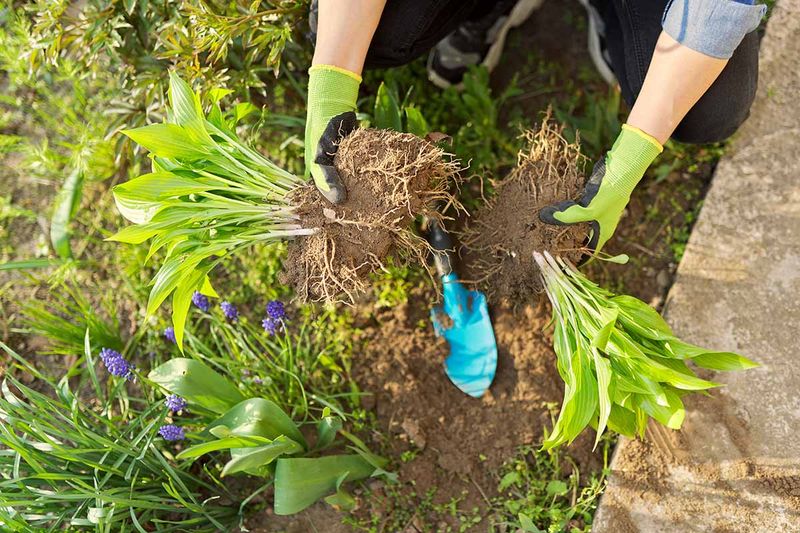
Gardening tasks have a funny way of multiplying in difficulty the longer you put them off. Dividing a hosta at the right time is a manageable afternoon project.
Dividing one that has been growing unchecked for eight or ten years can turn into a full weekend ordeal that leaves your back sore and your patience tested.
An overgrown clump can weigh significantly more than a younger one. The root mass becomes dense and heavy, especially in North Carolina’s clay-heavy soils where roots grip the ground tightly.
You may need a heavy-duty garden fork, a sharp spade, a pruning saw for the toughest sections, and possibly a second set of hands just to get the thing out of the ground in one piece.
Beyond the physical effort, there is also the challenge of figuring out where to cut. A well-timed division shows clear crowns that are easy to identify and separate.
An overgrown clump is a jumbled tangle where the crowns are hard to distinguish from one another. Cutting in the wrong spot means losing viable growth that could have become a healthy new plant.
Starting the habit of dividing every three to five years keeps the task simple, manageable, and actually enjoyable. You end up with extra plants to share with neighbors, fill in bare spots, or pot up as gifts, which makes the effort feel completely worthwhile.
10. Nearby Plants Get Crowded Out
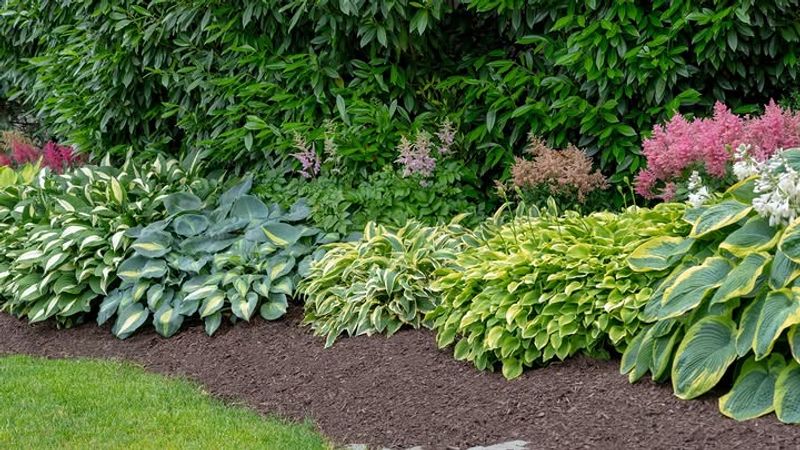
Hostas are generous growers, and that is part of their charm. But a clump that has been allowed to expand without any management will eventually start pushing into the personal space of every other plant in the bed.
Ferns, astilbes, coral bells, and other shade-loving companions can find themselves squeezed, shaded out, or completely swallowed up by an aggressive hosta that has outgrown its lane.
In North Carolina shade gardens, where gardeners often layer multiple perennials together for a lush, layered look, this kind of territorial takeover can undo years of careful planning.
A hosta that started as a tidy two-foot mound can spread to four feet or more across when left to its own devices.
That kind of expansion leaves very little room for anything else nearby.
Keeping hostas divided on a regular schedule gives you control over how much space they take up. You get to decide where the boundaries are rather than letting the plant make that decision for you.
After dividing, take a moment to reassess the spacing of everything in the bed. Move companion plants back into positions where they have room to grow, and consider whether the divisions you are replanting will have adequate space over the next few years.
A well-planned shade bed with properly managed hostas stays looking intentional and layered rather than chaotic and overgrown as the seasons go by.
11. The Plant Recovers More Slowly After Division
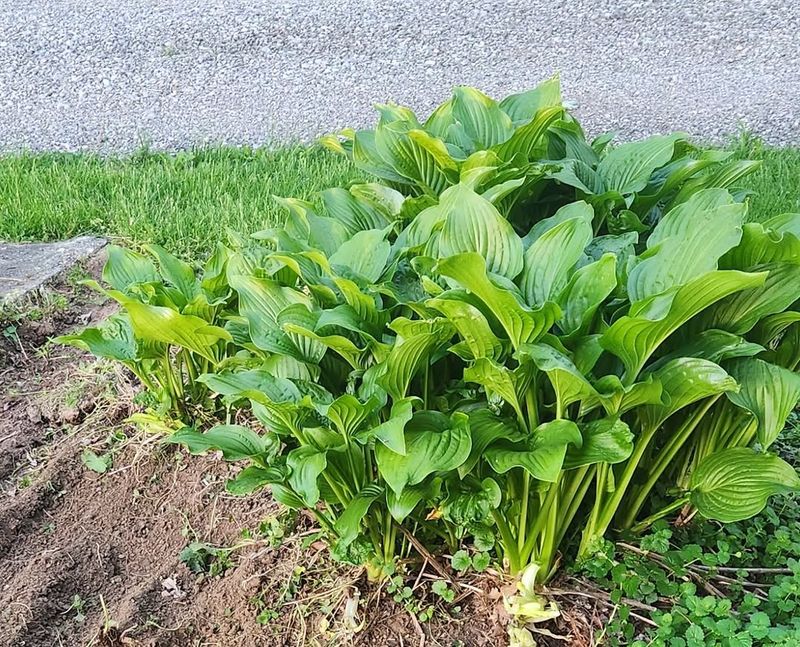
Every hosta goes through a short recovery period after being divided, and that is completely normal. The leaves may droop a little, and the plant looks like it needs some encouragement for the first week or two.
But there is a noticeable difference between the recovery time of a freshly divided younger clump and one that was severely overgrown before the gardener finally got around to it.
When roots have been compressed and tangled for years, the trauma of division hits harder. The plant has less energy stored in its tissues, fewer healthy feeder roots to pull moisture from the soil, and more overall stress to deal with all at once.
In North Carolina’s warm summers, that stress compounds quickly because heat draws moisture out of the leaves faster than a weakened root system can replace it.
Dividing at the right time, ideally in early spring just as the shoots emerge or in early fall, gives the plant the best conditions for a quick recovery. Amending the soil with compost before replanting helps roots reestablish faster.
Watering deeply every few days during the first few weeks is essential, especially during warm spells. Keeping the divisions shaded and protected from strong afternoon sun speeds up the process too.
The bottom line is simple: the sooner you divide, the easier the recovery. Waiting longer only makes the comeback slower and more uncertain.
12. The Bed Starts Looking Messy Instead Of Layered
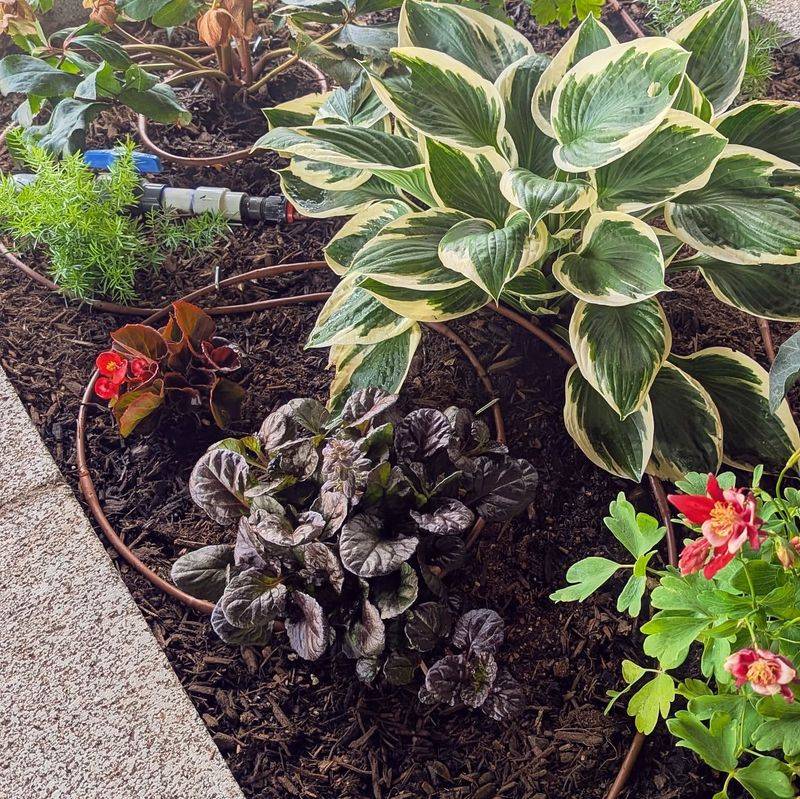
A well-designed shade garden has a certain rhythm to it. Taller plants in the back, medium ones in the middle, low growers along the edge, and everything working together to create a sense of order and depth.
Overgrown hostas have a way of disrupting that rhythm in a hurry. When clumps get too large, they start to blur the lines between layers and make the whole bed look like it got away from you.
Leaves flop over pathways, crowd out neighbors, and create an uneven, lumpy look that feels more accidental than intentional.
In North Carolina suburban gardens where curb appeal matters, an out-of-control shade bed full of oversized hostas can make even a well-maintained yard look a little neglected.
The design you worked hard to create slowly disappears under all that extra growth.
Regular division is one of the easiest ways to maintain the look and structure of a shade garden over time. When each hosta stays within a reasonable size, the bed keeps its layered, intentional appearance season after season.
Dividing also gives you the opportunity to rethink the layout. Maybe one variety has grown too large for its original spot, or maybe you want to shift things around to improve the overall composition.
Either way, staying on top of division keeps your North Carolina shade garden looking sharp, polished, and exactly the way you envisioned it when you first planted it.