What To Do With Potted Elephant Ears Before Ohio Nights Turn Cold
Every October, Ohio curbs fill up with one of the priciest mistakes in the garden.
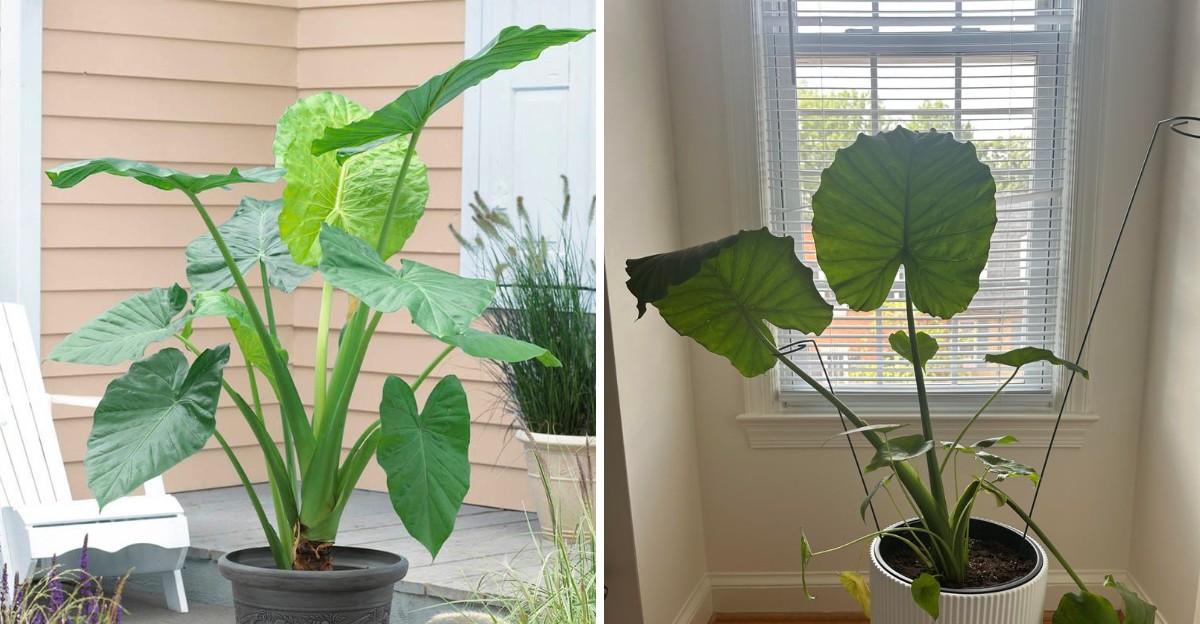
Elephant ears. Big, tropical showstopper plants that cost $20, $30, sometimes $50 a pot at the nursery.
Most people treat them like petunias. They enjoy them for one summer, let the cold knock them flat, then toss the rest and buy new ones in May.
That plant was never a one-season fling.
Kept alive through winter, an elephant ear comes back bigger every year. The tuber swells.
The stems thicken. Give it a few seasons, and the leaves can stretch as wide as a card table. The catch is the calendar. Once Ohio nights slip into the 40s, the clock starts.
And the method matters as much as the date. One wrong move can rot a prized plant from the inside out.
Do it right, and next summer your neighbors will all stop and stare.
1. Move Elephant Ears Inside Before Cold Sets In
Ohio weather loves a surprise twist, like a sunny 70-degree afternoon followed by a 38-degree night. Your tropical plant does not enjoy that kind of plot twist one bit.
Elephant ears come from warm, steamy places, so chilly air hits them hard. Leaves can start to suffer once temperatures slip below 50°F, even without any frost.
Bring the pot indoors before temperatures approach the point where cold damage becomes a concern, especially if a freeze is forecast. In much of Ohio, that moment often arrives from late September to mid-October.
Keep a weather app handy and check the ten-day forecast each morning. When you spot a string of nights in the low 40s, it is time to act.
Big pots can be heavy, so plan the move before the rush. A hand truck, a sturdy friend, or a plant caddy with wheels makes the trip much easier.
Some gardeners bring plants into a garage for a few days first. That short stop helps the plant adjust from outdoor air to the drier air inside your home.
If you plan to store the corms instead, dig them up before hard freezes settle in for good. Waiting too long can leave the underground parts soft and damaged.
Think of it like bringing in a pet before a storm. A little early effort saves you from a lot of worry later.
2. Choose Between Houseplant Growth And Dormancy
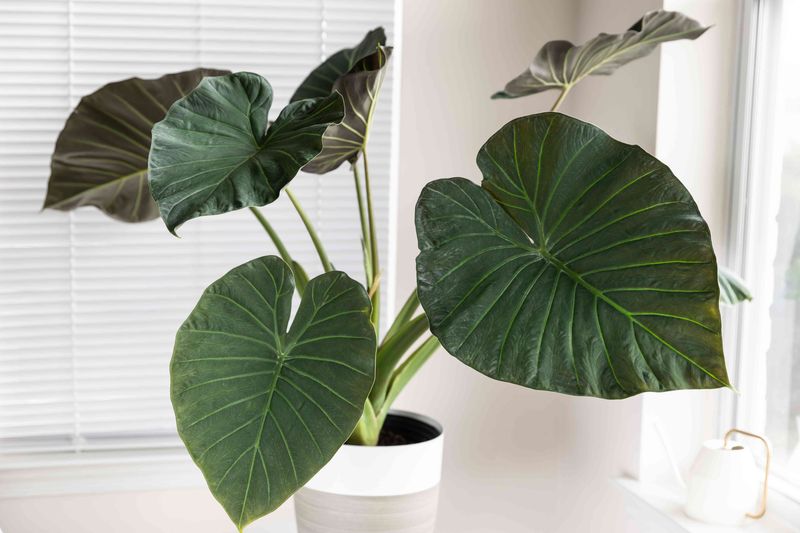
Every elephant ear owner in Ohio faces a fork in the road each fall. One path keeps your plant green and growing, while the other lets it take a long winter nap.
Option one is treating it like a houseplant. You keep it in its pot, set it in a warm room, and care for it much like a fern or pothos.
That route works best if you have a sunny spot and a home that stays above 60°F. Elephant ears also love humidity, so a bathroom or kitchen area can help.
Option two is dormancy, where the plant rests until spring. You can let the pot sit quietly in a cool spot or dig out the corms and store them bare.
Your Ohio Garden Changes Every Week. Your Plan Should Too.
Gardening in Ohio changes quickly throughout the season. Every Friday you’ll receive a simple weekly plan showing exactly what to plant, prune, fertilize, harvest, and protect so you never miss the right timing.
Dormancy is great for busy families or homes with little window space. It takes less daily care, and you will not need to find room for giant leaves.
Here is a surprise. Even indoor plants may slip into rest on their own because winter days are short and dim.
So do not panic if your houseplant plan turns into a nap plan halfway through January. The plant is simply listening to the season.
Pick the path that fits your space, your schedule, and your patience. Both choices can bring back a healthy plant next summer.
3. Inspect The Leaves For Unwanted Pests
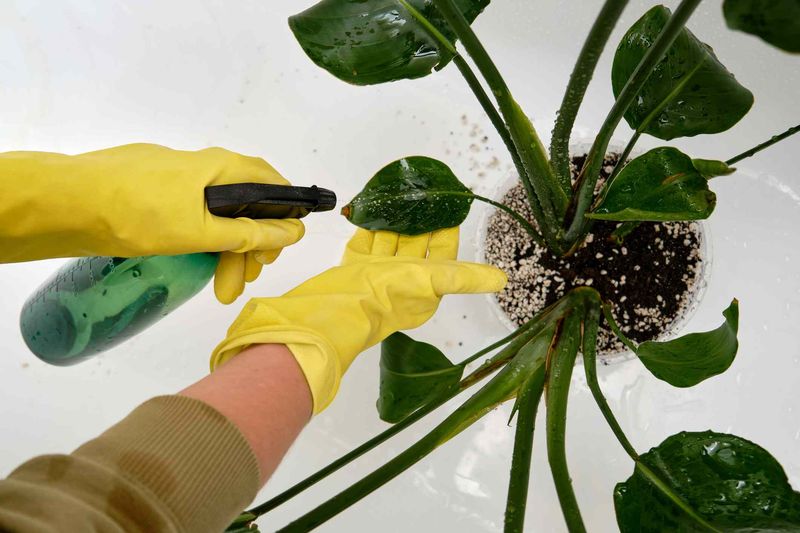
Grab a flashlight and put on your detective hat, because tiny stowaways love big leaves. Once they sneak indoors, they can spread to every houseplant you own.
The usual suspects include mealybugs, scale, aphids, and spider mites. Mealybugs look like small bits of white cotton tucked into leaf joints and stem bases.
Scale insects appear as little brown bumps that stick tight to stems. Aphids gather in soft green or black clusters, usually on fresh new growth.
Spider mites are harder to spot because they are so tiny. Look for fine webbing and speckled, dull patches on the leaf surface.
Check both the tops and the undersides of every leaf. Pests like to hide underneath, where the light is dim and the shade feels safe.
If you find pests, rinse the plant gently and use a product labeled for the specific pest and plant, following the label directions.
A careful ten-minute check now beats a month of battling bugs across your living room this winter. Your other houseplants, from the spider plant to the peace lily, will thank you.
4. Clean The Pot Before Bringing It Indoors
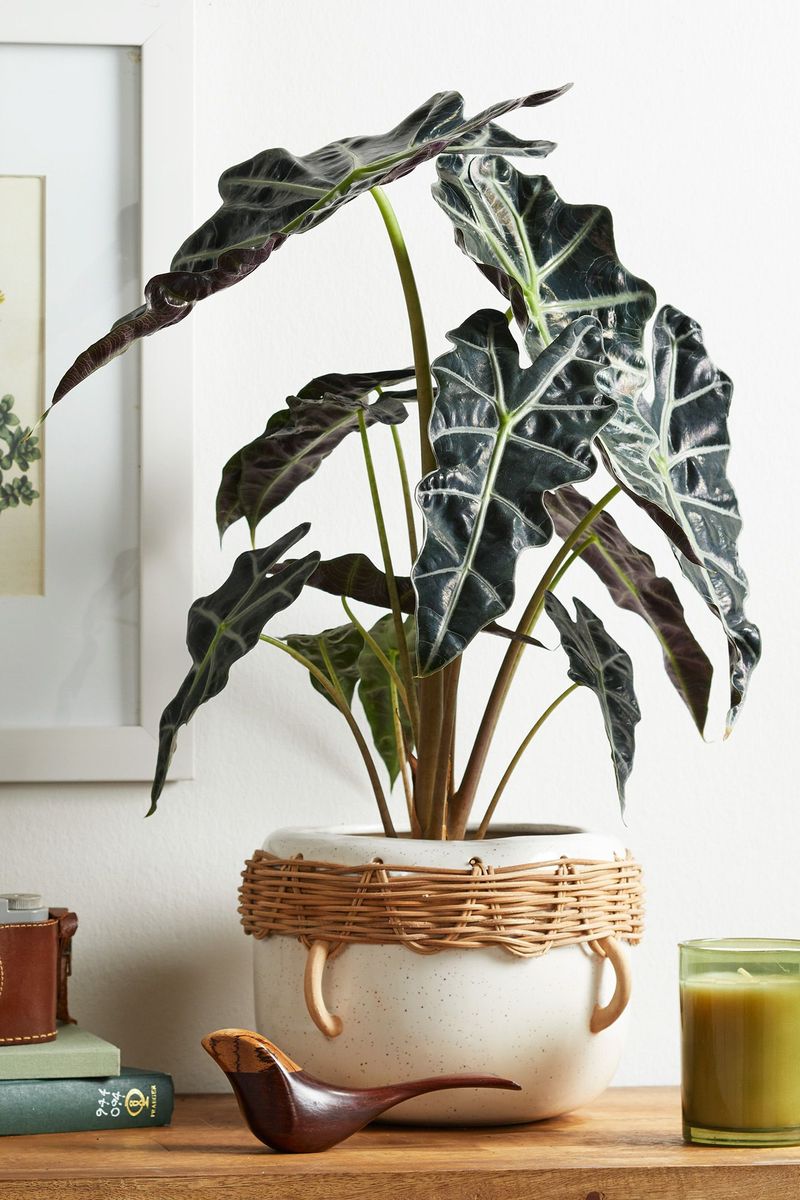
Nobody gets excited about scrubbing a flowerpot, but this chore packs a big payoff. A summer outdoors leaves pots covered in grime, mold spores, bug eggs, and hidden germs.
Bringing all that inside is like tracking muddy boots across a clean carpet. A quick cleanup keeps your home and your other plants much safer.
Start with the outside of a pot that still holds your plant. Brush off loose dirt, then wash the sides and bottom with warm, soapy water and a scrub brush.
Pay close attention to the drainage holes, the rim, and the saucer underneath. Snails, slugs, and earwigs love hiding in those dark, damp little spots.
Empty pots can get a deeper cleaning. Soak them for 10 to 15 minutes in one part household bleach mixed with nine parts water, then rinse well.
For empty pots, clean the inside and outside thoroughly with soap and water, then rinse and allow them to dry completely. If you disinfect a reusable pot, use an appropriate labeled disinfectant according to its directions.
Clay pots often have white, crusty mineral stains. A splash of vinegar mixed with water helps loosen that chalky buildup so it wipes away.
Wear gloves while you work, and keep bleach away from kids and pets. When the pot looks fresh and tidy, your leafy friend is ready to come inside.
5. Give Growing Plants Plenty Of Bright Light
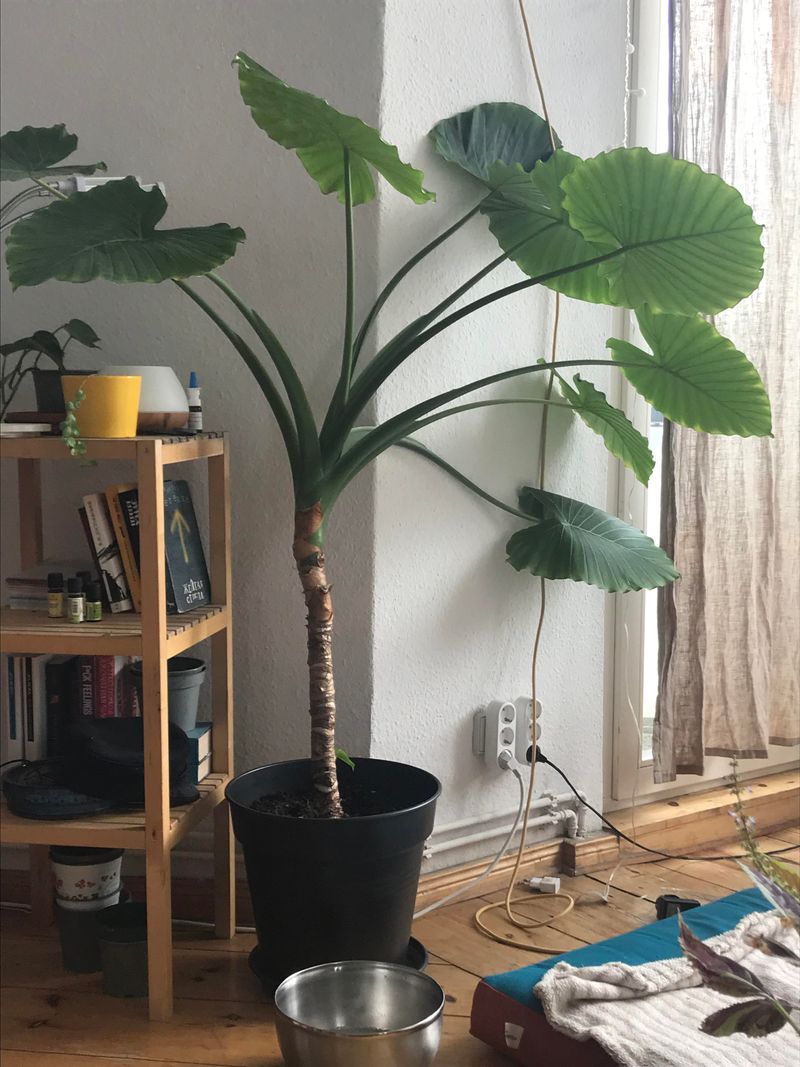
Think of light as the lunch money your elephant ear spends to grow new leaves. Indoors, winter sunshine gets stretched thin, so every bit of brightness counts.
Elephant ears prefer bright, indirect light, the kind that fills a room without blasting the leaves. An east-facing or north-facing window is often a sweet spot.
East windows give gentle morning sun that warms things up without burning. North windows offer steady, soft light all day long.
Only have a south or west window? Hang a sheer curtain to soften the strong afternoon rays.
Watch the leaves for clues about how the plant feels. Tall, stretched stems and smaller new leaves usually mean it is hungry for more light.
On the flip side, yellow or brown crispy patches can signal too much direct sun. Slide the pot back a few feet if you notice scorched spots.
Give the pot a quarter turn every week or so. That simple habit keeps the plant from leaning hard toward the window like a sunflower.
If your home feels dark in December, a grow light can fill the gap. Keep it on for about 12 hours a day for steady, healthy growth.
Dust also blocks light, so wipe big leaves with a damp cloth now and then. Clean leaves soak up far more of that precious winter glow.
6. Expect Foliage To Change After Relocation
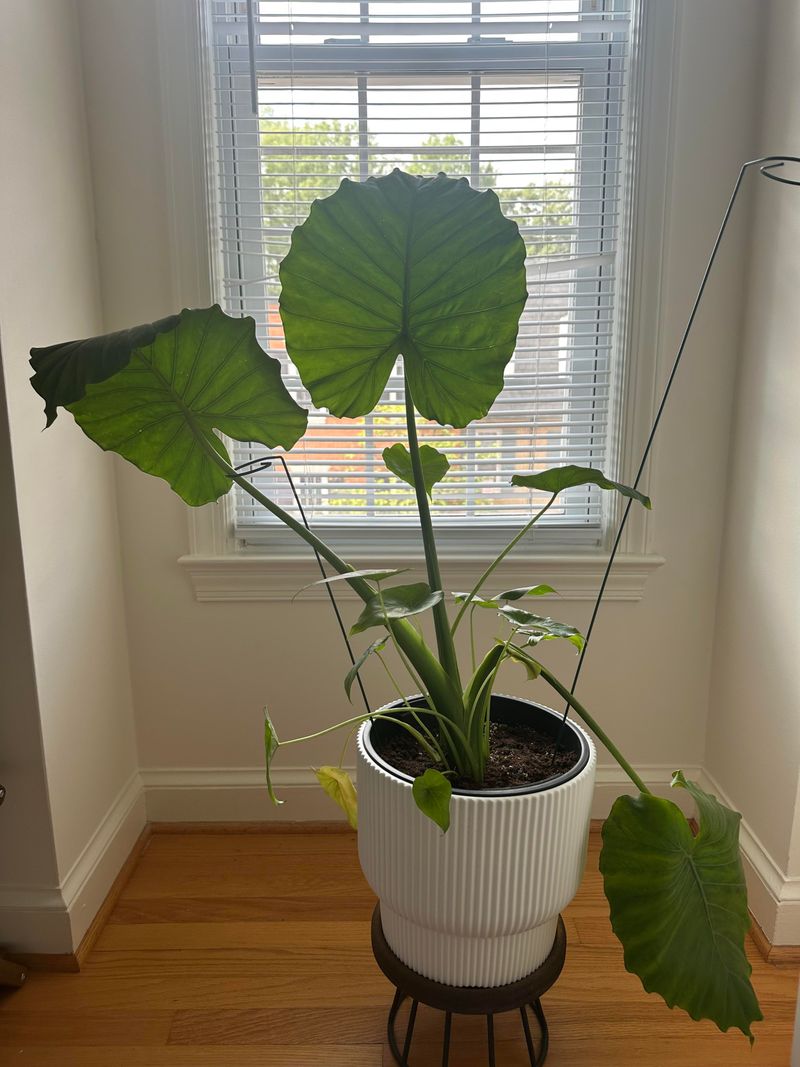
Moving to a new home can be stressful, and plants feel that too. A few days after coming inside, your elephant ear may start looking a little grumpy.
Yellow leaves, brown edges, or drooping stems are common after the big move. Most of the time, the plant is simply adjusting to lower light and cooler days.
Think about how outdoor summer life compares to a living room in October. The air is drier, the sun is weaker, and the breeze is gone.
Older leaves at the bottom often fade first. That is a normal part of the plant’s life cycle, not a sign that you did something wrong.
Feel free to snip off leaves once they turn fully yellow or brown. Use clean scissors and cut near the base of the leaf stem.
Sometimes the whole plant starts fading at once. That usually means it is heading into dormancy, which is its way of saving energy for spring.
A fun fact might cheer you up. In regions with long dry seasons, some wild elephant ears rest too, then burst back with fresh leaves.
So take a deep breath and hold off on extra water or fertilizer. Patience is the best medicine while your plant settles into its winter routine.
7. Reduce Watering During Winter Rest
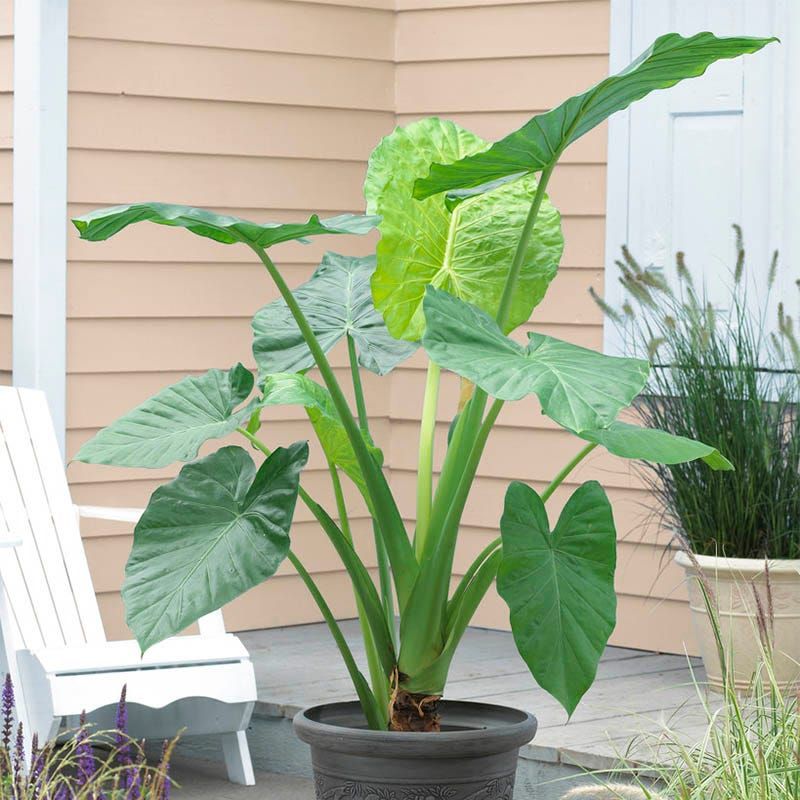
Here is a care tip that saves you time: do less. A resting elephant ear needs far less water than the thirsty giant you tended all summer.
During dormancy, the plant is barely using any moisture. Extra water just sits in the soil, where it can cause roots and corms to rot.
For dormant potted plants, check the soil periodically and water only when it has dried substantially, using just enough moisture to prevent the remaining roots or corm from staying completely dry.
The goal is soil that feels barely moist, not soggy or muddy. Push your finger about two inches deep to check before grabbing the watering can.
Make sure the pot drains well and empty any water left in the saucer. Standing water is a sneaky troublemaker for winter roots.
Skip the fertilizer for now, too. Feeding a sleeping plant is like serving dinner to someone who is fast asleep.
Bare corms stored out of their pots follow a different rule. They should stay fully dry, with no watering at all until spring.
A calendar reminder or a sticky note on the fridge helps you keep track. It is easy to forget a quiet plant tucked in a corner.
Families can make it a shared job, with one person checking the soil each month. Kids often enjoy being the official plant tester.
8. Keep Dormant Corms Frost-Free And Dry
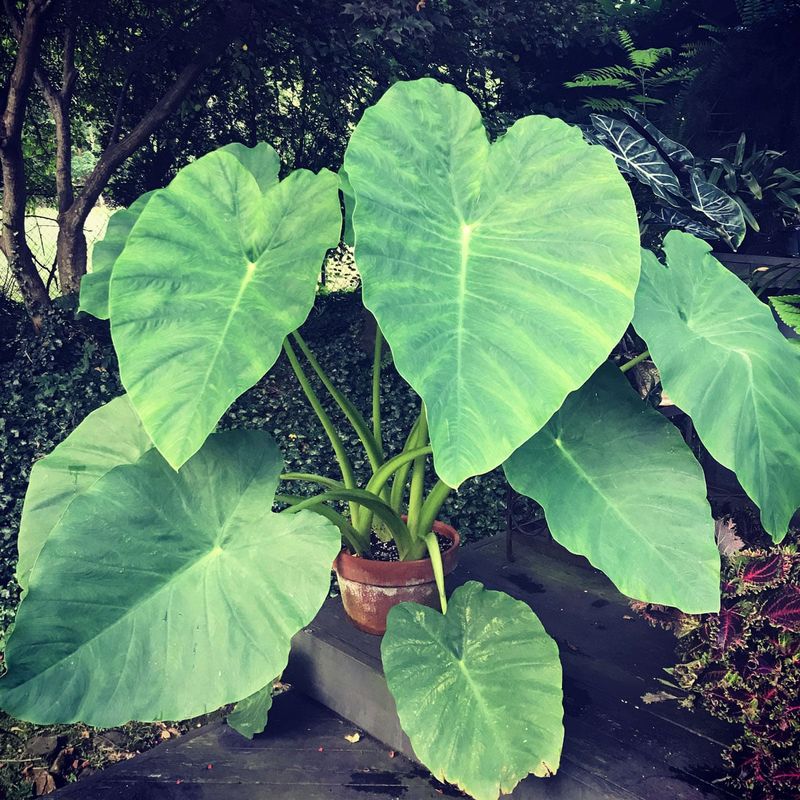
Digging up an elephant ear corm feels a bit like finding buried treasure. That knobby brown bulb holds everything the plant needs to return next summer.
Wait until the first light frost nips the leaves, then cut the stems back to about 4 to 6 inches. Gently lift the corm from the pot with your hands or a trowel.
Put on gloves before you start, since the sap can irritate skin. Brush off extra soil, but skip washing the corms with water.
Next, let them dry for several days to two weeks. Pick a cool, dark, airy spot that stays safely above freezing.
Look each corm over carefully and toss any that feel mushy or smell sour. Keeping only healthy ones stops rot from spreading to the rest.
Store the dried corms in paper bags, or tuck them into peat moss, dry vermiculite, sand, or wood shavings. Skip sealed plastic tubs, because trapped moisture leads to rot.
A basement, closet, or unheated garage that stays frost-free works well. Many gardeners aim for roughly 45 to 55°F for steady storage.
Check your stash about once a month through winter. Remove any soft or moldy spots right away so the problem stays small.
Label each bag with the plant variety and the date you stored it. Next spring, you will be glad you did not have to guess.
9. Restart Growth Gradually When Spring Returns
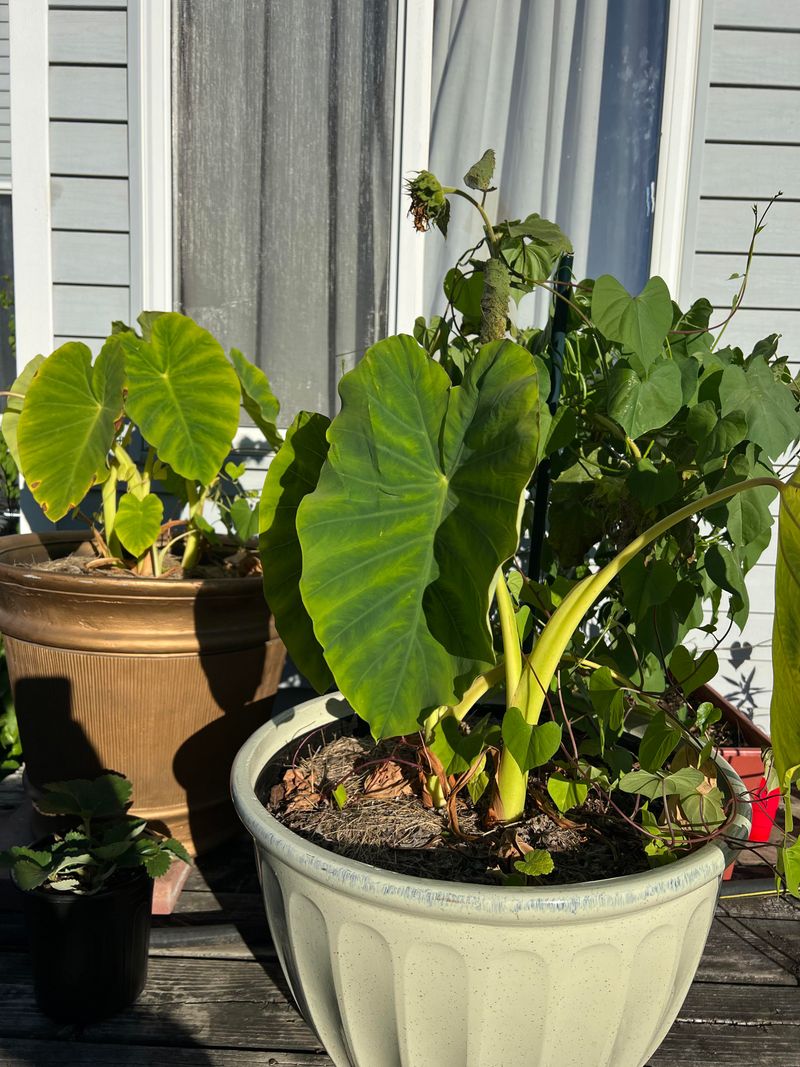
Few garden moments feel better than spotting a tiny green shoot after a long gray Ohio winter. Spring is your cue to wake the plant, but slow and steady wins this race.
For dormant potted plants, start by moving them to a warm, bright spot indoors. Begin with a small drink of water, then slowly water more as new leaves appear.
Stored corms can get a head start, too. Many gardeners pot them up indoors in early spring so they are ready to go outside sooner.
Wait until the danger of frost has passed before moving anything outdoors. In much of Ohio, that means mid to late May, depending on where you live.
Soil temperature matters as much as air temperature. Aim for soil that has warmed to at least 65°F, which you can check with a cheap soil thermometer.
Ease your plant into outdoor life over about a week. Set it in shade for a few hours at first, then add more sun and time each day.
That gentle process, called hardening off, helps prevent sunburned leaves and shock. Skipping it can leave the plant stressed and slow to grow.
Once it settles in, give it regular water and a balanced fertilizer. Soon those giant leaves will be waving hello to the neighbors again.