The Spectacular Florida Bird You May Not See Again Until Spring
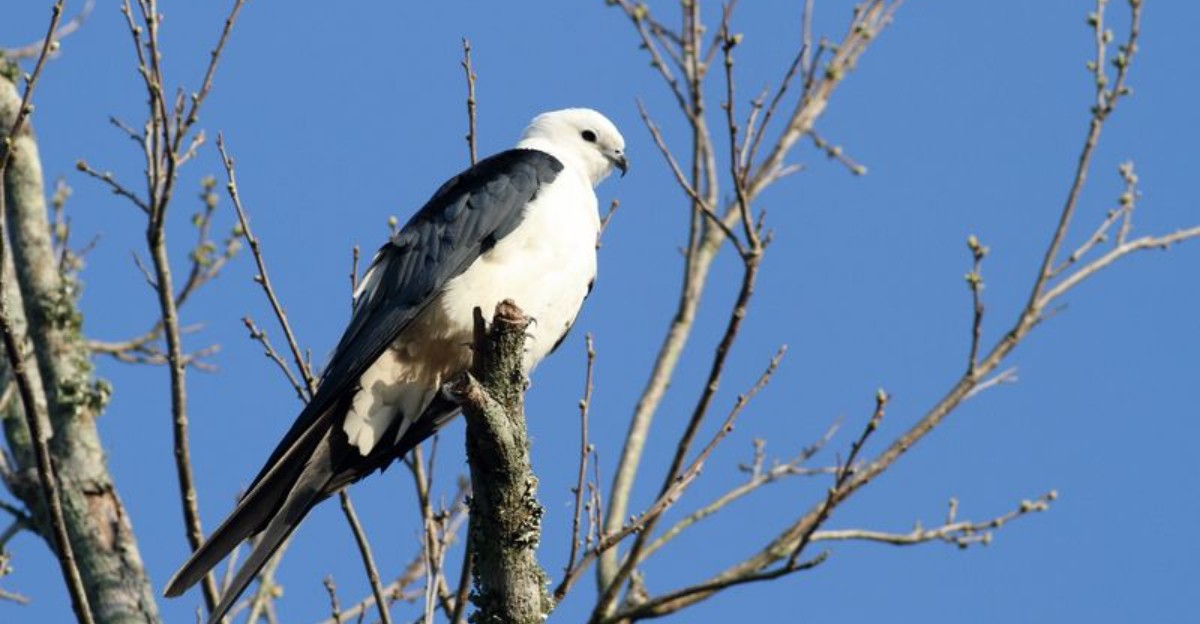
Enjoy it while you can. Florida is about to lose one of its most brilliant residents.
For months, this bird has lit up backyards, marshes, and coastal skies across the state. Its colors stop people in their tracks.
Its flight looks almost too perfect to be real. Photographers chase it.
Kids point at it. Even folks who never cared about birds pull over to watch. Now time is short.
As the days shorten, an ancient instinct kicks in. One by one, the birds slip away without a sound.
One week they fill the sky. The next, they are gone.
Where they go, and what they face along the way, will surprise you. Their journey covers thousands of miles and tests every ounce of strength they have.
You have a small window to catch one before the skies go quiet. Miss it, and you may wait until March for another chance.
1. Swallow-Tailed Kites Are Already Heading South
Picture a bird that packs its bags while summer is still sizzling. Swallow-tailed kites start their trip to South America as early as late July.
Their winter homes sit far away in Brazil and Argentina. Getting there means crossing open water and flying over the forests of Central America.
Adults usually wait until their chicks have fledged, which means the young birds can fly on their own. Once that job is done, the grown-ups feel free to head out.
Most kites leave their nesting areas between late July and early September. By mid-August, a big share of Florida’s kites are already on the move.
For bird lovers, that timing can feel sneaky. Summer vacations are winding down, school is starting, and suddenly the sky feels a little emptier than it did in June.
Want to catch one before it goes? Head out in the morning or late afternoon near wetlands, river edges, or open fields where insects buzz in the warm air.
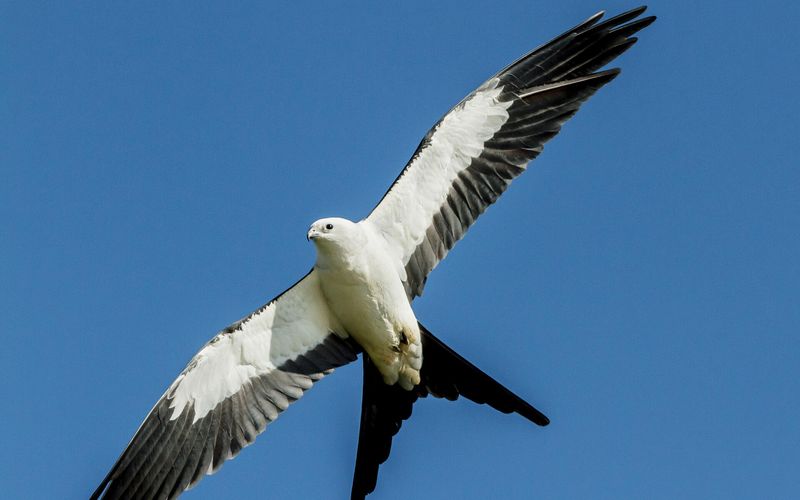
Bring binoculars and scan just above the treetops. The black-and-white body and long forked tail make this raptor easy to spot, even for beginners.
Snap a photo if you can, and jot down the date. Keeping track each year helps you learn when your local kites tend to say farewell.
2. Florida’s Skies Get Quieter After September
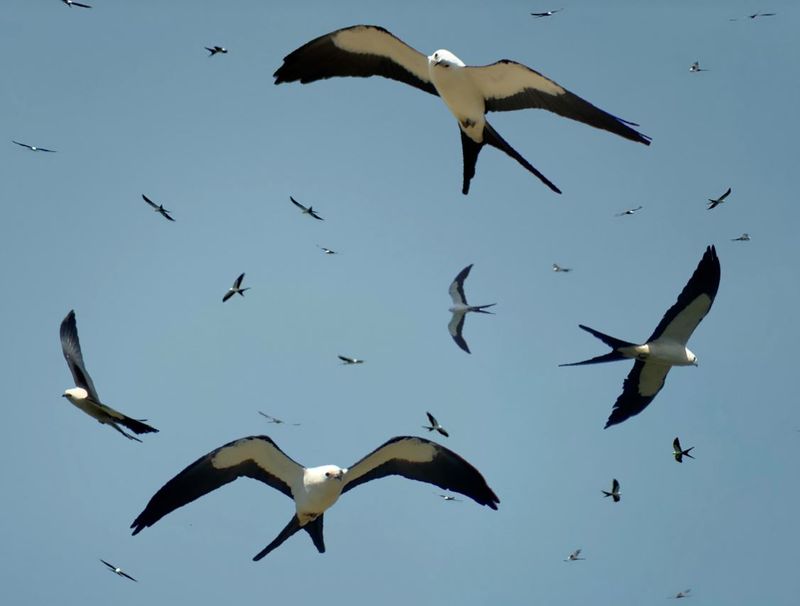
Something feels off when you step outside in late September. The treetops still rustle and the heat still lingers, but those graceful black-and-white fliers are missing.
By early September, nearly every swallow-tailed kite has left the state. Most were already heading south by mid-August, making them one of the earliest migrants to go.
Oddly enough, fall is a busy season for many other birds. Warblers, hawks, and shorebirds pour through Florida between September and November on their own trips.
So while the kites slip away early, the state doesn’t turn into a bird desert. The cast just changes, like a play swapping actors between acts.
Still, longtime kite fans notice the gap right away. Few birds can match that effortless glide or the sharp scissor shape of the tail against a blue sky.
Your Florida Garden Changes Every Week. Your Plan Should Too.
Gardening in Florida changes quickly throughout the season. Every Friday you’ll receive a simple weekly plan showing exactly what to plant, prune, fertilize, harvest, and protect so you never miss the right timing.
Here’s a helpful tip for fall birders. Use apps like eBird to check recent sightings, since a few late stragglers sometimes show up into the middle of September.
Those rare late birds are often young kites finishing their training. Seeing one feels like finding the last cookie in the jar, small but very satisfying.
Meanwhile, enjoy the new visitors while you wait. Learning the fall crowd gives you something fun to watch until your favorite forked tails come back.
3. Watch The Last Kites Gather Before Departure
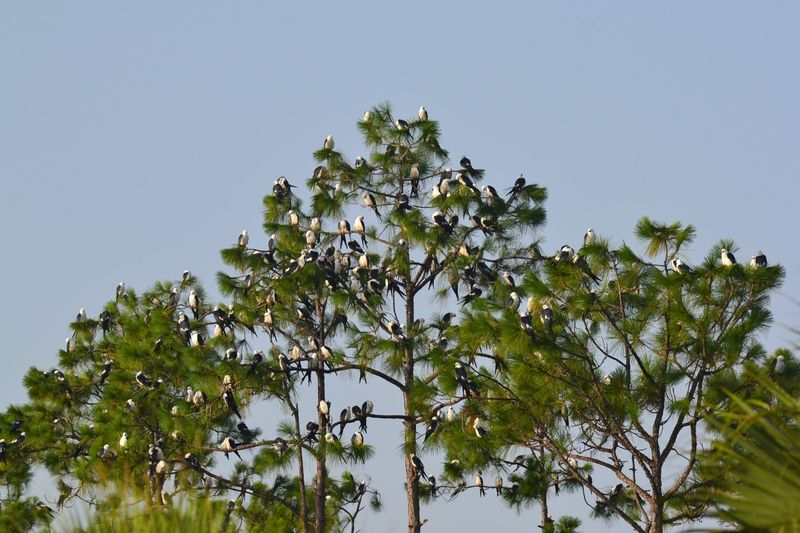
Imagine a thousand kites settling into the treetops as the sun slips low. That scene really happens in Florida each summer, and it looks like something from a nature film.
Starting as early as July, kites begin gathering in large group roosts. Adults and young birds join together over wetlands, cypress swamps, and other favorite spots.
Scientists call these gatherings communal roosts. Think of them as giant rest areas where the birds can relax, stay safe, and prepare for the road ahead.
Food matters most during this stage. The kites feast on swarms of insects nearby, turning each roost into a fueling station before their marathon flight.
Watching a roost fill up at dusk can be breathtaking. Birds drift in from every direction, circling slowly before dropping into the branches for the night.
If you want to see this, keep your distance and stay quiet. Disturbing a roost can stress the birds right when they need every bit of rest.
Local Audubon chapters sometimes share tips on respectful viewing spots. Joining a guided outing is a smart way to watch without causing any trouble for the flock.
Pack water, bug spray, and patience for the evening. The show tends to peak in late July and August, so mark your calendar early.
4. Young Kites Face Their First Long Migration
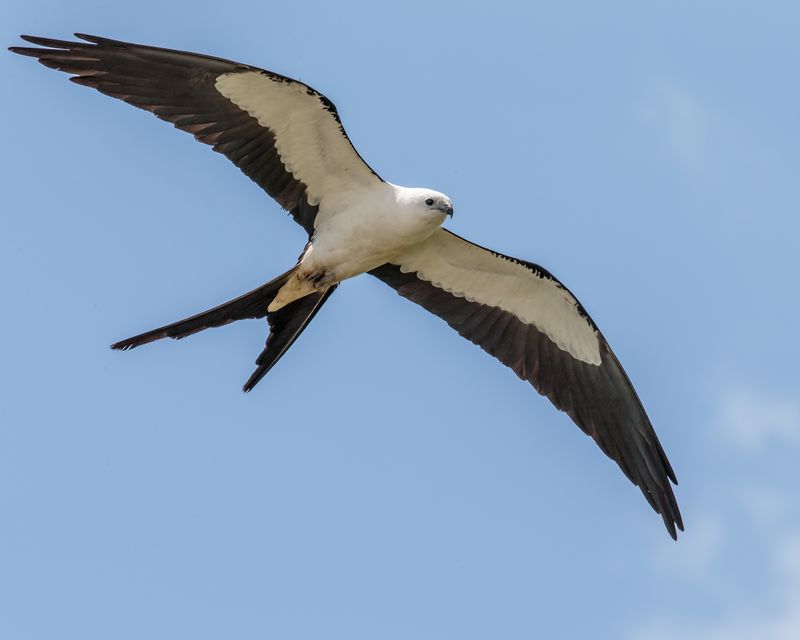
Think back to your first day at a brand-new school. Now imagine that first day involves flying about 5,000 miles to a place you have not seen before.
That is the challenge facing young swallow-tailed kites. Just a few months old, they must make the long journey to South America on their first migration.
Adults often leave first, and the youngsters follow a few weeks later. That extra time is not wasted, because the juveniles use it to grow stronger.
Practice makes all the difference. Young kites sharpen their hunting skills over open prairies and ranch lands, snatching insects from the air again and again.
Every catch adds fuel for the trip ahead. A steady food supply helps them build the energy reserves needed for such a huge flight.
Here’s a fun fact to share at dinner. Swallow-tailed kites don’t start raising families until they are about three or four years old.
So these first-year travelers have plenty of growing up to do. They will make the round trip several times before settling down to nest.
If you spot a kite with a slightly shorter tail in late summer, it may be a juvenile. Cheer it on quietly, because its biggest adventure is about to begin.
5. Warm Days Help Fuel The Final Flights
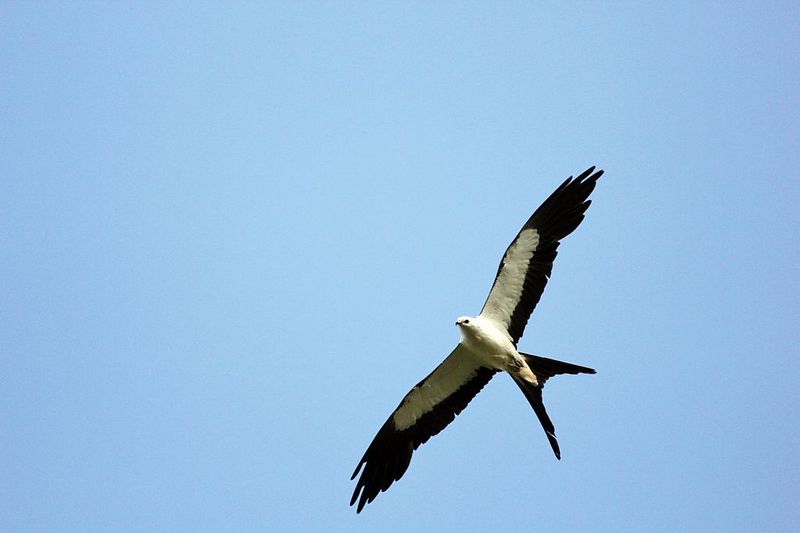
Carb-loading is not just for marathon runners. Swallow-tailed kites spend their last Florida weeks eating like athletes the night before a big race.
Warm, humid days create a buffet of flying insects. Dragonflies, beetles, and other bugs fill the air, giving the kites plenty of high-energy snacks.
Some kites even grab baby iguanas and other small reptiles. These protein-packed meals help them build the energy reserves needed for the long journey to South America.
Farms and agricultural fields become popular dining spots. Groups of kites cruise low over the crops, picking off insects stirred up by tractors and sunshine.
Watching them feed together is quite a sight. They swoop, twist, and snatch meals in midair without landing on the ground.
Thirsty kites have a clever trick too. They skim over ponds and lakes, dipping their bills to drink while still flying.
They also clean their feet by dragging them across the water’s surface. It’s a bit like a quick car wash without stopping the car.
Want to help from home? Skip heavy pesticide use in your yard, since healthy insect populations keep local birds well fed.
Planting native flowers also invites more bugs to your area. More bugs mean more fuel for the kites and many other birds.
6. Tall Trees Become Crowded Pre-Migration Rest Stops
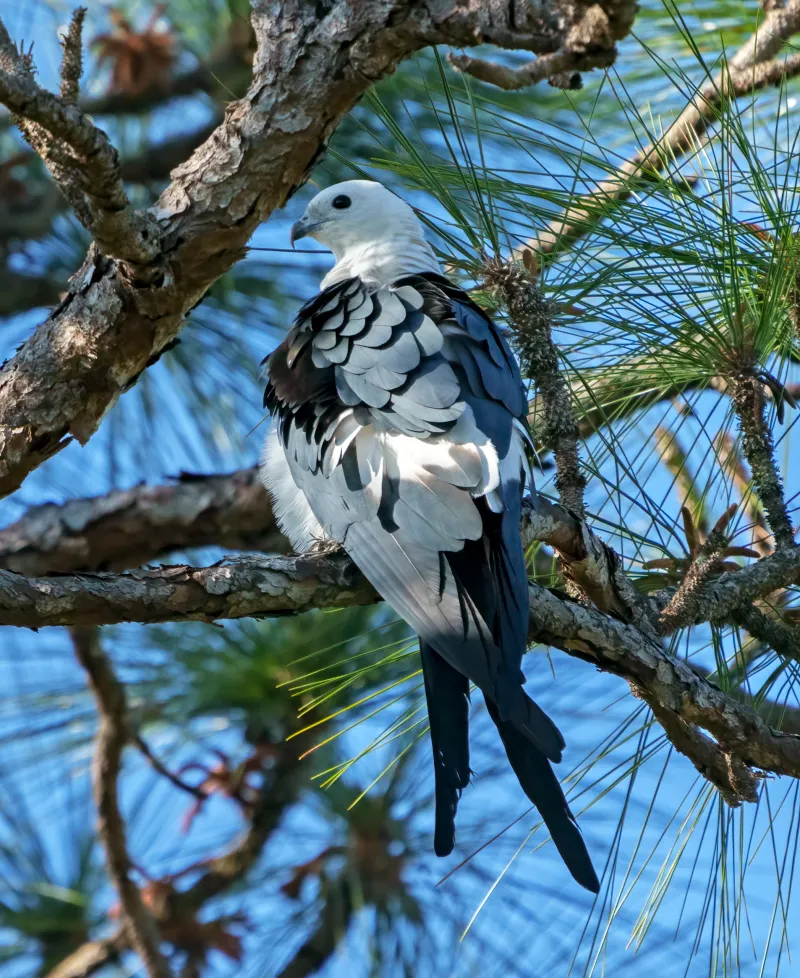
One tall cypress tree can hold more kites than a school bus holds kids. Before migration, these birds pack into the branches in groups ranging from dozens to over a thousand.
Large numbers of swallow-tailed kites gather at a relatively small number of communal roost sites across Florida. Picking the right spot seems to be a big deal for them.
Tall cypress and pine trees are top choices. Their height gives the kites a safe perch away from predators and a wide view of the area.
Many roosts sit in quiet places along large rivers. Insects thrive near the water, so breakfast is only a short flight away each morning.
One famous roost near Palmdale, in South Florida, hosts thousands of kites inside cypress domes. From the air, those domes look like green islands in a sea of grass.
Protecting these sites matters a lot. If a key roost gets cleared or disturbed, many birds could lose their favorite resting place before the journey.
Conservation groups work with landowners to keep these trees standing. Some ranchers proudly guard roosts on their property for future generations of kites.
You can support that work by donating to local bird groups. Reporting large roosts to wildlife researchers also helps them track the population.
7. Look Up Before These Aerial Acrobatics Disappear
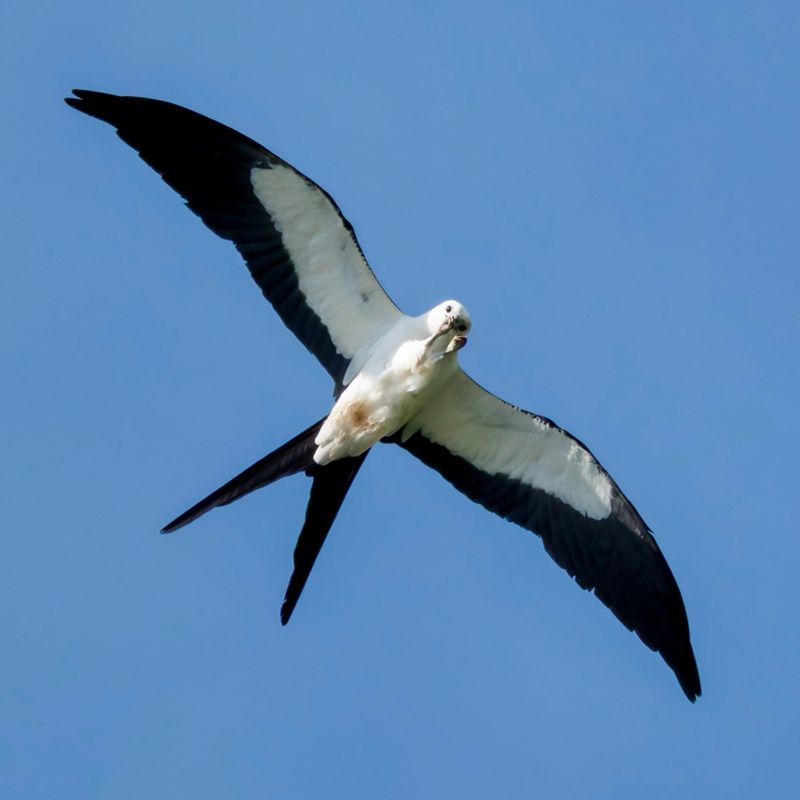
Few birds make flying look as easy as the swallow-tailed kite. Watch one for a minute, and you’ll notice it barely flaps its wings at all.
Instead, it floats and glides on warm air rising from the ground. Tiny twists of its deeply forked tail steer it left, right, up, and down.
Hunting happens mostly in the air. Kites snatch insects, frogs, lizards, and even small snakes from treetops without pausing to land on a branch.
Here’s where things get wild. A kite can roll over and flip backward for a moment to grab a bug that slipped behind it.
Many people compare the tail to a pair of open scissors. That shape acts like a rudder, giving the bird amazing control during sharp turns.
Try this the next time you see one overhead. Follow it with your eyes and count how many times it flaps, since the number may surprise you.
Photographers love these birds, but catching them takes practice. Use a fast shutter speed and aim slightly ahead of the kite’s path to keep it sharp.
Kids especially enjoy the show because it feels like a live air circus. Make it a family game to spot the most swoops before the season ends.
8. Some Florida Kites Leave Earlier Than Others
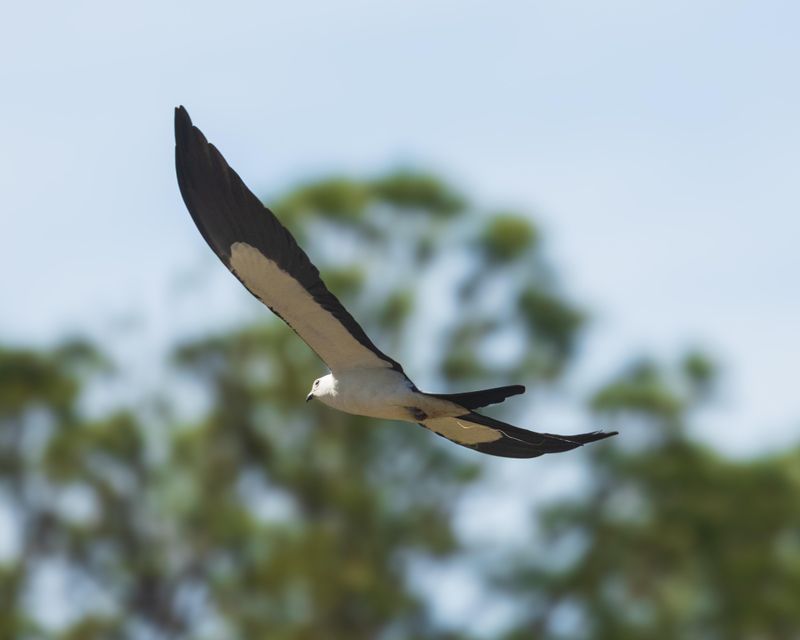
Not every kite follows the same calendar. Some birds pack up weeks before their neighbors, while others hang around a little longer to enjoy the sunshine.
Swallow-tailed kites rank among the earliest migrating birds in North America. Still, the exact leaving date can vary from one bird to the next.
Adults often head out ahead of their young. By the end of the roosting season, though, adults and juveniles may leave side by side.
Researchers describe migration as an individual event. Each kite seems to follow its own inner clock, deciding when the moment feels right.
Routes can differ too. While many birds stop at well-known roosts, some take their own unique path south, skipping the crowds.
Scientists learn about these choices using tiny satellite trackers. The data shows how each bird travels, rests, and refuels along the way.
For watchers at home, this variety is good news. It means you might still catch a straggler after most of the group has gone.
Keep your eyes open into early September, especially near rivers and open fields. A single late kite can make an ordinary afternoon feel like a gift.
Share your sightings with online bird groups too. Your reports add useful clues to the bigger migration puzzle.
9. Expect Their Return When Spring Arrives
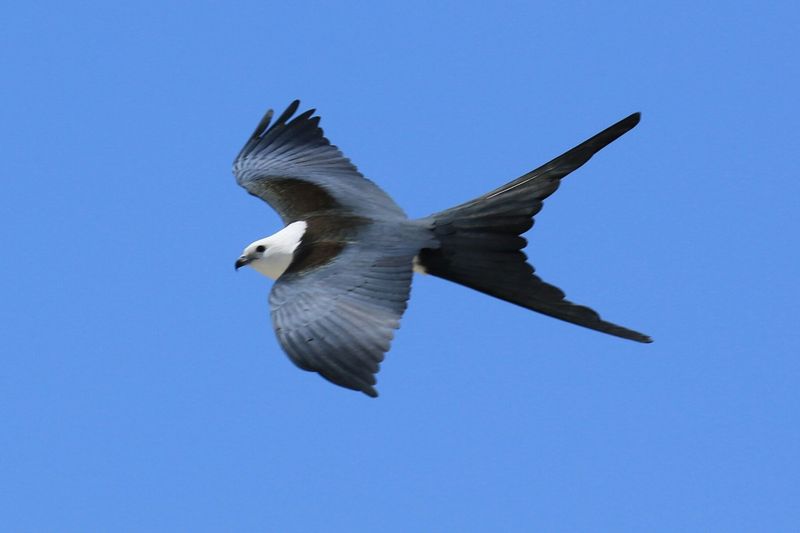
Good news, kite fans, the goodbye is only temporary. By late winter, the first swallow-tailed kites begin returning to South Florida, with sightings spreading northward as spring approaches.
From there, they spread northward across the state over one to two weeks. For many Floridians, that first sighting feels like spring’s official welcome party.
The kites don’t come back just for the weather. They return to build nests and raise chicks during a breeding season that runs from March through June.
Couples build nests high in tall pines and other trees, often near water. Twigs and soft Spanish moss make up the cozy cup where eggs are laid.
Want to be first on your block to spot one? Start scanning the skies in late February, especially over wetlands, rivers, and open pinelands.
Some towns even hold contests or share first-sighting reports online. Joining in adds friendly competition and fun to your spring routine each year.
While you wait, learn a few of their calls. Kites give a thin, high whistle that can tip you off before you even see them overhead.
Mark a date on your calendar as a reminder to look up. Those forked tails will slice across blue sky again before you know it.