What To Do With Georgia Tomatoes Before Humid Weather Spreads Blight
It usually starts on a still June evening in Georgia, when the air stops moving, the dew hangs on until mid-morning, and a gardener stands by the tomato row wondering how long those healthy green leaves will actually stay that way.
Humidity is what fungal diseases like early blight and septoria leaf spot love most. Once spores settle onto damp foliage, they spread fast, sometimes within days of the first warm, sticky stretch.
Most gardeners notice the spots only after they show up, reaching for fungicide once the damage is already visible on the plant.
By then, a lot of the real opportunity has already passed.
The good news is that a handful of simple garden chores, done before the muggiest weeks arrive, can lower that risk quite a bit without much extra effort.
None of these steps will make your plants bulletproof, but they buy you healthier leaves, later infections, and a longer harvest heading into August.
1. Remove Lower Leaves Near The Soil
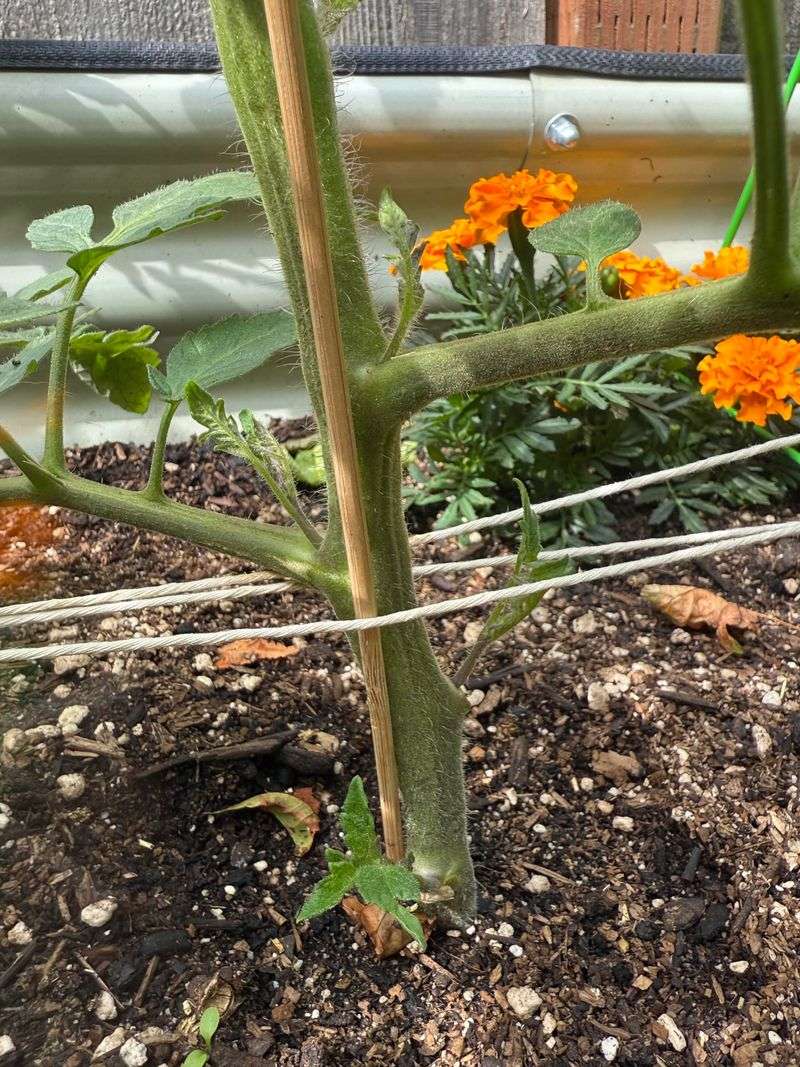
Look at the bottom eight to twelve inches of a tomato plant in late spring, and you will often see the first spotted, yellowing leaves of the season already forming there quietly.
That is no accident at all. Early blight and septoria spores survive in soil and old plant debris, and rain or irrigation splashes them straight onto the leaves closest to the ground below.
Snipping off those lowest leaves removes the easiest landing pad available to those spores looking for a foothold. UGA Extension recommends this kind of sanitation pruning as part of an overall cultural control program for tomato leaf diseases across the state.
Use clean, sharp pruners or simply pinch the leaf stem where it meets the main stalk with your fingers. Take off the leaves below the first flower cluster once plants are tall enough to handle it, usually when they reach knee height in the bed.
Avoid stripping so much foliage that fruit gets sunscalded in the process, since some leaf cover still matters for shading developing tomatoes.
Work when plants are dry, ideally mid-morning after dew burns off completely, because wet foliage moves spores around on your hands and tools far more easily than dry leaves do.
A quick wipe of your blades with rubbing alcohol between plants is cheap insurance against spreading anything accidentally from one plant to the next.
Bag or burn what you cut rather than tossing it between rows carelessly. Leaving infected tissue on the ground defeats the whole purpose of pruning it away in the first place, since spores can still splash right back up during the next rain.
2. Mulch Heavily To Block Soil Splash
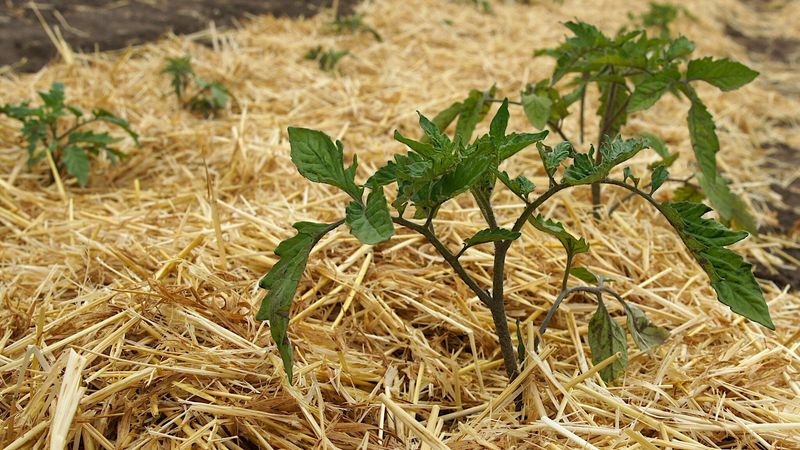
Picture a thunderstorm hitting bare red clay in a Georgia garden bed. Every raindrop acts like a tiny catapult, flinging soil particles, and any fungal spores riding along with them, up onto the lower foliage nearby.
A mulch layer breaks that whole chain before it ever really gets started in the first place.
Three to four inches of wheat straw, pine straw, shredded leaves, or untreated grass clippings creates a cushion that absorbs the impact instead of scattering it everywhere across the bed. UGA Extension lists mulching among the standard cultural practices that help reduce early blight and septoria leaf spot in home gardens across the region.
Your Georgia Garden Changes Every Week. Your Plan Should Too.
Gardening in Georgia changes quickly throughout the season. Every Friday you’ll receive a simple weekly plan showing exactly what to plant, prune, fertilize, harvest, and protect so you never miss the right timing.
Georgia gardeners have an extra reason to like mulch too, beyond just disease control. It holds soil moisture during those brutal July dry spells and keeps root zones noticeably cooler at the same time, which helps overall plant health.
Steadier moisture also reduces blossom end rot, so this one chore ends up solving two separate problems at once with very little extra effort.
Lay it down after the soil has warmed in spring, usually mid to late April in most of the state, and keep it pulled back an inch or so from the stem to discourage rot and slug damage near the base.
Pine straw is easy to find here and knits together nicely so it will not wash away in a heavy downpour the way looser mulch sometimes does.
Top off thin spots mid-season, since straw settles fast in Georgia heat and humidity. Mulch reduces splash dramatically, but airborne spores still travel on the wind regardless, so pair it with the other steps covered here for the best results overall.
3. Stake Plants To Improve Airflow
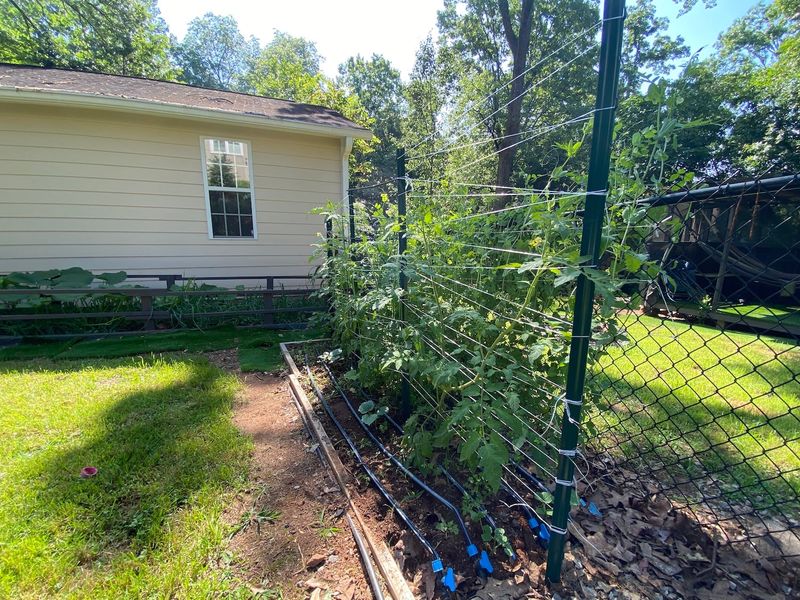
Sprawling tomato vines look rustic and relaxed, but on the ground they stay damp for hours longer than upright, well-supported ones ever would through a typical Georgia night.
That extra wetness is exactly what fungal spores need to germinate and dig into leaf tissue successfully before your plant can defend itself.
Staking, caging, or trellising lifts foliage up into moving air instead of letting it sit stagnant near the soil. Leaves dry faster after a storm or a heavy overnight dew, and the window for infection shrinks considerably as a result.
UGA Extension includes staking and trellising among the recommended cultural practices for managing tomato foliar diseases throughout the growing season in Georgia specifically.
For indeterminate varieties, which keep growing all season long without stopping, a sturdy stake driven eighteen inches into the ground handles the job well enough.
Six or seven feet above ground is a reasonable height in Georgia, where vines can run wild by August if left unchecked.
Tie loosely with strips of old T-shirt fabric or soft twine, using a figure-eight loop so the stem is never pinched too tightly against the support.
Heavy-gauge wire cages beat the flimsy conical ones sold at big box stores, which tend to buckle under a loaded plant after just one afternoon thunderstorm rolls through.
Set supports at transplant time rather than waiting until later in the season. Driving stakes in after the fact damages roots that have already spread out and gives pathogens an easy entry point right where you least want one to form.
4. Water At The Base Not The Leaves
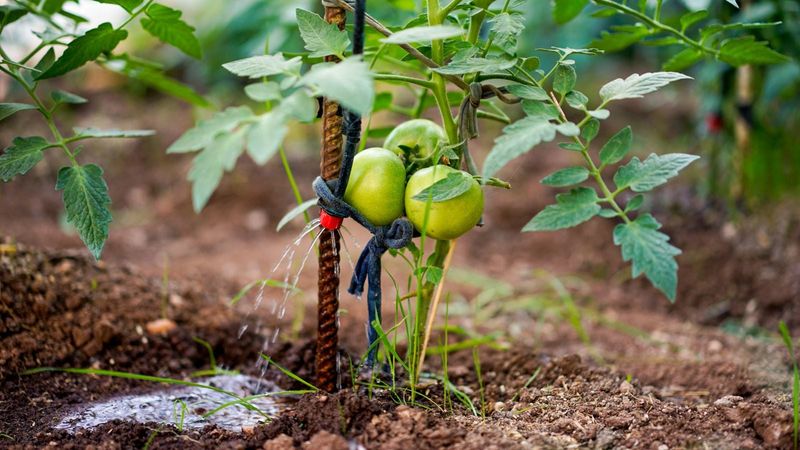
Sprinklers are convenient, and that is about the only good thing anyone can honestly say for them when tomatoes are involved in the conversation at all.
Overhead watering soaks the whole canopy, splashes soil up onto lower leaves, and hands fungal spores both the moisture and the transportation they need to spread further across the bed.
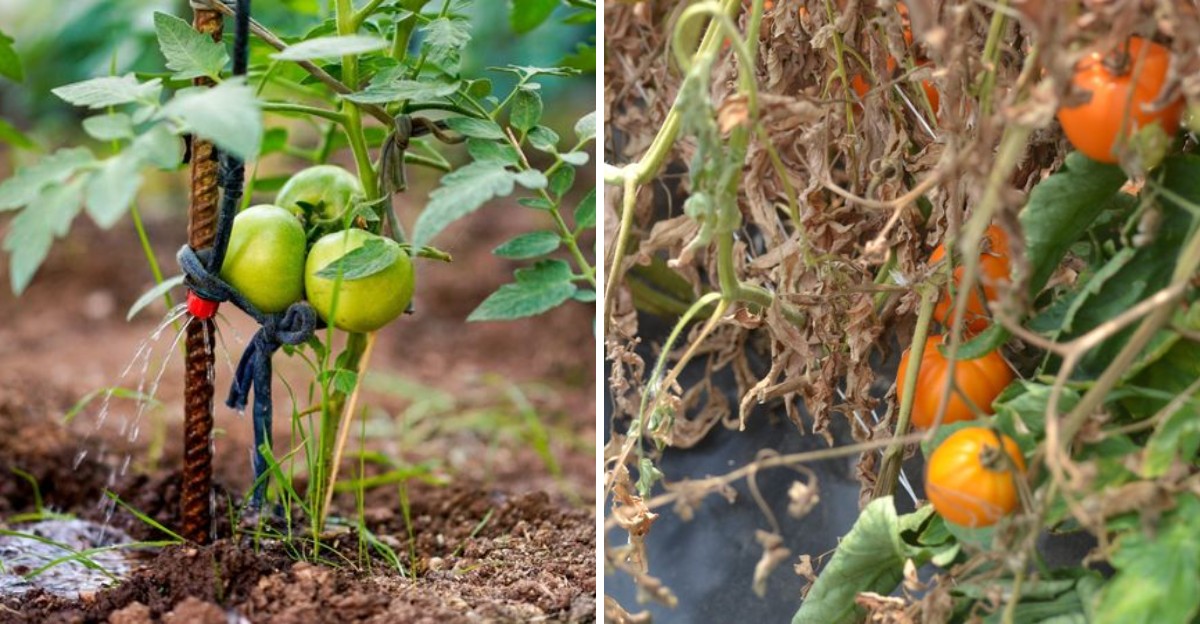
Drip irrigation or a soaker hose snaked under the mulch delivers water directly where roots actually use it instead, bypassing the foliage entirely during the process. Foliage stays dry, and you waste far less water to evaporation, which matters considerably during a Georgia August heat wave.
If hand watering is your regular routine, aim the wand at the soil surface directly and water slowly so it soaks in instead of running off hard clay soil.
Timing helps quite a bit too. Morning watering gives any incidental splash time to dry before nightfall arrives, while evening watering leaves plants damp through the humid overnight hours when spores tend to be most active and aggressive.
Aim for roughly an inch to an inch and a half per week overall, delivered in one or two deep soakings rather than daily light sprinkles that barely reach down to the roots where they matter.
Deep watering pushes roots further down into the soil where conditions stay cooler and more stable throughout the hottest parts of summer.
Check under the mulch with a finger before watering again each time. Straw hides moisture surprisingly well from a casual glance, and overwatering invites root problems of its own on top of everything else already discussed here.
5. Clean Up Fallen Leaves Promptly
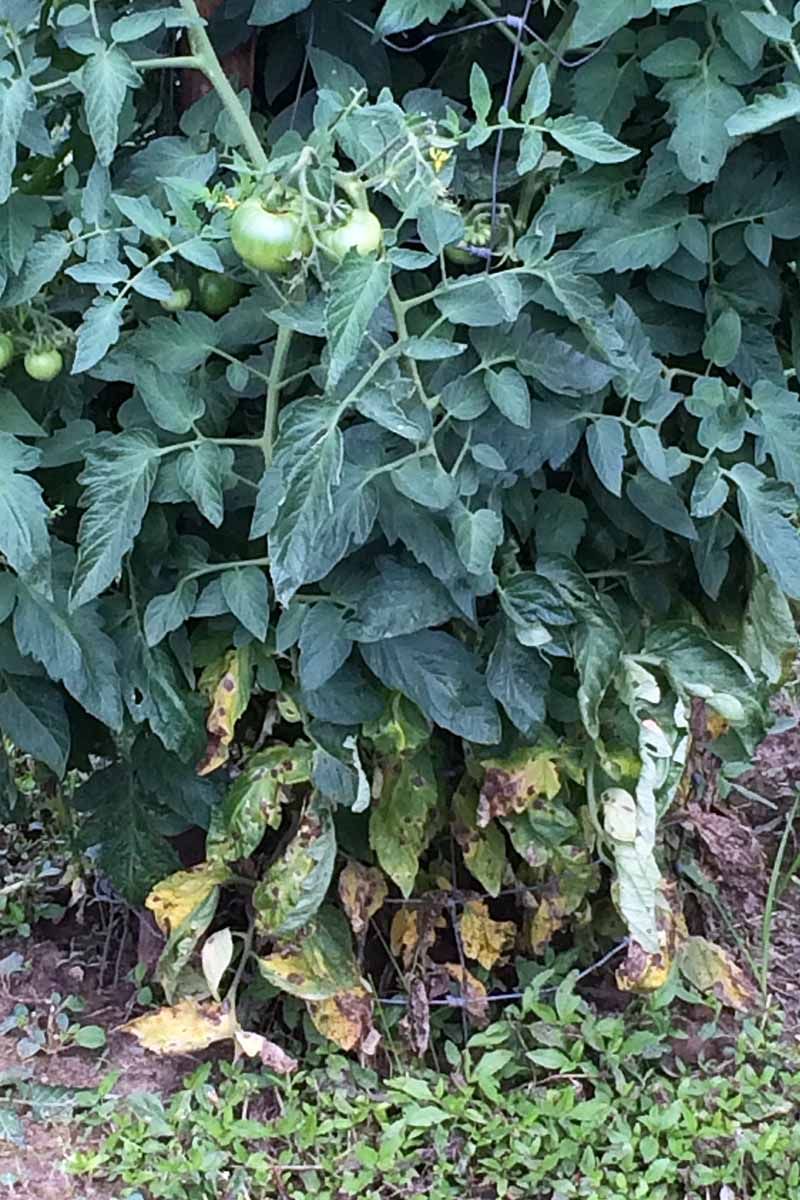
Every spotted leaf that drops onto the mulch becomes a little reservoir of spores waiting patiently for the next rainstorm to arrive and spread them further.
Leaving them there is like keeping a bag of trouble parked directly under the plant, ready to reinfect it the moment conditions turn favorable again later in the season.
Make a habit of walking the row twice a week with a paper bag or bucket in hand. Pick up anything yellowed, spotted, or curled on the ground, and pull off leaves still hanging on the plant that show the telltale dark rings of early blight or the small tan centers typical of septoria leaf spot.
UGA Extension emphasizes sanitation, including prompt removal of diseased plant material, as a core part of reducing leaf disease carryover and spread from one season into the next.
Do not compost infected foliage in a casual backyard pile under any circumstances. Most home compost piles never get hot enough to break down fungal spores reliably, so bag it for the trash instead or burn it where local rules allow that option.
End-of-season cleanup counts double here as well. Pulling and removing old vines in fall means fewer spores overwintering in the garden bed to greet next year’s transplants when they finally go in the ground.
Wash your hands and rinse tools afterward each time, especially before touching healthy plants elsewhere in the garden that have not shown any symptoms yet.
Rotating tomatoes to a different bed for two or three years adds another layer of protection here too, since soilborne inoculum naturally declines over time without a host plant nearby to sustain it.
6. Space Plants For Faster Drying
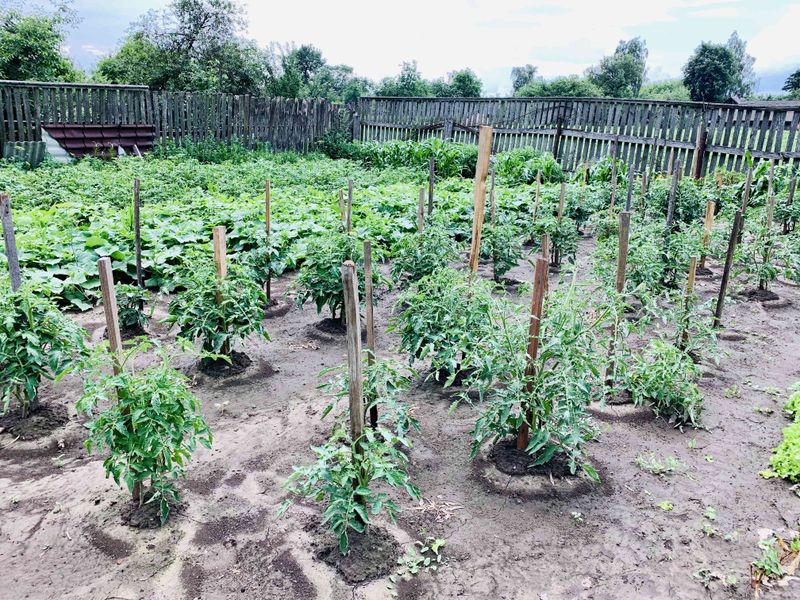
Crowded tomatoes create their own little rainforest right there in the garden bed, whether anyone intends for that to happen or not.
Leaves touch each other, air stalls out completely, dew lingers well past mid-morning, and fungal spores get the long wet period they need to take hold and multiply across the row.
Giving each plant real room is one of the cheapest defenses available anywhere in the garden, and it costs nothing but a little restraint back at planting time in spring.
Two to three feet between staked plants, with three to four feet between rows, lets Georgia’s breezes actually reach the interior foliage where moisture tends to linger the longest and cause the most trouble.
Caged or unstaked plants need even more elbow room than that, closer to three or four feet apart at minimum, because they spread sideways considerably as the season progresses toward summer.
Plenty of us buy too many transplants in April every year and squeeze them in anyway, hoping for the best outcome despite the tight spacing involved.
Resist that particular urge as much as possible. Six well-spaced plants usually outproduce ten crowded ones once real disease pressure builds up through June and July in a typical Georgia summer.
Orienting rows so prevailing wind moves down the row rather than across it helps a little more with airflow, and skipping a bed between tomato rows gives you easier access for pruning and picking later on.
Pruning suckers on indeterminate varieties opens the canopy further still, letting light and air finally reach the middle of the plant where it matters most for drying out quickly.
7. Act Before The Humidity Peaks
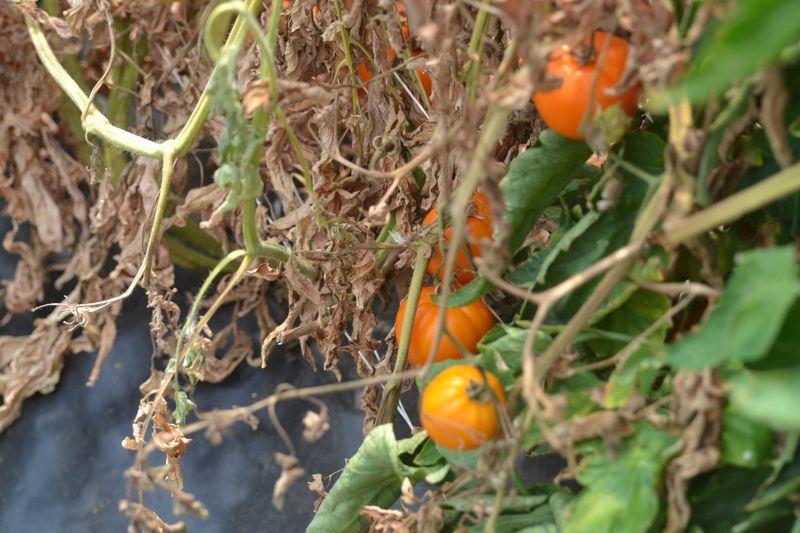
Timing separates gardeners who fight blight all summer long from those who simply manage it calmly without much drama or last-minute scrambling involved.
Once lesions show up and spores are actively multiplying on the plant, cultural fixes help far less than they would have just a few weeks earlier in the season, before the damage set in.
Across most of Georgia, the sticky stretch builds steadily through June and stays through August, with overnight dew and afternoon storms feeding each other in a fairly predictable cycle every year.
Getting mulch down, stakes set, lower leaves pruned, and spacing right by late May puts your defenses solidly in place before that humid pattern locks in for the rest of summer.
Scout weekly anyway, regardless of how well prepared the garden already looks on paper. Flip a few lower leaves over, look for dark concentric rings or peppered tan spots forming, and pull anything suspicious immediately before it can spread further.
If disease still appears despite your best efforts, and in humid Georgia summers it very often does regardless of preparation, your county Extension office can identify the specific problem and advise on protectant fungicide options and resistant varieties worth trying next season.
Several tomato cultivars carry partial resistance to early blight built right in, which stacks nicely alongside good cultural practice for even better results over time.
Think of all of this as risk reduction rather than a guaranteed cure for the problem entirely. Fungal pressure in the Southeast is an ongoing management job every single year, not a box you check once back in spring and then forget about.
Gardeners who stay a step ahead usually get fruit into August while their crowded, sprinkler-watered neighbors are already pulling brown, blighted vines in July instead. That extra month of harvest is really the whole payoff for doing this work early.