What To Do With Your Florida Bougainvillea In November For A Winter Full Of Color
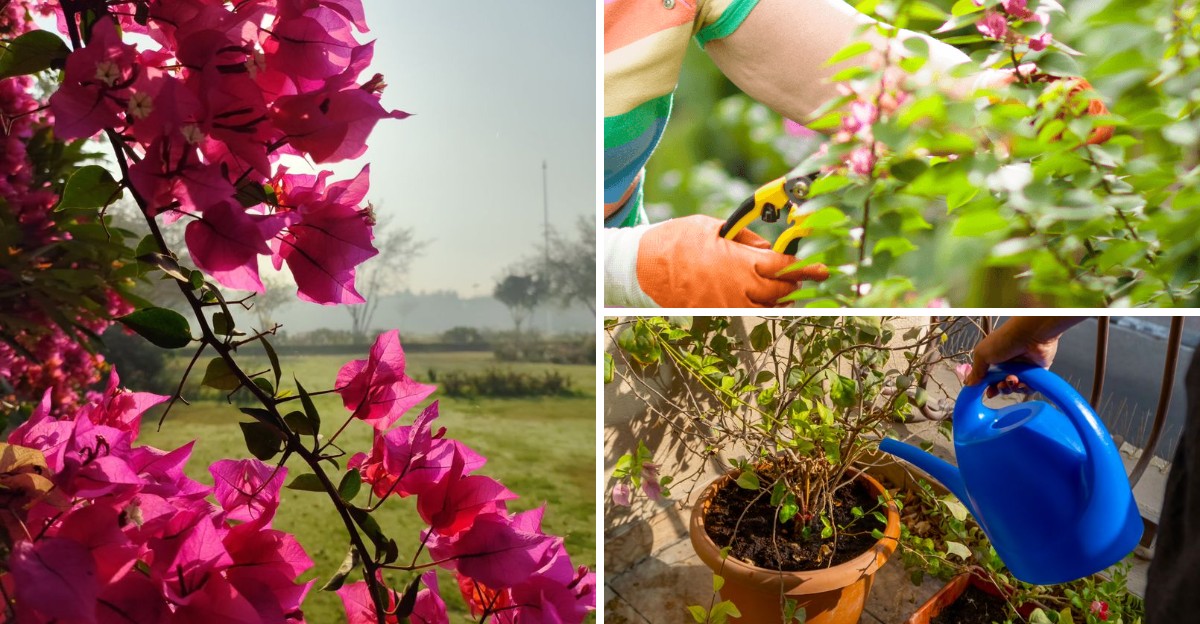
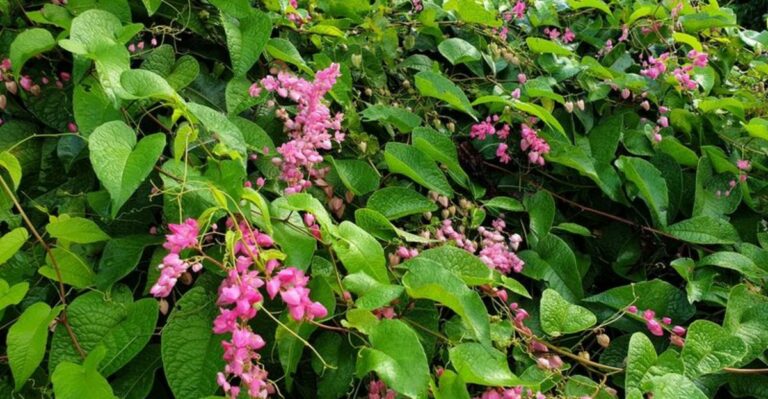
Those hot pink ‘petals’ everyone photographs every winter are not petals at all. They are colorful leaves called bracts, wrapped around tiny white flowers that most people walk right past.
I’ll be honest, I gardened for years before I noticed those little white blooms hiding in the middle. Once you see them, you can’t unsee them.
Here’s what gets me about this time of year in Florida. While northern friends rake leaves and scrape windshields, this thorny vine gears up for its biggest show.
Shorter days, cooler nights, and drier weather all nudge it toward color.
Call me stubborn, but I used to fuss over mine like a nervous parent. More water, more food, more trimming.
The plant answered with plenty of green leaves and hardly a splash of pink. So what does it actually want from you this month?
1. Let Long November Nights Trigger The Winter Color Show
Shorter days and a touch of dryness are the secret ingredients behind a big winter bloom. Bougainvillea is a short-day bloomer, so the longer nights of fall help trigger new flower buds.
Bright porch lights or security lamps that shine on the vine all night may blur that seasonal signal. If a fixture points straight at the plant, angle it away or put it on a timer so the nights stay dark.
University of Florida experts note that this plant often flowers best when it feels a little stress. In nature, that stress comes from Florida’s dry season, which usually starts around November in much of the state. The vine reads drier soil and cooler nights as a cue to stop pushing leaves and start making color.
Those colorful bracts also hang on much longer than the tiny flowers tucked inside them. That staying power is a big reason one bloom cycle can keep a Florida yard bright for weeks at a time.
Your job this month is mostly to stay out of the way. That means easing up on water, holding back fertilizer, and skipping heavy pruning. Each of those steps lines up with what the plant already wants to do.
Think of November as setting the stage rather than doing the heavy lifting. A few simple changes now can turn a leafy green shrub into a glowing wall of pink, orange, purple, or red by midwinter.
2. Skip The Nitrogen Fertilizer Your Bougainvillea Doesn’t Need Right Now
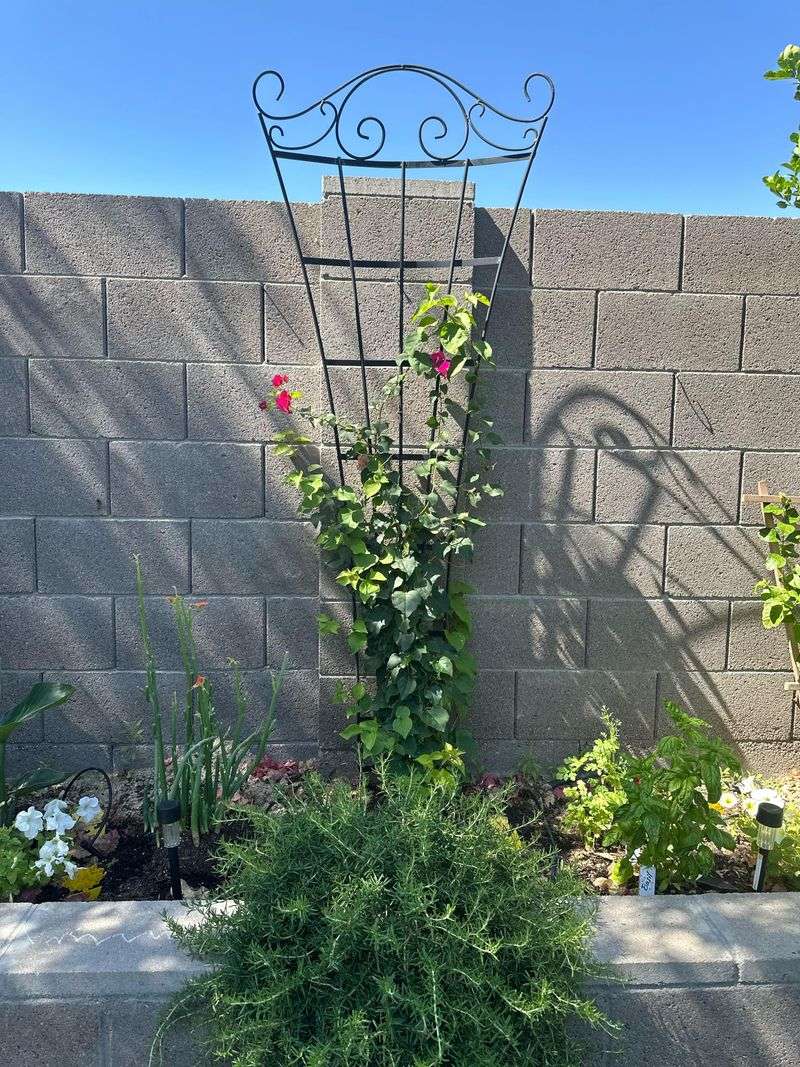
More food sounds like more flowers, but bougainvillea plays by different rules. Heavy feeding, especially with high-nitrogen fertilizer, pushes out soft green leaves at the expense of colorful bracts.
November is a good time to pause regular fertilizing for bougainvillea growing in the ground. Most Florida guidance suggests feeding lightly during the warm growing season, then easing off as the plant shifts into bloom mode.
Many Florida counties lift their summer fertilizer restrictions by October, which can tempt gardeners to feed everything at once. Leave the bougainvillea off that list so the vine keeps its energy on color.
Watch out for hidden nitrogen, too. Lawn fertilizer often drifts into nearby beds, and bougainvillea planted beside grass may get fed every time the lawn does. Keep a buffer zone or use a spreader with an edge guard.
Yellow leaves with green veins can point to a micronutrient shortage, often iron or manganese. This shows up more often in South Florida, where alkaline soils and limestone-rich water can lock those nutrients away.
A targeted micronutrient spray or a product made for that specific deficiency can help without kicking off a flush of leafy growth. A soil pH test through your county UF/IFAS Extension office can show whether alkaline soil is the real cause.
Container plants are a small exception. Their roots can’t roam for nutrients, so a light dose of bloom-friendly fertilizer with lower nitrogen is fine if the leaves start to look pale.
3. Put Away Those Pruning Shears Before You Snip Off Winter Bougainvillea Buds
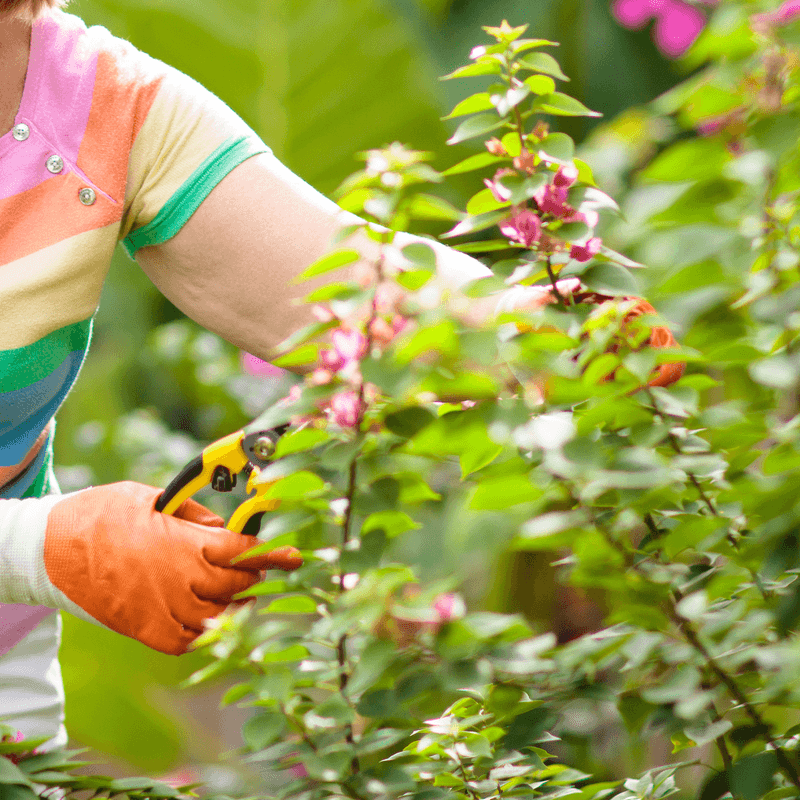
My knees and forearms both have opinions about pruning bougainvillea, mostly because of those sharp thorns. In November, though, the bigger concern is timing rather than scratches.
Bougainvillea blooms on new growth. A hard cut now can remove the very branch tips that are getting ready to color up for winter. Save major shaping for late winter or spring, after the main bloom cycle finishes.
Pruning in late fall can also push out tender new shoots right before a cold front rolls through. Those soft stems burn easily during a chilly snap, which sets the plant back just when it should be coloring up.
Light touch-ups are fine. Snip a wild shoot that blocks a walkway, scrapes the car, or pokes into a window screen. Trim back to just above a leaf node so the plant can branch from that spot.
Try to resist frequent shearing into tight shapes. Constant trimming keeps the plant in leaf-growing mode, and you may see noticeably fewer bracts by January.
Gear up before you start, especially if the vine climbs above your head. Thick gloves, long sleeves, and safety glasses make the job far less painful. Some people also get a mild skin rash from the sap, so washing up afterward is a smart habit.
Bag the clippings rather than tossing them in a compost pile you turn by hand. Those thorny stems stay prickly long after they dry out and can still surprise you months later.
4. Give Your Bougainvillea Every Bit Of Low November Sunshine
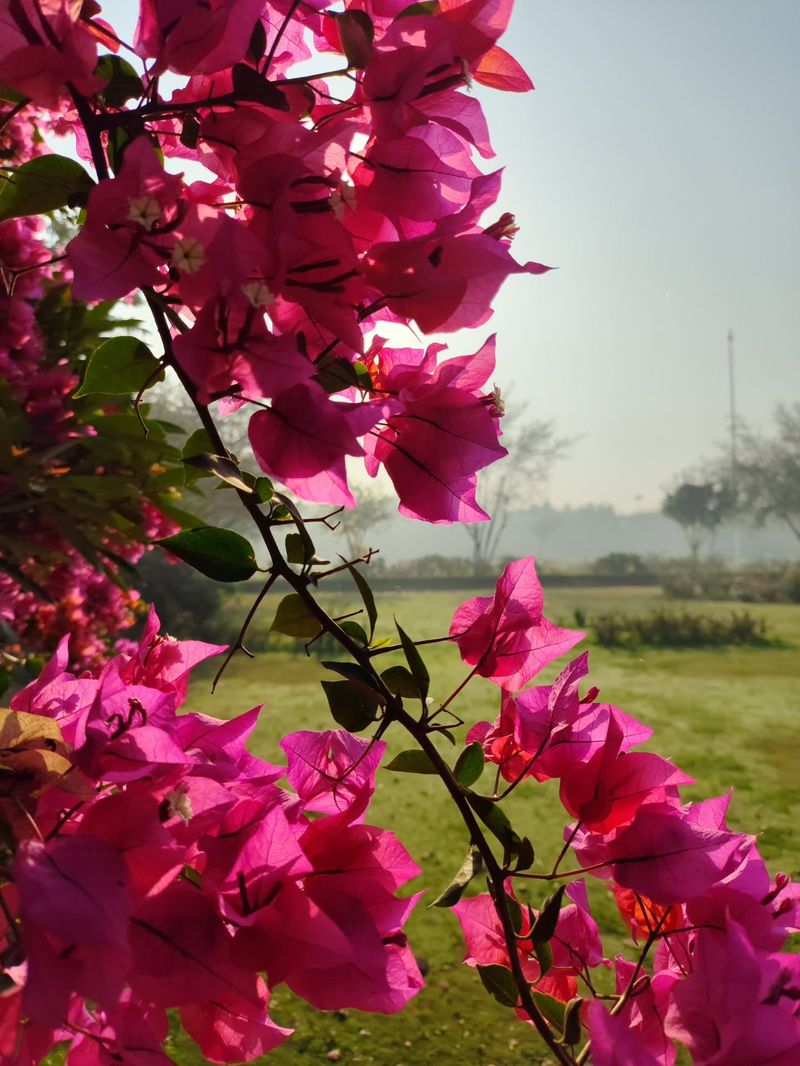
Sunshine is the fuel behind every bright bract on the vine. Bougainvillea needs full sun, ideally six hours or more of direct light a day, to bloom heavily.
Fall changes the light in your yard. The sun sits lower in the sky, so a spot that was sunny in June might be shaded by a roof, fence, or oak tree by November. Take a walk around and see where the light really falls now.
Trim back nearby shrubs or tree limbs that have started casting shade on your vine. Even a little extra afternoon sun can make a visible difference in how heavily the vine blooms.
Potted bougainvillea gives you an easy win this time of year. Roll or carry the container to your sunniest patio corner, preferably one facing south or west.
A south-facing wall can be a great backdrop, since it soaks up sun and gives off gentle warmth on cool nights. That extra warmth helps a lot in North and Central Florida, where chilly evenings arrive earlier in the season.
Plants stuck in heavy shade often grow long, leggy stems with scattered blooms. If yours has struggled for several seasons, consider moving it to a brighter spot in spring and handle the roots gently when you do.
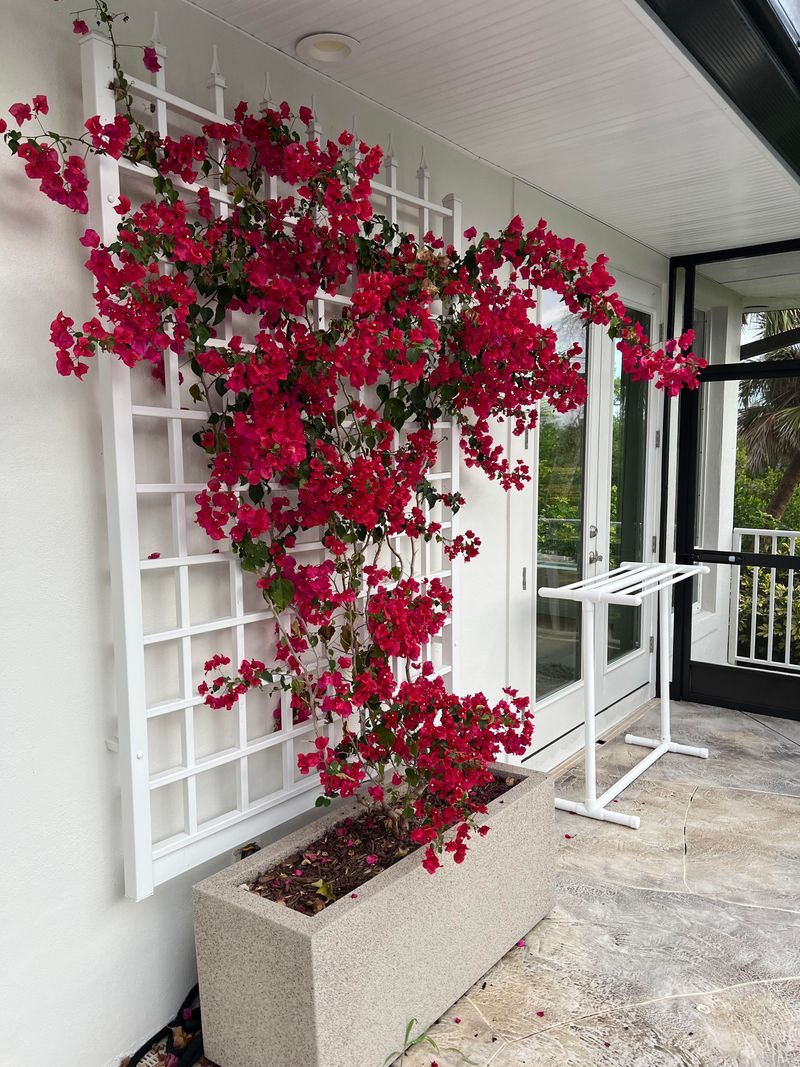
Trellises and fences also help. Training stems toward the light spreads them out, so more branch tips get sun and more color shows up where you can enjoy it from the window.
5. Water Your Bougainvillea Deeply But Much Less Often
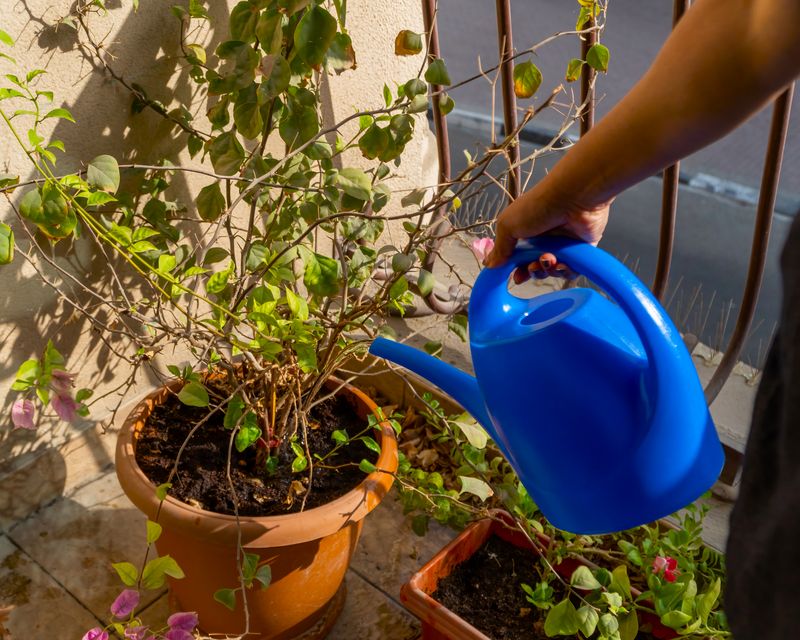
Guilty as charged, I once watered my bougainvillea every other day and got a jungle of leaves with almost no color. Overwatering is one of the most common reasons these vines refuse to bloom.
Established plants in the ground are quite drought tolerant. Once November arrives, cut back watering a lot. Many Florida growers water deeply only every one to two weeks during the dry months, depending on rainfall and soil type.
Before you water, push a finger a couple of inches into the soil. If it still feels damp, wait a few more days. Sandy soils drain fast, while heavier soils hold water longer, so let your own yard guide you.
Turn off or adjust irrigation zones that hit the vine. Lawn sprinklers are sneaky culprits, since they can keep bougainvillea roots soggy even if you skip hand watering.
Florida law calls for automatic sprinkler systems to have a rain shutoff device, so make sure yours still works. A faulty sensor can run the zone right after a storm and keep the vine’s roots wet for days.
Young plants set out within the last year need a bit more care. Keep their roots lightly moist until they settle in, then shift toward a drier routine.
Wilting leaves on a hot afternoon can be normal. If the plant still looks droopy the next morning, give it a deep, slow soak and then let it dry again.
6. Cover Your Bougainvillea Before A Surprise Cold Snap Arrives
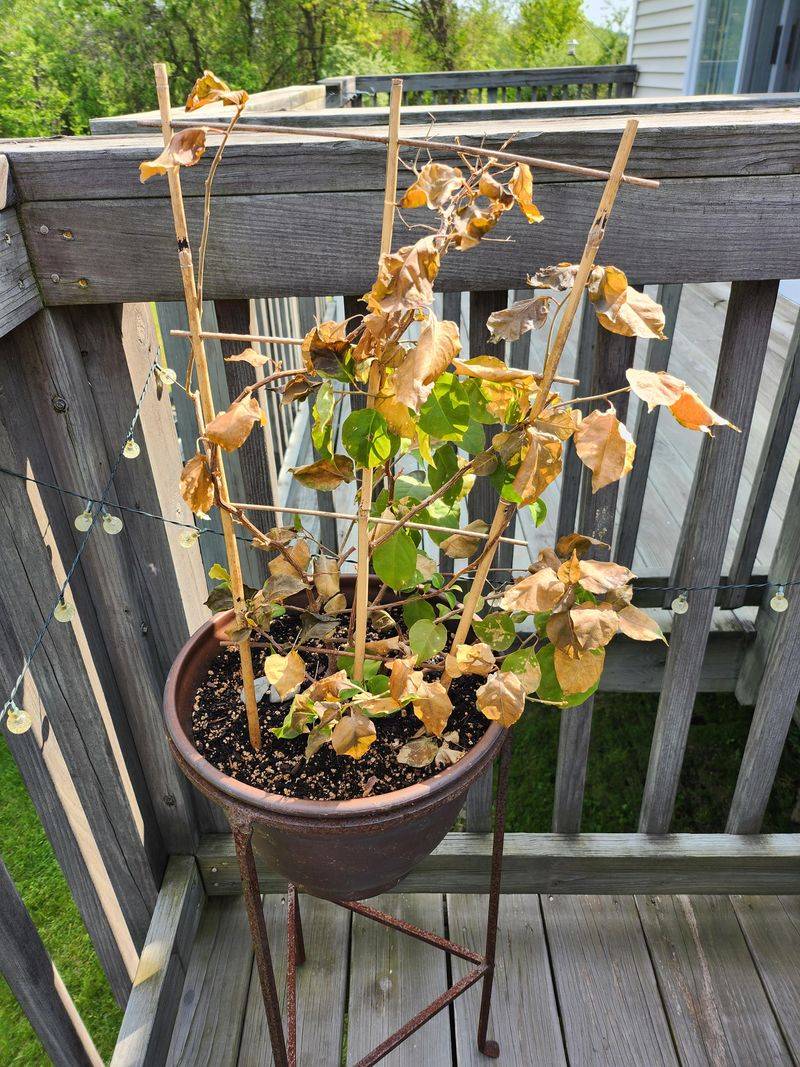
Nobody plans for frost in a sunny state, yet North and Central Florida can see freezing nights in winter. Bougainvillea is a tropical plant and generally grows best in USDA zones 9b through 11.
Leaves and tender stems can be damaged near 32°F, and a hard freeze may knock plants back to the ground. Established plants often regrow from the roots, but that winter’s color is usually lost.
Keep an eye on the forecast starting in November. When a cold night is coming, drape frost cloth or an old sheet over the plant, letting it reach the ground to trap soil warmth. Skip plastic touching the leaves, since it can make damage worse.
Give the soil a light watering a day or two before a predicted freeze, even during your dry-down routine. Moist soil holds and releases more heat than dry soil, which helps keep the air under the cover a little warmer.
Remove covers the next morning once temperatures climb, so the plant doesn’t overheat in the sun. Fold the cloth somewhere handy, since Florida cold fronts often bring two or three chilly nights in a row.
Containers are easy to protect. Move them into a garage or against a warm house wall for the night.
A layer of mulch a couple of inches deep helps shield roots, but keep it a few inches away from the trunk. If leaves do get burned, wait until warm weather returns before trimming damaged growth.
7. Leave Potted Bougainvillea In Its Snug Container Until Spring
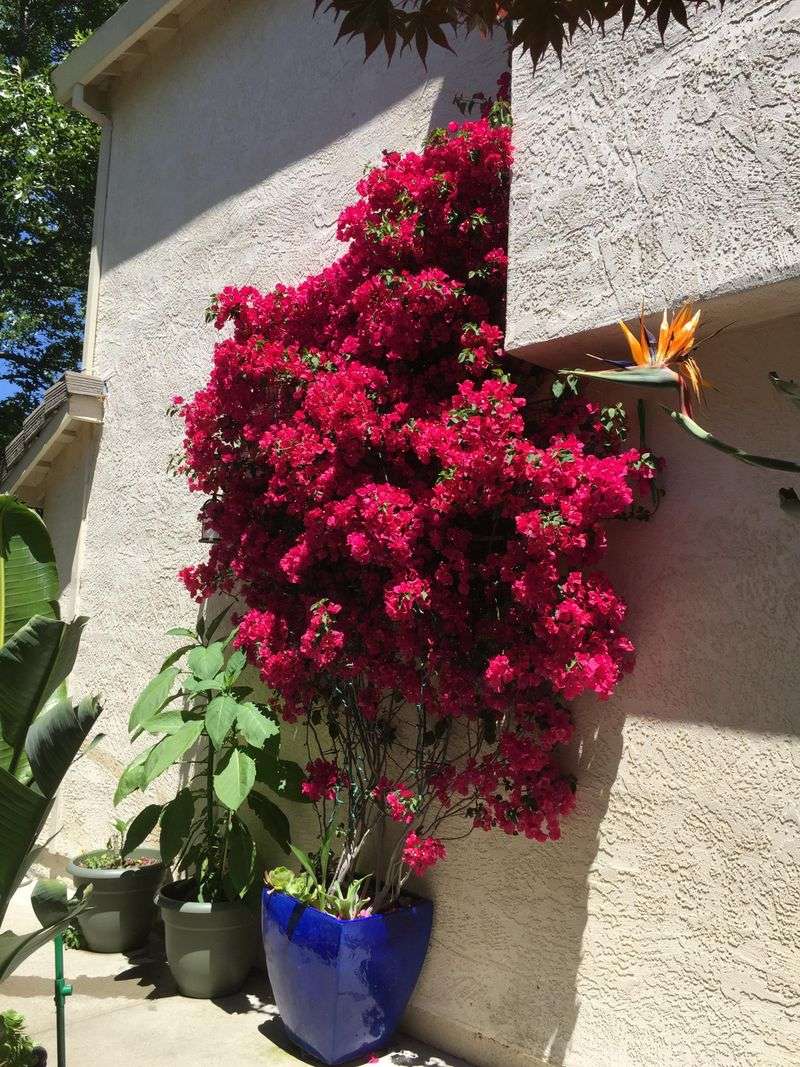
Don’t laugh, but a slightly cramped pot can be your best friend here. Many growers find that container bougainvillea blooms more freely once its roots fill the pot.
Resist the urge to repot this month. Moving to a bigger container sends the plant into root-growing mode, and blooms often slow down while it settles. If repotting is truly needed, wait until spring when active growth picks back up.
Roots poking out of the drainage holes are not an emergency on their own. As long as water still drains and the plant isn’t drying out within a day, that tight fit is helping more than hurting.
Watering works a bit differently once a plant lives in a pot. Containers dry out faster than garden beds, so check them every few days. Water when the top inch or two feels dry, then let excess drain freely from the bottom.
Drainage matters just as much. Empty saucers after every watering, since roots sitting in standing water can rot quickly in cool weather.
Terracotta and other breathable pots help the soil dry more evenly between waterings. A fast-draining potting mix, rather than heavy garden soil, keeps roots healthy through the cooler months.
Containers come with a real perk in Florida. You can chase the sun across your patio, tuck the plant indoors on frosty nights, and set it right by the front door when its color peaks for holiday guests.
8. Check Your Bougainvillea Leaves For Hungry Caterpillars Each Week
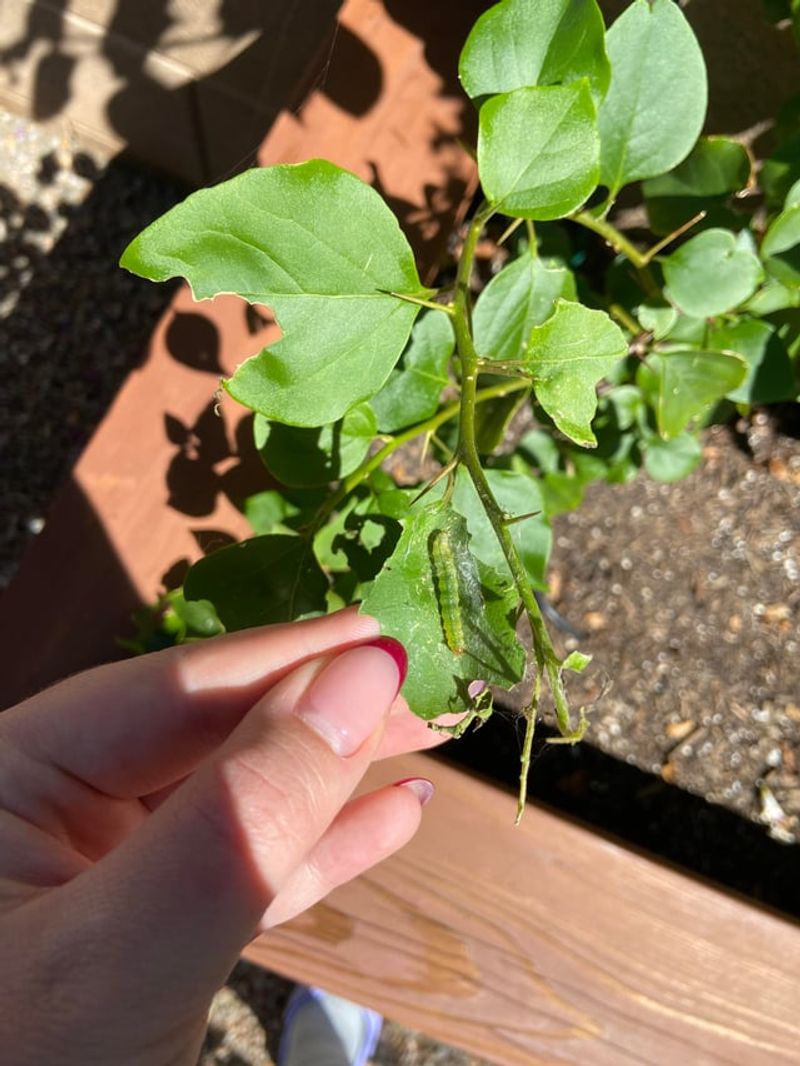
Trust me on this one, a quick weekly stroll past your vine can save a lot of frustration. A few pests can show up as the season changes, and catching them early keeps the color coming.
The bougainvillea looper is a small green caterpillar that chews ragged notches along leaf edges, mostly at night. Damage can look alarming, but healthy plants usually bounce back. Handpicking or a product containing Bt, which targets caterpillars, works well when feeding gets heavy.
Look for small dark droppings on the leaves below, a telltale sign loopers are feeding overhead. A flashlight check after dark often turns up the caterpillars themselves, since they tend to hide during the day.
Aphids, mealybugs, and scale may also appear on new shoots. A strong spray of water or an insecticidal soap often handles light problems.
Some leaf drop is normal during dry, cool weather, so don’t panic if a few leaves yellow and fall. Watch for a pattern before treating anything.
Here’s your simple November game plan. Keep the nights dark, water less, hold the fertilizer, prune lightly, give the plant full sun, skip repotting, and keep frost cloth handy. Then check the leaves each week for trouble.
Do those few things, and your bougainvillea can reward you with months of bold color while much of the country waits for spring. That’s a pretty sweet payoff for a plant that mostly asks you to leave it alone.