Florida Fruit Tree Companion Plants That Help Repel Rats From Your Harvest
Fruit trees in Florida are generous. They produce well, they add real value to a yard, and they attract wildlife in ways that make the garden feel alive.
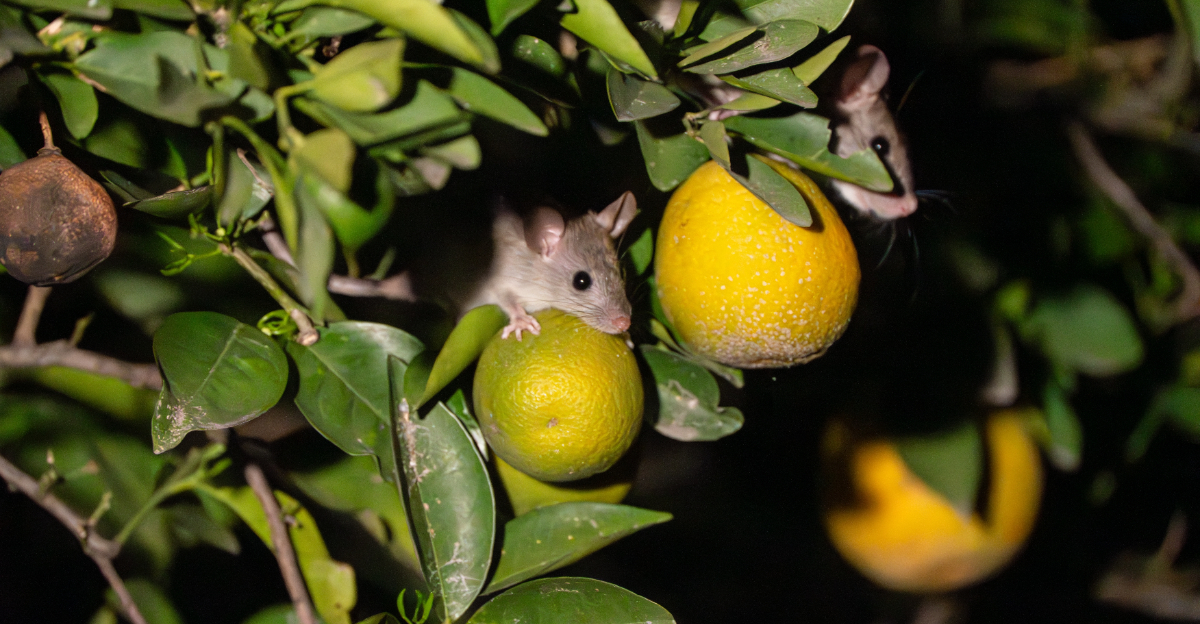
They also attract rats. Anyone who has grown citrus, avocado, or any other fruiting tree in Florida knows rats find a loaded fruit tree almost impossible to resist.
Traps and deterrents handle part of the problem. But the area around the tree, what is planted there and how it is managed, plays a bigger role in rat activity than most fruit tree growers ever consider.
Certain companion plants have scents and characteristics that rats find off-putting. Placed thoughtfully around a fruit tree, they add one more layer of discouragement without disrupting the growing environment or making the space less productive.
No companion plant eliminates a rat problem on its own. Combined with other smart practices though, the right planting choices make a real difference.
1. Society Garlic Adds Strong Scent Around Fruit Tree Edges
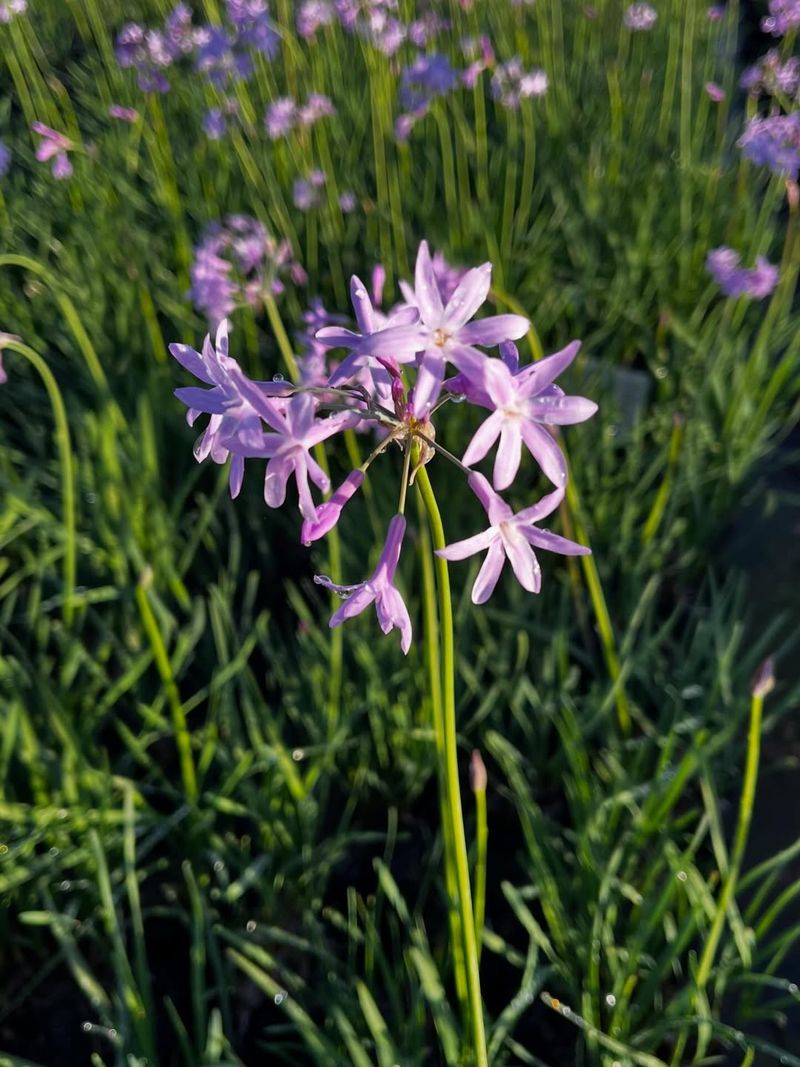
A sunny fruit tree bed with a neat, fragrant edge is easier to inspect than a weedy, overgrown one. Society garlic (Tulbaghia violacea) is a non-native ornamental that has earned a place in warm-region gardens for good reason.
Its narrow, strap-like foliage carries a noticeable onion-garlic scent, and its soft purple flower clusters add low color near harvest paths or citrus edges.
Strong aromatic plants near a harvest zone can make the area feel less inviting to foraging pests. However, there is no scientific proof society garlic reliably keeps rats away.
What it does offer is a tidy, low-growing edge that stays visible and open. That openness matters.
A well-spaced border is far easier to walk and inspect than tangled brush.
Society garlic handles warm, sunny spots well and tolerates some drought once established. It prefers sharp drainage, so avoid soggy spots near downspouts or low-lying areas with poor airflow.
Space clumps a foot or more apart to prevent thatch buildup, and remove old foliage seasonally. Since it is non-native, monitor it for spread and keep it away from natural areas.
Pair it with daily fallen-fruit cleanup, regular pruning, and sealed compost to give your harvest zone the best chance of staying clean and rat-unfriendly.
2. Rosemary Keeps Sunny Harvest Zones Open And Aromatic
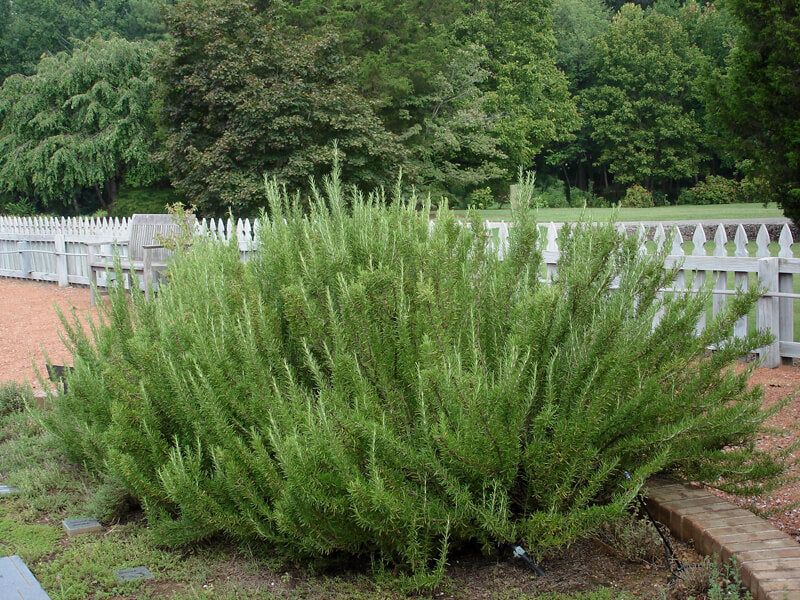
A patio orchard or raised harvest bed with a clean, aromatic border is a pleasure to work in and a lot easier to monitor for fallen fruit. Rosemary (Salvia rosmarinus) brings both qualities to a sunny fruit tree edge.
Its needle-like, silver-green foliage is strongly aromatic and holds its structure year-round without turning into a tangled thicket.
Aromatic borders may contribute to a less welcoming harvest zone, but rosemary is not a rat repellent. What it does offer is an open, evergreen edge that stays tidy with light pruning and keeps the ground visible beneath and around fruit trees.
That visibility is genuinely useful. A clear, well-lit path around a citrus tree or fig makes it easier to spot and remove dropped fruit before it draws attention.
Your Florida Garden Changes Every Week. Your Plan Should Too.
Gardening in Florida changes quickly throughout the season. Every Friday you’ll receive a simple weekly plan showing exactly what to plant, prune, fertilize, harvest, and protect so you never miss the right timing.
Rosemary performs best in full sun with sharp, well-drained soil. Sandy, fast-draining spots common in inland yards suit it well.
Avoid areas with heavy clay, poor air circulation, or standing water after rain, since root rot is a real risk in humid conditions. Harvest sprigs regularly to keep plants compact and productive.
Its culinary value is a bonus for any home gardener. Combine rosemary borders with routine fruit cleanup, trunk clearance, and sealed trash for a harvest zone that works against rat activity rather than for it.
3. Tropical Sage Brings Pollinators Without Heavy Ground Clutter
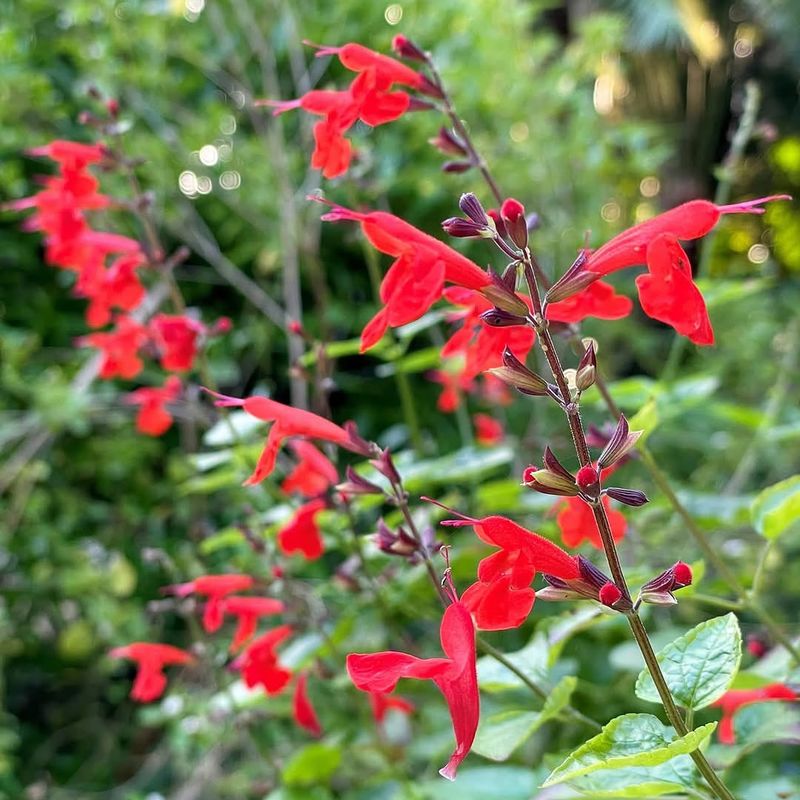
Walk past a clump of tropical sage in full bloom and you will notice the hummingbirds before almost anything else. Salvia coccinea is a Florida native wildflower that brings vivid color, nectar, and pollinator energy to fruit tree plantings.
It does this without forming the kind of heavy, sheltered thicket that rats love. Red is the most common flower color, but pink and white forms exist and all attract beneficial visitors.
Loose, open growth is one of this plant’s most practical qualities near a harvest zone. Dense ground clutter gives small animals places to hide and nest.
A light, airy planting like tropical sage keeps the ground more visible and easier to monitor, especially around low-hanging fruit or near harvest paths. It does not repel rats, but it does not create the cover they prefer either.
Tropical sage reseeds freely in warm, moist conditions, which is both a feature and a management task. Trim spent flower spikes before seeds drop if you want to limit spread, or simply pull extra seedlings as they appear.
Full sun suits it best, and it handles heat and dry spells well once established. Keep clumps away from trunks and avoid letting seedlings pile up against roots or low branches.
Combine with fallen-fruit pickup and regular ground clearing for a harvest area that stays active with pollinators and light on clutter.
4. Muhly Grass Softens Tree Borders Without Creating Dense Cover
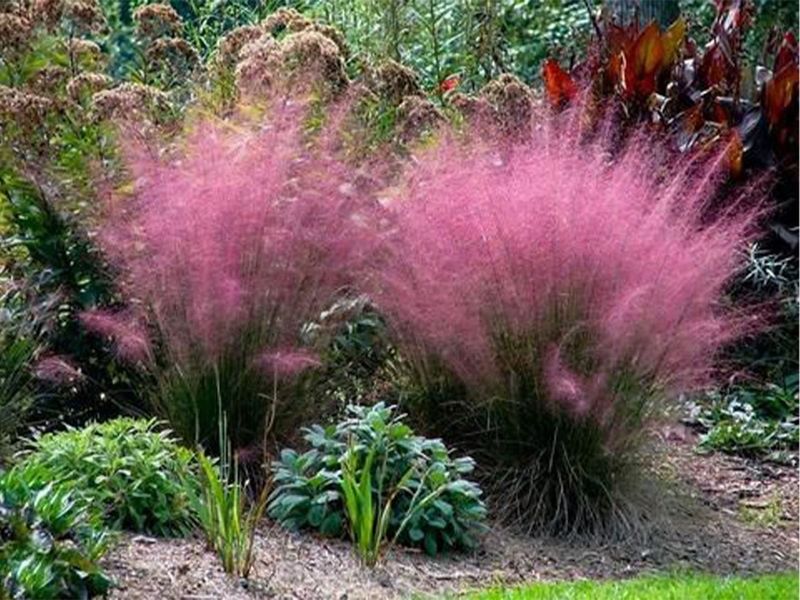
Few plants in a warm-region garden can match the seasonal show of muhly grass in full plume. Muhlenbergia capillaris sends up soft, airy clouds of pink-purple color in fall, turning a simple fruit tree border into something worth stopping to look at.
Beyond the visual appeal, this Florida native brings real practical value to harvest zones that need structure without density.
Open, spaced clumps are far easier to inspect than weedy brush or debris-filled hedges. Muhly grass does not create the tangled, sheltered ground layer that small animals use for cover.
Its upright, airy habit lets light reach the soil, keeps the area visible, and makes fallen fruit easier to spot and remove. None of that means muhly grass repels rats, but it does support the kind of tidy, well-lit border that is less useful to them.
Plant in full sun with good drainage. Sandy or loamy soil suits it well, and established clumps handle drought without much help.
Keep individual plants spaced at least two to three feet apart to prevent the base from thickening into dense cover over time. Cut clumps back in late winter before new growth begins.
Keep grass well away from tree trunks to avoid creating a sheltered zone at the base. Pair with regular fruit pickup, pruning, and sanitation for a harvest border that stays open and manageable through every season.
5. Frogfruit Covers Bare Soil Beneath Open Fruit Tree Edges
Bare soil under a fruit tree is not just an aesthetic issue. Loose, exposed ground can become weedy and cluttered quickly, and weedy growth gives small animals more cover than a managed low ground cover does.
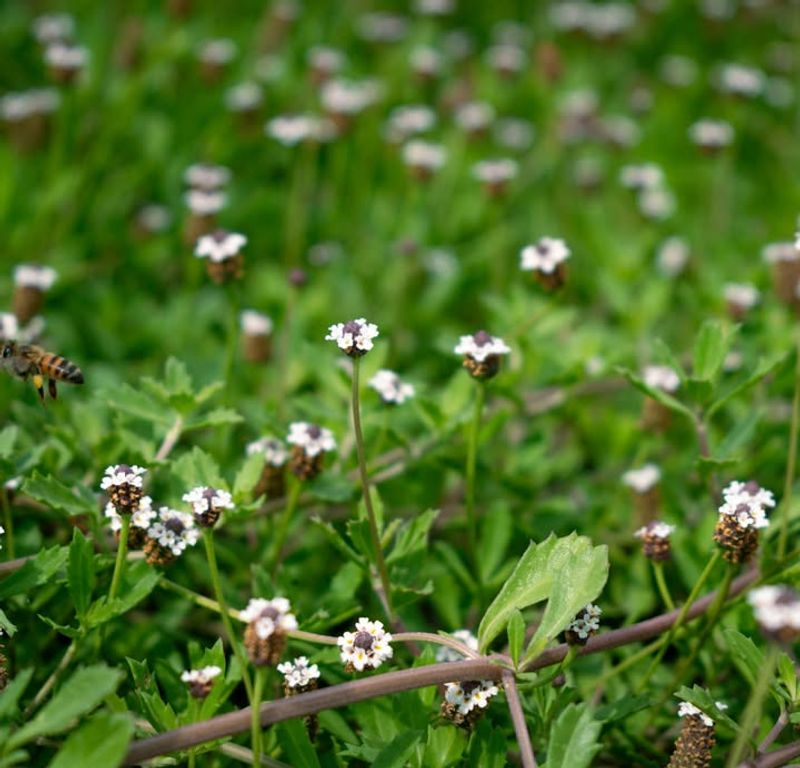
Frogfruit (Phyla nodiflora) is a Florida native that spreads low and flat across sunny, open areas. It covers bare soil without building up the kind of thick thatch that provides shelter.
Its small flowers attract native bees and other pollinators, adding ecological value to fruit tree edges, pollinator strips, and sunny lawn transitions. The low spreading habit stays under a few inches tall, keeping the ground visible and easy to monitor.
That visibility is a real asset near harvest areas where fallen fruit needs to be found and removed quickly. Frogfruit does not repel rats, but managed low coverage is more practical than weedy brush.
Avoid letting frogfruit spread right up against tree trunks or pile into thick mats that could hide dropped fruit. Keep a clear zone of a foot or more around the base of each tree.
Frogfruit prefers full sun and tolerates some foot traffic, making it a good fit for harvest paths and open edges. It handles heat and periodic drought well once rooted in.
Combine with daily fruit cleanup, trunk clearance, and debris removal for a ground layer that supports inspection rather than hiding spots.
6. Mint Works Best In Pots Near Harvest Areas
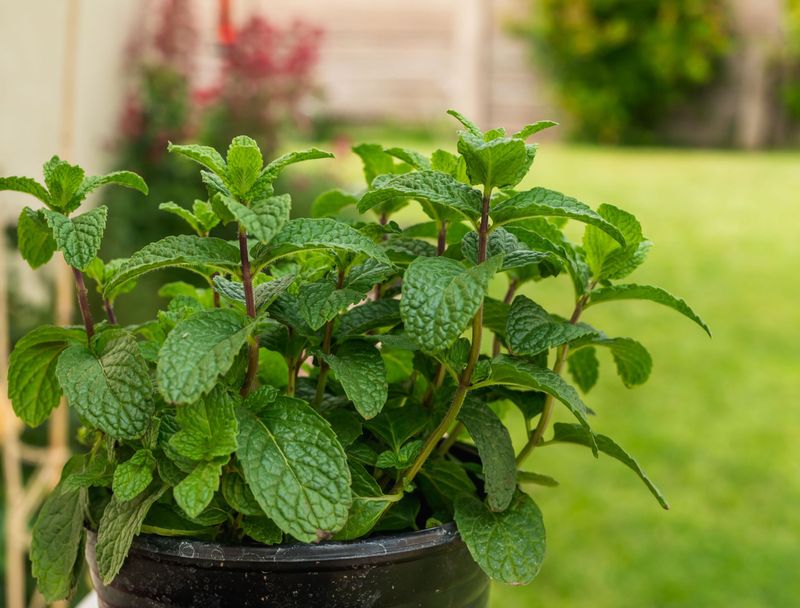
Mint is one of those plants that smells fantastic, tastes great in a glass of iced tea, and will absolutely take over a garden bed if you let it.
Mentha species spread by underground runners and can overwhelm a fruit tree planting in one growing season if planted directly in the ground.
For that reason alone, containers are the right home for mint near harvest areas in warm, humid conditions.
The strong scent of mint is often mentioned in the context of pest deterrence. While some scent-based effects have been noted in limited studies, mint is not a reliable rat repellent.
A pot of spearmint or peppermint near a patio fruit tree or harvest path adds fragrance and kitchen value. It does so without the risk of spreading into beds or trapping debris around trunks.
That is its most honest role in this context.
Keep containers clean and elevated if possible. Pots sitting directly on damp ground can collect fallen leaves and fruit, which is counterproductive near a harvest zone.
Harvest mint regularly to keep plants bushy and productive, and replace potting mix once a year to avoid soggy, root-bound conditions. Avoid placing pots against walls or fences where clutter can accumulate.
Combine container mint with fruit pickup, sealed compost, and trash management for a fragrant patio that stays tidy rather than attracting unwanted visitors.
7. Garlic Chives Add Tidy Allium Scent Without Taking Over
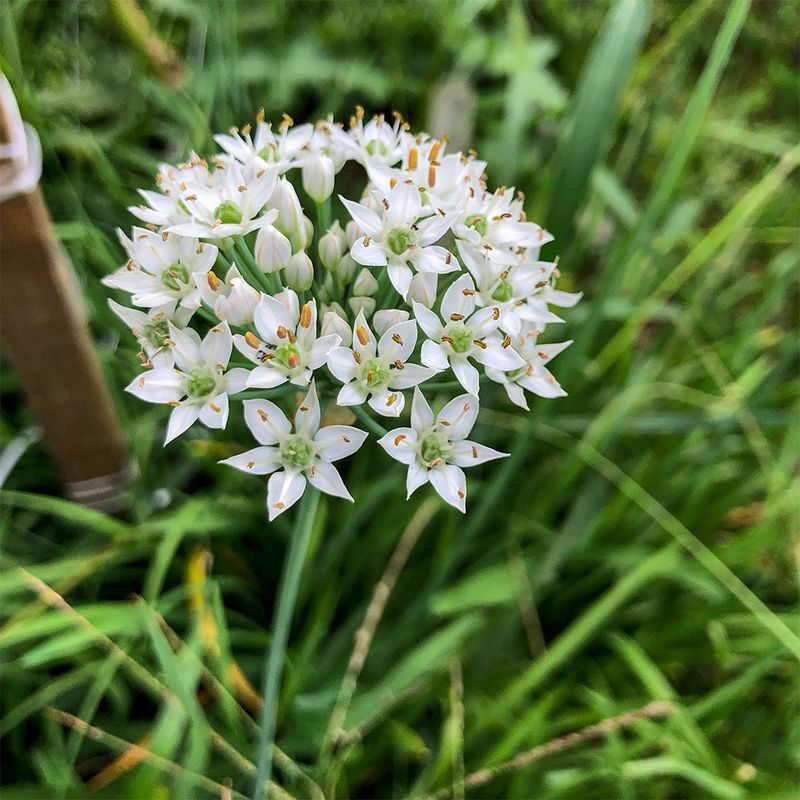
There is something satisfying about an edible plant that earns its place in the garden twice over. Garlic chives (Allium tuberosum) bring a mild onion-garlic scent, edible flat leaves, and delicate white flower clusters.
They work well along fruit tree edges, raised beds, and harvest paths. The clumping habit stays reasonably tidy without spreading aggressively the way mint does underground.
Allium scent is sometimes associated with pest deterrence, but no study confirms garlic chives reliably keep rats away. Still, a fragrant, tidy edge plant is more useful near a harvest zone than a weedy or cluttered one.
Pollinators visit the small white flowers in late summer, adding seasonal interest. Flat, clumping foliage stays low and easy to manage, which keeps the ground more visible around tree bases and harvest paths.
Garlic chives are non-native but widely grown as an edible ornamental. They do reseed, and seedlings can become numerous if spent flowers are left on the plant.
Trim after blooming to limit spread, and divide clumps every few years to prevent them from thickening into dense mats. Avoid planting right against tree trunks.
Keep a clear, mulched zone at the base of each fruit tree. Harvest leaves regularly for cooking and trim the plant back in late fall.
Combine with routine sanitation, fruit cleanup, and pruning for a harvest edge that smells good and stays manageable all year.
8. Marigolds Brighten Tree Edges While Keeping Beds Easy To Inspect
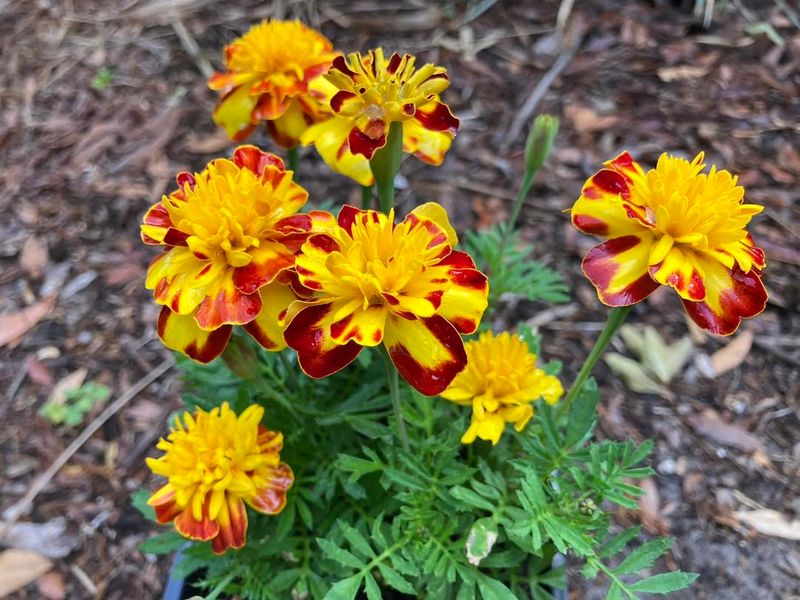
A row of marigolds along a fruit tree edge does something simple but genuinely useful: it keeps the bed visible. Bright orange and yellow flowers are hard to miss.
That means the ground beneath them is easier to monitor for fallen fruit, debris, or anything that should not be there. Tagetes species are non-native annuals, but they have been grown as seasonal border plants in warm-region gardens for generations.
Marigolds are sometimes described as pest deterrents, and their scent is noticeable up close. However, there is no solid evidence they repel rats.
What they offer is low, colorful, seasonal structure that keeps a fruit tree edge visible and less weedy than bare soil or unchecked grass. Low seasonal color is more practical near a harvest zone than tall, dense plantings that block inspection.
Plant in full sun with good drainage. Sandy soil works well, and marigolds handle heat confidently once established.
Trim spent blooms to extend the flowering season and keep the bed looking tidy. Replace plants at the end of each season since they do not overwinter reliably in most areas.
Avoid planting too close to tree trunks, and keep the area under the canopy clear of spent flower debris. Combine marigold borders with daily fruit pickup, pruning, compost management, and sealed trash.
This creates a harvest zone that stays bright, clean, and easy to walk and inspect regularly.
9. Lemongrass Adds Tall Structure And Citrus Scent To Harvest Edges
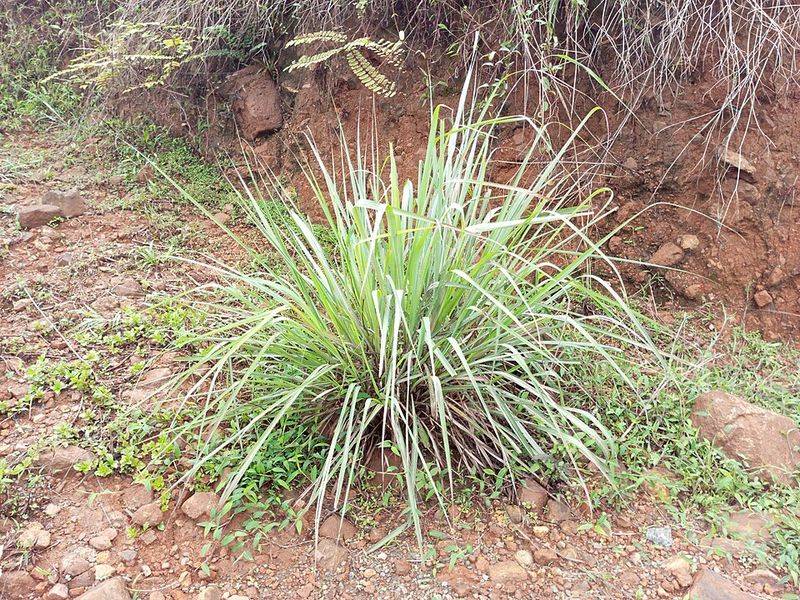
A clump of lemongrass at the edge of a sunny harvest area brings height, structure, and a sharp citrus scent that is unmistakable on a warm afternoon.
Cymbopogon citratus is a non-native tropical grass widely grown in warm regions for culinary use, tea, and aromatic value.
Its tall, arching stalks create a visual border that clearly defines the edge of a harvest zone without creating the dense, low thatch that shelters small animals.
Citrus-scented plants are often associated with pest deterrence in informal gardening circles, but lemongrass has not been proven to repel rats. What it does offer is a tall, open clump that is easy to see around and through, especially when spaced properly.
A well-maintained lemongrass border keeps a harvest edge defined and visible, which supports inspection habits rather than hiding problems.
Lemongrass grows vigorously in heat and handles sandy soil well with regular water during establishment. Divide large clumps every year or two to prevent the base from becoming too thick and sheltered at ground level.
Keep clumps several feet from tree trunks and avoid letting old stalks pile up at the base. Remove dried outer leaves seasonally to reduce debris.
Harvest inner stalks regularly for cooking. Pair with fruit cleanup, sealed compost, debris removal, and pruning to keep the harvest zone tidy, open, and far less useful to foraging pests.