What To Do With Your Florida Pentas In August To Keep Butterflies Coming
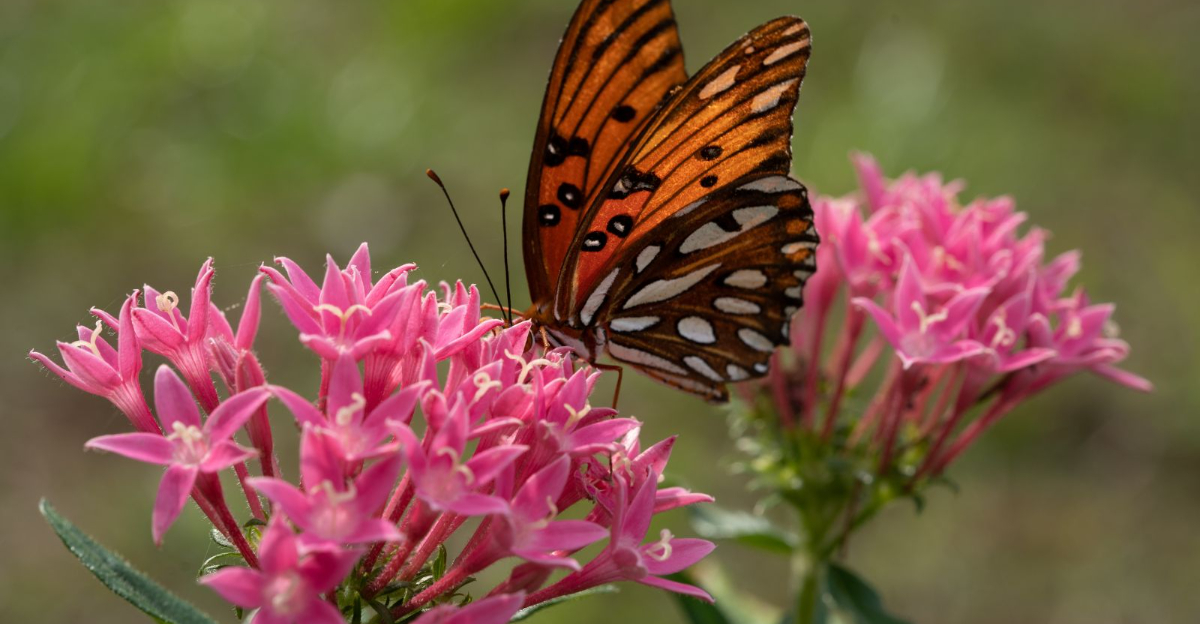
August in Florida is peak butterfly season, and pentas are right at the center of the action.
The heat is intense, afternoon thunderstorms roll through regularly, and bursts of strong sunshine push these cheerful plants into some of their most active flowering of the entire year.
For anyone trying to bring more butterflies into the yard, this is genuinely one of the best months to pay close attention to how pentas are being managed.
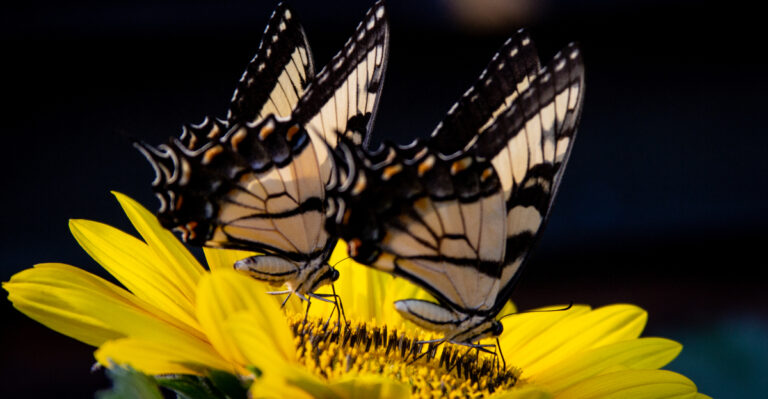
Swallowtails, skippers, and monarchs are all active right now and looking for reliable nectar sources, and a well-cared-for pentas plant delivers exactly that.
The good news is that keeping pentas productive through August does not require a complicated routine.
A few thoughtful care decisions made consistently through the month can keep flower clusters open, accessible, and working hard for every butterfly that passes through.
1. Leave Flowering Growth Unclipped
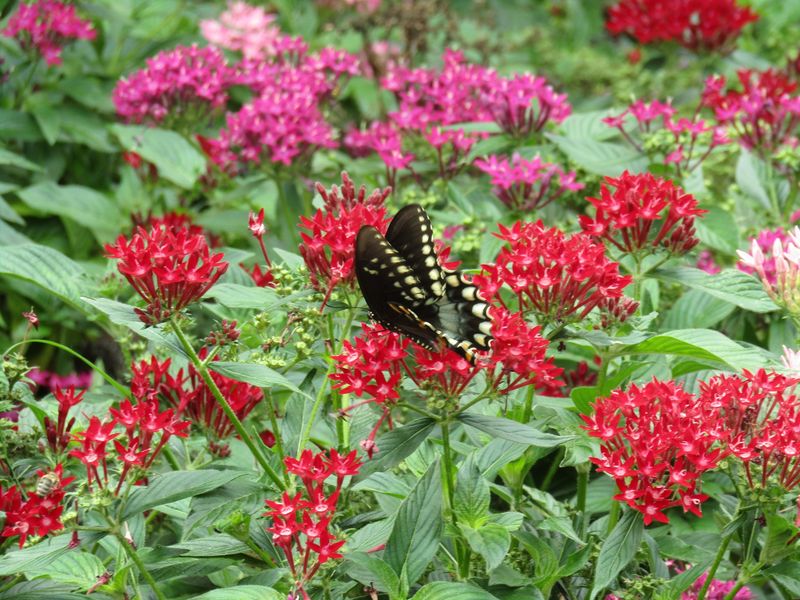
Flowering stems on pentas plants are doing exactly what a butterfly garden needs them to do in August, so reaching for the shears at the wrong moment can work against you.
Pentas produce flowers on new growth, which means that cutting back actively blooming stems reduces the number of open flower clusters available to visiting butterflies.
In a Florida summer, when plants are actively growing and producing new stems regularly, there is little reason to shear back healthy flowering growth.
Many gardeners feel the urge to tidy up their plants mid-season, especially when some stems get leggy or start leaning. A light cleanup of broken or damaged stems is reasonable, but a full shearing of the plant can set back flower production for a period of time.
During August, when butterflies like swallowtails and skippers are actively moving through Florida landscapes looking for nectar, an unclipped pentas plant with multiple open flower clusters is far more useful than a freshly trimmed one.
If your pentas have grown quite large and unruly, focus on removing only the stems that are clearly spent or damaged rather than cutting the whole plant back.
Preserving the actively flowering portions of the plant keeps nectar available and allows the plant to continue supporting butterfly visits without interruption.
Patience during August can pay off with a fuller, more productive plant heading into fall.
2. Water When August Rainfall Is Not Enough
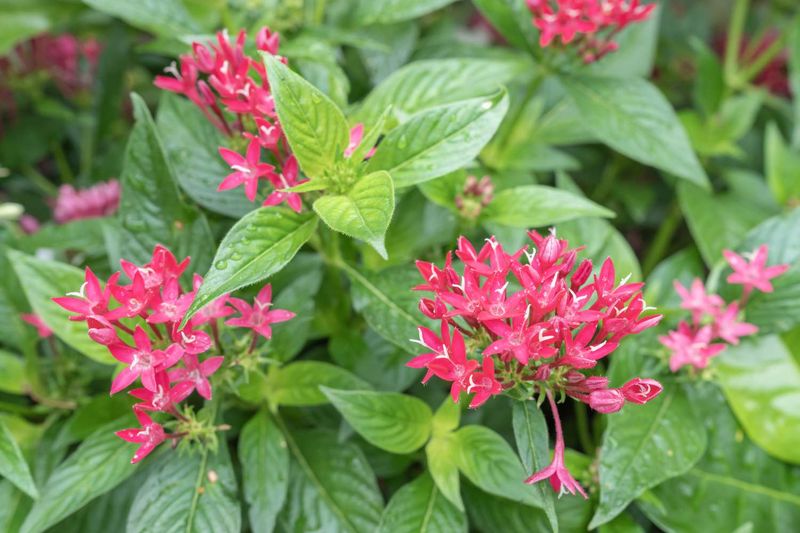
Summer rain in Florida can feel relentless one week and surprisingly sparse the next. August rainfall totals vary significantly depending on where you live in the state and whether storm systems are moving through your area regularly.
Because of this variability, relying entirely on rainfall to keep your pentas hydrated can sometimes lead to moisture stress during drier stretches, which may slow flower production.
Pentas grow best in well-drained soil with regular moisture. They are reasonably tolerant of short dry periods once established, but prolonged dry soil during the August heat can cause stress that shows up as wilting or reduced blooming.
Checking the soil moisture before watering is a practical habit – if the top inch or two of soil feels dry, supplemental irrigation can help the plant stay productive.
Your Florida Garden Changes Every Week. Your Plan Should Too.
Gardening in Florida changes quickly throughout the season. Every Friday you’ll receive a simple weekly plan showing exactly what to plant, prune, fertilize, harvest, and protect so you never miss the right timing.
A 2- to 3-inch layer of mulch around in-ground pentas can help the soil stay moist longer between rainfall or irrigation. Leave a couple of inches of space around the base of smaller plants rather than piling mulch against the stems.
On the other hand, summer rains can also be heavy enough that additional watering is unnecessary for several days at a time. Overwatering pentas in poorly drained soil can cause root problems, so good drainage matters as much as consistent moisture.
Container-grown pentas may need more frequent monitoring since pots can dry out faster than in-ground beds.
Paying attention to actual soil conditions rather than following a rigid watering schedule is the most sensible approach for keeping pentas healthy and flowering through August in Florida.
3. Give Pentas Plenty Of Sunlight
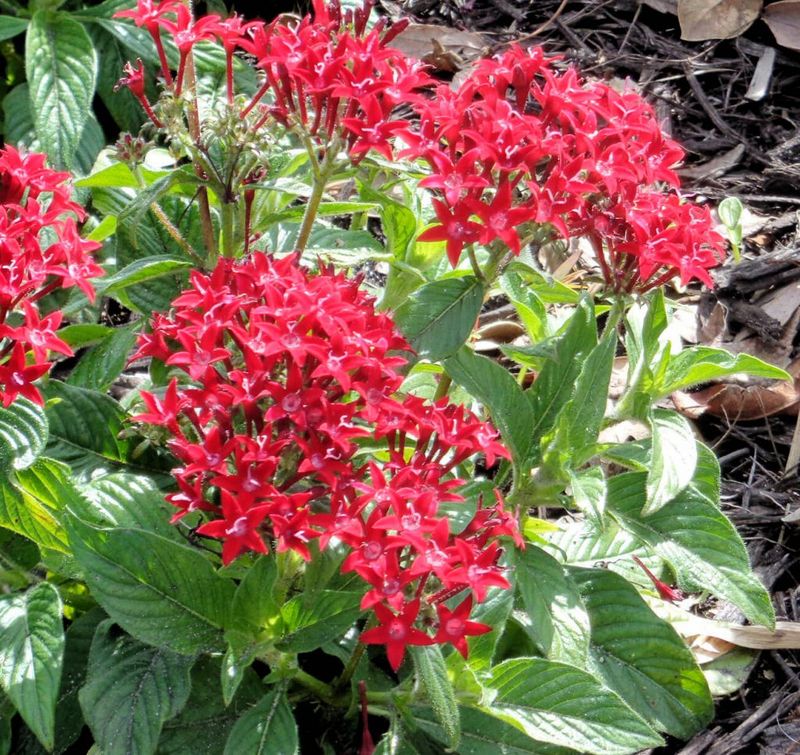
One of the reasons pentas perform so well in Florida landscapes is their ability to thrive in the state’s strong summer sunlight.
Full sun exposure generally supports the most robust flowering, and in August, when the sun is intense and the days are long, a well-sited pentas plant can produce clusters of blooms consistently.
Placing pentas where they receive good sun exposure throughout the day can help keep the plant flowering reliably.
Pentas can also tolerate some light or partial shade, which makes them flexible for different garden spots. However, plants growing in shadier conditions tend to produce fewer flowers compared to those in full sun.
In a butterfly garden where the primary goal is keeping nectar-producing blooms open and accessible, maximizing sun exposure where possible can support better flower production through the summer months.
August sun is genuinely intense, and established pentas generally handle that heat well when they have adequate soil moisture.
Young transplants or recently divided plants may need a bit more attention during the hottest weeks, but mature plants that have settled into their location tend to handle Florida’s summer conditions without much difficulty.
Choosing a planting spot with good sun exposure when first establishing pentas can reduce the need for adjustments later and help the plant perform well during the peak of butterfly season.
4. Treat Deadheading As Optional
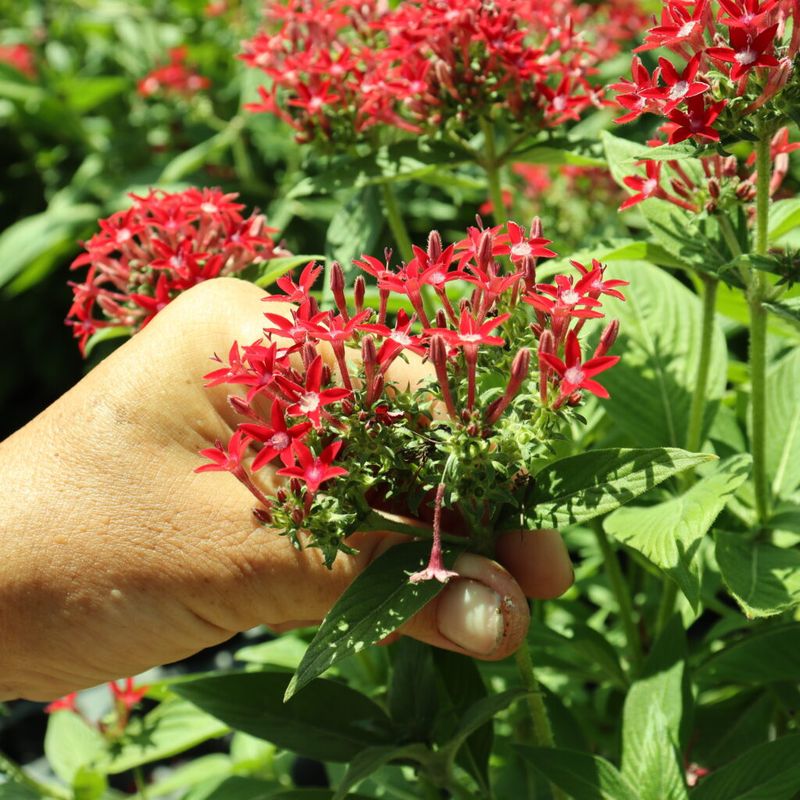
Spent flower clusters on pentas plants are not always the problem they might appear to be. Pentas have a natural tendency to drop old blooms and push out new flower clusters on their own, which means constant deadheading is not required to keep the plant producing.
In August, when butterfly activity in Florida is high, leaving the plant largely undisturbed allows more flowering growth to remain in place and available to visiting butterflies.
Removing faded clusters can improve the appearance of the plant if the browning flower heads bother you aesthetically. That is a reasonable personal preference, and light removal of truly spent clusters will not significantly set back the plant.
What to avoid is aggressive cutting that removes stems still carrying buds or partially open flowers, since that growth would otherwise continue developing into nectar-producing blooms that butterflies can use.
Some gardeners find that a quick pass through the plant every week or two, removing only the most obviously spent clusters, strikes a good balance between tidiness and preserving productive growth.
Others prefer to let the plant manage itself almost entirely and simply enjoy the natural flowering cycle.
Both approaches can work well in a Florida butterfly garden during August. The most important thing is avoiding heavy-handed cutting that removes more flowering potential than necessary during the peak of the summer nectar season.
5. Check For Mites Before Treating Pest Problems
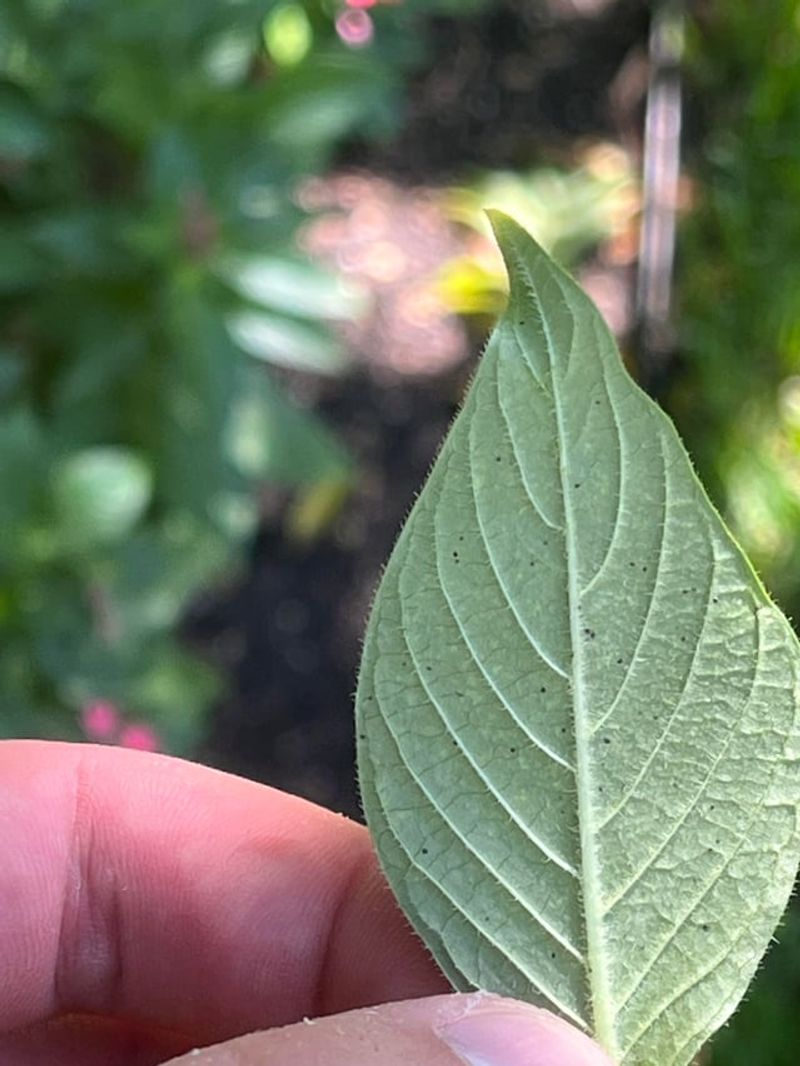
Not every blemish on a pentas plant signals a serious pest problem, and jumping straight to a treatment before identifying what is actually happening can cause more disruption than the pest itself.
Mites are identified by UF/IFAS as an occasional pest concern for pentas, and they tend to appear during hot, dry conditions – which can certainly occur during August in Florida even amid the summer rainy season.
Mite damage often shows up as stippling or a faded, dusty appearance on leaves, particularly on the undersides.
Getting into the habit of flipping leaves over and looking closely before assuming a treatment is needed can save time and reduce unnecessary chemical exposure in the garden.
A gentle spray of water can sometimes help reduce mite populations on plants that are not heavily affected.
Major pest and disease problems on pentas are generally limited, which makes the plant a relatively low-maintenance choice for Florida landscapes.
The inspection step matters most because treating a plant for a pest problem that does not actually exist – or applying a broad product when a targeted response would do – can have unintended effects on the butterflies and other beneficial insects visiting the flowers.
Taking a few minutes to look carefully at your pentas before reaching for any product is a practical and responsible habit for any butterfly gardener in August.
6. Minimize Pesticide Use Around The Flowers
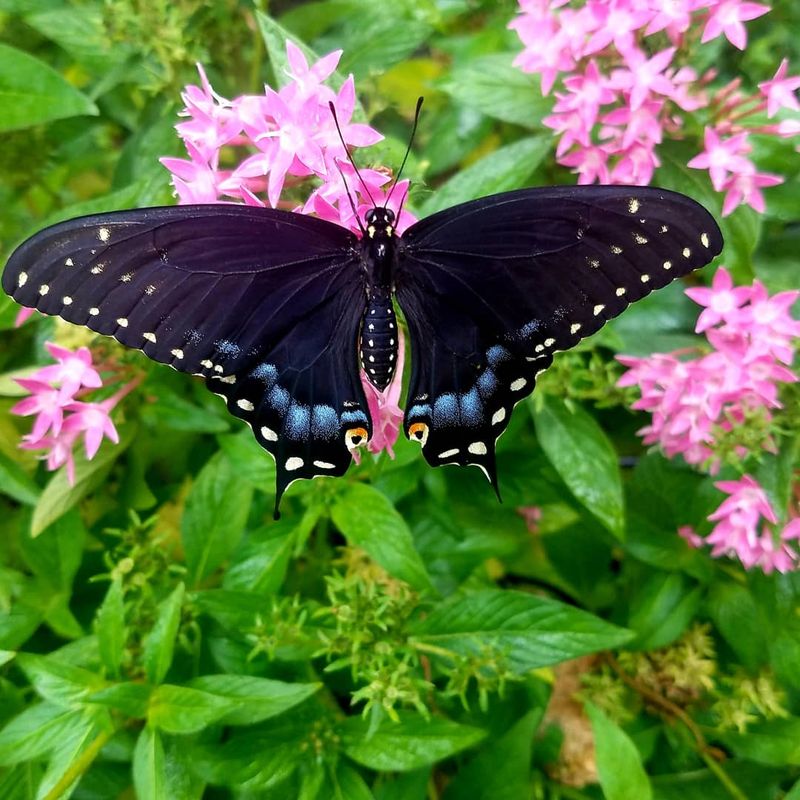
A butterfly garden is only as welcoming as the environment around the flowers, and unnecessary pesticide applications can undermine the purpose of planting pentas for butterflies in the first place.
Adult butterflies that visit pentas for nectar can be sensitive to pesticide residues on or near the flowers, and caterpillars feeding on host plants nearby may also be affected by products used in the surrounding garden area.
When a genuine pest problem requires attention, targeted treatment using the least disruptive option available is a more thoughtful approach than broad spraying.
Even products that are sometimes considered relatively safe for beneficial insects should be applied carefully in butterfly gardens.
Bacillus thuringiensis, commonly called Bt, is sometimes suggested as a caterpillar treatment in vegetable gardens, but UF/IFAS advises caution with its use in butterfly gardens because it can affect desirable caterpillars, not just pest species.
Keeping pesticide applications away from open pentas flowers and applying any necessary treatments during early morning or evening hours, when butterfly activity is lower, can help reduce the chance of direct exposure.
Spot treatments on affected plant parts are preferable to blanket applications across the whole garden.
In a Florida August landscape where butterflies are actively moving through and feeding, the goal is to intervene only when truly necessary and to do so in the most careful, targeted way possible to protect the garden’s visitors.
7. Check Local Rules Before Fertilizing In August
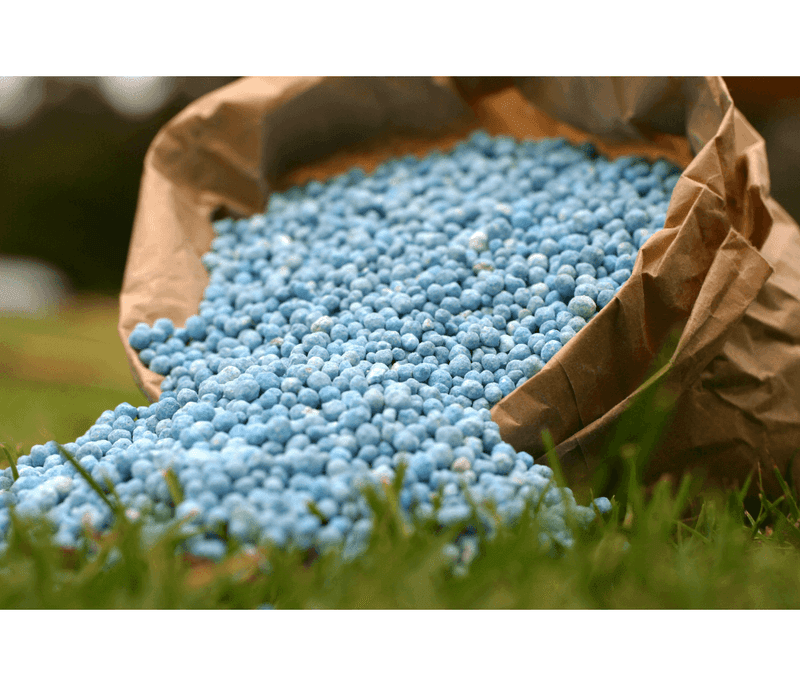
Pentas growing actively in August can respond well to appropriate fertilization, but whether you should fertilize at all depends on more than just the plant’s growth stage.
Many Florida counties and municipalities have rainy-season fertilizer restrictions in place that limit or prohibit the application of nitrogen and phosphorus during summer months.
These ordinances are designed to reduce nutrient runoff into local waterways during the period when heavy rain is most frequent.
Before applying any fertilizer to your pentas in August, checking your local ordinance is a practical and responsible step. Rules vary by location across Florida, so what is permitted in one county may not be allowed in another.
Your local UF/IFAS Extension office can be a helpful resource for finding out what applies in your area and what products or application rates may still be acceptable under local rules.
If fertilizing is permitted and your pentas appear to be growing vigorously and flowering well, a light application of a balanced fertilizer appropriate for flowering plants may support continued growth.
However, pentas that are already performing well in healthy soil may not need supplemental fertilizer at all during August.
Signs of pale foliage or noticeably slowed growth in otherwise well-watered plants could indicate a nutrient need worth addressing, but always confirm that any application is consistent with local Florida regulations before proceeding.
8. Keep Butterfly Host Plants And Other Nectar Flowers Nearby
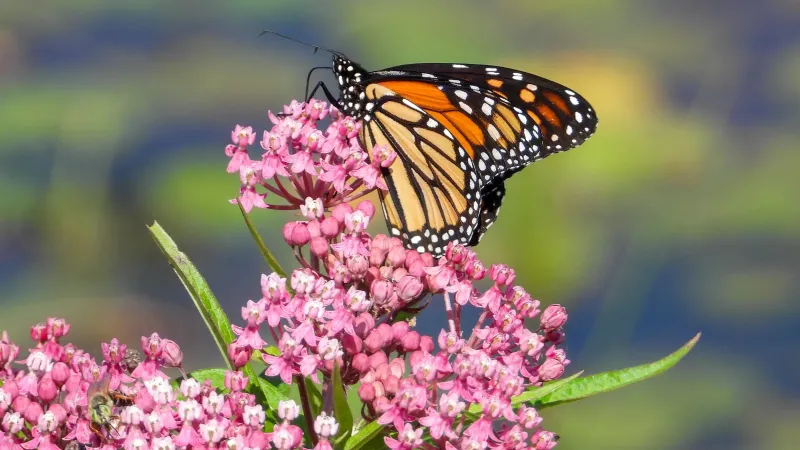
Pentas are genuinely excellent at one specific job in a butterfly garden – providing nectar for adult butterflies.
Swallowtails, skippers, monarchs, and other species that visit Florida gardens in August can benefit from having a reliable source of accessible nectar, and pentas deliver that consistently when they are flowering well.
However, adult butterflies also need host plants where they can lay eggs and where caterpillars can feed and develop.
Planting pentas alongside appropriate larval host plants creates a more complete butterfly habitat. Milkweed supports monarch caterpillars, passionvine hosts gulf fritillary and zebra longwing caterpillars, and wild lime or citrus foliage can support giant swallowtail caterpillars.
Pentas do not serve as a host plant for butterfly caterpillars, so pairing them with the right host plants is what makes a garden genuinely useful to butterflies across different life stages.
Adding other nectar-producing flowers alongside pentas can also extend the variety of butterfly species that visit and provide more feeding options across different bloom heights and flower shapes.
Native Florida wildflowers, firebush, and lantana are examples of plants that can complement pentas well in a summer butterfly garden.
Building a layered planting with pentas as part of a broader mix of nectar and host plants gives butterflies more reasons to linger in your landscape throughout August and beyond.