The Freeze-Tolerant Blooms Keeping Texas Beds Colorful All Winter
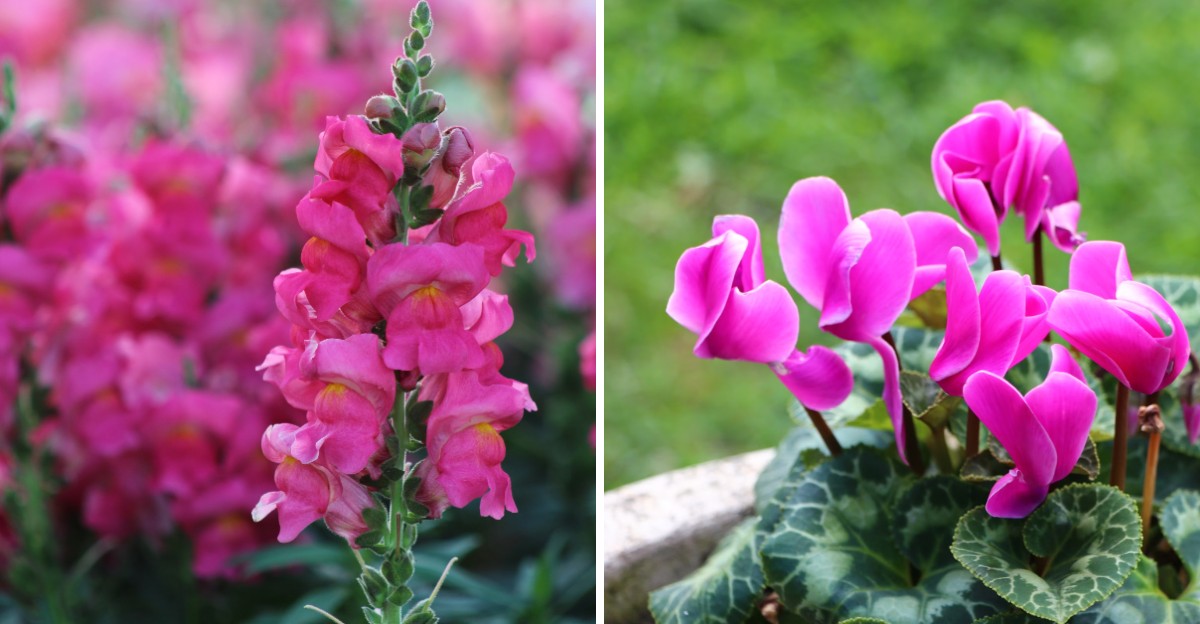
Pansies and snapdragons sold at nurseries every fall can shrug off nights in the low twenties. Ornamental kale goes even further, often handling temperatures near 5 degrees with surprisingly little fuss.
Leaf color actually changes on some cold-season plants as nights grow longer and chillier each week. Leafy rosettes can turn brighter pink or deeper purple once steady cool weather finally settles in.
I have to admit that winter used to feel like a long, gray pause in my own garden. You might notice the same thing when summer flowers fade and Texas beds suddenly look tired.
What surprises me most is how many tough bloomers handle frost better than our tender summer favorites do. Which of these cheerful cold-weather plants will earn a sunny spot in your Texas beds this year?
1. Pansies And Violas
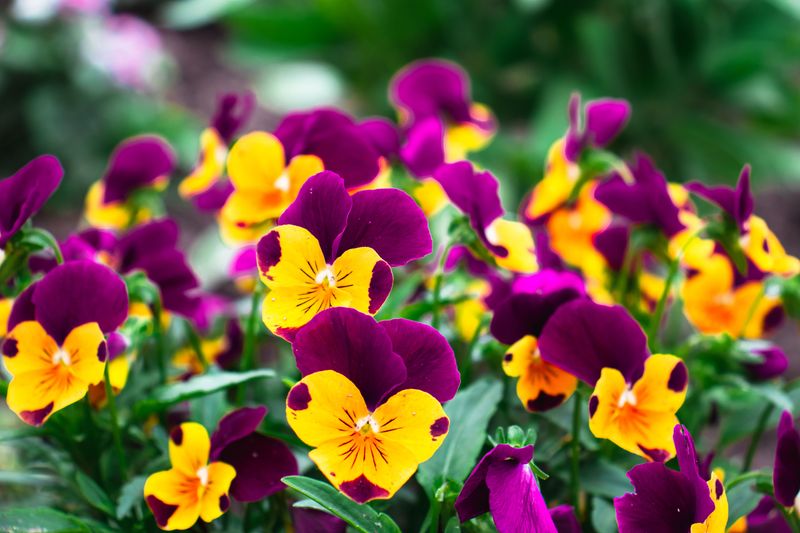
Frost can coat pansy petals overnight, yet by midmorning the flowers usually perk up as if nothing happened. I love how their little painted faces seem to grin back at you on chilly mornings.
Pansies, known as Viola x wittrockiana, and smaller violas are cool-season annuals across most of the state. Texas A&M AgriLife lists them among the most dependable choices for winter color in home landscapes.
You need to plant them once nights cool down, which often means October or November in many regions. Setting them out too early during hot spells can leave transplants stretched, weak, and struggling to settle in.
Give them at least six hours of sun and loose, well-drained soil mixed with some compost. A light layer of mulch helps hold moisture and keeps roots a bit warmer during sudden cold snaps.
Water deeply after planting, then let the top inch of soil dry slightly before watering again. Pinching off faded blooms keeps plants focused on making fresh flowers instead of setting seed far too early.
Violas carry smaller flowers, but they often produce more of them and handle rough weather with real grit. Personally, I tuck violas along edges and save the big-faced pansies for containers near the front door.
Both plants are edible, so their petals can brighten salads or decorate cupcakes when grown without chemical sprays.
Kids especially enjoy hunting for the funniest flower faces, which makes winter garden walks a lot more fun.
2. Snapdragons
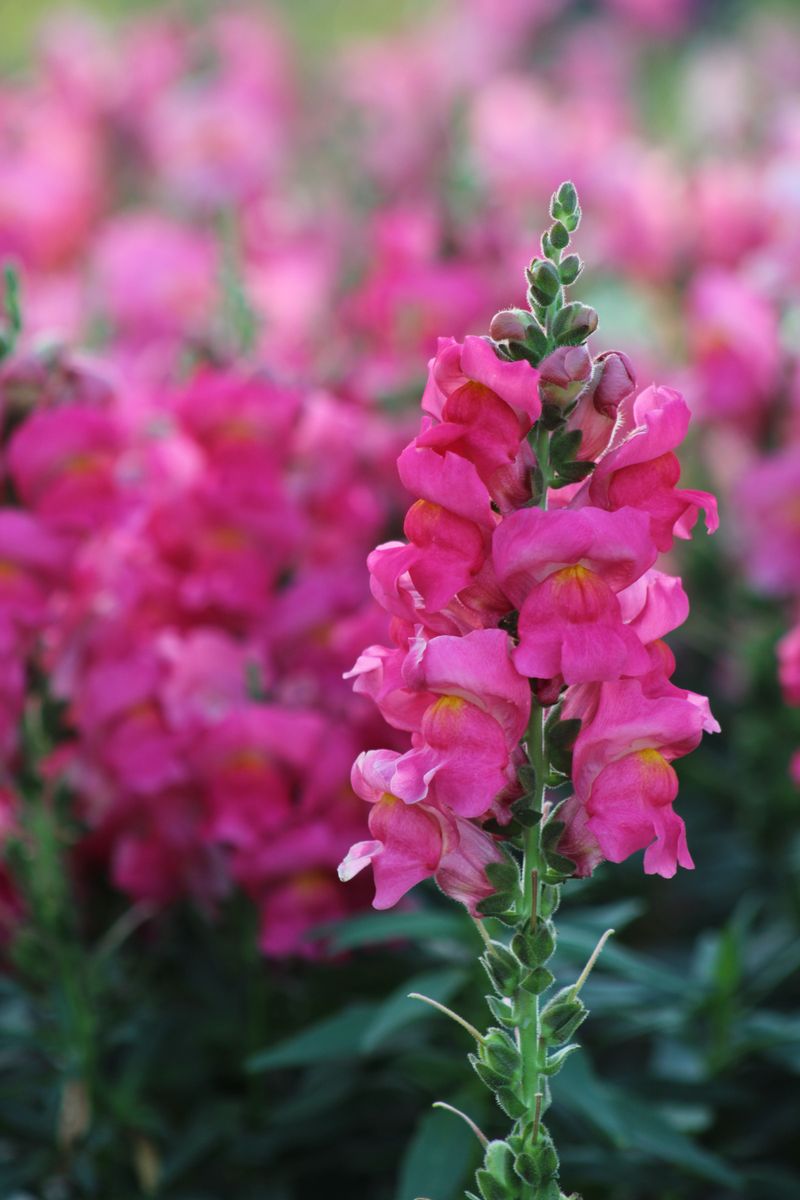
Squeeze the sides of a snapdragon flower gently, and the little dragon mouth pops open like a puppet. Children giggle every time, and honestly, I still do it whenever I pass a blooming bed myself.
Snapdragons, or Antirrhinum majus, are short-lived perennials usually grown as cool-season annuals in southern gardens.
Their tall flower spikes add height that few other winter bloomers can offer, which keeps beds from looking flat.
Established plants often handle light freezes well, and many shrug off temperatures in the middle twenties. Young transplants and open flowers can show some damage during harder freezes, so a frost cloth helps on bitter nights.
Plant them in full sun with fertile, well-drained soil, spacing them so air flows easily between stems.
Crowded snapdragons stay damp longer, and that moisture can invite rust and other leaf problems you would rather avoid.
Water at the base of the plant instead of sprinkling the leaves from overhead with a hose. About an inch of water each week usually works, though cool cloudy stretches mean you can water less often.
I like pinching young plants once at the tips to encourage more side branches and extra flower spikes. Cutting spent spikes back to a leaf joint often triggers a fresh round of blooms several weeks later.
Taller varieties make wonderful cut flowers, lasting about a week in a vase with clean water. Shorter dwarf types fit nicely in pots, where you can admire their cheerful colors right outside your window.
3. Calendula
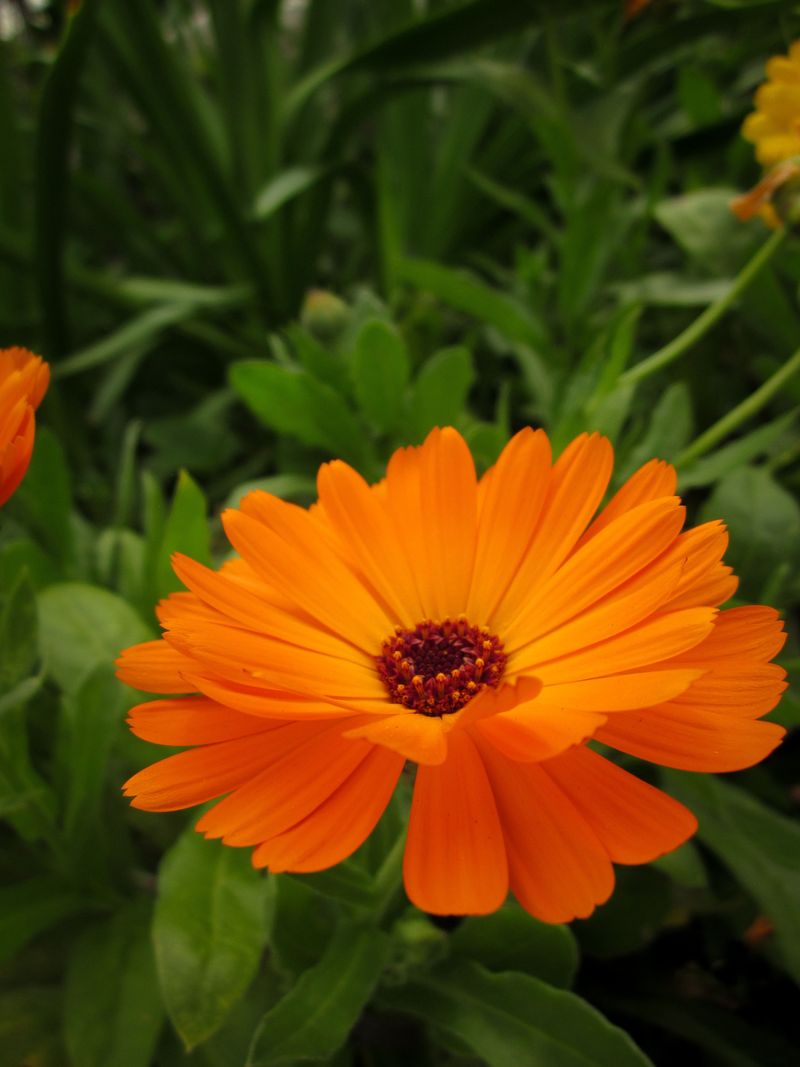
Gray January skies feel a lot less gloomy when orange calendula flowers glow like tiny campfires in the bed. Old herbal books called it pot marigold because cooks once tossed the petals into soups and stews.
Calendula officinalis is a cool-season annual and not a true marigold, despite the confusing old common name. Its daisy-like flowers come in sunny shades of orange, gold, cream, and sometimes peachy apricot tones too.
Plants handle light frost quite well, though a hard freeze in the low twenties can damage flowers and leaves. In colder northern areas, I suggest covering them with frost cloth when forecasts call for a sharp drop.
Sow seeds directly in the garden during fall, or buy transplants from local nurseries for quicker color.
Full sun brings the most flowers, and average well-drained soil suits them better than overly rich ground does.
Overfeeding with nitrogen usually gives you plenty of leaves but fewer cheerful blooms, so go easy on fertilizer. Regular deadheading keeps fresh buds coming, and I find the job oddly relaxing on a cool sunny afternoon.
Calendula flowers attract helpful insects, including hover flies whose larvae often eat aphids on nearby plants.
You might notice bees visiting on warmer winter days when few other blooms are available for them nearby.
Let a few flowers set seed late in spring, and new seedlings may pop up the following fall. Those volunteer plants feel like free gifts, popping up exactly where the old ones grew the season before.
4. Dianthus
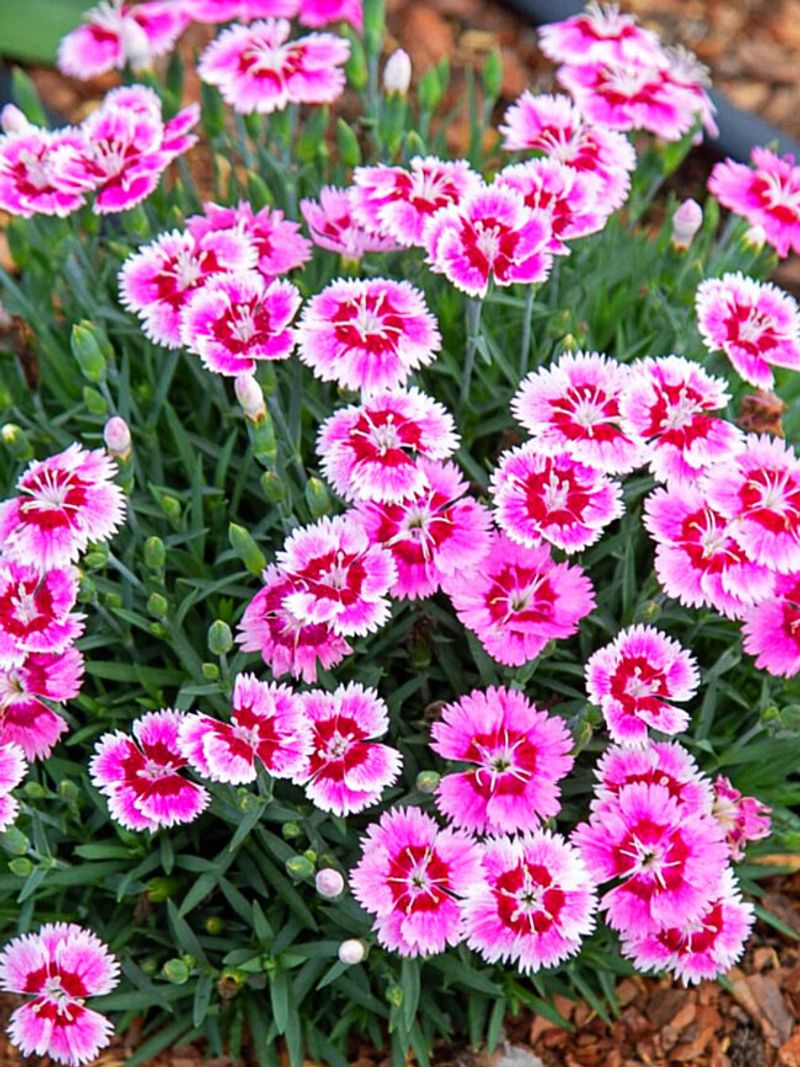
Lean close to a dianthus bloom, and you may catch a spicy scent that smells a little like cloves. Those frilly edges look as though someone trimmed every petal with tiny pinking shears, which explains the nickname pinks.
Dianthus covers a big group of plants, and many garden types bloom happily through cool southern winters.
Texas A&M AgriLife has recognized the Amazon series as a Texas Superstar plant for strong cool-season performance.
Many varieties tolerate hard frost better than pansies, often handling temperatures down into the teens without much trouble. I have watched mine look rough after a freeze, then push out fresh flowers within a couple weeks.
Plant them in full sun or light afternoon shade, where they receive at least six hours of light daily. Well-drained soil matters a lot, because soggy roots often lead to rot during long, wet winter weeks.
Water deeply but less often, letting the soil surface dry before you reach for the hose again. Raised beds or slightly mounded rows work nicely if your yard holds heavy clay that drains rather slowly.
Snip off faded flower clusters to keep plants tidy and encourage new buds to form along the stems. Deer usually ignore dianthus, which makes it a handy choice for yards that see frequent hungry visitors.
Short varieties make lovely edging along walkways, while taller Amazon types look striking in mixed beds and pots. You will appreciate how their color stays bright long after many summer plants have faded away.
5. Sweet Alyssum
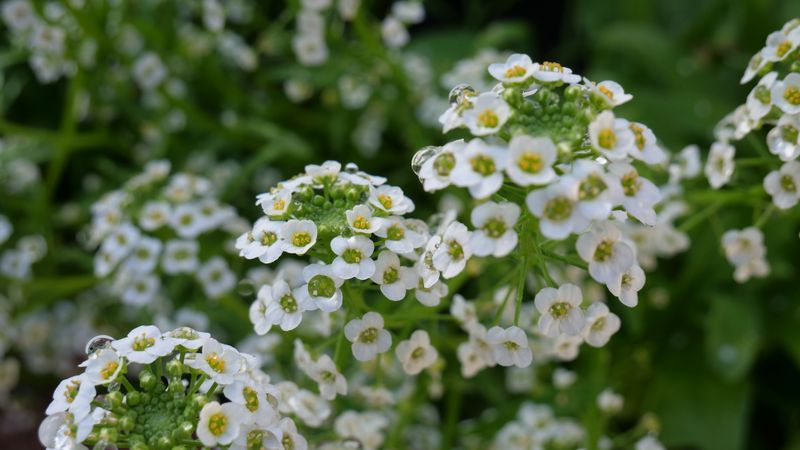
Kneel near a patch of sweet alyssum on a mild afternoon, and a soft honey scent drifts upward. I can’t imagine a winter border without those tiny fragrant flowers spilling over the edges like lacy foam.
Lobularia maritima grows only a few inches tall, forming low mounds packed with tiny white, pink, or purple blooms. It is usually grown as a cool-season annual, though it may linger longer in mild southern gardens.
Light frost rarely bothers established plants, but a hard freeze can damage flowers and tender stem tips.
Covering plants on very cold nights helps, and they often recover once warmer sunny days return again.
Plant in full sun to light shade, using loose soil that drains well after heavy winter rain. Seeds sprout easily when scattered on the surface, since they need some light to germinate well and evenly.
Keep the soil lightly moist while plants settle in, then water whenever the top inch feels dry. If plants look leggy or stop flowering, shear them back by about a third and watch fresh blooms return.
Small bees and hover flies love these flowers, and that makes alyssum a favorite companion for vegetable gardens. Personally, I tuck a few plants between lettuce and broccoli to invite helpful insects into the bed.
Alyssum often reseeds on its own, so new seedlings may appear in cracks and borders next fall. Pull extras where they crowd other plants, and enjoy the bonus color wherever they land in your yard.
6. Cyclamen
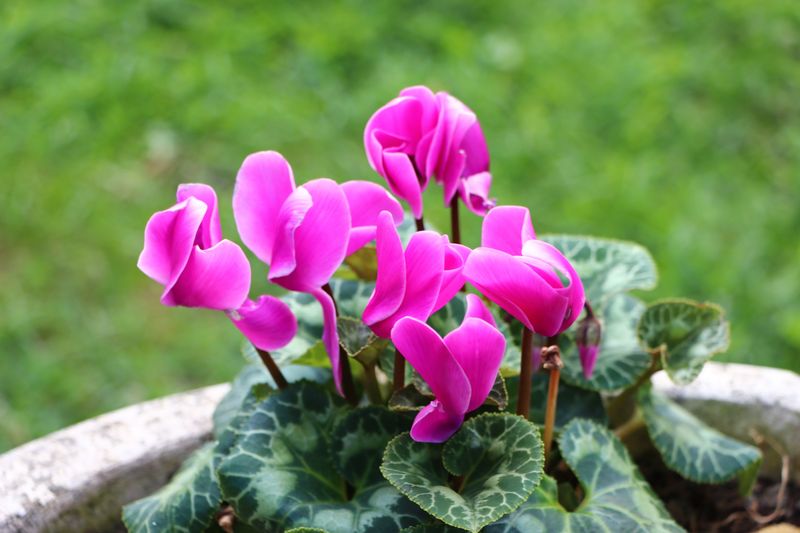
Cyclamen petals sweep upward and backward, so each bloom looks like a tiny butterfly about to take off.
Even without flowers, the silver-marbled heart-shaped leaves look like someone painted them by hand with a brush.
Florist cyclamen, or Cyclamen persicum, comes from the eastern Mediterranean region and loves cool weather above all else. Gardeners in milder southern areas often use it outdoors in shady winter beds and decorative pots.
It handles light frost reasonably well, but hard freezes can turn leaves mushy and damage the tuber below. I suggest moving containers to a garage or covered porch when forecasts dip well below freezing overnight.
Choose a bright spot with filtered light or morning sun, since harsh afternoon rays can scorch the leaves. Use loose, well-drained potting mix, and set the tuber so its top sits slightly above the soil surface.
Water around the edge of the pot rather than pouring directly onto the tuber and crown. Soggy soil leads to rot quickly, so let the top layer dry a bit before watering again.
Twist off faded flowers and yellow leaves at the base to keep plants tidy and encourage new buds. With steady cool weather, blooms often continue for weeks or even a couple months on healthy plants.
When warm spring days arrive, the plant naturally slows down and slips into summer rest underground.
Many gardeners simply treat it as a winter annual, while patient folks try saving the tuber for another season.
7. Ornamental Cabbage And Kale
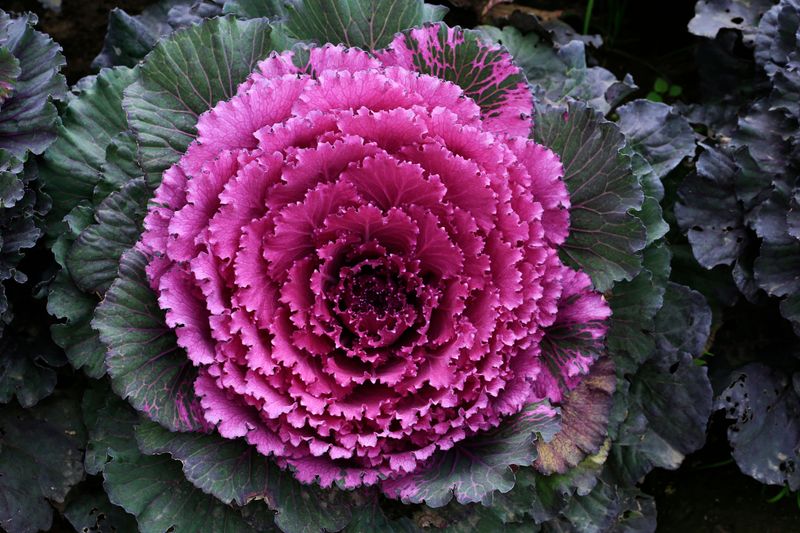
Cold nights work like a paint brush on ornamental kale, turning the centers brighter pink, purple, or creamy white.
You’re in for a treat when the first real chill arrives and those rosettes suddenly glow like giant flowers.
Ornamental cabbage and kale belong to Brassica oleracea, the same species as broccoli and the kale we eat. Cabbage types form flat, smooth rosettes, while kale types show frilly or deeply cut leaves with lots of texture.
Their colorful parts are leaves rather than flowers, but they easily earn a spot beside true winter bloomers here.
Established plants often handle temperatures near 5 degrees, so they rank among the toughest choices for northern Texas.
Plant them in full sun once fall weather cools, since warm temperatures keep the centers mostly green. Nights consistently below about 55 degrees help trigger the bright color change that makes these plants so popular.
Set transplants a little deeper than they grew in the pot, with the lowest leaves near the soil. Rich, well-drained soil and steady moisture keep them sturdy, and a light feeding at planting gives a helpful boost.
Watch for cabbage loopers and aphids, especially during warm spells when pests become more active in beds.
Hand-picking caterpillars or using Bt, a bacterial product labeled for caterpillars, usually keeps damage under control.
When spring warms up, plants stretch tall and send up yellow flowers, signaling their show is ending. I like pulling them then and replacing them with warm-season color as the garden shifts into a new chapter.