What To Plant For Oregon Hummingbirds Instead Of Relying Only On Feeders
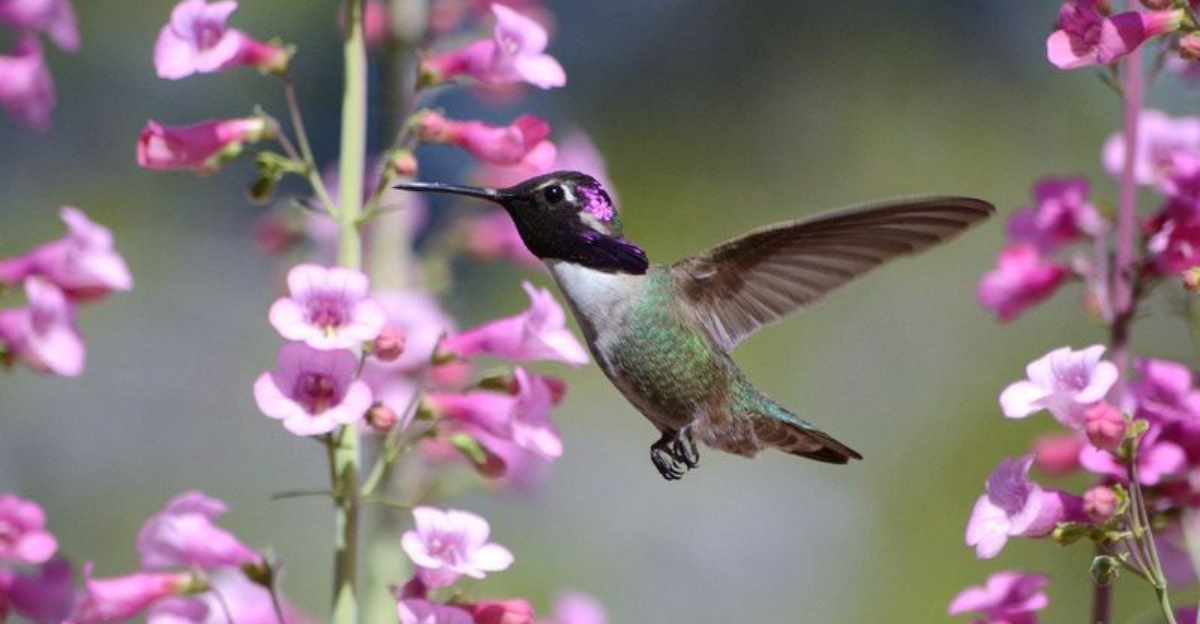
The feeder is doing less than you think.
That sugar water hanging by your window? It helps. It just answers one question out of about five that a hummingbird has to solve to make it through an Oregon season.
Where does the bird rest between visits? What does it feed a nest full of young that cannot survive on sugar alone? What happens on the week you forget to refill?
A plant never forgets to refill.
Oregon has an odd advantage here that many gardeners never use. The native plant list includes flowers that seem almost custom built for hummingbird beaks, blooming in a sequence that stretches from cold early spring into late summer.
Some of them thrive in shade so deep that nothing else flowers there. One prefers gravel and neglect over rich soil and attention.
The right combination turns a yard into something a feeder cannot imitate. Nectar, shelter, insects, and perches, all in one place.
Curious which plants Oregon hummingbirds actually seek out? Keep reading.
1. Grow Red Flowering Currant For Early Nectar
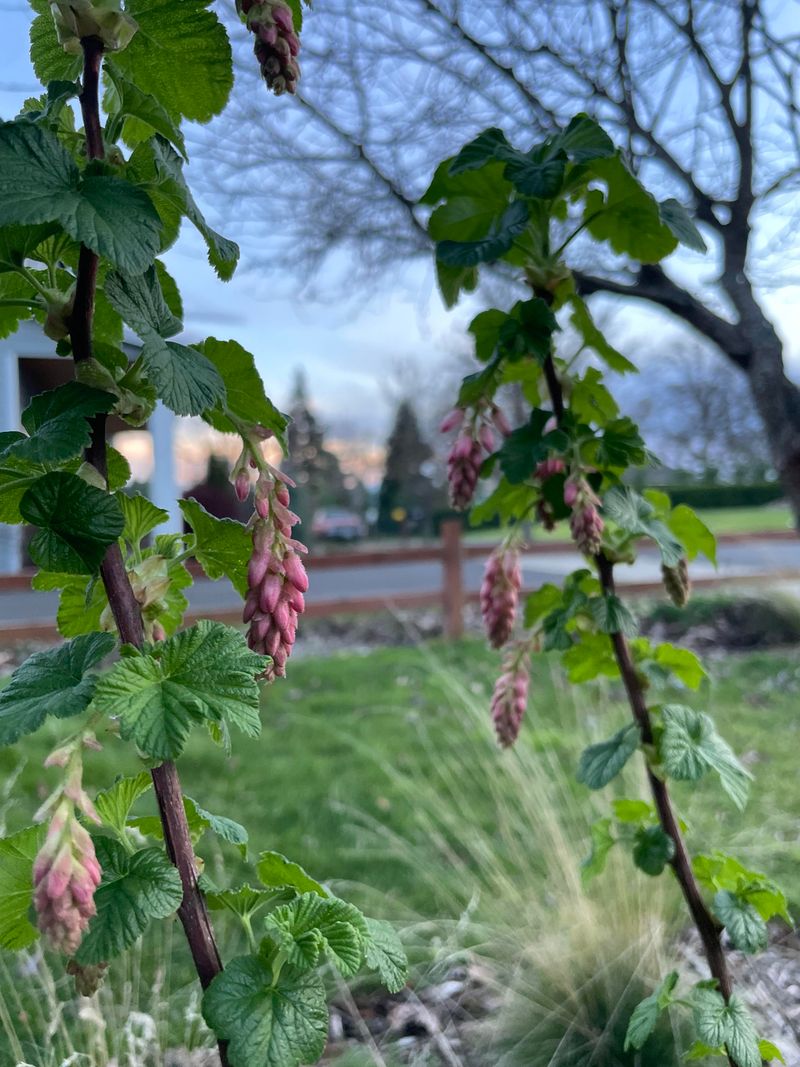
Few shrubs make a spring garden feel alive quite like red flowering currant.
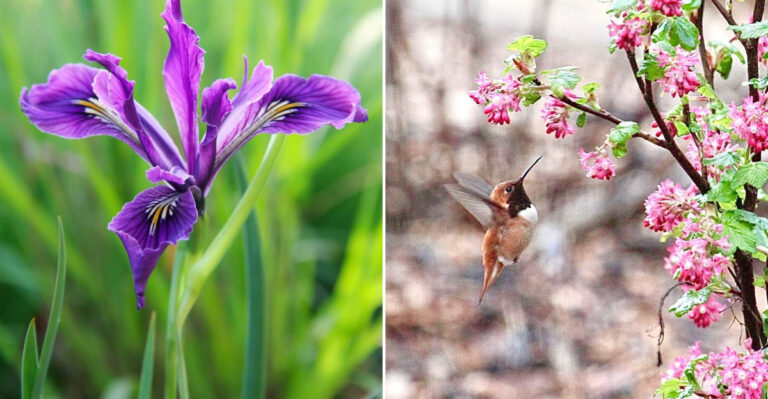
Dangling pink to deep red blooms open early in much of Oregon. That timing often overlaps with returning and nesting hummingbirds, when winter has left little else in flower.
Rufous and Anna’s hummingbirds both occur in the state, and Anna’s now overwinters in parts of western Oregon. Early nectar carries real value for both.
Pacific Northwest native status means the shrub fits local conditions without much intervention. Cool wet seasons rarely trouble it once roots establish.
Sun or light shade both work well. Give it room to arch naturally rather than forcing it into a narrow spot.
Placement near a window, walkway, or patio pays off twice. You see the traffic, and birds get quick cover from wind and neighborhood activity.
Sword fern, salal, and other regional natives make good companions. The bed stays useful past the bloom window that way.
Flowers give way to berries that support other wildlife. The shrub keeps contributing structure and shelter through the rest of the year.
Water deeply through the first couple of summers, then ease off as it matures. Heavy pruning tends to reduce the graceful branching and next spring’s flower display.
Less feeder washing, more natural color. Red flowering currant handles that trade nicely and asks for very little in return.
2. Plant Western Columbine For Woodland Gardens
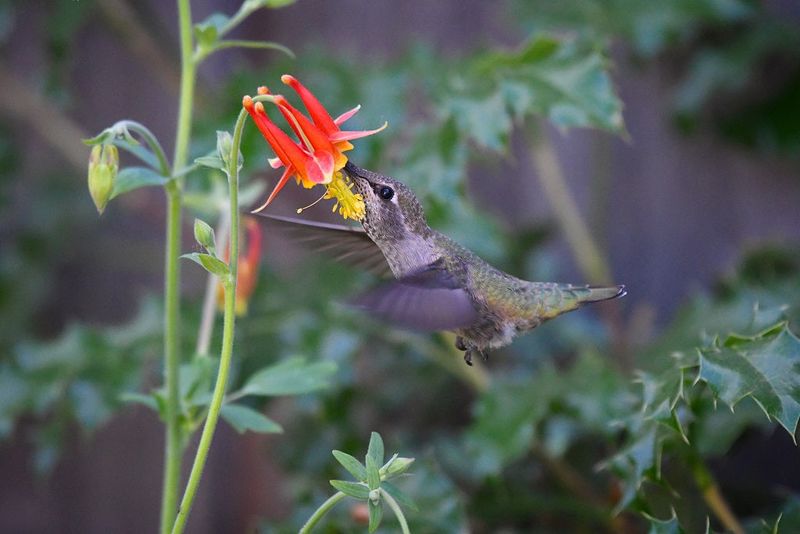
Western columbine has a playful look, like small lanterns nodding on wiry stems.
The shape does more than charm gardeners. Nectar sits deep inside, which suits hummingbird bills while limiting access for some other visitors.
An Oregon native, it belongs in woodland edges, understory beds, and gardens built around a forest opening feel. Fussier ornamentals often struggle in exactly those spots.
Morning sun with afternoon shade suits much of the state, particularly west of the Cascades. Soil that drains reasonably well matters more than soil richness.
A little summer water helps young plants settle in. Established patches often reseed gently and form relaxed drifts over a few seasons.
Your Oregon Garden Changes Every Week. Your Plan Should Too.
Gardening in Oregon changes quickly throughout the season. Every Friday you’ll receive a simple weekly plan showing exactly what to plant, prune, fertilize, harvest, and protect so you never miss the right timing.
Individual plants can be fairly short lived, so those volunteers matter. Leaving some seedheads keeps the stand going without replanting.
Downward facing flowers add motion near paths and porch steps. Ferns, fringe cup, and foamflower fill the space before and after bloom.
Delicate appearance, undemanding habits. Cut back tired stems after flowering if a tidier look appeals to you.
Nectar in the shade solves a genuine design problem. Most hummingbird plant lists skip straight to full sun and leave the north side of the house empty.
Columbine handles that corner and looks good doing it. Not bad for a plant that appears ready to blow away in a breeze.
3. Add Oregon Grape For Year Round Structure
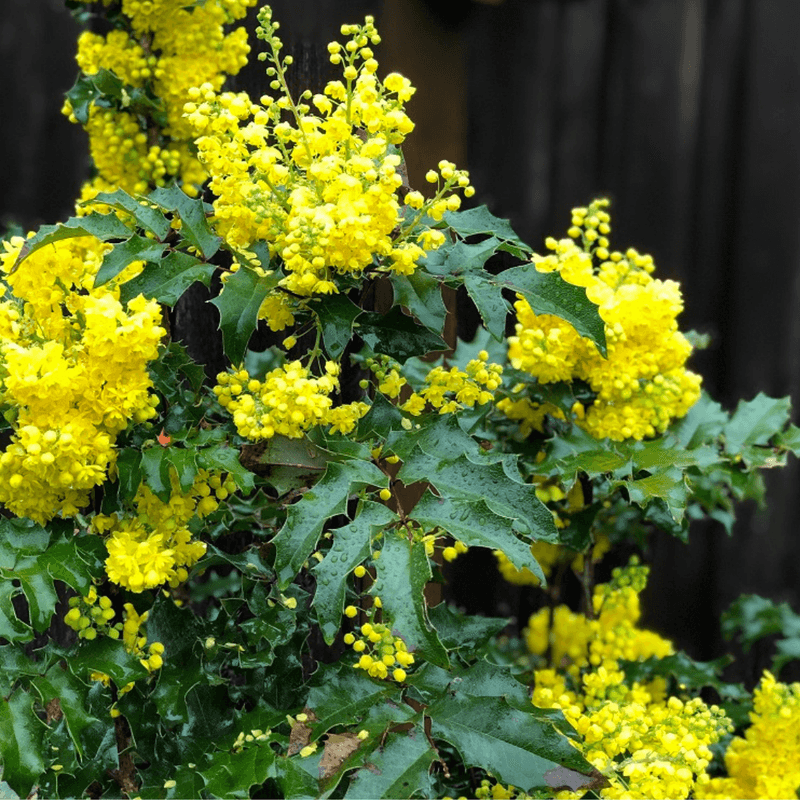
Oregon grape rarely gets top billing, though hummingbird gardens tend to be stronger with it.
Bright yellow bloom clusters appear above spiny evergreen leaves well before summer flowers arrive. Early nectar plus year round structure is a useful combination.
Several species grow in Oregon, from tall forms to lower spreading types. That range makes it possible to match one to almost any bed.
Value extends past nectar. Berries feed birds later in the season, and dense foliage offers hiding places near the ground.
Structural spots suit it best. Fence lines, plantings under taller shrubs, and path edges all benefit from something evergreen.
Water needs vary by location. West of the Cascades, many gardeners can rely on rainfall after establishment, while hotter inland sites appreciate occasional deep watering.
One practical note about those leaves. They’re glossy and genuinely prickly, so keep taller selections away from narrow walkways and play areas.
Used as a living screen, it gives birds a perch beside the flowers. Hummingbirds can dart out, feed, and slip back into cover.
Mix it with currant, salal, or native grasses to build layers. Layered plantings support more insect life, which matters since hummingbirds feed insects to their young.
A plant that anchors the garden and feeds birds twice. Oregon grape does the unglamorous work while other plants collect the compliments.
4. Use Scarlet Gilia For Bright Summer Blooms
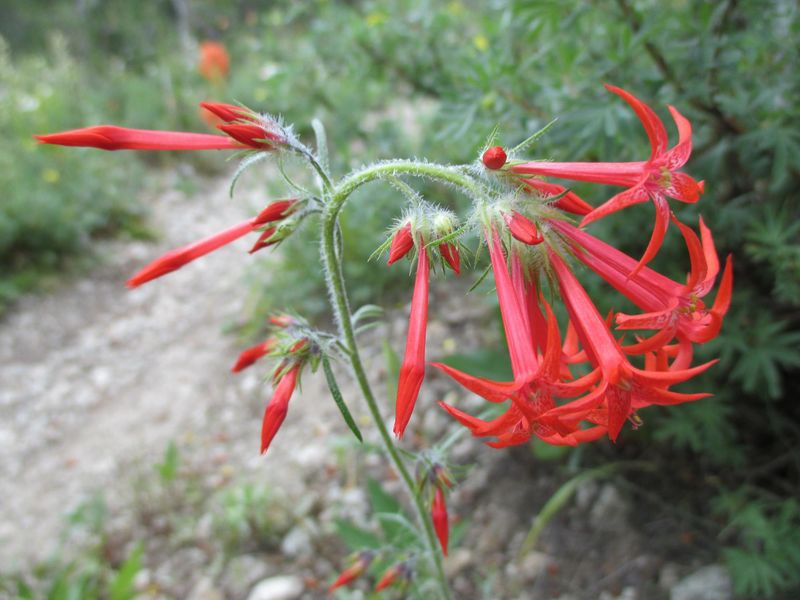
Scarlet gilia stops people mid step. Tall stems carry narrow red trumpets that look purpose built for hummingbirds.
Summer bloom timing gives it particular value. Those flowers show up when spring shrubs have finished and late season plants are still developing.
Growing conditions run counter to most garden instincts. Sunny spots with lean soil and sharp drainage suit it far better than rich ground and steady water.
Pampering tends to backfire here. Leaner conditions usually produce sturdier stems and better flowering.
Gardeners east of the Cascades often find it easiest to grow. West side gardens can manage it too, provided winter drainage is genuinely good.
Gravel beds, rock gardens, and dry borders all work. Keep neighboring plants from crowding it, since airflow helps.
One habit worth knowing. Scarlet gilia typically behaves as a biennial or short lived perennial, spending its first year as a low rosette before flowering.
That makes seed setting important. Let some plants finish their cycle and the patch can renew itself year after year.
Penstemon and native bunchgrasses pair well with it. The result reads like a loose meadow with feeding space and nearby perches.
For summer sparkle with almost no irrigation, gilia earns its spot. It asks for sun, gravel, and mostly to be left alone, which is a refreshingly low bar.
5. Grow Penstemon For Long Lasting Nectar
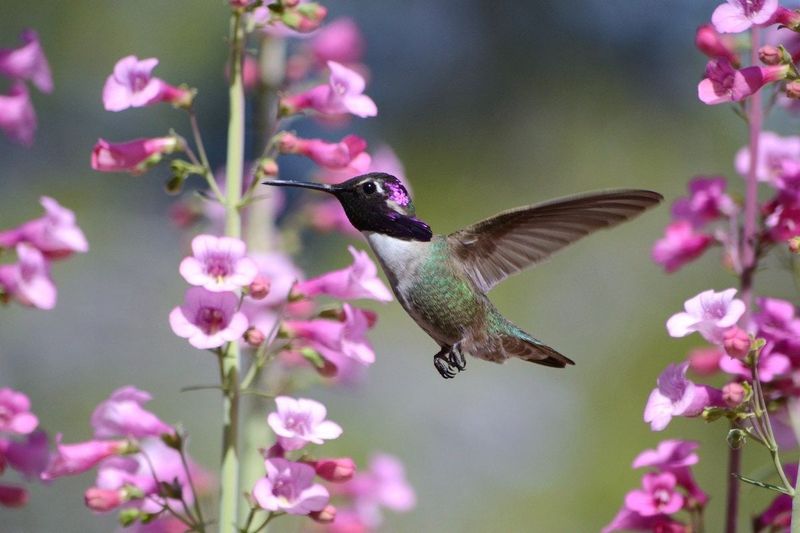
Penstemons have a practical kind of appeal.
Tube shaped flowers suit hummingbird bills well. Different species bloom at different times, so a thoughtful mix can stretch nectar from spring into summer.
Oregon offers plenty to choose from. Native species and regionally adapted selections come in red, pink, purple, and blue.
Warmer colors tend to draw more hummingbird attention, though flower shape and nectar reward matter as much as color. Birds learn quickly which plants pay off.
Most penstemons want full sun and soil that drains freely. Slopes, hellstrips, and dry borders suit them nicely.
Water needs drop considerably once established. Several species get by on modest summer irrigation, which helps in a low water planting plan.
Combine upright varieties with lower spreading ones for fullness. Taller stems catch attention while shorter plants cover bare soil.
Drainage deserves emphasis over almost everything else. Wet winter soil causes more penstemon losses in western Oregon than cold does.
Cleanup stays light. Remove spent spikes for a neater look, and leave healthy growth so crowns stay protected.
A low water hummingbird border without penstemon would be a strange sight. Few plants flower this generously while asking for so little from the hose.
6. Plant Native Salvia For Dry Oregon Areas
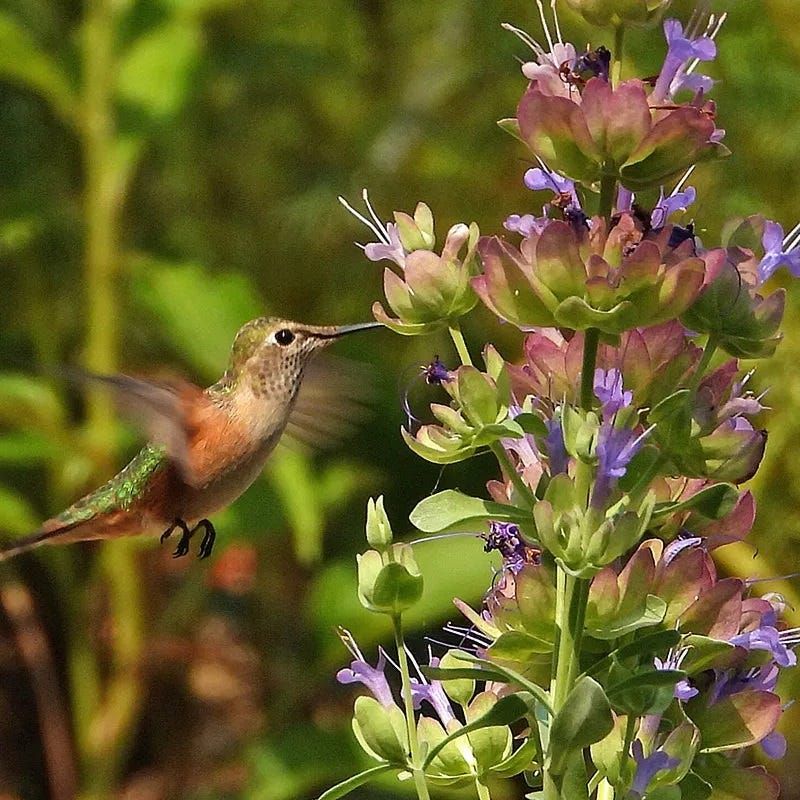
Hot dry corners of Oregon can still support hummingbirds with the right plant list.
Salvia brings vivid flower spikes, aromatic foliage, and real toughness. Sunny ground with limited irrigation suits it where softer plants start looking tired by July.
Species vary considerably, and the salvias sold for western gardens include natives of the broader West alongside selections from elsewhere. Checking origin on the tag helps if native status matters to you.
Most share the same basic preferences. Sun and well drained soil come first.
Flower shape encourages hovering visits. Hummingbirds work bloom to bloom while bees handle the same plant from a different angle.
Warm beds give the best results. South facing borders, driveway strips, and gravelly mounds all fit.
Spacing matters more than people expect. Crowded soggy conditions cause problems, while open airflow keeps stems sturdy.
Patio placement offers a bonus. Close range viewing happens without hanging feeders near the seating area.
Foliage often smells pleasant when brushed, which adds another layer to a wildlife garden. Skip heavy fertilizer, since rich growth tends to flop.
Nectar, color, scent, and drought tolerance in one plant. Salvia essentially volunteers for the hardest spot in the yard and then thrives there out of spite.
7. Add Fuchsia Flowering Plants For Shady Spots
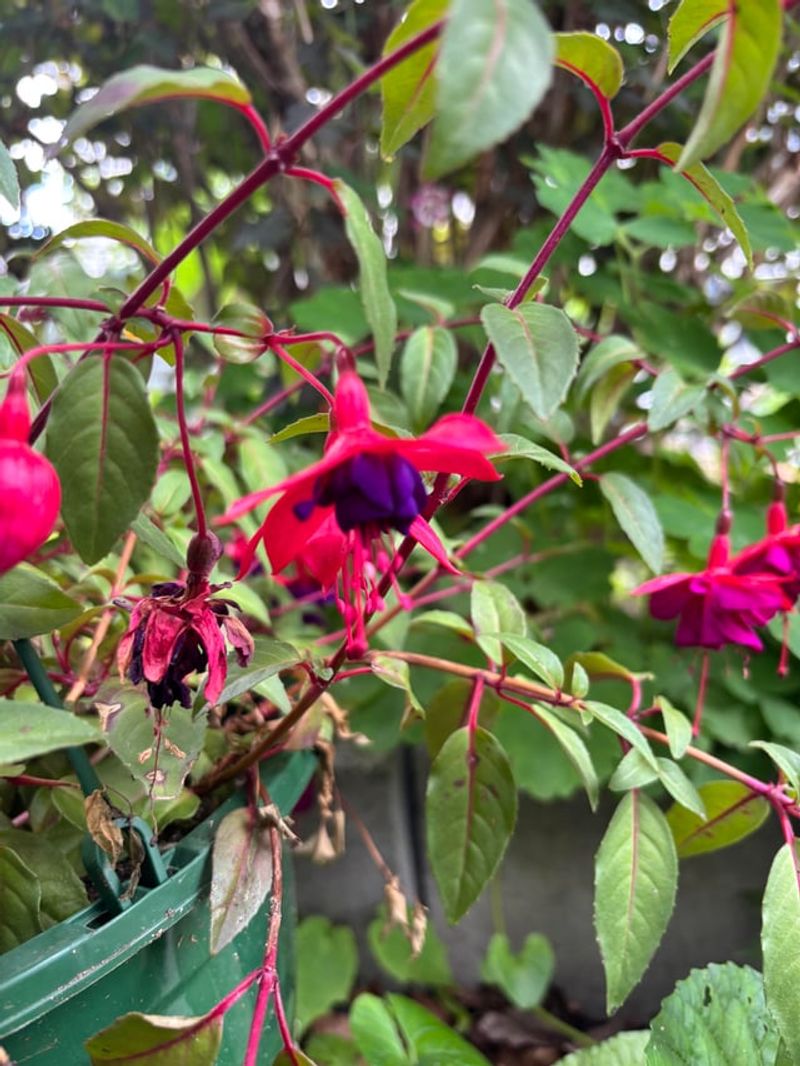
Some of the busiest hummingbird activity happens in the shadiest part of a yard.
Fuchsia flowers dangle in bold pinks, reds, and purples. That pendant shape gives birds easy access where sun loving natives would sulk.
Hardy fuchsias suit western Oregon particularly well. Porches, fences, and shaded beds that stay slightly moist all work as planting sites.
These are not natives like currant or columbine. Regional wildlife gardeners still value them, since hummingbirds visit readily across a long bloom season.
Moisture matters more here than with penstemon or salvia. Enrich the soil, water during dry stretches, and mulch to keep roots cool.
Morning sun or bright shade tends to keep flowering strong. Deep shade reduces bloom noticeably.
Containers make fuchsia easy for small spaces and rentals. Hanging baskets near a window bring close range viewing, and large pots can move to shelter in cold weather.
Hardiness varies by cultivar, so check the tag before assuming a plant will overwinter outdoors. Some hardy types survive western Oregon winters reliably while others need protection.
Pinching tips early encourages bushier growth. Ferns, begonias, and heuchera round out a lush shady corner with resting spots included.
Shade rarely makes the hummingbird garden list. Fuchsia takes that overlooked ground and puts it straight to work.
8. Build A Plant Filled Hummingbird Habitat
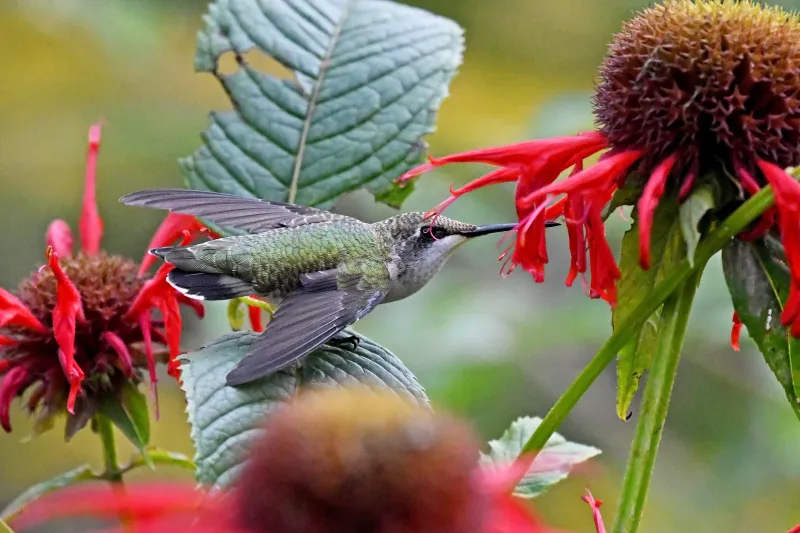
A feeder helps. A full planting does considerably more.
Flowers opening in sequence create a natural food calendar. The garden also supplies shelter, nesting material, perches, and the small insects young birds need.
Feeder only yards fall short in specific ways. Sugar water runs out, gets fouled in warm weather, and concentrates all activity in one spot.
Mixed habitat spreads resources across the space. Birds gain choices from early spring through late season and use the yard more comfortably.
Layers produce the best results. Tall shrubs, mid height nectar flowers, and lower cover plants each serve a different purpose.
Bloom overlap is the goal worth planning around. Currant and Oregon grape can open the season, columbine carries spring forward, and penstemon, gilia, salvia, and fuchsia handle summer.
Skip pesticides where possible, since hummingbirds rely on insects as well as nectar. Broad spectrum products reduce that food supply directly.
Water helps in the right form. Misters, drippers, or a shallow source work better than deep birdbaths, which hummingbirds rarely use.
Leave a few bare twigs for perching. Birds spend a good share of the day resting rather than flying.
Habitat beats feeding station every time. Get the plants right, and Oregon hummingbirds may find plenty of reasons to stick around.