Why Kudzu Bugs Are Suddenly Everywhere In Tennessee Right Now (And How To Stop Them)
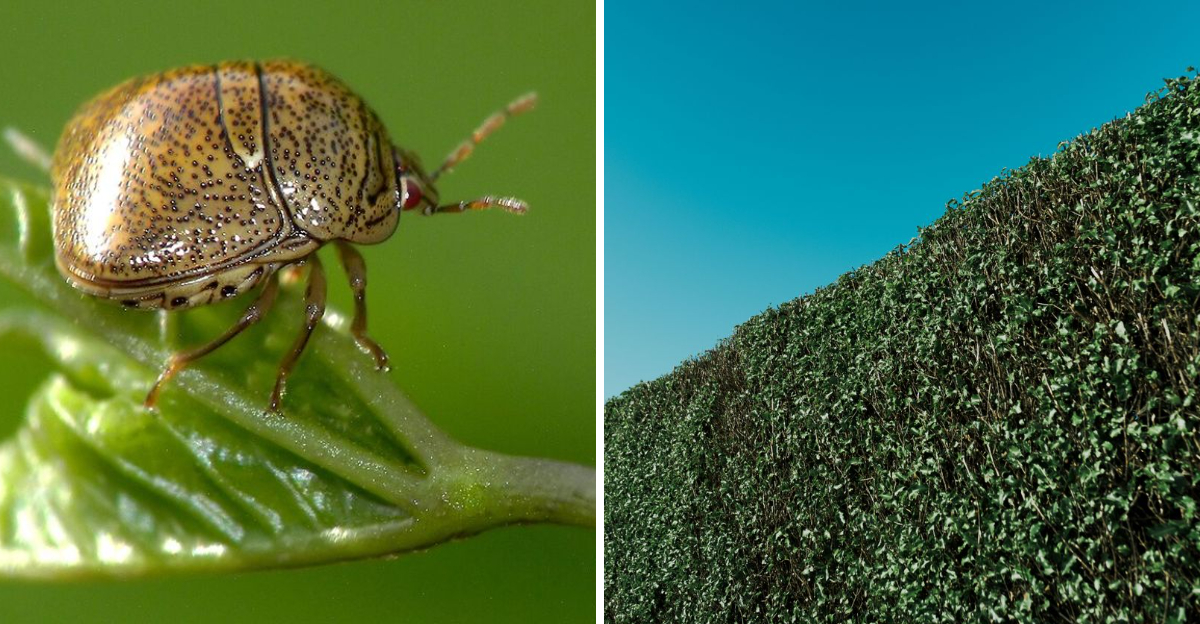
Your siding just became a landing pad overnight. Thousands of tiny olive specks picked your wall on purpose. Something sharp and grassy coats your fingers when you brush them away. That smell clings to your skin, even after soap and water.
Brush a speck aside and the smell follows you indoors. Tennessee neighbors near you are facing this exact swarm. Chattanooga porches, Clarksville trucks, and your Tennessee walls match. Warmth pulled these insects toward the brightest surface near you.
Sunlight became their signal, and your wall became their target. Cooler nights outside pushed them toward your warm walls. Cracks near your windows look like open doors to them. Facts explain why insects chose your particular wall tonight.
Timing matters here, and your instincts about it are entirely correct. Understanding what draws them changes much about keeping your home clear. You will not look at your siding the same way again.
1. A Vine Buffet Is Fueling The Population Boom
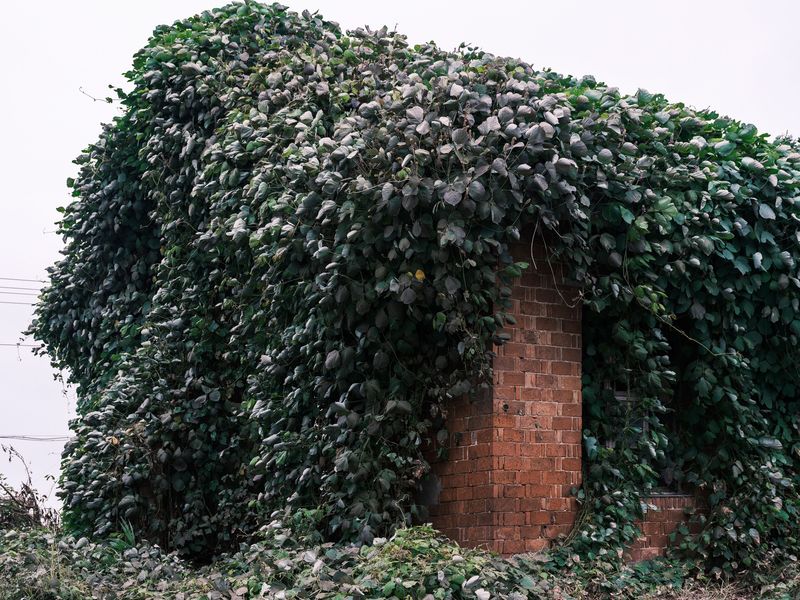
Kudzu’s spread across the South is the starting point. Kudzu grows along highways, fence rows, and abandoned lots throughout much of Tennessee, and it happens to be the favorite food of this little insect.
Adults feed on kudzu sap all spring and summer, laying eggs in neat rows under the leaves. Females can produce large numbers of offspring across one or two generations per season, depending on conditions.
By late summer, those patches are packed. When food gets crowded and the vines start to fade, the group moves on looking for somewhere else to go.
Soybeans are the second course. Tennessee farms grow roughly one and a half million acres of soybeans each year, and fields sitting near kudzu patches often see heavy pressure by August.
Once soybeans are harvested, that food source disappears quickly. That timing lines up almost exactly with the moment homeowners start noticing swarms on their siding.
Here is a useful trick: check what grows within a quarter mile of your property. A wooded edge draped in kudzu, a neglected railroad right-of-way, or a bean field will predict how bad your fall will be.
Clearing kudzu from your property line may reduce local populations over time, though results vary. Cutting vines back repeatedly through summer weakens the root crown and shrinks the local population.
Fun fact: kudzu was widely promoted for erosion control starting in the 1930s. The bug arrived decades later and simply followed the food.
2. Cooling Nights Flip Their Internal Switch
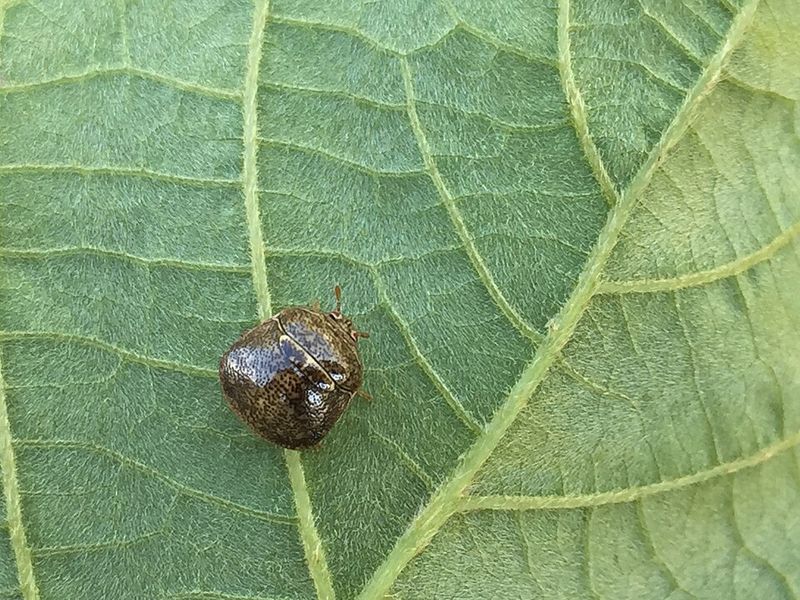
Temperature is the main driver. When Tennessee nights start dipping into the fifties while afternoons still hit the seventies, these insects shift out of feeding mode and into shelter-seeking mode.
Scientists call it overwintering behavior. The bugs stop caring about food entirely and start hunting for a protected crack where they can wait out the cold months.
That shift usually happens sometime between mid-September and late October, though exact timing varies by year and elevation. Higher-elevation areas in East Tennessee tend to see it a little earlier.
Your Tennessee Garden Changes Every Week. Your Plan Should Too.
Gardening in Tennessee changes quickly throughout the season. Every Friday you’ll receive a simple weekly plan showing exactly what to plant, prune, fertilize, harvest, and protect so you never miss the right timing.
Warm, sunny walls are especially attractive during this phase. A pale surface facing south or west soaks up heat and radiates it back, which reads to a chilly insect as a promising spot.
That explains why one neighbor gets covered while the house across the street stays clear. Siding color, sun angle, and wind protection all factor in.
Knowing the calendar gives you a real advantage. Seal cracks and treat exterior surfaces in late August or the first week of September, before the mass movement begins.
Waiting until you see clusters means acting later than ideal. By then thousands are already probing your walls and some have slipped behind the trim.
Watch your local forecast for the first stretch of nights below sixty degrees. Treat that as your alarm clock.
A short, mild spell in November can wake them up again mid-hibernation, which is why some people find a second wave crawling around Thanksgiving.
Exact timing shifts a little each year, so checking with your local extension office can help you time treatments precisely for your area.
3. Light Colors And Shiny Surfaces Act Like Magnets
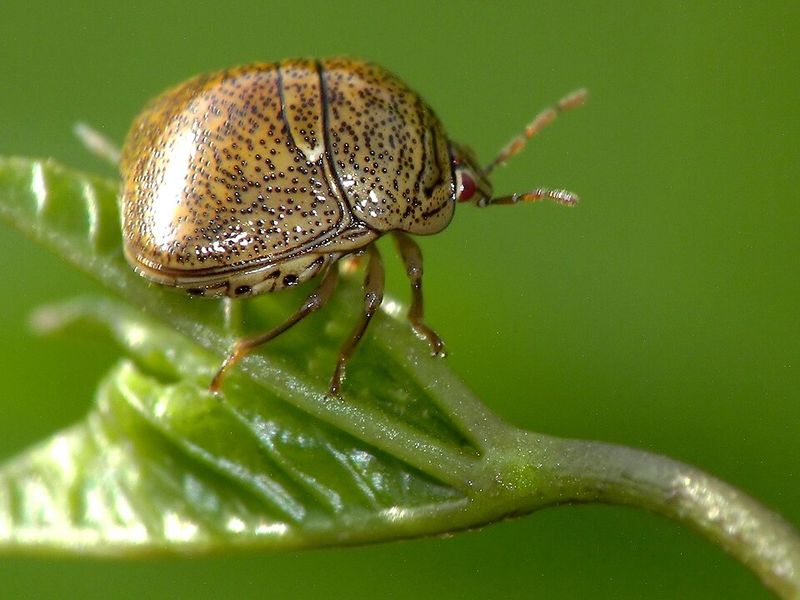
Ask anyone with a white house and they will tell you the same story. Pale siding, white trucks, aluminum window frames, and even light-colored lawn furniture attract far more of these insects than dark surfaces do.
Field observations and some university extension research suggest a preference for lighter surfaces, though the exact study isn’t specified here.
The exact reason isn’t fully confirmed, though light reflection may play a role in how they search for shelter. Whatever the cause, the effect is consistent enough to plan around.
You probably will not repaint your house over a bug. But you can move the light-colored patio umbrella, park the white car in the garage during peak weeks, and skip hanging pale laundry outdoors in early October.
Shiny surfaces matter too. Glass storm doors, metal railings, and reflective window film pull them in from surprising distances.
One practical move: hang a temporary dark shade cloth over the sunniest light-colored wall during the two or three weeks of heaviest activity. Some homeowners report this method reduces clustering, though results aren’t formally documented.
If you are already planning exterior work, leaning toward medium or darker tones gives you a small long-term edge. Tan, sage, and gray all perform better than bright white.
Keep outdoor lighting warm-toned as well. Cool white bulbs near entry doors seem to add to the gathering, especially on porches that stay lit all evening.
4. Tiny Gaps Around Your Home Are Open Invitations

Measure a kudzu bug and you get about a fifth of an inch. Now look at the gap under your siding trim, the slot around your dryer vent, and the space where the cable line enters the wall.
Plenty of room. Exclusion is one of the most effective steps any Tennessee homeowner can take, and it’s often more affordable than a professional treatment plan.
Start with a slow walk around the house on a bright day. Look for daylight showing through from inside the attic, gaps at soffit corners, torn window screens, and worn weatherstripping under doors.
A few tubes of exterior-grade silicone caulk handle most cracks. Expanding foam works for larger voids behind utility penetrations, and fine mesh screening covers attic vents and weep holes.
Door sweeps deserve special attention. The gap under an exterior door is the most common entry point in older Tennessee homes, especially those with settled foundations.
Chimney caps and attic gable vents round out the list. Both offer wide-open access to the exact kind of dry, sheltered space these insects are hunting for.
Do the work in August if you can. Sealing after they have already moved in traps some inside your walls, and nobody enjoys that outcome.
The bonus is real: the same sealing job keeps out ladybugs, stink bugs, mice, and drafts. You may also see lower heating costs.
5. Vacuum Them Up, But Use The Right Setup
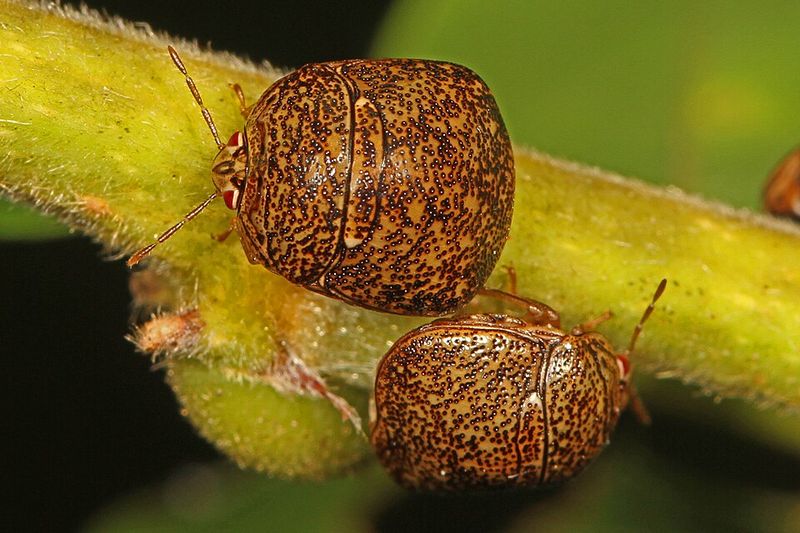
Squashing one indoors is a mistake most people don’t repeat. The defensive fluid stains walls, curtains, and carpet with a yellowish mark, and the odor lingers for hours.
Vacuuming is the smarter cleanup. But a standard household vacuum will hold that smell in the filter and blow it back into the room every time you use it.
Build a better tool instead. Slide a knee-high nylon stocking into the hose of a shop vacuum, fold the open end over the outside of the nozzle, and secure it with a rubber band.
Bugs collect inside the stocking rather than the machine. When you finish, pull the stocking off, twist it shut, and dispose of it outdoors in a sealed bag.
Keep a few inches of soapy water in the canister as an extra layer of odor control. It also prevents anything from crawling back out.
Work along window sills, ceiling corners, light fixtures, and the tops of curtain rods. Those spots collect the wanderers that slip in through gaps.
Outdoors, a shop vac makes quick work of the big clusters on siding before they find an entrance. Early morning is best because cool temperatures make them sluggish.
Avoid brooms and dry brushing. Both crush a percentage of the group and leave that unmistakable smell smeared across your porch. Empty the canister after every session, not at the end of the week.
6. Soapy Water Is The Cheapest Fix You Own

Grandma was right about dish soap. A simple mix of about one tablespoon of liquid dish detergent per quart of water handles clusters on contact without any harsh chemicals.
Soap breaks down the waxy coating on the insect body, which is what allows it to hold moisture. The effect is fast and the residue rinses off with a garden hose.
Load a pump sprayer and hit the clusters directly. Coverage matters more than concentration, so aim for a thorough soaking rather than a stronger mix.
A five-gallon bucket of the same solution works well underneath heavy gatherings. Knock the group down with a stick or gloved hand and let them drop straight in.
Timing helps enormously. Early morning and evening keep the solution from evaporating on hot siding, and the insects move slower in cooler air.
Test a small area first on painted surfaces or vinyl. Most soaps are harmless, but some degreasing formulas can dull a finish.
Skip this approach on garden plants during midday sun, since soap plus heat can scorch tender leaves. Early morning applications rinse clean before the sun climbs.
Reapply every few days during peak season. Soap offers no lasting barrier, so it treats what is there and nothing more.
For homeowners who want to avoid pesticides near vegetable beds or pet areas, this remains the most reliable option. Cheap, safe, and available in every Tennessee kitchen already.
7. Timed Perimeter Treatments Do The Heavy Lifting
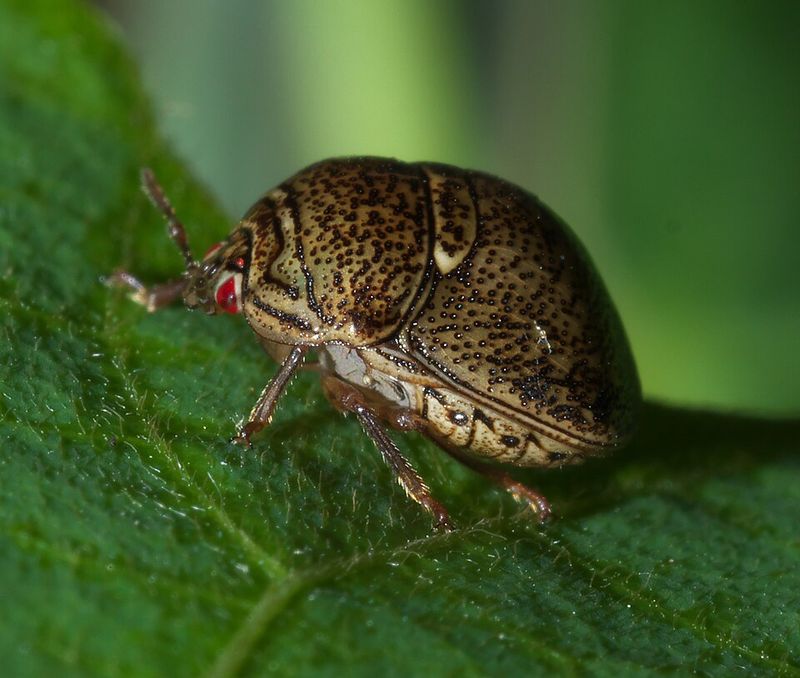
For heavier infestations, chemical treatment can help. Pyrethroid-based exterior sprays labeled for stink bugs and kudzu bugs create a barrier that holds up for several weeks on siding and foundations.
Look for active ingredients like bifenthrin, cyfluthrin, or lambda-cyhalothrin on the label. Products sold at Tennessee farm stores and home centers commonly contain one of them.
Application timing decides everything. Treat the sunny walls, around windows and doors, under eaves, and the bottom two feet of the foundation in early September before the first cool snap.
A second application about three weeks later covers the stragglers. Rain shortens the residual life, so check the label and reapply after heavy storms.
Read every direction twice. Overapplication does not improve results and can harm pollinators visiting nearby flowers.
Spray in the evening when bees have gone quiet, and avoid treating blooming shrubs directly. Keep the product on the structure, not on the landscape.
Indoor spraying is rarely worth it. The insects that get inside are usually trapped in wall voids and will not be reached anyway.
Hiring a licensed Tennessee pest professional makes sense for two-story homes and hard-to-reach eaves. Most offer a fall exclusion package that pairs treatment with sealing work.
Keep records of when you treated and how the season went. A couple of years of notes will help you spot which week matters most at your address.
8. Yard Habits That Make Your Property Less Appealing

Small landscaping choices add up over a season. Overgrown shrubs pressed against siding create the warm, sheltered microclimate these insects love, and thick leaf litter gives them a soft place to gather near the foundation.
Pull plantings back at least a foot from exterior walls. Air circulation and sunlight both work against clustering.
Firewood stacked against the house is another common mistake across rural Tennessee properties. Move the pile twenty feet away and raise it off the ground on a rack.
Clear vines from fences, sheds, and the back edge of the yard through summer. Wisteria, kudzu, and other legume-family climbers all serve as feeding stations.
Rake leaves away from the foundation line each fall rather than letting them pack against the brick. Same goes for pine straw mulch piled deep against the house.
Gutters matter more than people think. Clogged gutters hold damp debris right at the roofline, which is exactly where many of these insects find their way into attic spaces.
If you grow soybeans, peas, or beans in a backyard garden, expect visitors. Row covers during September keep them off young plants without any spray.
Talk to your neighbors too. Kudzu bugs travel easily between properties, and a coordinated cleanup along a shared fence line beats one household working alone.
Do the work in stages across late summer. By the time the cool nights arrive, your house simply looks less inviting than the one down the road.