8 Simple Habits To Get Your Ohio Hydrangeas Blooming Again This Summer
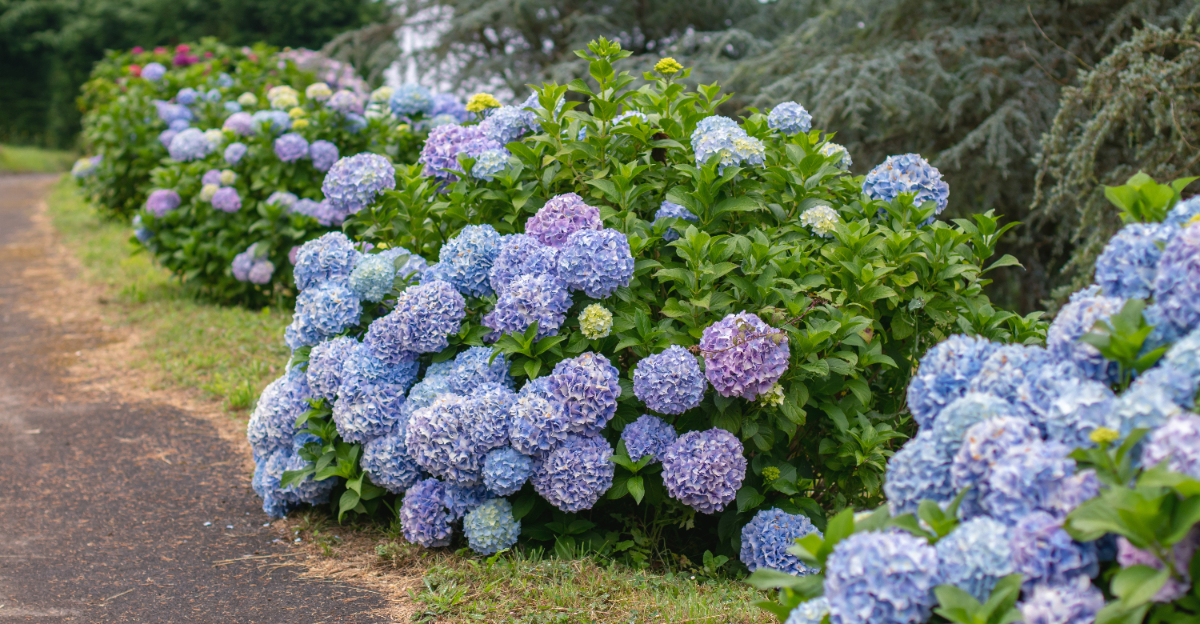
An Ohio hydrangea that refuses to bloom is one of those garden frustrations that compounds quietly. The plant looks healthy.
The foliage is full. Nothing signals distress.
And yet summer after summer the flowers never arrive and the reasons stay maddeningly unclear. Hydrangeas stop blooming for specific reasons.
Each one has a specific fix. The problem is that without knowing which reason applies, the fixes get applied randomly and nothing changes.
Most Ohio yards are making at least one habit mistake that is costing bloom production without anyone connecting it to the plant’s silence. Several of those mistakes are easy to reverse once identified.
Hydrangeas are not difficult plants. They are specific ones.
They respond to the right habits with a reliability that makes the effort feel worthwhile almost immediately. The blooms are there.
They just need the right conditions to show up. Eight habits create those conditions consistently.
1. Check What Kind Of Hydrangea You Actually Have
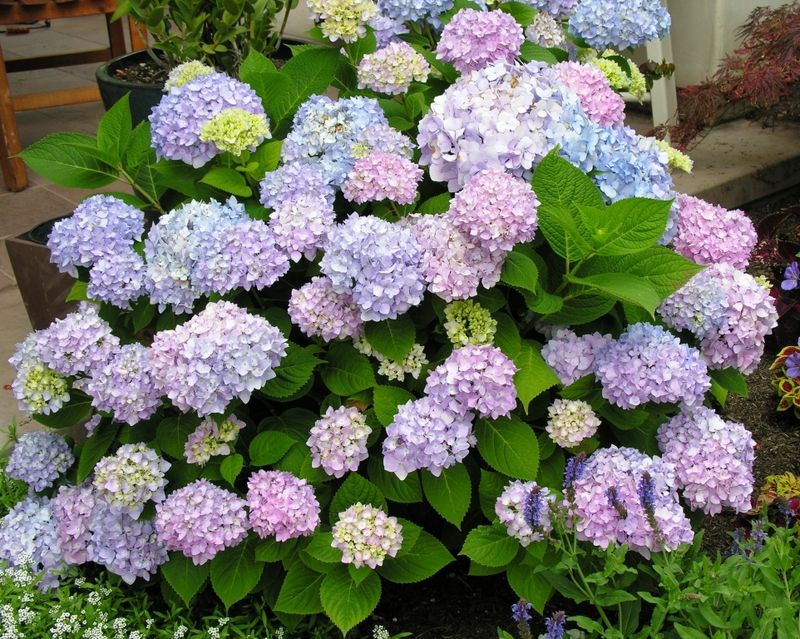
Knowing the name on the tag is not just a formality. The species and cultivar of your shrub determine nearly everything that follows, from when to prune to whether a second round of flowers is even realistic this season.
Getting that identification right before changing anything is one of the most useful things an Ohio gardener can do.
The two most important terms to understand are old wood and new wood. Old wood refers to stems that grew during a previous season and survived winter.
New wood refers to growth that emerges in the current year. Some hydrangeas set their flower buds on old wood during late summer or fall, meaning those buds must survive winter to open the following year.
Bigleaf hydrangeas and oakleaf hydrangeas generally fall into this category. Smooth hydrangeas and panicle hydrangeas bloom on new wood, so they produce buds on stems that grow in spring of the same year.
Some modern cultivars, including certain reblooming bigleaf types, are bred to flower on both old and new growth. That trait can extend the bloom period, but it does not guarantee a second flush every season.
Leaf shape, flower form, and plant size can all help narrow down what you have. Mophead and lacecap flower shapes are typical of bigleaf types, while cone-shaped clusters suggest panicle hydrangeas.
A surviving plant label or a local nursery can confirm what your records cannot.
2. Give Roots A Deep Soak Before The Soil Gets Bone Dry
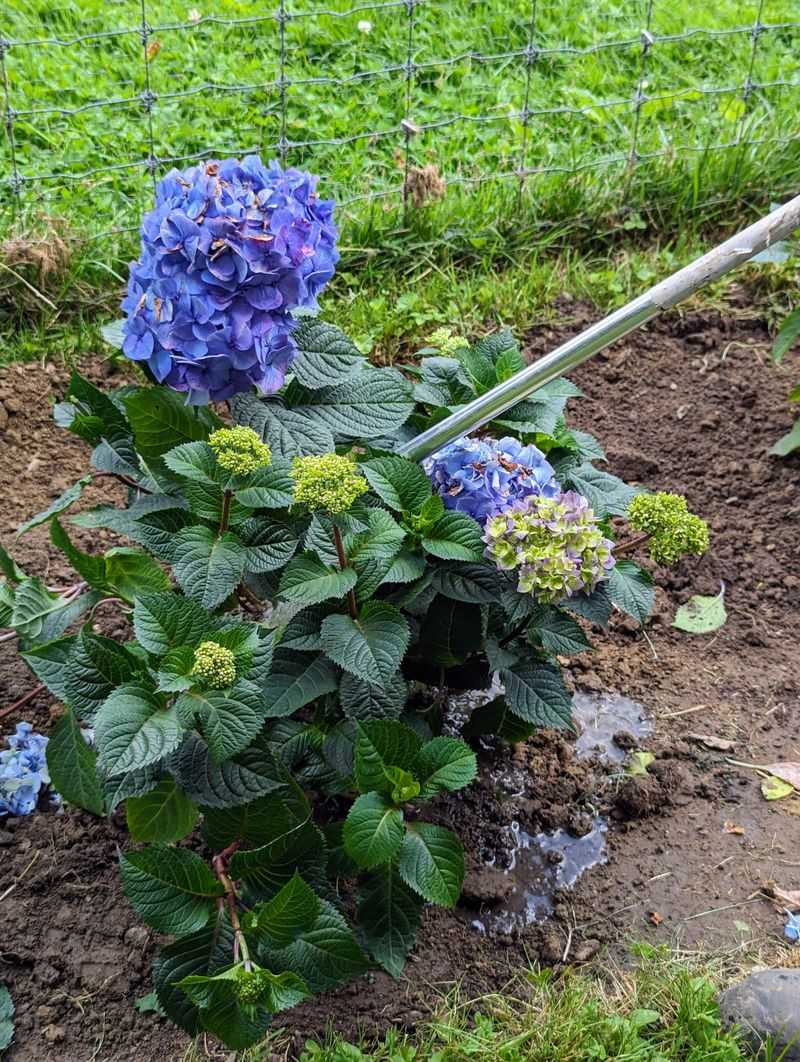
Large, broad leaves are part of what makes hydrangeas so recognizable, but those same leaves release a significant amount of moisture into the air on hot days.
When the soil around the roots cannot keep up with that demand, the plant pulls back its resources and flowering slows.
Keeping the root zone consistently moist, without letting the soil stay waterlogged, supports normal plant function through the warmest months.
Deep watering encourages roots to grow further into the soil, where they can access moisture more reliably between Ohio rain events. Briefly wetting the surface does less good than a slower, deeper soak that reaches the full root zone.
Your Ohio Garden Changes Every Week. Your Plan Should Too.
Gardening in Ohio changes quickly throughout the season. Every Friday you’ll receive a simple weekly plan showing exactly what to plant, prune, fertilize, harvest, and protect so you never miss the right timing.
Checking soil moisture before watering makes more sense than following a fixed schedule. Push a finger a few inches into the soil near the base of the shrub.
If it feels dry at that depth, the plant is ready for water.
Morning is generally a practical time to water, since foliage that gets wet can dry before evening. Soil type, drainage, plant size, sun exposure, and whether the shrub was planted recently all affect how quickly moisture is used up.
A newly planted hydrangea needs more consistent attention than an established one. Adding a few inches of organic mulch around the base, kept back from the main stems, helps the soil hold moisture longer between waterings.
3. Keep Afternoon Heat From Draining The Plant Too Fast
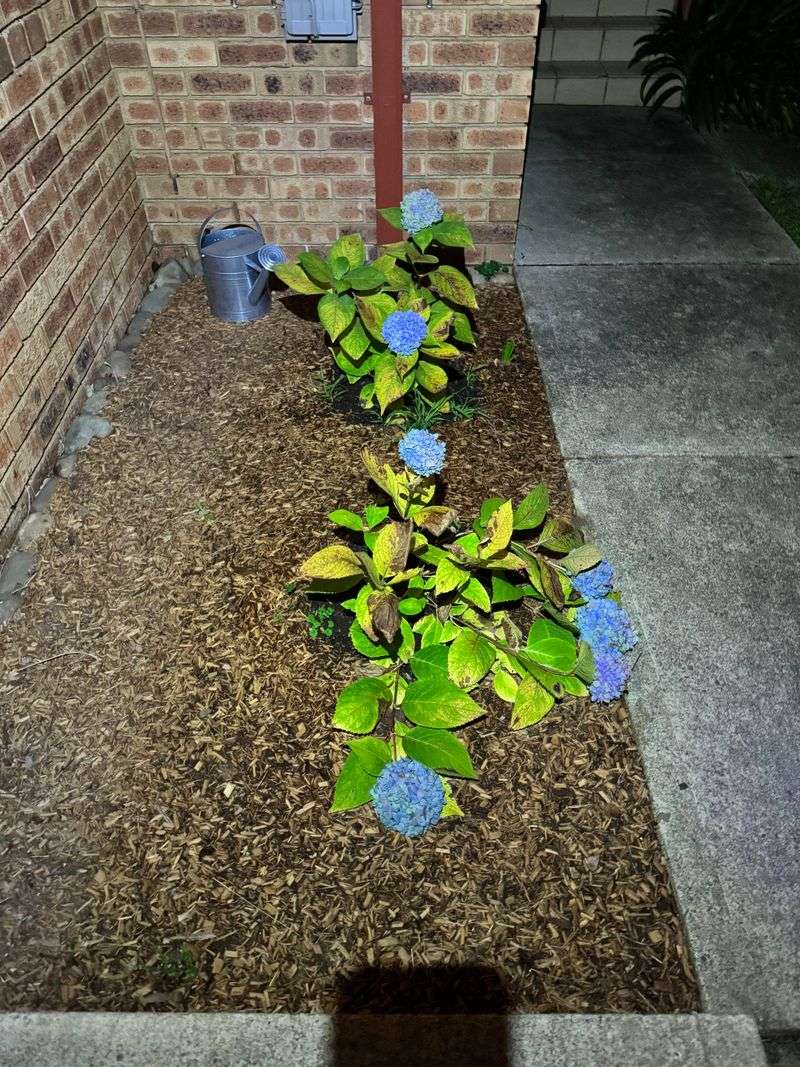
Reflected heat from pavement, brick walls, or fences can push temperatures at ground level well beyond what the air thermometer reads. A hydrangea planted close to a south-facing wall or a concrete surface may be dealing with heat stress that has nothing to do with water supply.
That distinction matters, because adding more water to a heat-stressed plant in a poor location only addresses part of the problem.
Light needs vary by hydrangea type. Panicle hydrangeas generally tolerate more sun than bigleaf types.
Bigleaf hydrangeas, in particular, often perform better with morning sun and some protection from the harshest afternoon exposure. That does not mean they need deep shade.
Too little light can reduce flowering just as much as too much heat. The goal is a site that provides adequate light without exposing the plant to punishing afternoon conditions during the hottest weeks.
Wilting leaves in late afternoon do not always signal a water emergency. Some temporary wilting is a normal response to heat, and the plant often recovers as evening temperatures drop.
Check the soil moisture before reaching for the hose. If the soil is adequately moist and the plant still wilts in the afternoon but recovers by morning, heat exposure rather than drought is likely the issue.
Transplanting during active summer heat is stressful and generally not recommended. Evaluate the site and plan any changes for a cooler season.
4. Stop Pruning Before You Cut Away Next Seasons Flowers
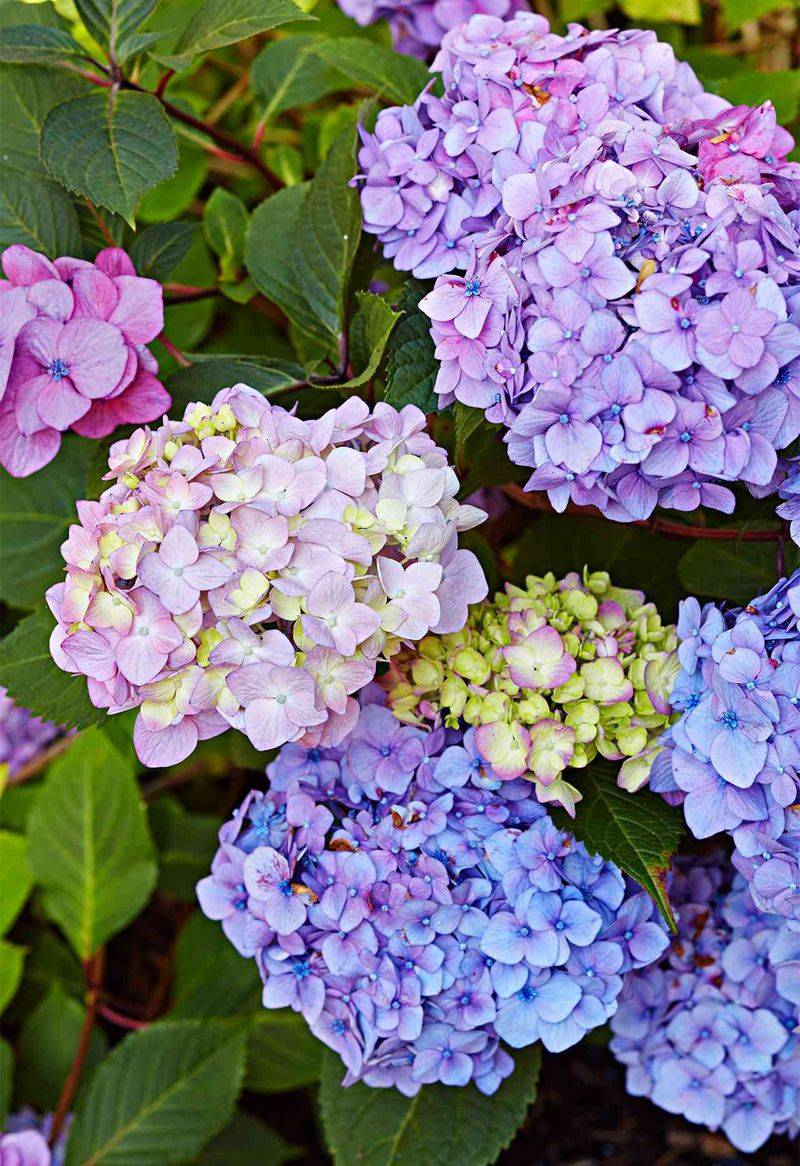
Many Ohio gardeners reach for pruning shears when a hydrangea stops flowering, assuming a cutback will encourage new growth and more buds. For certain hydrangea types, that logic works.
For others, it removes the very buds that were forming for the following season. Understanding which situation applies to your shrub is essential before any cutting begins.
Bigleaf and oakleaf hydrangeas set their buds on old wood during late summer or fall. Cutting those stems back in summer or early fall removes the buds before they ever have a chance to open.
If your bigleaf hydrangea has flowered poorly for several years, look at its pruning history. Cutting it back each summer or fall may be the primary cause.
Smooth hydrangeas and panicle hydrangeas bloom on new wood, so they are more forgiving of late-season cutting and are typically pruned in late winter or early spring.
There is also a difference between trimming, removing damaged stems, and major pruning. Snipping off a faded flower head is not the same as cutting back healthy stems.
Removing clearly damaged or crossed branches during the growing season is generally low-risk when done carefully. Major reshaping or rejuvenation pruning is a different matter entirely.
Time that work according to the specific hydrangea type, not the calendar date or how the plant looks in July. When in doubt, wait and observe before cutting.
5. Feed Lightly Instead Of Chasing Blooms With More Fertilizer
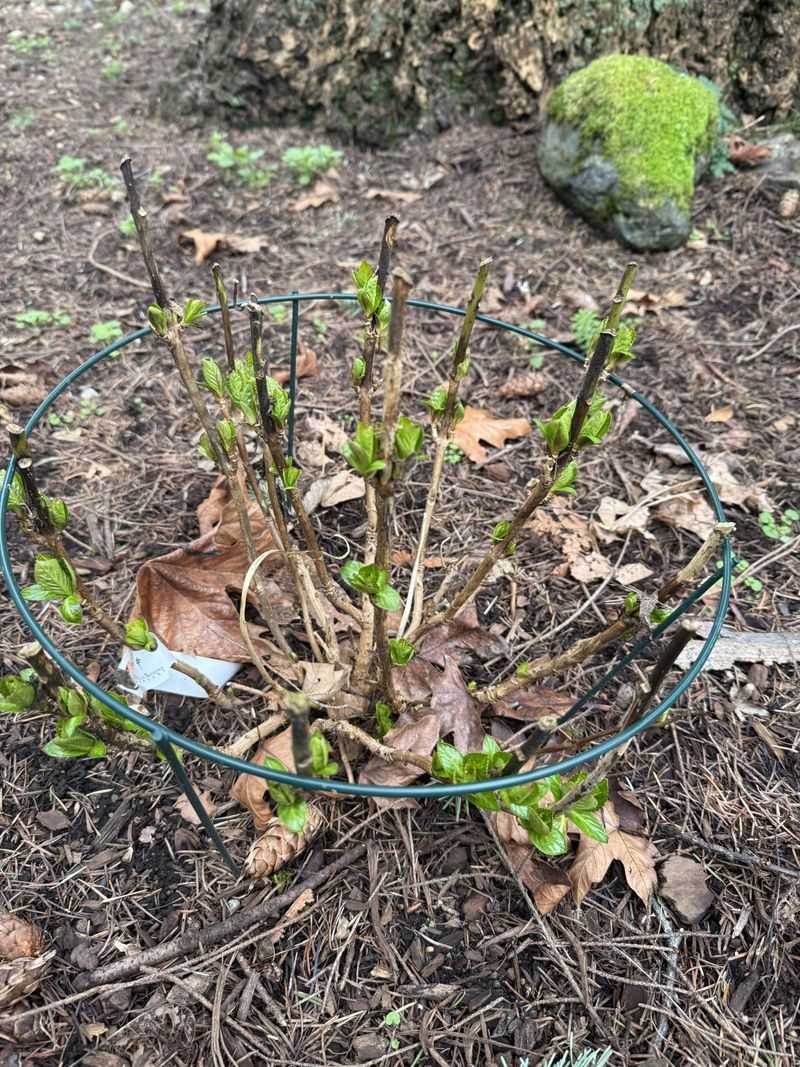
Reaching for fertilizer when a shrub stops flowering is a common reaction, but poor bloom production has many possible causes that have nothing to do with nutrients.
Incorrect pruning, winter bud loss, heat stress, drought, or cultivar behavior can all reduce flowering without any nutrient deficiency being involved.
Adding fertilizer to a plant that is already stressed from heat or water problems may do little good and can occasionally make things worse.
Excessive nitrogen, in particular, tends to push leafy vegetative growth at the expense of flower production. If a hydrangea is putting out abundant dark green leaves but producing few buds, a nitrogen-heavy fertilizer is unlikely to help.
A soil test through your local cooperative extension office is the most reliable way to identify a true deficiency. It can also show which amendment would address the problem.
If a plant is growing in reasonably good soil and was fertilized earlier in the season, additional feeding mid-summer may not be necessary. University extension guidance for the region generally cautions against late-season fertilizer applications.
They can stimulate tender new growth before cold weather returns. That tender growth is more vulnerable to cold injury.
Some well-established hydrangeas growing in decent garden soil need no supplemental fertilizer at all.
Matching any feeding to what the soil and the plant actually need, rather than to a sense that more input will produce more output, leads to better results over time.
6. Protect Healthy Leaves So The Plant Can Keep Building Energy
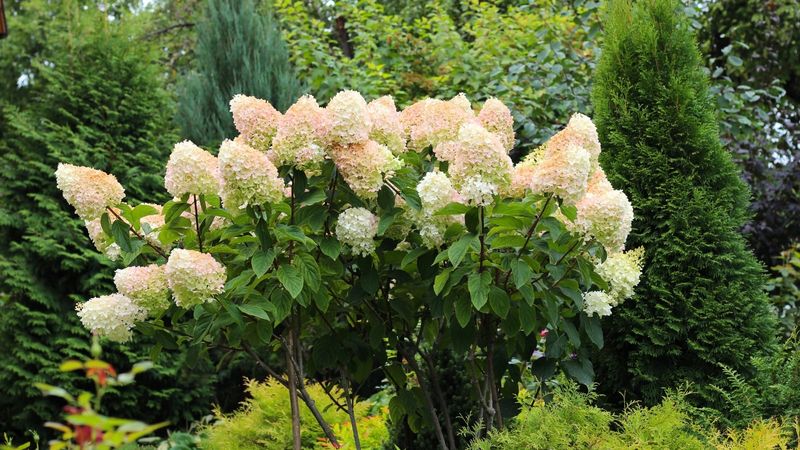
Leaves are where the plant captures light and converts it into the energy needed for growth and bud development. Losing a large portion of foliage to disease, insect damage, or scorch during summer limits what the plant can do for the rest of the season.
Keeping those leaves intact and functioning is a practical priority, even when they do not look their best.
Several problems can affect hydrangea foliage in summer. Powdery mildew appears as a grayish coating on leaf surfaces, most often during humid periods with warm days and cooler nights.
Leaf scorch shows up as brown or tan patches, often along the edges, and is frequently linked to excessive sun, heat, or dry soil. Yellowing leaves can result from overwatering, poor drainage, nutrient imbalances, and other problems.
Check the surrounding conditions before drawing conclusions.
Similar symptoms can have different causes, and treating the wrong problem wastes time. Look at where the damage is concentrated, what the soil conditions have been, and how the rest of the plant is behaving.
University extension plant diagnostic resources can help narrow down the cause if you are uncertain. For confirmed fungal diseases, sanitation practices such as removing and discarding affected leaves can reduce spread.
Avoid stripping off large numbers of leaves just to clean up the plant. Doing so removes productive foliage the shrub still needs through the rest of summer.
7. Remove Spent Blooms Only When Your Hydrangea Benefits From It
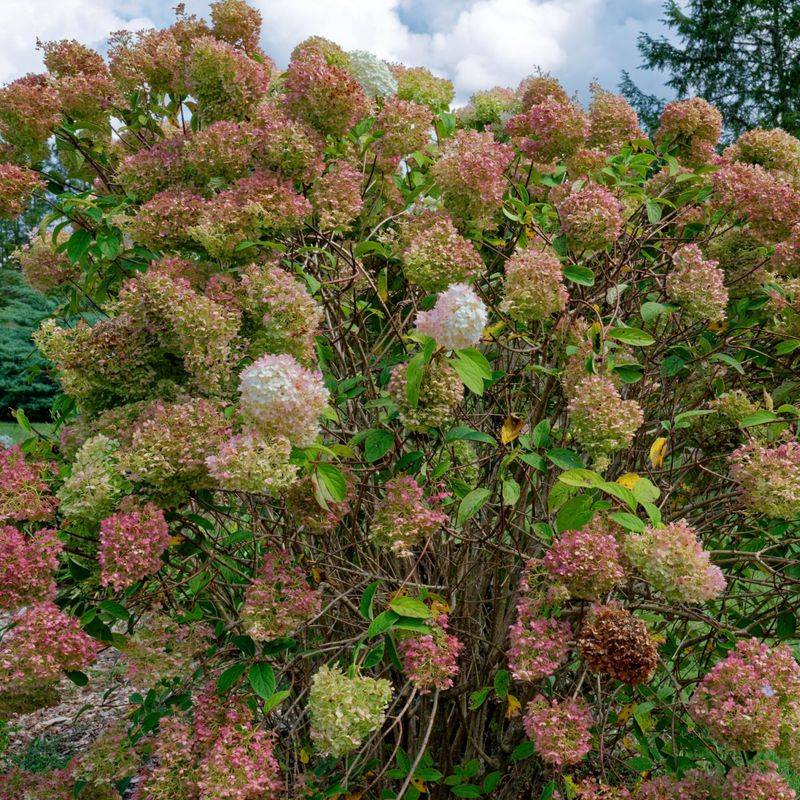
Faded flower heads draw the eye, and the urge to remove them is natural. Whether doing so helps the plant depends on what type of hydrangea you have and what you are hoping to accomplish.
Trimming is not a universal tool for producing more flowers, and treating it as one can lead to accidental pruning that removes buds the plant was already forming.
On reblooming bigleaf cultivars, removing spent flowers just below the old bloom may be part of routine maintenance during the flowering period. Even then, cutting too deeply into the stem risks removing buds that are developing lower on the same shoot.
On once-blooming bigleaf or oakleaf types, removing faded heads is mainly a cosmetic choice. It tidies the plant without changing its flowering pattern for that season.
Panicle and smooth hydrangeas, which bloom on new wood, are more tolerant of mid-season trimming since their buds are not at risk the same way. Even so, trimming does not automatically trigger another flush on any type.
The plant’s genetics, overall health, and the time remaining in the growing season all factor in. Some Ohio gardeners choose to leave dried flower heads through winter, both for visual interest and to provide some protection to the buds on the stems below.
That is a reasonable choice for old wood bloomers in colder areas of the state, where bud protection through winter matters considerably.
8. Give Stressed Plants Time To Recover Before Expecting More Flowers
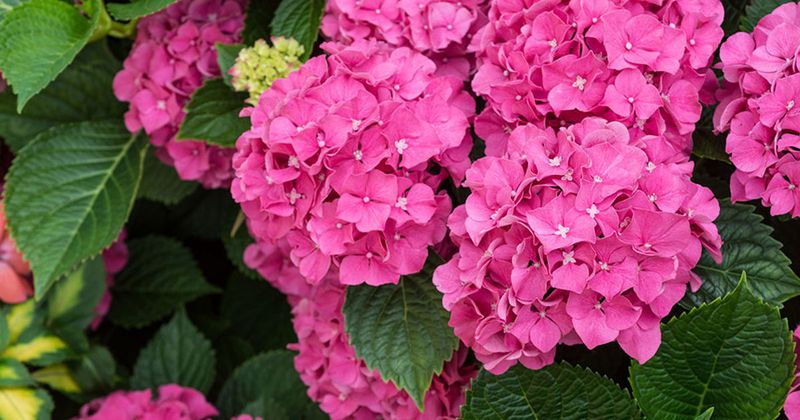
A shrub recovering from difficult Ohio weather, a pruning mistake, or drought will not respond to better care immediately. Producing a new round of buds takes time.
Recovery takes time, and the plant’s first priority is rebuilding normal function, not flowering. Expecting fast results and then overcorrecting with extra water, fertilizer, or additional pruning can create a cycle of stress that makes things worse.
Signs that care is moving in the right direction are quieter than a new bud. Firm, healthy new leaves emerging on the tips of shoots are a good indicator.
Reduced afternoon wilting when soil moisture is adequate suggests the plant is stabilizing. Steady, moderate new shoot growth without unusual yellowing or spotting is another positive signal.
None of these guarantee that flowers will follow this season, but they indicate the plant is functioning as it should.
Some problems, including winter bud loss on old wood bloomers or bud damage from a late frost, cannot be corrected within the same summer.
The results of those events show up as a quiet season, and the best response is to protect the plant through the coming winter and be patient for the following year.
Across the region, late freezes after buds have swelled are one of the most common reasons bigleaf hydrangeas produce few or no flowers in a given year. Understanding that pattern is more useful than chasing a result the plant cannot deliver right now.